
Gray divorce, the term used when couples over 50 split up, has been climbing steadily for decades. While younger generations are actually divorcing less, older adults are calling it quits at surprising rates.
Marriage experts have been digging into the reasons behind this trend, and many of them are not what you might expect. From retirement shake-ups to social media influence, the causes are eye-opening and worth understanding.
1. Women Are Reclaiming Their Lives by Initiating Divorce

Research consistently shows that women initiate the majority of gray divorces, and the reasons go far beyond simple unhappiness. Many women reach a point where health, self-respect, and long-term joy outweigh the comfort of staying in a familiar but unfulfilling relationship.
After decades of prioritizing others, they choose themselves. Experts say this shift reflects a powerful internal decision to stop settling and start living on their own terms, regardless of age.
2. Living Longer Makes People More Hopeful About New Love
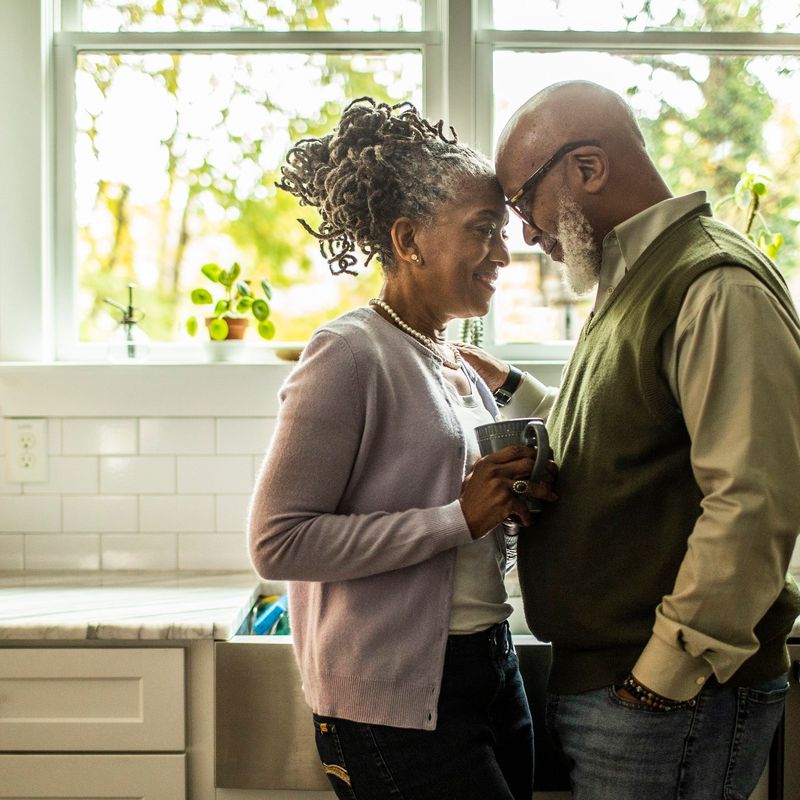
People are living longer than ever before, and that extra time changes how they think about relationships. Spending 20 or 30 more years in an unhappy marriage feels like a heavy price when a fulfilling future still seems possible.
Experts point out that increased life expectancy fuels genuine optimism. Many older adults believe they still have enough time to find meaningful connection, and that belief alone can be enough to push someone toward a fresh start.
3. Personal Fulfillment Has Replaced Marital Duty as the Goal
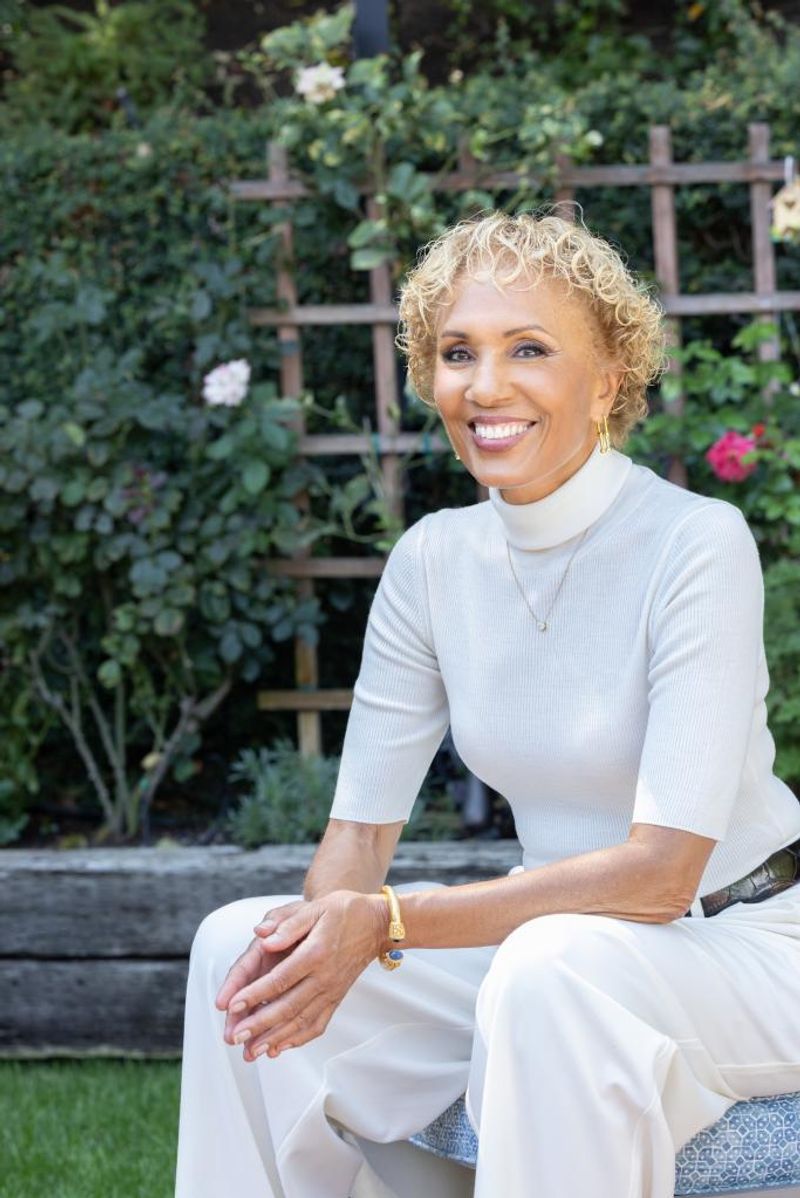
Something major has shifted in how society views marriage. Where older generations stuck it out because of obligation, today’s older adults are more likely to ask, “Am I actually happy here?” Cultural messages around personal growth and self-worth have seeped into every age group.
Marriage experts say this mindset shift is one of the biggest drivers of gray divorce. Fulfillment is no longer seen as selfish.
For many people over 50, choosing happiness feels not just acceptable, but necessary.
4. Empty Nest Syndrome Exposes a Hollow Marriage

When the last child packs up and moves out, the house gets quiet in more ways than one. For many couples, the kids were the glue holding everything together, and without them, the cracks in the relationship become impossible to ignore.
Counselors frequently see this pattern: parents who built their entire identity around raising children suddenly realize they and their spouse have little in common anymore. The shared project is done, and what remains feels unfamiliar and distant.
5. Retirement Creates Too Much Time Together, Revealing Hidden Cracks

Retirement sounds like a dream, but for many couples it becomes a stress test. Suddenly spending nearly every hour of every day together can shine a harsh light on problems that were easy to avoid when work kept people busy and apart.
Experts call it the “too much proximity” problem. Long-ignored habits, clashing routines, and buried resentments surface fast when there is nowhere left to hide.
Some couples find they genuinely do not enjoy each other’s company without the structure of a busy schedule.
6. Roommate Syndrome Drains the Life Out of Long Marriages
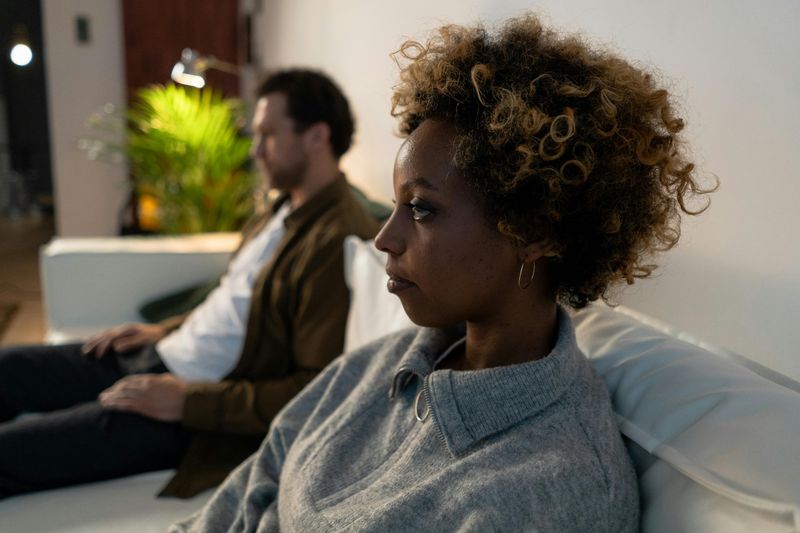
Over the years, some marriages quietly transform from a loving partnership into something more like a business arrangement. The couple manages the house, splits the bills, and keeps to their routines, but warmth, laughter, and real connection have long since faded.
Marriage therapists call this “roommate syndrome,” and it is surprisingly common in long-term relationships. Many people tolerate it for years before finally admitting the emotional emptiness is too much to bear.
At that point, divorce starts to feel less like a loss and more like a relief.
7. Social Media Gives Older Adults a New Kind of Courage
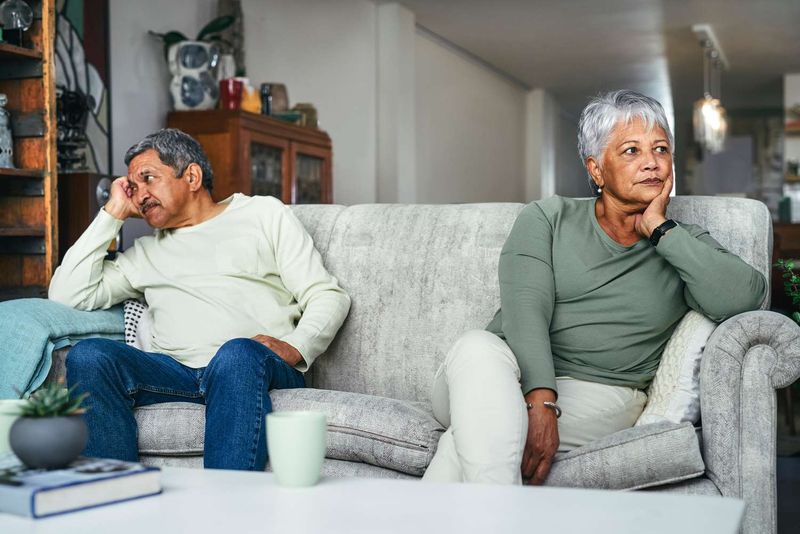
Social media is not just for teenagers. Older adults are increasingly using platforms to connect with others who share their experiences, including those navigating unhappy marriages or contemplating divorce.
Seeing others take the leap can be genuinely inspiring.
Experts note that online support networks reduce the shame and isolation that once kept people stuck. When someone realizes thousands of others feel the same way, the idea of leaving a dissatisfying relationship stops feeling impossible and starts feeling like a realistic, supported choice.
8. Shifting Gender Roles Create Unexpected Friction in Older Marriages

Traditional marriages were built on clear, if unequal, expectations. As gender roles have evolved over the past few decades, many older couples have found themselves in unfamiliar territory, unsure of who does what and why tensions keep building.
Women entering the workforce in greater numbers and men taking on more caregiving roles have reshaped household dynamics. When those shifts go unaddressed and both partners feel undervalued or misunderstood, resentment builds.
Experts say couples who never renegotiated their roles are especially vulnerable to this kind of friction.
9. No-Fault Divorce Laws Make Leaving Much Easier Legally

Not long ago, divorcing required proving wrongdoing, which made the process emotionally exhausting and legally complicated. The widespread adoption of no-fault divorce laws changed all that.
Now, citing “irreconcilable differences” is enough to dissolve a marriage in most states.
Removing the legal burden lowers the barrier significantly. Marriage law experts say this shift has made older adults far more willing to act on feelings they might have suppressed for years.
When the process feels manageable, the decision to leave becomes far less daunting.
10. For Men, Gray Divorce Can Be a Full-Blown Identity Crisis

While much of the conversation around gray divorce focuses on women’s choices, men experience their own kind of pain in the process. One expert describes it as an identity crisis rather than a midlife cliche, rooted in feeling unseen or unloved for years.
Some men lose themselves slowly inside a marriage, adopting unhealthy coping habits or withdrawing emotionally. By the time divorce arrives, they are often left questioning who they are outside the relationship.
Rebuilding that sense of self takes real work and honest self-reflection.
11. Years of Small Wounds Eventually Break the Bond
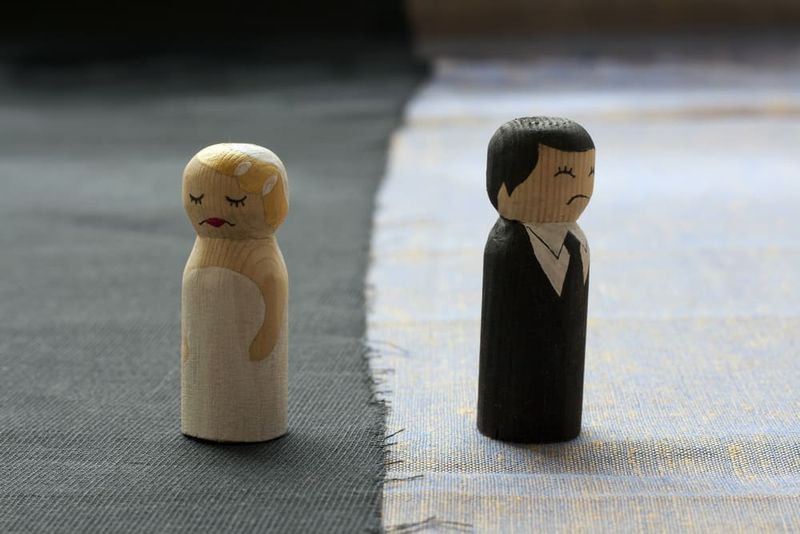
Gray divorce rarely happens because of one dramatic blowup. More often, it is the slow accumulation of unresolved arguments, emotional distance, and small moments of feeling dismissed that eventually adds up to something irreparable.
Therapists describe this as a breaking point reached through chronic, low-grade stress rather than a single crisis. Each unspoken hurt, each dismissed complaint, and each missed opportunity to reconnect chips away at the foundation.
By the time one partner says “enough,” the damage has been building for decades.
12. Retirement Savings Conflicts Become Explosive Near the Finish Line

Money fights are tough at any age, but near retirement they carry a whole new weight. When one spouse is a saver and the other spends freely, the gap between their visions for the future can feel impossible to bridge.
Experts say financial incompatibility often gets ignored during the working years when income covers the gaps. But as retirement looms, the stakes get real fast.
Suddenly, one wrong decision could affect both people’s security for the rest of their lives, and that pressure can shatter even long-standing relationships.
13. A Serious Illness Can Either Strengthen or Shatter a Marriage

Facing a serious health crisis has a way of making everything crystal clear. Some people come out of illness with a fierce new commitment to spending their remaining years joyfully, even if that means walking away from a marriage that no longer serves them.
Strikingly, research shows that when a wife becomes seriously ill, the risk of divorce actually increases, with husbands more likely to leave. This troubling pattern reveals how illness can expose deep inequalities in how emotional support and caregiving are shared within a marriage.
14. Fading Intimacy Leaves Partners Feeling Alone Together
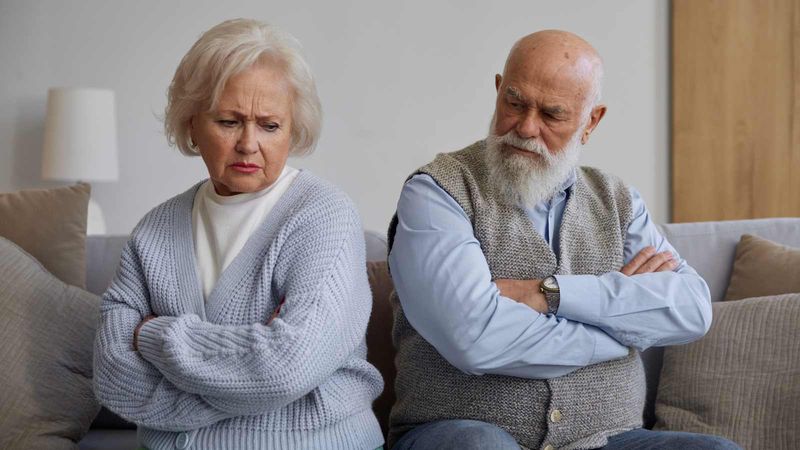
Physical and romantic closeness tends to shift over the course of a long marriage, but when that shift turns into a complete absence of intimacy, the emotional toll can be severe. Feeling like strangers in the same bed is more common than most people admit.
When one or both partners stop feeling desired or emotionally connected, they may seek that closeness elsewhere, or simply decide the loneliness inside the marriage is worse than being alone. Experts say unaddressed intimacy gaps are among the quietest but most powerful drivers of gray divorce.
15. Buried Emotions and Unmet Expectations Finally Come to the Surface

For years, the busyness of raising kids and building careers keeps many couples from ever truly talking. Once the noise of daily life fades, all those unspoken feelings have nowhere left to hide.
The silence can be deafening and revealing.
Marriage counselors often see this pattern in couples whose children have grown. Without daily distractions, years of unmet expectations and emotional neglect rise to the surface.
Partners may realize they have been quietly hurting for a very long time, and that awareness alone can be enough to change everything.
16. A Hunger for Personal Growth Pulls Partners in Different Directions
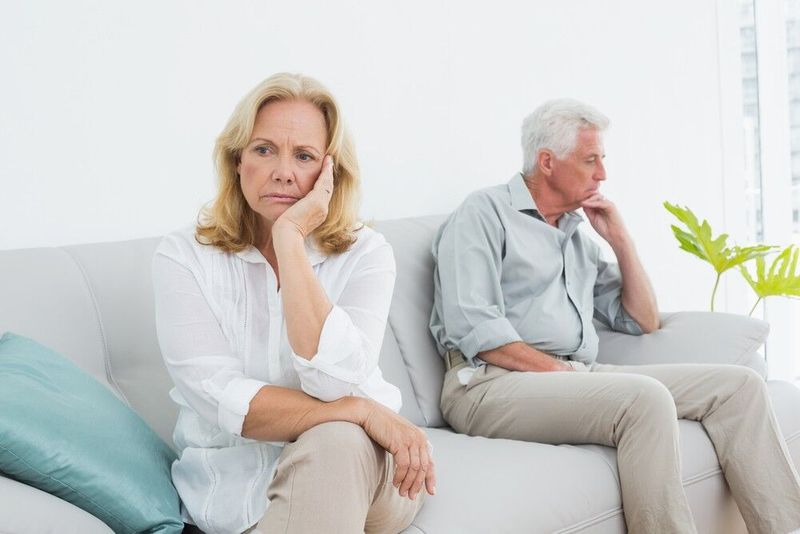
Many people hit their 50s and feel a genuine urgency to finally pursue the dreams they put on hold. Travel, career pivots, creative pursuits, going back to school.
These desires are real and powerful, and they do not always fit neatly into an existing marriage.
When one partner is ready to reinvent themselves and the other prefers stability, the tension can become overwhelming. Experts say this mismatch in personal ambition is one of the more unexpected but increasingly common reasons older couples choose to part ways rather than hold each other back.
17. Baby Boomers Brought Higher Divorce Rates With Them All Along
Baby Boomers were already divorcing at higher rates than any previous generation when they were young. Now that the youngest Boomers are hitting their 60s, those same tendencies are showing up in the gray divorce statistics in a very predictable way.
Experts say this is partly a numbers game. There are a lot of Boomers, and they have always been a generation that questioned tradition and prioritized personal satisfaction.
Their arrival en masse into the over-50 age bracket naturally pushes the gray divorce rate higher, regardless of other cultural factors.
18. Removing the Parenting Buffer Reveals What Was Always There

Plenty of couples make a quiet, unspoken agreement to stay together for the children. Nobody says it out loud, but everyone knows.
The kids become the reason to keep going, the shared purpose that holds two people in the same house even when the love has faded.
Once those children grow up and leave, the agreement expires. What remains is the relationship underneath, and for many couples, that relationship never had a strong foundation.
Experts say this “parenting buffer” removal is one of the most honest, if painful, catalysts for gray divorce.
19. A Stagnant Marriage Breeds a Deep Sense of Unfulfillment
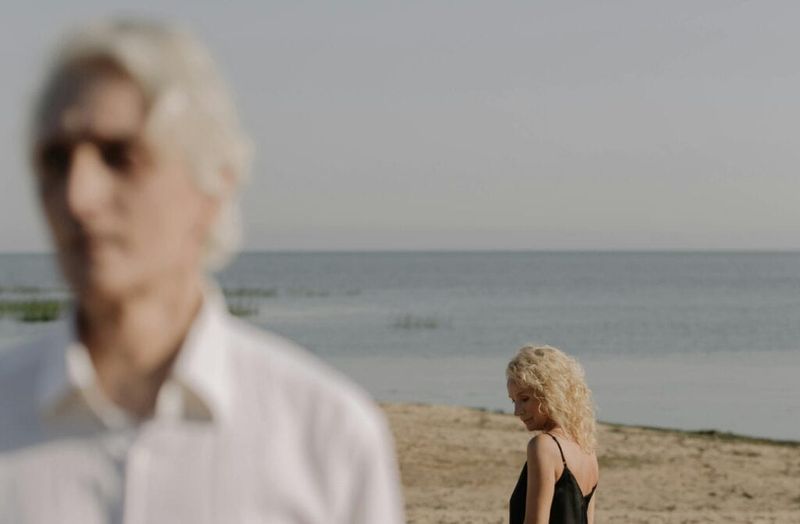
Some marriages do not end with a bang. They just slowly stop moving.
The same routines, the same silences, the same distance year after year. At some point, one or both partners starts to wonder if this is really all there is.
Marriage experts describe this as relational stagnation, and it is one of the most common complaints they hear from older couples seeking counseling. When a relationship stops growing and deepening, the sense of emptiness becomes impossible to shake.
For many, divorce feels less like giving up and more like finally waking up.
20. Wellness Culture Has Raised the Bar for What Marriage Should Feel Like
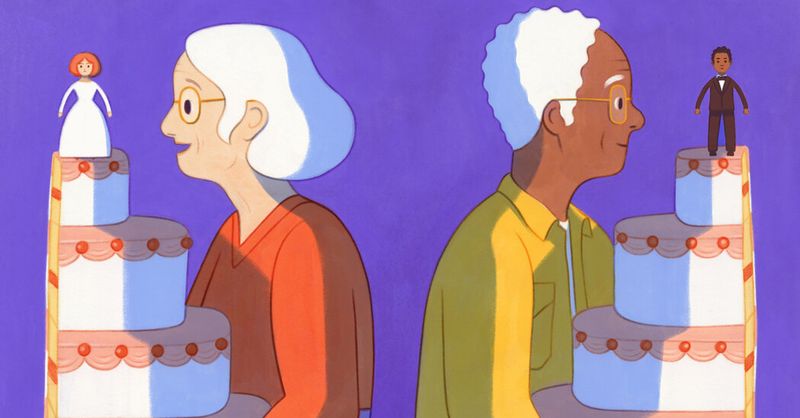
Podcasts, self-help books, therapy apps, and wellness influencers all send the same message: you deserve to feel good, and your life should reflect that. This cultural wave has reached older adults in a big way, reshaping how they evaluate their relationships.
Experts say the modern wellness mindset has quietly raised expectations for what marriage should feel like. When joy and love are framed as non-negotiable, tolerating a joyless marriage starts to feel like self-betrayal.
For many older adults, that shift in thinking is exactly what tips the scale toward divorce.