
Narcissists have a hard time handling situations that don’t go according to their plan. When their sense of control or importance feels threatened, they tend to react in ways that can be confusing, hurtful, or even scary to the people around them.
Understanding these patterns can help you protect yourself and make sense of what’s really happening. Knowing what to expect is the first step toward setting healthy boundaries.
1. Narcissistic Rage

Few things are as startling as the fury a narcissist unleashes when their ego takes a hit. Even the smallest setback can trigger an explosive outburst — shouting, screaming, or throwing insults like they’re going out of style.
Sometimes the rage goes quiet, turning into cold sulking or deliberate silence. Either way, the goal is the same: to intimidate and regain control.
Recognizing this pattern can help you stay calm and avoid getting pulled into the storm.
2. Blame Shifting

Ask a narcissist what went wrong, and somehow the answer always points away from themselves. Blame shifting is their go-to move for dodging accountability and keeping their self-image spotless.
They’ll twist timelines, reframe events, and make you feel like the whole mess was your fault from the beginning. Over time, this can seriously mess with your self-confidence.
Keeping a mental or written record of events can help you stay grounded in what actually happened.
3. Gaslighting
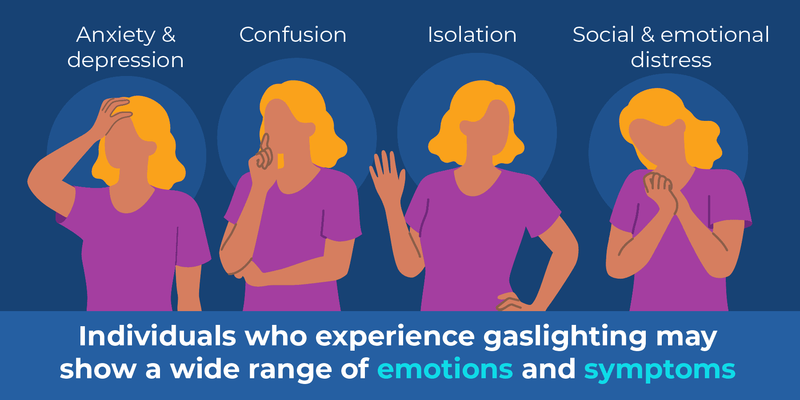
Gaslighting is one of the most disorienting things a narcissist can do. They’ll flat-out deny things that happened, twist your words, and make you question whether your memory is even working right.
“That never happened” and “You’re too sensitive” become their favorite phrases. Over time, you might start doubting your own reality.
Trusting a close friend or therapist to help you check in on what’s real can be a genuine lifesaver when someone is gaslighting you.
4. Projection

Narcissists rarely want to look at their own flaws, so they do something clever — they hand those flaws off to you instead. Projection means accusing others of the exact negative traits they themselves carry.
If they’re being dishonest, they’ll call you a liar. If they’re jealous, they’ll swear you’re the jealous one.
Spotting this pattern can feel like a lightbulb moment. Once you recognize it, their accusations lose a lot of their power over you.
5. The Silent Treatment

Silence can be used as a weapon, and narcissists know exactly how to wield it. When they feel challenged or disrespected, they may simply stop talking to you altogether — sometimes for days.
It’s designed to make you feel anxious, guilty, and desperate for their approval. The longer the silence stretches, the more control they feel.
Understanding that this is a manipulation tactic — not genuine hurt — can help you resist the urge to chase after their attention.
6. Playing the Victim

Somehow, no matter what happened, the narcissist always ends up as the one who suffered most. Playing the victim is a masterclass in flipping the script to gain sympathy and escape consequences.
They’ll exaggerate minor inconveniences into major injustices and make sure everyone around them knows it. Friends and family might rally to their defense without ever hearing the full story.
Staying calm and sticking to the facts is your best tool when someone tries to paint you as the villain.
7. Devaluation

When a narcissist starts to feel threatened by someone, they often respond by cutting that person down. Devaluation can look like backhanded compliments, sudden coldness, or outright insults aimed at making you feel small.
One day you’re on a pedestal; the next, nothing you do is good enough. This whiplash is intentional — it keeps you off-balance and working harder for their approval.
Recognizing the cycle of idealization and devaluation is key to understanding how narcissistic relationships really work.
8. Smear Campaigns

When a narcissist feels like they’re losing control over someone, they sometimes go on the offensive — spreading rumors, twisting stories, and turning mutual friends against that person.
A smear campaign is their way of destroying your reputation before you get a chance to tell your side. It can feel incredibly isolating and unfair.
Staying honest, keeping close allies informed, and documenting interactions can help protect you when someone launches this kind of attack.
9. Hoovering

Named after the vacuum brand, hoovering is exactly what it sounds like — a narcissist trying to suck you back in after a falling-out. Grand romantic gestures, heartfelt apologies, and big promises tend to appear right when you’re pulling away.
It can feel genuine, especially if you still care about the person. But these tactics are usually about regaining control, not real change.
Watching for consistent behavior over time — rather than dramatic moments — is the most reliable way to tell the difference.
10. Holding Grudges

Forgiveness is not really in a narcissist’s vocabulary. Even tiny perceived slights can be stored away and brought back out years later like ammunition.
They have a long memory when it comes to feeling disrespected.
Grudges serve a purpose for them — they justify future retaliation and keep others in a constant state of guilt. If you notice someone repeatedly bringing up old grievances to control your behavior, that’s a major red flag worth taking seriously.
11. Seeking Revenge

Getting even matters deeply to a narcissist who feels wronged. Revenge doesn’t have to be dramatic — it can show up as subtle sabotage, spreading gossip, or going out of their way to make your life harder.
They rarely see this as petty. In their mind, they’re simply restoring justice.
Keeping your distance and avoiding power struggles can reduce the chances of becoming a target. Feeding into their sense of rivalry almost always makes things worse, not better.
12. Manipulation Through Guilt
Guilt is one of the narcissist’s most reliable tools. They’ll remind you of everything they’ve done for you, exaggerate their own suffering, and make you feel like a terrible person for having needs of your own.
This tactic works especially well on empathetic people who genuinely care about others’ feelings. Setting firm but kind limits around what you’re willing to take responsibility for can help.
You are not responsible for managing another adult’s emotions at the cost of your own well-being.
13. Avoidance and Withdrawal

Not every narcissist comes out swinging when things go wrong. Some simply disappear — avoiding tough conversations, dodging accountability, and retreating into silence rather than facing the music.
Avoidance lets them sidestep any situation that might chip away at their carefully built self-image. It can leave the other person feeling stranded without any resolution.
Pushing too hard for a response usually backfires; giving space while holding firm on your own needs tends to be a more effective approach.
14. Entitlement Escalation

When a narcissist doesn’t get what they expected, they don’t quietly accept it — they double down. Entitlement escalation means their demands get louder, their attitude gets colder, and their patience disappears entirely.
They genuinely believe they deserve special treatment, so any denial feels like a personal insult. You might see this play out in restaurants, workplaces, or relationships when things don’t go their way.
Staying calm and not rewarding escalating behavior is usually the most effective response.
15. Love Bombing After Conflict

Right after a blowup, some narcissists flip the switch completely and shower you with attention, affection, and praise. Love bombing after conflict is designed to reset the emotional tone before you’ve had time to process what just happened.
It can feel wonderful in the moment — like the person you fell for is back. But the pattern tends to repeat itself.
Noticing whether the loving behavior is consistent or only appears after conflict is a very telling sign of what’s really going on.
16. Triangulation

Triangulation is when a narcissist brings a third person into a conflict to stir jealousy, competition, or insecurity. They might casually mention how much an ex admired them or how a coworker thinks they’re amazing.
The goal is to make you feel insecure and work harder to earn their approval. It’s a calculated move disguised as casual conversation.
Recognizing triangulation for what it is — a power play, not a compliment — can help you stop taking the bait.
17. Minimizing Your Feelings

“You’re overreacting.” “It wasn’t that big a deal.” Sound familiar? Narcissists are skilled at making your emotions feel like an inconvenience or an embarrassment rather than something valid and real.
Minimizing your feelings keeps them from having to take responsibility for causing harm. It can make you start to distrust your own emotional responses over time.
Surrounding yourself with people who actually listen and validate your experiences is one of the best antidotes to this kind of emotional dismissal.
18. Twisting the Narrative

After things go sideways, a narcissist rarely tells the story the way it actually happened. They rewrite events to cast themselves in the best possible light and reframe your actions to look unreasonable or unkind.
This isn’t just lying for convenience — it’s a deeply ingrained way of protecting their self-image. The more people they can convince of their version, the safer they feel.
Keeping your own account of events clear and consistent, without over-explaining, is one of the best ways to stay grounded.
19. Weaponizing Insecurities

Narcissists pay close attention to what makes you feel vulnerable — and when they feel cornered, they use it. That thing you shared in a private moment of trust can become a weapon aimed right at your confidence.
It’s a deeply personal kind of cruelty, and it’s meant to destabilize you. Knowing this tactic exists can help you be more thoughtful about what you share early in a relationship.
Healthy partners use your vulnerabilities to support you, not to win arguments.
20. False Apologies

A narcissist’s apology often sounds more like a complaint about how they’ve been treated than genuine remorse. “I’m sorry you felt that way” is a classic example — it sounds like an apology but places zero responsibility on them.
False apologies are used to end tension quickly and restore the relationship to a comfortable state without any real change. If apologies are consistently followed by the same hurtful behaviors, that pattern speaks louder than any words.
Actions over time are always more honest than carefully chosen phrases.