
Parenting feels like the most important job in the world, so most of us go in with a long list of rules we swear will keep our kids safe, happy, and well-behaved. We enforce bedtimes, ban junk food, hover over homework, and track every move.
But somewhere between the toddler years and adulthood, something surprising happens. The rules we were so proud of start looking a lot less wise than we thought.
1. Always Finishing Every Bite on the Plate

Clean plate or no dessert. Sound familiar?
Many parents grew up with this rule and passed it right along without a second thought. But research now shows forcing kids to eat everything ignores their natural hunger cues.
When children are told to override their body’s signals, they can lose the ability to self-regulate eating as adults. This well-meaning rule often plants the seeds for unhealthy food relationships that take years to untangle.
2. No Means No, and That’s Final

Consistency matters in parenting, but there is a fine line between being firm and being inflexible. When every “no” is final with zero room for discussion, kids stop asking and start sneaking.
Grown children often admit they learned to hide things rather than negotiate. Healthy boundaries work best when they come with explanation and occasional flexibility.
Letting kids ask “why” teaches reasoning skills they will use for the rest of their lives.
3. Homework Before Anything Else

Homework first, always. No exceptions.
Parents who lived by this rule thought they were building discipline and academic responsibility. What they did not realize was that kids need downtime after a full school day just as much as adults need rest after work.
Studies suggest unstructured play after school actually boosts focus and creativity. Grown kids often say they felt burned out by middle school, never learning to balance rest with responsibility on their own terms.
4. Screen Time Is the Enemy

Back when smartphones were new, banning screens felt like the responsible move. Parents who enforced zero-tolerance screen rules believed they were protecting their children from distraction and danger.
But total bans rarely work long-term.
Kids who never learned to manage their own screen time often binge the moment they left home. Teaching mindful, balanced technology use turns out to be far more effective than a blanket ban that disappears the second they turn eighteen.
5. Never Let Them See You Cry
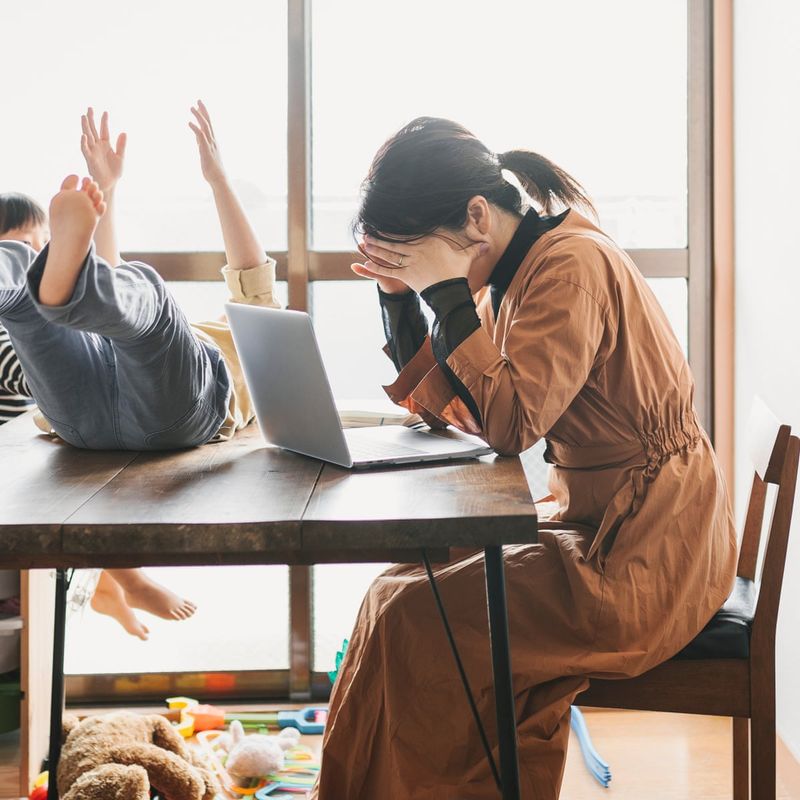
Staying strong for the kids seemed noble. Many parents believed showing emotion meant showing weakness, so they bottled everything up behind closed doors.
The unintended lesson? Kids learned that feelings were something to be hidden, not processed.
When those same kids became adults, emotional regulation did not come naturally. Therapists frequently hear grown adults say they never saw their parents cry and had no model for healthy grief.
Vulnerability, it turns out, is a parenting superpower.
6. Grades Define Your Future

“You need straight A’s to succeed.” Millions of kids heard this growing up, and many internalized it as their entire sense of worth. The pressure to perform academically above all else created anxious, perfection-chasing young adults.
Many high-achieving students later struggled with burnout, imposter syndrome, and a crushing fear of failure. Grades matter, but they are only one small piece of a much bigger picture.
Character, curiosity, and resilience tend to carry people much further than a GPA ever did.
7. Always Be Polite, No Matter What

Teaching kids to say please and thank you is genuinely valuable. But the version of politeness that required children to hug relatives they disliked or stay quiet when uncomfortable crossed into something else entirely.
Many adults look back and recognize they were taught that keeping others comfortable mattered more than their own boundaries.
Kids raised this way sometimes struggle to say no as adults. Real respect includes respecting a child’s right to decline physical affection, even from family.
8. Fighting Is Never Okay
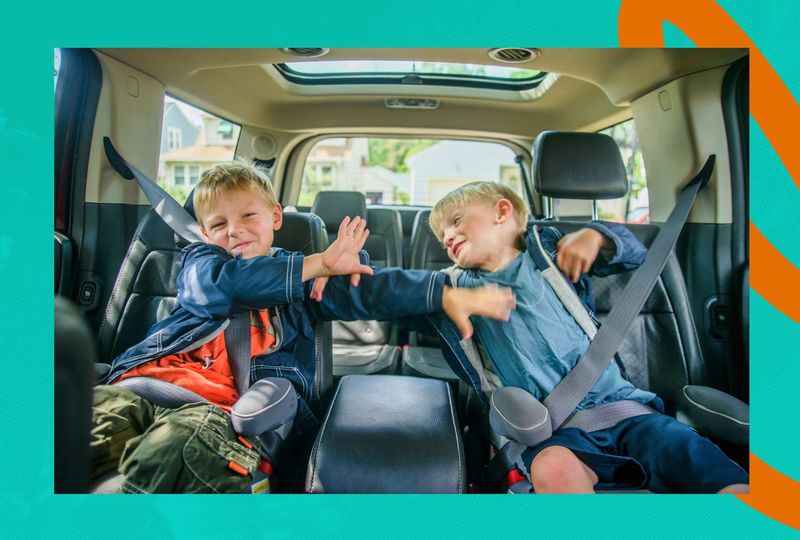
Conflict avoidance sounds peaceful, but raising kids who never learned to argue constructively created adults who either explode or completely shut down. The “no fighting” rule often meant disagreements were swept under the rug rather than worked through.
Sibling squabbles, handled with guidance rather than prohibition, are actually where kids first practice negotiation, empathy, and compromise. Parents who stepped in too fast robbed their children of those early lessons in conflict resolution that matter enormously later in life.
9. Do Not Talk to Strangers
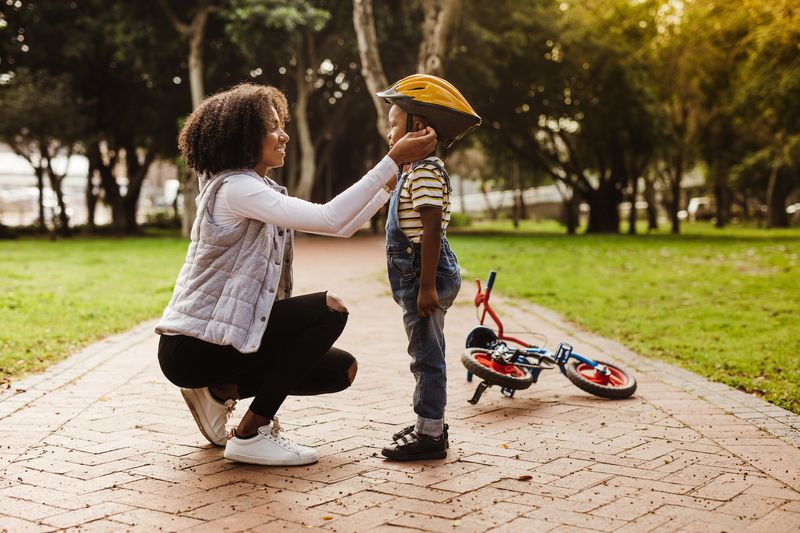
Safety first, always. But the blanket stranger-danger rule created some unexpected side effects.
Kids who were taught that all strangers were dangerous grew up with social anxiety and difficulty trusting new people in healthy, normal situations.
Child safety experts now recommend teaching kids which strangers are safe to approach, like police officers or store employees, rather than fearing everyone unfamiliar. A more nuanced message keeps kids safer and helps them build the social confidence they need as adults.
10. You Should Always Respect Your Elders
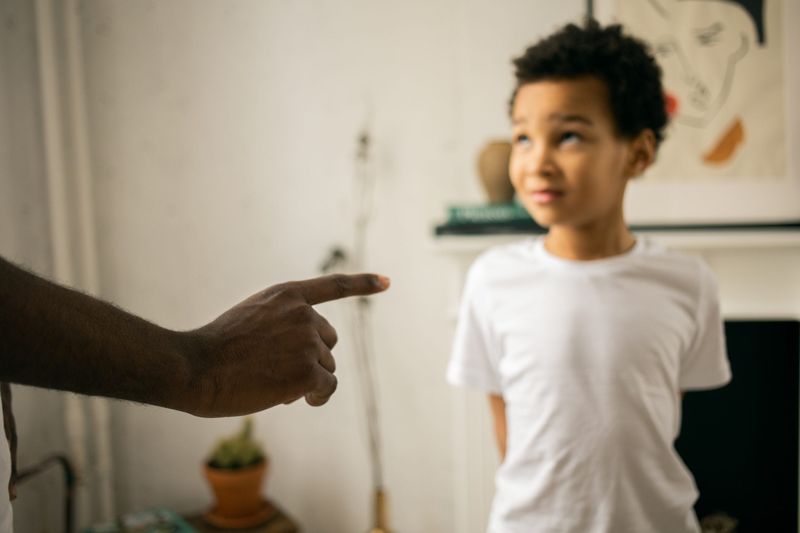
Respect is essential. But the version that demanded automatic deference to any adult, simply because of their age, sometimes left kids vulnerable and confused.
When an adult in authority behaved badly, children had no framework for questioning it.
Adults who grew up under this rule sometimes say they stayed in harmful situations too long because they were taught not to challenge older people. Healthy respect is earned, reciprocal, and paired with the understanding that authority does not equal immunity from accountability.
11. Keep Family Business Private

“What happens in this house stays in this house.” This rule felt protective, but it often taught kids that shame and secrecy were the right responses to family struggles. Many grew up believing they had to handle everything alone.
Therapists see this pattern frequently in adults who never learned to ask for help. Healthy privacy is different from enforced silence.
Teaching kids appropriate boundaries around personal information is valuable, but it should never come at the cost of their ability to seek support when they genuinely need it.
12. You Will Do It Because I Said So
Authority without explanation worked in the short term. Kids complied because they had to.
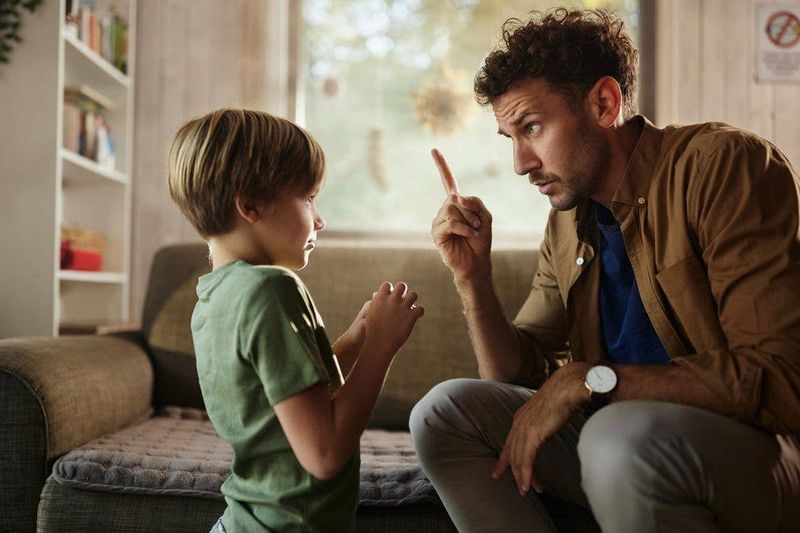
But “because I said so” left a lot of unanswered questions that followed children into adulthood, including why rules exist and whether they are worth following when no one is watching.
Young adults raised this way often either rebel hard or comply blindly, neither of which serves them well. Explaining the reasoning behind rules, even simply, builds genuine understanding and teaches kids to think critically about guidelines and expectations.
13. Protect Them from Failure at All Costs

Watching a child struggle is genuinely painful. Swooping in to fix things felt like love.
But kids who were never allowed to fail also never learned how to recover from falling short, which is one of life’s most important skills.
Grown children of over-protective parents frequently describe feeling paralyzed by even small setbacks. Failure, handled with encouragement, builds resilience and self-trust.
A scraped knee, a failed test, or a lost game can teach more than any perfectly managed success ever could.
14. Boys Don’t Cry, Girls Don’t Roughhouse

Gender-based emotional rules seemed normal a generation ago. Boys were expected to toughen up while girls were steered toward quieter, gentler behavior.
These rules shaped how children understood their own feelings and identities in ways parents rarely intended.
Adults raised with these expectations often struggle with emotional expression or feel shame around natural personality traits. Letting kids feel and move freely, regardless of gender, turns out to be one of the most freeing gifts a parent can offer.
15. Comparing Them to Siblings or Other Kids

“Your brother never had this problem” might be the most quietly damaging sentence in the parenting playbook. Comparisons were often meant to motivate, but they reliably did the opposite, creating resentment, rivalry, and a bruised sense of self-worth.
Psychologists consistently find that comparison-heavy childhoods produce adults who measure their value against others rather than their own growth. Every child is on a different timeline with different strengths.
Celebrating a kid for their own progress, rather than ranking them, builds the kind of confidence that actually lasts.
16. Always Have a Plan and Stick to It
Structure is healthy, but rigidity is something else. Parents who scheduled every hour and resisted deviation thought they were preparing their kids for a disciplined life.
Instead, many raised children who struggled with uncertainty and became anxious when things did not go according to plan.
Real life is messy and unpredictable, and adaptability is one of the most valuable life skills there is. Leaving space for spontaneity, boredom, and unplanned moments actually helps children develop creativity and emotional flexibility in ways tight schedules simply cannot.
17. Talking About Money Is Inappropriate

Money was a taboo topic in many households. Parents believed shielding kids from financial stress was protective.
But children who grew up never hearing a word about budgets, debt, or saving entered adulthood completely unprepared for financial reality.
Financial literacy experts point out that age-appropriate money conversations build the skills young adults desperately need. Knowing how to manage a paycheck, save for emergencies, or avoid credit card traps is not something most kids pick up on their own without guidance from home.
18. Keep Them Busy to Keep Them Out of Trouble

Packed schedules felt responsible. Soccer, piano, tutoring, swim team, and drama club were all signs of an engaged, attentive parent.
But kids who were constantly shuttled from activity to activity rarely had a chance to figure out what they actually enjoyed.
Unstructured free time, which can feel unproductive to a busy parent, is where imagination, self-direction, and genuine passion develop. Many overscheduled kids grew into adults who felt lost without external direction, having never had the space to discover what truly motivated them from within.
19. Never Apologize to Your Kids

Admitting you were wrong to your own child? That felt like losing authority.
Many parents operated under the belief that apologizing would undermine their position. What it actually undermined was trust.
Kids who never heard a parent say “I was wrong” or “I am sorry” grew up without a clear model for accountability. As adults, many found apologizing almost impossible.
Parents who apologize when they make mistakes teach their children one of the most powerful lessons available: that owning your errors is a sign of strength, not weakness.
20. Love Means Always Putting Your Kids First

Selfless parenting sounds beautiful in theory. Putting your children above everything, including your own health, friendships, and happiness, felt like the ultimate sign of devotion.
But kids raised by burned-out, self-neglecting parents often grew up carrying quiet guilt and had no model for healthy self-care.
Children learn by watching. A parent who never rests, never plays, and never prioritizes their own needs teaches kids that self-worth comes only through sacrifice.
Modeling balance and self-respect is one of the most honest gifts a parent can pass down.