
Growing up changes everything, including how we feel about the people we were raised with. Many adults find themselves slowly drifting away from their families, and it is more common than most people realize.
Whether it happens suddenly or over many years, pulling away from family is rarely simple. Understanding why it happens can help us make sense of our own lives and relationships.
1. Prioritizing Emotional Safety
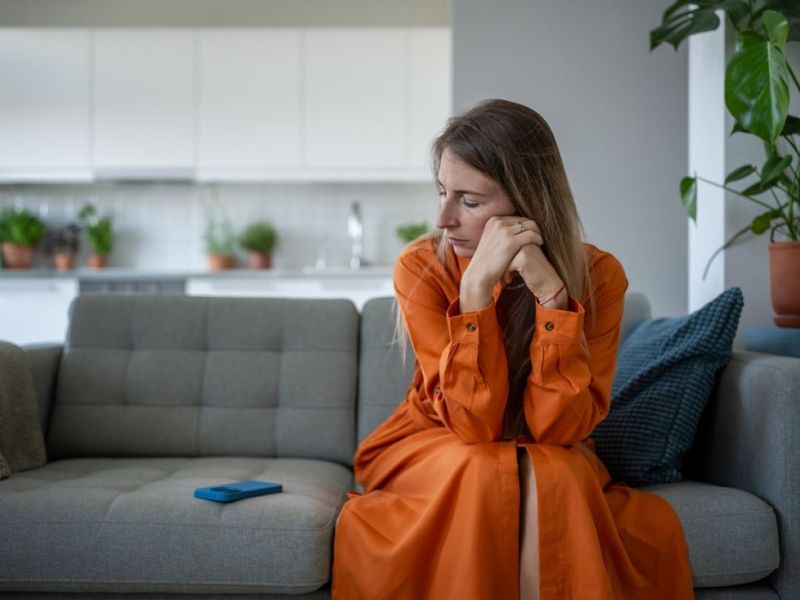
Sometimes the healthiest thing a person can do is step back. When family interactions leave someone feeling drained, anxious, or emotionally wounded, distance becomes a form of self-care rather than selfishness.
Years of painful experiences, whether dramatic or quietly dismissive, can build up over time. Adults who pull away are often trying to protect their inner peace.
Choosing emotional safety is not giving up on family; it is choosing to stop hurting.
2. Unmet Emotional Needs From Childhood
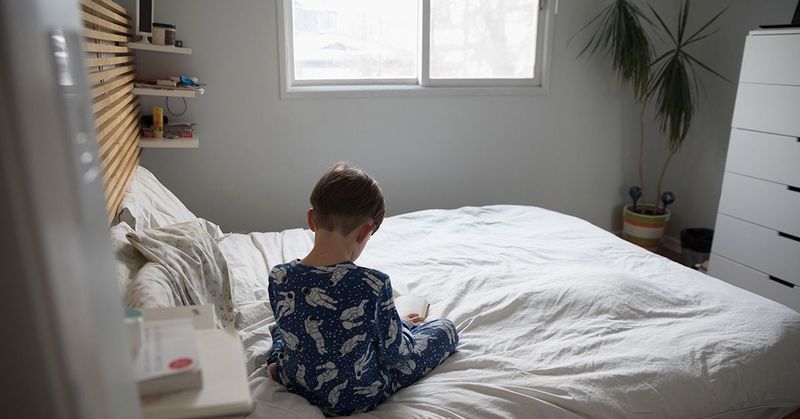
Imagine growing up always feeling invisible, like your feelings never quite mattered. For many adults, that childhood experience never fully healed, and it quietly shapes how they relate to family later in life.
When emotional needs like being heard, validated, or loved unconditionally go unmet for years, people may eventually stop trying to get those needs filled by the same people who missed them the first time around.
3. Toxic Family Dynamics and Abuse

Not every family is a safe place. Emotional, physical, or verbal abuse leaves real and lasting marks that do not simply disappear when someone turns eighteen.
Ongoing toxic patterns, like manipulation, humiliation, or control, can make family gatherings feel more like battlegrounds than celebrations. Walking away from that environment is often an act of survival.
Many adults make the painful but necessary decision to limit or cut contact entirely to stop the cycle from continuing.
4. Lack of Boundaries and Overbearing Control

Unsolicited advice about your job, your relationship, your parenting, and your diet can wear a person down fast. When family members refuse to respect personal space or decisions, it stops feeling like love and starts feeling like control.
Adults who were raised in enmeshed households often need to create firm boundaries just to feel like themselves. Without that space, resentment builds.
Distance becomes the only way to breathe and live life on their own terms.
5. The Drive for Personal Identity and Autonomy
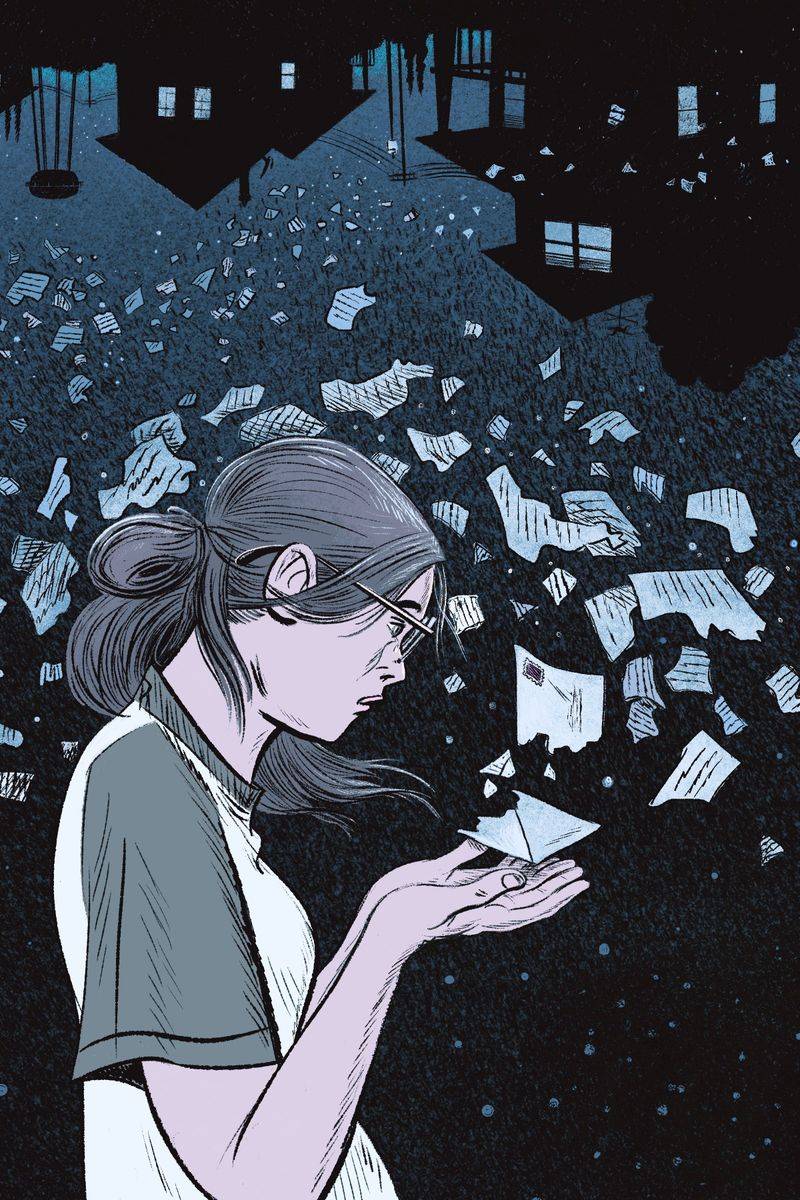
There comes a point in life when a person needs to figure out who they actually are, separate from family expectations and roles. That process of self-discovery sometimes requires stepping away from familiar but limiting environments.
Building your own identity means making choices that might not line up with what your family envisioned. This is not rebellion; it is growth.
Some people find that a little distance gives them the clarity they need to truly understand themselves.
6. Clashing Values and Beliefs
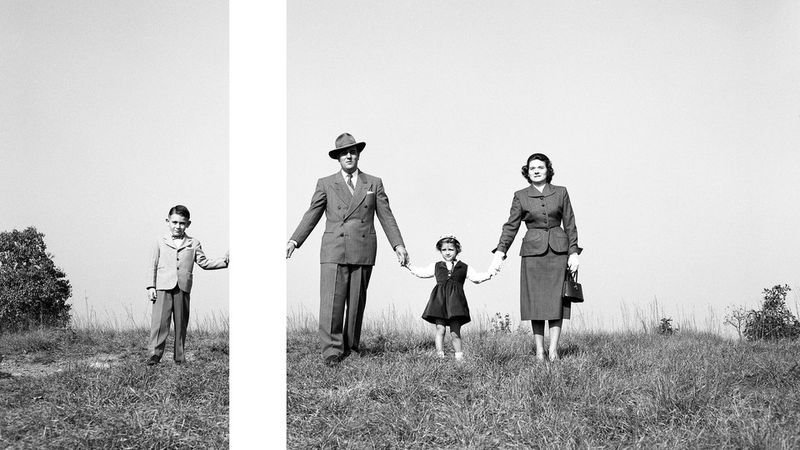
Politics, religion, lifestyle choices, and cultural expectations can create enormous rifts between generations. What one person sees as tradition, another may experience as oppression or irrelevance.
When family gatherings regularly turn into debates or judgment sessions, many people choose to attend less often. Over time, these unresolved ideological differences can quietly erode the relationship.
It becomes exhausting to constantly defend your beliefs to the very people who raised you, and some people simply stop trying.
7. Unresolved Childhood Trauma
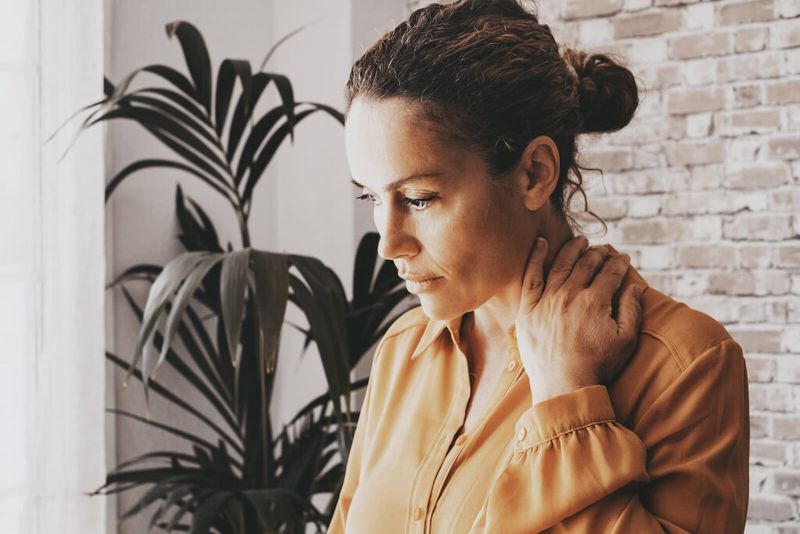
Childhood trauma does not stay in childhood. Neglect, abuse, or abandonment experienced early in life can linger for decades, quietly influencing how adults feel about returning to the family that was part of that pain.
When parents refuse to acknowledge the harm they caused, healing becomes nearly impossible. Many adult children eventually realize they cannot move forward while staying emotionally tied to a past that was never addressed or apologized for.
Distance becomes a necessary part of their recovery.
8. Rejection of Identity and Who You Are

Being told your identity is wrong by the people who are supposed to love you unconditionally is one of the deepest wounds a person can experience. For many LGBTQ+ individuals, family rejection is not just hurtful; it can be life-altering.
When a family refuses to accept someone’s sexual orientation, gender identity, or personal truth, that person often has no real choice but to protect themselves by stepping away. Acceptance is not optional when it comes to someone’s core sense of self.
9. Poor Communication and Constant Misunderstandings
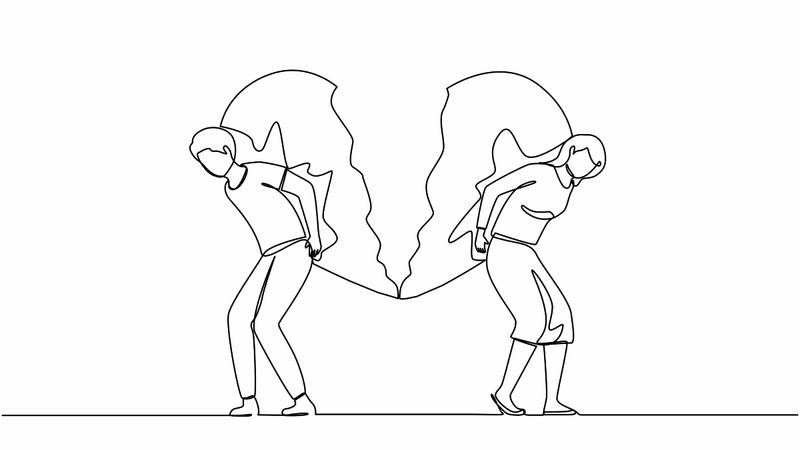
Some families never learned how to truly talk to each other. When conversations regularly spiral into arguments, assumptions, or silence, connection becomes harder and harder to maintain.
Unexpressed feelings pile up over the years. Without healthy conflict resolution skills, even small disagreements can leave lasting damage.
Many adults pull back simply because every interaction feels like walking through a minefield. When talking to your family causes more stress than comfort, it makes sense that contact starts to decrease.
10. Mental Illness or Substance Abuse in the Family
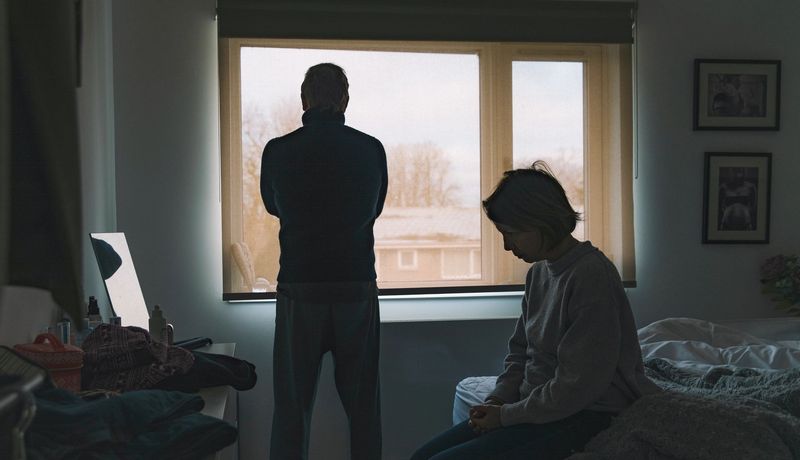
Growing up in a home affected by addiction or untreated mental illness can be deeply unpredictable and frightening. Even after leaving that environment, the emotional residue often sticks around for years.
Adult children of parents struggling with these issues often reach a point where maintaining close contact is simply too destabilizing. Watching someone repeatedly hurt themselves or others without seeking help is exhausting.
Pulling away is sometimes the only way to stop absorbing the chaos and start building a stable life of your own.
11. Major Life Transitions Shifting Priorities
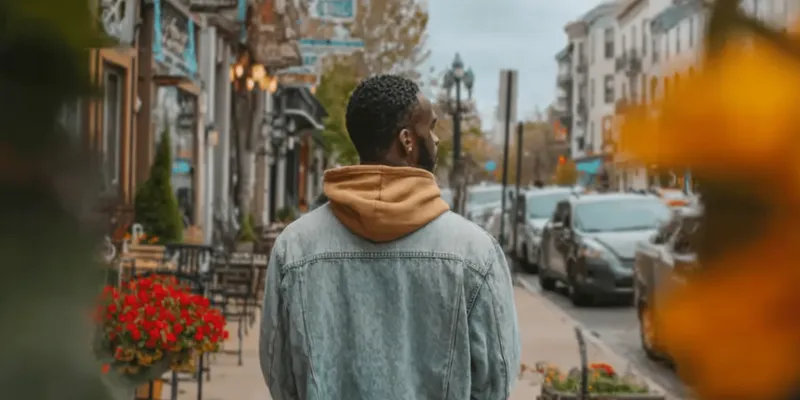
A new job in another city, a serious relationship, a baby, or even just the daily grind of adult life can quietly push family relationships to the back burner. This is not always intentional; life simply gets full.
Major transitions naturally redirect a person’s time, energy, and emotional resources. The family you are building or the career you are chasing takes center stage.
Sometimes what looks like pulling away is really just the unavoidable reshuffling that comes with growing up and stepping fully into adulthood.
12. Parental Divorce and Marital Conflict
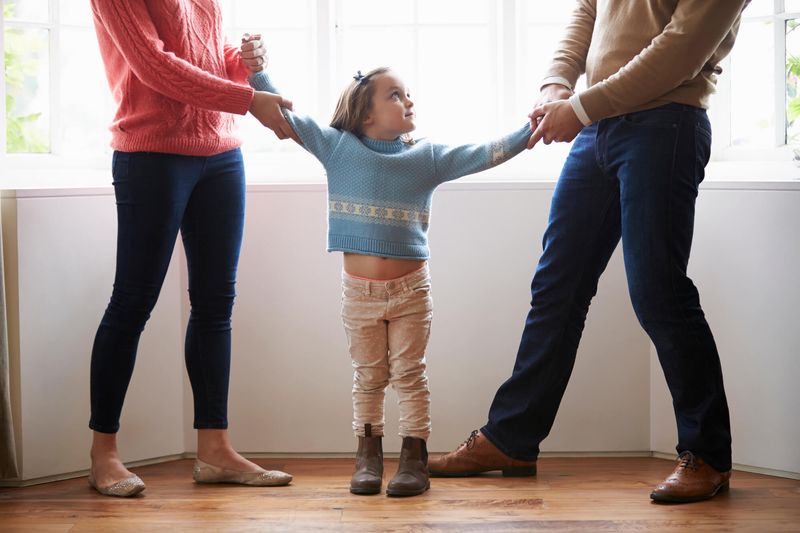
When parents split up, the ripple effects can last well into adulthood. Children who were forced to take sides, act as messengers, or absorb parental tension often carry those wounds for a long time.
Fractured relationships formed during a painful divorce do not automatically repair themselves once kids grow up. Resentment, loyalty conflicts, and unresolved grief from that chapter can push adult children to limit contact with one or both parents as a way of finally finding peace.
13. Financial Disputes and Money Tension

Money has a unique way of turning family love into family drama. Inheritance disagreements, unpaid loans, or wildly different spending habits can create tension that lingers long after the original argument ends.
Financial disputes often feel personal because they are personal. They touch on fairness, favoritism, and trust.
When someone feels financially taken advantage of by their own family, the betrayal cuts deep. Many adults quietly step back from relationships where money has become a constant source of conflict and resentment.
14. Feeling Consistently Unsupported or Judged

There is a particular kind of loneliness that comes from being surrounded by family but still feeling completely alone. When every conversation ends in criticism or dismissal, a person eventually stops showing up.
Feeling like you can never do anything right in your family’s eyes is demoralizing. Over time, the emotional cost of seeking their approval outweighs any benefit of connection.
Adults who consistently feel judged rather than celebrated often choose to invest their energy in friendships and communities where they actually feel welcomed.
15. Influence of a Spouse, Partner, or Therapist

Sometimes it takes an outside perspective to clearly see a damaging pattern. A supportive partner or a skilled therapist can help someone recognize that their family dynamic is unhealthy in ways they had always normalized.
This outside influence is not always manipulation; it can be a genuine eye-opener. When someone finally has a safe relationship that shows them what respect actually looks like, they may naturally start pulling back from family relationships that fall far short of that standard.
16. Being Made the Family Scapegoat
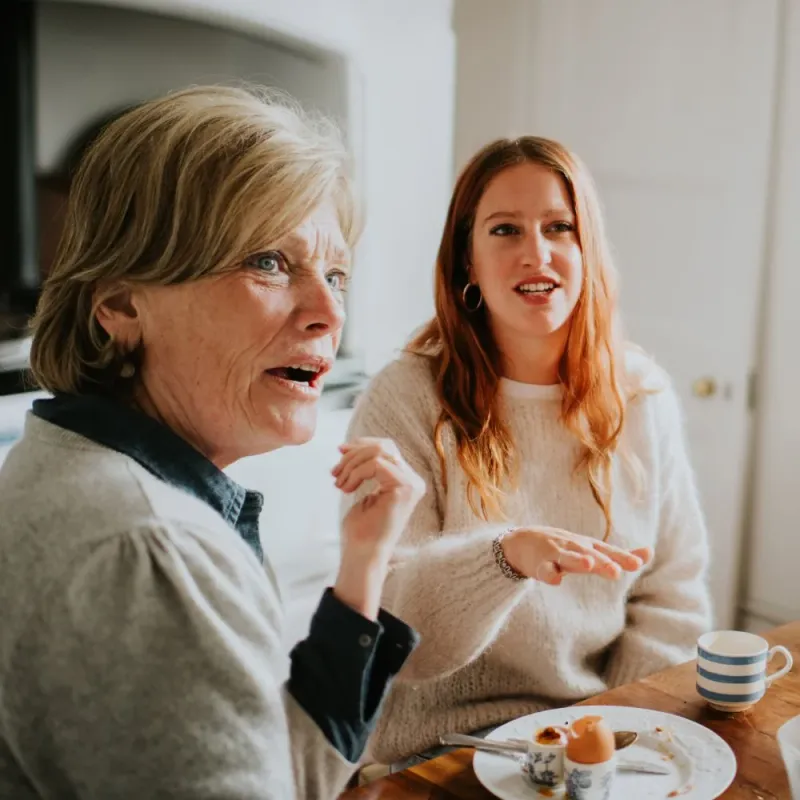
Every family has its roles, and the scapegoat role is one of the most damaging. Being the person who gets blamed for everything that goes wrong, regardless of the facts, is an exhausting and demoralizing experience.
Adults who spent their childhoods being the family’s designated problem child often reach a breaking point. Why keep attending gatherings where you are the target?
Stepping away from that dynamic is not dramatic; it is a rational response to being treated unfairly by the people who should have protected you.
17. Chronic Invalidation and Emotional Dismissal
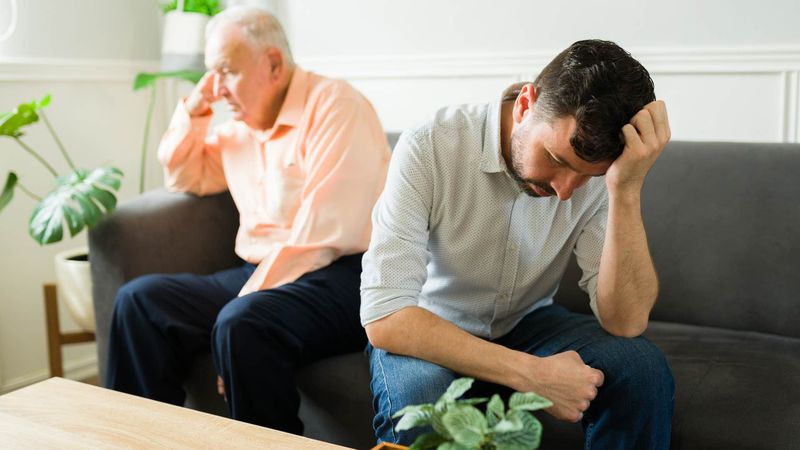
“You are too sensitive.” “Stop making a big deal out of nothing.” Hearing phrases like these repeatedly as a child sends a clear message: your feelings are not welcome here.
Chronic invalidation is a slow and subtle form of emotional damage. It teaches people to distrust their own inner experiences.
By adulthood, many individuals who grew up feeling consistently dismissed choose to limit how much of themselves they share with family, eventually pulling back from relationships where vulnerability was never truly safe.
18. Unspoken Hurt That Was Never Addressed

Broken promises. Harsh words said in anger.
Moments where someone needed support and got silence instead. These experiences do not just disappear; they settle into the background and slowly shape how a person relates to family over time.
When painful memories are never talked about or acknowledged, they have a way of building invisible walls. Many people do not even realize they are pulling away; they are simply avoiding the places and people that remind them of old wounds that never quite healed.
19. Mismatched Expectations About Family Roles

Some parents have a very specific picture in their heads of what their child’s life should look like, and when reality does not match that picture, tension follows. Career choices, relationship decisions, and lifestyle preferences can all become sources of ongoing conflict.
When family members cannot accept that their grown children are allowed to live differently than expected, resentment grows on both sides. Adults who feel perpetually judged for not fitting a predetermined mold often find that creating distance is the only way to live authentically without constant pushback.
20. Refusal to Take Accountability or Apologize

An apology has real power, and so does its absence. When parents or family members refuse to acknowledge past mistakes or take responsibility for the harm they caused, healing simply cannot happen.
Many adult children spend years hoping for accountability that never comes. At some point, waiting for an apology that will never arrive becomes its own kind of pain.
Choosing to step back is not about holding a grudge; it is about accepting that some relationships cannot move forward without honesty, and protecting your own peace in the meantime.