
Some books get so much buzz that it feels almost impossible not to read them. But once you actually do, the experience can leave you wondering what all the fuss was about.
Many popular books written by women have faced real criticism from readers who felt let down by the hype. Here are 20 widely talked-about books worth reconsidering before you add them to your reading list.
1. Where the Crawdads Sing by Delia Owens
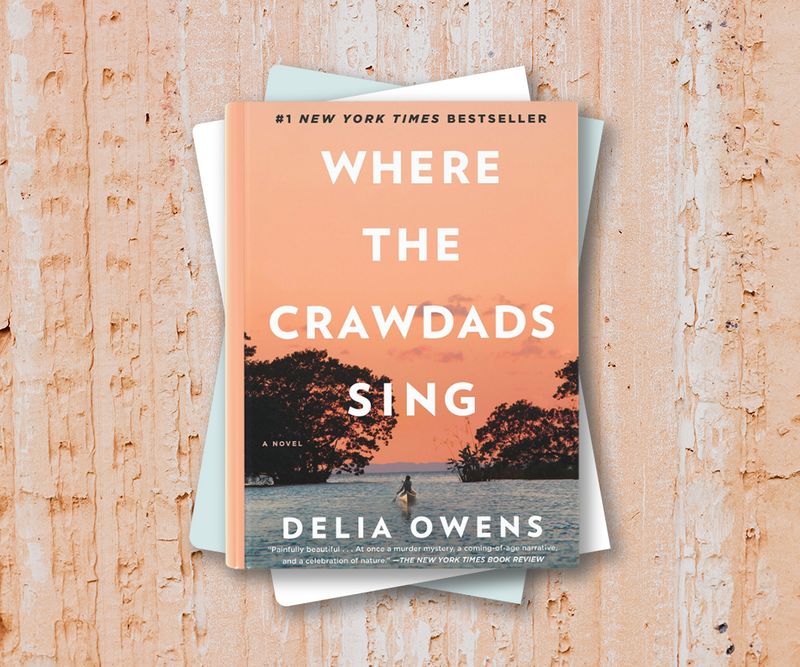
Few books in recent years have sold as many copies as this one, yet a growing number of readers call it overrated. The mystery twist many readers see coming from miles away, and the story feels crafted more for a movie deal than for literary depth.
If you enjoy nature writing blended with courtroom drama, there are stronger choices out there. The lush descriptions of the marsh are beautiful, but beauty alone does not make a book unforgettable.
2. Eat, Pray, Love by Elizabeth Gilbert
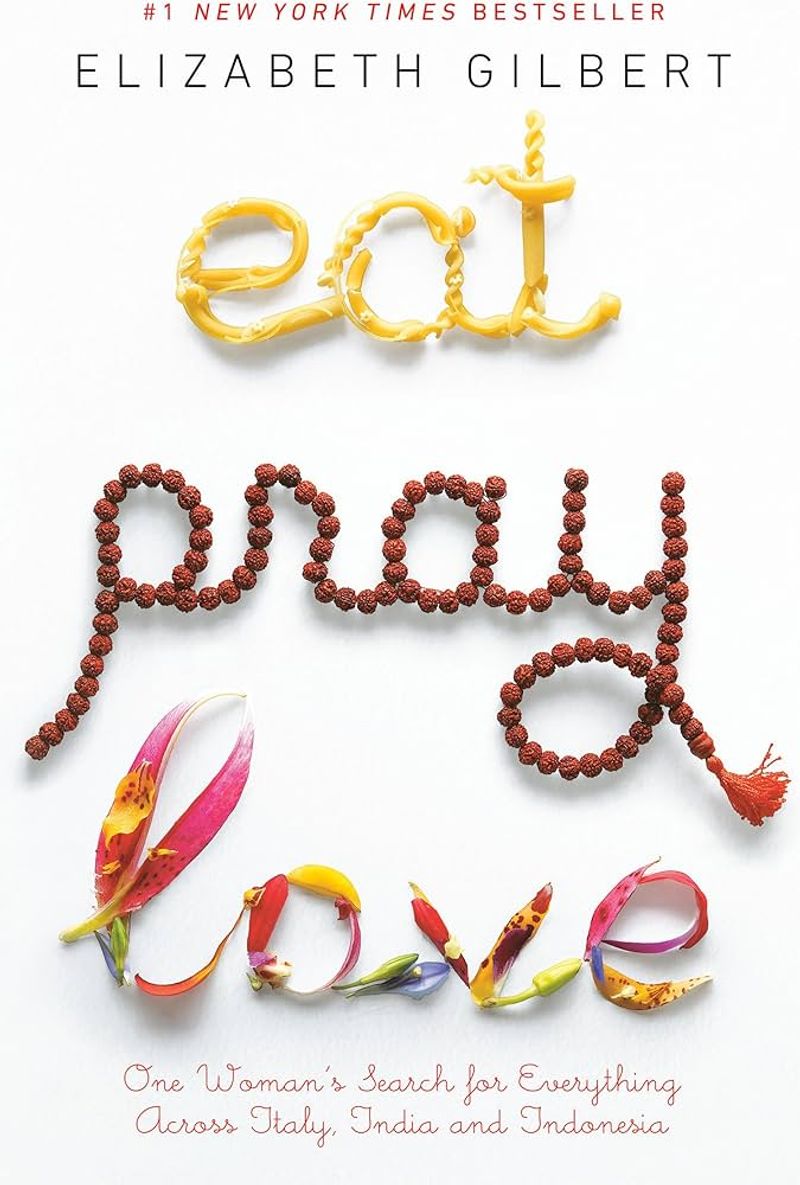
Critics have called this memoir a wealthy woman’s vacation diary dressed up as a spiritual awakening. Gilbert travels across Italy, India, and Bali, but some readers find it hard to connect with her struggles when her journey was funded by a book advance.
The self-discovery theme resonates with many, yet others feel the emotional payoff is thin. If you want a memoir about real hardship and growth, there are more grounded stories waiting for you.
3. Fifty Shades of Grey by E.L. James
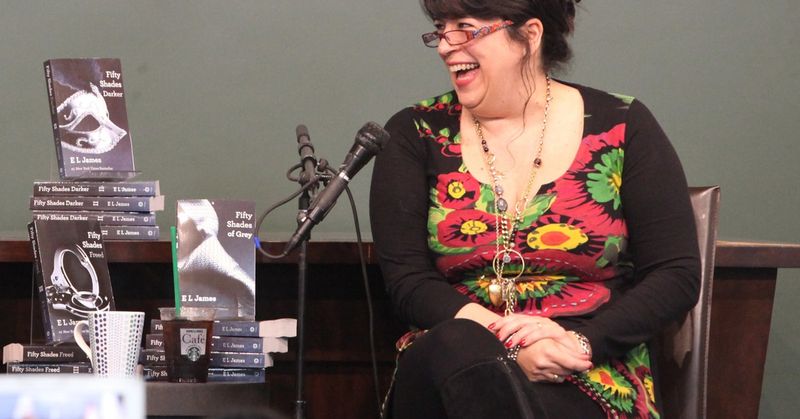
Originally a Twilight fan fiction, this novel exploded into a cultural phenomenon almost overnight. Years later, many readers openly admit the writing quality is poor, the relationship dynamics are troubling, and the story itself is repetitive.
Its popularity says more about timing and marketing than literary merit. Readers looking for romance with actual depth and well-developed characters will find much better options on any bookstore shelf today.
4. Normal People by Sally Rooney
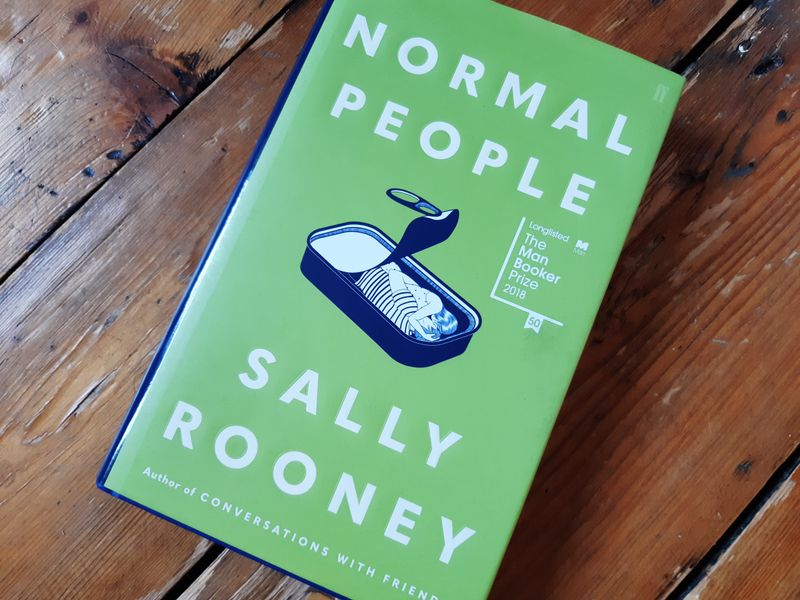
Sally Rooney writes with sharp, minimalist prose that has earned her a devoted following. Still, many readers grow frustrated watching Connell and Marianne spend an entire novel refusing to just talk to each other like adults.
The repetitive miscommunication cycle can feel exhausting rather than romantic. Rooney is genuinely talented, but this particular story left a fair number of readers wondering why the characters never seem to learn anything meaningful from their mistakes.
5. The Girl on the Train by Paula Hawkins
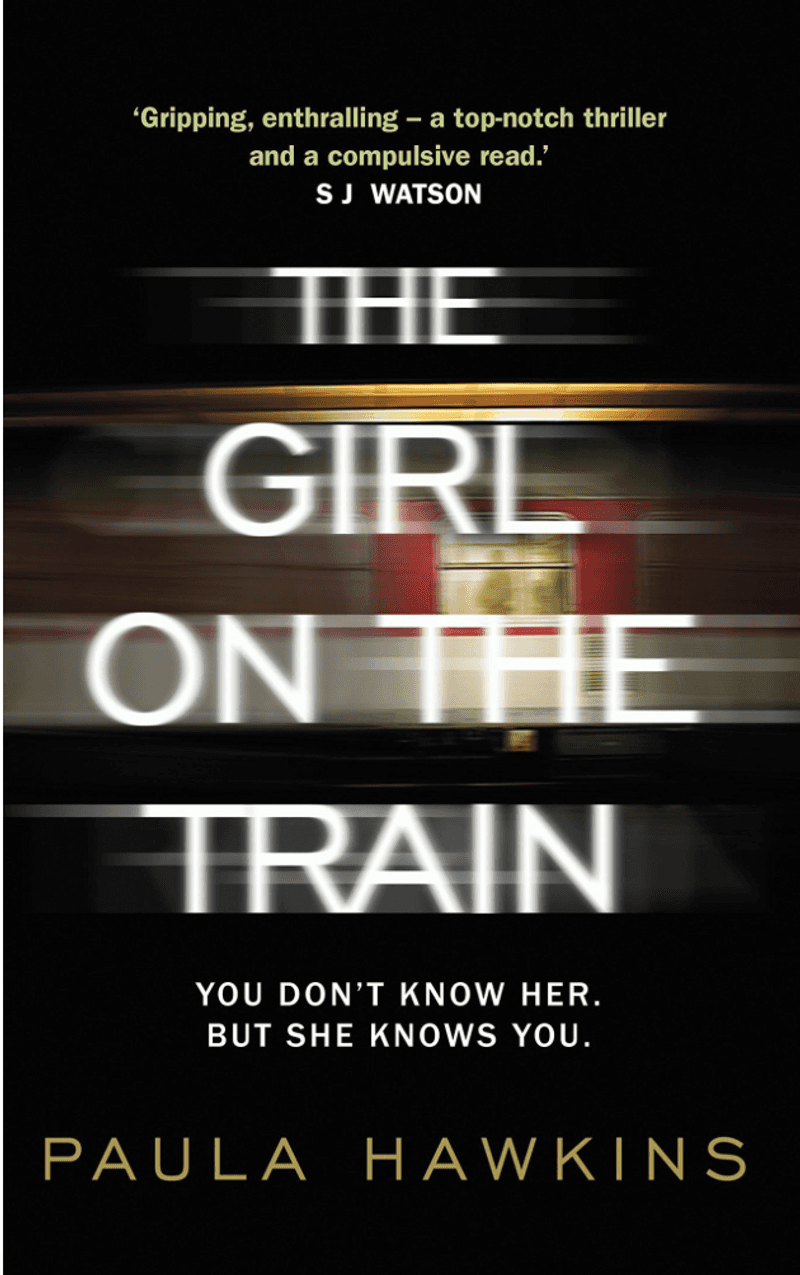
When this psychological thriller dropped, it was compared to Gone Girl on every display table in every bookstore. The unreliable narrator concept is clever, but many readers found the plot predictable and the characters genuinely hard to care about.
It follows a familiar hype-then-film-adaptation cycle that leaves re-readers feeling underwhelmed. Fans of smart, twisty thrillers deserve books that hold up beyond the first read and deliver surprises that actually surprise.
6. Little Fires Everywhere by Celeste Ng
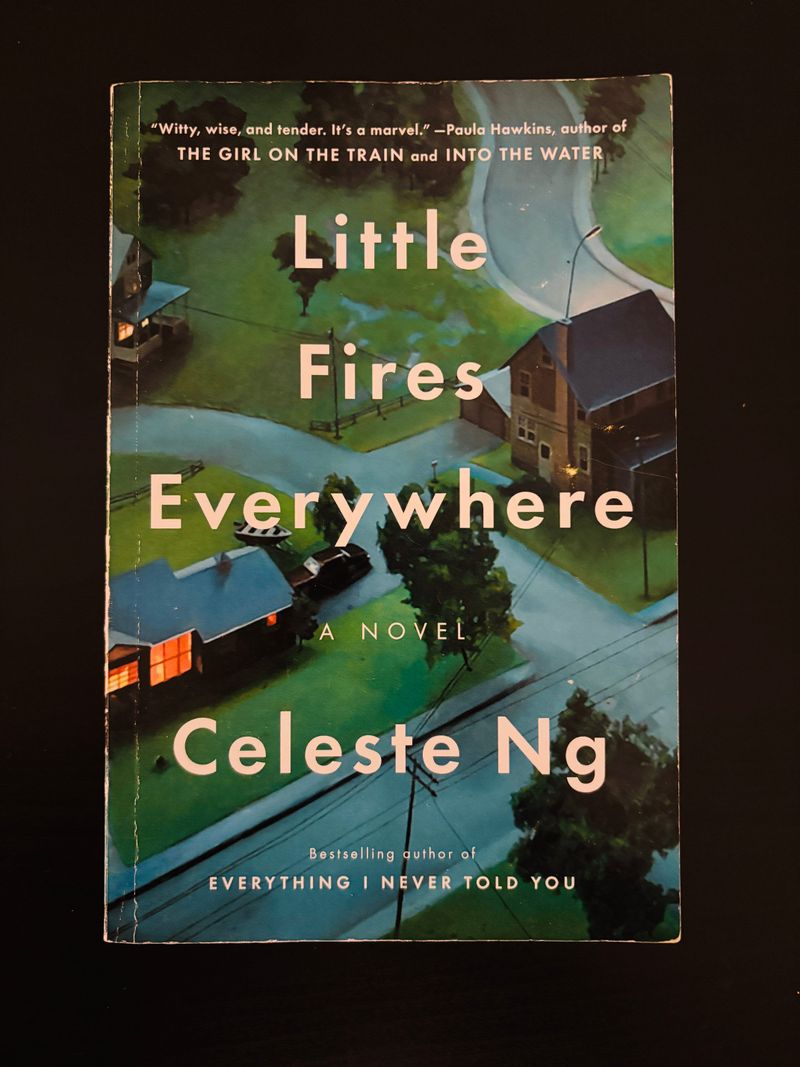
Celeste Ng is widely praised as a skilled storyteller, and her prose is clean and controlled. But even some of her admirers admit that Little Fires Everywhere left them feeling strangely empty when the last page turned.
The social commentary on race and privilege is present but can feel surface-level rather than truly probing. Readers who want a suburban drama with real emotional punch might find more satisfaction exploring other titles from equally talented authors.
7. The Nightingale by Kristin Hannah
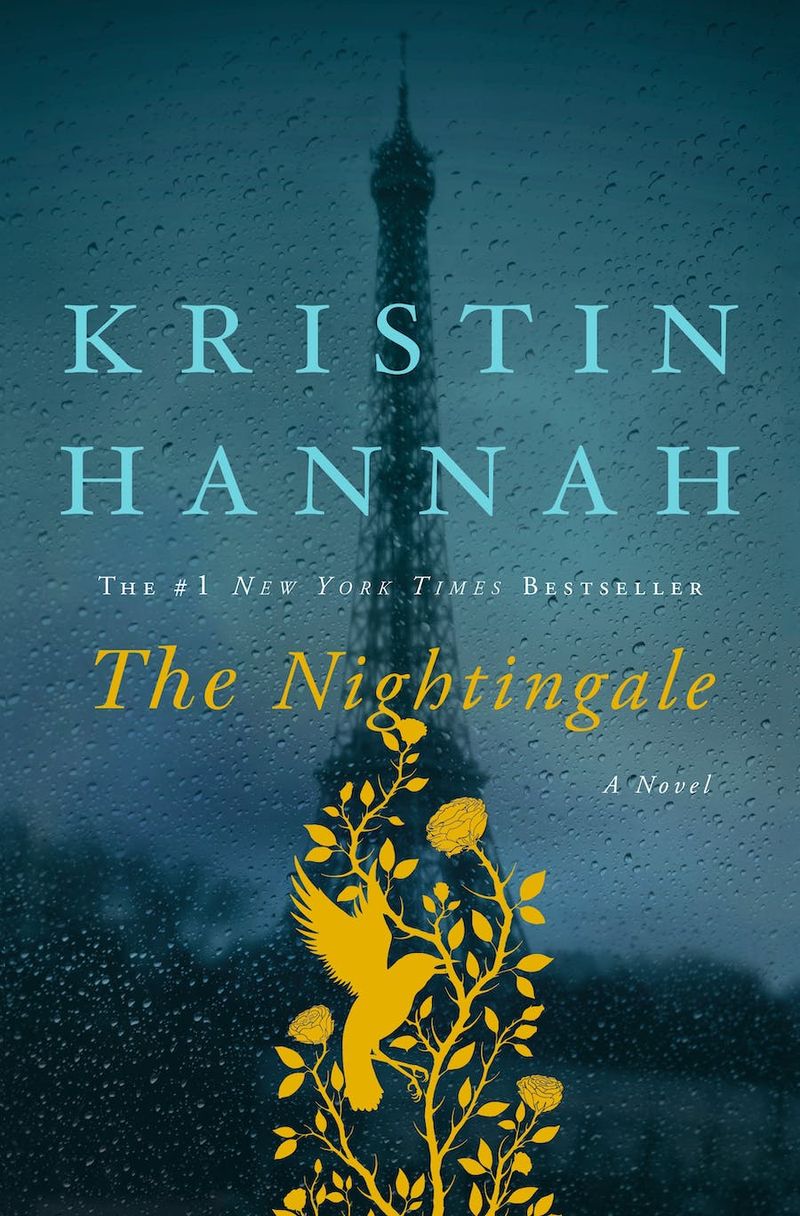
World War II historical fiction is a crowded genre, and many readers felt this novel hit every expected emotional beat without a single genuine surprise. The sisterhood storyline is moving in places, but the predictability can undercut the drama.
Kristin Hannah clearly did her research, and the French Resistance setting is vivid. Even so, readers hungry for WWII stories that take real risks with their narratives might want to look beyond this bestseller shelf staple.
8. Behind Closed Doors by B.A. Paris
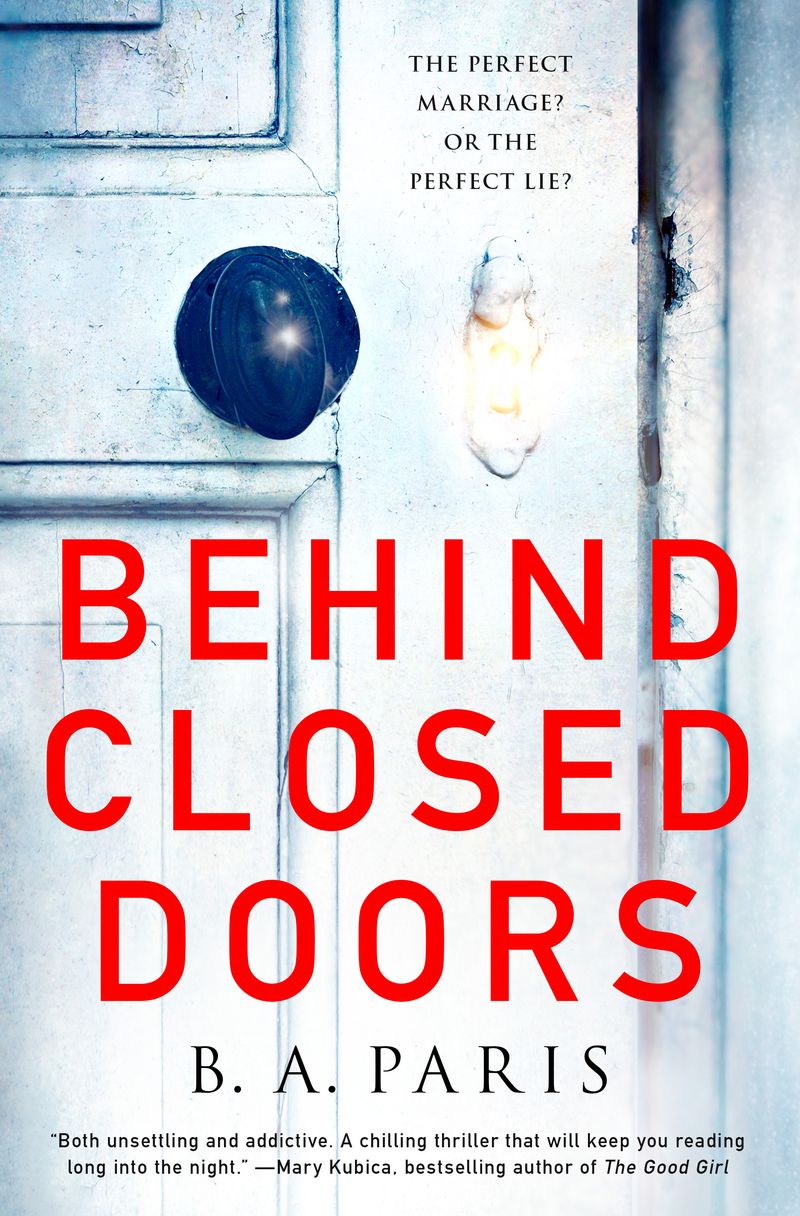
Domestic thrillers were everywhere when this one launched, and Behind Closed Doors rode that wave straight onto bestseller lists. Critics, however, called it formulaic, recycled, and lacking the originality needed to stand out from the crowd.
The villain is cartoonishly evil, which removes any real tension from the story. Readers who want a domestic thriller that genuinely unsettles them should explore authors who bring fresh angles to the genre rather than checking familiar boxes.
9. The Turn of the Key by Ruth Ware
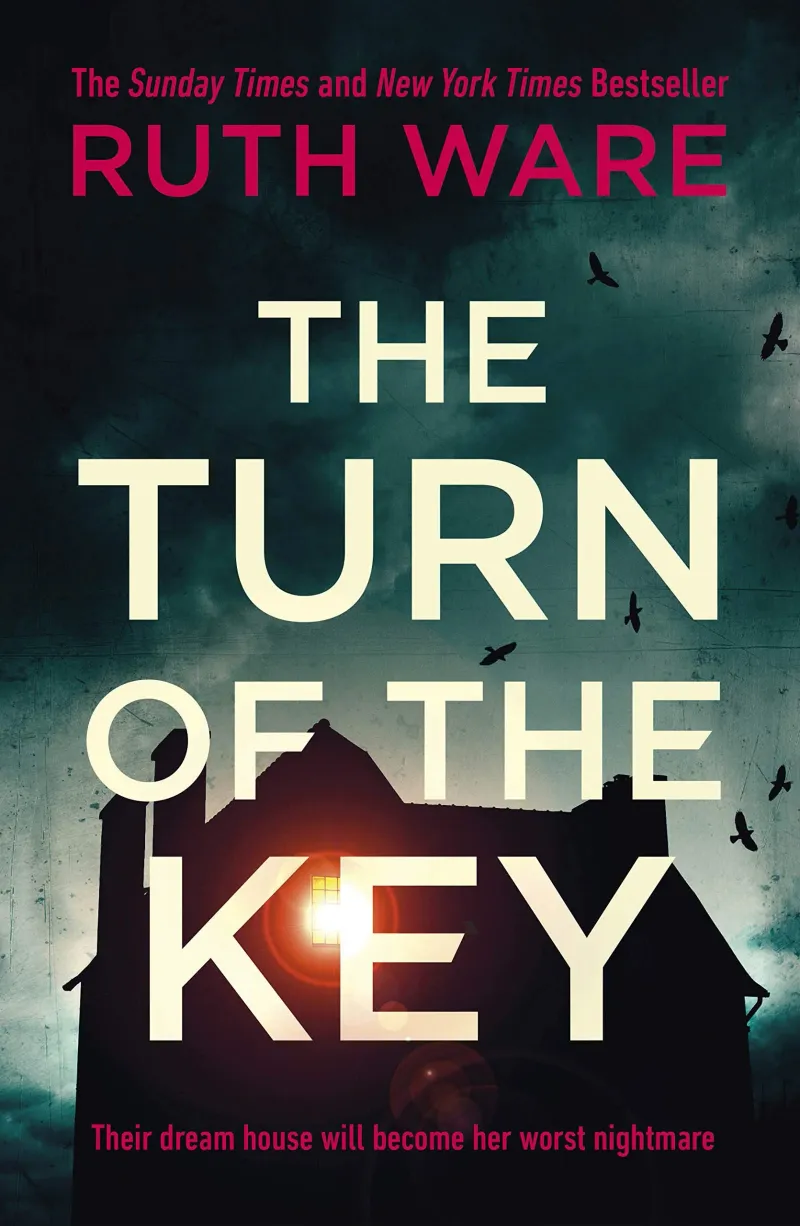
Ruth Ware has built a reputation as a go-to thriller writer, but this particular novel left many readers disappointed. The smart house setting had real potential, yet the plot twists felt telegraphed far too early in the story.
Underdeveloped side characters made it hard to feel genuine suspense. If you love locked-room mysteries with atmosphere that actually delivers on its creepy promise, other authors in the genre are doing more inventive work right now.
10. Caraval by Stephanie Garber
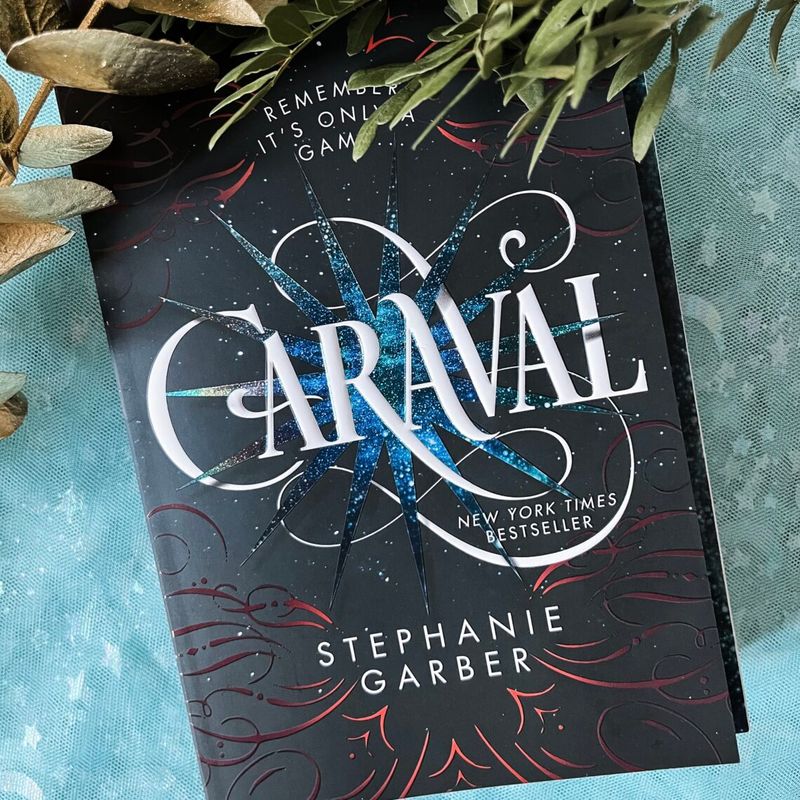
The magical carnival concept sounds irresistible on paper, and the cover art certainly delivered on visual promise. Inside, though, many readers ran into a protagonist they described as whiny and an instant-love romance that felt completely unearned.
The world-building also disappointed fans who wanted a fully realized fantasy setting. Young adult readers who love immersive magic systems and strong character arcs will find more satisfying adventures in other fantasy series on the shelf.
11. It Ends With Us by Colleen Hoover
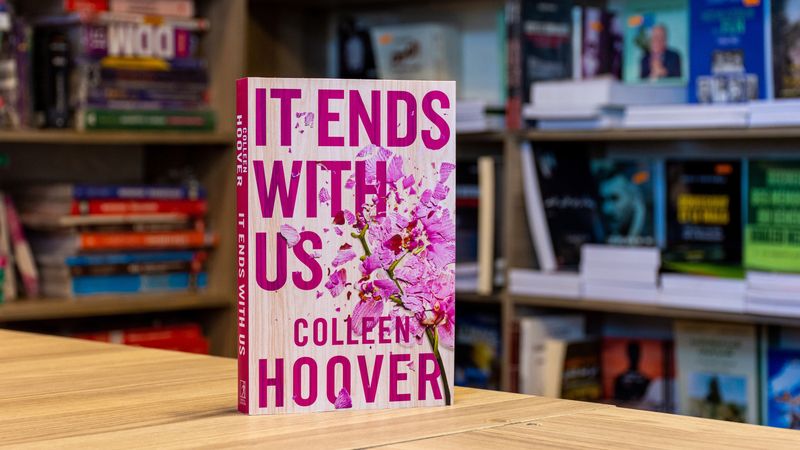
Colleen Hoover herself has described her books as fun, easy reads rather than serious literary works, which is a refreshingly honest assessment. Still, the enormous BookTok-driven hype around this novel set expectations that the story simply cannot meet for every reader.
The handling of domestic abuse has drawn real criticism for romanticizing harmful dynamics. Readers looking for a thoughtful, nuanced exploration of difficult relationships deserve books that treat the subject with more care and complexity.
12. Sex and the City by Candace Bushnell
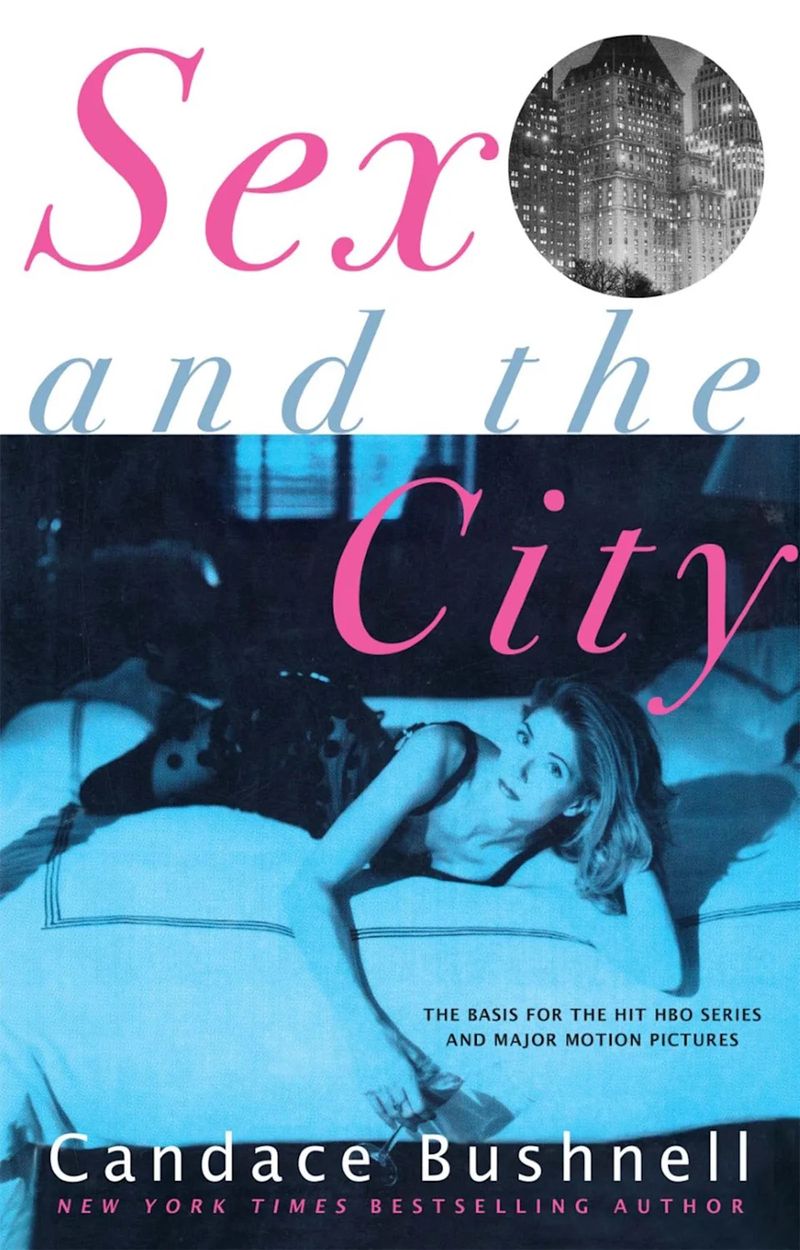
Most people who love Sex and the City fell for the television show first, and the original book can feel like a pale sketch in comparison. The column-based format makes the narrative feel choppy and the characters far less developed than their small-screen versions.
Bushnell captured a specific New York moment brilliantly in journalism form, but as a novel it struggles to hold together. Fans of sharp, witty women’s fiction will likely enjoy the TV adaptation far more than this source material.
13. The Last House on Needless Street by Catriona Ward
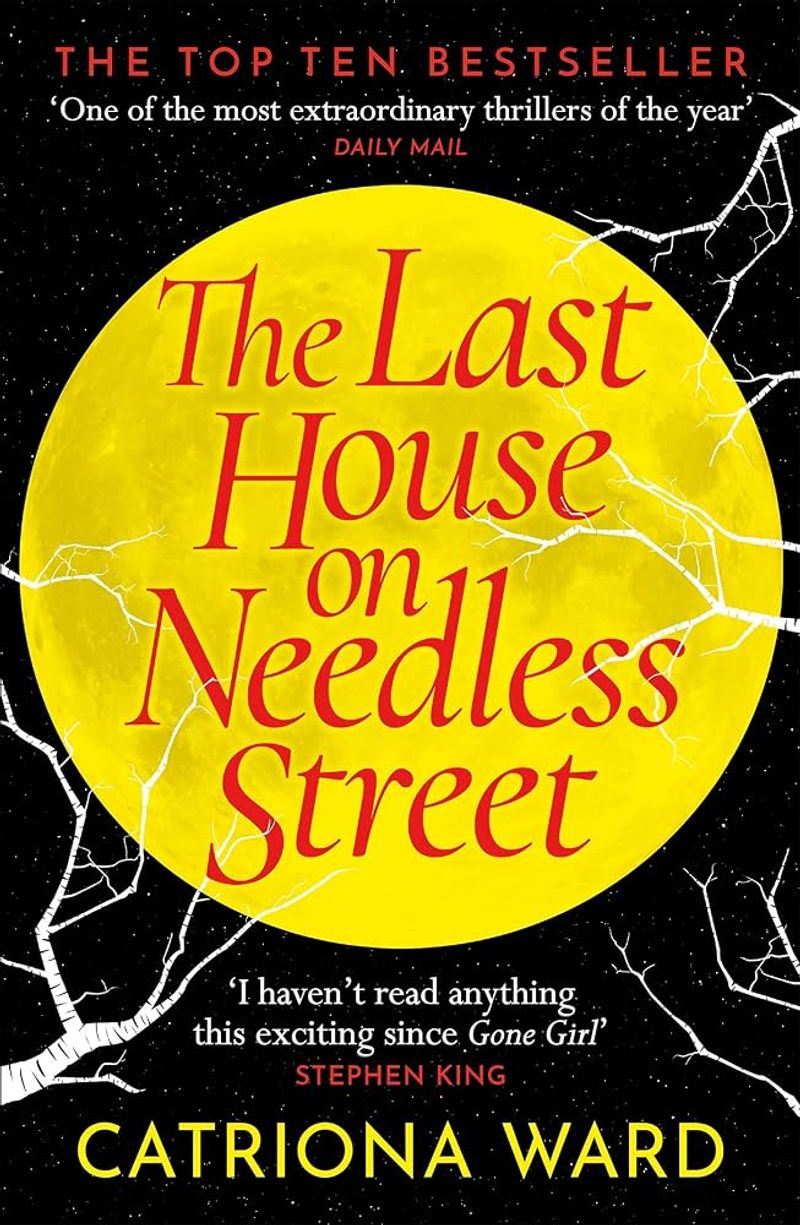
Marketed aggressively as one of the scariest books of its year, this novel left a surprising number of horror fans feeling bored rather than terrified. The multiple narrator structure creates confusion more than dread in the early chapters.
Some readers also felt the horror label was a stretch for what the story actually delivers. If genuinely unsettling, slow-burn psychological horror is what you crave, there are authors working in the genre who earn that label far more honestly.
14. The Paris Apartment by Lucy Foley
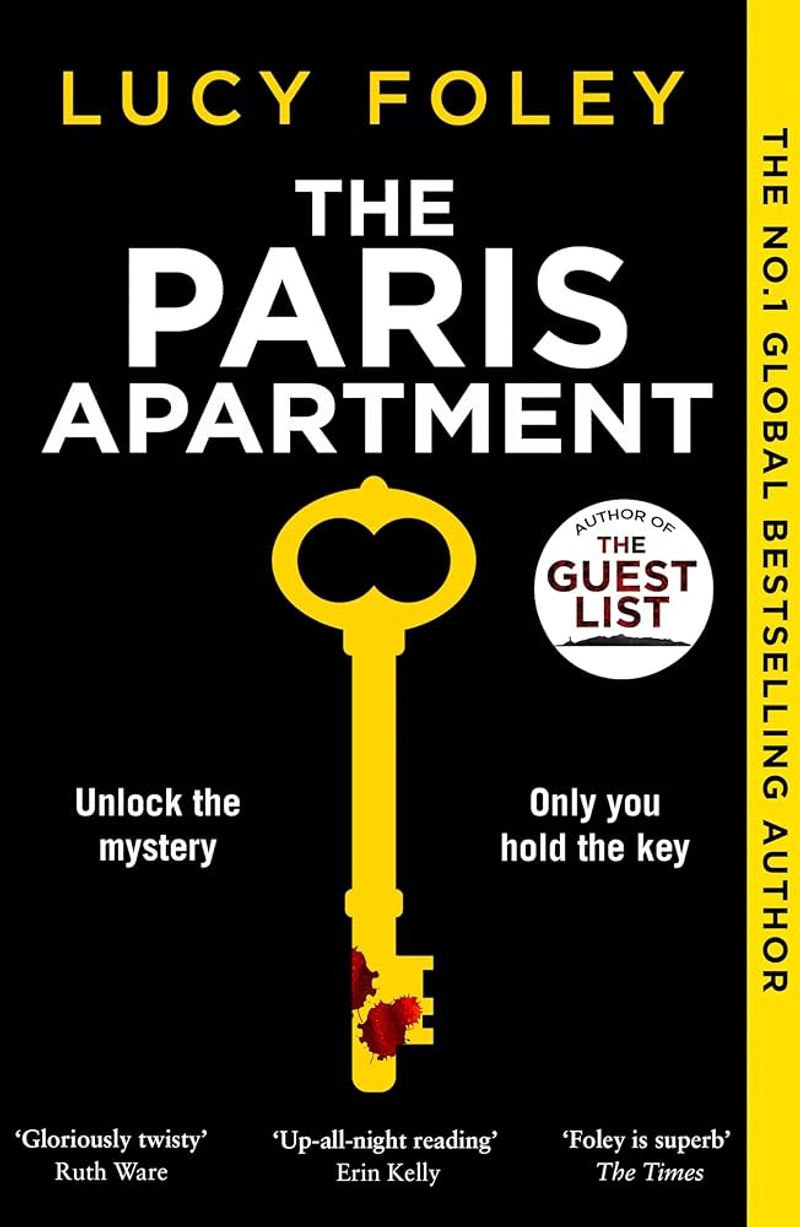
Lucy Foley built serious thriller credibility with earlier books, which made expectations for this one sky-high. Unfortunately, readers found the pacing painfully slow, with the story only picking up real momentum in the final quarter of the book.
By the time the plot finally moved, many had already mentally checked out. A forgettable ending sealed the deal for critics.
Thriller fans deserve mysteries that keep them guessing from page one rather than asking them to wait patiently for something interesting to happen.
15. The Glass Castle by Jeannette Walls
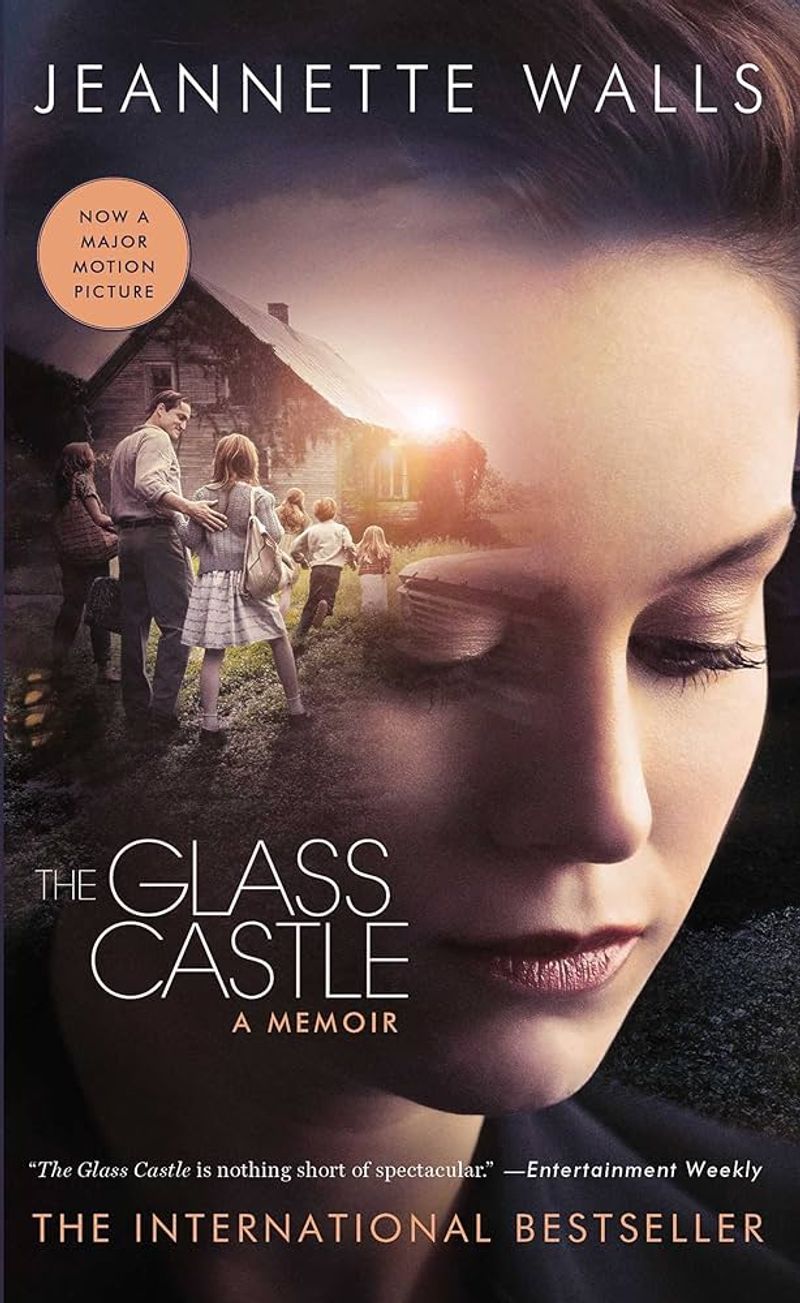
This memoir about a chaotic, nomadic childhood became a massive bestseller and was praised widely for its vivid storytelling. But critics argued that Walls softens her parents too much, making the narrative feel like it is asking for sympathy without fully confronting the real harm done.
The writing is genuinely compelling, yet the emotional honesty feels incomplete to some readers. Memoir fans looking for raw, unflinching accounts of difficult childhoods will find other authors who go further and hold nothing back.
16. Into the Drowning Deep by Mira Grant
Mermaids as terrifying deep-sea predators sounds like the freshest horror premise imaginable, and early buzz made this book feel unmissable. The problem many readers hit was wall-to-wall scientific jargon that slowed the pacing to a crawl during crucial tension-building moments.
When the horror does arrive, it is genuinely effective and creepy. But getting there requires patience that not every reader is willing to spend.
Ocean horror fans might find a smoother ride elsewhere before circling back to this ambitious but uneven novel.
17. The Last Flight by Julie Clark
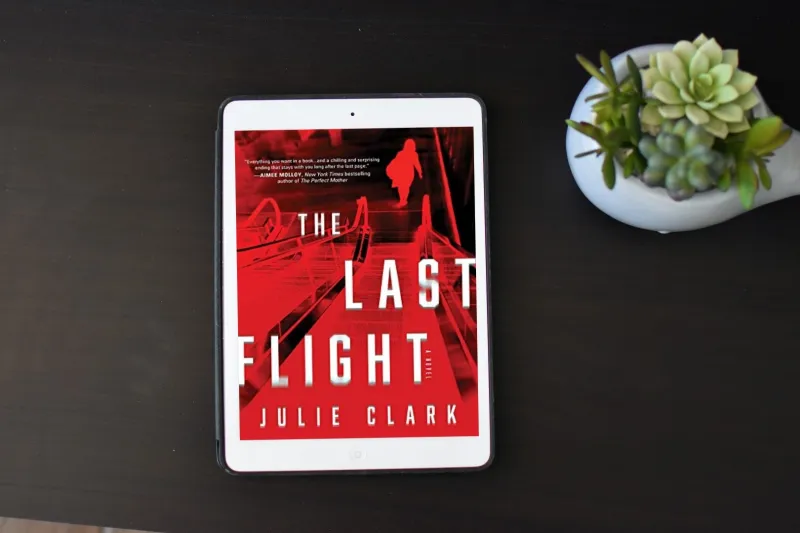
Two women swap identities at an airport and disappear into each other’s lives. The premise is genuinely gripping, but execution divided readers sharply.
Only one of the two narrative perspectives felt fully alive, leaving the other dragging through chapters that added little momentum.
By the final act, many readers reported feeling more relieved than satisfied. A thriller lives or dies by its tension, and this one reportedly ran out of steam too early.
Identity-swap fans deserve stories where both leads earn equal attention.
18. Smart vs. Pretty by Valerie Frankel
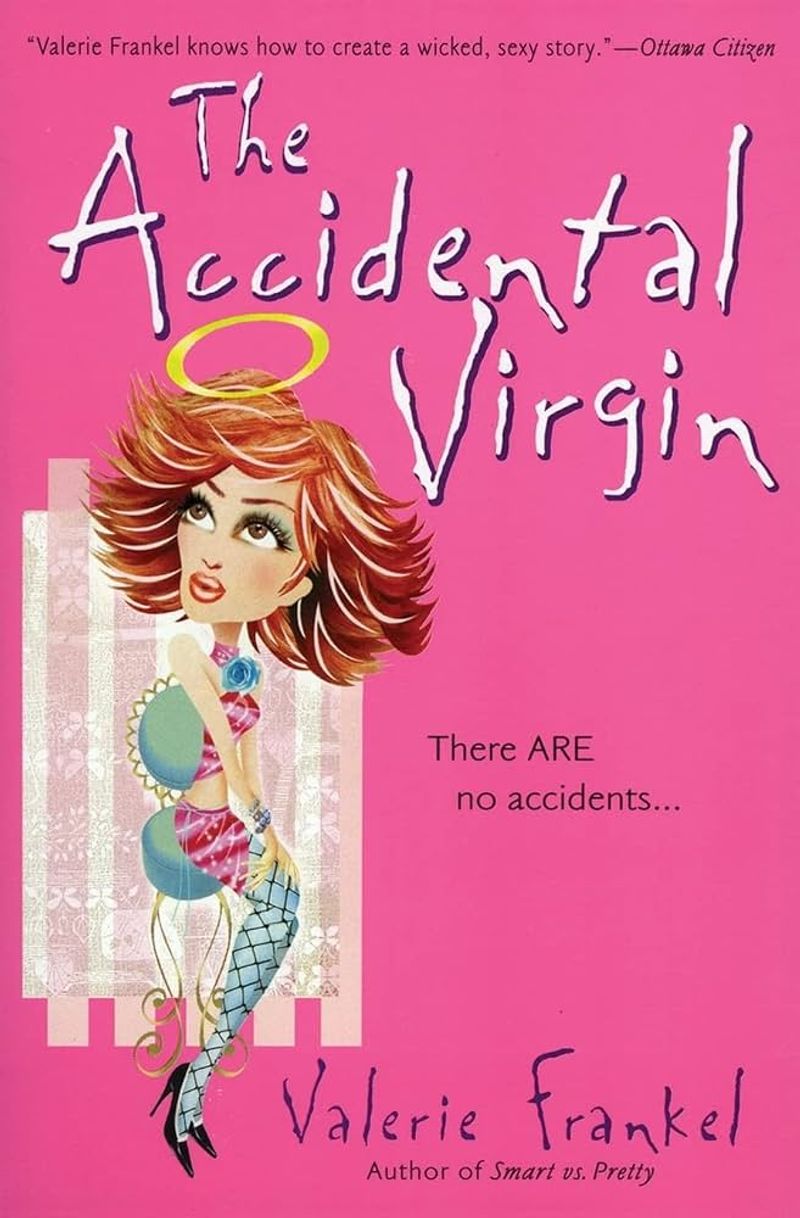
Sister rivalry stories can be deeply relatable and genuinely funny when the characters feel real. Here, critics pointed to an implausible plot, dialogue that fell flat, and so many supporting characters that keeping track became more work than fun.
The sibling dynamic at the story’s core had real comic potential, but the execution reportedly squandered it. Readers who enjoy sharp, witty women’s fiction about family and identity will find more rewarding options from authors who trust their concept enough to keep things focused.
19. Bergdorf Blondes by Plum Sykes
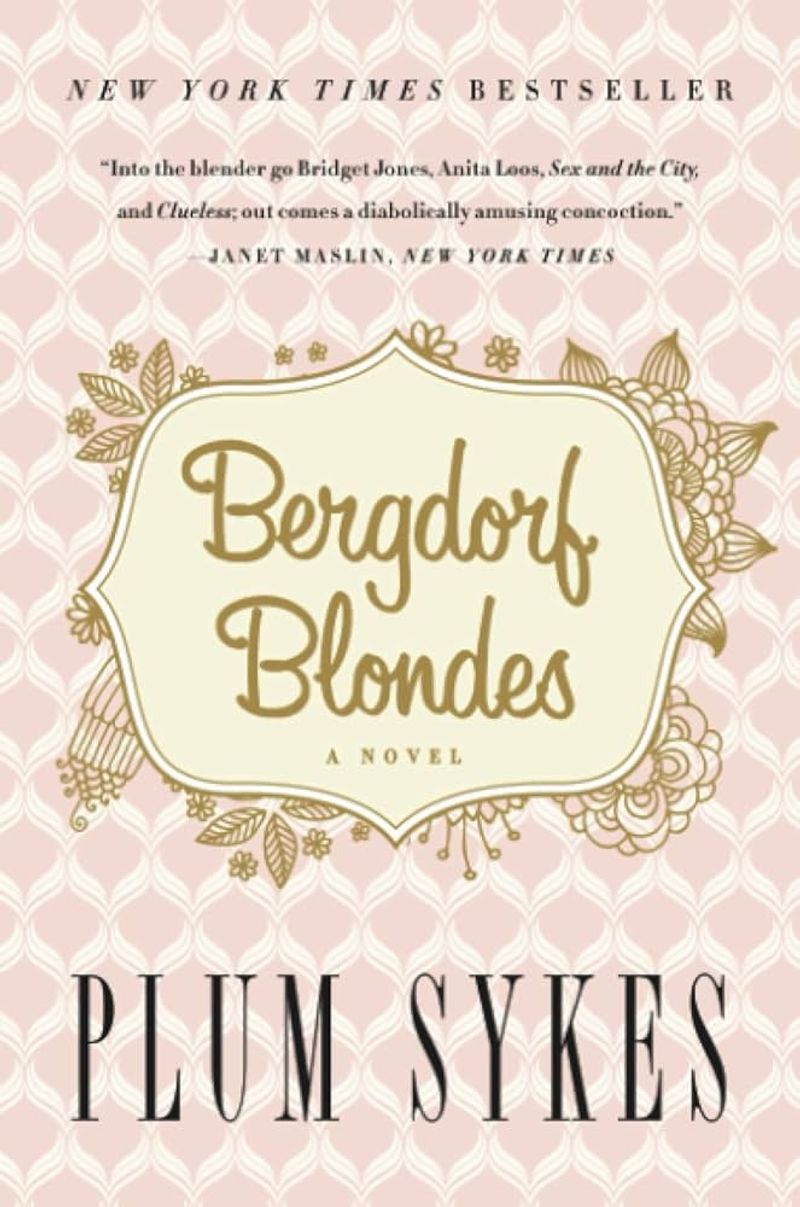
When chick-lit ruled the early 2000s, this glossy satire of Manhattan socialites arrived with enormous fanfare. Readers expecting sharp wit about the ultra-wealthy found something that felt more like a fashion magazine stretched thin across three hundred pages.
The humor rarely bites hard enough to feel satirical, leaving the story stranded between parody and celebration of the very world it pretends to mock. Readers who love smart, funny social commentary deserve books that actually commit to the joke rather than admiring the scenery.
20. The Mortal Instruments by Cassandra Clare
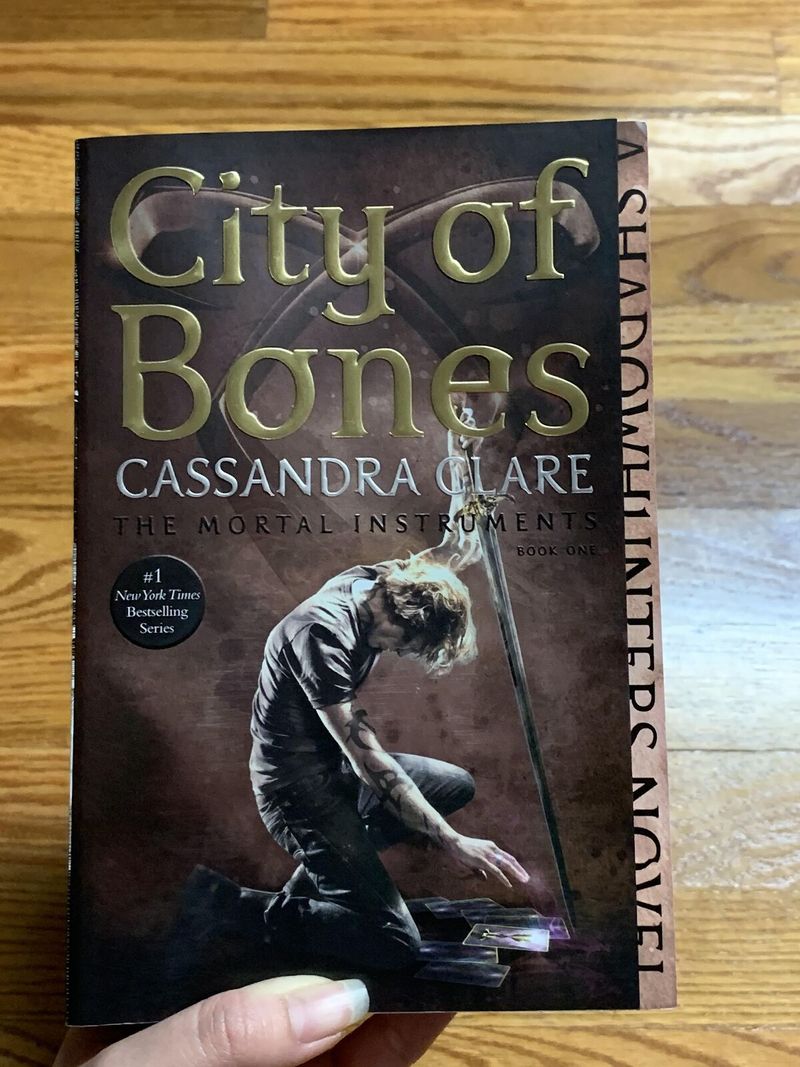
Urban fantasy readers showed up in huge numbers for this series, drawn in by the shadowhunter mythology and fast-paced action. The first book, though, struck many as a rough starting point, with writing that felt more suited to early teen readers than the older audience it attracted.
The world Clare builds grows richer across later installments, but the opening entry asks a lot of patience from newcomers. Readers who want a polished urban fantasy experience right from chapter one might be better served starting elsewhere first.