
Food trends come and go, but some old sandwich recipes leave us scratching our heads and wondering what people were thinking. Back in the 1900s, cooks got creative with whatever was affordable, available, or just plain popular at the time.
From jellied meats to shortening spread on white bread, these vintage sandwiches were once considered totally normal lunchtime fare. Get ready for a wild ride through sandwich history that is equal parts fascinating and bizarre.
1. Oyster Sandwich
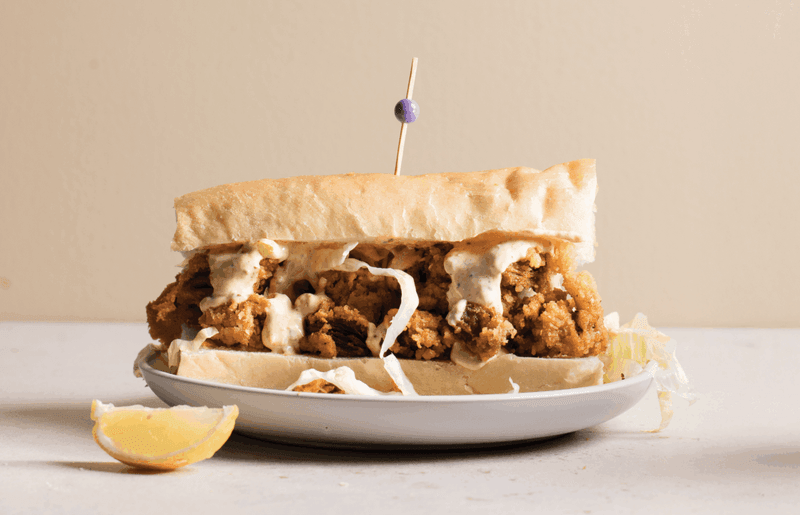
Before fast food ruled the lunch scene, oysters were surprisingly affordable street food. In the 1800s and early 1900s, vendors sold oyster sandwiches on busy city corners to hungry workers looking for a quick, filling bite.
The classic version mixed chopped raw oysters with Tabasco, lemon juice, and oil, then piled everything on soft white bread with a lettuce leaf. Fried oyster versions also existed, sometimes dressed up with horseradish for extra kick.
Sounds bold for a Tuesday lunch!
2. Peanut Butter and Mayonnaise Sandwich
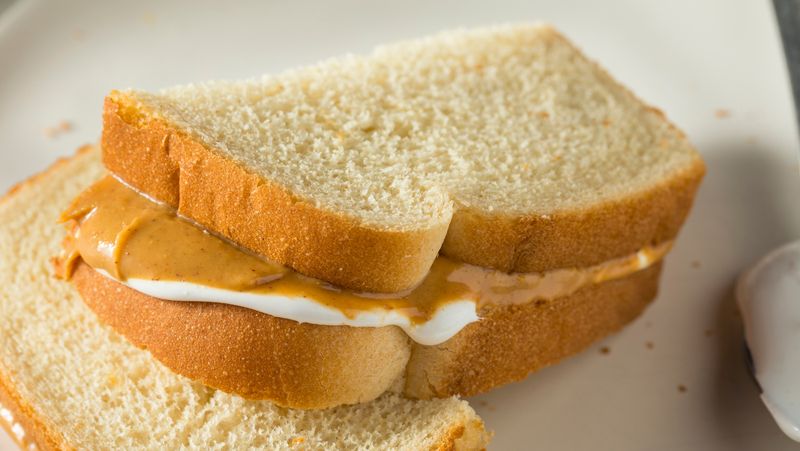
Hard times call for creative meals, and the Great Depression pushed families to stretch every ingredient they had. Peanut butter and mayonnaise on bread became a surprisingly popular combo because both ingredients were cheap and filling.
Believe it or not, some recipes for this pairing actually go back to 1909, long before the Depression made it a household staple. The mayo added a creamy tang that balanced the thick, sticky peanut butter.
Would you try it? A few brave food bloggers say it works.
3. Banana and Mayonnaise Sandwich
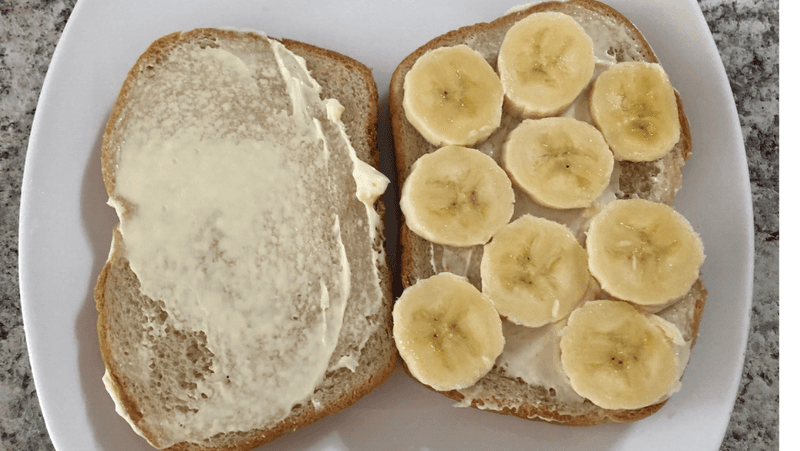
Down South, this sandwich holds a warm spot in many grandmothers hearts. When bananas became widely affordable in the mid-20th century, Southern families discovered that ripe banana slices paired surprisingly well with creamy, tangy mayonnaise on soft white bread.
A pinch of salt on top brought all the flavors together in a way that felt comforting rather than weird. Kids loved it as an after-school snack, and adults kept the tradition alive for decades.
Some Southerners still swear by it today.
4. Jellied Chicken Sandwich
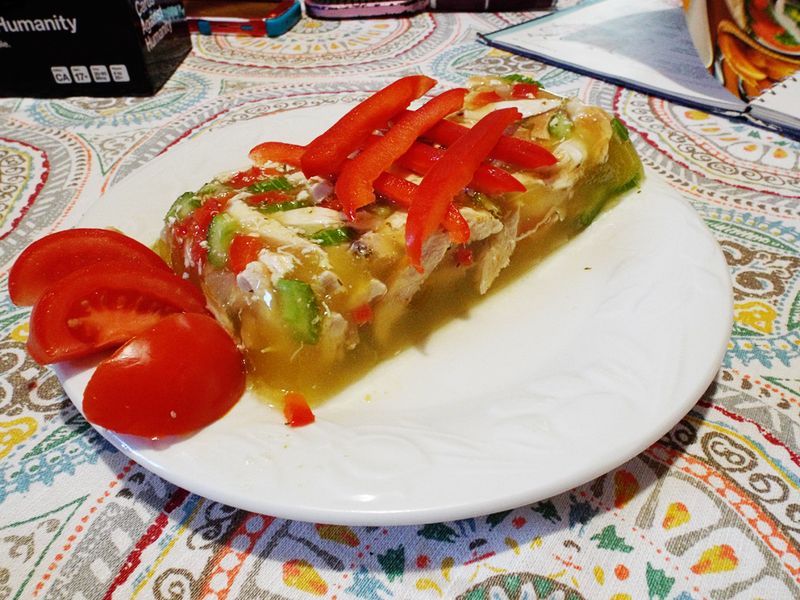
Gelatin was everywhere in early 20th-century cooking, showing up in salads, desserts, and yes, even sandwiches. Cooks would boil chicken, chop it into a paste, then mix it with gelatin, cream, and horseradish until it set into a firm, sliceable loaf.
Those slices became the sandwich filling, chilled and served cold between bread. It sounds more like a science experiment than lunch, but home cooks took real pride in making it look elegant.
Presentation mattered a lot at the time.
5. Beef Jelly Sandwich
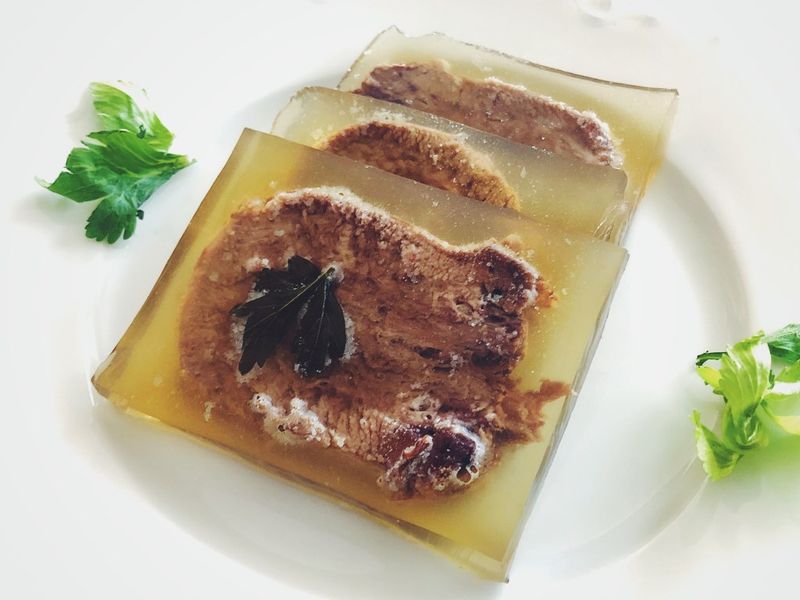
Waste nothing was practically a motto in 1920s kitchens. Beef heart, pig feet, and beef tongue were boiled down together, then left to cool until the natural collagen made the whole mixture solidify into a wobbly, sliceable block.
Cooks would cut thick slices and layer them onto bread with mustard, mayo, or pickles. Calling it resourceful is an understatement.
Today, most people would not recognize it as sandwich material at all, but back then it was smart, budget-friendly cooking at its finest.
6. Frosted Sandwich Loaf
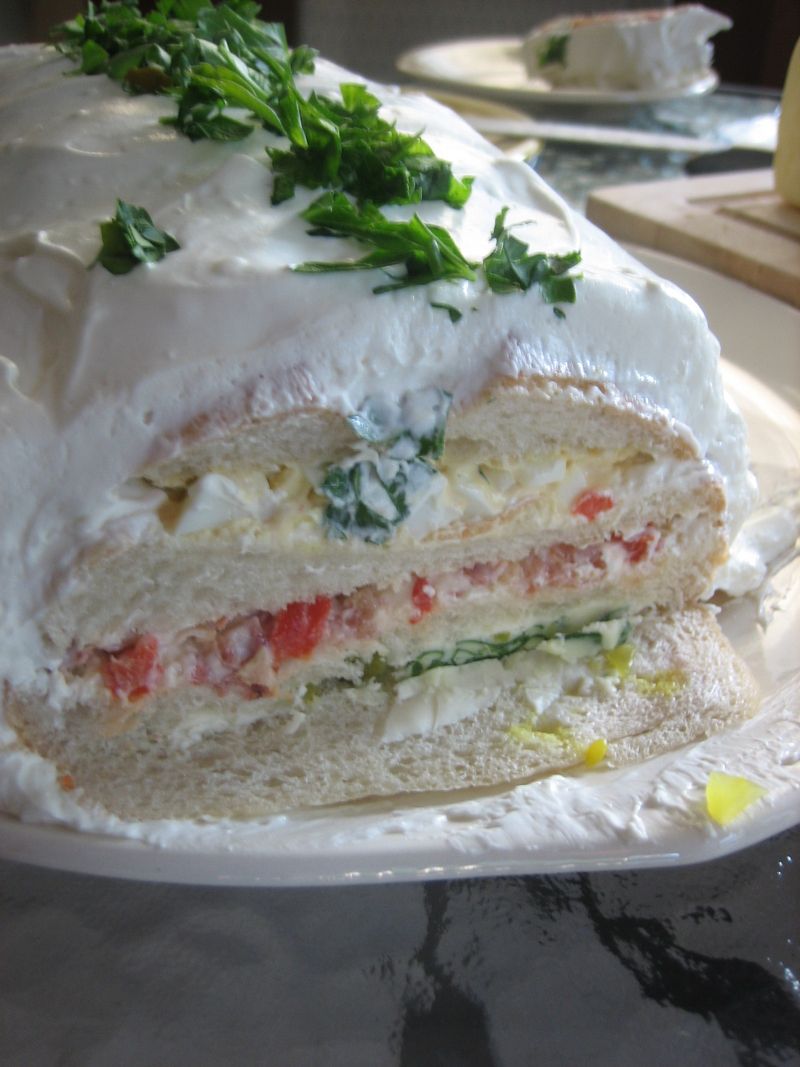
If you wanted to impress guests at a mid-century party, nothing said sophistication quite like a frosted sandwich loaf. A giant loaf of bread was hollowed out and filled with alternating layers of egg salad, chicken salad, pickles, and deviled ham.
Then the whole thing got slathered in a cream cheese and mayonnaise mixture to look like a frosted cake. Guests would slice it like a dessert and find savory fillings inside.
It was dramatic, delicious, and absolutely a product of its time.
7. Emergency Sandwich
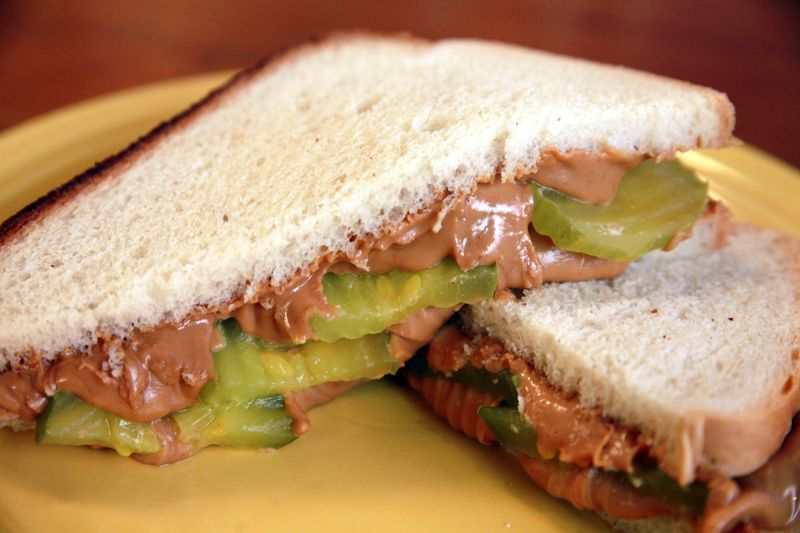
The name alone tells you something about the era it came from. Born during the food shortages of the mid-1930s, this sandwich combined hard-boiled eggs, pickles, mustard, and peanut butter into a thick, protein-packed spread.
A splash of vinegar could thin it out if the mixture got too dense. Nobody was winning awards for flavor creativity here, but the goal was simple: feed hungry people with whatever was in the pantry.
Surprisingly, the combination of tangy pickles and peanut butter is not as terrible as it sounds.
8. Potted Meat Sandwich
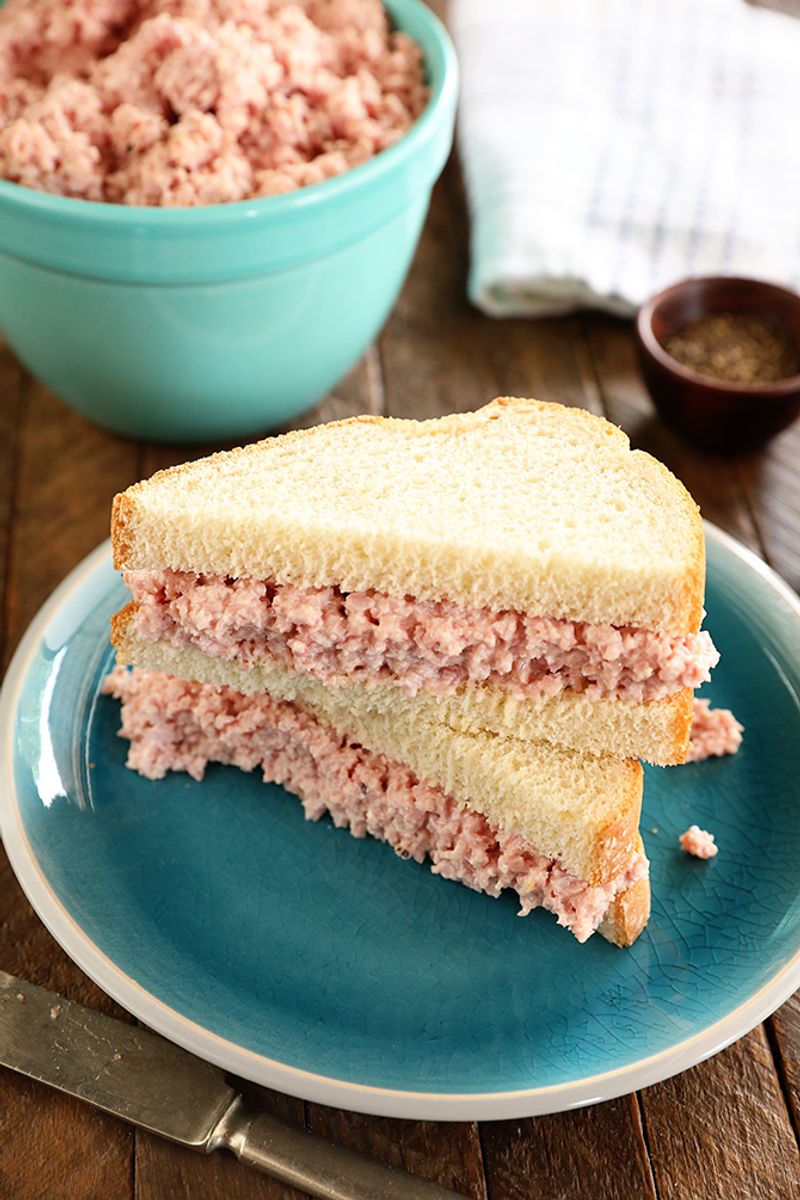
Canned goods changed everything about how working-class families ate in the early 1900s. Potted meat, made from finely ground and seasoned beef or chicken mixed with gelatin, came in tiny affordable tins that could be spread straight onto bread.
No cooking required, no refrigeration needed, and no money wasted. It was the grab-and-go lunch of its era.
The texture was smooth and paste-like, which some people loved and others found deeply unsettling. Versions of potted meat are still sold today, though the audience has shrunk considerably.
9. Egg and Sardine Sandwich
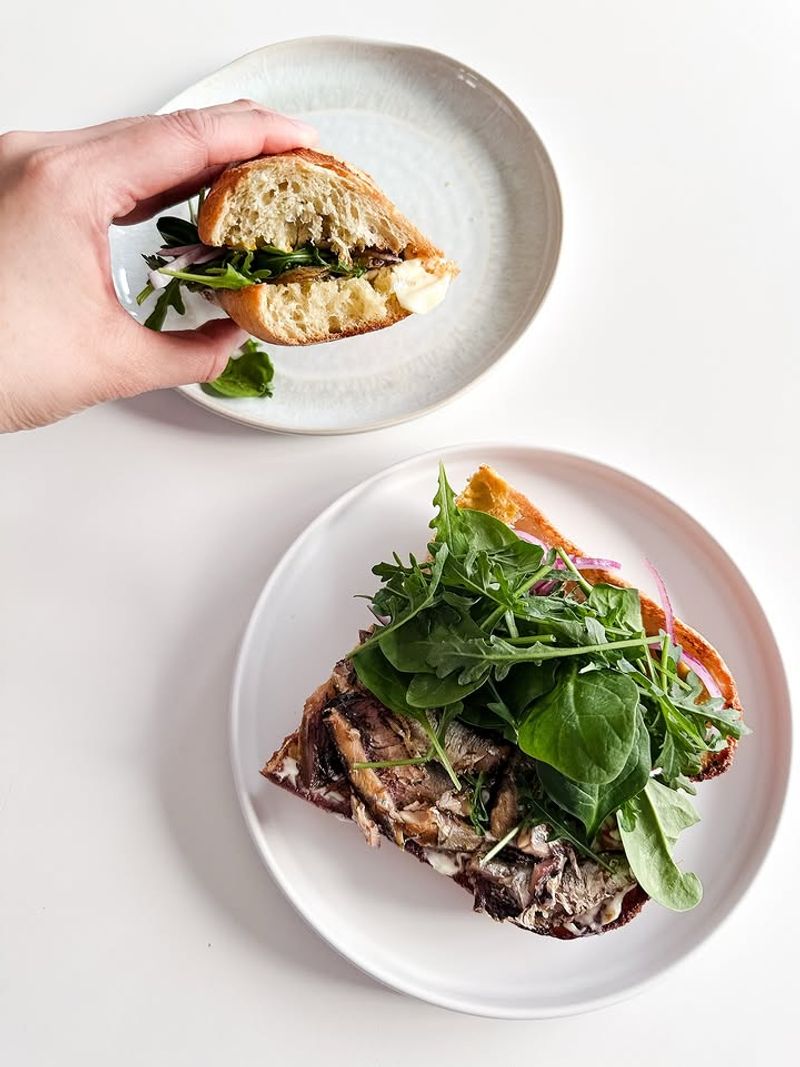
Sardines and eggs might not sound like sandwich soulmates, but in the 1920s and 1930s, this combo was a practical powerhouse. Both ingredients were cheap, protein-rich, and easy to mash together into a spreadable filling.
Hard-boiled eggs were mashed with canned sardines and spread between slices of bread for a no-fuss lunch that kept hunger at bay for hours. Meat was expensive and sometimes hard to find, so this fishy alternative filled the gap nicely.
Nutritious? Absolutely.
Trendy at your next picnic? Probably not.
10. Liverwurst Sandwich
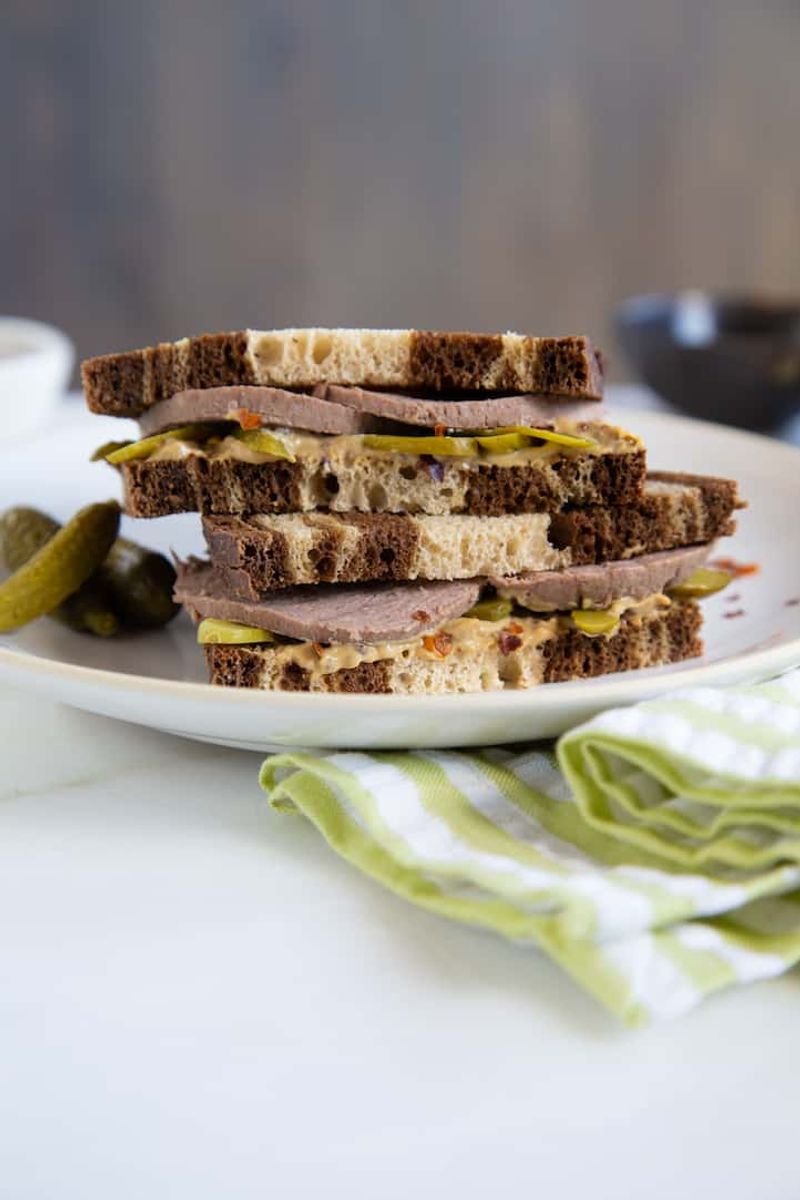
German-American households kept this sandwich alive for decades, and at its peak popularity from the 1940s through the mid-1970s, it was a lunchbox staple across the Midwest. Braunschweiger, a spreadable pork liver sausage, went onto dark rye bread with raw onion rings and yellow mustard.
The strong, savory flavor was not for the faint of heart, but fans were fiercely loyal. Kids either loved it or refused to go near it.
Today liverwurst has a small but devoted following, mostly among people who grew up eating it.
11. Mock Ham Salad Sandwich
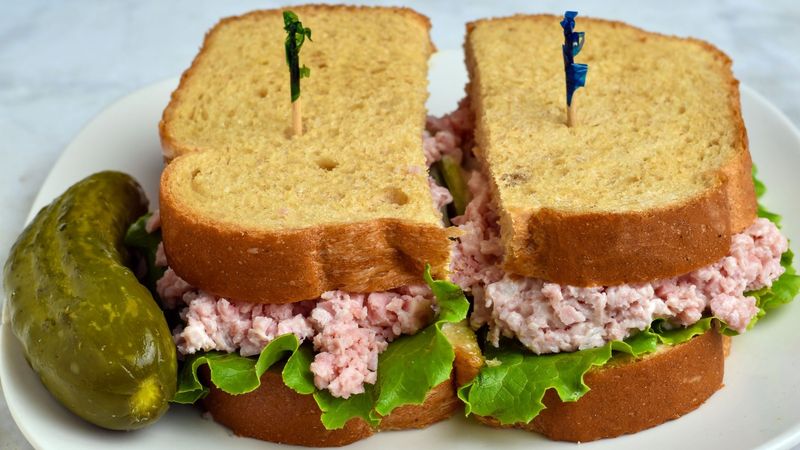
Real ham was a luxury during the Great Depression, so home cooks got clever. Bologna or Spam stepped in as the stand-in, chopped up and mixed with mustard, mayo, and relish to mimic the flavor and texture of actual ham salad.
The result was surprisingly convincing, at least to families who had not tasted the real thing in a while. It was filling, affordable, and could be made in minutes.
Mock recipes were everywhere during hard times, turning humble ingredients into something that felt almost indulgent.
12. Dairy Sandwich
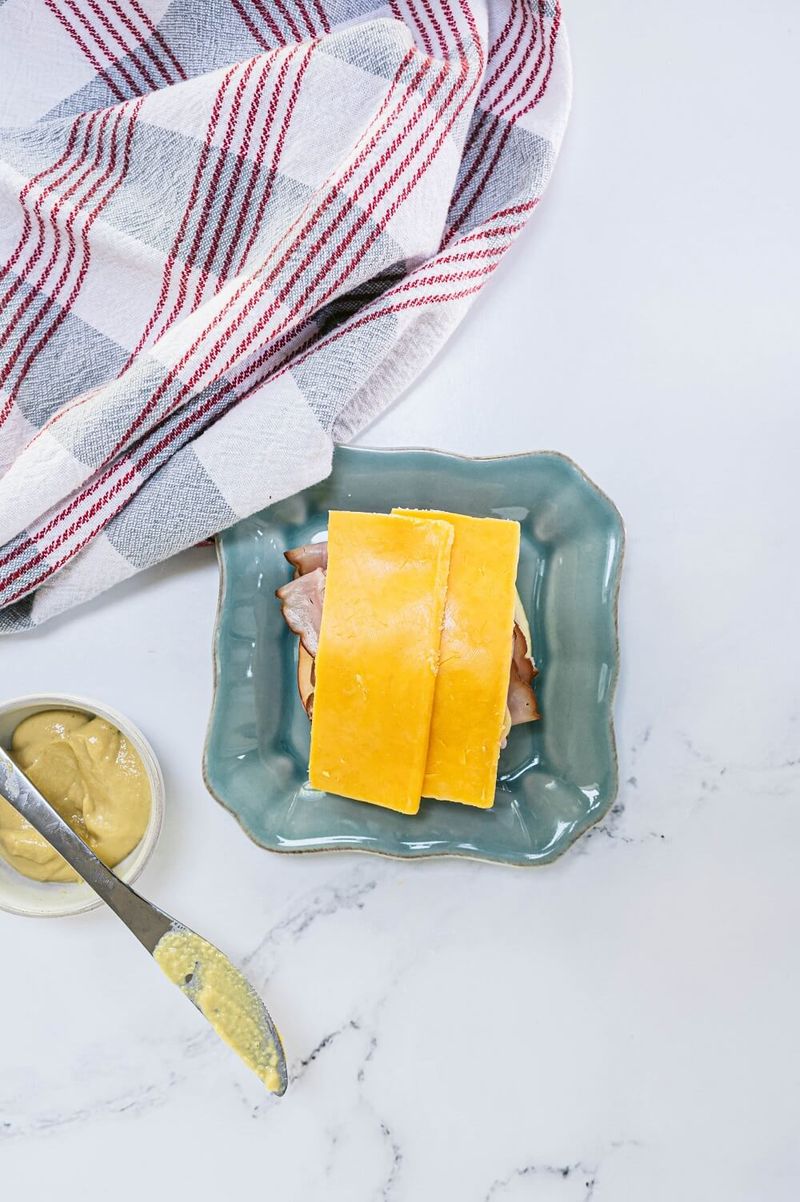
Here is a recipe that breaks every rule about what a sandwich even is. A 1909 cookbook suggested placing two slices of Swiss cheese together with nothing but butter spread between them, and calling it a sandwich without any bread involved whatsoever.
No bread, no meat, no vegetables. Just cheese and butter stacked together like the world’s most minimalist lunch.
Whether this counts as a sandwich at all is up for debate, but it proves that vintage recipe writers were working with a very loose definition of the word.
13. Yeast Sandwich
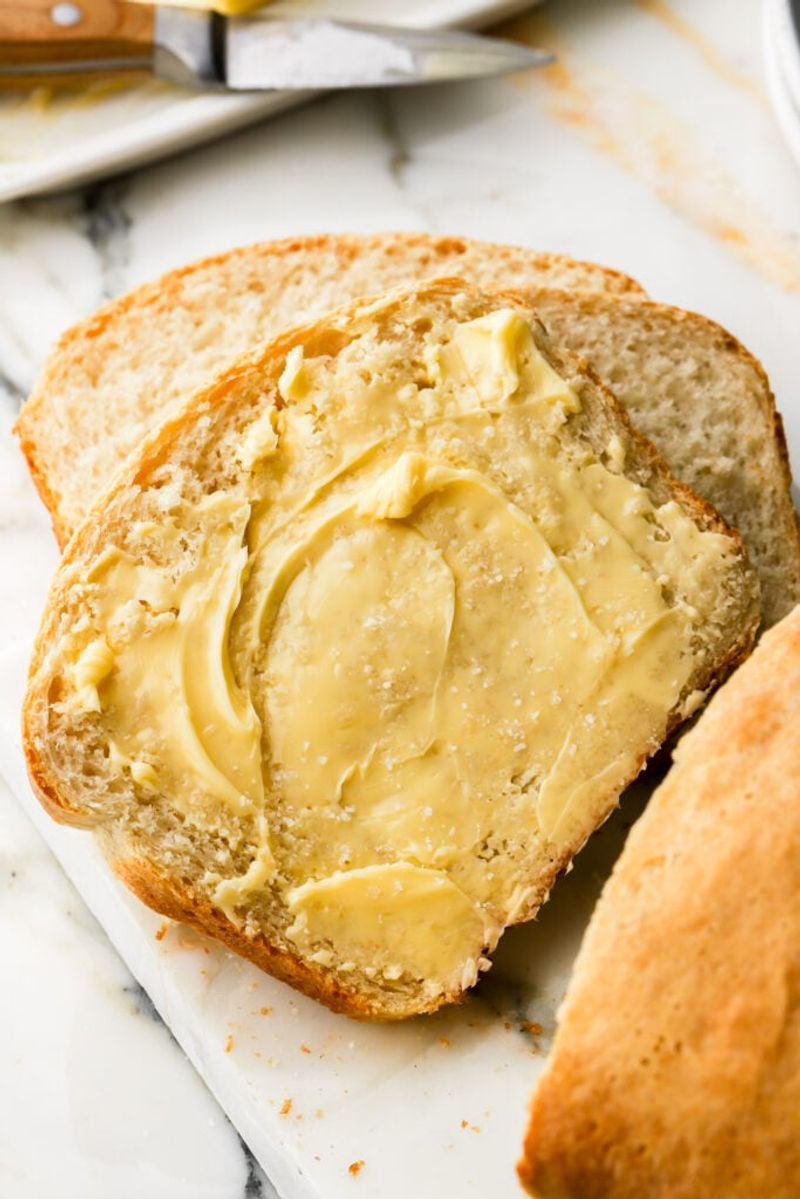
One reviewer described this 1936 creation as tasting like wallpaper paste, which should tell you everything you need to know. The recipe called for spreading a compressed yeast cake moistened with table sauce, likely Worcestershire or ketchup, onto buttered bread.
At the time, yeast was promoted as a health food full of B vitamins, so some people genuinely believed eating it this way was good for them. Whether it was healthy or not, most people who tried it could not get past the smell or the gummy, strange texture.
14. Crisco Sandwich
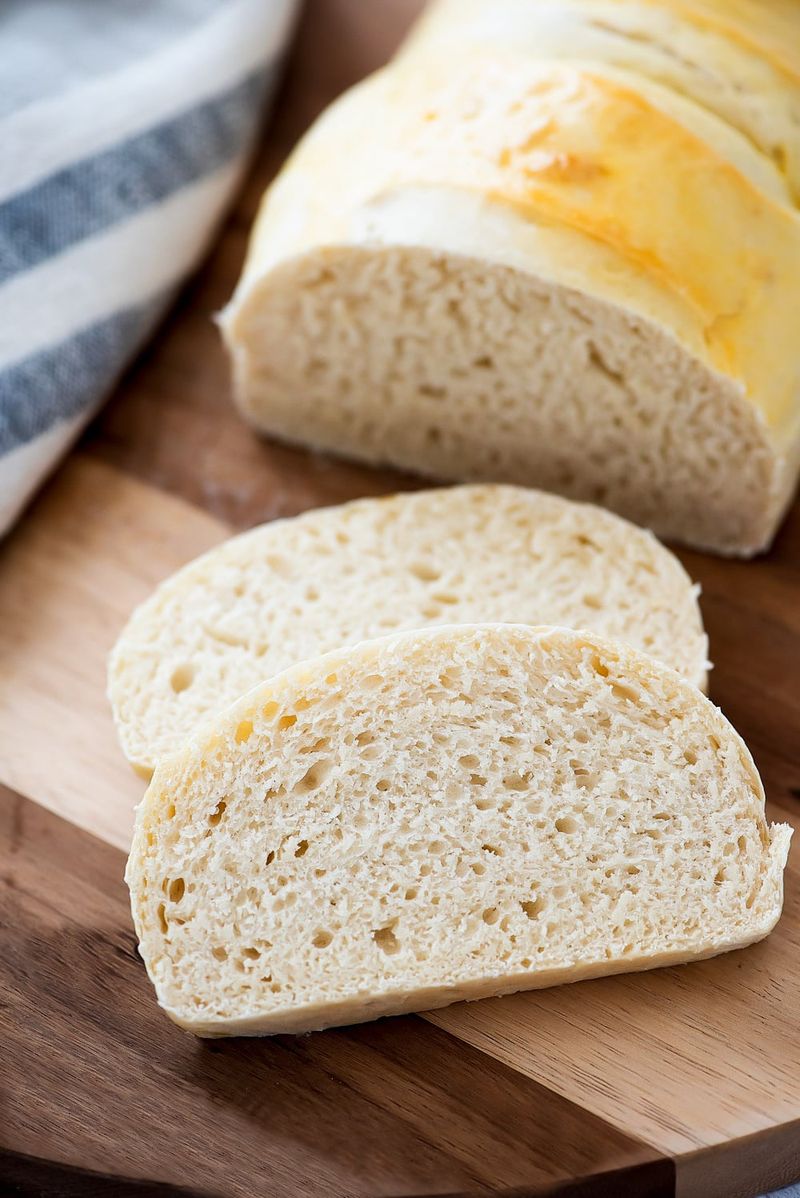
Vegetable shortening as a sandwich spread sounds like a dare, but a 1926 recipe treated it as completely normal. Crisco was creamed until fluffy and spread generously on white bread, creating what one modern taster described as evil frosting.
Crisco was heavily marketed as a modern, clean alternative to animal fats during that era, so spreading it on bread felt cutting-edge at the time. Taste-testers who recreated it decades later reported a greasy, flavorless experience that was hard to finish.
Marketing really can make anything seem appealing.
15. Popcorn, Cayenne, Sardine, Ketchup, and Parmesan Sandwich

Some vintage recipes read less like cooking instructions and more like a challenge. This 1909 combination threw together popcorn, cayenne pepper, canned sardines, ketchup, and Parmesan cheese all between two slices of bread, apparently without irony.
The crunchy, spicy, fishy, cheesy, tangy result must have been an experience unlike anything before or since. It is hard to know if this was a genuine recipe or a creative experiment gone wild.
Either way, it stands as proof that early cookbook writers were not afraid of bold, boundary-pushing flavor combinations.
16. Banana, Cheese, and Pickle Sandwich
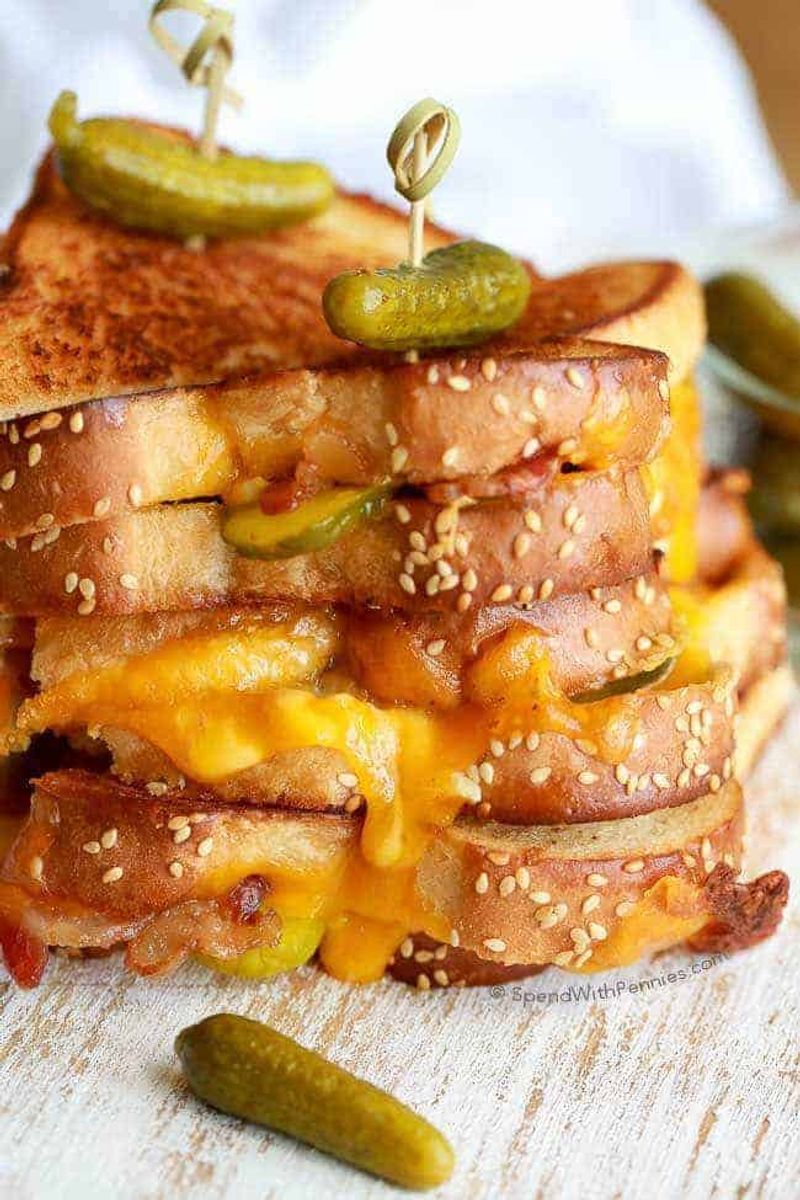
When this 1936 recipe combination first surfaced among food historians, most people braced for something terrible. Banana, cheddar cheese, and pickle slices stacked between bread sounds like a lunchbox accident waiting to happen.
Surprisingly, reviewers who recreated it reported the verdict as not bad, actually. The salty tang of the pickle cuts through the sweetness of the banana, while the cheese adds a savory anchor that holds the whole thing together.
Strange as it sounds, the flavor logic actually makes a little sense once you think about it.
17. Gene Kelly’s Greatest Man Sandwich
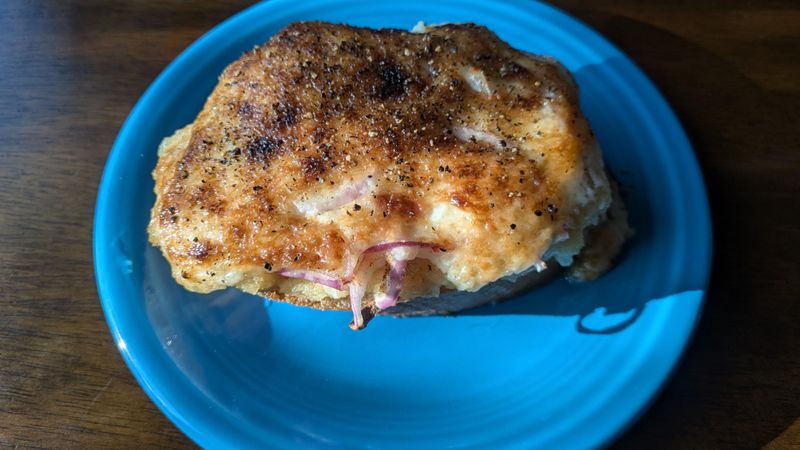
Hollywood stars had quirky food opinions too, and dancer and actor Gene Kelly was no exception. His self-proclaimed greatest sandwich ever featured mashed potatoes, thinly sliced white or red onions, salt, pepper, and mayonnaise piled onto French bread and then broiled.
The broiling step caramelized the onions slightly and warmed the mashed potato layer into something almost creamy and toasty at the same time. It sounds more like a side dish on bread than a proper sandwich, but Kelly defended it passionately.
Fans who tried recreating it were mostly impressed.
18. Prune Sandwich
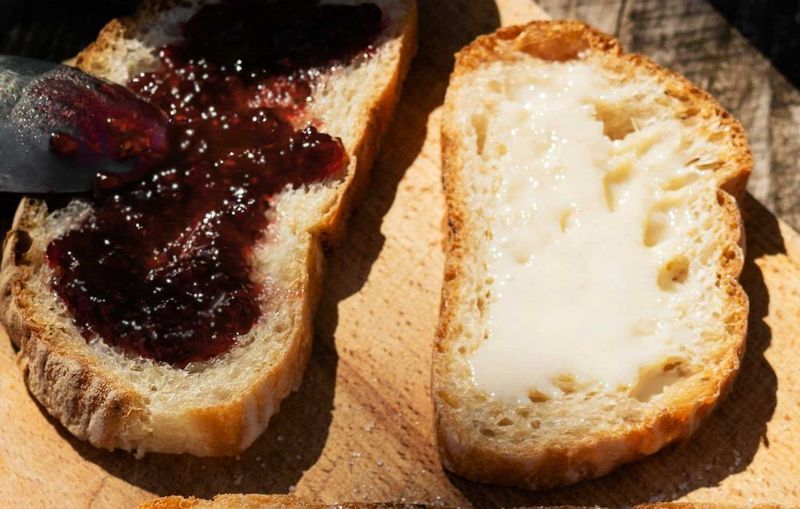
Prunes had a very different reputation in the 1940s and 1950s than they do today. Back then, they showed up in savory recipes just as often as sweet ones, including this unusual sandwich spread made from blended prunes, deviled ham, ketchup, Tabasco, pickles, parsley, and onion.
The mixture was spread onto buttered bread with a lettuce leaf on top. The combination of sweet dried fruit with spicy, salty meat paste sounds jarring, but cooks of that era found the sweet-savory balance completely natural.
Tastes really do change over time.
19. Tomato and Onion Ketchup Sandwich
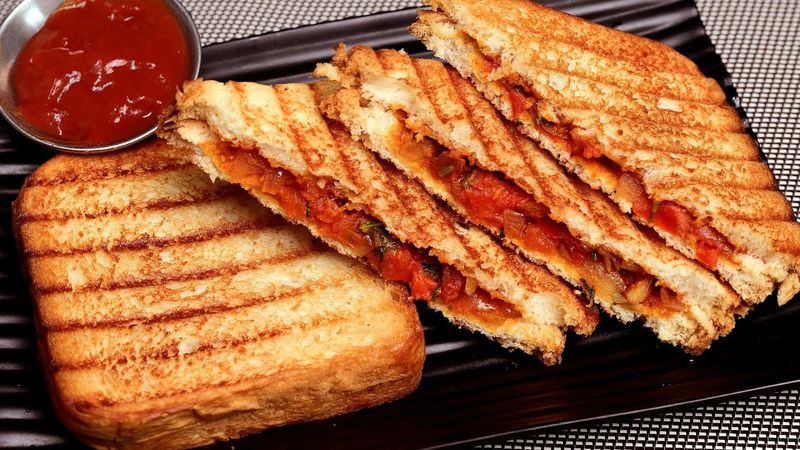
This one is sneakier than it sounds. Despite being called a tomato sandwich, many vintage versions skipped actual tomato slices entirely and relied on ketchup mixed with extra salt, pepper, sugar, and chopped onions to deliver the tomato flavor.
The seasoned ketchup mixture was spread on buttered bread and topped with a lettuce leaf, making it look like a proper sandwich from the outside. Budget cooking often meant substituting cheaper processed ingredients for fresh ones.
Calling ketchup a tomato is technically not wrong, but it is definitely a stretch.
20. Dripping Sandwich
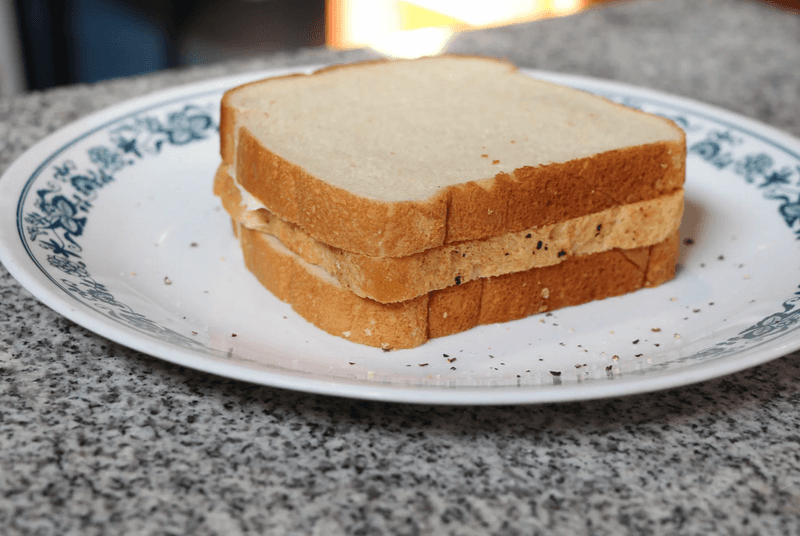
Across Britain from the late 1800s through the post-war years, dripping sandwiches were working-class comfort food at its most honest. When a roast was cooked, the rendered fat, salt, and meaty juices collected in the pan were saved and left to cool into a spreadable, flavorful fat.
That dripping went straight onto bread, especially when butter was rationed during and after World War II. The top layer was pale solid fat, while a dark savory jelly settled underneath.
Plenty of older Brits still remember it fondly as one of childhood’s simple pleasures.