
The 1960s was one of the most exciting decades in movie history. Filmmakers around the world were breaking old rules and creating stories that still feel fresh and powerful today.
From sweeping epics to chilling thrillers, the films of this era changed what movies could be and do. If you consider yourself a true movie lover, these 20 classics absolutely belong on your watchlist.
1. 2001: A Space Odyssey (1968)
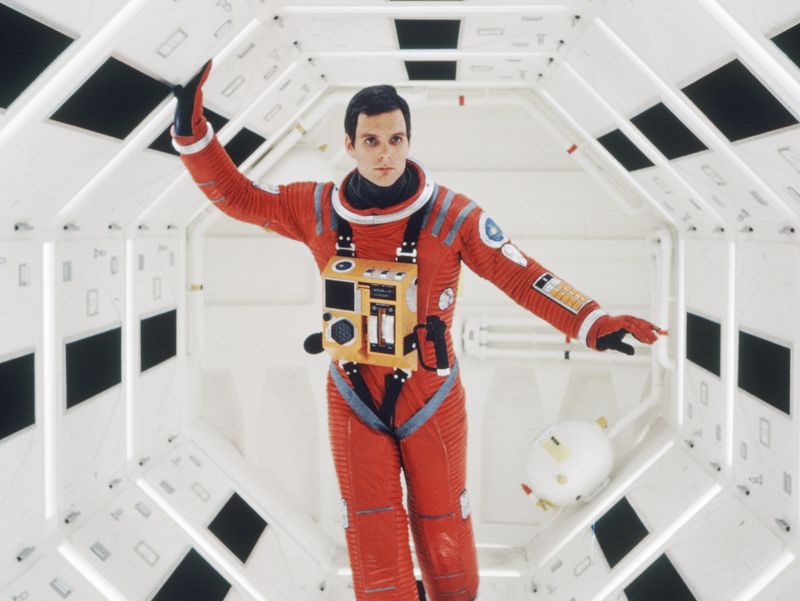
Stanley Kubrick made something truly unlike anything before it when he released this landmark science fiction film in 1968. The story follows astronauts on a mission to Jupiter, but it quickly becomes a deep meditation on human evolution and artificial intelligence.
The visuals were so ahead of their time that NASA reportedly used the film as a reference.
HAL 9000, the ship’s eerily calm computer, became one of cinema’s most unforgettable villains. Few films reward patience and attention as richly as this one.
2. 8½ (1963)
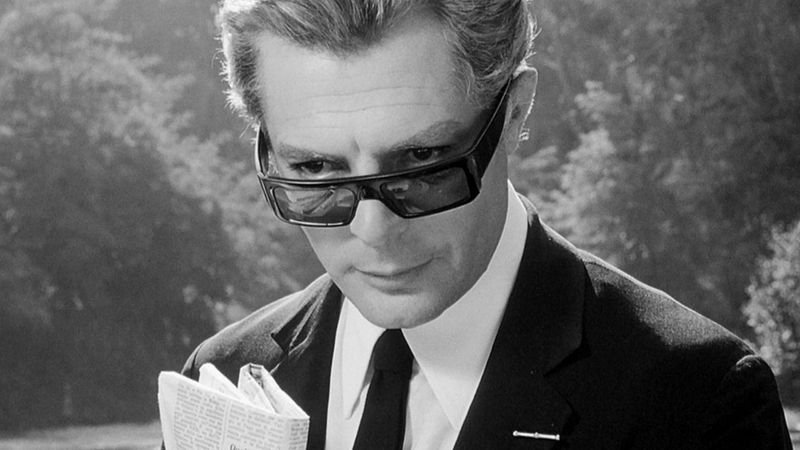
Federico Fellini’s semi-autobiographical masterpiece follows a famous film director who is completely stuck, unable to figure out what his next movie should be. Dreams, memories, and fantasies blend together in ways that feel both confusing and deeply personal.
It is the kind of film that makes you feel like you are watching someone’s soul on screen.
Woody Allen, Martin Scorsese, and countless other directors have called this film a major inspiration. Watching it feels like stepping inside a brilliant but beautifully chaotic mind.
3. Lawrence of Arabia (1962)
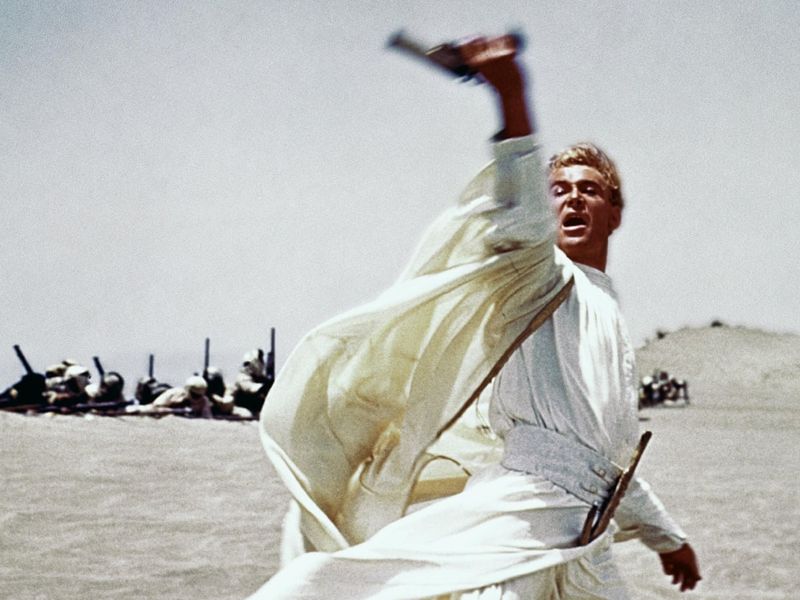
Few films have ever looked as stunning as this David Lean epic, which tells the story of T.E. Lawrence, a British officer who united Arab tribes during World War One.
Shot across the real deserts of Jordan and Morocco, the film’s scale is almost impossible to believe. Peter O’Toole’s performance as Lawrence is mesmerizing from start to finish.
Running nearly four hours, it rewards every minute of your time. The film won seven Academy Awards and is still considered one of the greatest ever made.
4. Dr. Strangelove (1964)
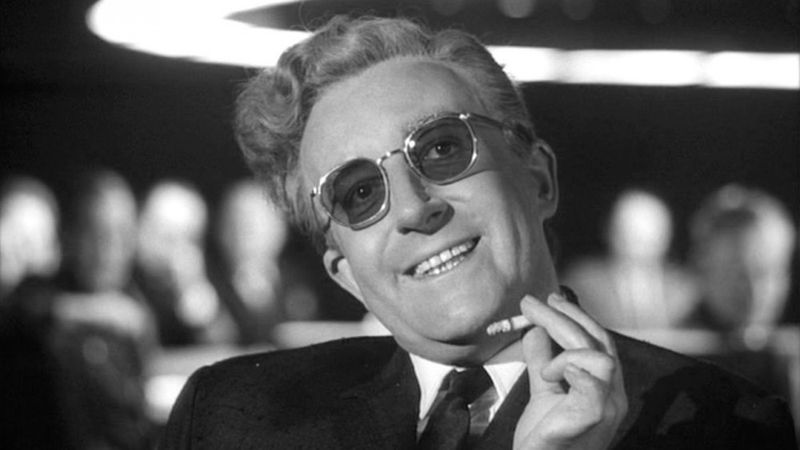
Stanley Kubrick somehow turned the terrifying possibility of nuclear war into one of the funniest movies ever made. The story follows a series of increasingly absurd events that spiral toward global catastrophe, all while the people in charge act more ridiculous than sensible.
Peter Sellers plays three completely different characters, and each one is funnier than the last.
The film was released during the height of the Cold War, making its satire feel razor-sharp and deeply unsettling. It remains one of the boldest comedies Hollywood has ever produced.
5. The Good, the Bad and the Ugly (1966)
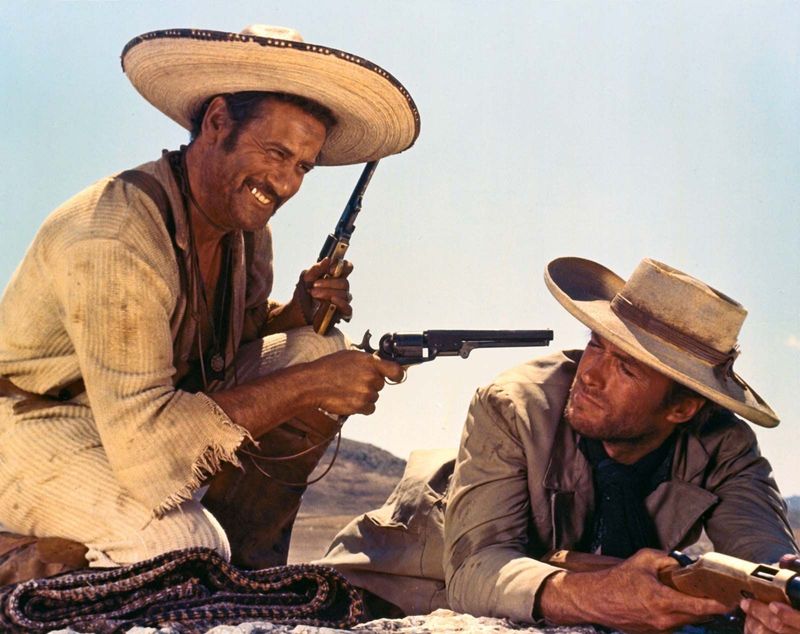
Sergio Leone turned the Western genre into high art with this gloriously epic tale of three men competing to find a buried treasure during the American Civil War. Clint Eastwood plays the cool and mysterious “Man with No Name,” and his screen presence is magnetic throughout.
Ennio Morricone’s iconic whistling score has been imitated in pop culture hundreds of times since.
The final three-way standoff is considered one of the greatest scenes in film history. Nothing quite matches its slow-burn tension and visual brilliance.
6. Bonnie and Clyde (1967)
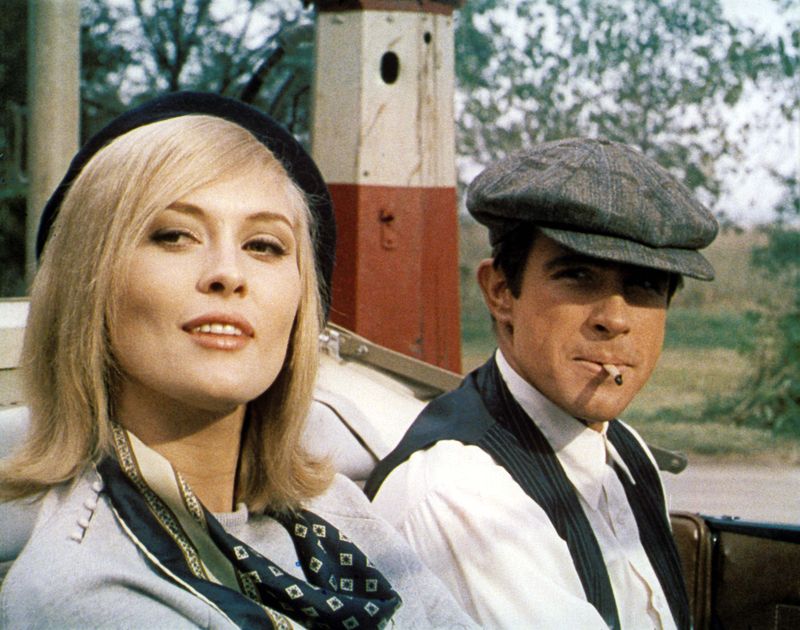
Arthur Penn’s crime film exploded onto screens in 1967 and immediately changed American cinema forever. Based on the real-life outlaws Bonnie Parker and Clyde Barrow, the film blends romance, dark humor, and shocking violence in ways that had never been seen before.
Warren Beatty and Faye Dunaway brought genuine chemistry and charisma to their roles.
The movie sparked huge debates about glorifying criminals, but critics eventually recognized it as a turning point in Hollywood history. It opened the door to the New Hollywood era of filmmaking.
7. La Dolce Vita (1960)
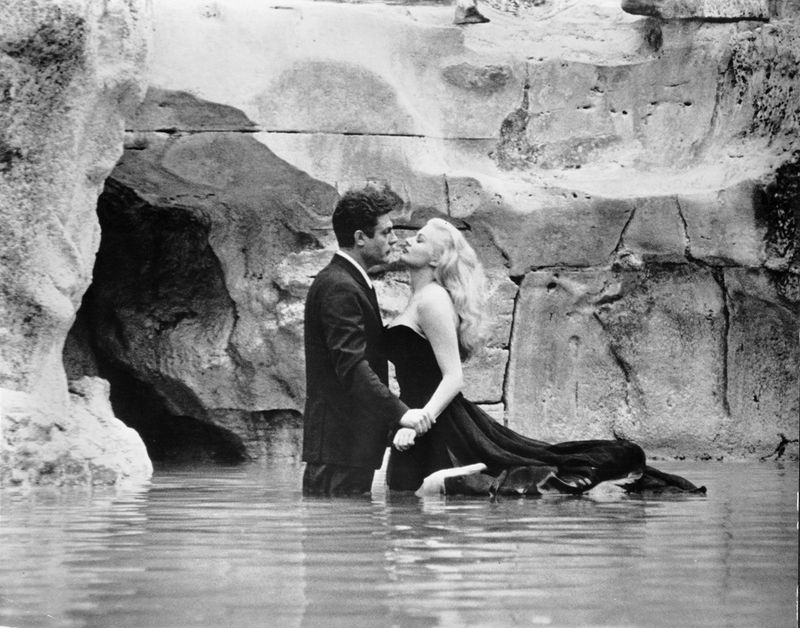
Federico Fellini’s exploration of fame, emptiness, and modern life in Rome is as visually gorgeous as it is emotionally haunting. Marcello Mastroianni plays a tabloid journalist chasing celebrities and socialites while quietly searching for something meaningful in his own life.
The famous Trevi Fountain scene became one of the most iconic images in all of cinema.
The phrase “paparazzi” actually comes from a character’s name in this very film. Watching it feels like attending the world’s most glamorous and most melancholy party.
8. Breathless (1960)
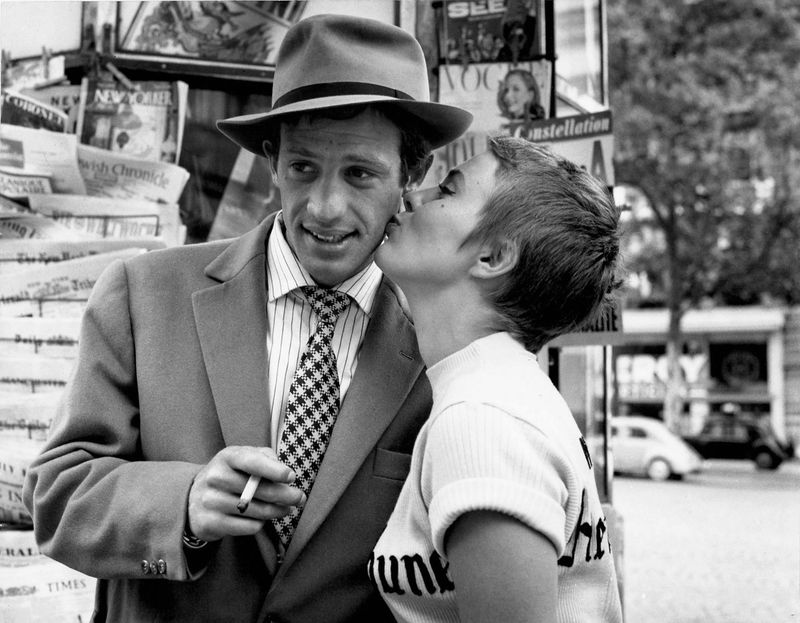
Jean-Luc Godard threw out the rulebook of filmmaking with this raw, energetic debut that felt like nothing audiences had ever experienced. Shot on the streets of Paris with a handheld camera, the film follows a small-time criminal and his American girlfriend as they try to outrun the police.
Its jump-cut editing style was shocking at the time but hugely influential afterward.
Breathless essentially launched the French New Wave movement, which inspired directors worldwide. Even today, its rebellious energy feels completely alive and exciting.
9. To Kill a Mockingbird (1962)
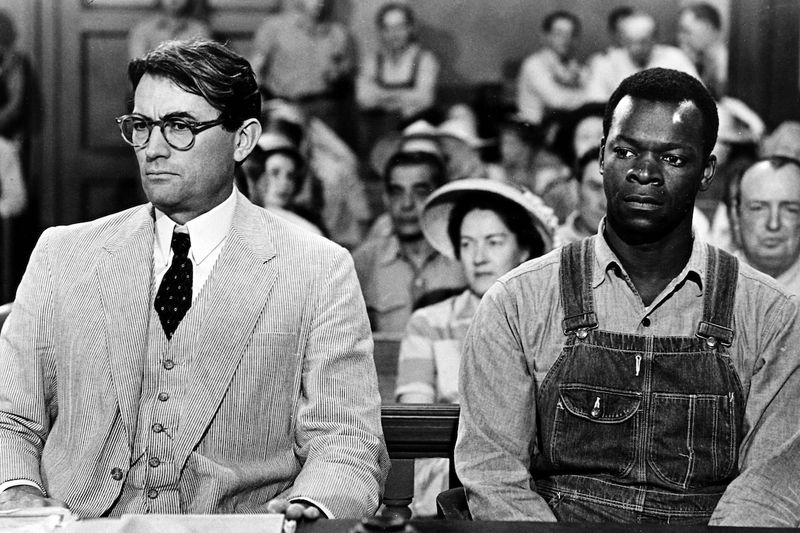
Based on Harper Lee’s beloved novel, this film tells the story of Atticus Finch, a lawyer in the American South who defends a Black man falsely accused of a crime in the 1930s. Gregory Peck’s performance is so quietly powerful that it feels less like acting and more like witnessing a real human being.
The film tackles racism and injustice with honesty and grace.
Peck won the Academy Award for Best Actor for this role. It remains one of the most morally important films ever committed to screen.
10. The Sound of Music (1965)
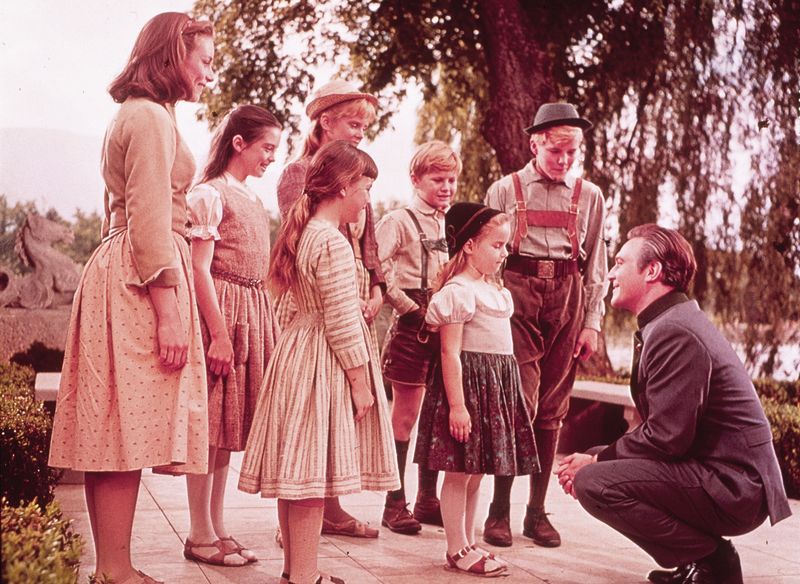
Robert Wise’s beloved musical follows Maria, a free-spirited young woman who becomes governess to the seven children of a strict Austrian naval captain just before World War Two. Julie Andrews fills every scene with warmth and energy, making it nearly impossible not to smile.
Songs like “Do-Re-Mi” and “My Favorite Things” became instant classics that generations still sing today.
The film won five Academy Awards including Best Picture. Few movies manage to be simultaneously heartwarming, rousing, and genuinely moving the way this one does.
11. The Apartment (1960)
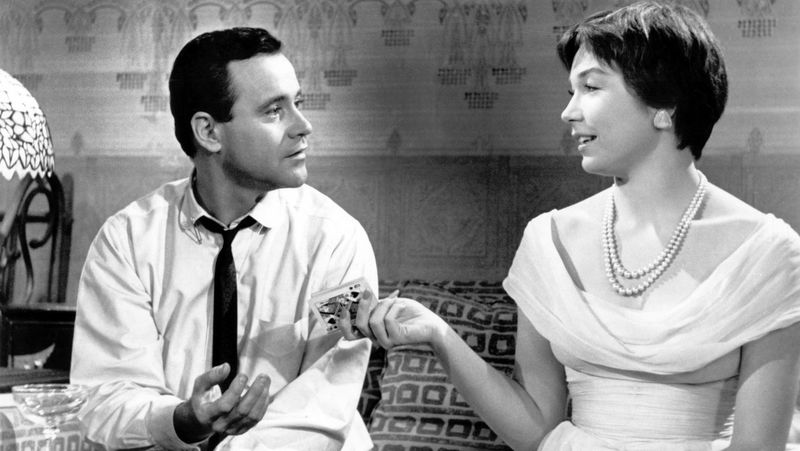
Billy Wilder’s comedy-drama cleverly disguises a fairly dark story about workplace exploitation inside a warm, funny, and ultimately hopeful package. Jack Lemmon plays a low-level insurance worker who loans his apartment to his bosses for their romantic affairs, hoping it will earn him a promotion.
Shirley MacLaine brings heartbreaking vulnerability to her role as the elevator operator he falls for.
The film won the Academy Award for Best Picture in 1961. Its mix of sharp wit and genuine emotion makes it one of Hollywood’s most perfectly balanced films.
12. In the Heat of the Night (1967)
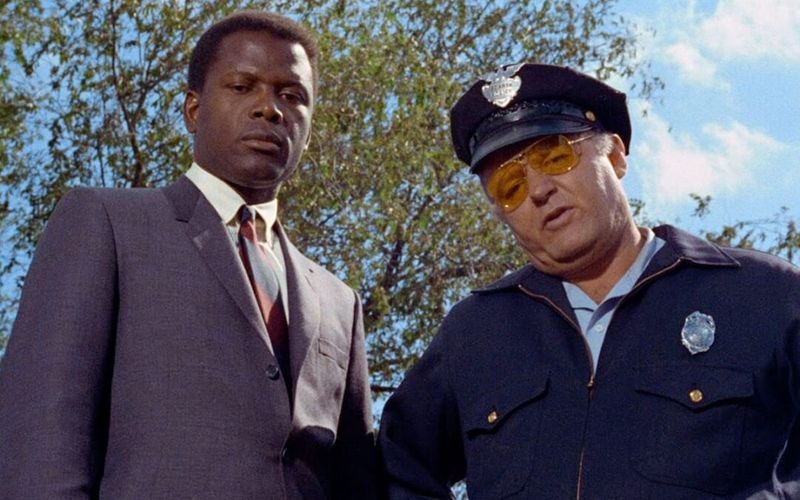
Norman Jewison directed this gripping mystery about a Black detective from Philadelphia named Virgil Tibbs who gets pulled into a murder investigation in a racist Mississippi town. Sidney Poitier plays Tibbs with a fierce, dignified intelligence that makes every confrontation electric.
The film tackled racial prejudice head-on at a time when doing so was genuinely dangerous and controversial.
It won five Academy Awards including Best Picture. The famous line “They call me Mister Tibbs!” became one of cinema’s most celebrated moments of defiant pride.
13. Once Upon a Time in the West (1968)
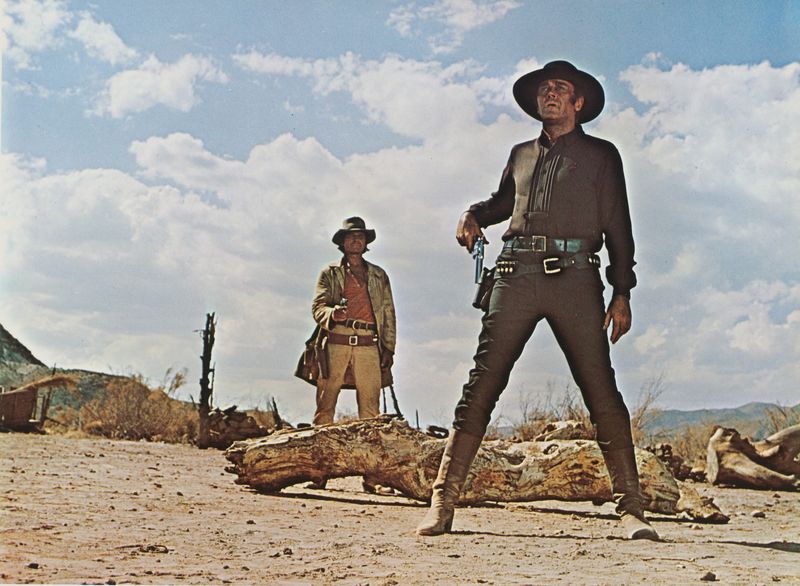
Sergio Leone crafted what many consider the ultimate Western with this sprawling, operatic tale of land greed, revenge, and the dying of the Old West. Henry Fonda, famous for playing heroes, was cast brilliantly against type as a cold-blooded killer.
Ennio Morricone’s haunting score is so powerful it feels like a character in the film itself.
Every shot is composed like a painting, and the film’s opening sequence alone is worth watching multiple times. It is patient, beautiful, and absolutely unforgettable.
14. Rosemary’s Baby (1968)
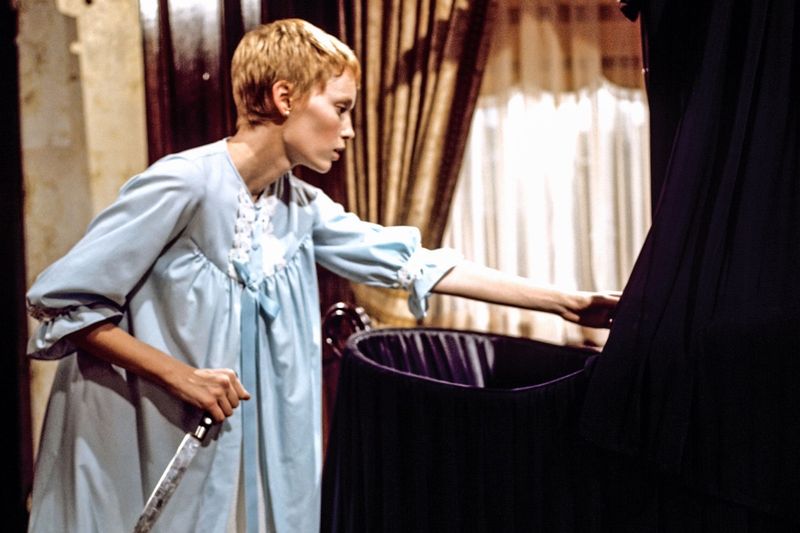
Roman Polanski turned a young woman’s pregnancy into one of the most deeply unsettling horror experiences ever put on film. Mia Farrow plays Rosemary, a newlywed who begins to suspect her neighbors and even her husband are hiding something monstrous.
The horror here is never loud or gory; it creeps in slowly, feeding on paranoia and isolation.
The film was groundbreaking for making everyday domestic life feel genuinely terrifying. Farrow’s fragile, haunted performance holds the entire film together with remarkable skill.
15. Psycho (1960)
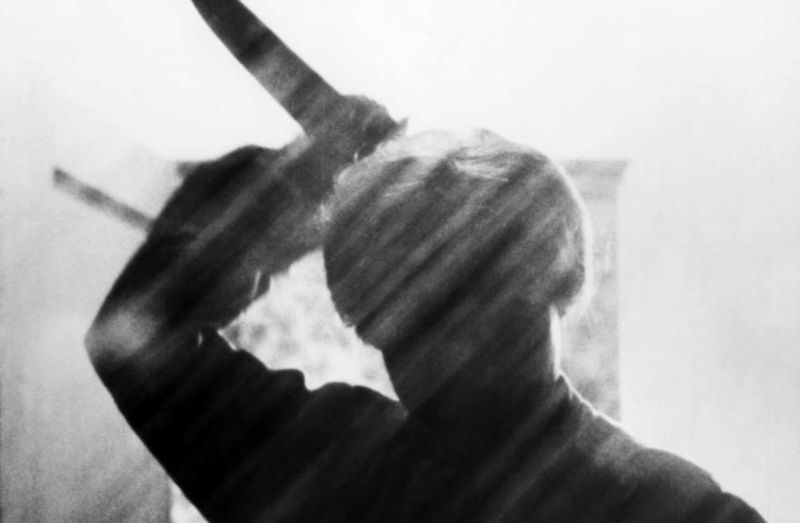
Alfred Hitchcock shattered audience expectations with this nerve-wracking thriller that dared to kill off its main character before the movie was even halfway done. The shower scene alone changed how horror and suspense films were made forever.
Bernard Herrmann’s screeching violin score is instantly recognizable even today.
Hitchcock was so protective of the film’s surprises that he refused to let anyone enter theaters late. Psycho proved that a black-and-white film could terrify audiences just as effectively as anything in color.
16. Harakiri (1962)
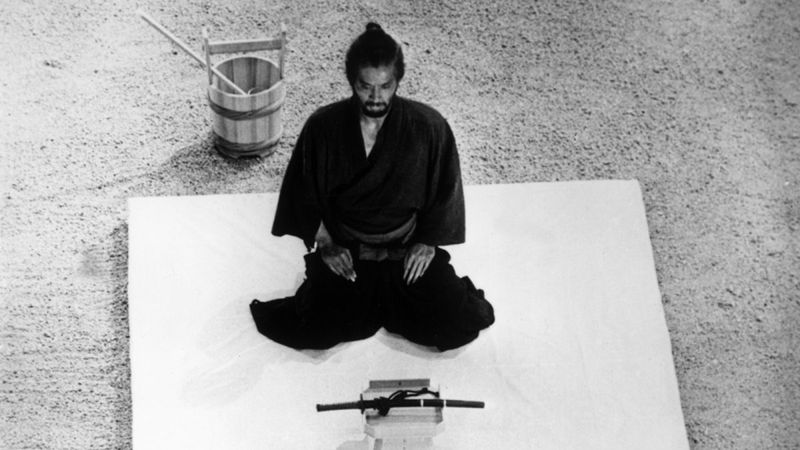
Masaki Kobayashi’s samurai film is a devastating critique of honor, hypocrisy, and the brutal social codes of feudal Japan. An older ronin arrives at a lord’s estate requesting a place to perform ritual suicide, but the story he tells slowly reveals a tragedy of crushing injustice.
The film uses flashbacks brilliantly, peeling back the truth layer by layer.
Tatsuya Nakadai delivers one of the finest performances in Japanese cinema history here. Harakiri proves that action and spectacle are no substitute for genuine emotional depth and moral outrage.
17. The Birds (1963)
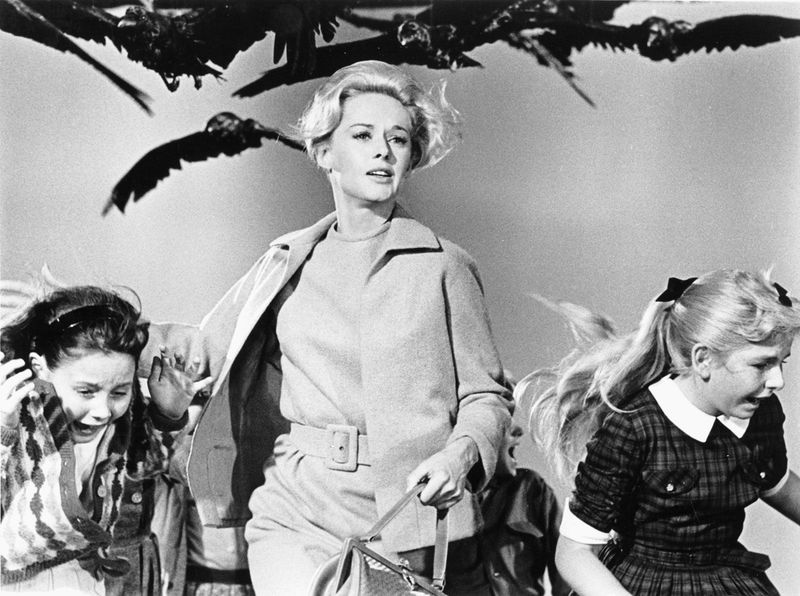
Alfred Hitchcock took one of nature’s most ordinary creatures and turned it into a symbol of pure, inexplicable terror. Set in the coastal California town of Bodega Bay, the film follows a fashionable young woman whose arrival seems to trigger a series of increasingly violent bird attacks on the townspeople.
There is never any real explanation offered, which makes it all the more unsettling.
The film had no traditional musical score, relying instead on electronically produced bird sounds. That creative choice made the attacks feel even more raw and disturbing.
18. The Graduate (1967)
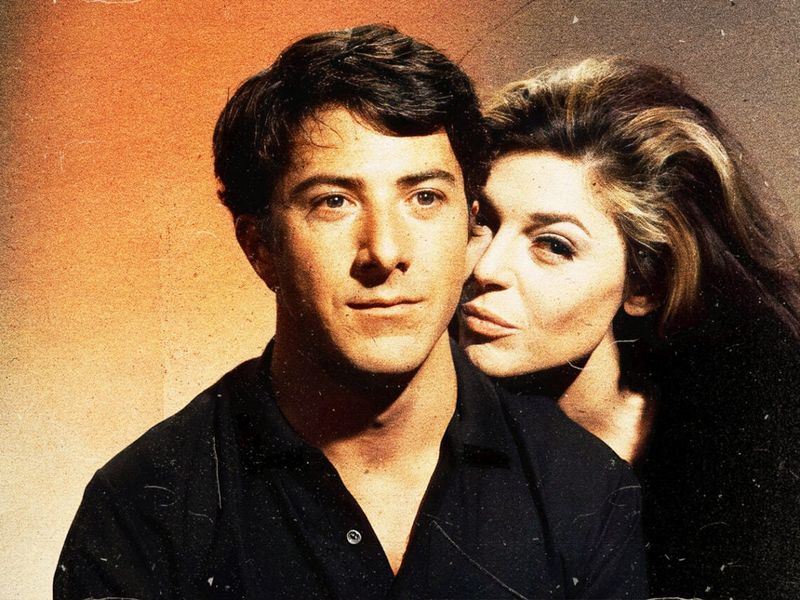
Mike Nichols captured the anxiety and alienation of a whole generation with this sharp, funny, and deeply melancholy coming-of-age story. Dustin Hoffman plays Benjamin Braddock, a recent college graduate with no idea what to do with his life, who ends up in an affair with an older married woman.
The Simon and Garfunkel soundtrack perfectly matches the film’s wistful, searching mood.
Mrs. Robinson became one of cinema’s most iconic and complicated characters. The film’s final shot of Ben and Elaine on the bus is one of the most thought-provoking endings in American film history.
19. Persona (1966)
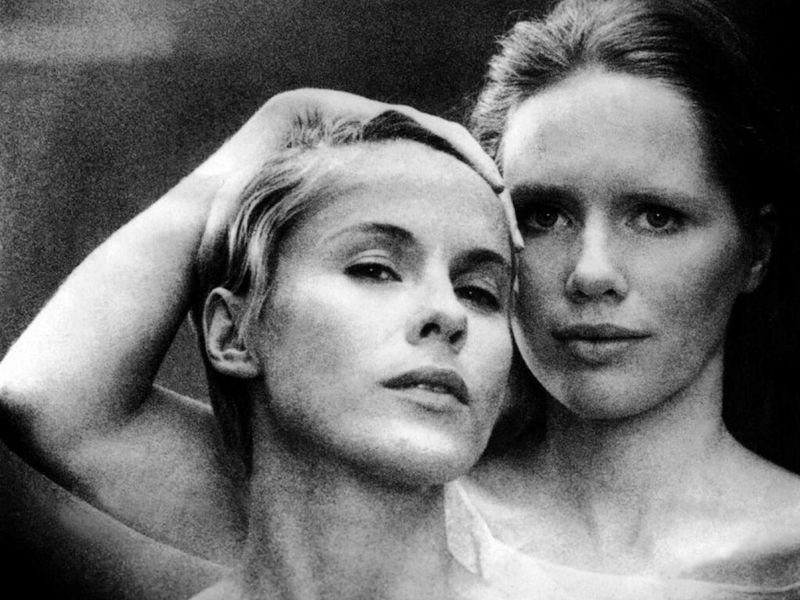
Ingmar Bergman created something that challenges everything you think you know about storytelling, identity, and the nature of film itself. A nurse is assigned to care for an actress who has suddenly stopped speaking, and over time the two women’s personalities begin to blur and merge in disturbing ways.
The film is hypnotic and refuses to offer easy answers.
Bergman reportedly made Persona while recovering from a serious illness, and that fragile, searching quality comes through in every frame. It rewards multiple viewings and still sparks fierce debate among film scholars worldwide.
20. Yojimbo (1961)
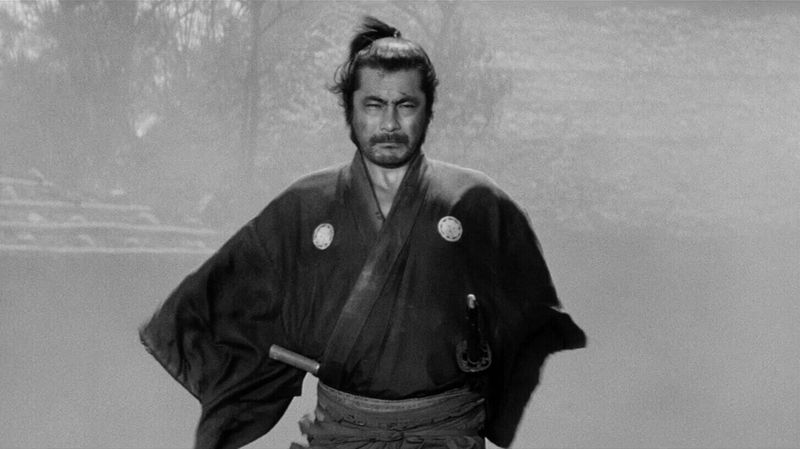
Akira Kurosawa’s brilliantly crafted action film follows a wandering, nameless samurai who walks into a corrupt town controlled by two rival gangs and cleverly plays them against each other for his own gain. Toshiro Mifune brings explosive charisma and dry humor to the role, making the samurai feel like the coolest person in any room.
The film is packed with sharp wit alongside its thrilling swordplay.
Yojimbo directly inspired the Clint Eastwood Western “A Fistful of Dollars.” Few films are this entertaining while also being so technically masterful.