
The year 1956 was a golden time for Hollywood, packed with films that audiences still talk about today. From sweeping epics and gripping westerns to sci-fi classics and musical showstoppers, the movies of 1956 covered just about every genre imaginable.
Many of these films earned Academy Awards, broke box office records, and changed the way stories were told on the big screen. Get ready to explore twenty unforgettable movies that made 1956 one of cinema’s greatest years.
1. The Ten Commandments
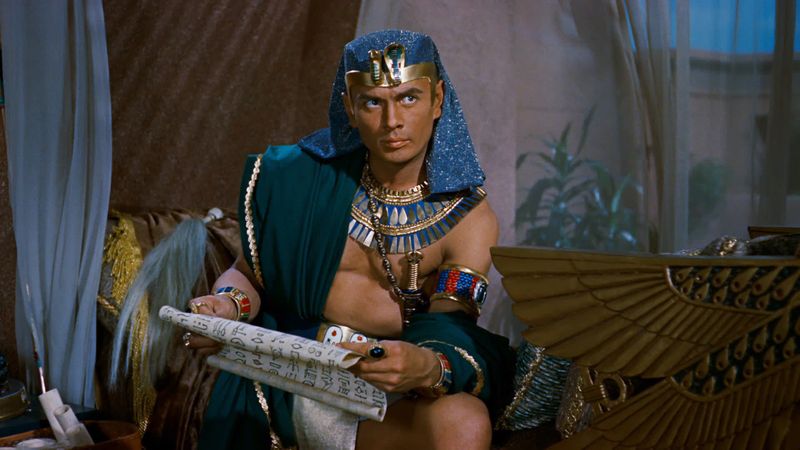
Few films have ever matched the sheer size and ambition of Cecil B. DeMille’s final masterpiece.
Released on November 8, 1956, this biblical epic dramatizes the life of Moses, from his early days in Egypt to leading his people to freedom. At the time, it was the most expensive movie ever made.
The film earned seven Academy Award nominations and won for Best Visual Effects. Its massive sets and cast of thousands still impress audiences today.
2. Around the World in 80 Days
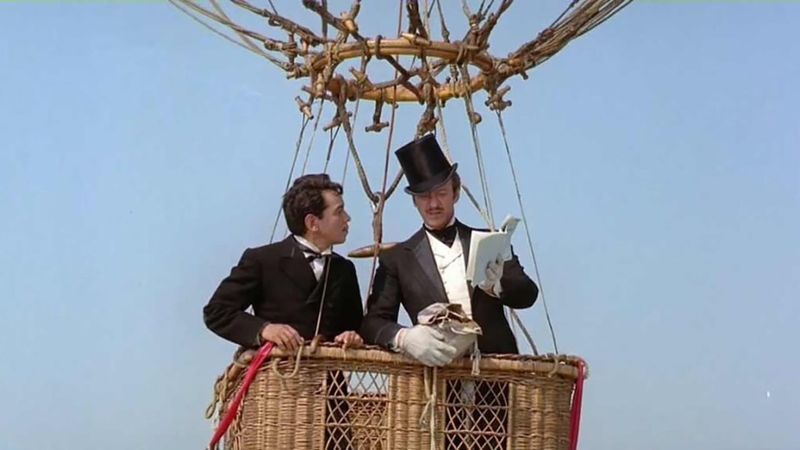
What a ride! Released on October 17, 1956, this globe-trotting adventure follows Phileas Fogg as he bets he can circle the entire world in just 80 days.
Based on Jules Verne’s classic novel, the film brought exotic locations to life in spectacular fashion.
It became one of the biggest box office hits of the year, grossing $42 million. Best of all, it took home the Academy Award for Best Picture that year.
3. The King and I
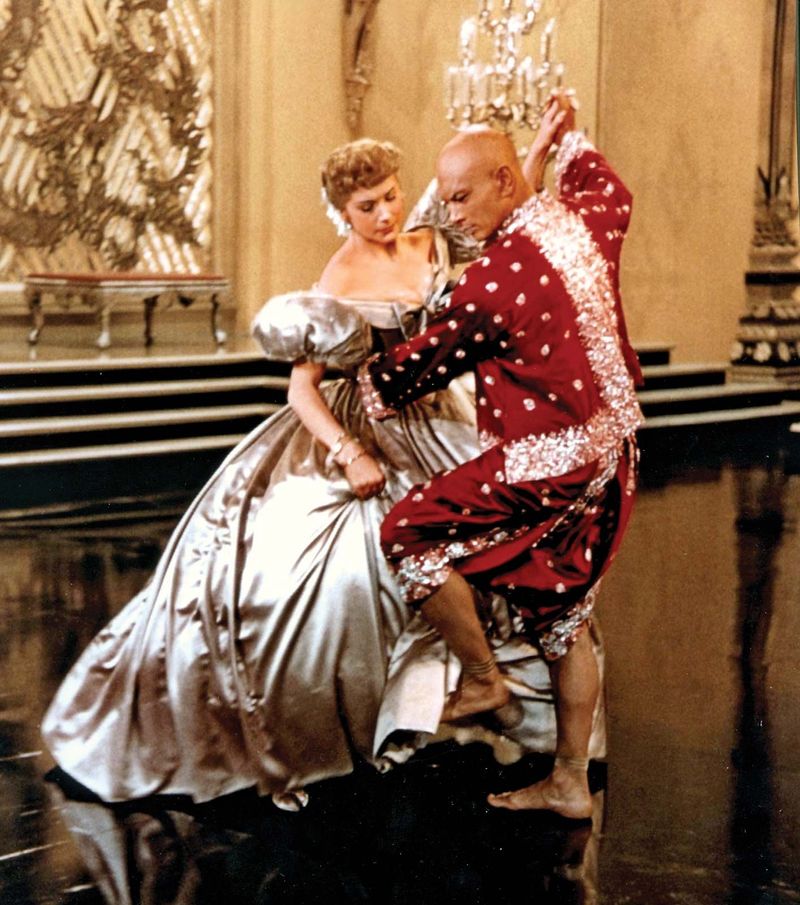
Yul Brynner owned every scene he was in as the King of Siam, reprising the Broadway role that made him famous. Released on June 28, 1956, this Rodgers and Hammerstein musical dazzled audiences with its gorgeous costumes, memorable songs, and heartfelt story.
Brynner won the Academy Award for Best Actor for his commanding performance. The film earned nine total nominations and won five Oscars, landing it among the top-grossing movies of the year.
4. The Searchers
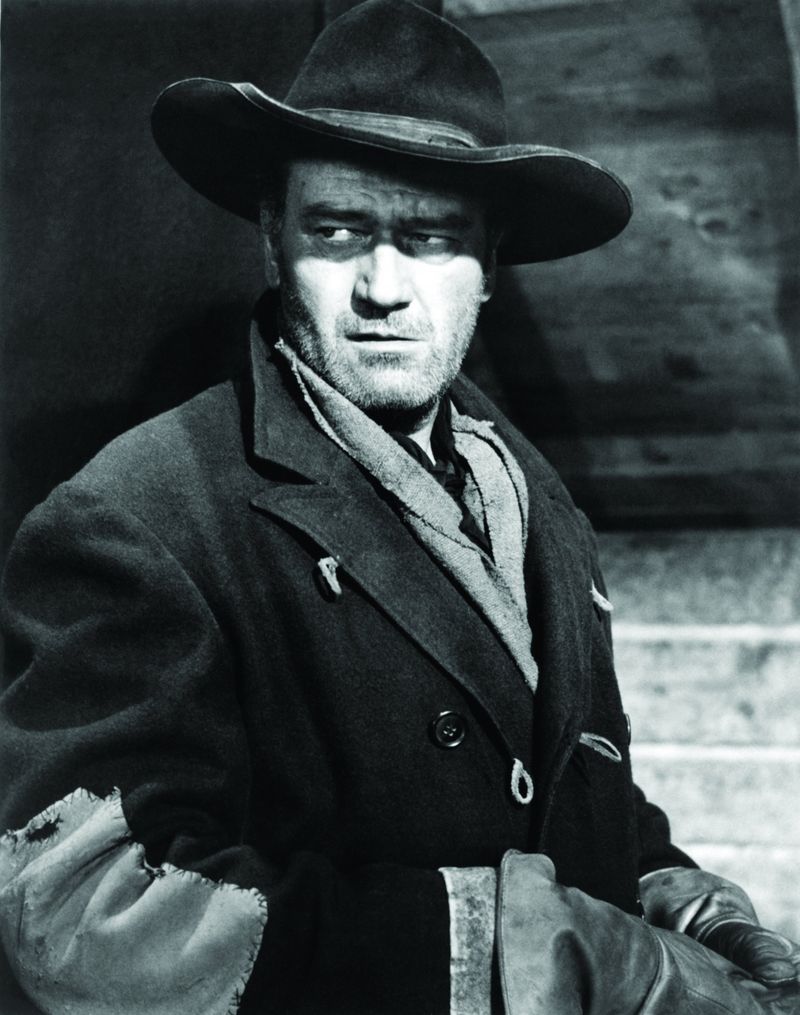
John Ford and John Wayne made movie magic together, but nothing they created rivals this iconic western. Released on May 26, 1956, the story follows a Civil War veteran on a years-long quest to find his kidnapped niece.
The breathtaking Monument Valley scenery alone is worth watching.
Film critics and directors from Steven Spielberg to Martin Scorsese have called it one of the greatest westerns ever put on film. Its influence on cinema is enormous.
5. Invasion of the Body Snatchers
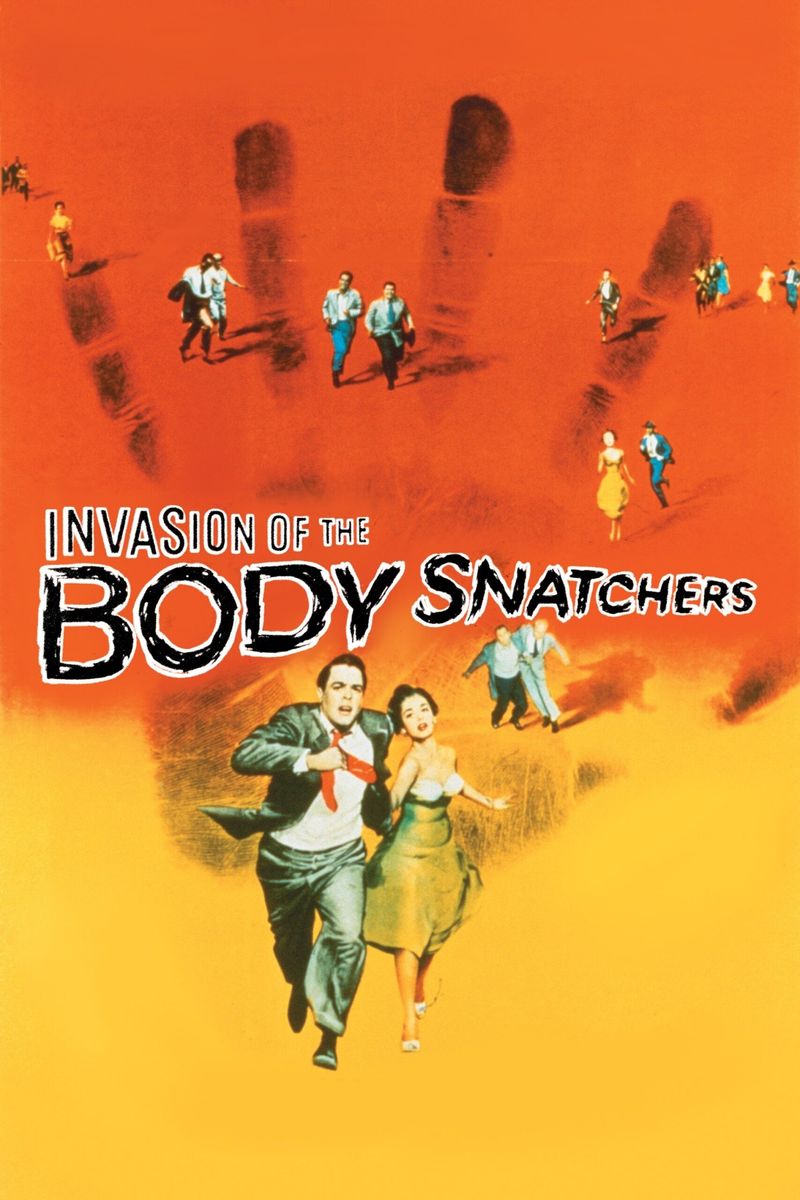
Creepy, clever, and ahead of its time, this sci-fi chiller introduced the world to “pod people” and kept audiences sleeping with one eye open. Released on February 5, 1956, critics initially overlooked it, but the film slowly built a legendary reputation over the following decades.
By 1994, it earned a spot in the National Film Registry for being culturally significant. Its story of ordinary people replaced by emotionless aliens still feels unsettling today.
6. Giant
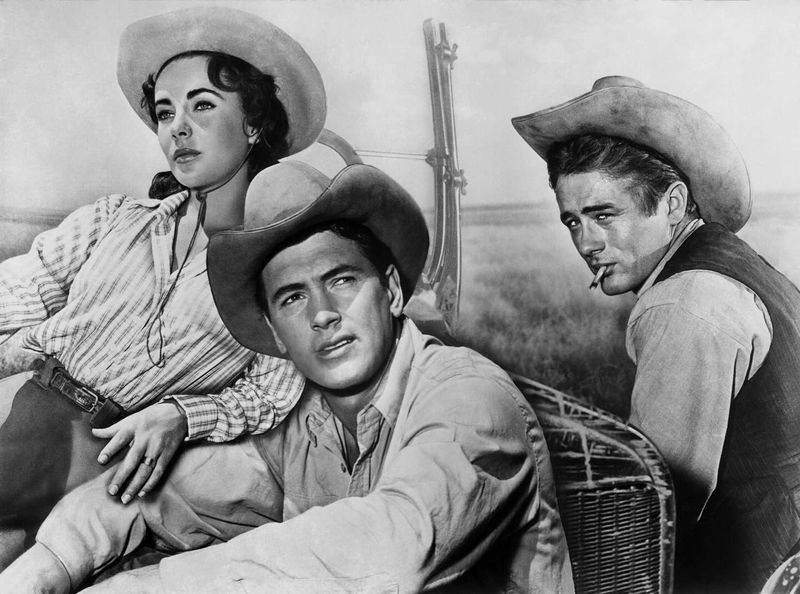
James Dean’s final film role is one for the history books. Released on October 10, 1956, this sprawling Texas drama follows two generations of a cattle ranching family as oil wealth changes everything around them.
Elizabeth Taylor and Rock Hudson delivered career-best performances alongside Dean.
The movie earned ten Academy Award nominations, with director George Stevens taking home the award for Best Director. Seeing Dean’s last performance makes every scene feel bittersweet and unforgettable.
7. Forbidden Planet
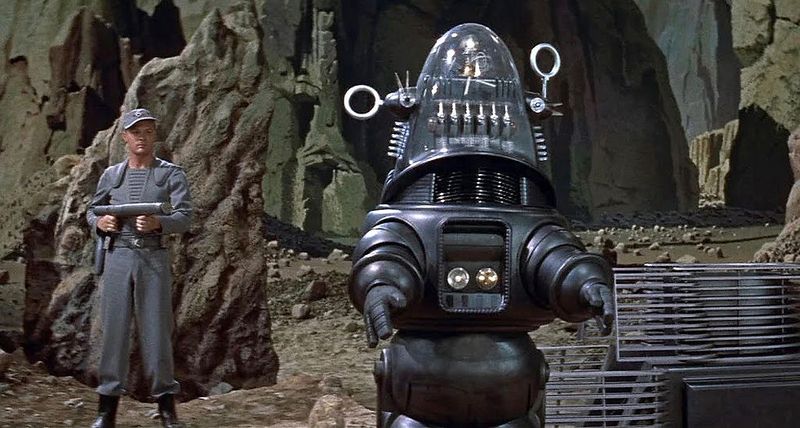
Before Star Wars or Star Trek, there was Forbidden Planet, a film that rewrote the rules for science fiction storytelling. Released on March 15, 1956, it sent a crew of space explorers to a distant world where a scientist and his daughter live in isolation with a remarkable robot companion.
Robby the Robot became one of cinema’s first iconic robot characters. The film also broke new ground by using an entirely electronic music score, something no major Hollywood movie had done before.
8. Moby Dick
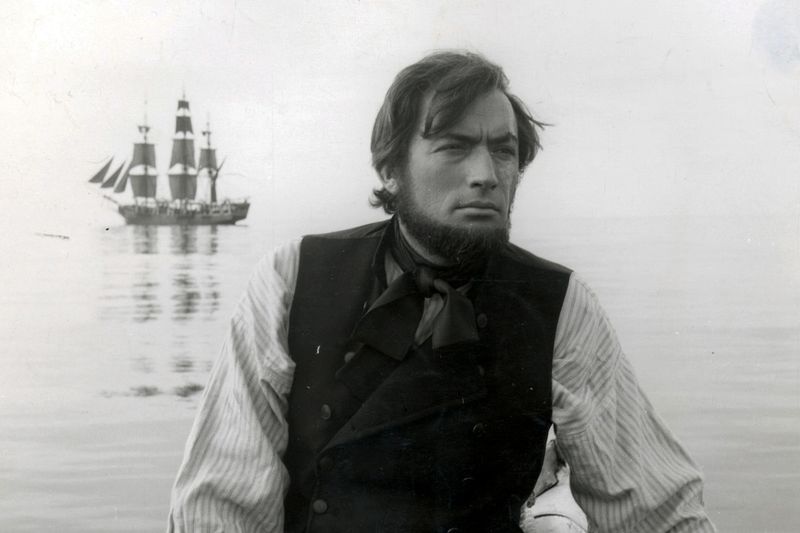
Herman Melville’s legendary novel about an obsessed sea captain chasing a white whale finally got the big-screen treatment it deserved. Directed by John Huston and released on June 27, 1956, Gregory Peck delivered a haunting performance as the driven, doomed Captain Ahab.
Critics praised the film warmly, and it landed in the National Board of Review’s Top 10 Films of 1956. Huston’s bold visual choices gave the movie a painted, almost dreamlike look that set it apart.
9. Bus Stop
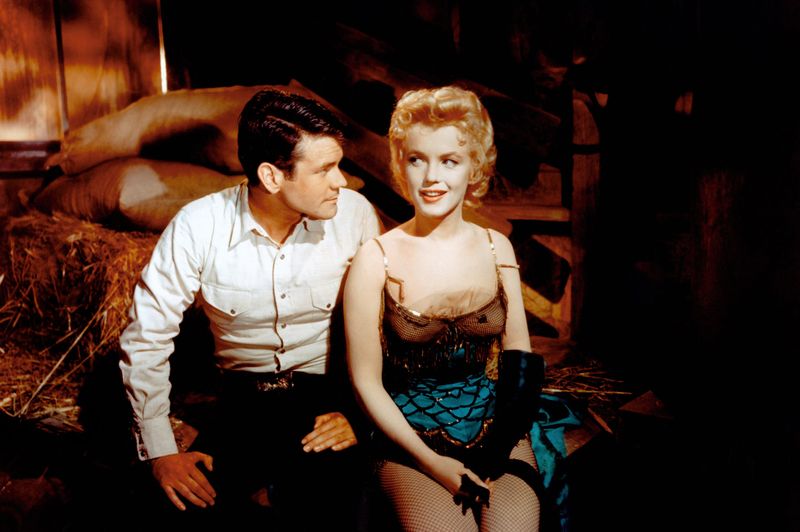
Marilyn Monroe proved she was more than just a glamorous face with her role in Bus Stop. Released on August 31, 1956, the film follows a naive cowboy who falls hard for a small-town saloon singer, played by Monroe with surprising depth and vulnerability.
Many film historians consider it one of Monroe’s finest dramatic performances. Co-star Don Murray earned an Academy Award nomination for Best Supporting Actor, and both critics and audiences responded with genuine enthusiasm.
10. High Society
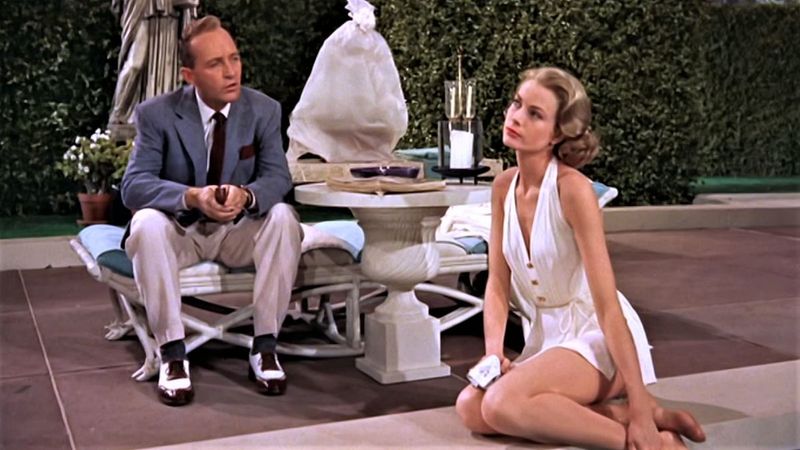
Grace Kelly’s final film before becoming Princess of Monaco was a delightful musical farewell to Hollywood. Released on July 17, 1956, High Society paired Kelly with Bing Crosby and Frank Sinatra in a charming remake of The Philadelphia Story, full of wit, romance, and toe-tapping songs.
The duet “True Love” between Crosby and Kelly earned an Academy Award nomination for Best Original Song. It was a graceful, star-studded send-off for one of Hollywood’s brightest talents.
11. The Bad Seed
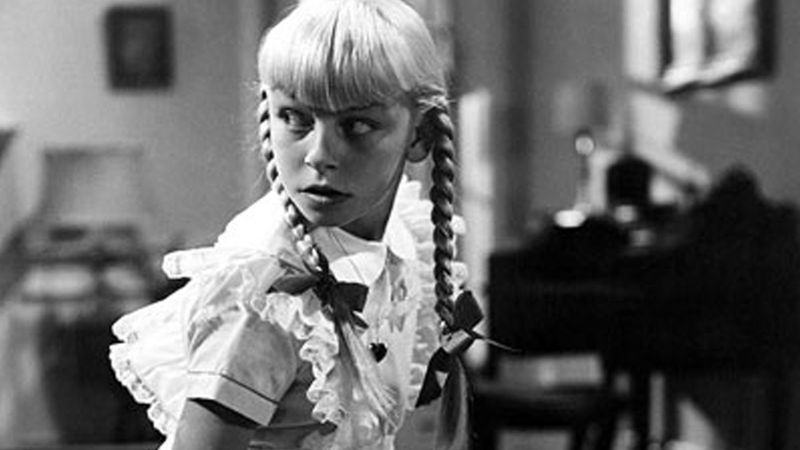
A sweet-looking eight-year-old girl as the villain? That unsettling premise made The Bad Seed one of 1956’s most talked-about films.
Released on September 12, 1956, the story centers on a mother who slowly realizes her charming daughter may be a cold-blooded killer hiding behind an angelic smile.
Three cast members earned Academy Award nominations, including young Patty McCormack for her chilling lead performance. The film sparked decades of copycat stories and remains a landmark in psychological horror.
12. Anastasia
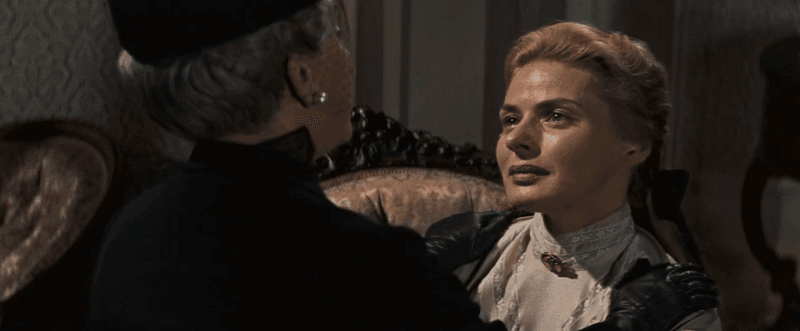
Ingrid Bergman’s triumphant return to American audiences came wrapped in royal mystery. Released on December 13, 1956, the film tells the story of a woman who may or may not be the last surviving member of Russia’s Romanov royal family.
Bergman brought warmth and heartbreak to every scene.
Her performance earned her the Academy Award for Best Actress, a remarkable comeback after years away from Hollywood. Co-stars Yul Brynner and Helen Hayes added gravitas to this elegant and emotional story.
13. Baby Doll
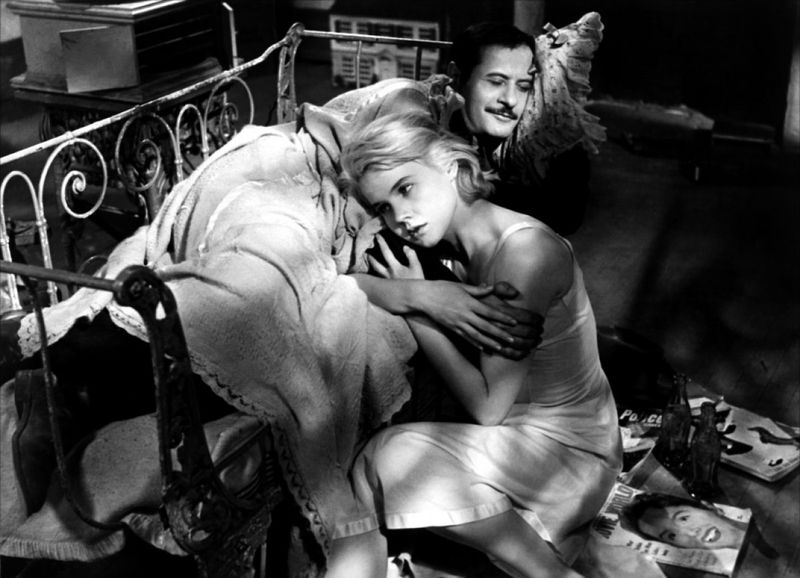
Controversial from the moment it hit theaters, Baby Doll was the kind of film that made people argue in the streets. Released on December 18, 1956, Elia Kazan directed this Tennessee Williams adaptation about complicated relationships in the crumbling American South, and it pushed the limits of what Hollywood dared to show.
The National Legion of Decency condemned it, but critics still praised its bold storytelling. Kazan took home a Golden Globe for Best Director, cementing the film’s place in cinema history.
14. The Man Who Knew Too Much
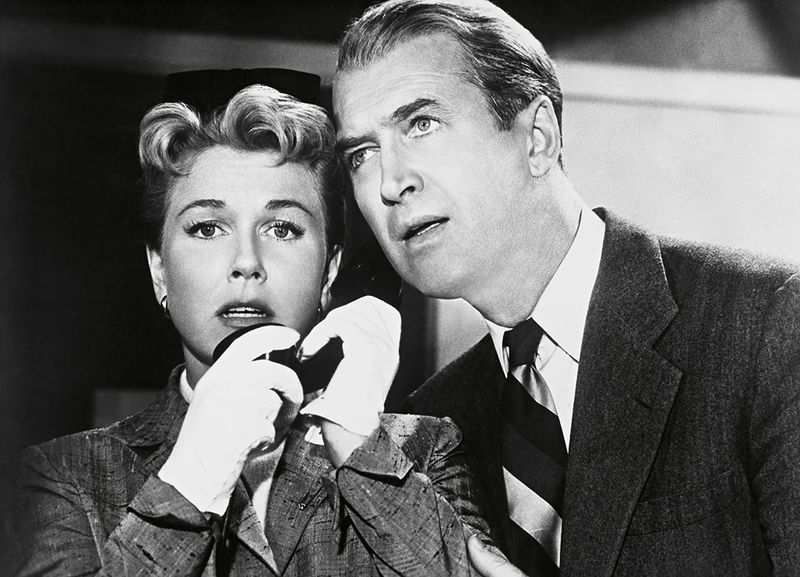
Alfred Hitchcock remade his own 1934 thriller and somehow made it even more gripping. Released on June 6, 1956, the film follows an American couple vacationing in Morocco who stumble into an international assassination plot after their son is kidnapped.
James Stewart and Doris Day were a perfect pairing.
The film gave the world the beloved song “Que Sera, Sera,” which won the Academy Award for Best Original Song. Hitchcock’s mastery of suspense is on full display throughout.
15. Written on the Wind
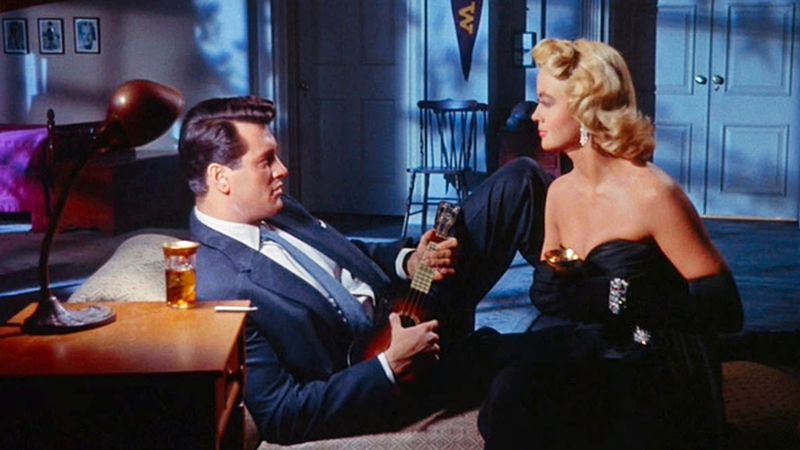
Douglas Sirk turned up the drama to maximum volume with this glossy Technicolor melodrama. Released on December 25, 1956, the film follows the tangled lives of a wealthy Texas oil family torn apart by jealousy, desire, and self-destruction.
Rock Hudson and Lauren Bacall anchored the film with steady performances.
Dorothy Malone stole the show and won the Academy Award for Best Supporting Actress. Robert Stack also earned a nomination, making this one of 1956’s most decorated dramas.
16. Lust for Life
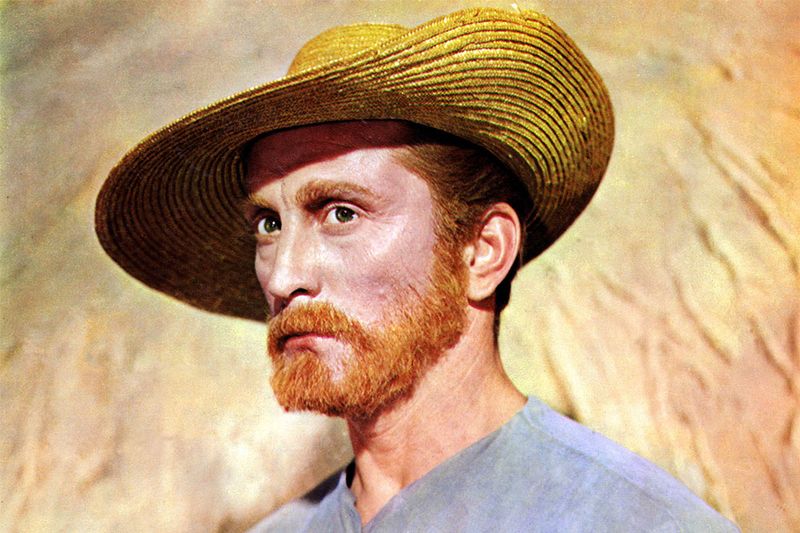
Kirk Douglas threw himself completely into the tortured genius of Vincent van Gogh, and the result was one of his most powerful performances. Released on September 17, 1956, the film traces van Gogh’s passionate, painful journey as an artist battling mental illness while creating some of history’s most beloved paintings.
Anthony Quinn earned the Academy Award for Best Supporting Actor for his vivid portrayal of Paul Gauguin. The film received four Oscar nominations total and remains one of cinema’s finest artist biopics.
17. The Killing
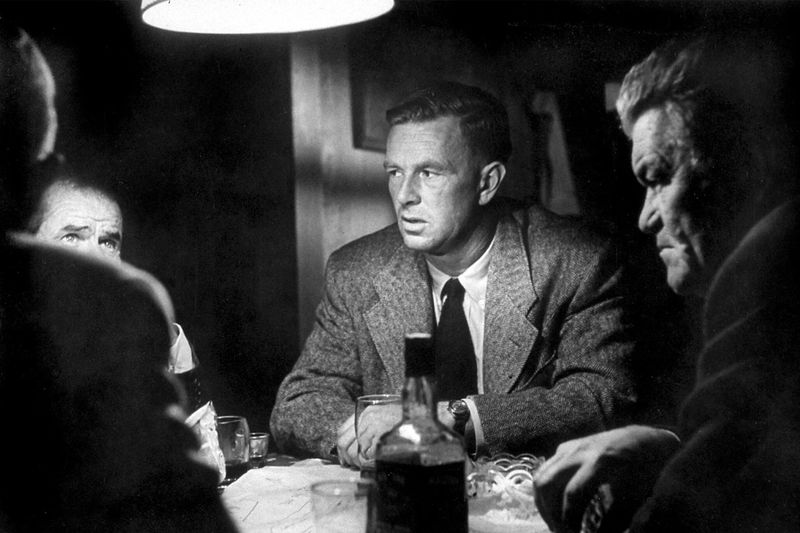
Stanley Kubrick was still a young director in 1956, but The Killing showed the whole world exactly what kind of filmmaker he would become. Released on May 20, 1956, this sharp film noir follows a crew of criminals as they plan a daring racetrack robbery, told in a clever, non-linear style that felt fresh and inventive.
Critics recognized it as something special, and film historians now treat it as a key stepping stone in Kubrick’s legendary career. Tight, tense, and brilliantly constructed.
18. Bigger Than Life
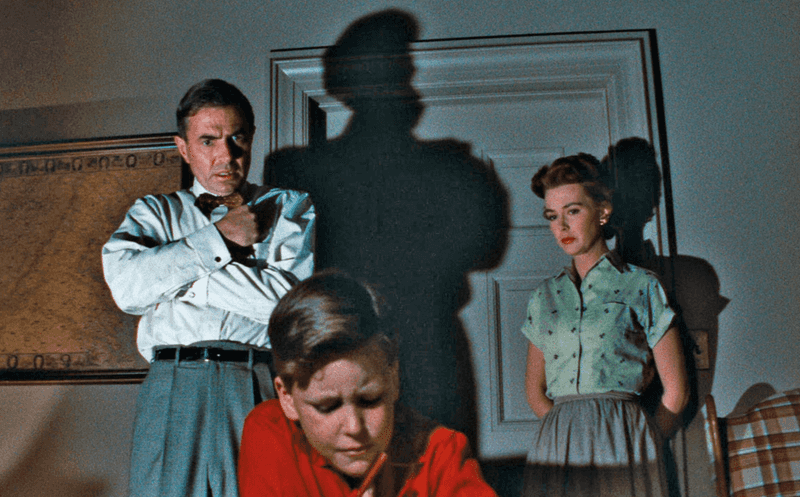
Long before “Just Say No,” Bigger Than Life tackled the dark side of prescription drug abuse with shocking honesty. Released on August 2, 1956, the film stars James Mason as a schoolteacher whose cortisone treatment turns him from a loving father into a dangerous, erratic stranger his own family barely recognizes.
Director Nicholas Ray used the story as a pointed critique of blind faith in American suburban ideals. The film was ahead of its time and is now considered a bold, underrated classic.
19. War and Peace
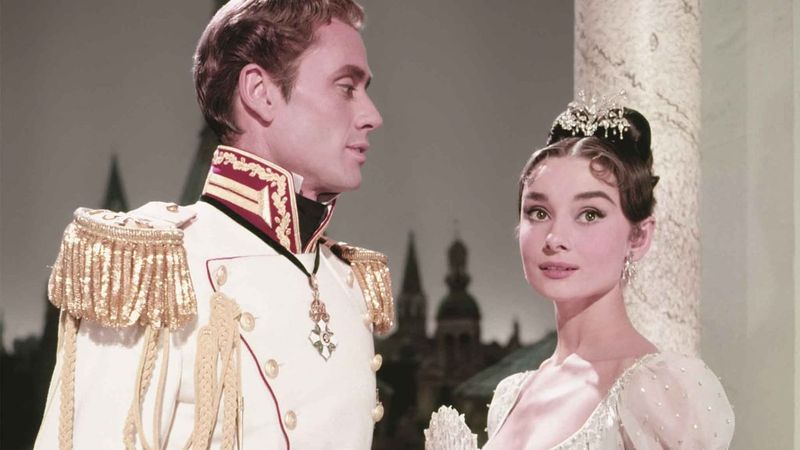
Audrey Hepburn brought grace and emotional depth to one of literature’s greatest heroines in this sweeping adaptation of Leo Tolstoy’s massive novel. Released on August 21, 1956, the film follows Russian aristocrats, soldiers, and lovers caught up in the chaos of Napoleon’s invasion of Russia.
Henry Fonda and Mel Ferrer co-starred alongside Hepburn in this grand production. The film earned three Academy Award nominations, including one for Best Director for King Vidor, and captivated audiences with its breathtaking scale.
20. Friendly Persuasion
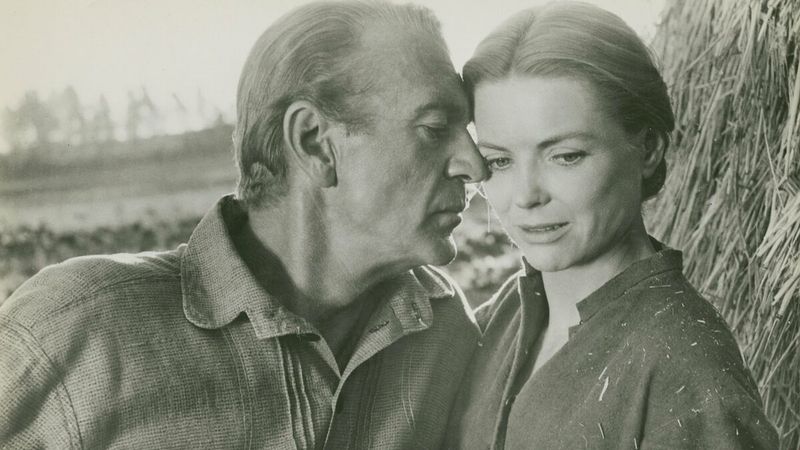
Gary Cooper brought quiet strength and warmth to this thoughtful story about faith tested by war. Released on November 25, 1956, director William Wyler crafted a gentle yet powerful drama about a Quaker family in Indiana struggling to hold onto their pacifist beliefs during the turmoil of the Civil War.
The film earned an Academy Award nomination for Best Picture and was also nominated for the prestigious Palme d’Or at the Cannes Film Festival. A deeply human story told with real care.