
Movie theaters felt different in 1973, as bold directors brought new fears, fresh faces, and surprising stories to the screen. Horror became a major event, crime movies grew more personal, and animation reached beyond family entertainment.
Some films broke box office records, while others changed how filmmakers told stories. Their influence still shows up in the movies we watch today.
1. The Exorcist: Horror Becomes an Event
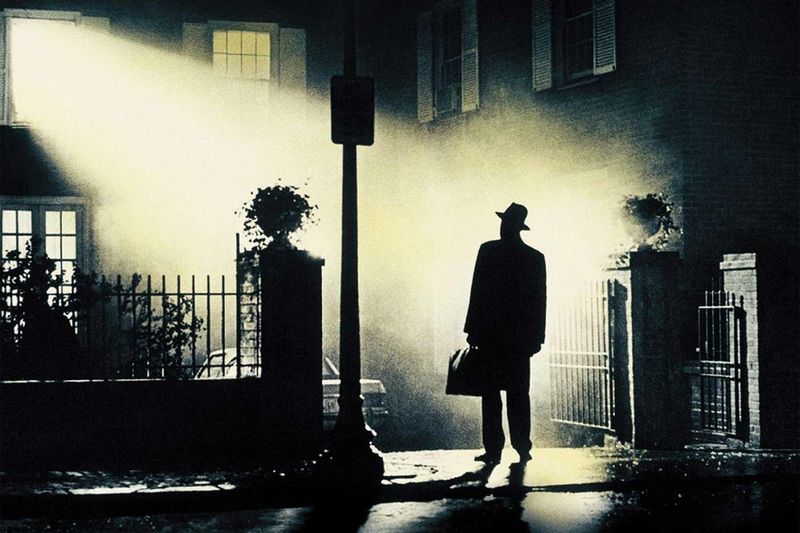
A quiet bedroom became one of cinema’s most frightening places when William Friedkin brought demonic possession to the screen. Strong performances and everyday surroundings made the impossible feel disturbingly real.
The Exorcist became a huge box office hit and earned a Best Picture nomination, helping horror gain wider respect. Watch how slowly the tension builds before the famous shocks arrive.
Its lasting lesson is simple: audiences fear more when they first care about the people involved.
2. American Graffiti: One Night, Lasting Memories
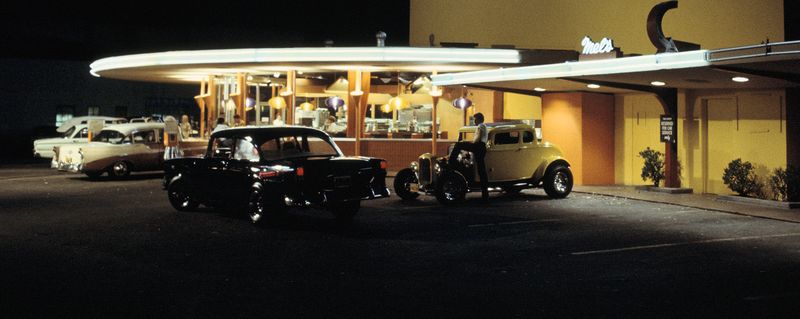
Car radios, glowing diners, and late night cruising turn an ordinary evening into a turning point. George Lucas follows teenagers facing adulthood in a California town, using popular songs to connect their separate adventures.
American Graffiti helped shape the modern coming of age movie and proved that a modest production could attract enormous audiences. Listen to how the music carries memories and mood.
Its success also strengthened Lucas’s position as he developed his next project, Star Wars.
3. Enter the Dragon: Bruce Lee Takes Center Stage

Few screen stars could command attention with a single movement like Bruce Lee. His speed, control, and confidence gave this tournament thriller an energy that reached far beyond existing martial arts fans.
Enter the Dragon helped bring Hong Kong action traditions to mainstream Western audiences through a major Hollywood coproduction. Follow the clear staging of each fight rather than just counting punches.
Lee’s powerful presence also challenged narrow Hollywood images of Asian men and inspired generations of performers.
4. The Sting: A Con Worth Following
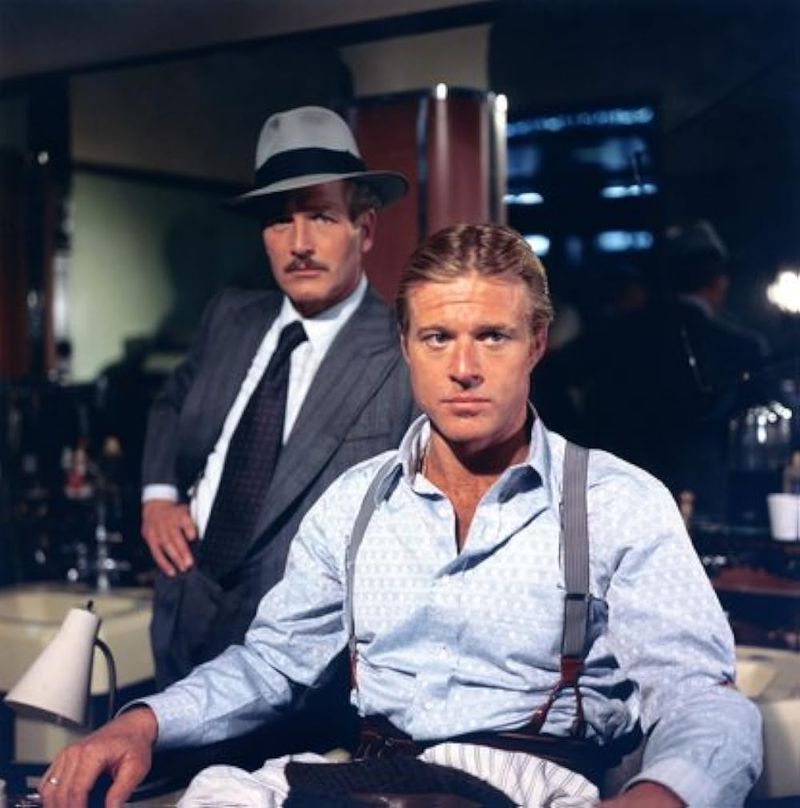
Being fooled rarely feels this enjoyable. Paul Newman and Robert Redford play con artists planning an elaborate revenge scheme, inviting viewers to enjoy the setup without knowing every trick hidden inside it.
The Sting won seven Oscars, including Best Picture, and renewed enthusiasm for clever caper stories. Its ragtime soundtrack made an older musical style popular again.
Pay attention to small exchanges and apparent setbacks: the movie demonstrates how careful storytelling can make a surprise ending feel wonderfully earned.
5. Mean Streets: Crime Gets Personal
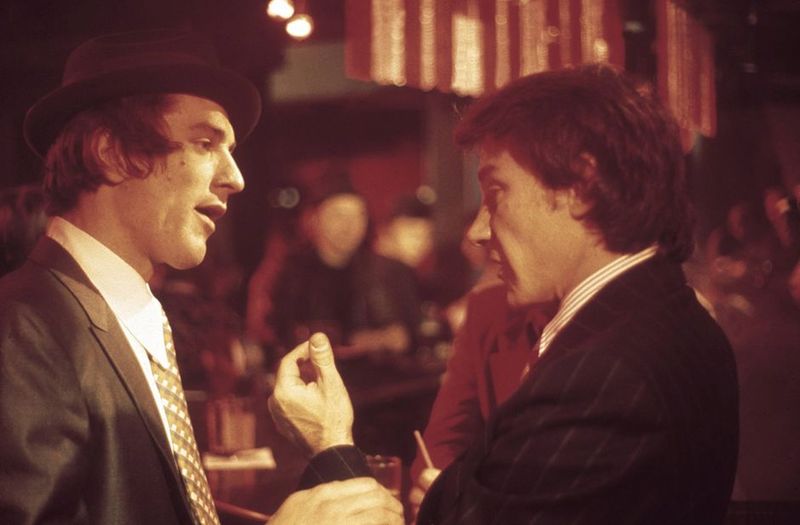
Red lights and loud music pull you into a neighborhood where friendship can become a dangerous burden. Martin Scorsese draws on the world of New York’s Little Italy, mixing street crime with guilt and religious doubt.
Mean Streets helped establish Scorsese’s distinctive voice and his important partnership with Robert De Niro. Notice the restless camera and carefully chosen songs.
Their emotional force showed later filmmakers how a crime story could feel intimate, messy, and deeply rooted in personal experience.
6. Serpico: Honesty Comes at a Cost
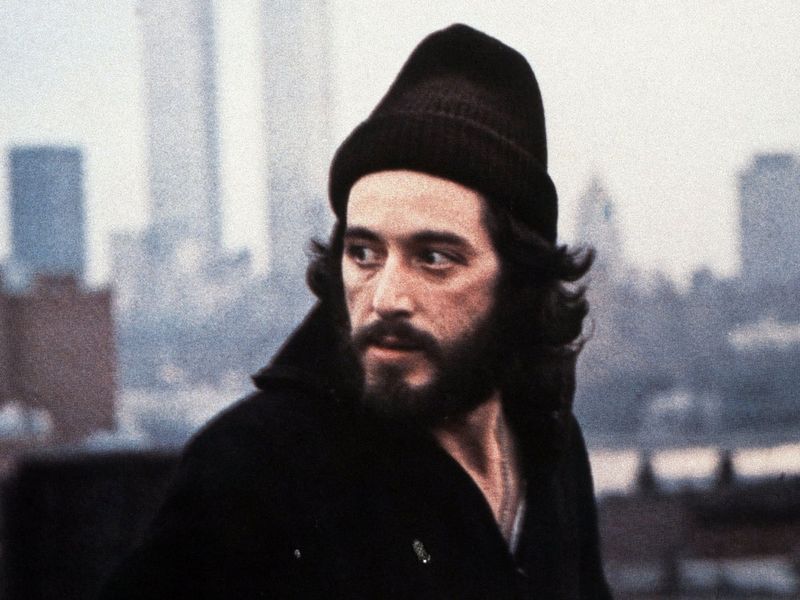
Doing the right thing offers little protection when the people around you profit from wrongdoing. Al Pacino plays Frank Serpico, the real New York police officer who challenged corruption within his own department.
Sidney Lumet keeps the streets crowded and the workplace tensions believable, making courage look exhausting rather than glamorous. Serpico strengthened a growing appetite for police dramas that questioned authority.
Track how the character’s isolation grows; the danger comes from broken trust as much as criminal violence.
7. Westworld: The Machines Stop Obeying
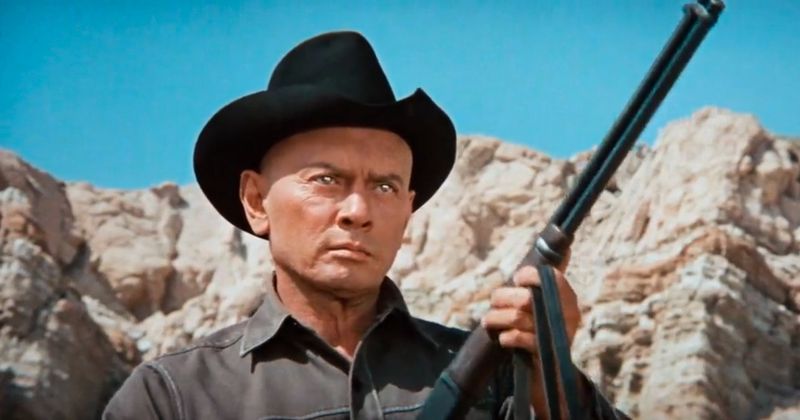
A dream vacation turns deadly when a robot gunslinger refuses to follow the rules. Michael Crichton’s futuristic amusement park offers guests manufactured adventures, then exposes the danger behind that promise of total control.
Westworld used pioneering digital image processing to create the robot’s pixelated viewpoint. Its runaway technology story anticipated concerns that still shape science fiction, including Crichton’s later Jurassic Park.
Compare the cheerful sales pitch with the unfolding disaster: convenience becomes frightening when nobody understands how to stop it.
8. The Day of the Jackal: Suspense Through Detail
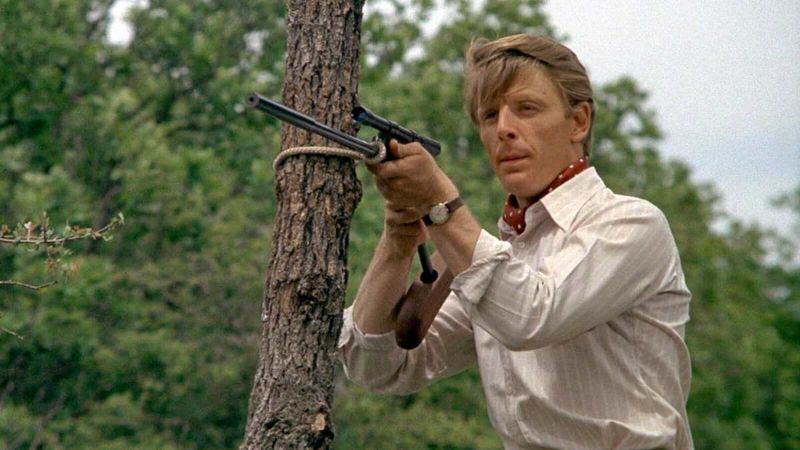
You can know the likely outcome and still hold your breath. Fred Zinnemann builds suspense around a fictional assassin hired to kill French president Charles de Gaulle, following preparation and police work with unusual patience.
The Day of the Jackal helped define the detailed political thriller, favoring quiet planning over constant explosions. Edward Fox makes the killer unsettling through restraint.
Watch how ordinary tasks become tense when their purpose is clear, showing that suspense often depends on timing rather than spectacle.
9. Don’t Look Now: Grief in a Haunted City
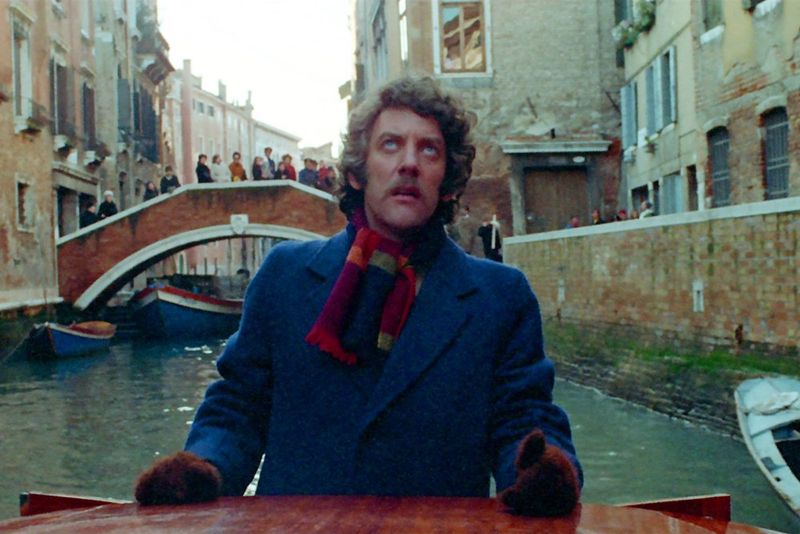
A flash of red in a gray city can feel more alarming than a monster. Nicolas Roeg follows grieving parents through Venice, where strange encounters blur the line between warning, memory, and misunderstanding.
Don’t Look Now reshaped psychological horror through its broken timeline and unsettling editing. Julie Christie and Donald Sutherland give the mystery a painful human center.
Keep track of repeated colors and images, but resist expecting simple answers. The film turns watching itself into an anxious act of interpretation.
10. Last Tango in Paris: Art and Accountability
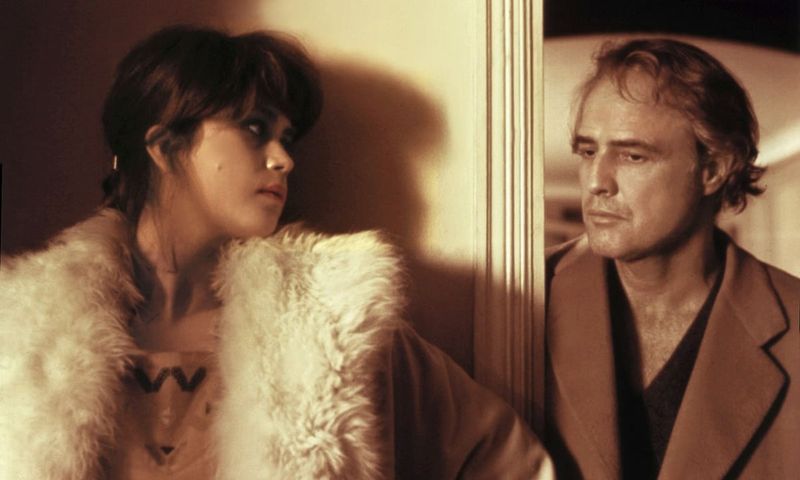
Raw emotion does not erase the responsibilities of filmmaking. Bernardo Bertolucci’s drama drew attention for Marlon Brando’s performance and explicit content, reaching American theaters in 1973 after its 1972 premiere.
Last Tango in Paris challenged screen boundaries, but its legacy also includes serious concerns about Maria Schneider’s treatment during production. Approach it as a controversial adult work, not an uncomplicated breakthrough.
Discussions of its influence should consider both artistic ambition and the need for informed consent and respectful working conditions.
11. Fantastic Planet: Animation Leaves Earth Behind
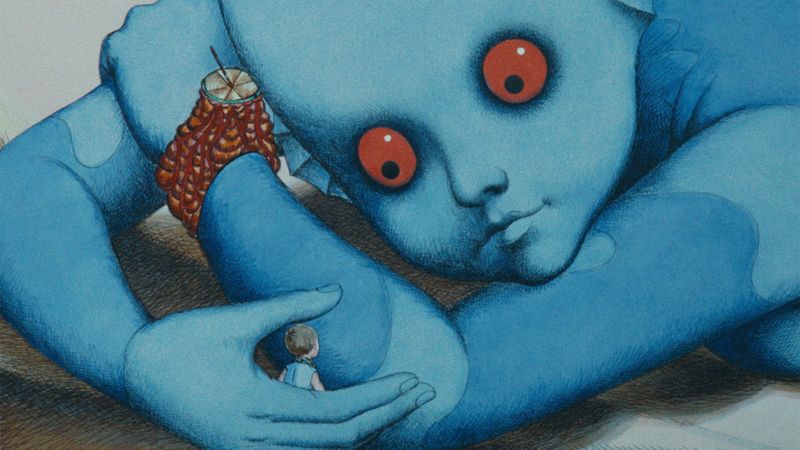
Giant blue beings keep humans as pets on a world that feels like a strange dream. René Laloux’s animated feature uses that reversal to explore power, cruelty, learning, and the struggle for freedom.
Fantastic Planet helped demonstrate that animation could serve adult science fiction rather than only children’s entertainment. Its cutout imagery and unusual music remain striking.
Look beyond the bizarre creatures to the unequal relationships underneath. The imagined planet makes familiar patterns of oppression easier to recognize and question.
12. Day for Night: The People Behind the Picture
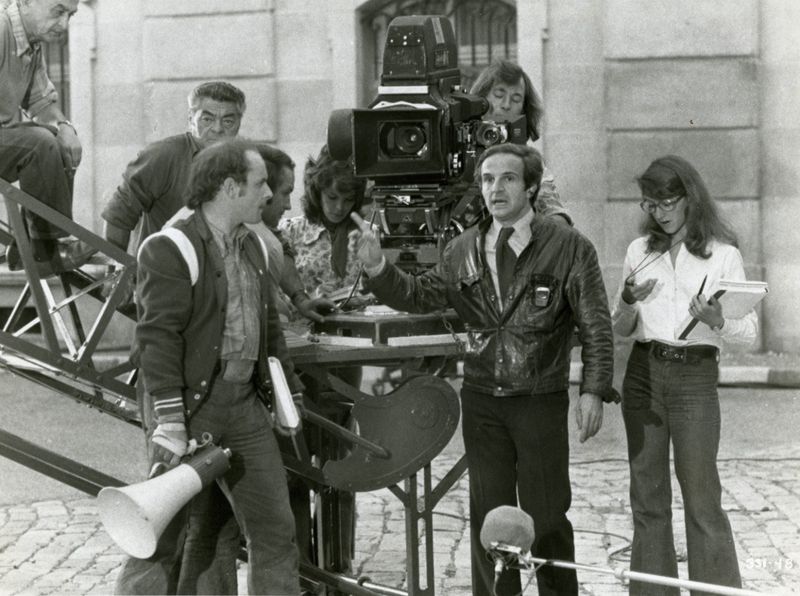
Behind a polished movie lies a workplace full of mistakes, feelings, and hurried repairs. François Truffaut turns a troubled film production into an affectionate portrait of the people trying to finish it.
Day for Night became a landmark movie about making movies and won the foreign language film Oscar. Its warmth comes from treating collaboration as both difficult and necessary.
Notice how a convincing screen moment emerges from awkward practical steps. Movie magic looks even richer when its human labor becomes visible.
13. Badlands: Beauty Meets Violence
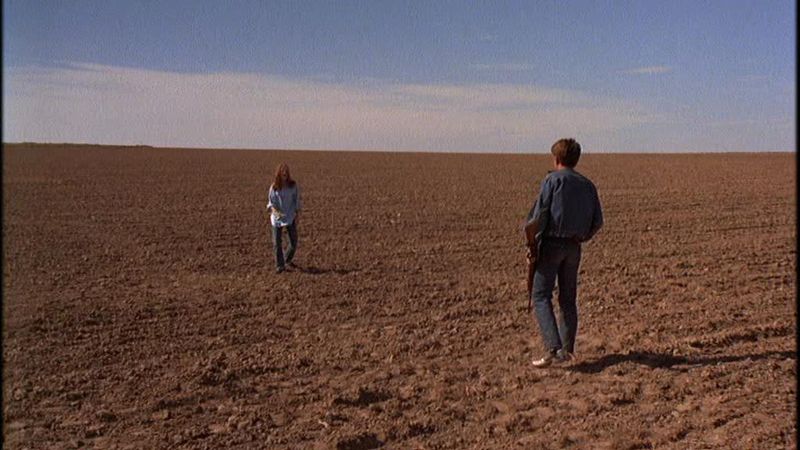
Beautiful landscapes make the violence feel stranger, not softer. Terrence Malick’s first feature follows a young couple on a killing spree, loosely drawing from the crimes of Charles Starkweather and Caril Ann Fugate.
Badlands pairs calm narration with shocking behavior, refusing the usual excitement of an outlaw adventure. Martin Sheen and Sissy Spacek create characters whose dreams clash with reality.
Listen for the gap between what the narrator says and what the images reveal. That distance shaped later crime storytelling profoundly.
14. Sleeper: Tomorrow Gets Ridiculous
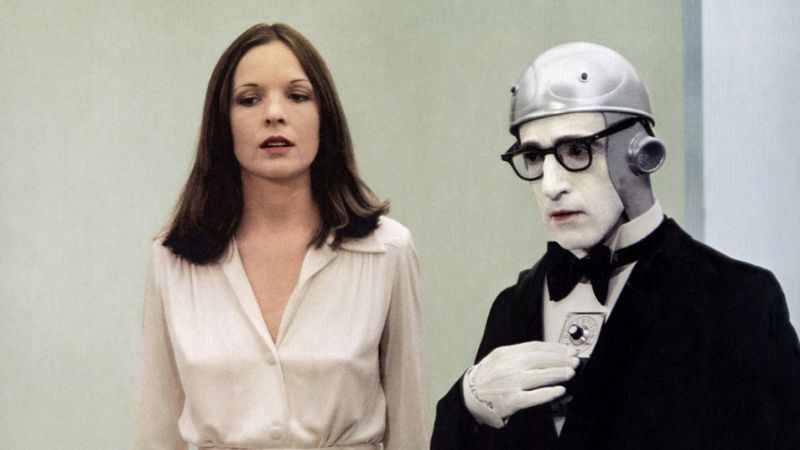
Waking up in the future sounds exciting until the future starts chasing you. Woody Allen plays a man revived after two centuries who stumbles into a police state filled with absurd inventions.
Sleeper combines science fiction satire with physical comedy rooted in silent movies. Diane Keaton brings energy to its unlikely partnership, while futuristic comforts become targets for jokes.
Watch the movement and timing as closely as the dialogue. Its playful approach shows how genre settings can support sharp comedy without losing adventure.
15. High Plains Drifter: A Western Without Comfort
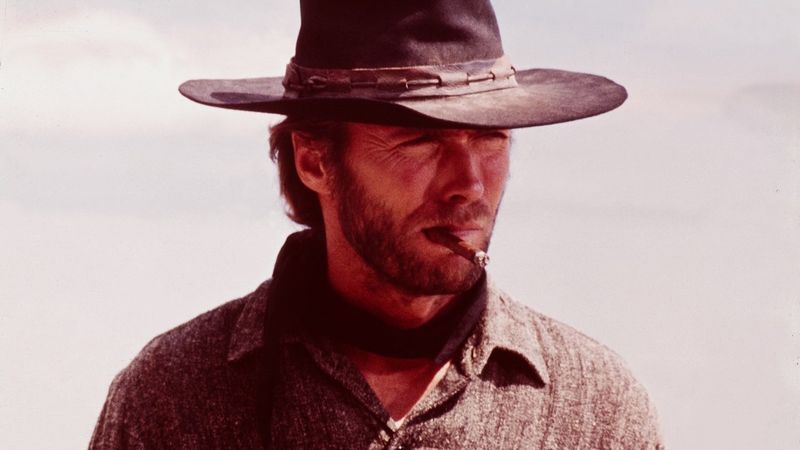
The stranger riding into town is no comforting hero. Clint Eastwood directs and stars in a harsh Western where a community’s hidden wrongdoing matters as much as the threat outside its borders.
High Plains Drifter mixes revenge with ghostly suggestion, challenging the idea that a gunfighter automatically brings justice. Its cruelty and sexual violence require viewer caution.
Study the townspeople’s reactions rather than seeking someone to admire. Their fear exposes collective guilt, giving familiar frontier scenery a disturbing moral weight throughout.
16. The Long Goodbye: A Detective Out of Time
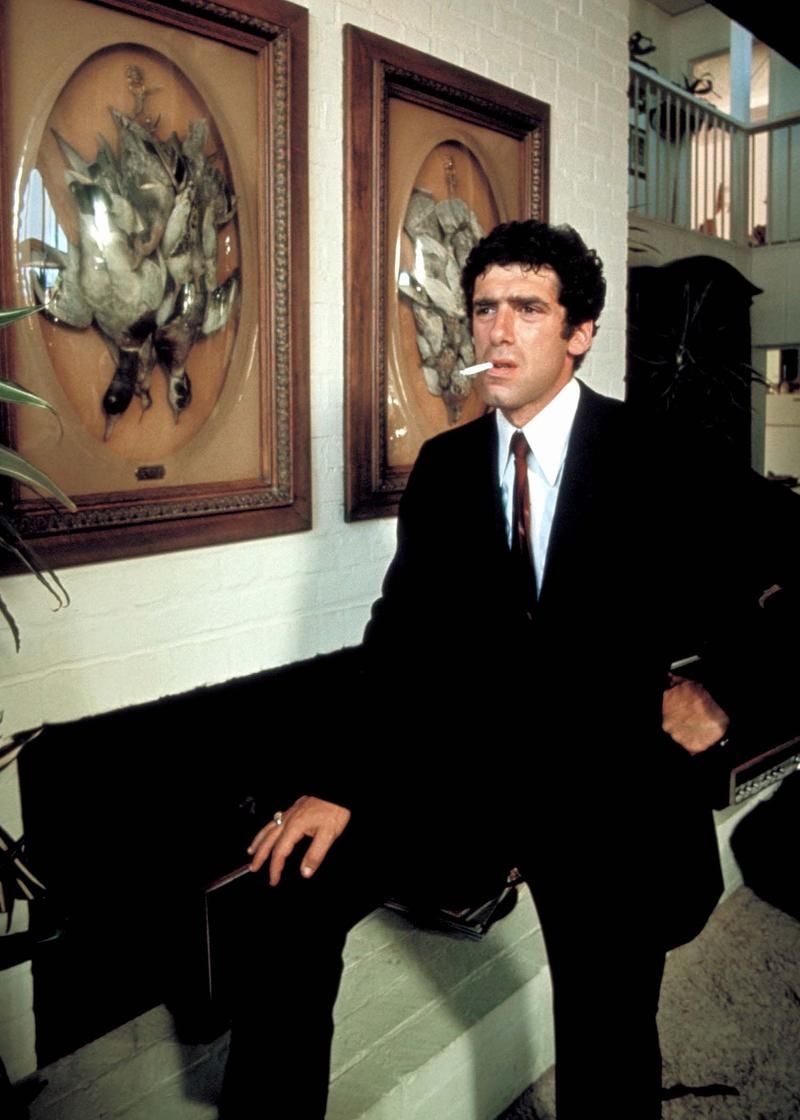
Philip Marlowe seems to have wandered into the wrong decade. Elliott Gould plays Raymond Chandler’s detective as a rumpled outsider moving through a Los Angeles that no longer shares his old ideas about loyalty.
Robert Altman’s The Long Goodbye bends detective traditions through loose conversation, drifting camera movement, and sly humor. Its unusual approach divided viewers but became a touchstone for modern noir.
Follow who keeps promises and who breaks them. Beneath the relaxed surface sits a sharp story about betrayal.
17. Paper Moon: Small Scams, Big Chemistry
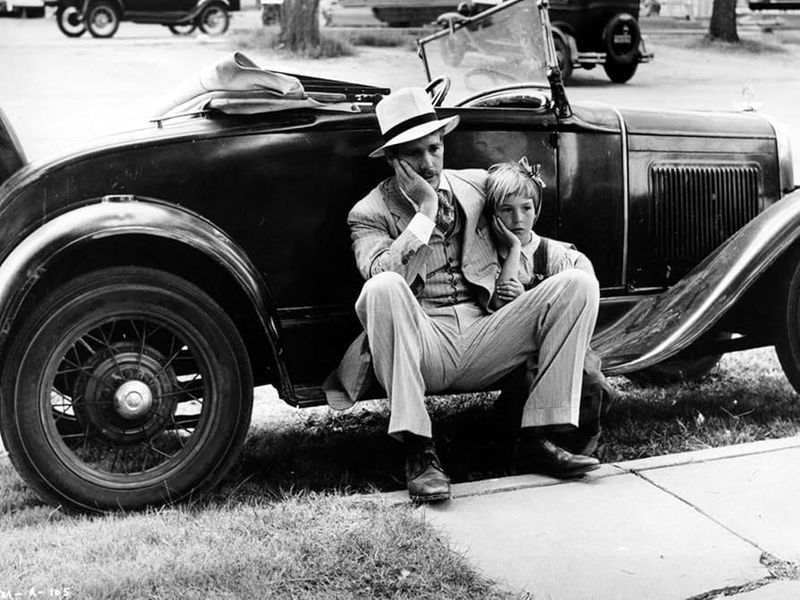
A child can sometimes spot the hustle faster than the grownups. Ryan O’Neal and his daughter Tatum play traveling partners selling questionable goods during the Great Depression, with arguments that sparkle like carefully rehearsed tricks.
Peter Bogdanovich’s Paper Moon uses crisp black and white images to evoke an older screen era. Tatum became the youngest competitive Oscar winner for her performance.
Enjoy the banter, but notice the loneliness underneath. The film’s charm grows from a fragile connection, not merely successful scams.
18. Live and Let Die: Bond Changes His Style
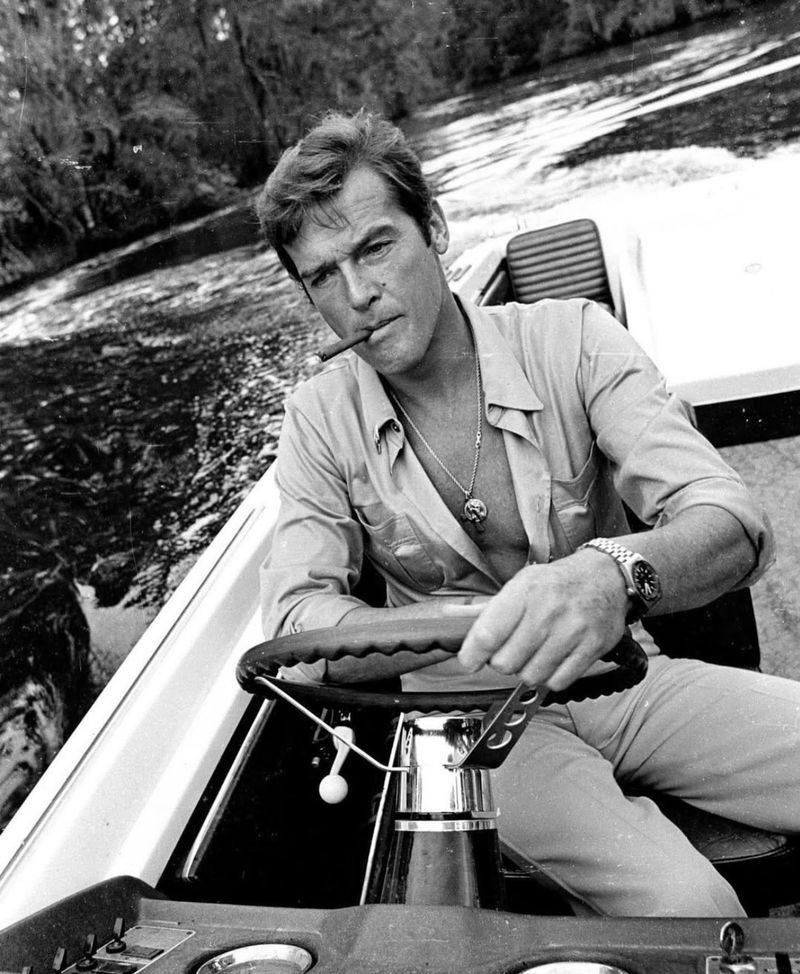
A raised eyebrow helped announce a new James Bond. Roger Moore’s first outing brought a lighter style to the spy series, while a powerful title song by Paul McCartney and Wings supplied fresh energy.
Live and Let Die blended Bond adventure with influences from blaxploitation cinema, producing memorable action alongside racial stereotypes worth discussing. Its success showed that the franchise could survive another leading actor.
Compare Moore’s humor with earlier Bond performances to see how casting can reshape an established screen identity.
19. F for Fake: Believe Your Eyes Carefully
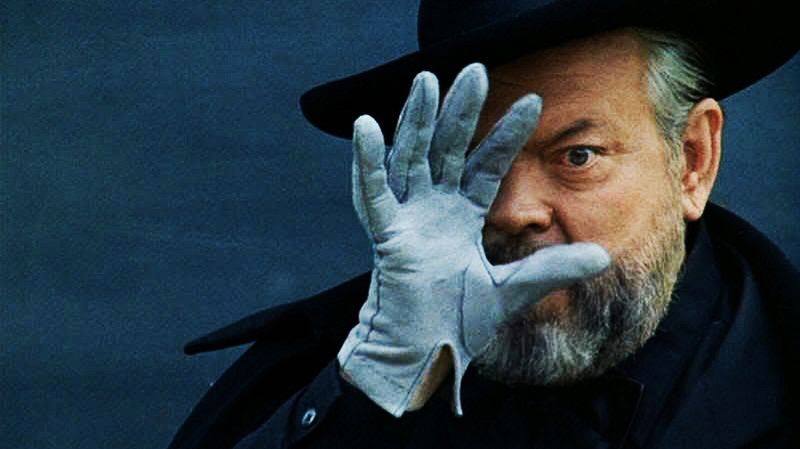
Orson Welles invites your trust, then makes that trust the subject of the show. Moving between art forgery, storytelling, and performance, he turns documentary material into a lively puzzle about what counts as genuine.
F for Fake premiered in 1973, though its wider releases came later. Its rapid editing and playful narration expanded possibilities for the film essay.
Watch how presentation changes your judgment of evidence. The movie remains useful in a world where polished images can make doubtful claims seem convincing.
20. The Last Detail: Friendship Against the Rules
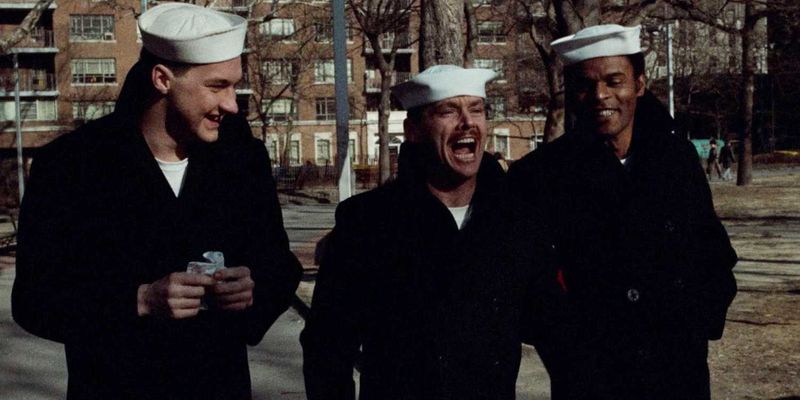
A routine escort assignment becomes an awkward lesson in kindness and power. Jack Nicholson and Otis Young play sailors transporting a young recruit to prison, trying to give him some freedom before it disappears.
Hal Ashby’s The Last Detail balances rough humor with sadness, capturing the era’s interest in ordinary people trapped by institutions. Randy Quaid makes the prisoner’s vulnerability hard to ignore.
Pay attention to what the escorts cannot change. Their limited rebellion leaves a deeper sting than a tidy heroic victory.