
Most of us have pushed a sprig of parsley to the side of our plate without a second thought. But what if those overlooked finishing touches could actually be the star of the meal?
Around the world, creative cooks have been building entire dishes around ingredients that others treat as decoration. Get ready to see your plate in a whole new way.
1. Parsley Tabouleh
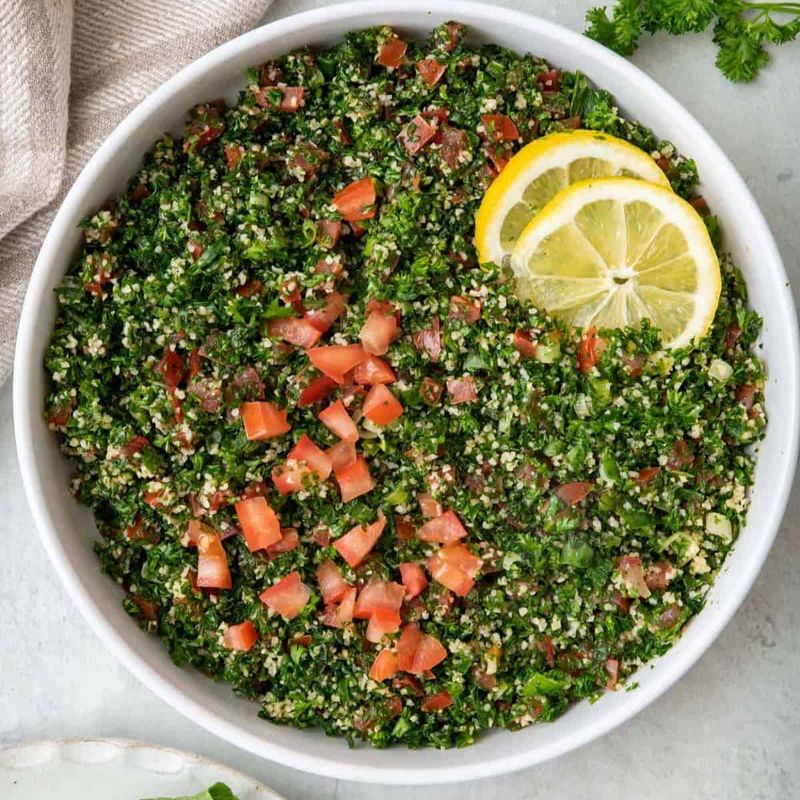
Parsley is usually just a green fleck on the edge of a plate, but in tabouleh, it takes center stage. This classic Lebanese salad uses mountains of fresh flat-leaf parsley as its main ingredient, not just a sprinkle.
Bulgur wheat, diced tomatoes, lemon juice, and olive oil round out the dish. The result is bright, herby, and refreshing.
Tabouleh proves that parsley has real flavor worth celebrating, not hiding.
2. Lemon Curd Tart

Lemon wedges usually sit quietly beside grilled fish, doing nothing but looking pretty. But when lemon juice and zest become the heart of a silky curd, everything changes.
Lemon curd tarts have been a beloved British dessert for centuries.
The tangy filling is rich, smooth, and intensely citrusy in the best way. Paired with a buttery pastry shell, this dessert shows that lemons deserve far more credit than a simple squeeze at the table.
3. Chive Soup
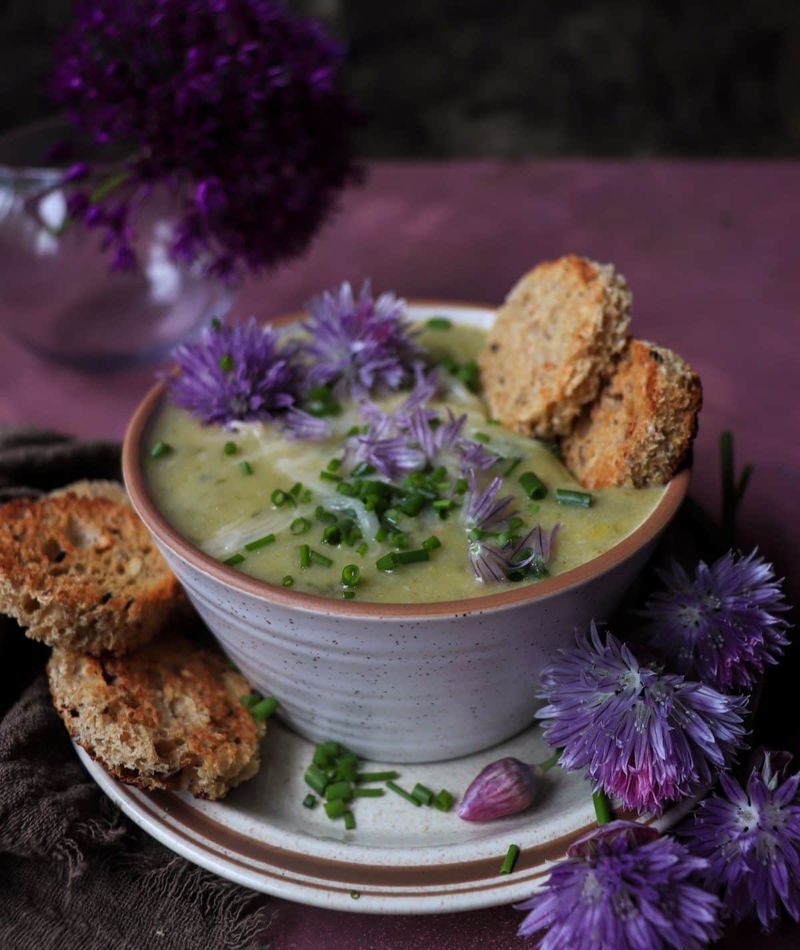
Chives are almost always the last thing added to a dish, scattered on top of baked potatoes or sour cream dips. Rarely does anyone think of them as a soup base, but they absolutely should.
Chive soup blends the mild, oniony herb with potato or cream to create a silky, vivid green bowl of comfort. It is warming, elegant, and surprisingly complex.
One spoonful and you will never relegate chives to garnish duty again.
4. Cilantro Chutney Sandwich
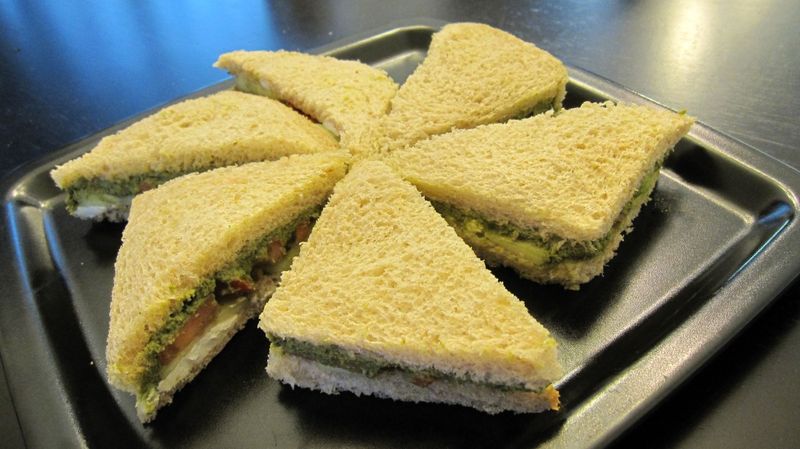
In most Western kitchens, cilantro is the controversial herb sprinkled on tacos right before serving. In India, it becomes the entire point of a chutney sandwich, a beloved street food snack.
Fresh cilantro is blended with green chili, ginger, lime, and spices into a bold, punchy spread. Layered between soft white bread with cucumber and tomato, it is refreshing and full of life.
Street vendors across Mumbai have been selling these for decades.
5. Radish Kimchi
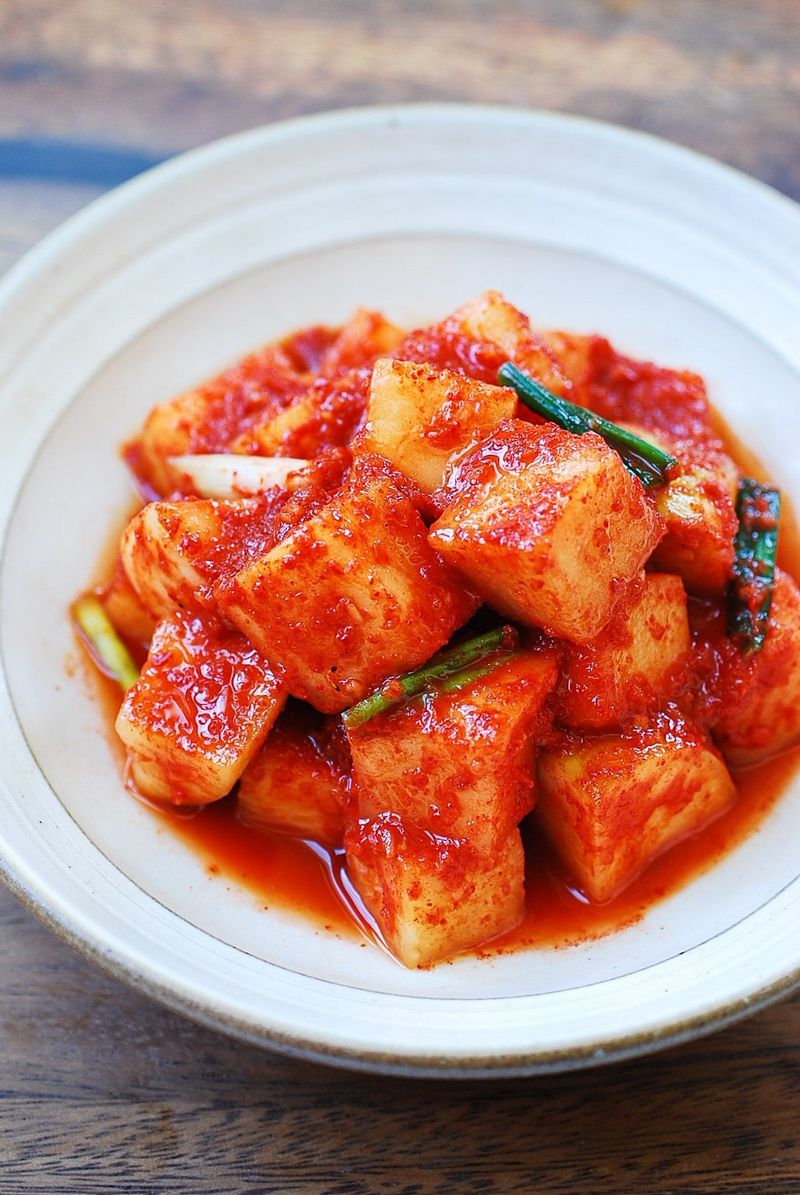
Radishes are the crunch most people pick off their salads or leave untouched on a crudite platter. In Korean cuisine, however, radish is transformed into kkakdugi, a bold and tangy fermented kimchi.
Cubed Korean radish is seasoned with gochugaru, garlic, ginger, and fish sauce, then left to ferment until deeply flavorful. The result is spicy, sour, and satisfyingly crunchy.
It pairs perfectly with rice and soups, proving radish is anything but boring.
6. Dill Pickle Soup
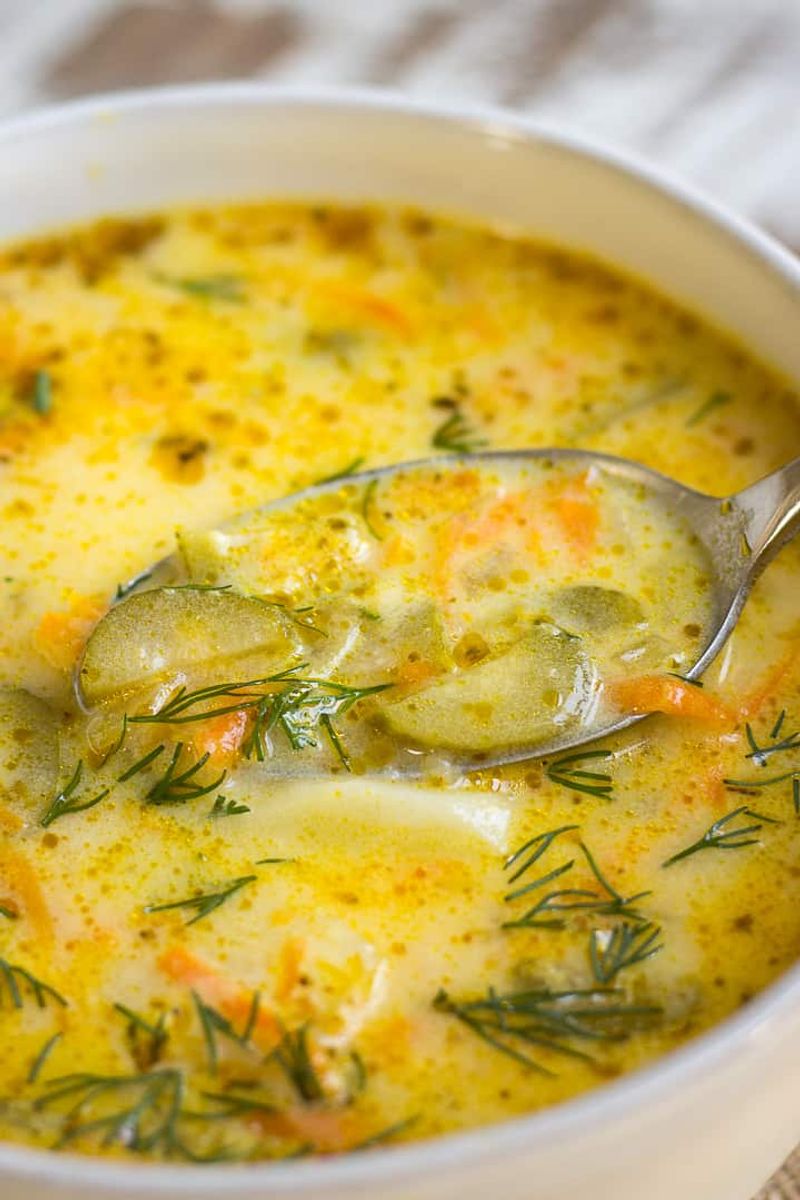
Dill is almost always the finishing herb, the feathery green sprinkle on smoked salmon or potato salad. But in Poland, dill pickles become the actual backbone of a beloved soup called zupa ogorkowa.
Grated sour pickles are simmered with potato, carrot, and creamy broth to create a tangy, hearty bowl that Poles grow up eating. The sourness is bold but balanced.
It is comfort food with a serious personality, and dill is finally the hero it deserves to be.
7. Scallion Pancakes
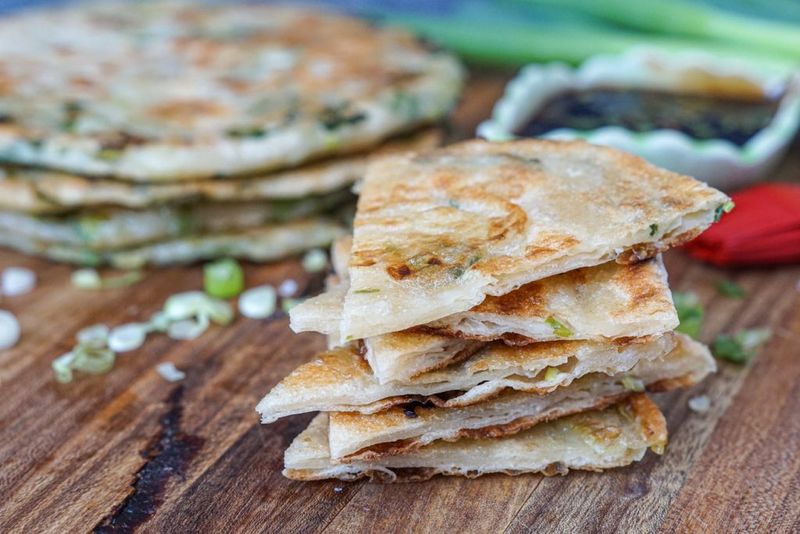
Scallions are almost always the last ingredient anyone thinks about, scattered over ramen or scrambled eggs as an afterthought. In Chinese cuisine, they become the entire filling of a crispy, layered flatbread.
Cong you bing, or scallion pancakes, are made by rolling dough with sesame oil and heaps of chopped scallion, then pan-frying until golden and flaky. They are chewy, savory, and completely addictive.
Street vendors in Shanghai sell them fresh and piping hot every morning.
8. Mint Pesto Pasta
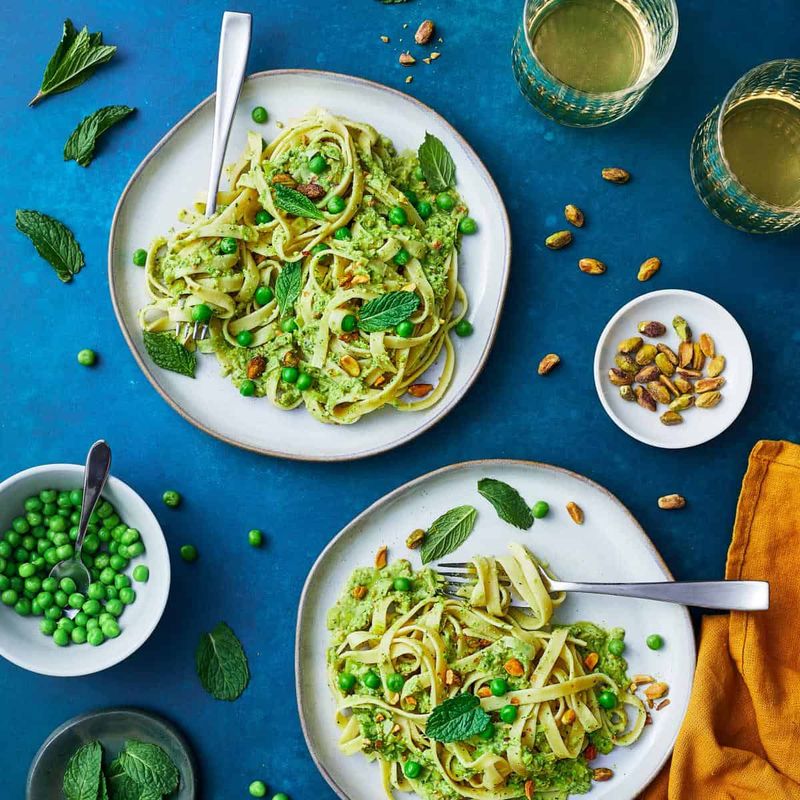
Mint leaves usually end up floating in a glass of iced tea or perched on top of a chocolate dessert. Turning them into a pesto sauce feels almost rebellious, but the flavor payoff is remarkable.
Blended with pine nuts, parmesan, garlic, and olive oil, mint creates a bright and aromatic sauce that clings beautifully to pasta. It is especially lovely in summer when fresh mint is abundant.
Try it once and basil pesto will have serious competition in your kitchen.
9. Edamame Hummus
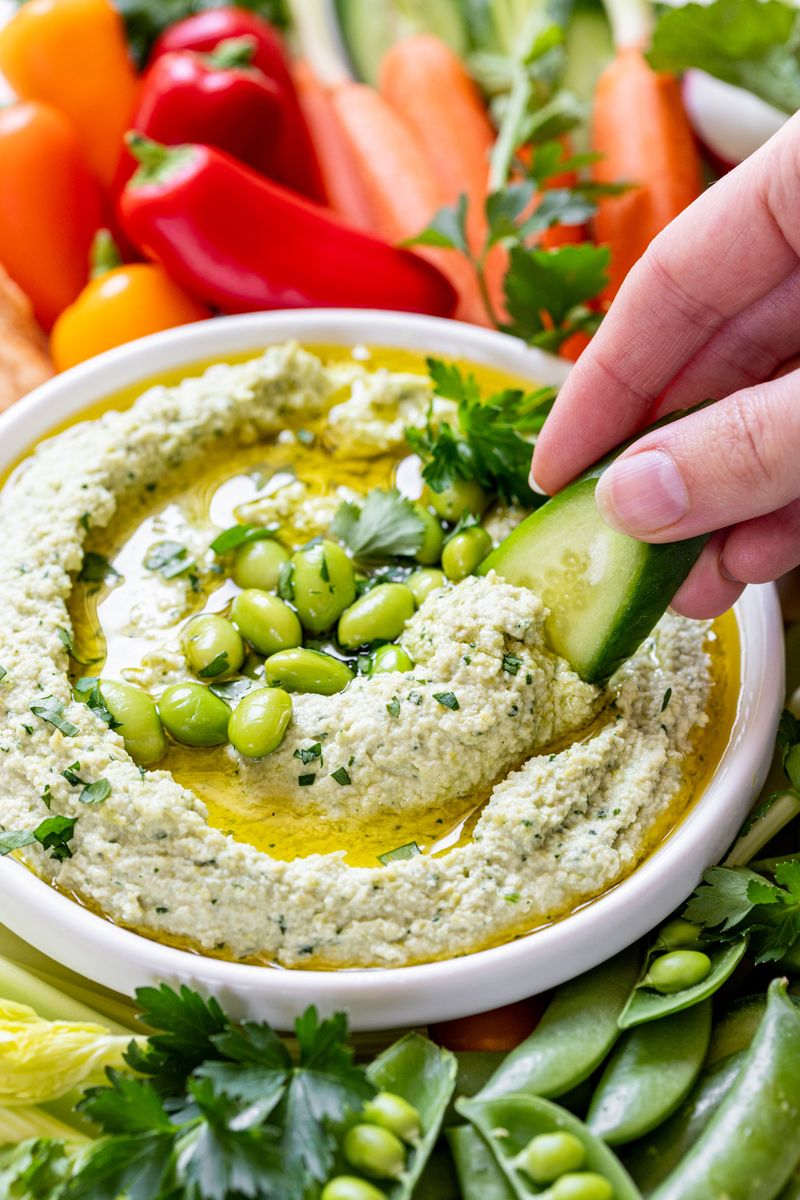
Edamame pods are the little green snack that arrives before sushi, usually eaten quickly and forgotten. But blended into a hummus-style dip, edamame becomes something genuinely special and worth talking about.
Pureed with tahini, lemon, garlic, and olive oil, edamame creates a dip that is creamier and slightly sweeter than traditional chickpea hummus. It is packed with protein and has a gorgeous natural green color.
Serve it with warm pita and watch it disappear fast.
10. Fennel Frond Salsa Verde
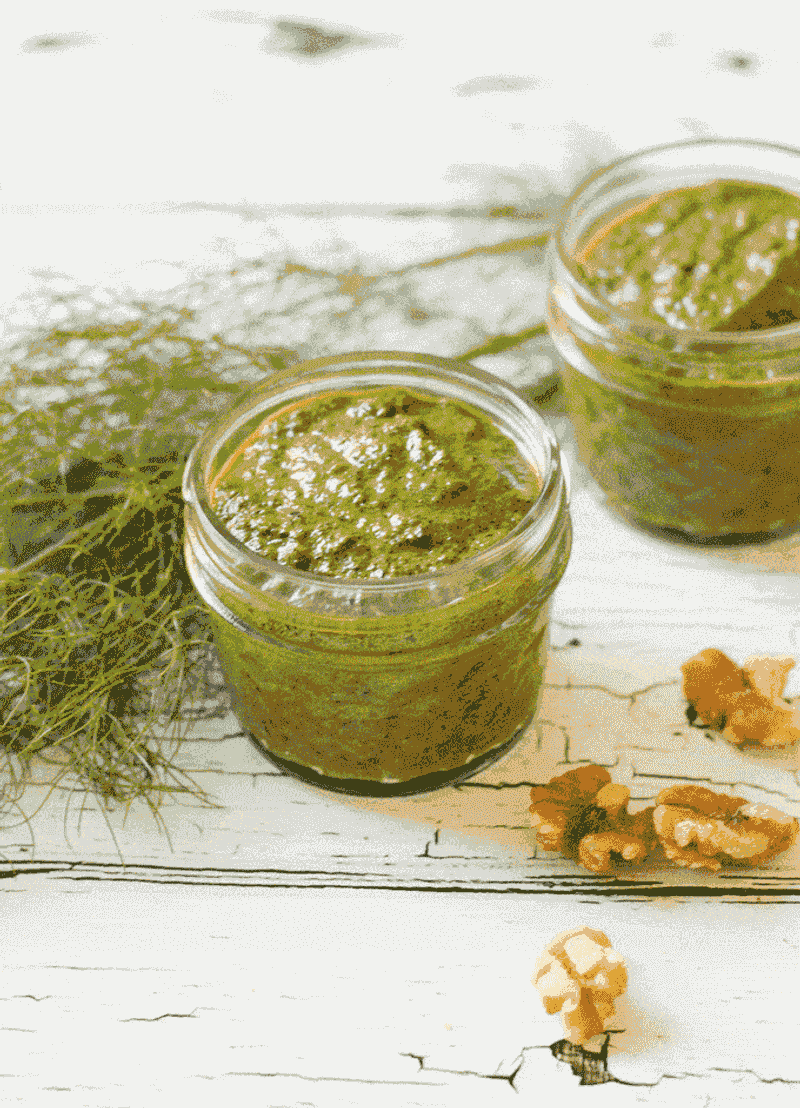
Fennel fronds are almost always tossed in the trash after the bulb is sliced for salad. Those feathery green tops, however, have a delicate anise flavor that makes an outstanding salsa verde.
Chopped fennel fronds are blended with capers, anchovies, garlic, lemon zest, and olive oil to create a tangy, herby sauce. It is incredible drizzled over grilled fish or roasted vegetables.
Next time you buy fennel, save every single frond because they are flavor gold.
11. Microgreens Salad with Poached Egg
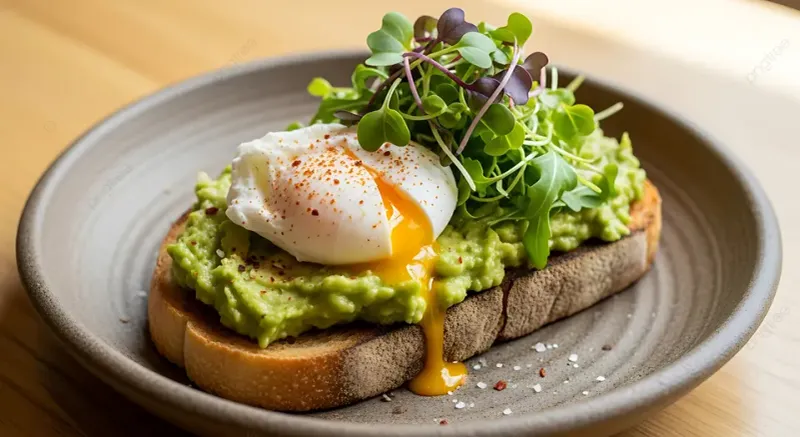
Microgreens are usually just a fancy topping, a pinch of color on restaurant plates that diners admire and then push aside. Giving them the lead role in a salad changes that habit immediately.
A generous bed of mixed microgreens dressed with lemon vinaigrette and topped with a soft poached egg is simple, elegant, and nutritious. Microgreens contain up to 40 times the nutrients of their mature versions, according to food researchers.
They deserve a real spot on the menu, not just a cameo.
12. Beet Green Stir-Fry
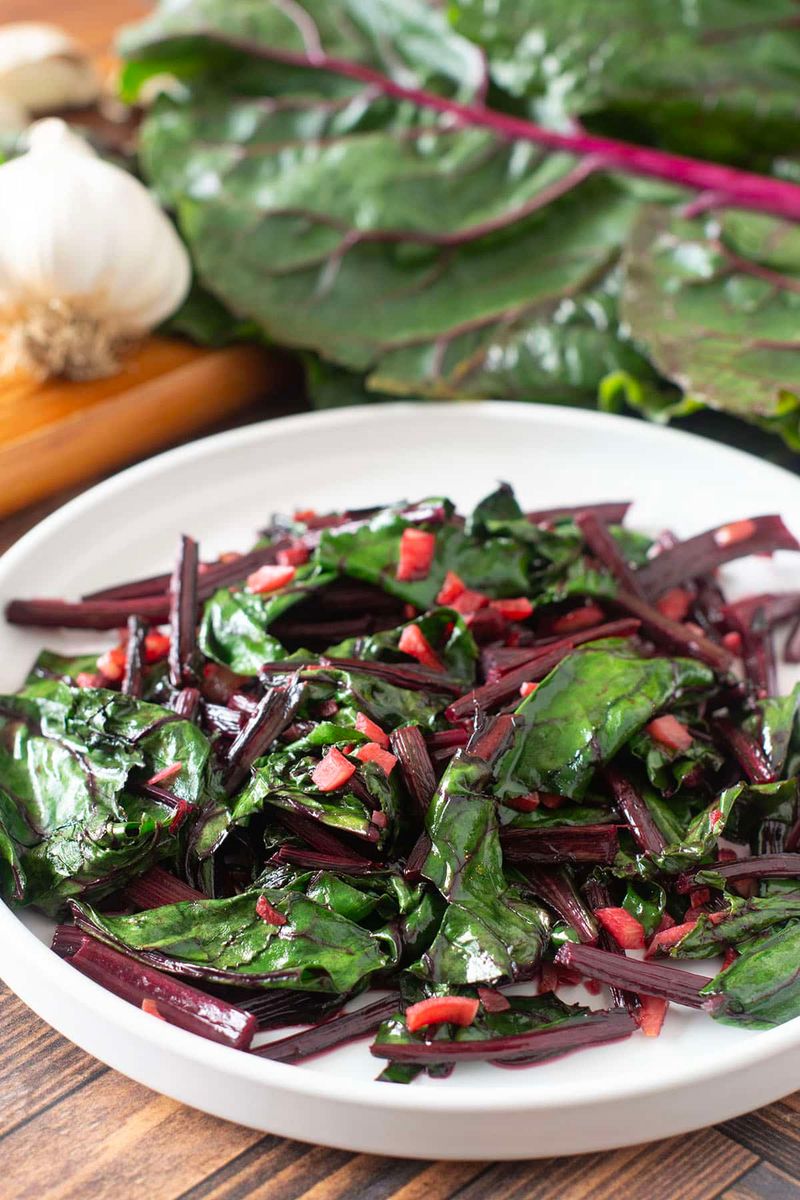
When people buy beets, the leafy green tops almost always go straight to the compost bin without a second thought. That is a real shame because beet greens are tender, flavorful, and cook beautifully in a hot pan.
Sauteed with garlic, olive oil, and a pinch of red chili flakes, beet greens wilt into a silky, earthy side dish in under five minutes. Add a splash of soy sauce for extra depth.
They taste similar to Swiss chard and are completely free with every bunch of beets you buy.
13. Watermelon Rind Curry
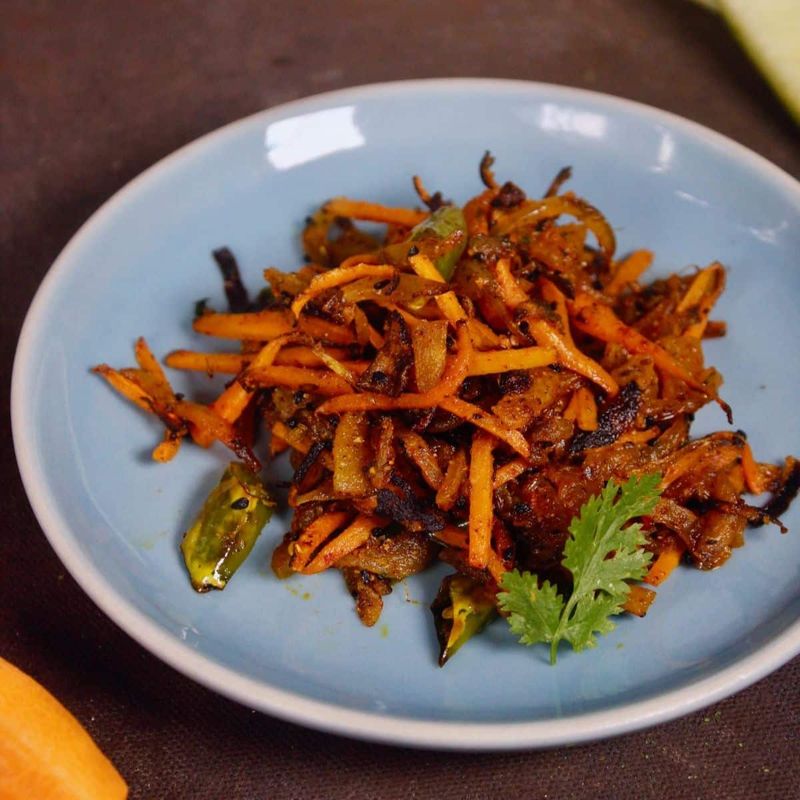
Most people carve the pink flesh from a watermelon and toss the thick white rind directly in the bin. In parts of India and the American South, that rind is cooked into something genuinely delicious.
Watermelon rind curry uses the white part simmered in a spiced tomato and coconut sauce until it becomes tender and absorbs all the warm flavors around it. The texture is similar to zucchini.
It is a zero-waste dish that will genuinely surprise anyone who tries it for the first time.
14. Celery Leaf Chimichurri
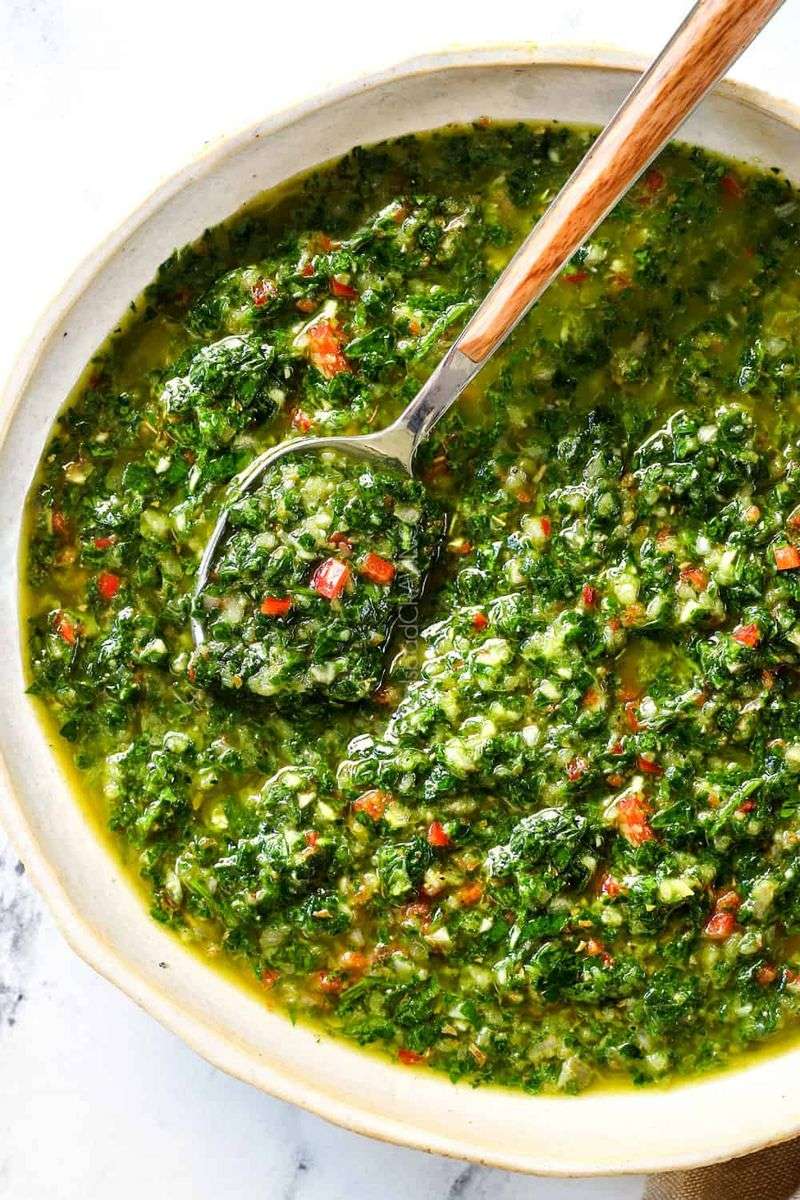
Celery leaves are almost always stripped off and discarded before the stalks get chopped for soup or salads. Those bitter, aromatic leaves actually make a surprisingly punchy chimichurri sauce.
Blended with red wine vinegar, garlic, olive oil, and red pepper flakes, celery leaves create a sauce with real bite and herbal depth. It works beautifully on grilled meats, roasted potatoes, or even spooned over fried eggs.
Using celery leaves this way adds bold flavor and cuts down on food waste at the same time.
15. Pomegranate Molasses Glazed Chicken
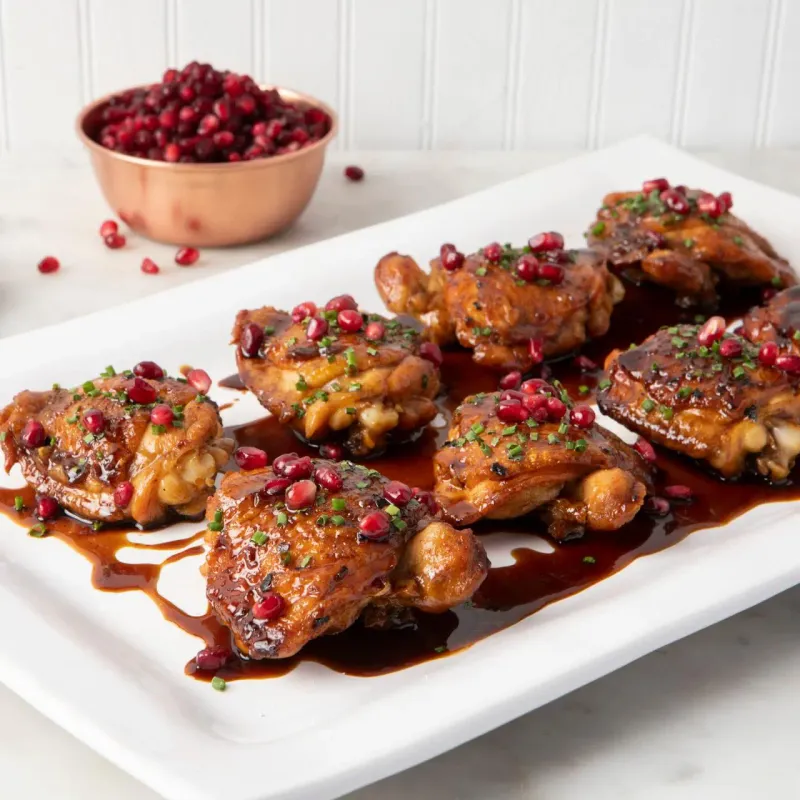
Pomegranate seeds are one of the most beautiful garnishes in food styling, scattered on salads and desserts purely for looks. Pomegranate molasses, made by reducing the juice, is a completely different story.
Thick, tangy, and deeply sweet, it makes a stunning glaze for roasted chicken thighs. The sauce caramelizes in the oven into a glossy, jewel-toned coating packed with sweet and sour flavor.
Middle Eastern cooks have used pomegranate molasses as a key ingredient in savory cooking for generations.
16. Carrot Top Pesto
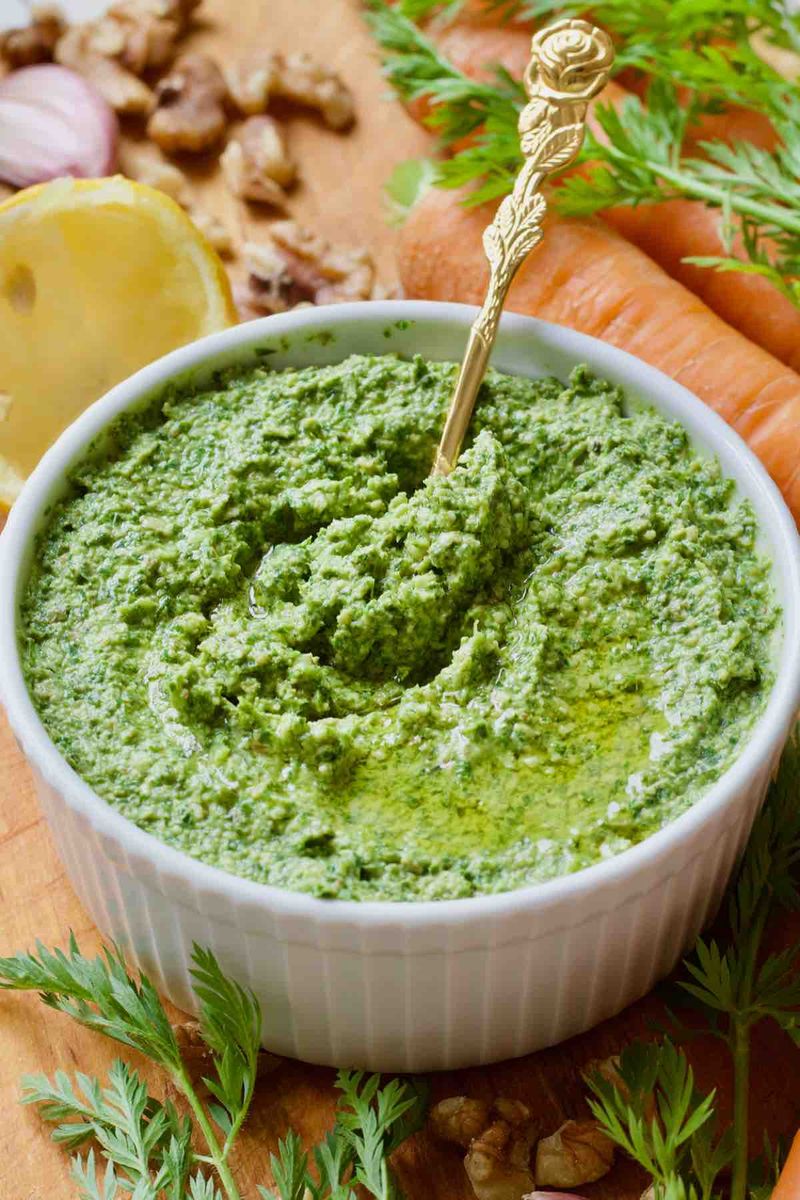
Carrot tops are the leafy green fronds that most grocery shoppers snap off and throw away before the carrots even make it home. Those bitter, parsley-like greens are actually full of flavor and completely edible.
Blended into a pesto with pine nuts, parmesan, garlic, and olive oil, carrot tops create a slightly bitter, herby sauce that is fantastic on pasta or crostini. It is one of the easiest ways to reduce kitchen waste while discovering a surprisingly tasty new ingredient hiding in plain sight.
17. Orange Zest Marmalade Cake

Orange zest is something most recipes call for in tiny amounts, half a teaspoon scraped over batter and forgotten. But when orange zest and marmalade become the central flavors of a cake, something magical happens.
A marmalade bundt cake is dense, fragrant, and deeply citrusy, with the bittersweet tang of orange running through every single slice. It is a classic British bake with a long history in home kitchens.
The zest is not an afterthought here. It is everything.
18. Sesame Seed Brittle
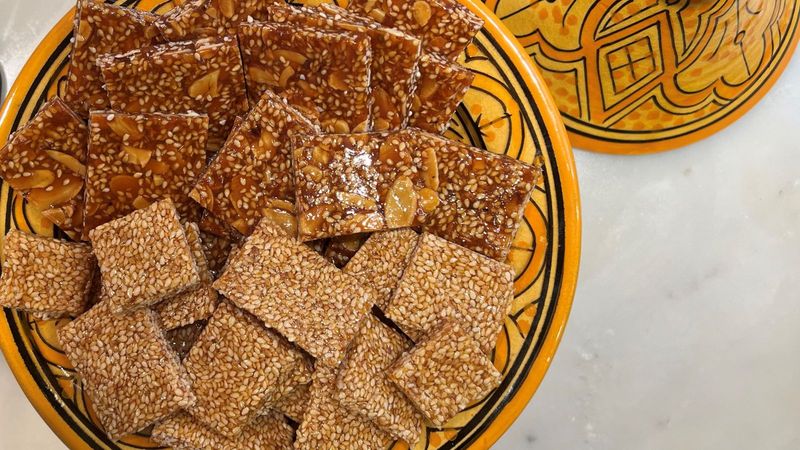
Sesame seeds are sprinkled on burger buns and sushi rolls so routinely that most people stop noticing them at all. But in Middle Eastern and Asian confectionery traditions, sesame seeds are the entire show.
Sesame brittle, called simsimiyya in Arabic, is made by binding toasted sesame seeds together with hot caramel or honey until they form a crunchy, nutty candy. It is simple, ancient, and deeply satisfying.
A small piece delivers a toasty, sweet crunch that store-bought candy rarely matches.
19. Fried Sage Brown Butter Gnocchi
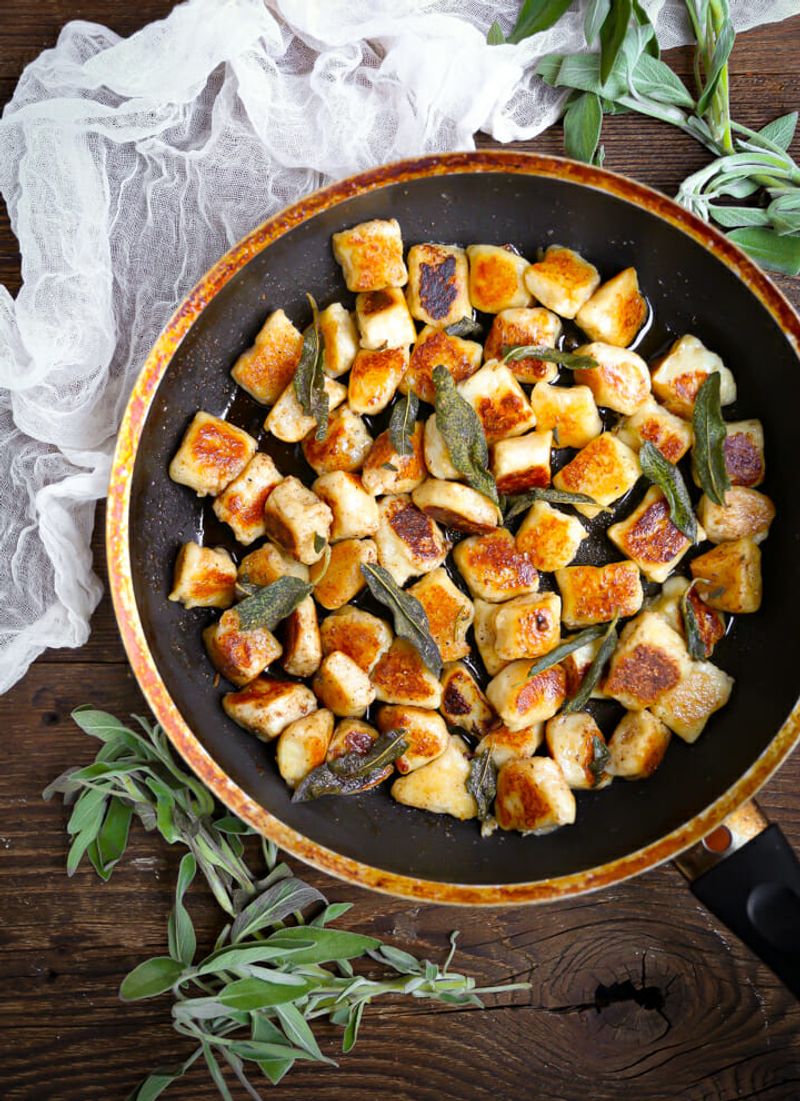
Sage leaves are almost always used as a background note, a single leaf in a stuffing mix or a faint flavor in a roast. When fried in butter until crispy, sage completely transforms into something extraordinary.
Brown butter gnocchi with fried sage is an Italian classic that lets the herb shine loudly. The crispy leaves become almost chip-like, adding texture and a warm, nutty aroma to each bite.
Tossed with pillowy gnocchi and parmesan, it is effortlessly elegant and ready in under 20 minutes.
20. Rose Petal Jam
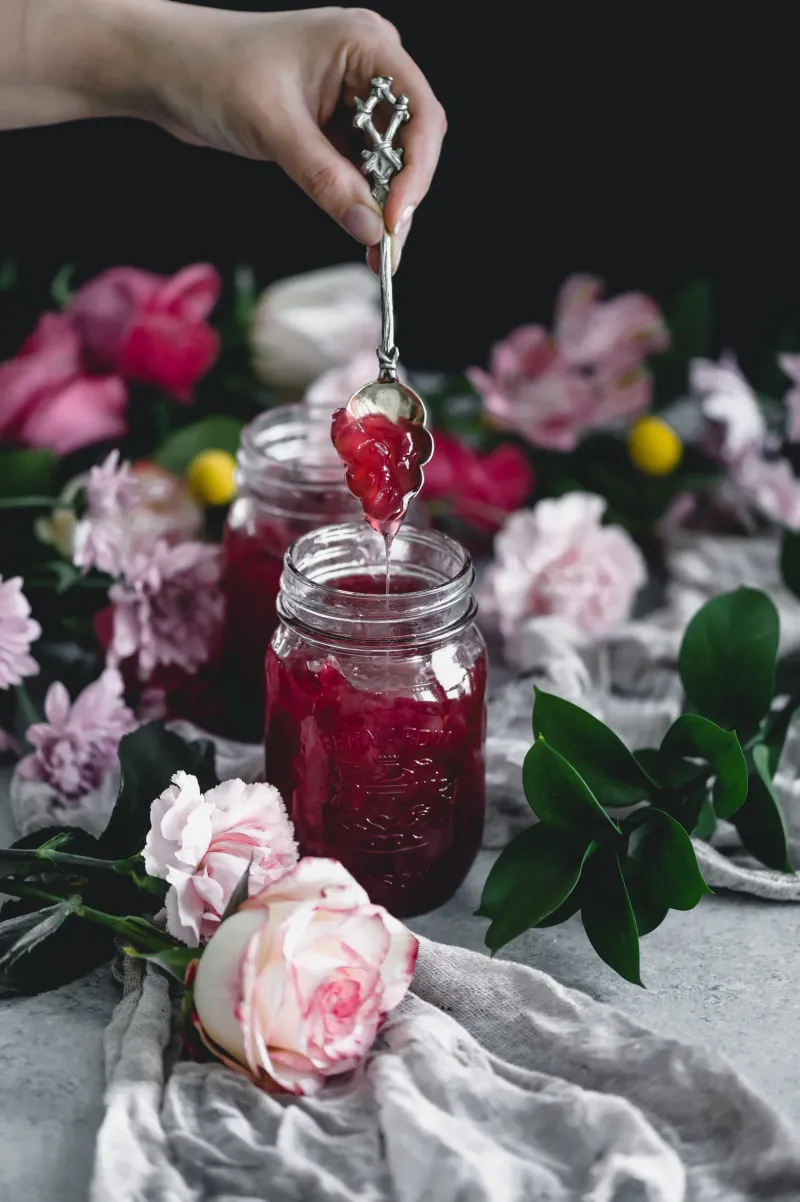
Rose petals on a dessert plate are almost always pure decoration, something pretty to look at and then carefully set aside. In Persian and Turkish kitchens, rose petals are cooked down into a fragrant, jewel-colored jam.
Made with fresh or dried rose petals, sugar, and lemon juice, the jam is floral, lightly sweet, and unlike anything most Western pantries contain. Spread it on warm bread or stir it into yogurt.
It is a reminder that beauty and flavor can absolutely coexist in one ingredient.