
Some of the most important music ever made never topped the charts or played on mainstream radio. These bands flew under the radar, but their sounds quietly rewired what rock, punk, and alternative music could be.
Younger musicians grew up listening to them in small clubs, on college radio, or through worn-out tapes passed between friends. Their influence spread like roots underground, strong and wide, even when nobody was watching.
1. The Velvet Underground
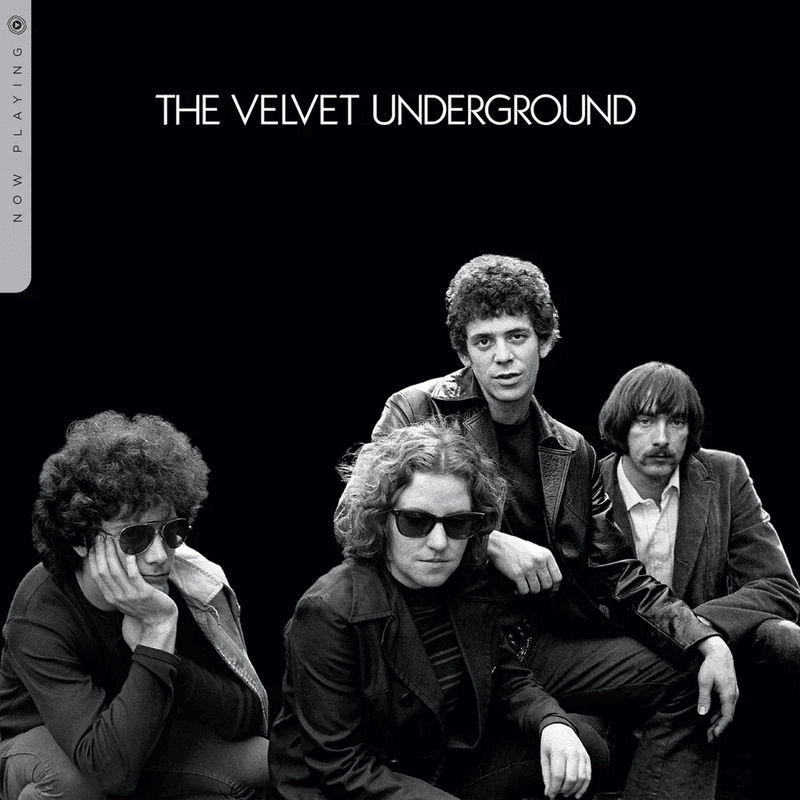
Brian Eno once said that barely anyone bought The Velvet Underground’s debut album, but everyone who did started a band. That single sentence might be the greatest compliment in rock history.
Managed by pop artist Andy Warhol, this New York group blended noise, poetry, and raw emotion in ways nobody had tried before. Their experimental sound planted the seeds for punk, new wave, and alternative music for decades to come.
2. Big Star
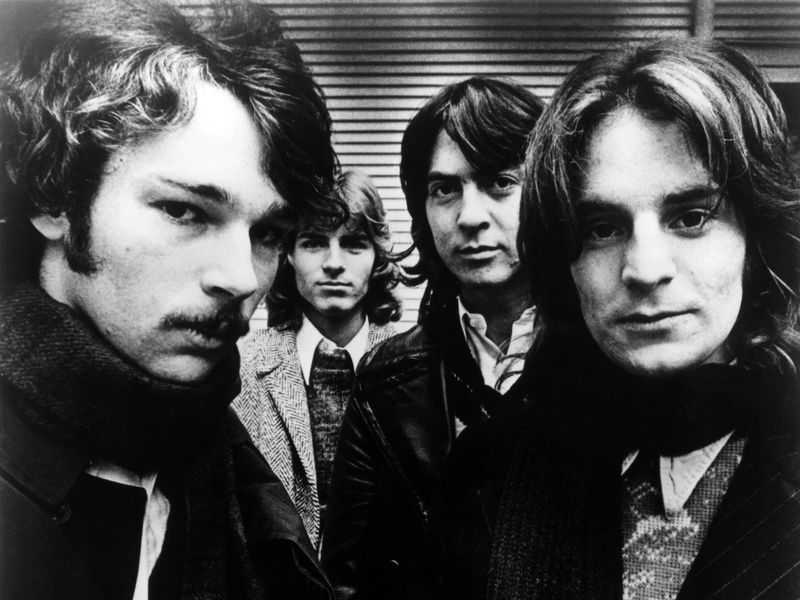
Big Star had everything it takes to be huge, the hooks, the harmonies, the heart. Distribution problems kept their albums from reaching most record stores, so almost nobody heard them at the time.
Critics loved every note, but commercial success stayed out of reach. Years later, bands like R.E.M. and The Replacements would openly credit Big Star as a major reason they ever picked up instruments in the first place.
3. Television
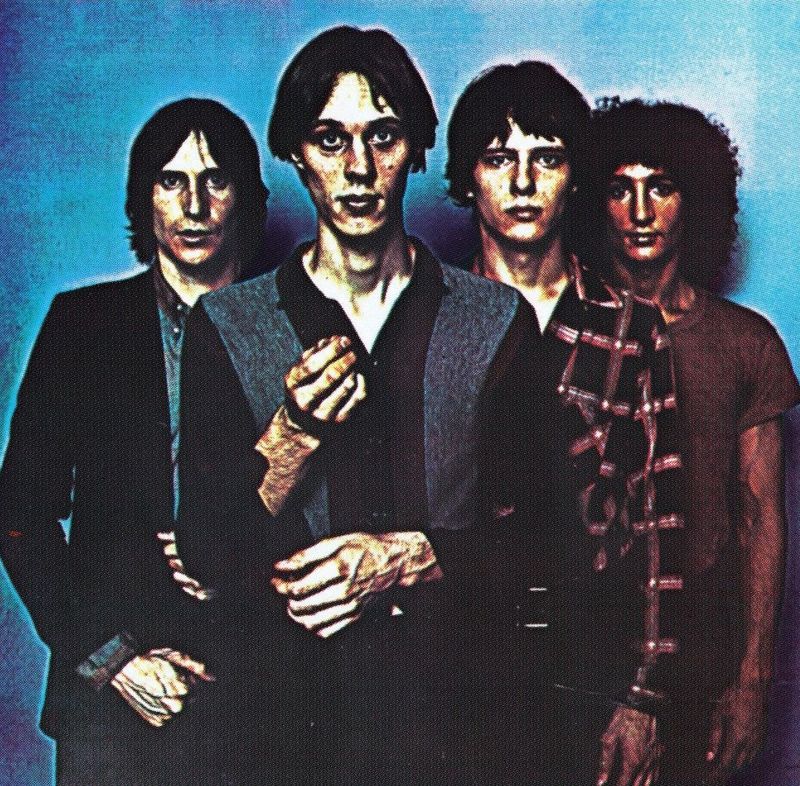
CBGB in New York City was ground zero for punk rock, and Television owned that stage like no other band. Their guitar interplay was intricate, poetic, and unlike anything else in the punk scene.
While other bands played fast and loose, Television brought a careful, almost classical precision to their art. Punk rockers and art school students alike walked away from their shows completely changed, ready to rethink what a guitar could say.
4. The Replacements
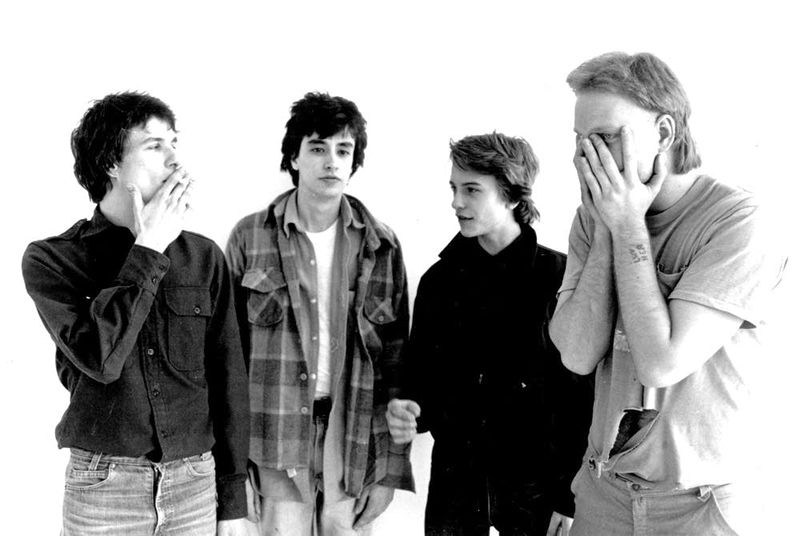
Legend has it The Replacements once played an entire set in each other’s clothes just to mess with the audience. Their live shows were gloriously unpredictable, sometimes brilliant, sometimes a total mess.
That chaos cost them commercial success, but it earned them something rarer: real devotion. Kurt Cobain and Billie Joe Armstrong both pointed to this band as a turning point, proof that messy, honest rock could mean more than polished, radio-ready perfection ever would.
5. Pixies

Kurt Cobain practically admitted that “Smells Like Teen Spirit” borrowed its quiet-verse-loud-chorus structure directly from the Pixies. That one technique reshaped the entire sound of 1990s alternative rock.
College radio loved them fiercely, but mainstream recognition was slow to arrive. Their albums like Surfer Rosa and Doolittle are now considered essential listening, blueprints for a generation of bands who wanted music that could whisper and then shatter you in the same breath.
6. Slint
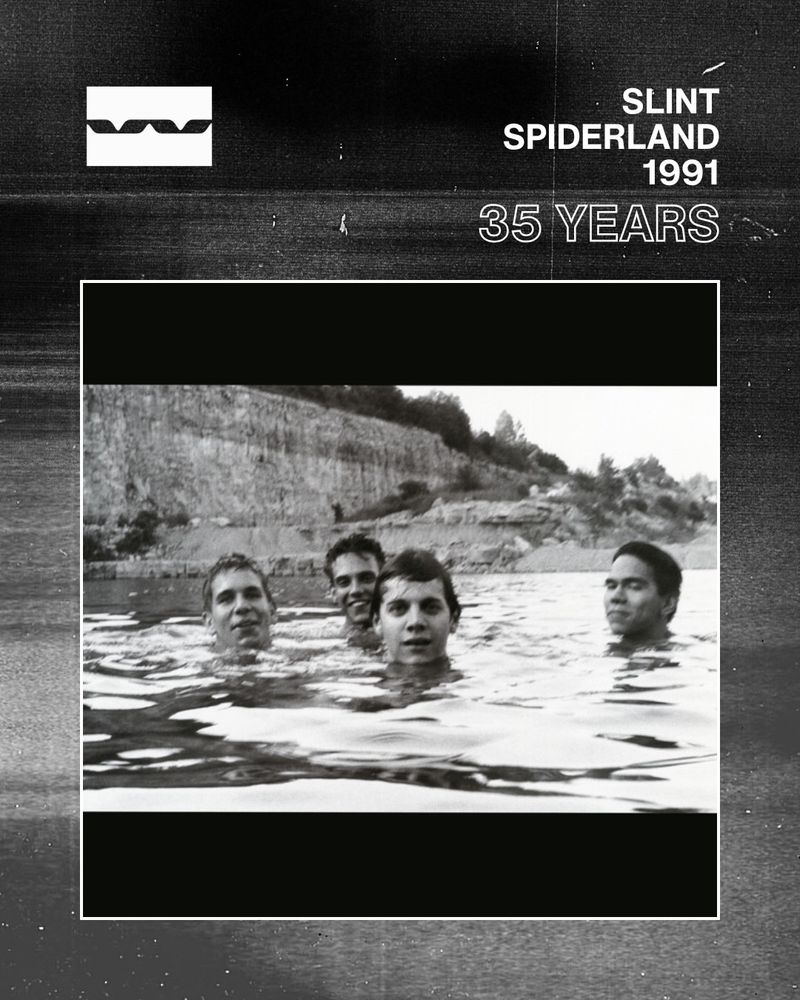
Four kids from Louisville, Kentucky quietly recorded an album in 1991 that music critics would spend the next thirty years trying to fully explain. Spiderland did not chart, but it invented a genre.
Post-rock, that sprawling, instrumental, emotionally overwhelming style of music, can trace much of its DNA back to this single record. Bands like Mogwai and Explosions in the Sky have cited Slint as the reason they believed music without traditional song structures could still move people to tears.
7. The Melvins
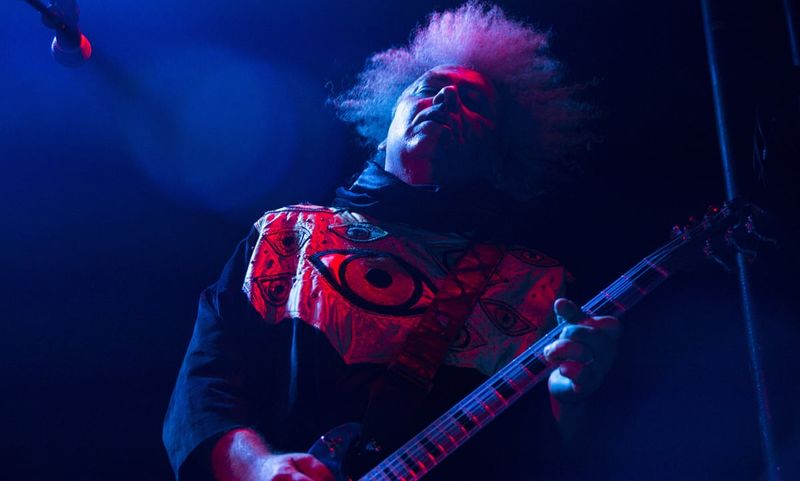
Before Kurt Cobain was in Nirvana, he was carrying equipment for The Melvins as their roadie. That says everything about how much this band mattered to the people who would go on to define grunge.
Formed in 1983 in Washington State, The Melvins played slow, crushing, heavy music at a time when everyone else was playing fast. Their sludgy sound became a direct blueprint for grunge and doom metal, and their influence never really stopped spreading.
8. Sonic Youth
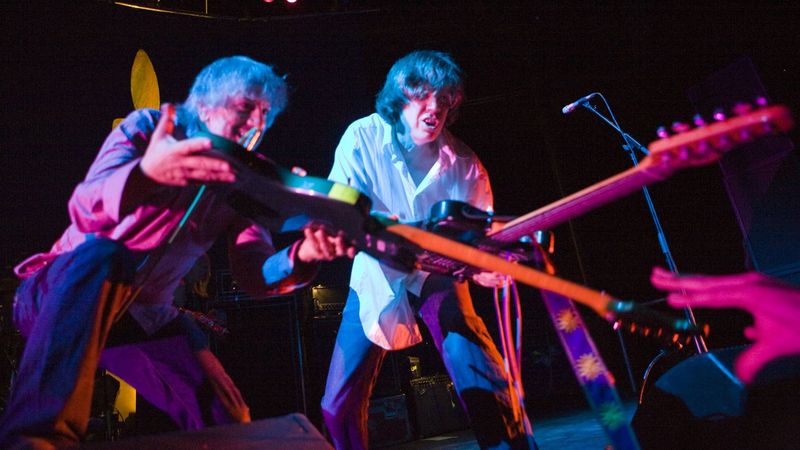
Sonic Youth treated guitars like science experiments, retuning them in unusual ways to create sounds that felt alien and thrilling at the same time. Their approach to noise and texture changed what rock music could look like.
Only two of their albums ever cracked the Billboard Top 40, yet their fingerprints are all over modern rock. Countless bands learned from them that breaking the rules of traditional song structure was not just acceptable, it was actually the point.
9. Fugazi
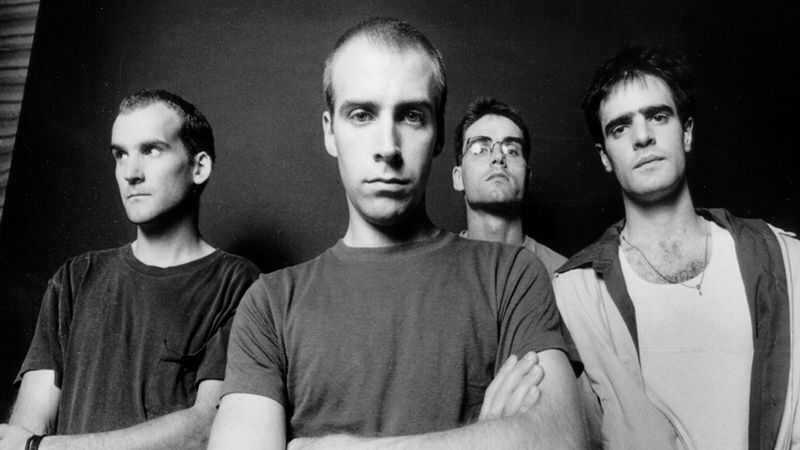
Fugazi famously refused to charge more than five dollars for a ticket and never signed to a major label. Their ethics were as influential as their music, proving that a band could survive and thrive entirely on its own terms.
Out of Washington D.C.’s hardcore scene, they built a post-hardcore sound that was angular, urgent, and deeply political. A whole generation of punk and indie bands looked at Fugazi and realized independence was not just possible, it was powerful.
10. Can
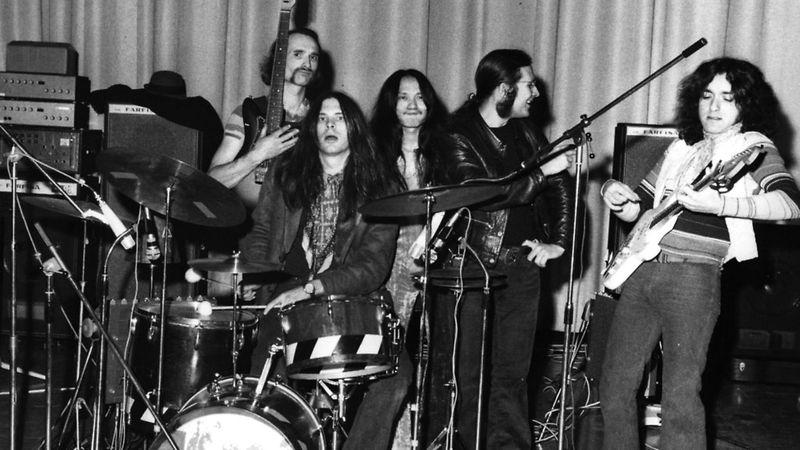
From Cologne, Germany, Can built music out of groove, repetition, and pure experimentation in a way that felt more like a trance than a rock concert. Their so-called motorik rhythm became one of the most borrowed sounds in music history.
Post-punk bands, electronic producers, and art rockers all raided Can’s catalog for inspiration. David Bowie, Radiohead, and LCD Soundsystem have all pointed to this group as proof that the most forward-thinking music sometimes comes from the most unexpected places.
11. The Modern Lovers
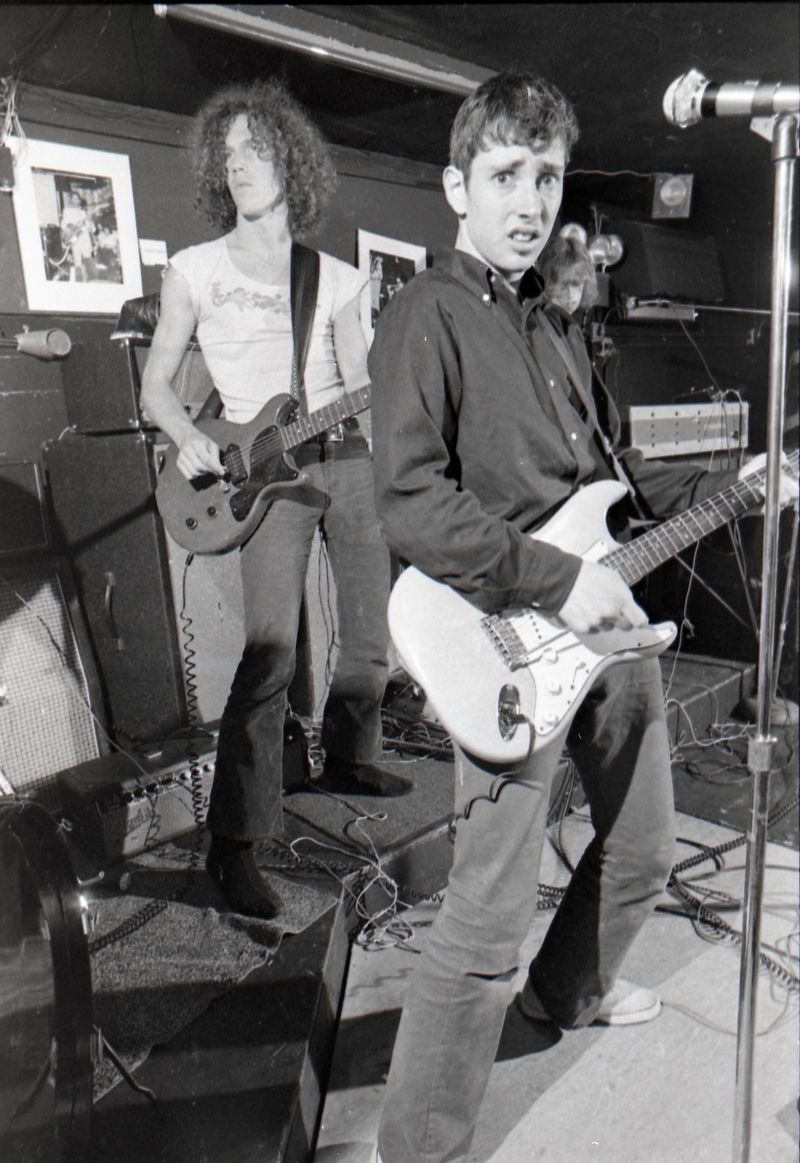
Jonathan Richman wrote songs about driving around suburban Boston that somehow felt more punk than anything with distortion pedals. His raw honesty and stripped-down delivery made The Modern Lovers one of the most quietly radical bands of the early 1970s.
Their recordings helped establish the blueprint for punk and new wave before either genre had a name. The Talking Heads and The Ramones both emerged from a world that The Modern Lovers had already started reshaping from the inside out.
12. Death
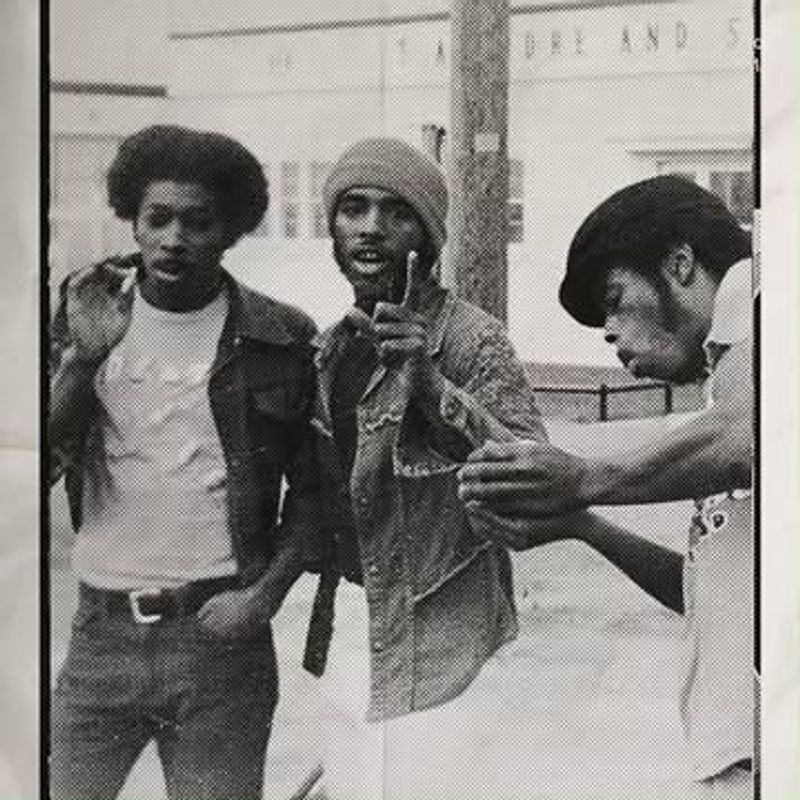
Three brothers from Detroit were making loud, fast, aggressive music years before punk rock had a name or a scene. The band Death recorded an album in 1975 that sat in a box for over thirty years before the world finally caught up to it.
When their music was rediscovered in the late 2000s, music historians recognized it as some of the earliest true punk rock ever recorded. Their story is a reminder that the history of rock still has chapters waiting to be properly written.
13. Bad Brains
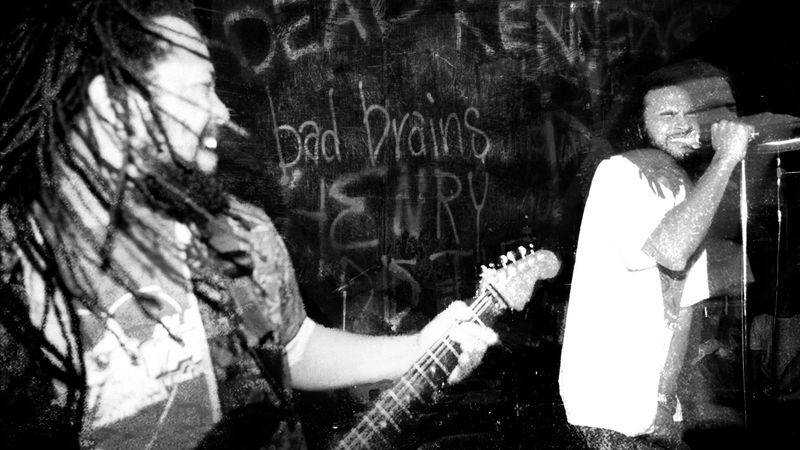
Bad Brains played so fast and so hard that most clubs did not believe they could be that tight until the first note hit. Their combination of blistering hardcore punk and deep reggae roots created something entirely new and electrifying.
The Red Hot Chili Peppers, the Beastie Boys, and Living Colour have all credited Bad Brains as a fundamental influence. They proved that genre walls were just suggestions, and a whole generation of musicians took that lesson and ran with it.
14. The Jesus and Mary Chain
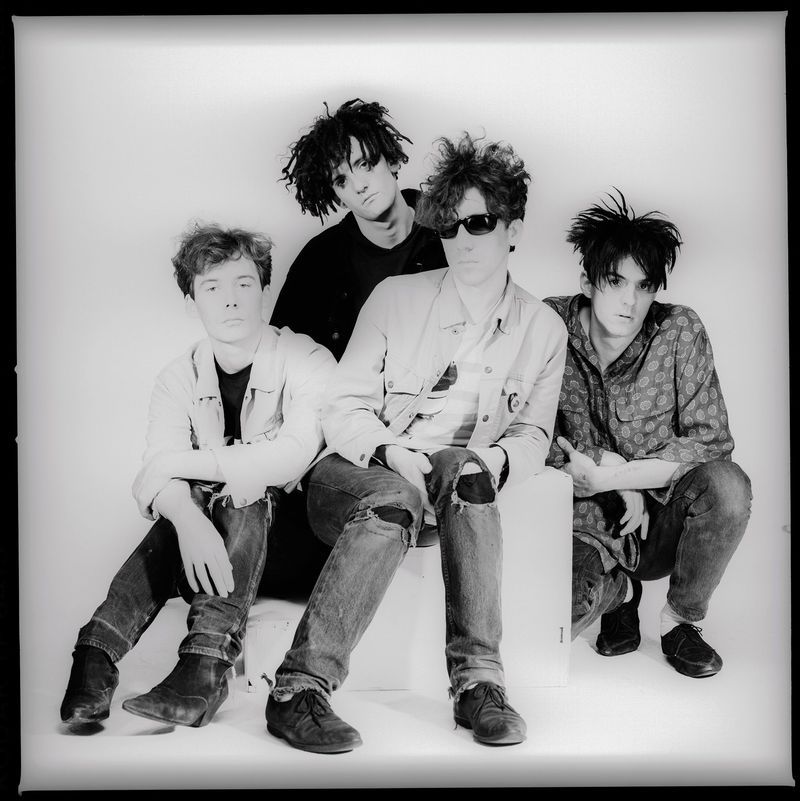
When Psychocandy came out in 1985, it sounded like a pop song being swallowed by a wall of feedback and static. Critics called it thrilling.
Audiences were genuinely unsure what they had just heard.
That debut album changed indie rock permanently, laying the foundation for shoegaze, noise pop, and a whole wave of dreamy, distorted alternative music. My Bloody Valentine and countless others built entire careers on the sonic territory The Jesus and Mary Chain first tore open.
15. King Crimson
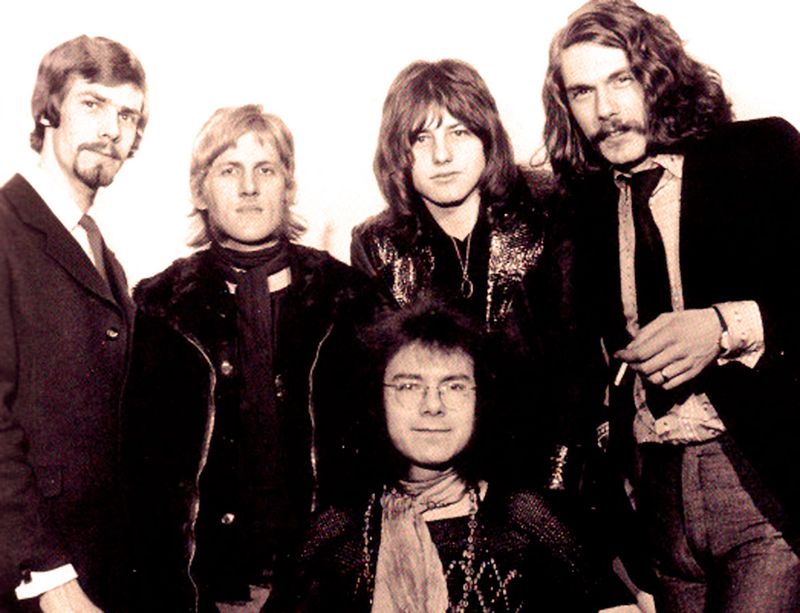
King Crimson’s debut album arrived in 1969 and immediately made most other rock music sound a little small by comparison. They blended rock, jazz, and classical music into something that felt genuinely new and slightly overwhelming.
In the Court of the Crimson King is still considered the record that defined progressive rock as a genre. Bands like Tool, Porcupine Tree, and Radiohead have all traced a direct line from their own ambitions back to what King Crimson dared to attempt first.
16. Pavement
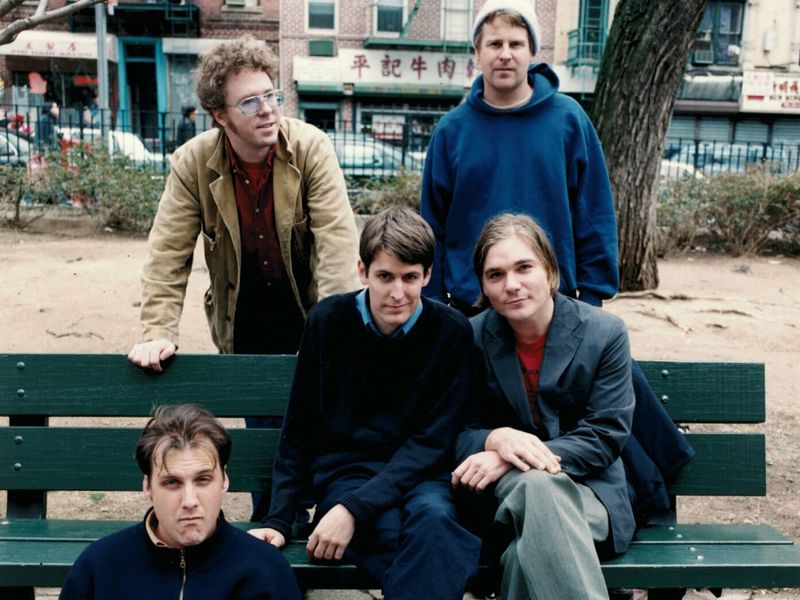
Pavement made slacker cool sound like a philosophy. Their recordings were deliberately rough around the edges, full of off-key moments and sideways humor that somehow added up to something genuinely brilliant.
College radio embraced them completely, and their cult following grew massive album by album through the 1990s. Modern indie bands from Parquet Courts to Courtney Barnett have openly borrowed from Pavement’s playbook, carrying forward that spirit of creative looseness that never needed a major label to matter.
17. Siouxsie and the Banshees
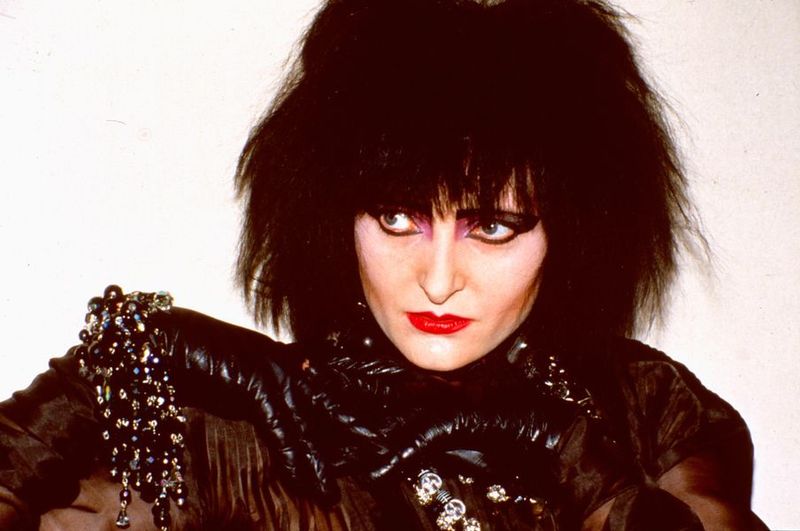
Siouxsie Sioux walked onto the punk scene and immediately looked like she had invented it. Her voice, her look, and her band’s sound carved out an entirely new space between punk and something darker and more theatrical.
The Banshees helped define post-punk and goth rock in ways that still echo through music today. Artists from Morrissey to Lorde have cited Siouxsie as a foundational influence, proof that one fearless frontwoman can redirect the entire current of popular music.
18. ESG
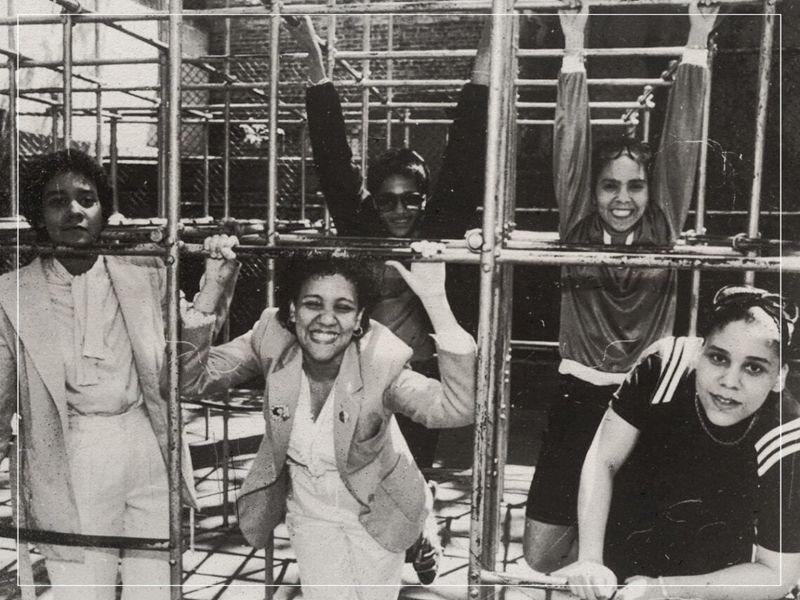
Four sisters from the South Bronx built a sound out of almost nothing, minimal drums, sparse bass, and a groove so deep it became one of the most sampled foundations in hip-hop history. ESG were doing something truly original before most people had words for it.
The Beastie Boys and J Dilla both sampled their music, and their blend of funk, punk, and minimalism shaped New York’s early dance and hip-hop underground. Small band, enormous footprint.
19. The Wipers
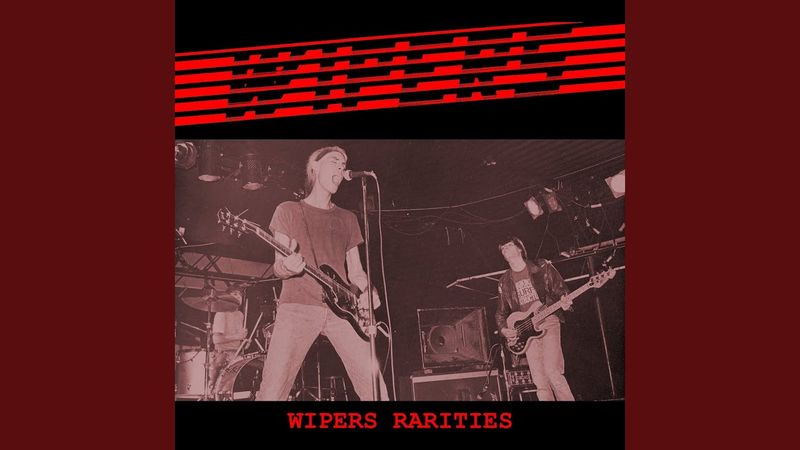
Kurt Cobain included three Wipers albums in his personal list of fifty all-time favorites and called them the most innovative punk band to ever come out of the Pacific Northwest. That endorsement alone tells you how deep their roots go.
Based in Portland, Oregon, The Wipers were playing a raw, melodic, emotionally heavy brand of punk fifteen years before Seattle became famous for the same sound. Grunge did not appear from nowhere, and The Wipers are a big reason why.
20. Echo and the Bunnymen
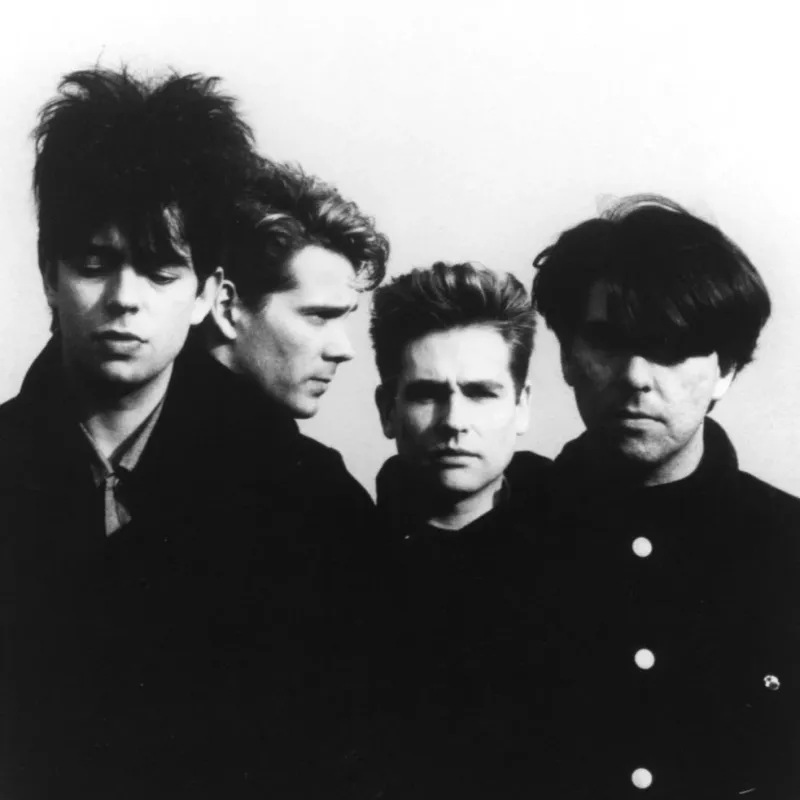
Echo and the Bunnymen had a sound that felt like standing on a cliff at night, grand, slightly dangerous, and completely alive. Their mix of goth atmosphere and post-punk drive made them one of the most distinctive bands of the early 1980s.
Arcade Fire, The Killers, and Foo Fighters have all pointed to this Liverpool band as a key influence. Their music proved that emotional scale and dark beauty were not opposites of rock energy but could actually be its greatest expression.