
Soup is one of the oldest and most comforting foods on Earth, but not every bowl looks like chicken noodle. Some cultures make soup from blood, fruit, yogurt, or even bird nests.
Trying these dishes is a fun way to learn how people live, cook, and celebrate in different places. Grab a spoon and get ready to meet some of the strangest and tastiest soups the world has to offer.
1. Bird’s Nest Soup (China)

Swiftlet birds build their nests from their own hardened saliva, and in China those nests become one of the priciest soups on the planet. A single bowl can cost over a hundred dollars.
When cooked, the nest softens into a jelly-like texture with a mild, slightly sweet taste. Many people believe it helps skin and health.
Look for it in upscale Chinese restaurants, and try it at least once for the story alone.
2. Czernina (Poland)
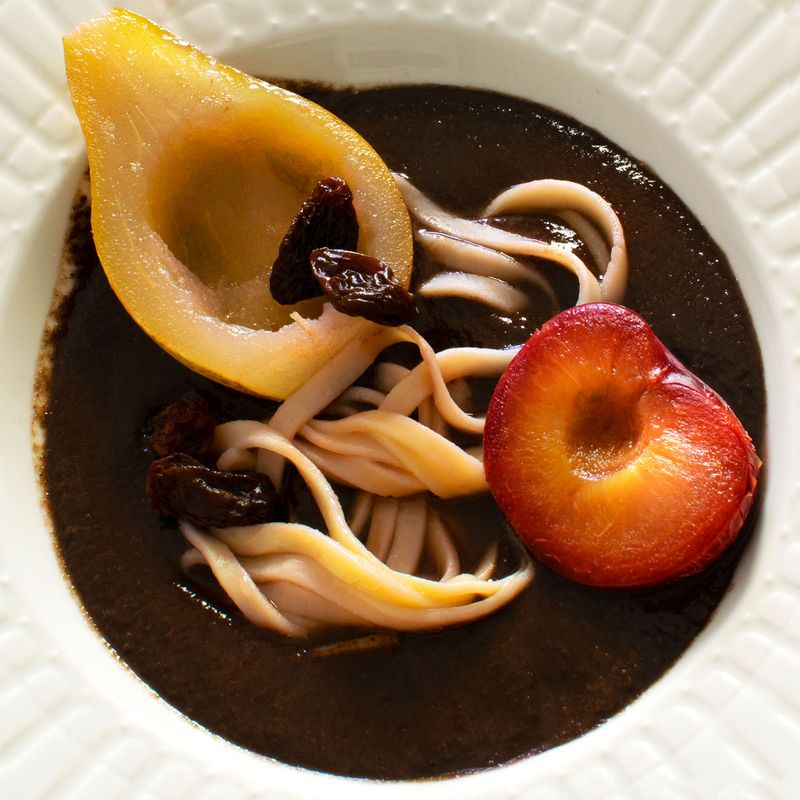
Long ago in Poland, a young man who proposed marriage might be served czernina. If he got a bowl, the answer was a polite no!
Today the soup is simply a family treat. It is made with duck blood, vinegar, and broth, then sweetened with dried plums, pears, or raisins.
The flavor is sweet and sour at the same time. Pair it with homemade noodles or potatoes for the classic experience.
3. Tarator (Bulgaria)
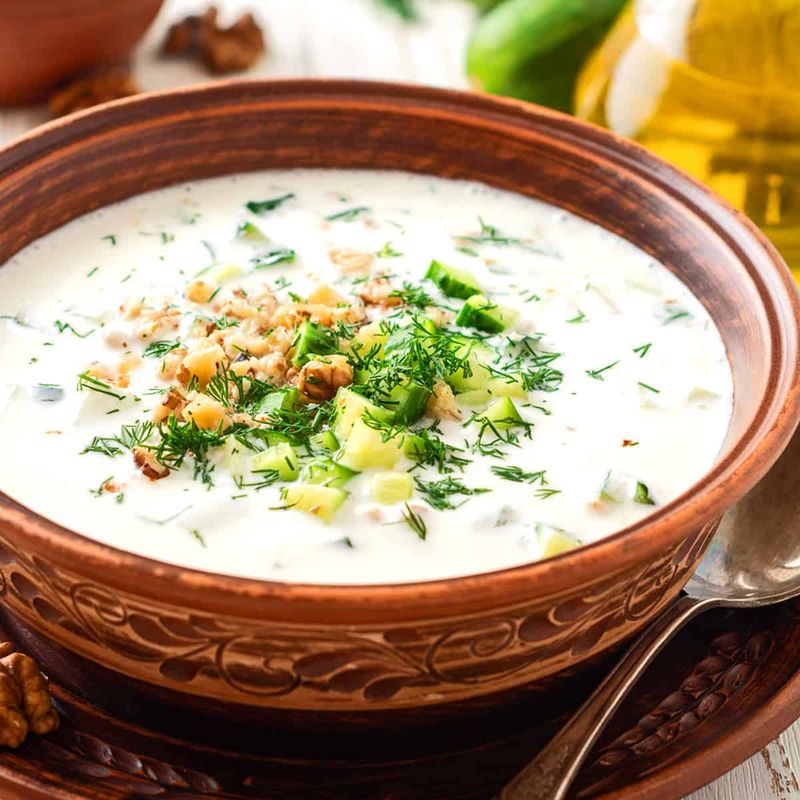
Picture a hot July afternoon in Sofia. Locals skip warm meals and reach for a cold bowl of tarator instead.
Made from yogurt, cucumbers, garlic, dill, and water, it tastes like a drinkable salad. Some cooks sprinkle crushed walnuts on top for crunch.
Want to try it at home? Just mix the ingredients, chill for an hour, and serve.
It is quick, cheap, and wonderfully refreshing during summer heat.
4. Menudo (Mexico)
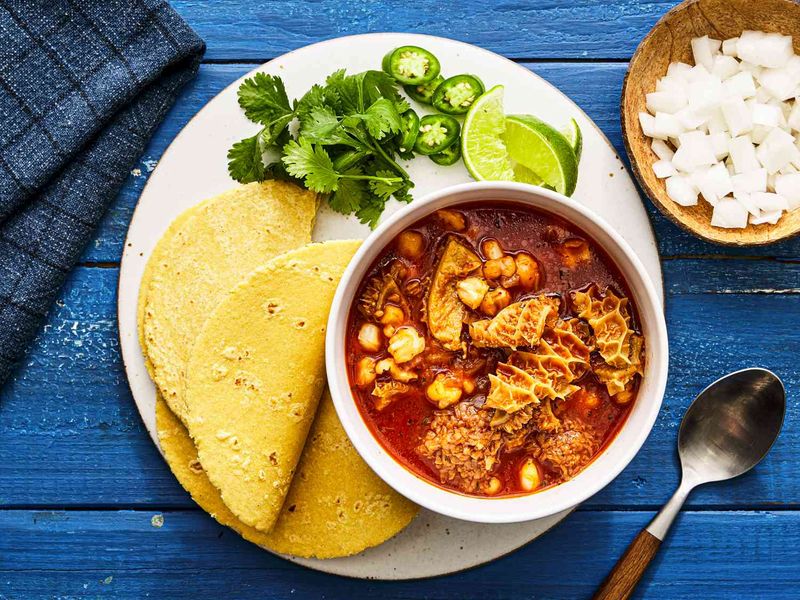
Sunday mornings in many Mexican homes smell like menudo. Families gather around big pots of this spicy red soup after church or a late night.
Its main ingredient is beef stomach, called tripe, simmered for hours with hominy and chili peppers. The tripe is chewy, but the broth is rich and bold.
Top your bowl with lime, onion, and oregano. Many people swear it cures tiredness after a long weekend.
5. Fruktsoppa (Sweden)
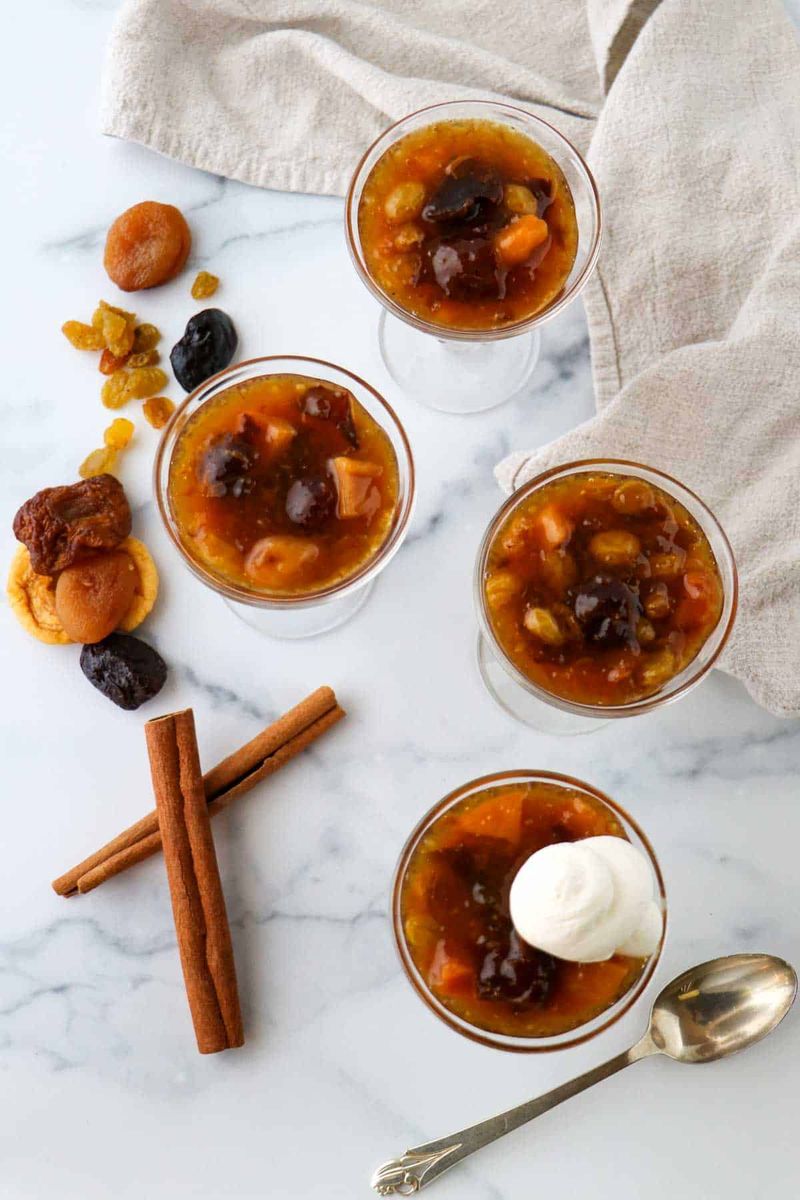
Soup for dessert? Swedes have been doing it for generations with fruktsoppa, a warm or chilled fruit soup.
Dried prunes, apricots, apples, and raisins simmer with sugar and cinnamon until thick and syrupy. A spoonful of cornstarch gives it a silky body.
Kids often enjoy it with a dollop of whipped cream or rice pudding. It is a smart way to use leftover dried fruit, especially during cold winter months.
6. Sopa de Mondongo (Colombia)
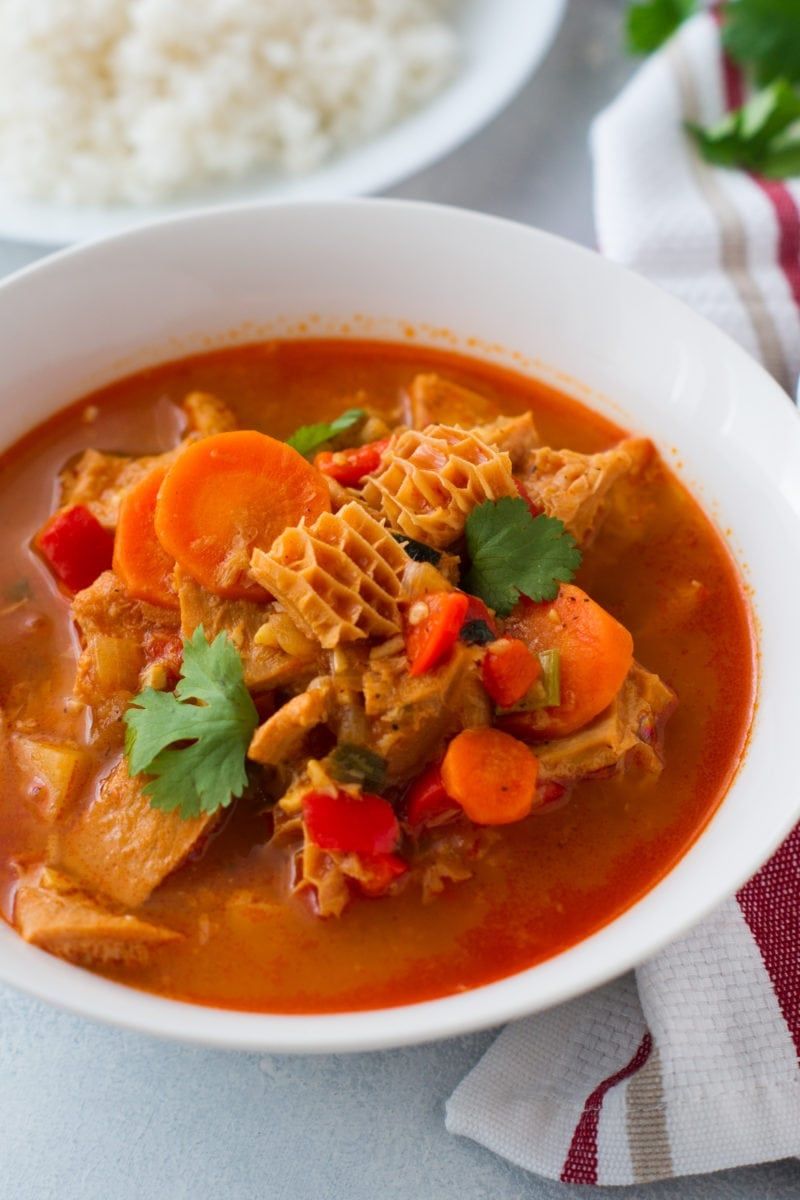
Ask a Colombian grandmother about mondongo, and you might get a smile and a recipe. Each family seems to guard its own version.
The soup combines tripe, pork, potatoes, carrots, and fresh cilantro in a hearty broth. It is filling enough to be a full lunch.
Colombians usually serve it with white rice, sliced avocado, and a splash of hot sauce. One bowl will keep you full until dinner.
7. Haggis Broth Cousin: Cullen Skink (Scotland)
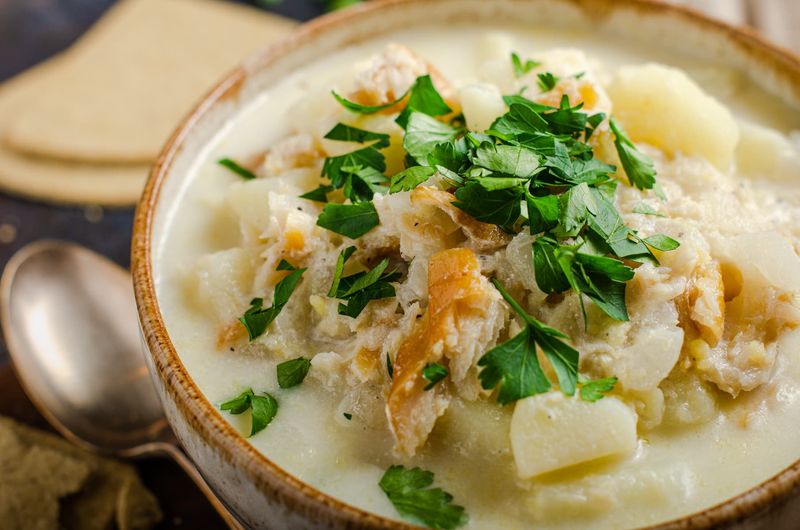
Funny name, serious flavor. Cullen skink comes from the tiny fishing town of Cullen in northeast Scotland.
Smoked haddock, potatoes, onions, and milk blend into a thick, creamy soup with a gentle smoky taste. It feels like a warm blanket on a rainy day.
Fun fact: there is even a yearly world championship for making it. Serve yours with crusty bread to soak up every last drop.
8. Avgolemono (Greece)
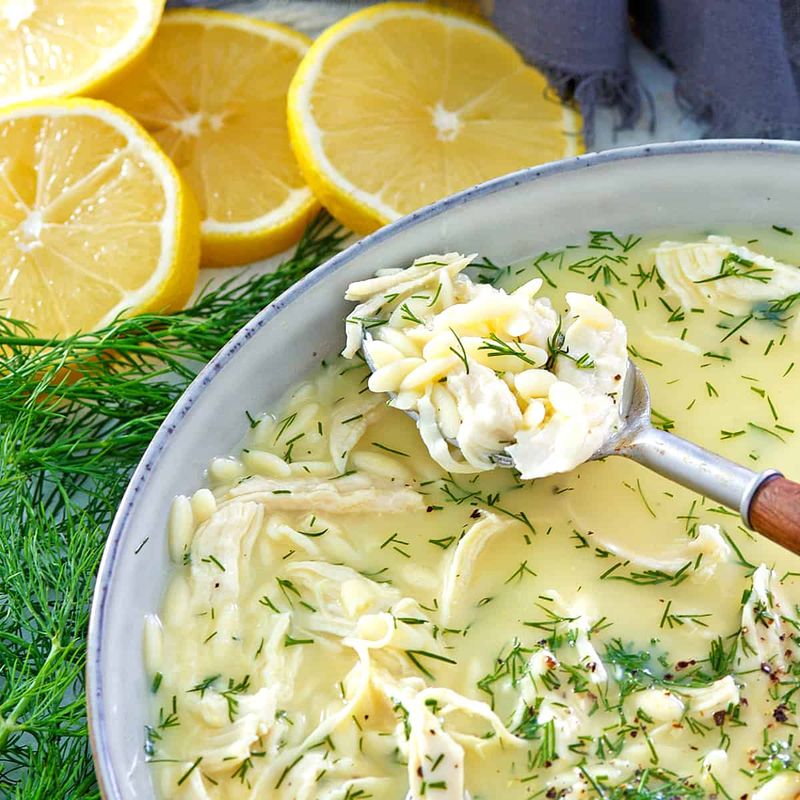
Eggs and lemon in soup might sound odd, but Greeks have loved this pairing for centuries.
Avgolemono starts as chicken broth with rice or orzo. Then cooks whisk eggs with lemon juice and slowly stir them in, creating a silky, tangy cream without any dairy.
The trick is adding hot broth to the eggs little by little, so they do not scramble. Master that step, and you have a bright, cozy meal.
9. Fanesca (Ecuador)
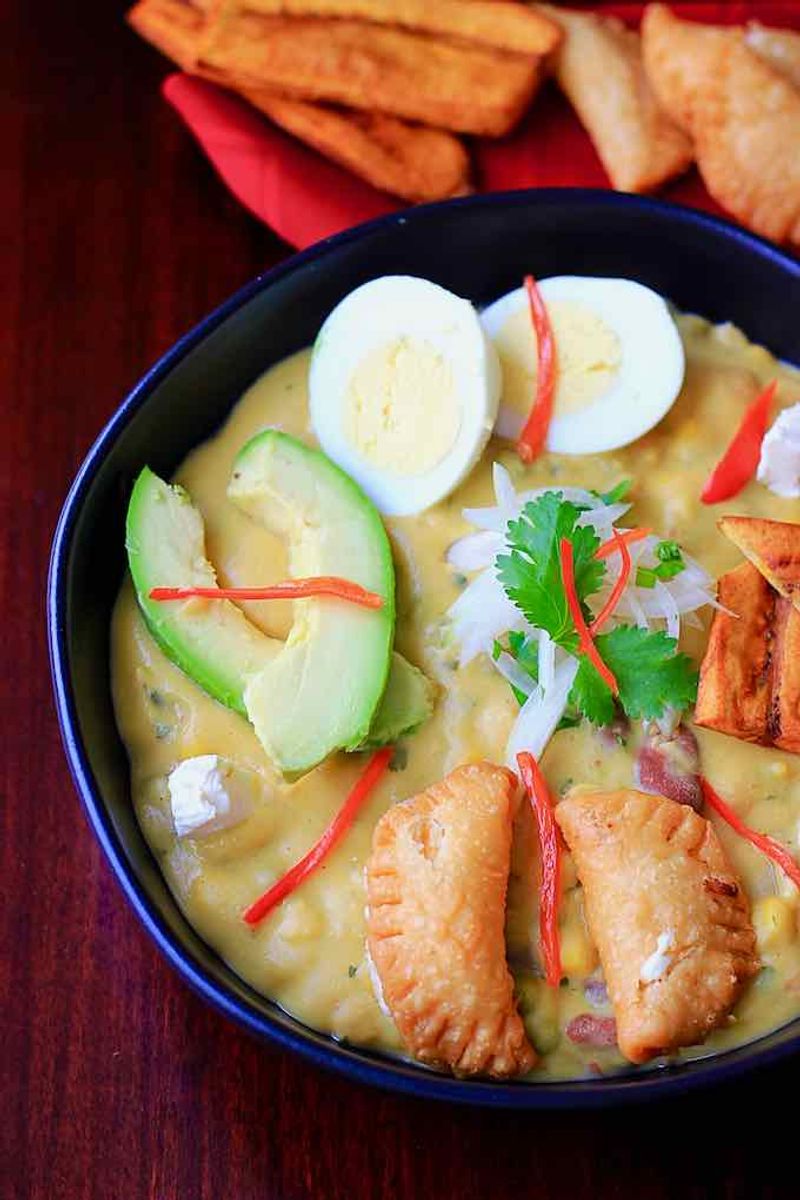
Only once a year, during Easter week, Ecuadorian kitchens fill with the smell of fanesca.
This thick soup includes twelve kinds of beans and grains, said to represent the twelve apostles. Salt cod, squash, and milk make it rich and creamy.
Toppings get fancy too: hard-boiled eggs, fried plantains, cheese, and little dough balls. Making it takes a full day, so families often cook together and share big pots with neighbors.
10. Shchi (Russia)
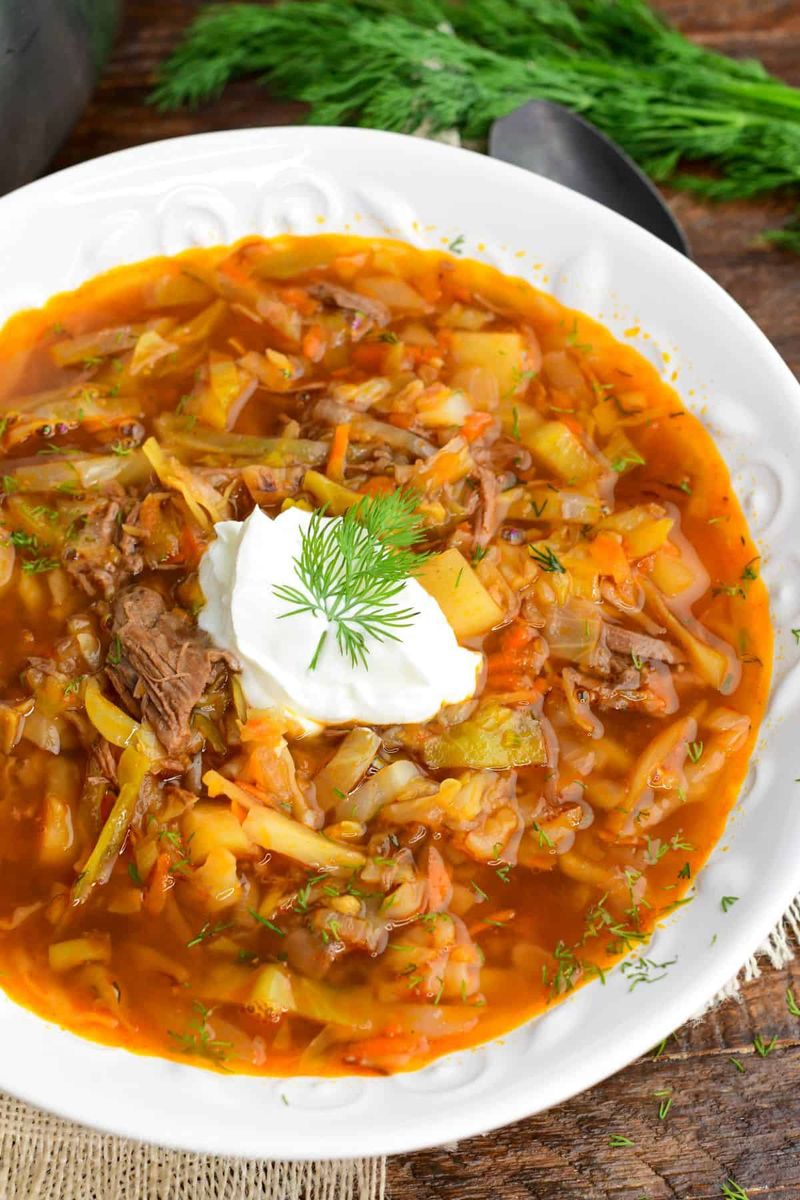
An old Russian saying goes, shchi and porridge are our food. That shows how deeply this cabbage soup is rooted in daily life.
Cooks use fresh or fermented cabbage, which gives the broth a pleasant sour bite. Beef, carrots, and potatoes are often added.
Shchi often tastes even better the next day after the flavors settle. Add a spoon of sour cream and a slice of rye bread for an authentic touch.
11. Callaloo (Caribbean)
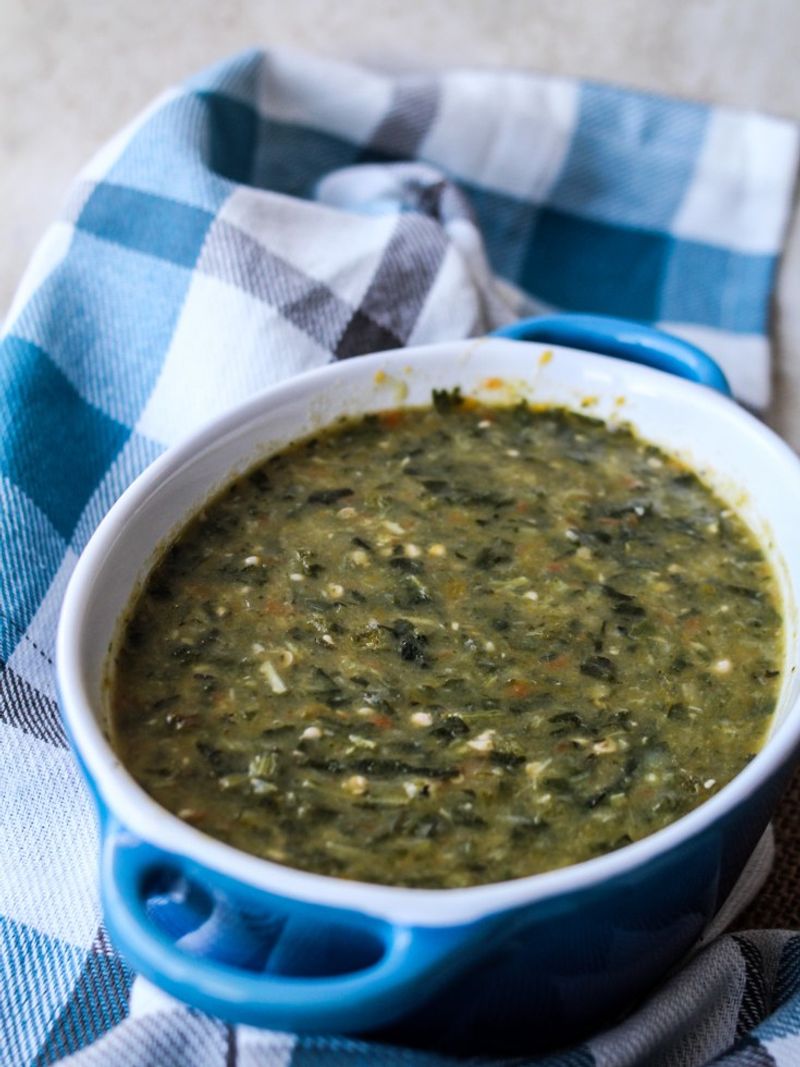
Bright green and bursting with island flavor, callaloo is a weekend favorite in Trinidad and Tobago.
The base is leafy greens like dasheen or amaranth, cooked with okra, coconut milk, onions, and spicy peppers. Everything gets blended into a smooth, velvety soup.
Some cooks toss in crab for extra richness. If greens usually bore you, this tropical twist might totally change your mind about eating your vegetables.
12. Bún Bò Huế (Vietnam)
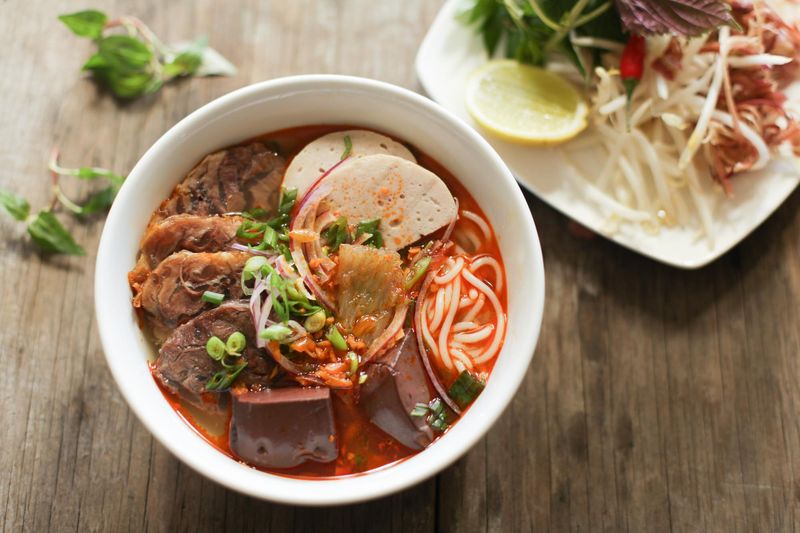
Move over, pho. Food lovers in central Vietnam say their bún bò Huế packs way more punch.
The broth is flavored with lemongrass, chili, and fermented shrimp paste, giving it a spicy, tangy kick. Thick round noodles, beef, and sometimes cubes of pork blood fill the bowl.
Fresh herbs, lime, and bean sprouts come on the side. Add them a little at a time to find your perfect balance.
13. Ash Reshteh (Iran)
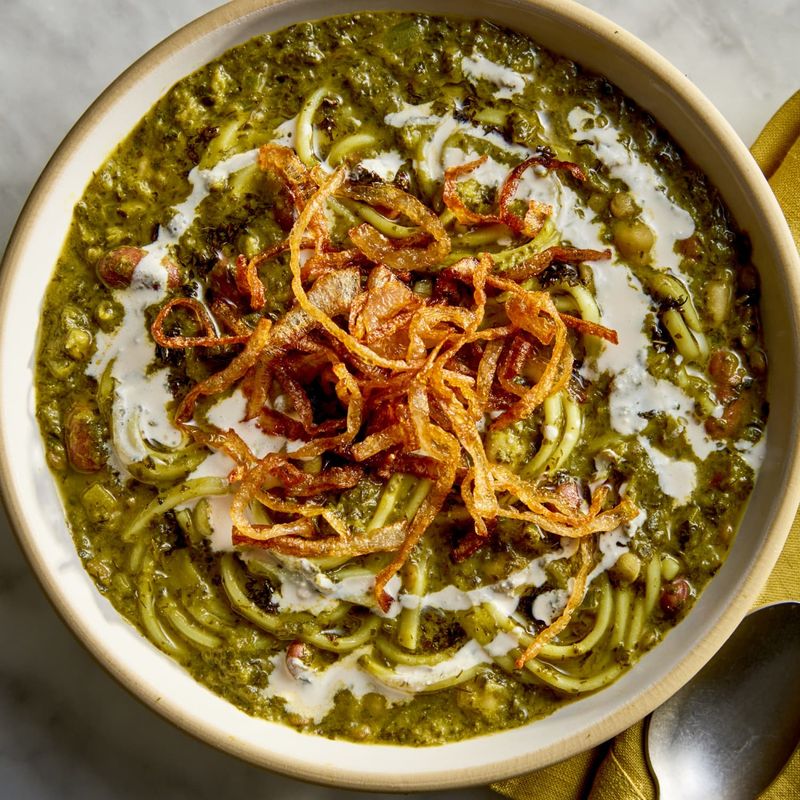
Persian New Year, called Nowruz, often begins with a big pot of ash reshteh. Noodles in the soup are said to bring good luck.
It is packed with beans, lentils, spinach, parsley, and thick noodles. A tangy dairy topping called kashk swirls across the surface.
The final drizzle of fried mint and onions makes it look like art. Honestly, it tastes as beautiful as it looks.
14. Egusi Soup (Nigeria)
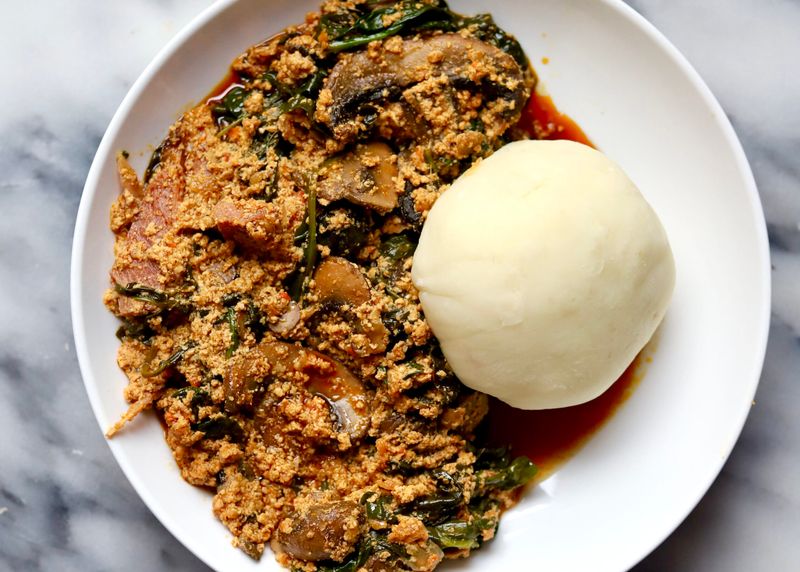
Melon seeds are the secret star of egusi, one of Nigeria’s most loved dishes.
The seeds are ground and cooked with palm oil, leafy greens, peppers, and meat or fish. The result is thick, nutty, and slightly crumbly, almost like a stew.
Nigerians scoop it up with pounded yam or fufu, using their fingers instead of spoons. Try eating it that way for a truly authentic meal.
15. Sopa de Lima (Mexico)
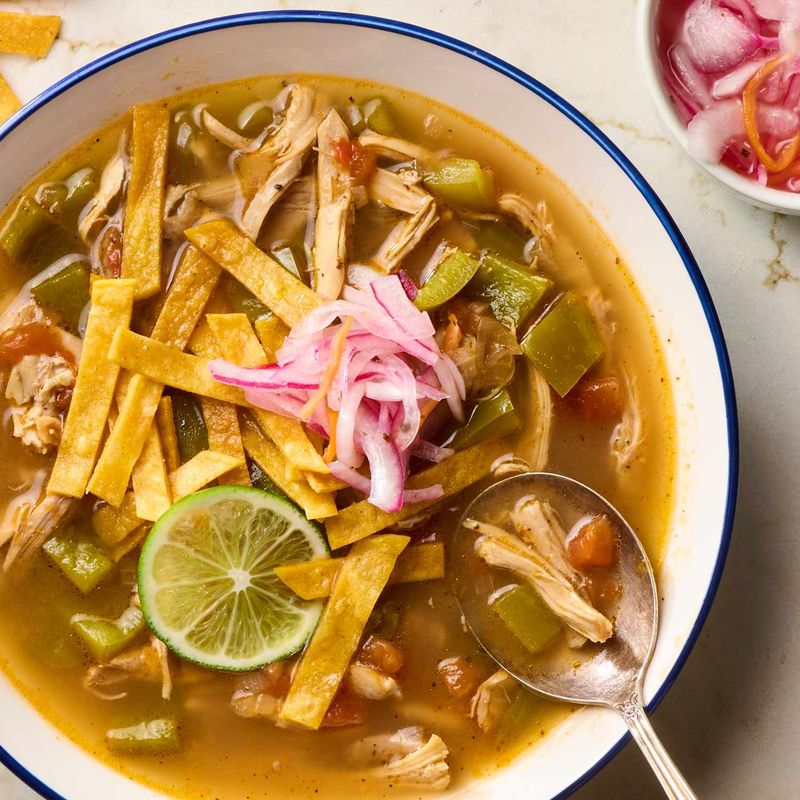
Travelers visiting Mérida, Mexico, often fall hard for one particular bowl: sopa de lima.
It is a chicken soup flavored with a special local lime that smells floral and sweet. Shredded chicken, tomatoes, and spices fill the broth.
Crispy tortilla strips go on top right before serving, adding crunch. Cannot find Yucatán limes at home?
Mix regular lime juice with a bit of grapefruit to get close.
16. Kalakeitto (Finland)
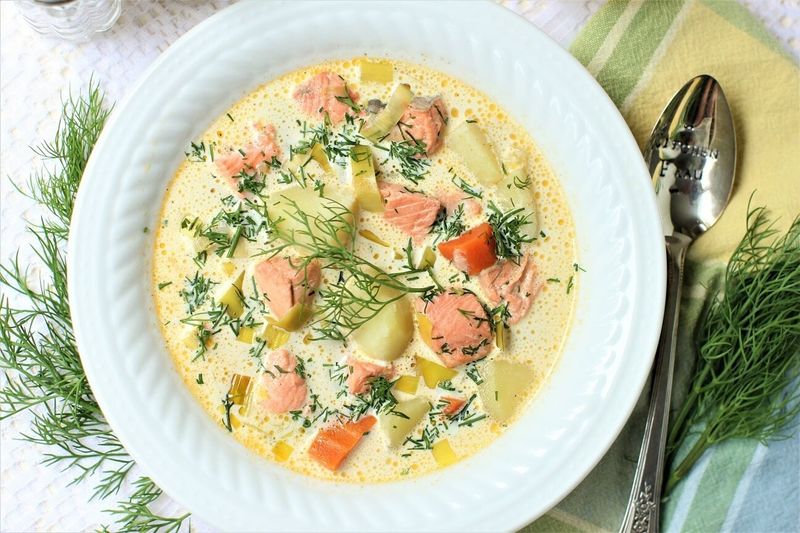
Finland has thousands of lakes, so it makes sense that fish soup is a national comfort food.
Kalakeitto features chunks of salmon, potatoes, leeks, and plenty of fresh dill in a creamy broth. Some versions skip the cream for a lighter taste.
Finns often enjoy it at summer cabins after a sauna. Simple ingredients make it beginner friendly, so it is a great soup to cook with your family.
17. Gazpacho (Spain)
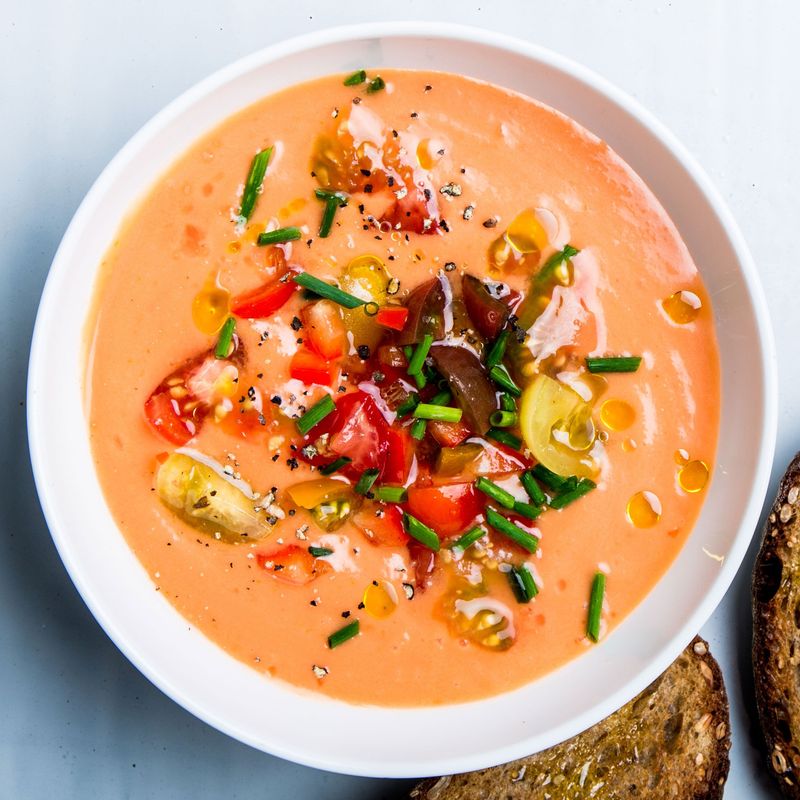
Here is a soup that never touches a stove. Gazpacho, from southern Spain, is blended raw and served ice cold.
Ripe tomatoes, peppers, cucumbers, garlic, olive oil, and bread are whizzed together until smooth. Some Spaniards even drink it from a glass.
Farm workers first made it to stay cool in scorching fields. Make a batch in summer when tomatoes are juicy and sweet for the best flavor.
18. Tom Kha Gai (Thailand)
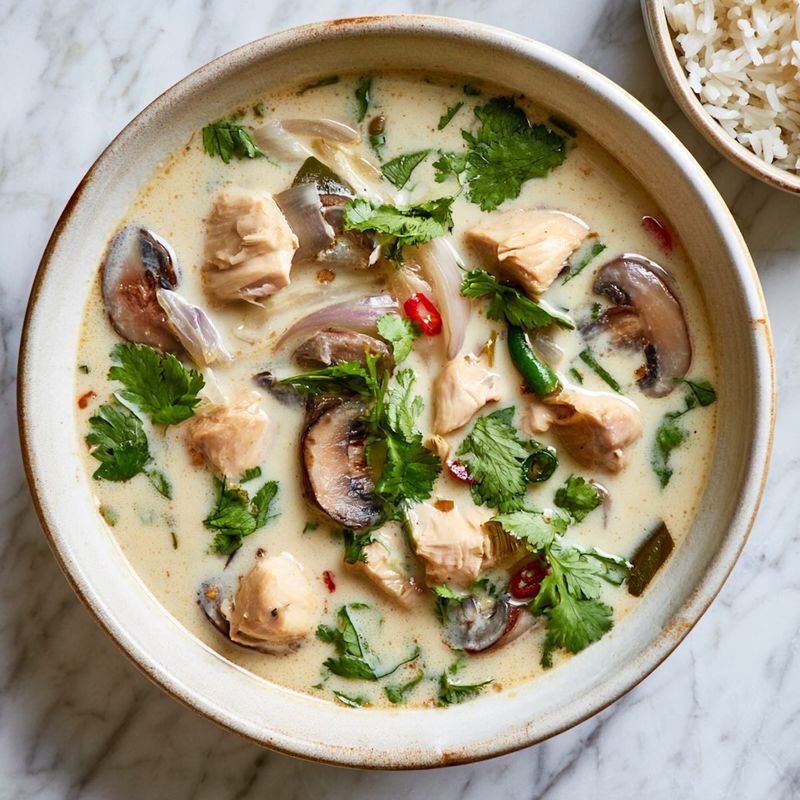
Creamy, sour, spicy, and a little sweet, tom kha gai hits every flavor at once.
Coconut milk forms the base, while galangal, lemongrass, and lime leaves add a fresh, almost perfumed smell. Chicken and mushrooms make it filling.
Quick tip: the big pieces of galangal and lemongrass are there for flavor, not for chewing. Push them aside and enjoy the silky broth with steamed jasmine rice.
19. Halászlé (Hungary)
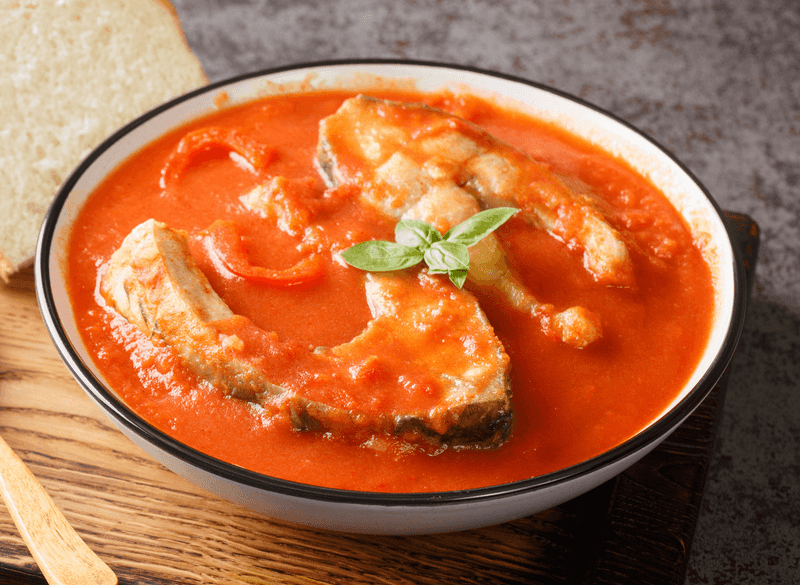
Along the Danube River, Hungarian fishermen once cooked their catch in kettles over open fires. That tradition gave birth to halászlé.
This fiery red soup gets its color from loads of paprika. Carp or catfish is the usual fish, simmered with onions and hot peppers.
On Christmas Eve, many Hungarian families make it the centerpiece of dinner. Be ready for some heat, and keep bread nearby to cool your tongue.