
The 1970s gave us some of the most unforgettable TV characters ever put on screen. Some were lovable, some were funny, and some were just plain hard to watch.
Whether they were rude, selfish, offensive, or just plain annoying, these characters had a special talent for testing the patience of viewers week after week. Here are 19 characters from that era who could really get under your skin.
1. J.R. Ewing (‘Dallas’)
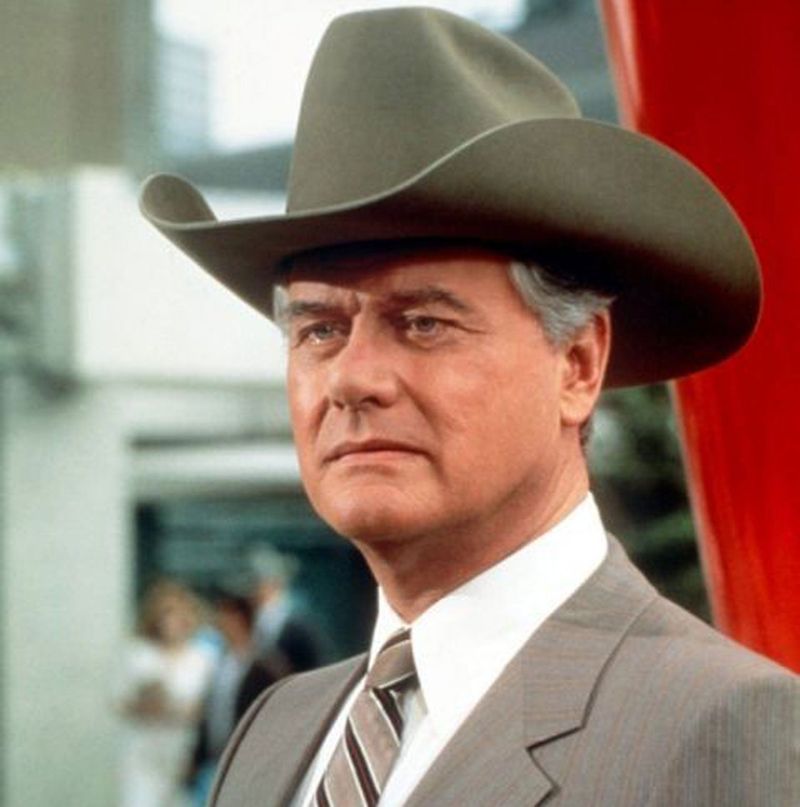
Few TV villains were as slick and shameless as J.R. Ewing from ‘Dallas.’ He lied, cheated, and manipulated everyone around him without a hint of remorse.
Fans loved hating him so much that his attempted murder became one of the biggest TV moments of 1980.
J.R. treated people like chess pieces, always plotting his next power move. His charm made him watchable, but his cruelty made him exhausting.
He was the kind of character you rooted against every single episode.
2. Archie Bunker (‘All in the Family’)
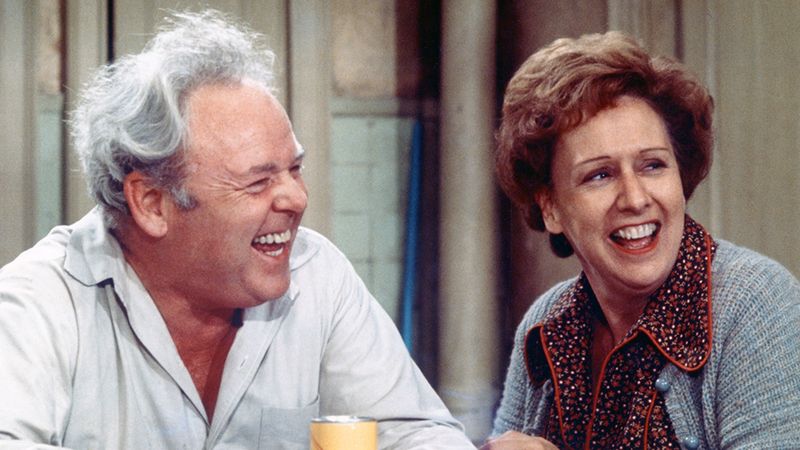
Archie Bunker was the king of the living room recliner and the king of offensive opinions. His bigoted views and constant put-downs of his family made him genuinely uncomfortable to watch at times.
Still, the show used his character to shine a light on real prejudices in American society.
Watching Archie yell at his son-in-law or belittle his wife could be exhausting. He was meant to make viewers cringe, and he did that job perfectly every week.
3. Major Frank Burns (‘M*A*S*H’)
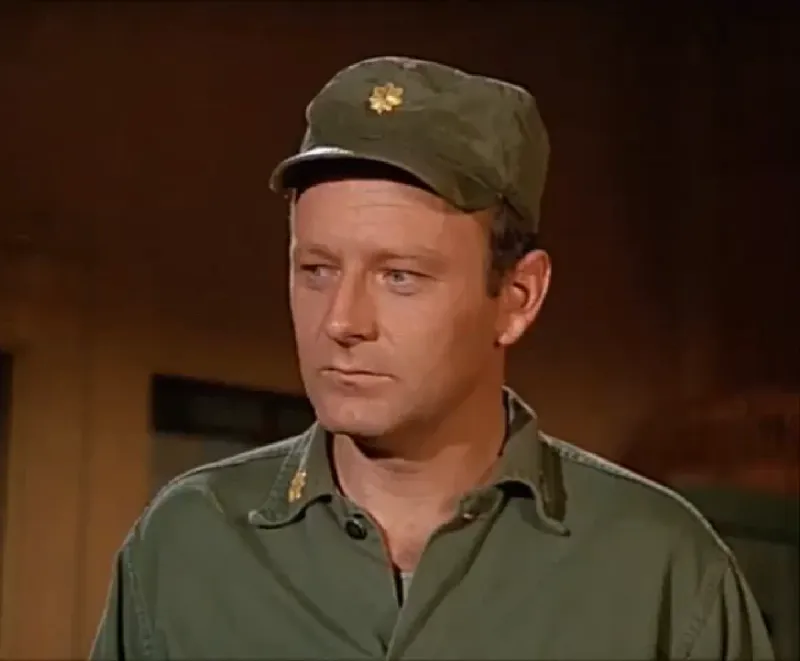
Major Frank Burns was the guy nobody wanted on their team. He was arrogant, cowardly, and shockingly bad at his job as a surgeon, which made every scene he appeared in feel like a slow-motion disaster waiting to happen.
His constant attempts to report Hawkeye and Trapper to the brass made him the ultimate tattletale. Fans called him a walking punchline, and honestly, that description is spot-on.
Larry Linville played him so well that viewers genuinely despised him.
4. George Jefferson (‘The Jeffersons’)
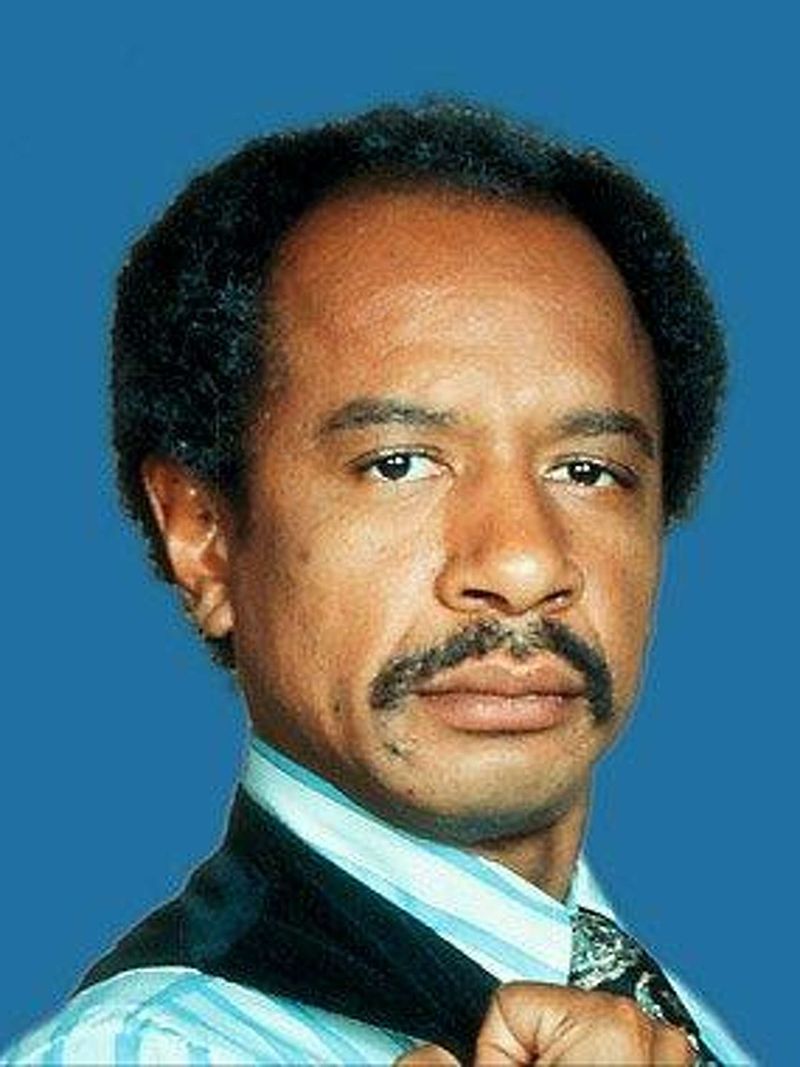
George Jefferson had a mouth that moved faster than his common sense. His sharp insults and quick temper made him a constant source of tension in nearly every episode of ‘The Jeffersons.’ He rarely missed a chance to put someone down or start an argument.
Despite being successful, George never seemed satisfied. His ego was enormous, and his willingness to ridicule anyone within earshot could wear viewers thin.
Still, Sherman Hemsley brought so much energy that you just could not look away.
5. Fred Sanford (‘Sanford and Son’)
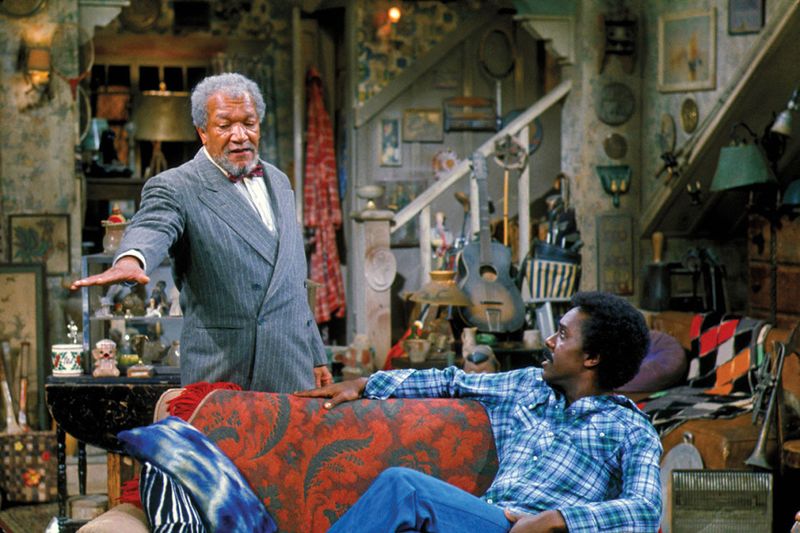
Fred Sanford was hilarious, but he could also be a lot. His famous fake heart attacks were funny the first few times, but he used that trick so often it became a running gag that even his son Lamont grew tired of.
Fred’s bigotry was also hard to ignore.
Redd Foxx gave Fred an undeniable charm that kept fans watching, but the character’s prejudiced remarks and selfish behavior made him genuinely frustrating. He was lovable and maddening in equal measure, sometimes within the same scene.
6. Louie De Palma (‘Taxi’)
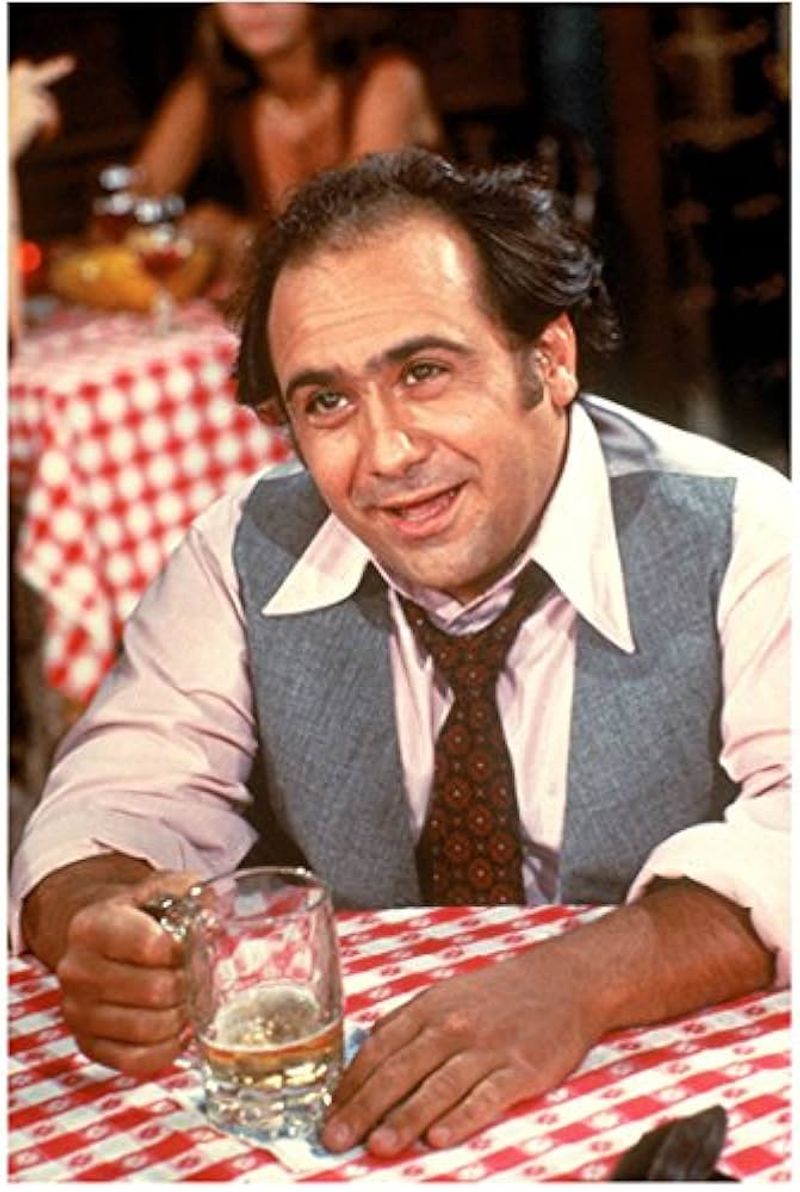
Louie De Palma ran his taxi garage like a tiny dictator with a grudge against everyone. He mocked immigrants, insulted female drivers, and treated his employees like they were beneath him at every possible opportunity.
Danny DeVito played him with such commitment that the nastiness felt completely real.
What made Louie so patience-testing was how much he seemed to enjoy being cruel. He was not just unpleasant by accident.
He worked at it. Watching him strut around that dispatcher cage was both funny and genuinely aggravating.
7. Jack Tripper (‘Three’s Company’)
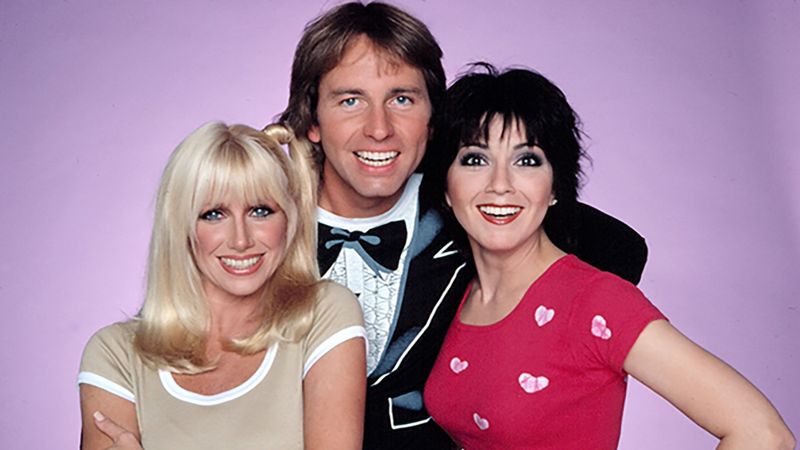
Jack Tripper’s entire living situation was built on a lie, and watching him maintain that deception episode after episode could be exhausting. The show leaned heavily on exaggerated stereotypes that feel cringe-worthy when viewed today, and Jack was right in the middle of all of it.
His treatment of women as objects of pursuit rather than real people also aged poorly. John Ritter was genuinely charming and funny, but the outdated premise surrounding his character made some episodes hard to sit through without rolling your eyes.
8. Boss Hogg (‘The Dukes of Hazzard’)
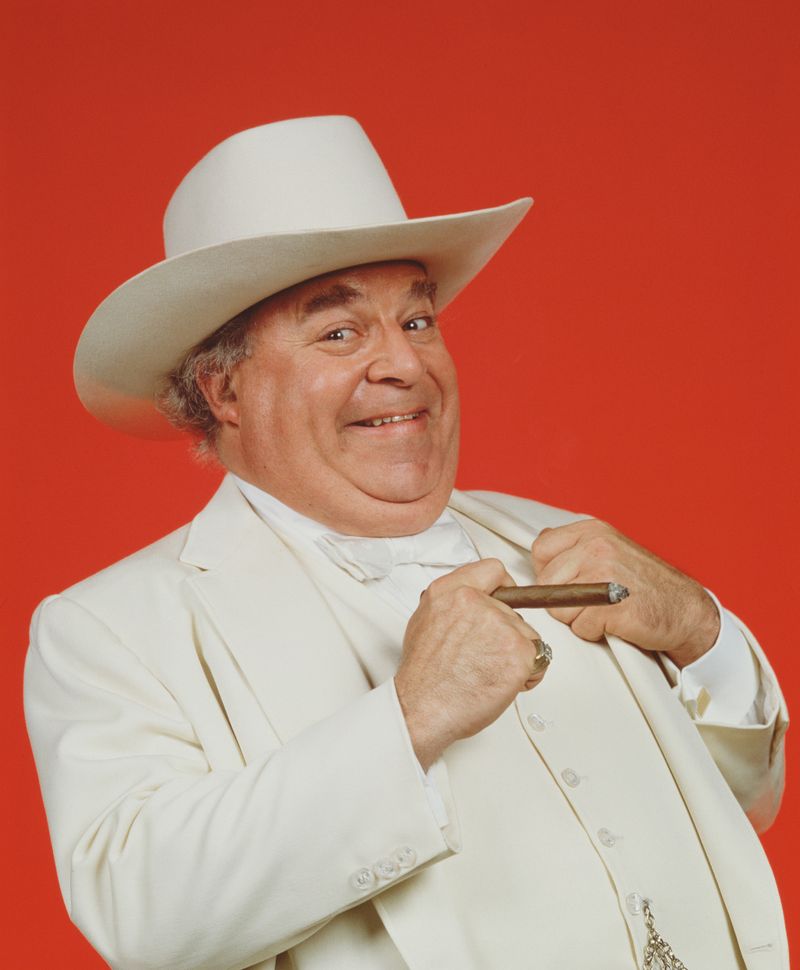
Boss Hogg was the kind of cartoon villain who never actually succeeded at anything, which somehow made him even more annoying. Week after week, he hatched ridiculous schemes to get rich or catch the Duke boys, and week after week, he failed spectacularly.
His bumbling greed was almost impressive in its consistency.
Sorrell Booke played him with gleeful excess, but the repetitive nature of his plots made the character feel like a broken record. Fans who stuck around long enough could probably predict every scheme before it even started.
9. Ralph Furley (‘Three’s Company’)
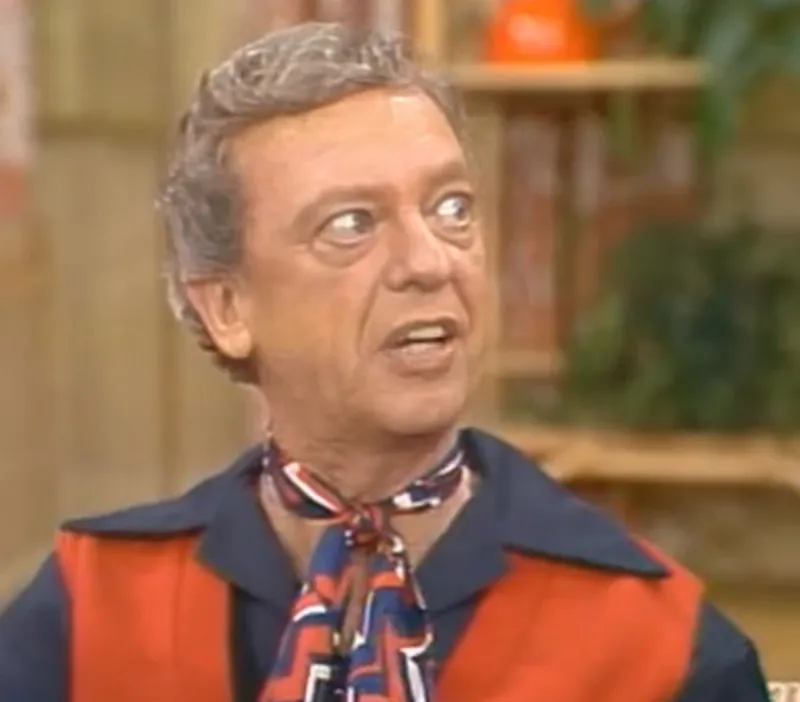
Ralph Furley replaced the Ropers as landlord on ‘Three’s Company,’ and while he brought a different kind of energy, his homophobic attitude toward Jack’s fake persona was uncomfortable even by the standards of the time. Don Knotts played him as a bumbling, self-important fool who never quite landed his jokes.
His constant suspicion and judgmental behavior made him tiresome as a recurring character. Furley thought he was cool, which made it even more painful to watch him stumble through scene after scene completely oblivious to how ridiculous he looked.
10. Ted Baxter (‘The Mary Tyler Moore Show’)
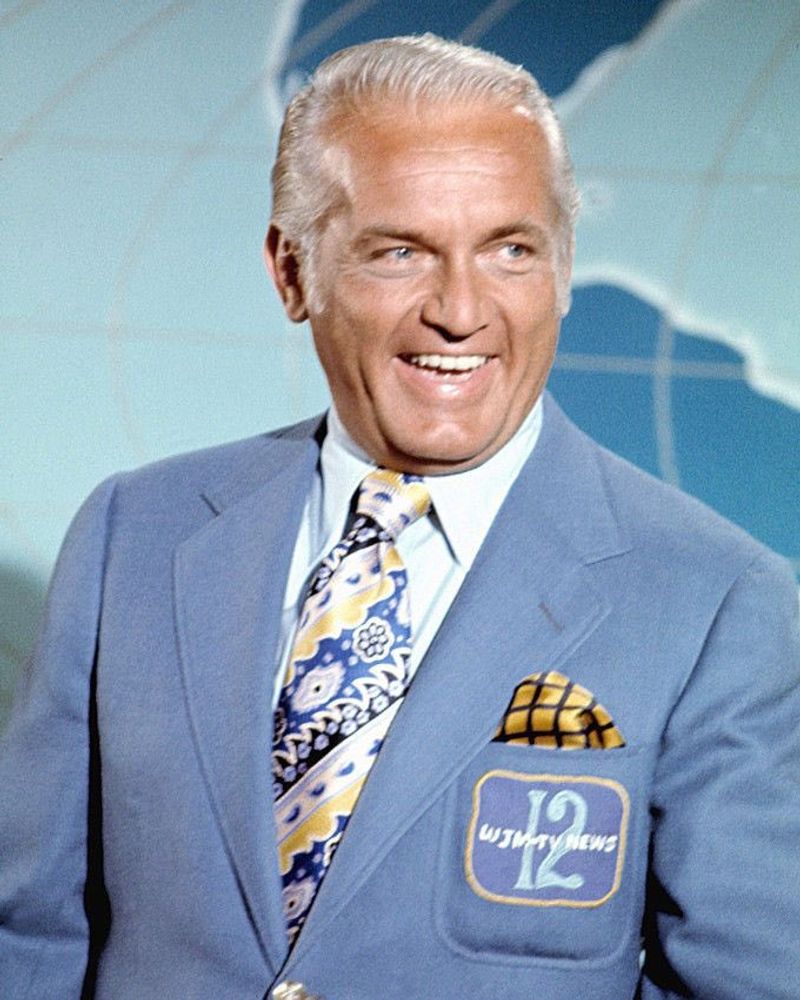
Ted Baxter was convinced he was the most important person in every room he entered, despite having almost no actual talent to back it up. His vanity was spectacular and relentless.
Ted Knight played him as a man completely blind to his own incompetence, which was both funny and deeply frustrating.
His inappropriate comments toward Mary and his encouragement of a coworker to cheat on his wife showed a darker side beneath the comedy. Ted was a walking reminder that confidence and ability do not always come packaged together.
11. Mel Sharples (‘Alice’)
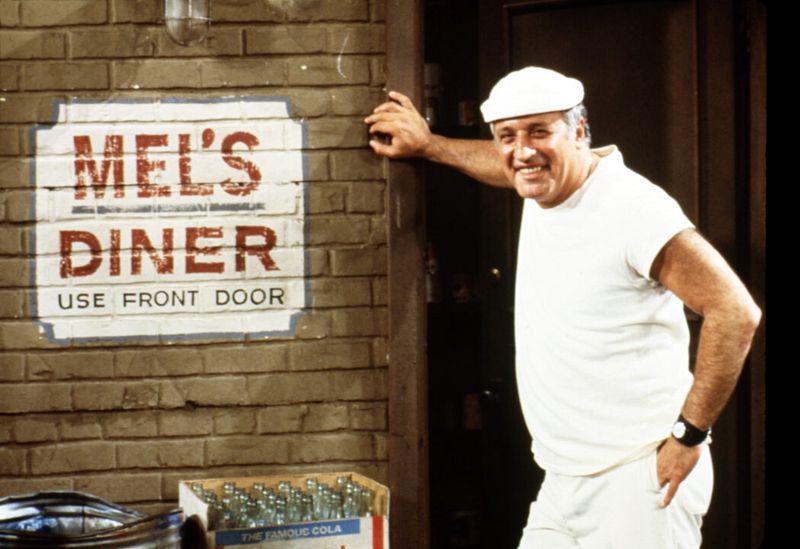
Mel Sharples ran his diner with a bark that was even worse than his bite. He constantly looked for ways to cut corners while simultaneously bossing around the waitresses who kept his place running.
Vic Tayback gave Mel a rough charm, but the character’s cheapness and dismissiveness wore thin quickly.
His relationship with Alice, Flo, and Vera was built on insults and impatience. Mel was not entirely without heart, but those softer moments were rare enough that his grumpy default setting dominated almost every episode he appeared in.
12. Phyllis Lindstrom (‘The Mary Tyler Moore Show’ and ‘Phyllis’)
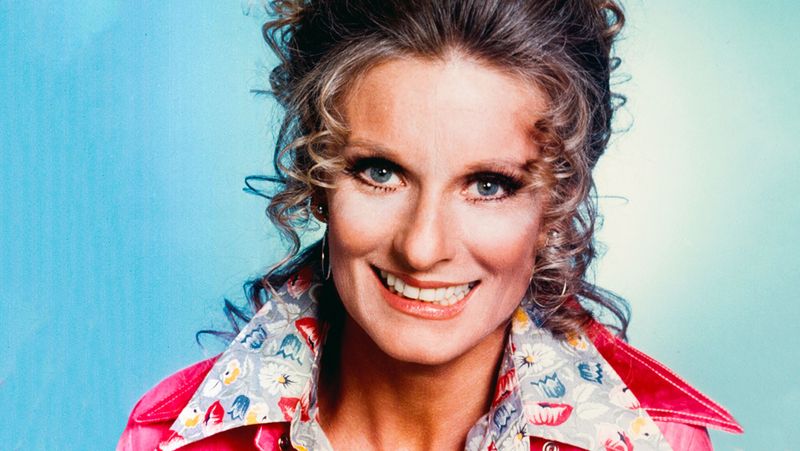
Phyllis worked as a scene-stealing supporting character on ‘The Mary Tyler Moore Show,’ but giving her the spotlight in her own spin-off revealed how exhausting her personality really was. Her self-centeredness and dramatic flair, charming in small doses, became suffocating when stretched across entire episodes.
Cloris Leachman won awards for the role, and her talent was never in question. But Phyllis as a lead character lacked the balance that Mary’s show provided.
Without other strong personalities to play off of, her neurotic tendencies just felt like too much to handle.
13. Gloria Stivic (‘All in the Family’)
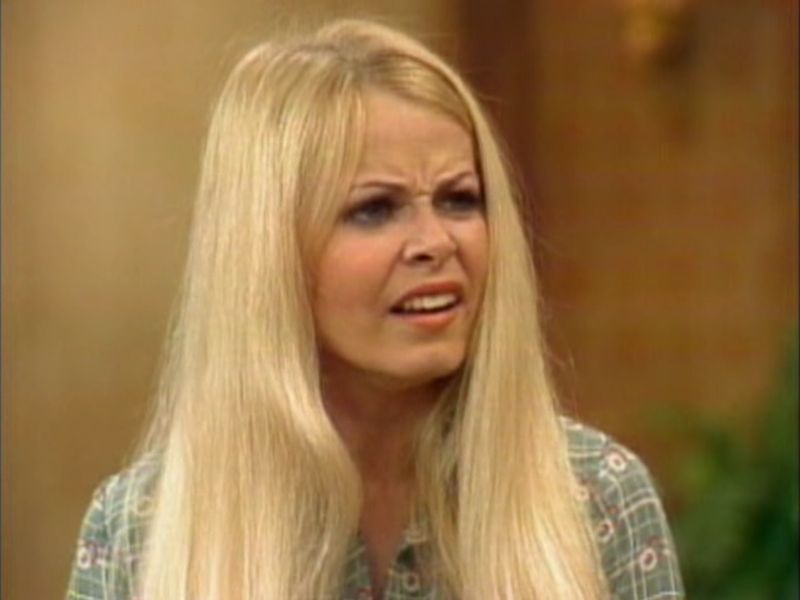
Gloria Stivic was a fan favorite on ‘All in the Family,’ defined by her arguments with Archie and her relationship with Mike. When she got her own spin-off, something important was lost.
Stripped of those family dynamics, Gloria felt like a different character entirely, and longtime fans noticed immediately.
Sally Struthers did her best with the material, but Gloria without Archie was like a puzzle missing its most interesting piece. The spin-off struggled to give her a strong enough identity to stand on her own two feet.
14. Flo Castleberry (‘Alice’)
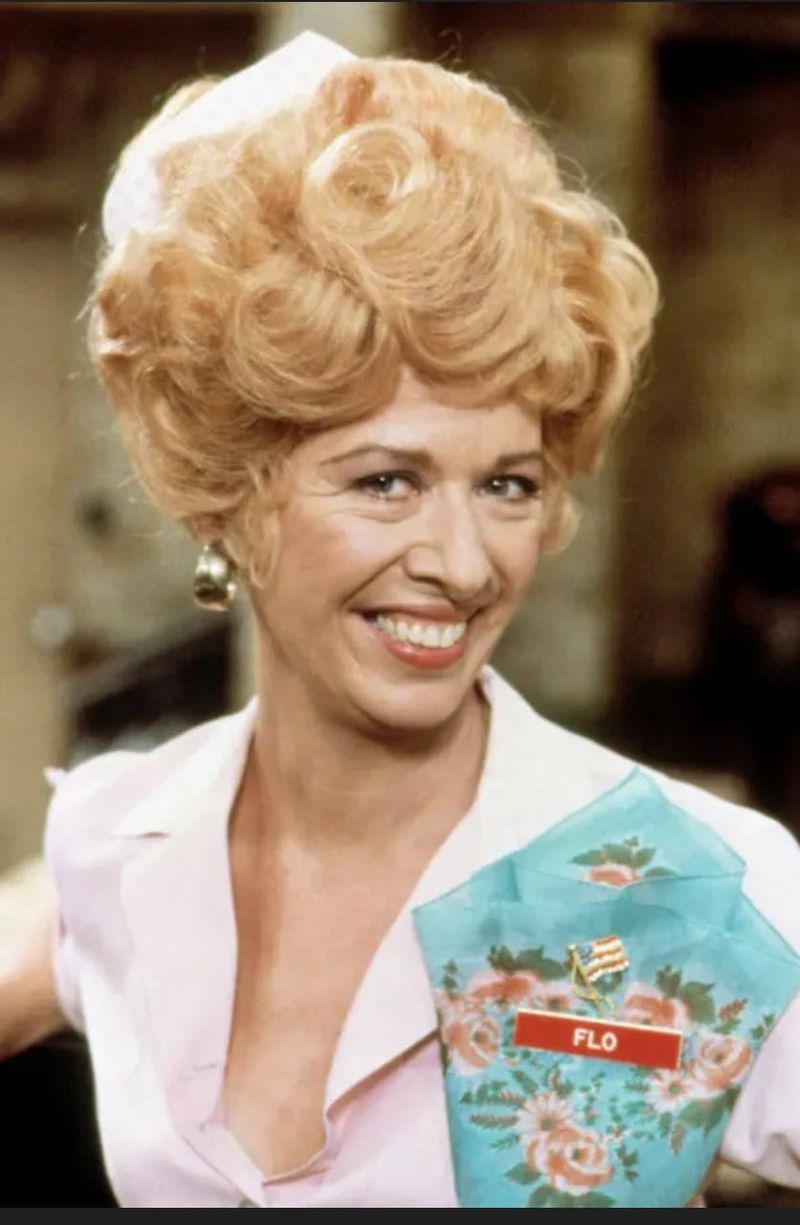
Flo was the breakout star of ‘Alice,’ famous for her sharp one-liners and feisty comebacks. But when she got her own spin-off, something about her magic faded.
Being the boss changed the dynamic, and the charm that made her so fun in the ensemble cast did not carry the same punch solo.
Polly Holliday was a talented actress, but Flo’s personality worked best as a reaction to others around her. On her own, the character felt less like a firecracker and more like someone trying too hard to recapture past glory.
15. Stanley Roper (‘Three’s Company’ and ‘The Ropers’)
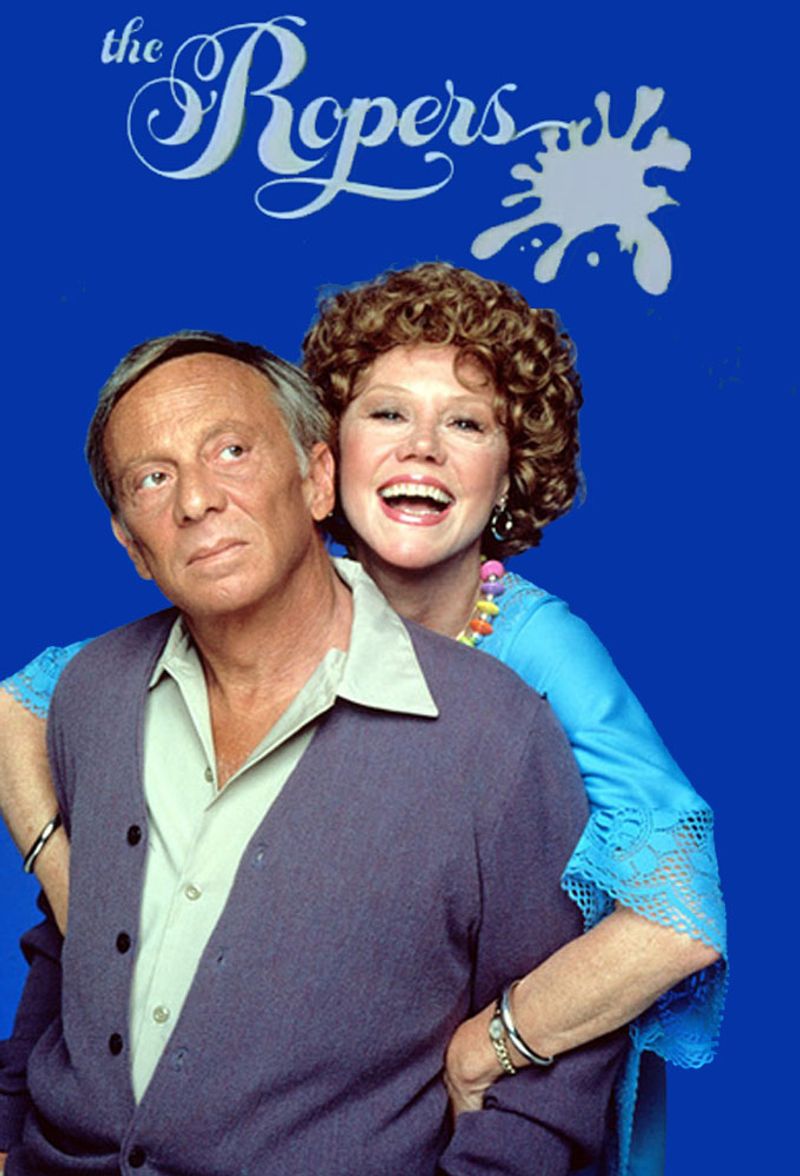
Stanley Roper was funny as a background character, mostly because his dry indifference to his wife’s romantic advances was a reliable running joke. But audiences quickly discovered he did not have enough personality to anchor an entire spin-off series on his own.
His homophobic remarks about Jack also aged badly. Norman Fell played him with deadpan ease, but deadpan only goes so far when you need a character to carry real dramatic weight. ‘The Ropers’ proved that some characters work best in the background.
16. Helen Roper (‘Three’s Company’ and ‘The Ropers’)
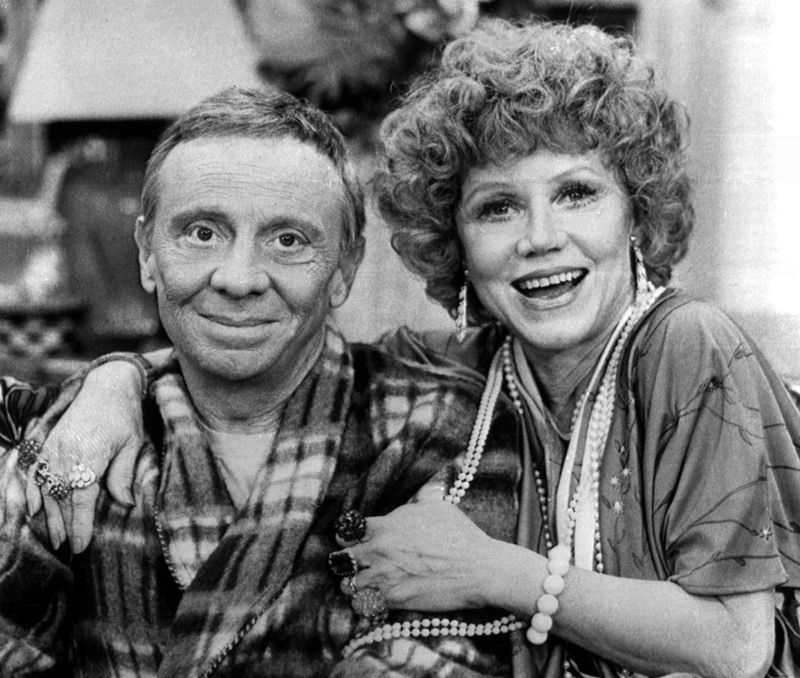
Helen Roper got more sympathy than her husband Stanley, mostly because her frustration with their loveless marriage was played for laughs in a way that felt almost sad. Audra Lindley brought real warmth to the role, but the character’s constant rejection storyline became repetitive over time.
When ‘The Ropers’ premiered, audiences realized that Helen’s charm depended heavily on the ‘Three’s Company’ setting. Without Jack, Janet, and Chrissy nearby, the Ropers felt stranded in a show that did not know what to do with them.
17. Carlton the Doorman (‘Rhoda’)
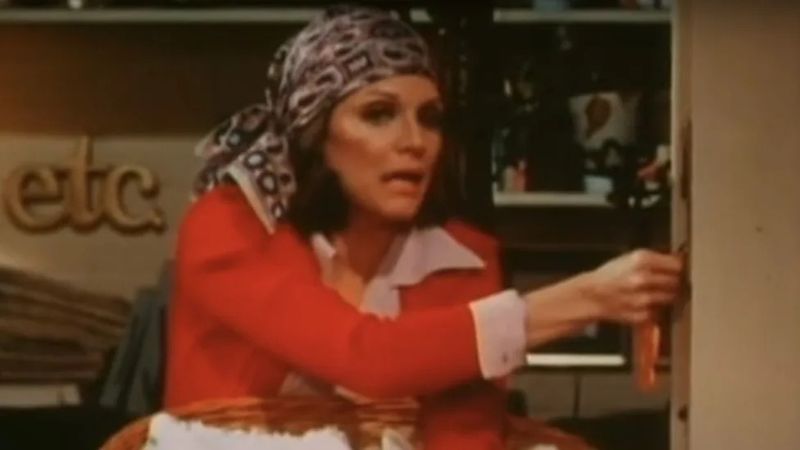
Carlton the Doorman on ‘Rhoda’ was a clever concept. Never seen on screen, he communicated only through an intercom, letting viewers imagine what he looked like.
His voice and jokes provided a unique running gag throughout the series that audiences initially found entertaining.
Rewatching those scenes today, some of Carlton’s humor reads less like classic sitcom wit and more like tired stereotype. The character’s comedy has not aged gracefully, and what once seemed quirky now feels like a shortcut to cheap laughs that modern viewers are quick to notice.
18. Freddie ‘Boom Boom’ Washington (‘Welcome Back, Kotter’)
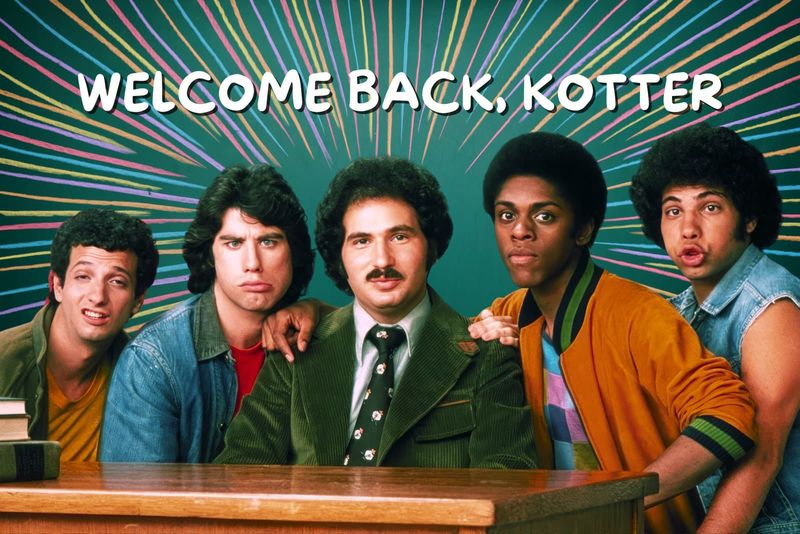
Freddie ‘Boom Boom’ Washington was one of the Sweathogs on ‘Welcome Back, Kotter,’ and Lawrence-Hilton Jacobs gave him plenty of energy. But looking back, the character leaned too heavily on broad racial caricature, reducing a young Black student to a collection of exaggerated traits rather than a fully developed person.
The show was a product of its time, and that context matters. Still, modern viewers watching old episodes often notice how one-dimensional Freddie feels compared to characters on today’s TV.
His portrayal says more about 1970s Hollywood than about real people like him.
19. Juan Epstein (‘Welcome Back, Kotter’)
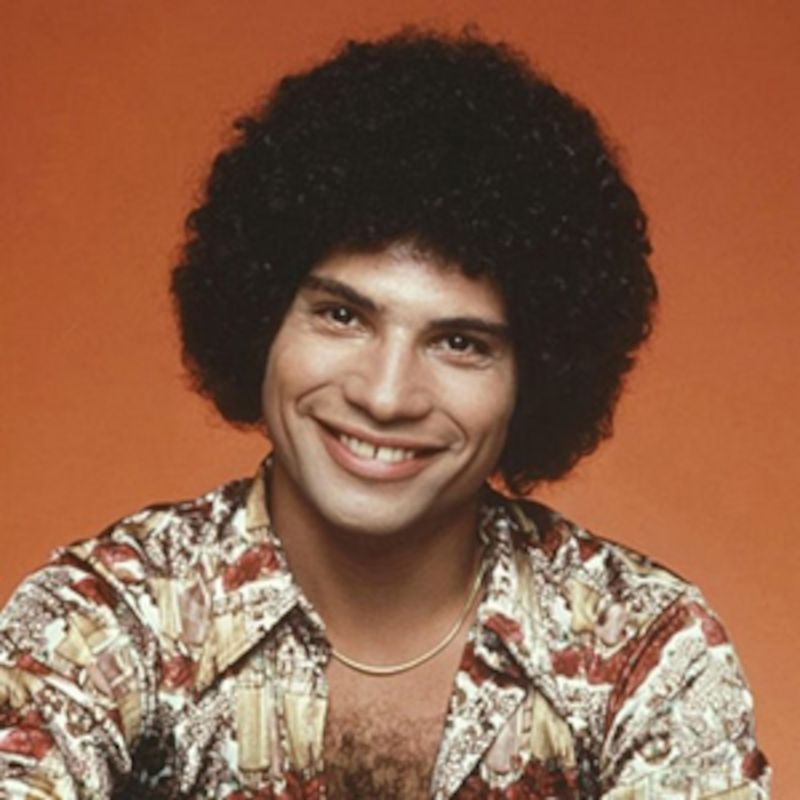
Juan Epstein was famous for his endless supply of fake excuse notes, always signed ‘Epstein’s Mother.’ Robert Hegyes played him with genuine comedic timing, and those notes became one of the show’s signature gags. But beyond that running joke, Juan’s character was mostly defined by ethnic stereotypes.
His Puerto Rican and Jewish heritage was played for broad laughs rather than explored with any real depth. That approach might have passed without much scrutiny in 1975, but revisiting those episodes today makes it clear how much the show relied on caricature over authentic storytelling.