
The 1970s were a wild, colorful decade full of disco balls, bell-bottoms, and big changes that shaped the world we live in today. But while everyone remembers the fashion and the music, plenty of fascinating things slipped right under our noses.
From the birth of video games to major shifts in politics and culture, the ’70s were far more groundbreaking than most people give them credit for. Get ready to see that decade in a whole new light.
1. The HP-35: The Calculator That Fit in Your Pocket
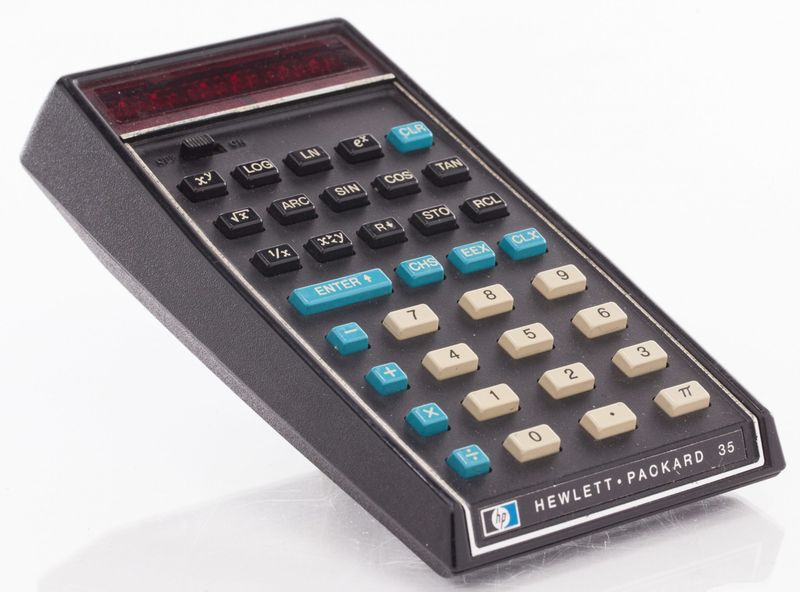
Before the HP-35 came along in 1972, scientists and engineers had to lug around bulky slide rules to do complex math. Hewlett-Packard changed everything by shrinking all that power into a device that fit in your shirt pocket.
At $395 — nearly $2,700 in today’s money — it was pricey, but it sold out fast. It was the first scientific calculator you could hold in one hand, and it quietly started a revolution in how people solved problems on the go.
2. Floppy Disks Were Actually Kind of a Big Deal
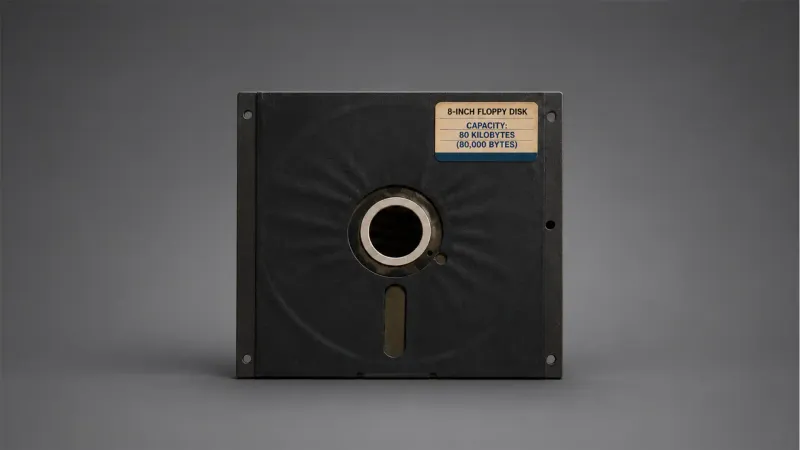
Floppy disks might seem laughable now, but back in the ’70s, they were nothing short of magical. For the first time, people could store computer data on a thin, flexible disk and carry it from place to place.
IBM introduced the 8-inch floppy in the early ’70s, and it quickly became a staple in offices and labs. The idea that information could be portable was brand new — and it quietly laid the groundwork for every USB drive and cloud storage system we use today.
3. Video Games Were Born — And Nobody Fully Noticed
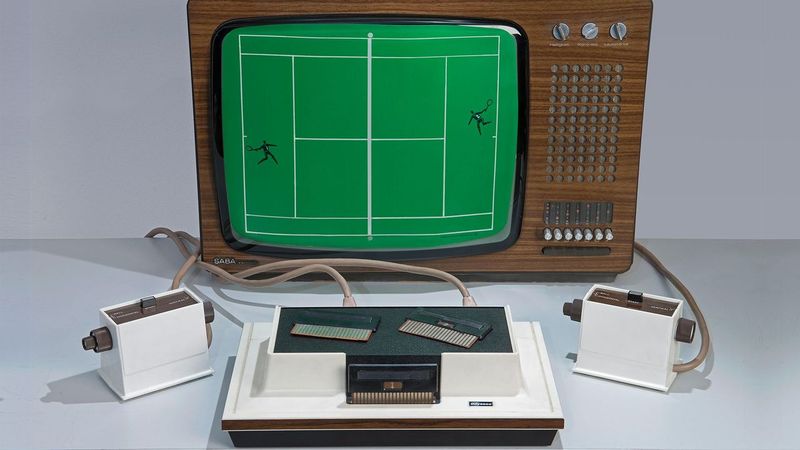
In 1972, two major things happened in gaming: the Magnavox Odyssey — the world’s first commercially available home video game console — hit store shelves, and Pong became a smash hit in arcades. Most adults shrugged it off as a toy fad.
Nobody predicted this would become a multi-billion-dollar industry. Kids who spent hours glued to those early screens were actually witnessing the birth of an entirely new form of entertainment that would one day rival Hollywood itself.
4. The Sony Walkman Rewired How We Listen to Music
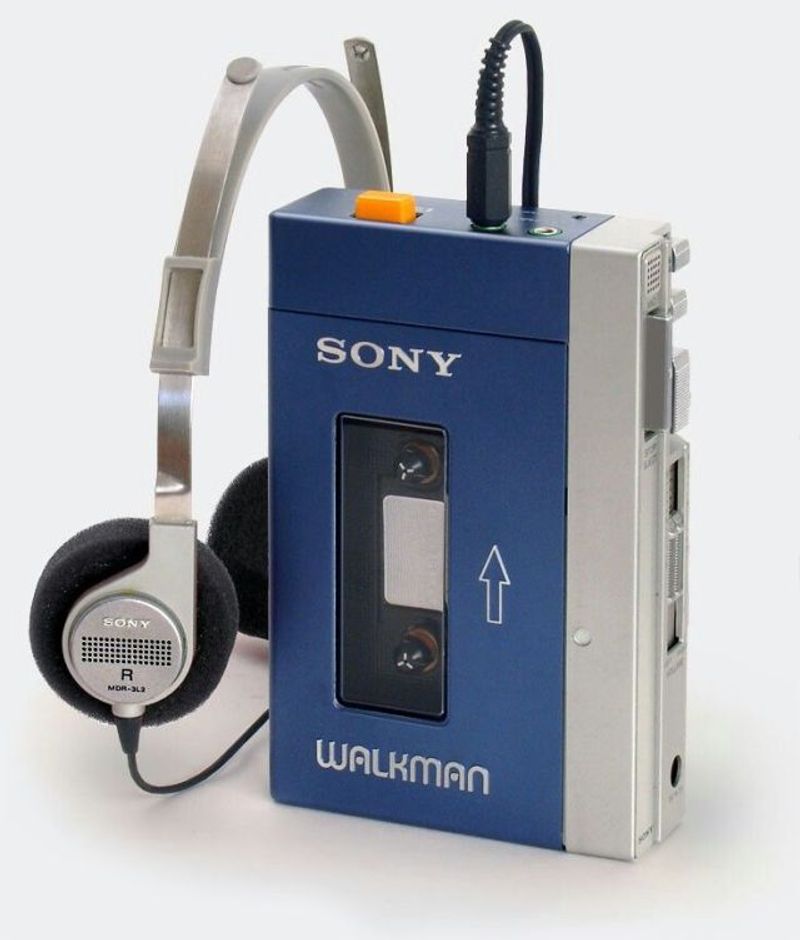
Music used to be something you experienced at home, at a concert, or in a car. Then Sony dropped the Walkman in 1979, and suddenly your favorite songs could follow you absolutely everywhere.
Joggers, commuters, and teenagers immediately fell in love with it. The concept of a “personal soundtrack” was born almost overnight.
It seems obvious now, but at the time, the idea that one person could privately listen to music while walking down a busy street was genuinely mind-blowing.
5. Earth Day Launched a Movement Millions Ignored Long-Term
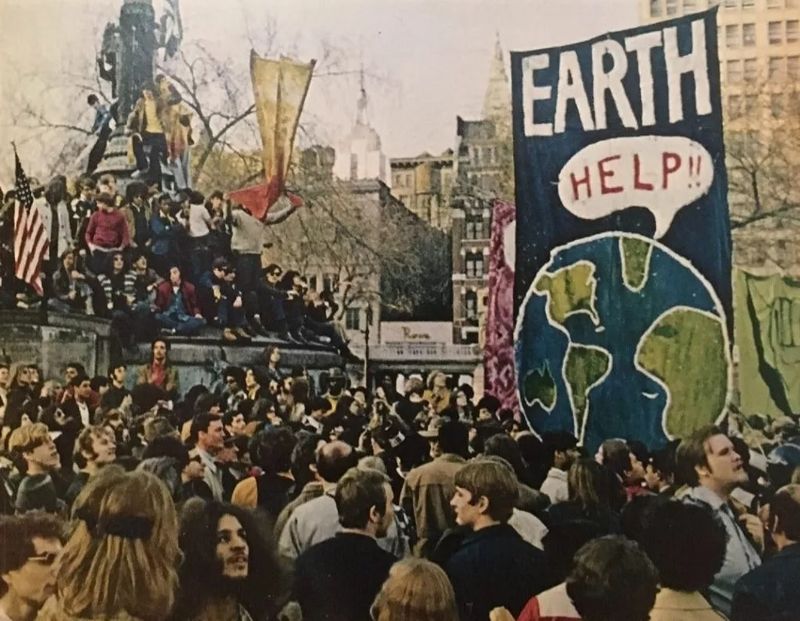
On April 22, 1970, roughly 20 million Americans poured into streets, parks, and campuses to celebrate the very first Earth Day. It was one of the largest civic demonstrations in U.S. history, and it pushed Congress to create the EPA and pass the Clean Air Act.
Despite that enormous momentum, many of the deeper environmental justice issues raised by communities of color were quietly sidelined. The mainstream movement celebrated big wins while smaller, equally urgent battles went largely unnoticed for decades afterward.
6. Polyester Was Literally Marketed as a Miracle Fabric
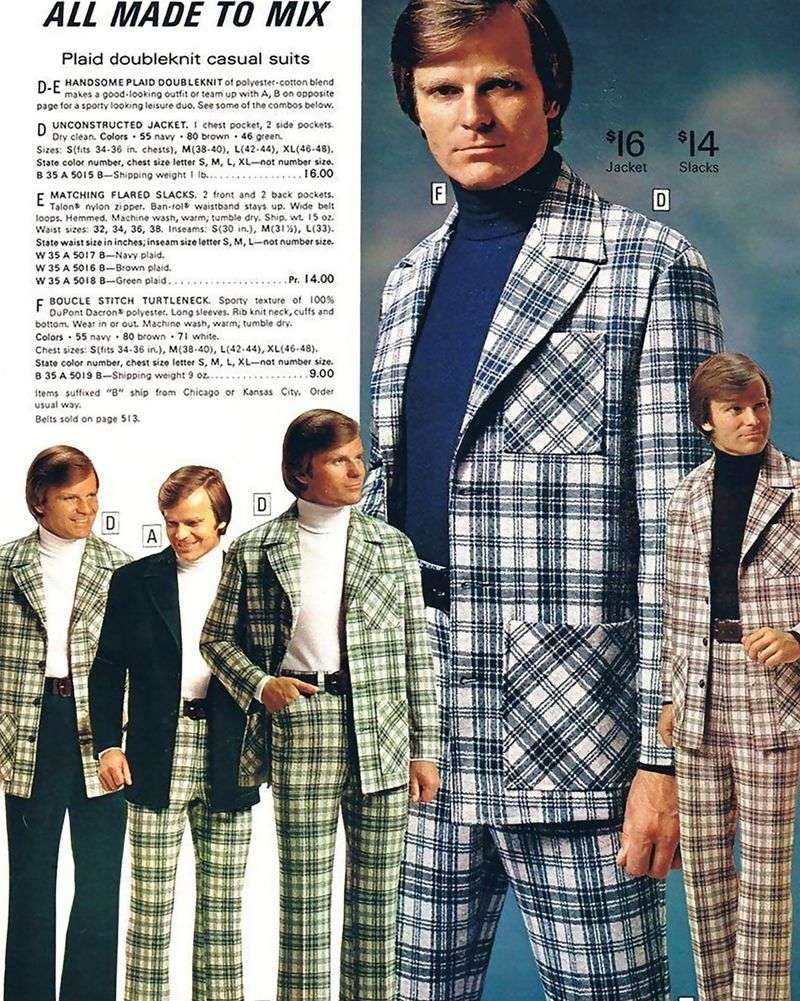
Polyester in the ’70s wasn’t just popular — it was aggressively celebrated. Manufacturers actually claimed you could wear polyester clothing for 68 days straight without ironing it.
Sixty-eight days! That was a genuine selling point people took seriously.
Cheap to produce, easy to care for, and available in every eye-scorching color imaginable, polyester became the fabric of an entire generation. Only later did people realize it trapped heat, felt sweaty, and looked increasingly ridiculous — but for a while, it was truly king.
7. Diane von Furstenberg’s Wrap Dress Changed Women’s Fashion Forever
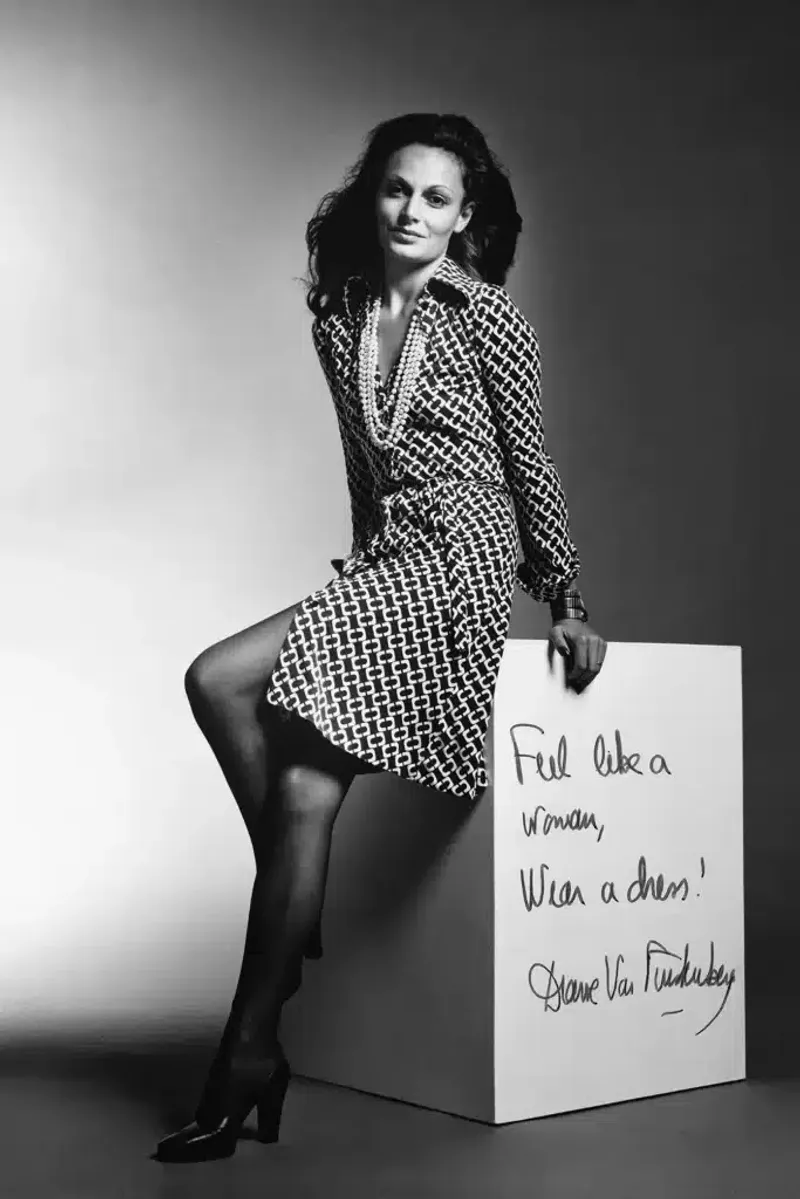
When Diane von Furstenberg introduced her wrap dress in 1974, she probably didn’t realize she was handing millions of women a wardrobe revolution. The dress was simple, flattering on nearly every body type, and incredibly easy to put on and take off.
It sold over five million copies in just two years. More than a fashion item, it became a symbol of female independence during a time when women were claiming new space in the workforce and public life.
Style had never felt so empowering.
8. Gay Rights Were Making Real Legal Strides Nobody Talked About
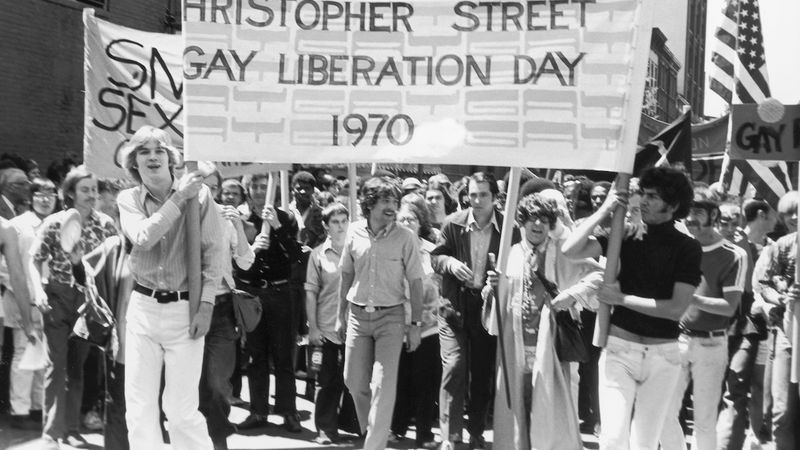
Most history books skim over it, but the early 1970s were a turning point for LGBTQ+ rights. The first gay rights marches happened in 1970, just one year after Stonewall, drawing crowds in New York, Los Angeles, and Chicago.
Then in 1973, the American Psychiatric Association officially removed homosexuality from its list of mental disorders — a massive, landmark decision. At the time, mainstream media barely covered it.
Looking back, it was one of the most significant civil rights moments of the entire decade.
9. Tracksuits Became Fashion Before Anyone Called It Athleisure
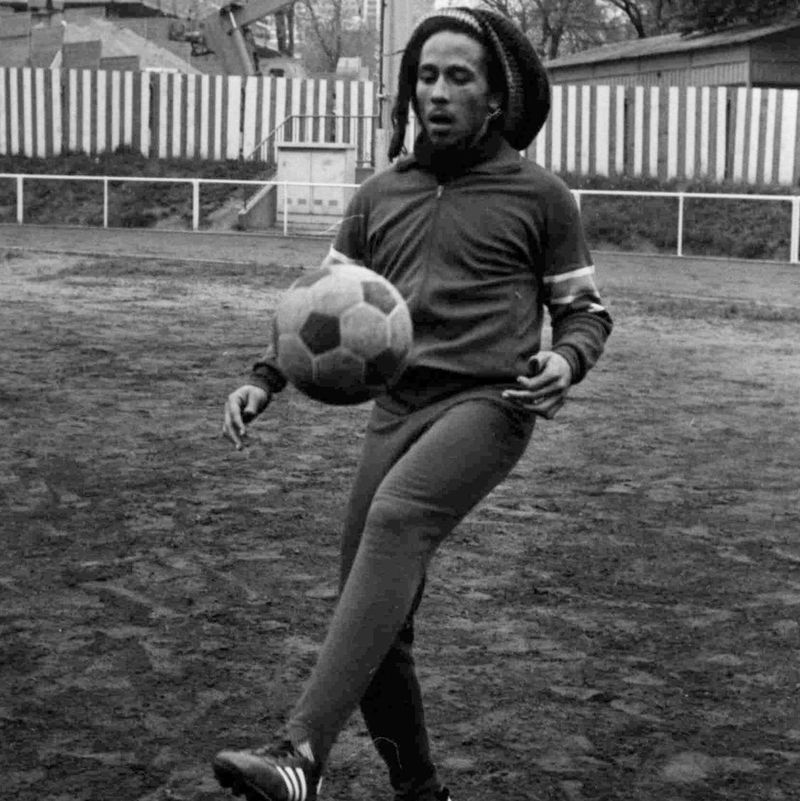
Long before gyms became social hubs and athleisure filled every clothing rack, the ’70s quietly started the whole trend. Running shoes and tracksuits began showing up not just on athletes, but on everyday people hitting the streets for casual errands.
Even musicians got in on it — Bob Marley was known for rocking athletic gear on stage. Nobody called it a “lifestyle brand” back then.
People just wanted to be comfortable, and without realizing it, they invented a fashion movement that would define the next 50 years.
10. Cigarette Smoke Was Everywhere — And That Was Normal
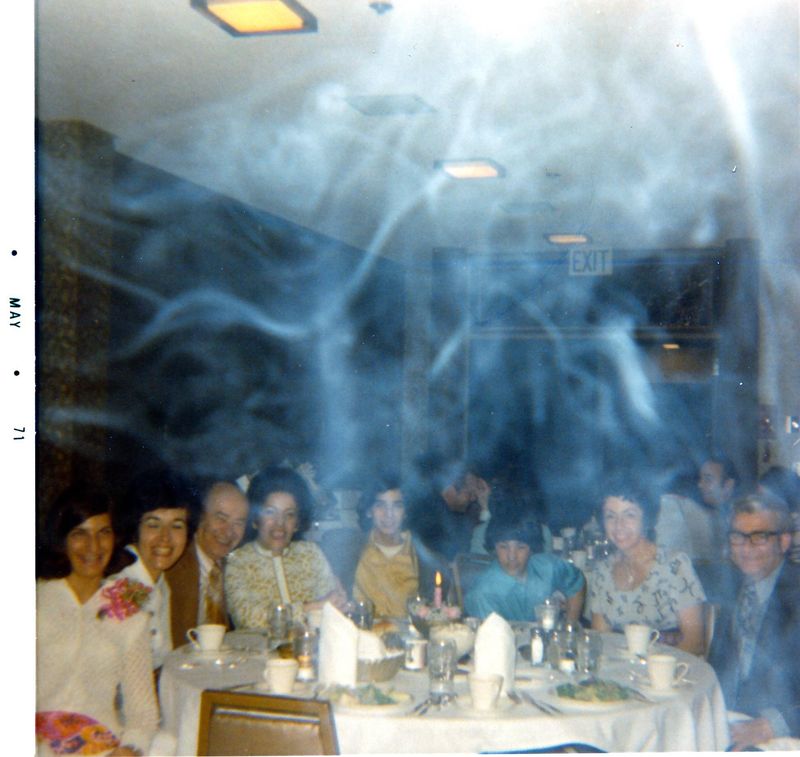
Hard as it is to imagine now, smoking indoors was completely normal throughout the ’70s. Restaurants, airplanes, hospitals, offices — you name it, someone was lighting up inside it.
There were no designated smoking sections in most places, just a general cloud everyone breathed together.
The Public Health Cigarette Smoking Act of 1970 did ban tobacco ads from TV and radio, which was a start. But actual restrictions on where people could smoke in public spaces wouldn’t gain serious traction for another decade or more.
11. Long-Distance Phone Calls Were a Weekend Luxury
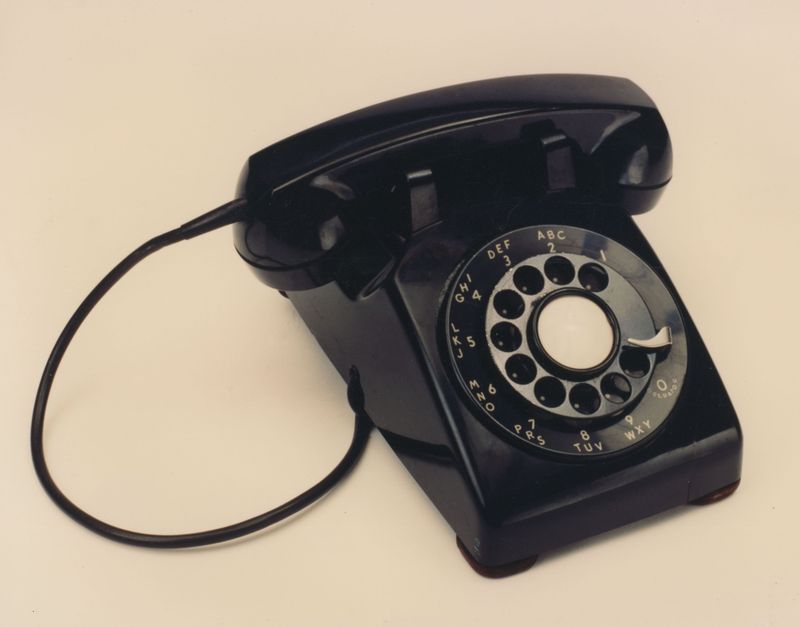
Calling someone who lived in another city or state used to require real planning. Long-distance rates were so expensive during the day that most families saved their calls for evenings or weekends when prices dropped.
A ten-minute call could cost what feels like a small fortune today.
People wrote letters, planned calls in advance, and kept conversations short to save money. The idea that you’d casually FaceTime someone across the country for free would have sounded like pure science fiction to anyone picking up a rotary phone in 1975.
12. Kids Roamed Freely Outside Without a Second Thought
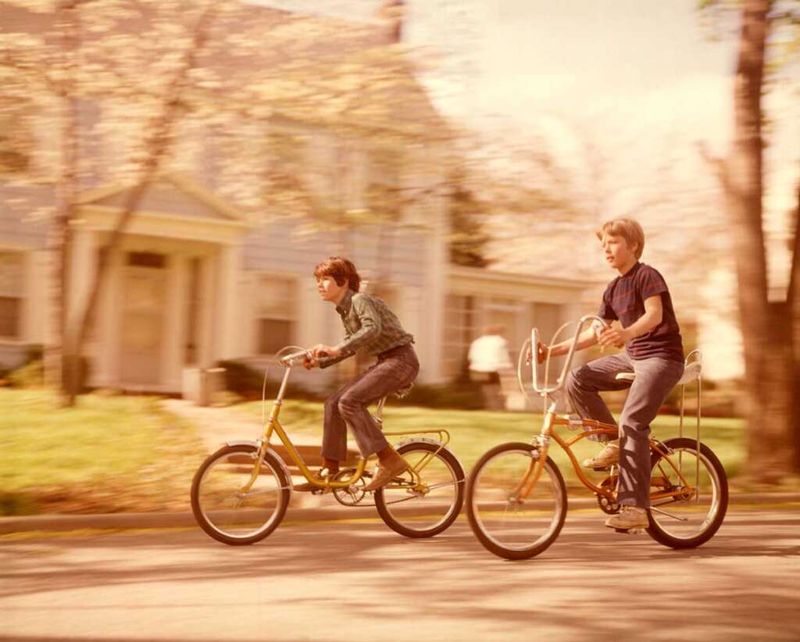
Ask anyone who grew up in the ’70s about their childhood, and you’ll likely hear the same story: Mom said be home by dark, and that was the only rule. Kids rode bikes for miles, explored woods, and built forts without a parent in sight.
There were no cell phones, no GPS, and no helicopter parenting. Somehow, most kids made it home just fine.
That kind of free-range childhood built independence and problem-solving skills that many experts today say modern kids are genuinely missing out on.
13. Yacht Rock Was a Real Genre Nobody Had a Name For Yet
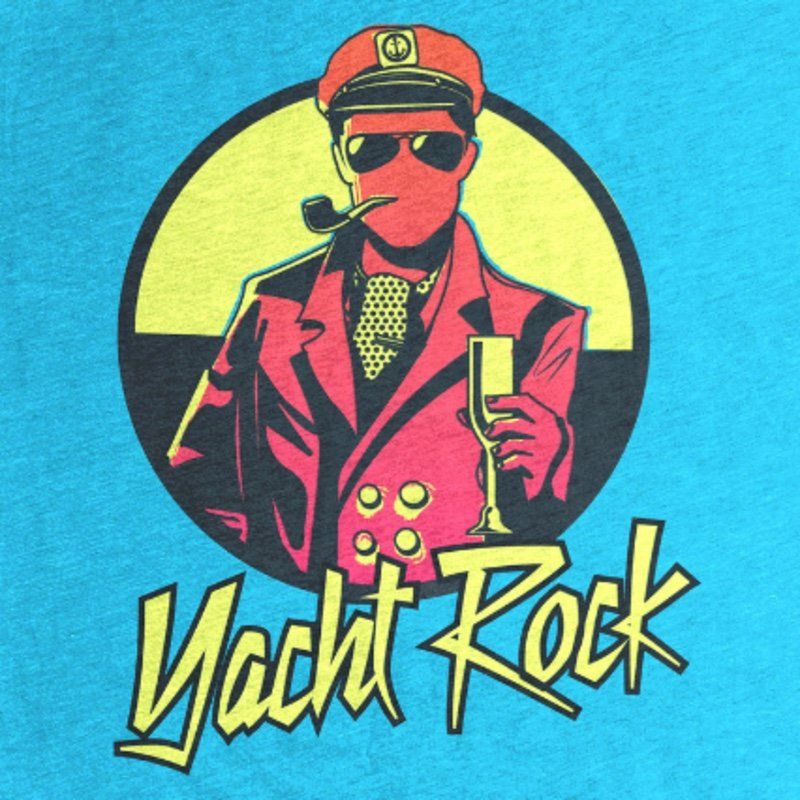
Steely Dan, The Doobie Brothers, Toto — these bands were everywhere on the radio in the late ’70s, but nobody quite had a label for their smooth, polished sound. The term “Yacht Rock” wasn’t coined until much later, but the genre was alive and thriving without anyone knowing what to call it.
Album covers often featured people lounging on boats, which in hindsight seems almost too on-the-nose. It was the soundtrack of suburban relaxation, and it’s made a surprisingly strong comeback with younger audiences in recent years.
14. Bizarre Music Subgenres Were Quietly Flourishing Underground
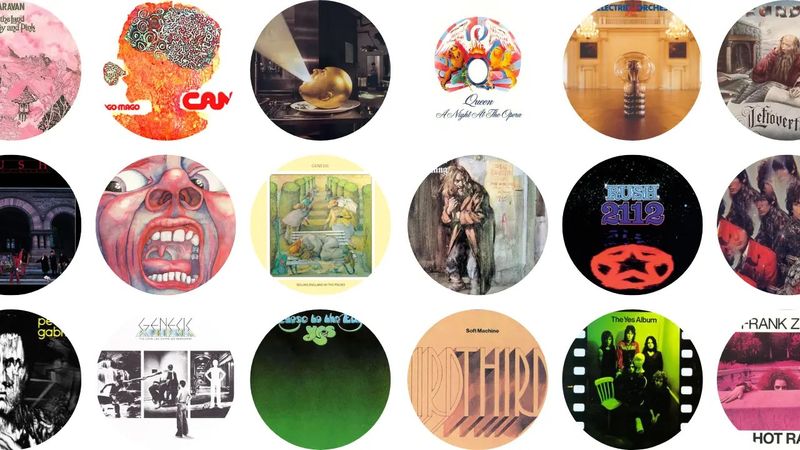
While disco and classic rock dominated the mainstream, some truly strange music was bubbling under the surface. Medieval Progressive Rock blended ancient instrumentation with electric guitars.
Mutant Disco twisted dance music into something almost unrecognizable. The Canterbury Scene produced jazz-influenced progressive rock that defied every category.
Most people had no idea these subgenres existed, and that was kind of the point. Fans passed around rare records like secret handshakes.
Today, music historians are still digging through this era and finding gems that never got their moment in the spotlight.
15. Hip-Hop Was Born, But Almost Nobody Noticed Yet
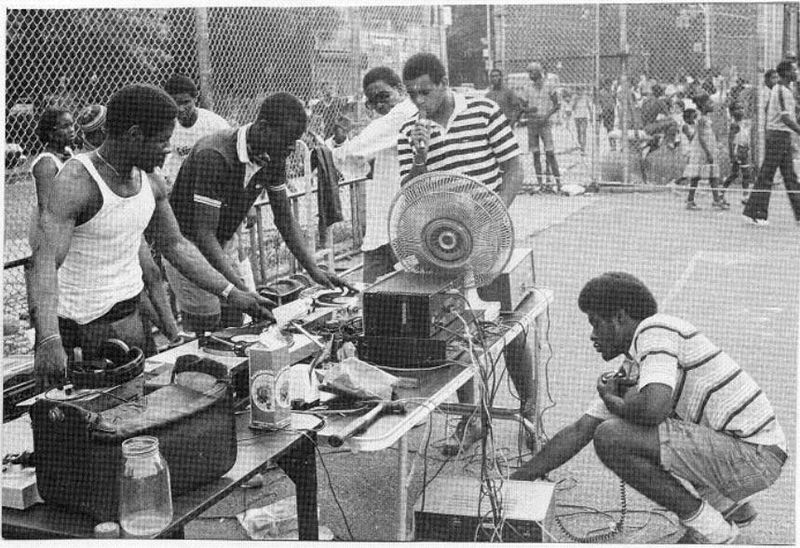
On August 11, 1973, DJ Kool Herc threw a back-to-school party in the South Bronx, and hip-hop was born. He isolated the percussion breaks in records and looped them — a technique that would eventually reshape global music culture.
At the time, it was just a neighborhood party trick.
Heavily influenced by disco and funk, early hip-hop stayed largely local throughout the decade. The world wouldn’t catch on until the 1980s, but everything that makes hip-hop what it is today was already taking shape on those Bronx sidewalks.
16. Americans Started Losing Trust in Government — And Meant It
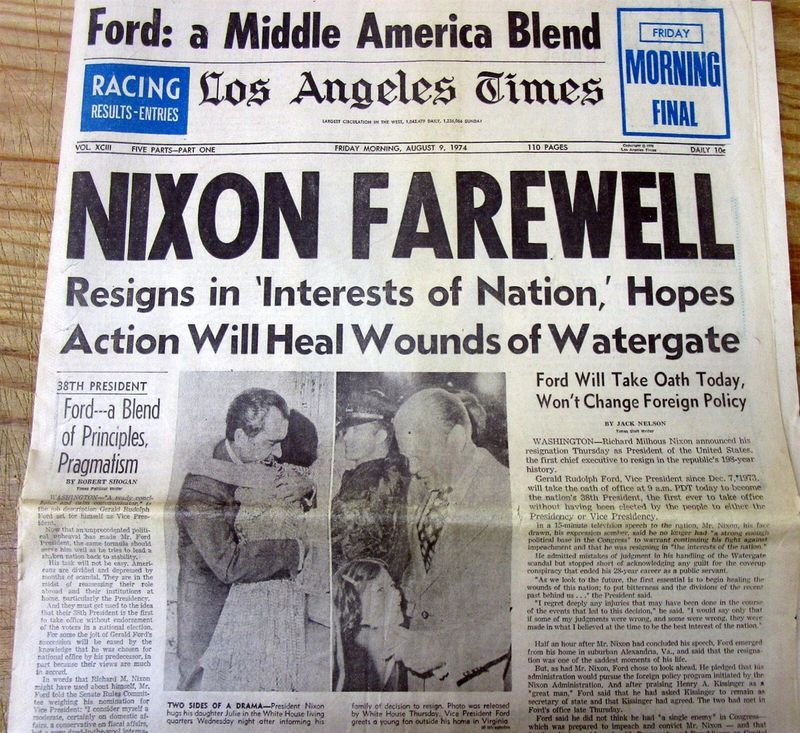
Watergate didn’t just bring down a president — it fundamentally changed how Americans felt about the people running the country. Before the ’70s, most citizens had a fairly basic trust in government institutions.
After Nixon resigned in 1974, that trust cracked wide open.
Combined with the lingering trauma of Vietnam, the decade pushed voters sharply toward demanding less government and more market freedom. That shift toward deregulation and skepticism of authority didn’t just define the ’70s — it set the political tone for everything that followed through the 1980s and beyond.
17. The Military Draft Quietly Ended in 1973
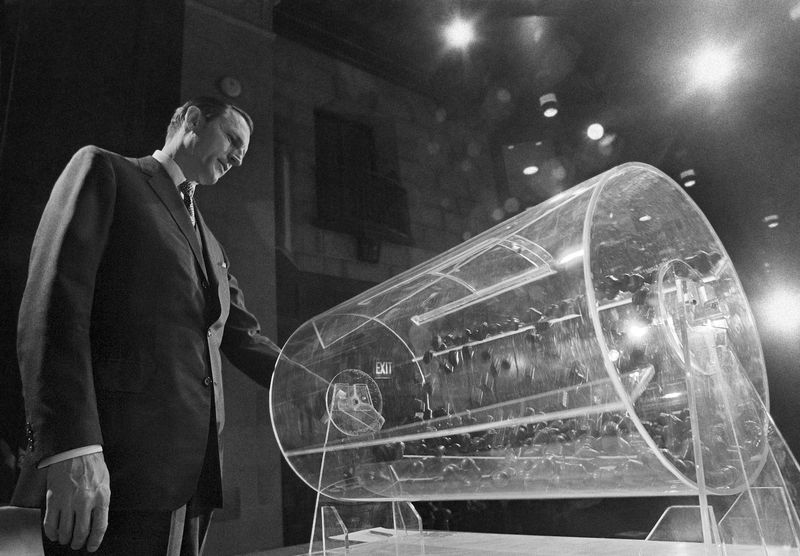
For generations, American men had lived with the knowledge that the government could call them up to serve in the military whether they wanted to or not. That all changed in 1973 when the All-Volunteer Military officially replaced the draft system.
It was a seismic shift, but it happened with surprisingly little fanfare considering how much the Vietnam-era draft had divided the country. Suddenly, military service became a personal choice rather than a legal obligation — a change that reshaped the U.S.
Armed Forces in ways still felt today.
18. Airline Deregulation Changed How America Traveled Forever
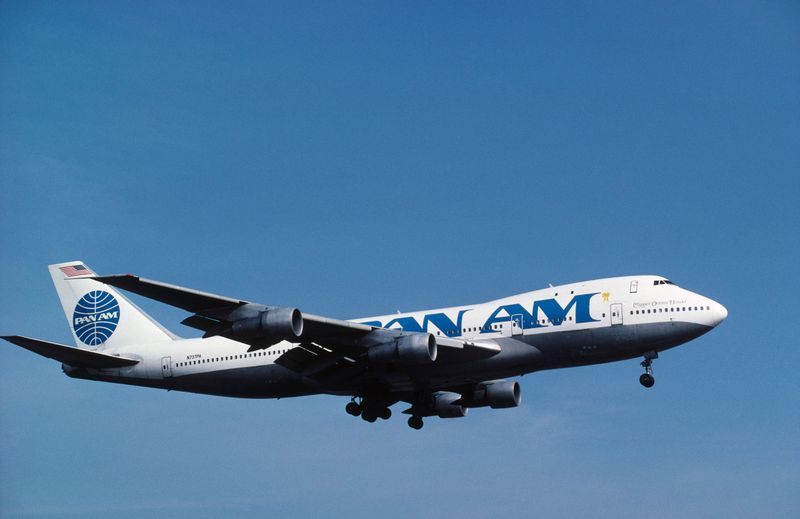
Before 1978, the federal government controlled which airlines could fly which routes and what they could charge. Flying was expensive, exclusive, and heavily regulated.
Then the Airline Deregulation Act passed, and everything changed almost immediately.
Suddenly, airlines competed for customers, prices dropped, and ordinary middle-class families could actually afford to fly. New carriers entered the market, and air travel exploded in popularity.
It was one of the most consequential economic policy changes of the decade — and most people at the time barely registered how big a deal it was.
19. Adult Films Went Mainstream in Ways Nobody Expected
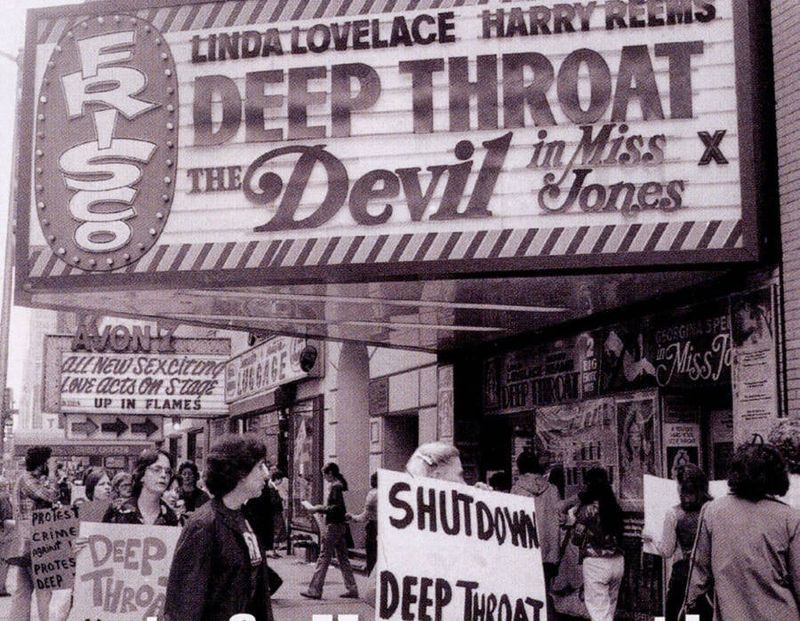
In 1972, a low-budget adult film called Deep Throat became a genuine cultural phenomenon. It played in mainstream movie theaters across the country, attracted curious middle-class audiences, and sparked national debates about censorship, freedom of expression, and changing social norms.
Critics, politicians, and everyday people argued loudly about what it all meant. Looking back, it reflected a broader loosening of social restrictions happening throughout the decade.
The ’70s were testing the boundaries of what American culture would accept publicly — and in many cases, those boundaries moved much further than anyone expected.