
Japan has much more to offer than its two most famous cities. Beyond Tokyo and Kyoto, you can find mountain villages, quiet islands, grand castles, and beaches with clear blue water.
Visiting these places helps you see different sides of Japanese life, from local food to ancient traditions. Pick a few that match your interests, and build a trip with room for surprises.
1. Kanazawa: Gardens, Crafts, and Samurai Streets
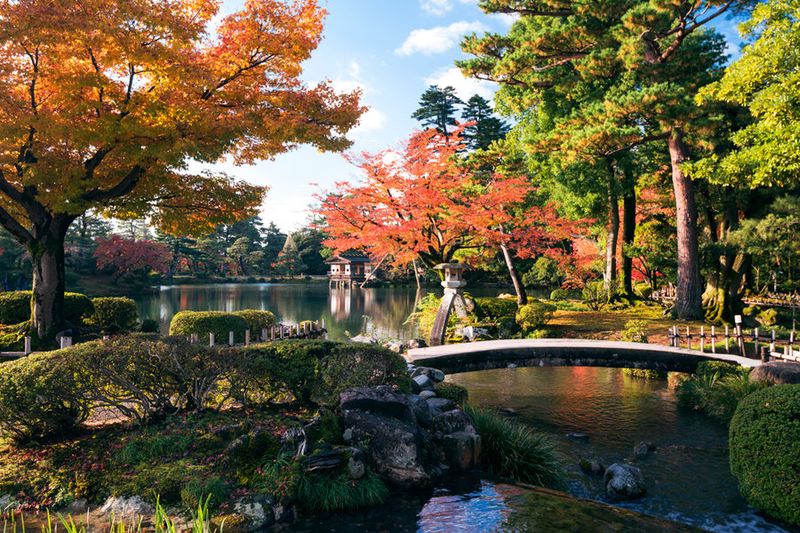
Gold leaf, garden ponds, and wooden teahouses give this city a rich sense of history. Start at Kenrokuen, one of Japan’s most celebrated gardens, then explore the old samurai lanes of Nagamachi.
At Omicho Market, choose a seafood lunch before browsing local craft shops. Higashi Chaya is lovely for an afternoon walk, while the 21st Century Museum adds something modern.
Allow two days so you can enjoy both art and history without rushing between the sights.
2. Takayama: A Mountain Town with Old Japan Charm
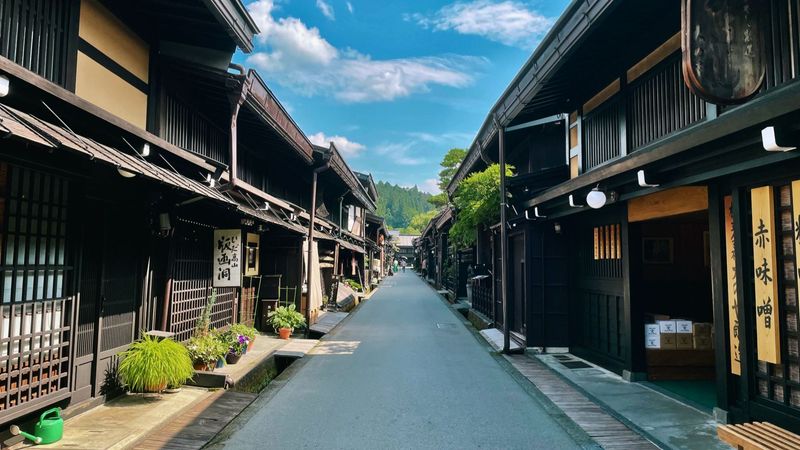
Wooden shopfronts and sake breweries make a morning stroll feel like a trip back in time. The Sanmachi Suji streets are the heart of the old town, with snacks and handmade goods around every corner.
Visit Takayama Jinya to learn how officials once governed the region. Spring and autumn festivals bring grand floats, but rooms fill quickly.
Stay overnight to enjoy quieter streets and use the town as a base for nearby mountain adventures too.
3. Shirakawa-go: Farmhouses Straight from a Storybook

Steep thatched roofs rise above the fields like hands pressed together in prayer. These traditional farmhouses helped families handle heavy mountain snow, and some now welcome visitors as museums or guesthouses.
Take the path to the village viewpoint for a wide view of Ogimachi. Buses connect with Takayama and Kanazawa, but popular departures can sell out.
Remember that people still live here, so stay on public paths and never enter private yards just for photographs.
4. Hiroshima: A Moving Visit with a Hopeful Spirit
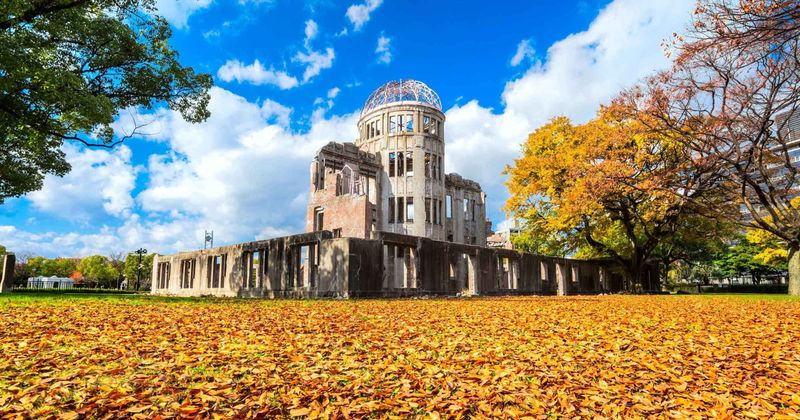
A quiet walk through Peace Memorial Park leaves a lasting impression. The museum shares the human stories behind the atomic bombing, while the nearby Atomic Bomb Dome stands as a powerful reminder.
Give yourself time afterward rather than packing the day with stops. Shukkeien Garden offers a peaceful change of pace, and dinner can mean Hiroshima’s layered okonomiyaki.
Trams make getting around simple, and two nights allow space for both reflection and everyday city life.
5. Miyajima: A Shrine Gate Shaped by the Tides
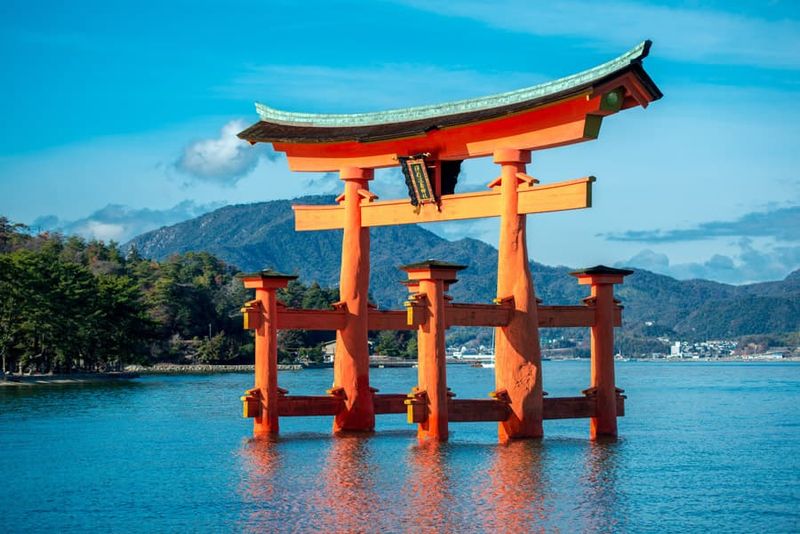
At high tide, a bright red shrine gate seems to float above the sea. Itsukushima Shrine makes Miyajima famous, but wooded paths, small temples, and mountain views reward a longer visit.
Check tide times before going, since the shoreline changes greatly throughout the day. Ferries leave from Miyajimaguchi, reached by train from Hiroshima.
Keep food away from roaming deer, and consider staying overnight to enjoy the waterfront after most day visitors have headed back home.
6. Nara: Ancient Temples and Curious Deer
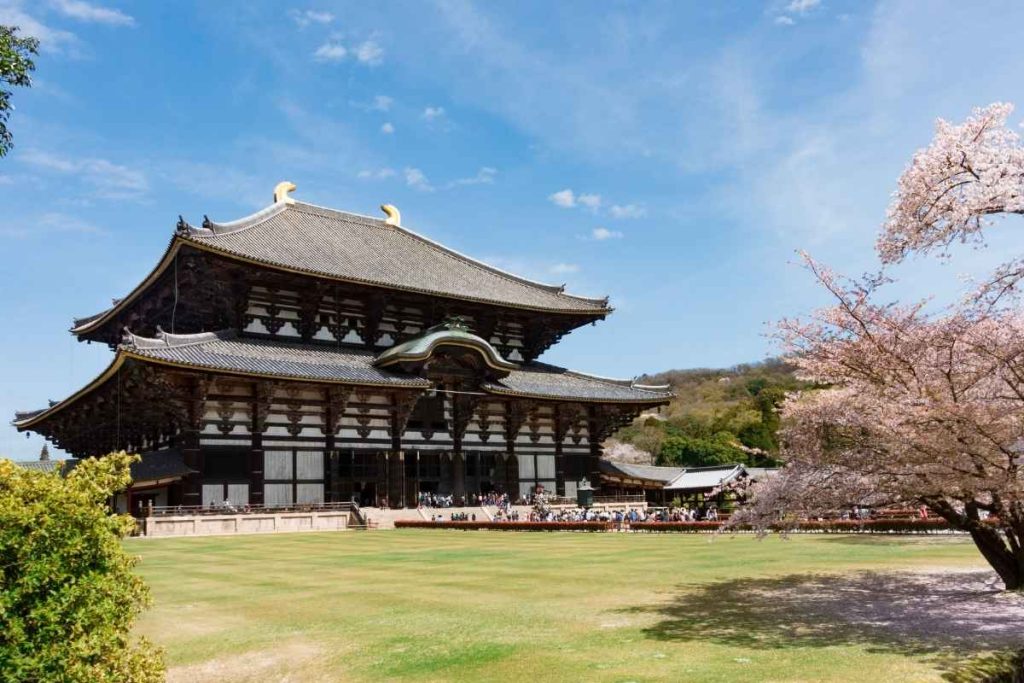
A deer may greet you before you reach your first temple. Nara Park’s free roaming animals are famous, but the enormous bronze Buddha inside Todai-ji is just as memorable.
Buy only approved deer crackers if you want to feed them, and keep paper maps tucked away. Walk farther toward Kasuga Taisha for lanterns and wooded paths.
Early mornings are calmer, while spring blossoms and autumn leaves add color to an already rewarding day of exploring.
7. Hakone: Hot Springs with a Chance of Fuji
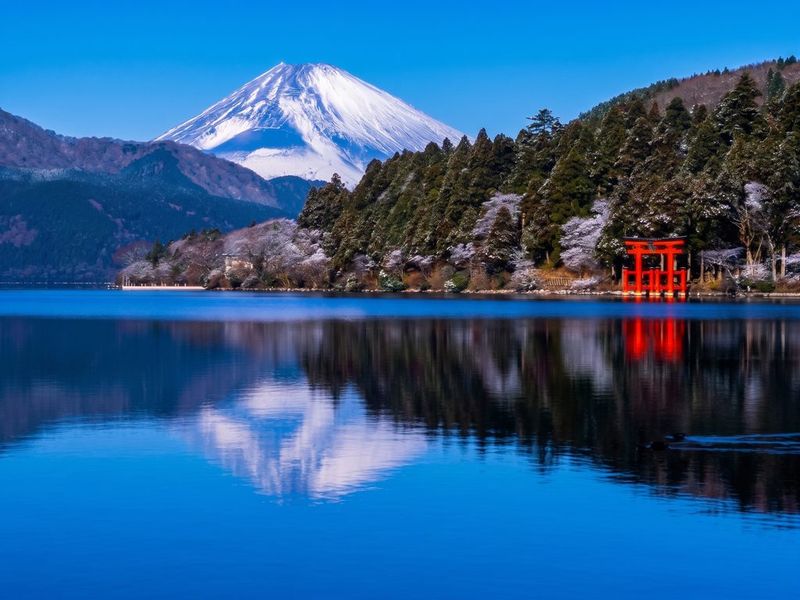
Few travel treats beat a warm bath after a day in the mountains. Southwest of Tokyo, Hakone pairs hot spring inns with Lake Ashi, forest shrines, and outdoor art.
Mount Fuji sometimes appears across the lake, especially in clear weather, but clouds can hide it completely. Book a ryokan if your budget allows, and check bathing rules before arrival.
Local transport passes may help with costs, depending on the routes and attractions you actually choose.
8. Nikko: Golden Shrines beneath Towering Cedars
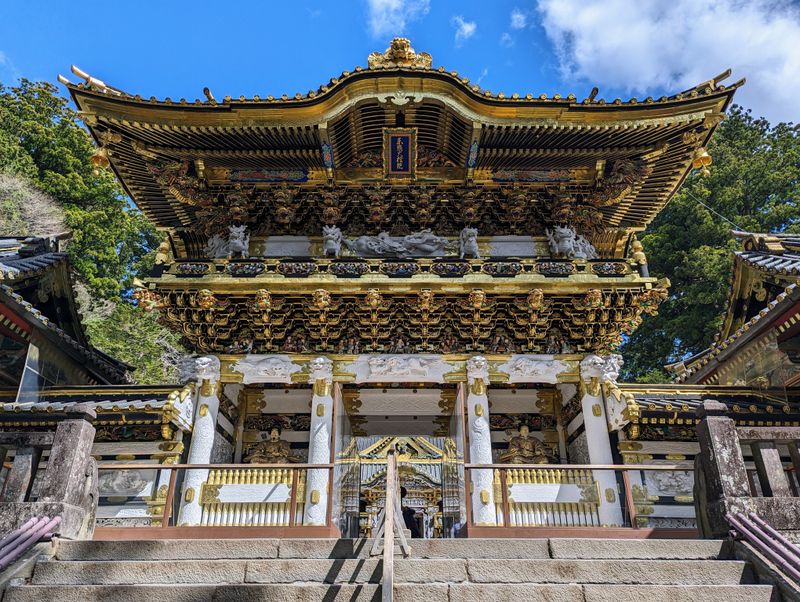
Gold details sparkle against deep green forests at Toshogu Shrine. Look closely and you will spot famous monkey carvings among the rich decorations that make Nikko’s historic buildings so striking.
Wear comfortable shoes because shrine visits involve slopes and steps. For a fuller trip, stay overnight and continue to Lake Chuzenji and Kegon Falls.
Autumn colors draw large crowds, so start early and expect slower buses on busy roads leading up into the mountains nearby.
9. Naoshima: An Island Where Art Meets the Sea
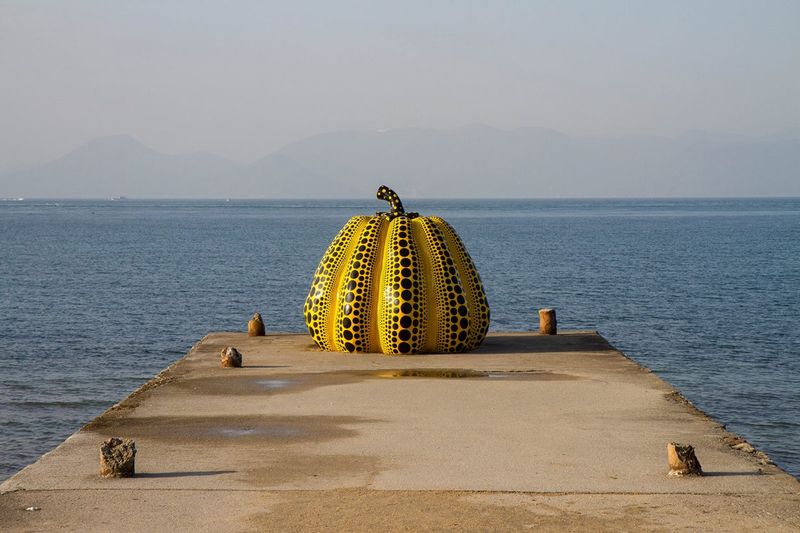
A giant spotted pumpkin beside the sea hints that ordinary sightseeing rules do not apply here. Museums, outdoor sculptures, and art filled houses turn this small island into an adventure.
Reserve timed museum tickets ahead, especially for Chichu Art Museum. Check closing days and ferry schedules before planning your route.
Bicycles are useful, though hills can be tiring. Spending a night gives you more freedom to enjoy the art without constantly watching the last boat.
10. Koyasan: A Night inside a Mountain Temple
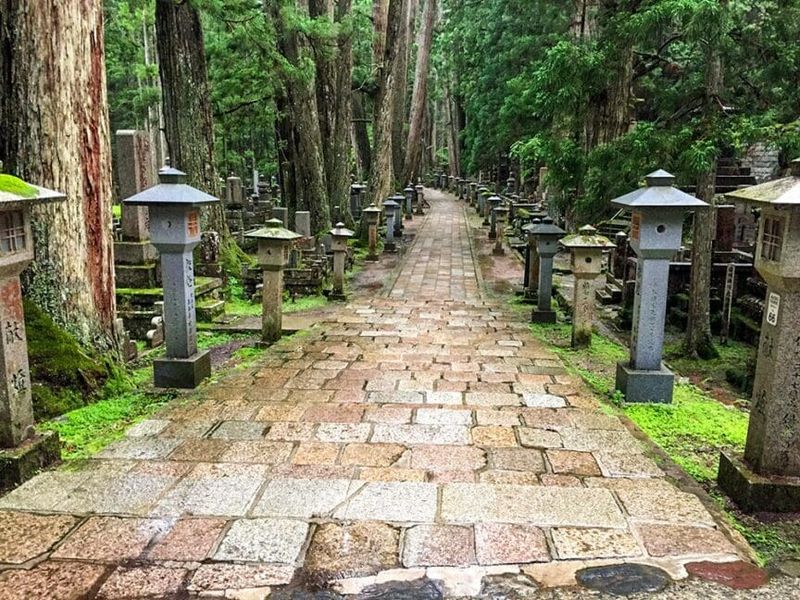
Morning prayers replace the usual hotel alarm in this mountain town. A temple stay offers a close look at Buddhist life, often with vegetarian meals and a simple room overlooking a garden.
Follow your host’s rules about shoes, bathing, and ceremony times. Okunoin’s cedar shaded cemetery is the main place to explore, with stone memorials stretching through the forest.
Bring warm layers, since mountain evenings can feel chilly even when nearby Osaka is quite warm.
11. Himeji: Japan’s White Heron Castle
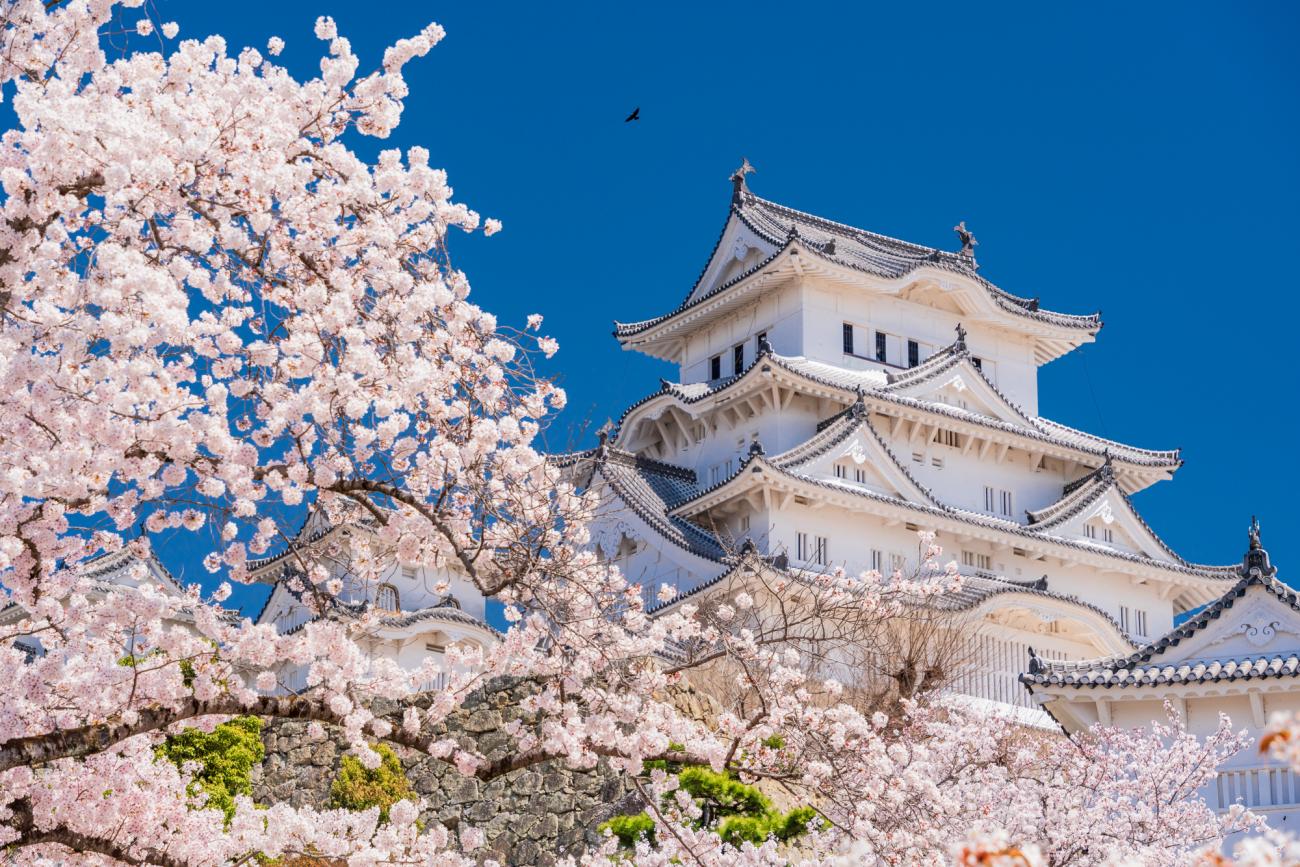
White walls and sweeping roofs make the castle look ready to take flight. Himeji’s famous fortress preserves an original wooden main keep, offering a rare chance to step inside Japan’s feudal past.
Expect steep stairs and remove your shoes when required. Arriving near opening time helps you avoid the busiest lines.
Afterward, visit neighboring Kokoen Garden for ponds and quiet paths. The castle is an easy walk from the station, making a day trip practical.
12. Sapporo: Snow Sculptures and Satisfying Bowls
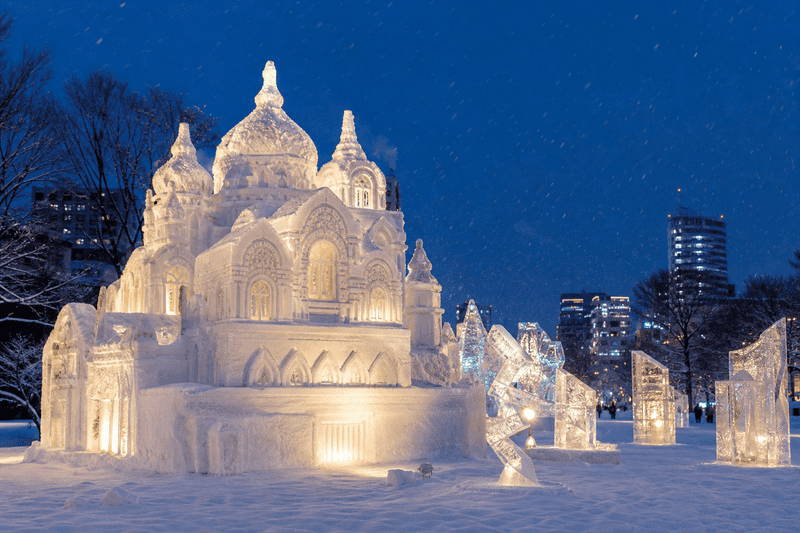
Steam rises from a bowl of miso ramen while snow piles up outside. Hokkaido’s largest city shines in winter, especially when the Sapporo Snow Festival fills public spaces with huge sculptures.
Book accommodation early for festival dates and wear boots with good grip. Summer brings comfortable sightseeing weather and green parks instead.
Browse seafood stalls, stroll through Odori Park, and leave room in your schedule for trips into the surrounding countryside or nearby mountain areas.
13. Okinawa: Island Days with Ryukyuan Roots
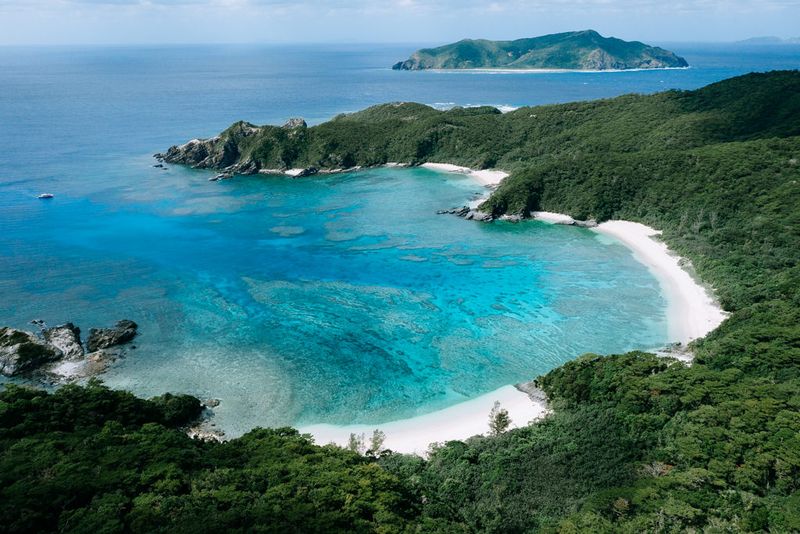
Turquoise water and coral reefs reveal a different side of Japan. Spread across many islands, Okinawa combines beach time with Ryukyuan history, local music, and foods such as bitter melon stir fry.
Choose your island before booking flights, since distances can be larger than expected. On the main island, Nakijin Castle’s ruins offer sweeping views.
For snorkeling, use a responsible guide, avoid touching coral, and check weather forecasts carefully during the summer typhoon season here.
14. Matsumoto: A Black Castle beneath the Alps
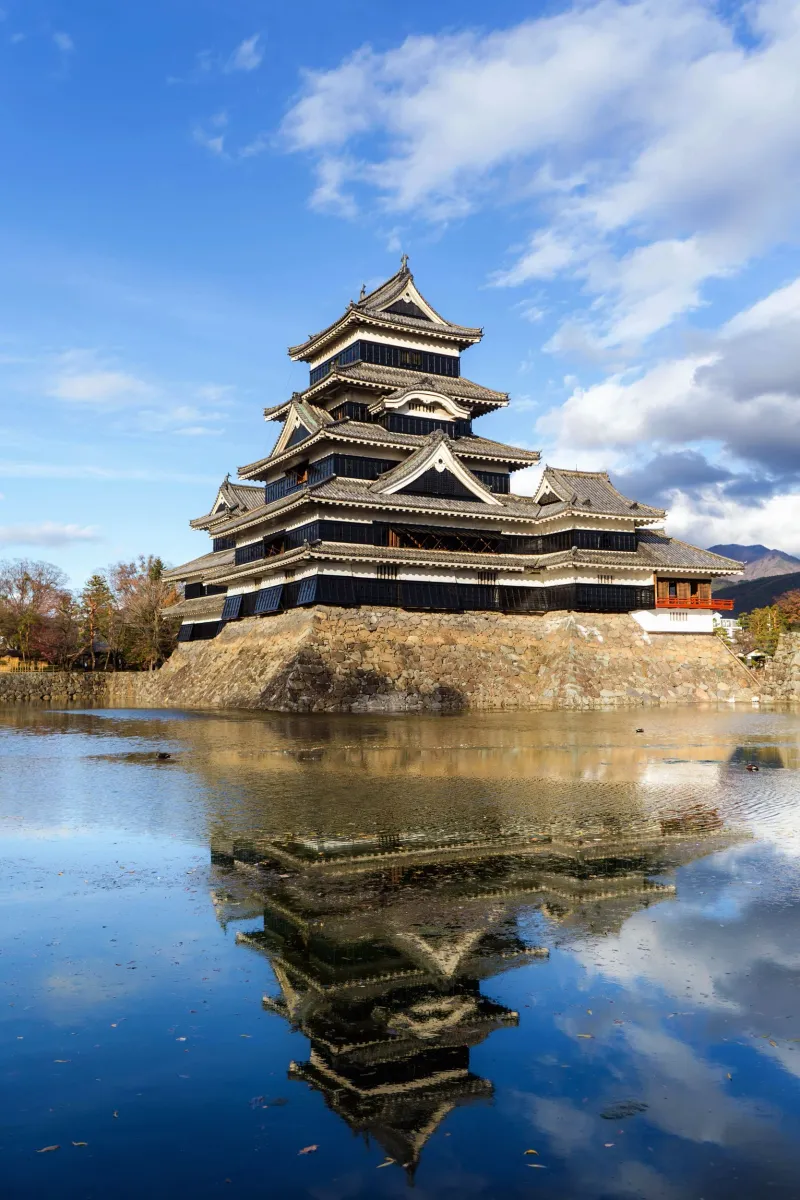
Dark castle walls rise above a moat, with mountain peaks beyond on clear days. Matsumoto Castle is the star attraction, and its wooden interior makes history feel close enough to touch.
The stairs are steep, so take your time inside. Around town, small shops and cafes offer pleasant breaks between sights.
Spring brings blossoms to local parks, while warmer months suit trips toward the Japanese Alps. Stay overnight if you want an unhurried mountain gateway.
15. Otaru: Canal Walks and Glasswork Treasures
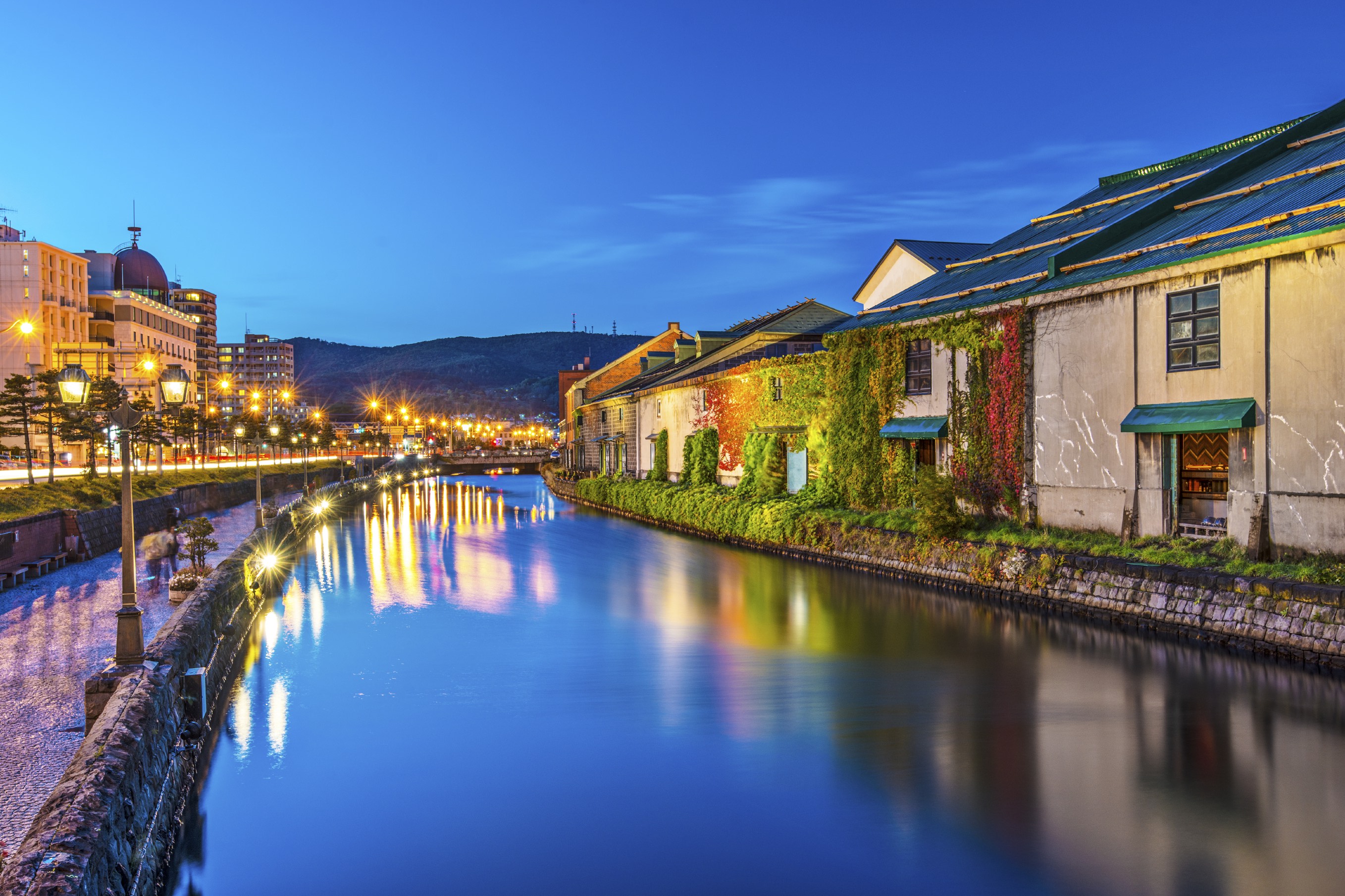
Old stone warehouses glow beside the canal as evening lights come on. Once a busy trading port, Otaru now invites slower pleasures, from browsing glass workshops to listening to delicate music boxes.
Come hungry for sushi and other seafood, and bring sturdy shoes if visiting in winter. Trains from Sapporo make a day trip easy.
Stay until dusk if possible, when the waterfront takes on its warmest mood and the busiest shopping streets grow quieter.
16. Magome and Tsumago: Walk an Old Travelers’ Road
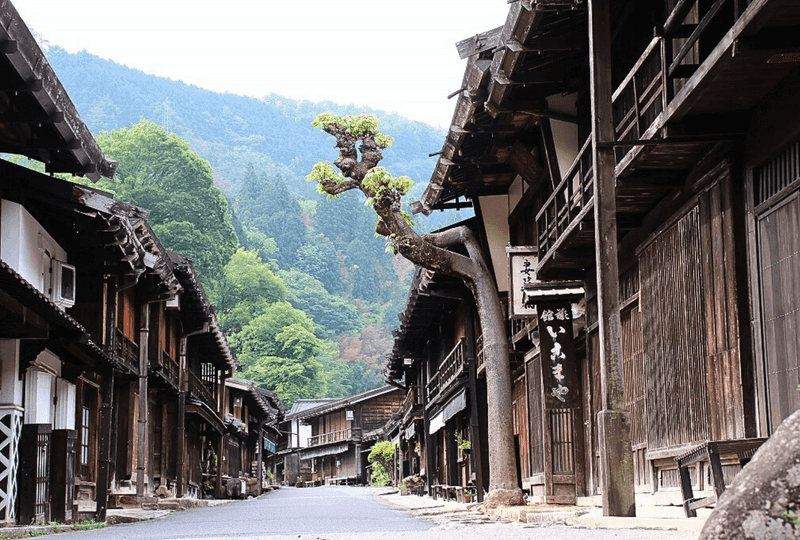
Your footsteps follow a route once used by travelers crossing Japan on foot. The roughly eight kilometer trail between these former post towns passes wooden homes, forest paths, and small rural settlements.
Walking from Magome toward Tsumago generally means less uphill effort. Wear proper shoes, carry water, and check bus connections before setting out.
Allow several hours rather than treating it as a race. An overnight stay adds quiet streets and a traditional meal afterward.
17. Kurashiki: Willow Reflections and Warehouse Art
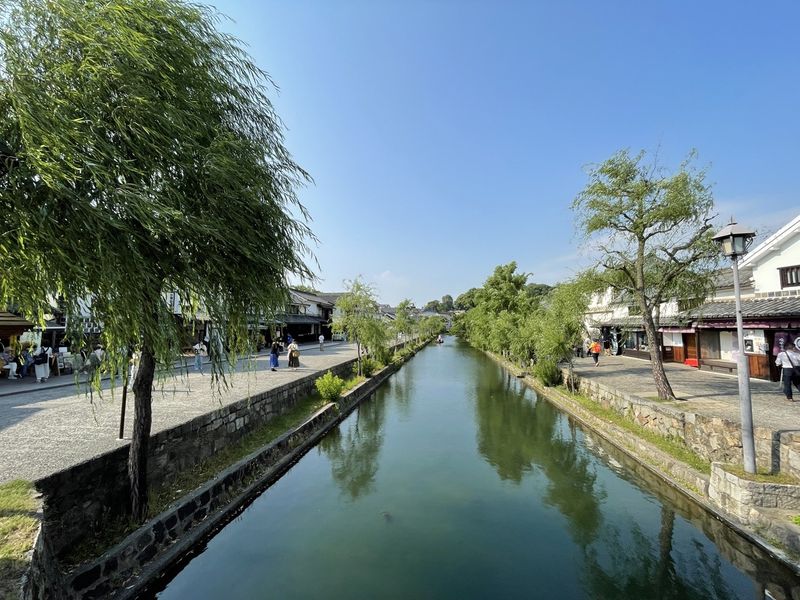
Willow branches brush the canal beside rows of white walled storehouses. Kurashiki’s Bikan Historical Quarter rewards wandering, with little bridges, craft shops, and cafes tucked into buildings once used for trade.
Art lovers should leave time for the Ohara Museum of Art, known for its Western and Japanese collections. Early light is lovely for photographs, while evenings feel calmer.
Pair the town with nearby Okayama, or stay overnight to enjoy the lanes at your leisure.
18. Amanohashidate: A Pine Bridge across the Bay
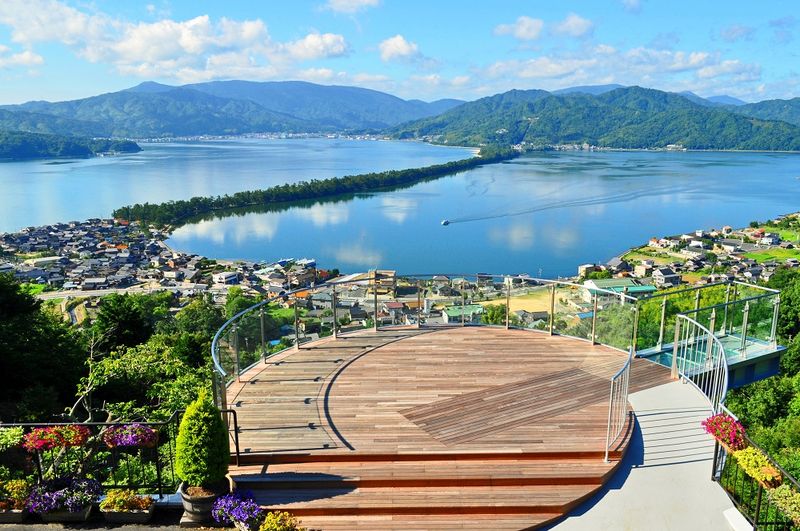
A narrow ribbon of pine trees stretches across blue water like a natural bridge. Although it lies in Kyoto Prefecture, this coastal escape feels far removed from Kyoto city’s crowded temple routes.
Walk or cycle along the sandbar, then head to a hillside viewpoint to see its full shape. Clear weather makes the biggest difference to the view.
Allow time for local transport connections, and consider staying nearby rather than squeezing everything into one day.
19. Yakushima: Ancient Cedars and Mossy Forest Trails
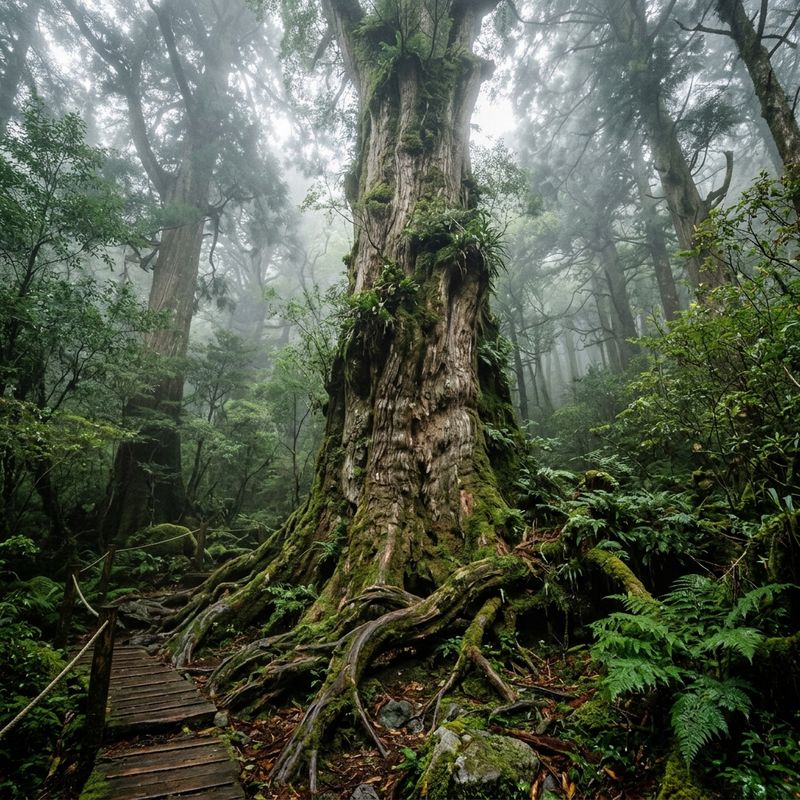
Moss covers roots, rocks, and fallen branches in forests that feel wonderfully ancient. Off southern Kyushu, Yakushima is famous for old cedar trees and landscapes often linked with Princess Mononoke.
Rain is common, so pack waterproof clothing and shoes with strong grip. Choose a trail that matches your fitness, since famous hikes can take a full day.
Flights and boats connect with Kagoshima, but rough weather can disrupt travel. Build some flexibility into your plans.