
Restaurant menus love to use fancy words that make simple food sound expensive. You might see a word like aubergine or crème fraîche and feel totally lost.
The good news is that many of these mysterious ingredients are already sitting in your kitchen or at your local grocery store. Once you learn their everyday names, you can order with confidence and cook like a pro at home.
1. Aubergine: The Purple Veggie You Know
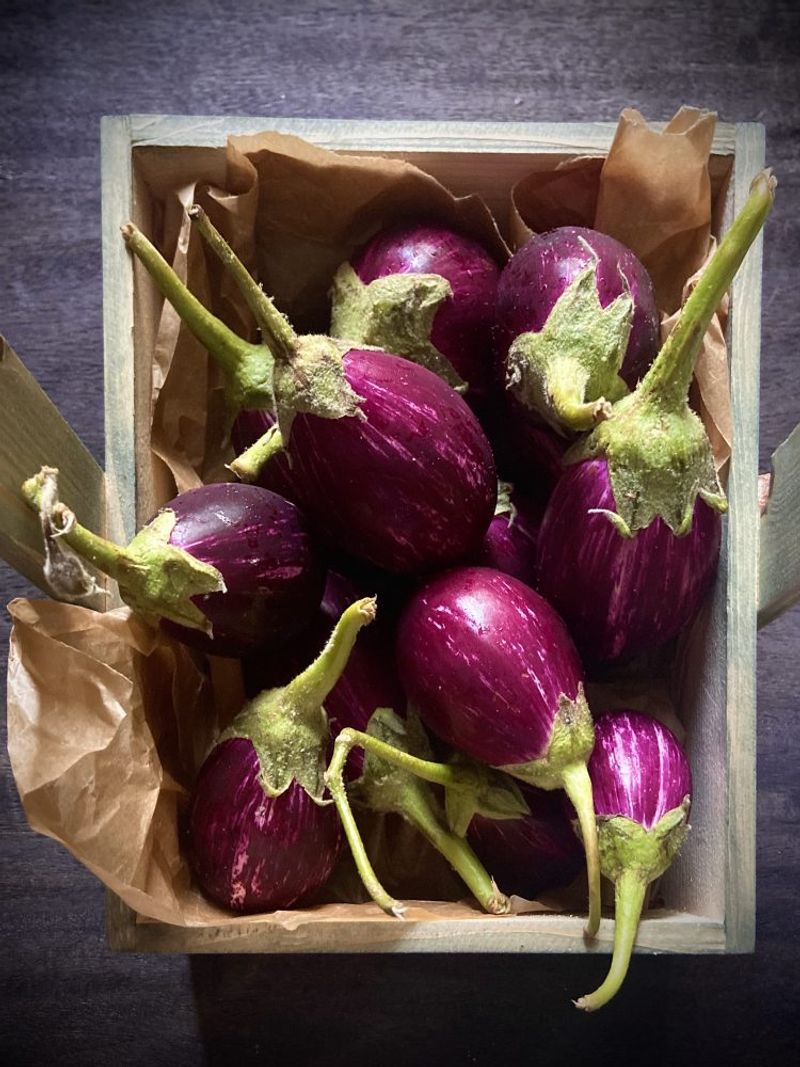
Picture a British chef proudly serving roasted aubergine. Sounds fancy, right?
It is just eggplant, that shiny purple vegetable in the produce aisle.
The word aubergine comes from French, and most of Europe uses it. Americans picked up eggplant because early versions were small, white, and shaped like eggs.
Try slicing it, salting it for twenty minutes, then roasting it. The salt pulls out bitter juices and makes it creamy and tender.
2. Courgette Is Simply Zucchini
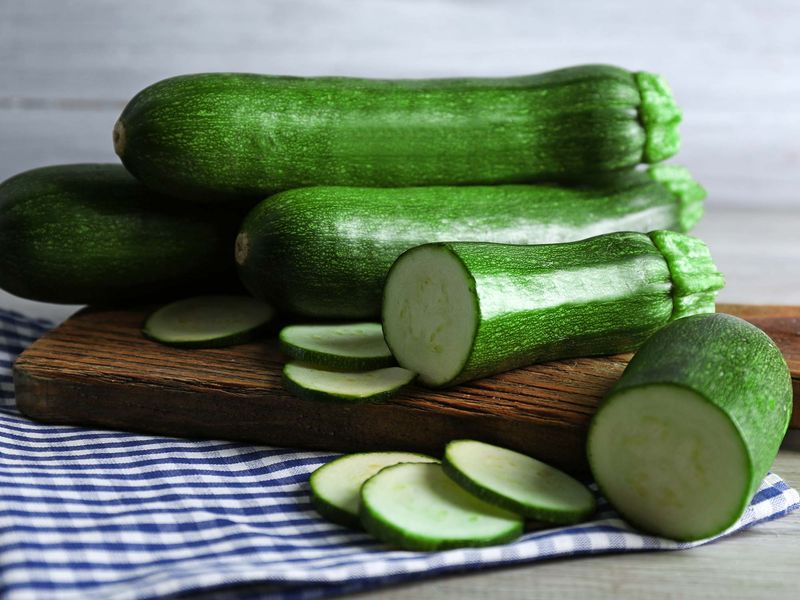
Grow one zucchini plant, and you will have enough to feed the whole neighborhood. Gardeners joke about leaving extras on doorsteps!
In Britain and France, people call this green squash a courgette. Same vegetable, same mild flavor, just a classier sounding name.
Shred it into muffins, grill it with olive oil, or spiralize it into noodles. Smaller ones taste sweeter and have fewer seeds, so pick those when shopping.
3. Crème Fraîche, the Cousin of Sour Cream
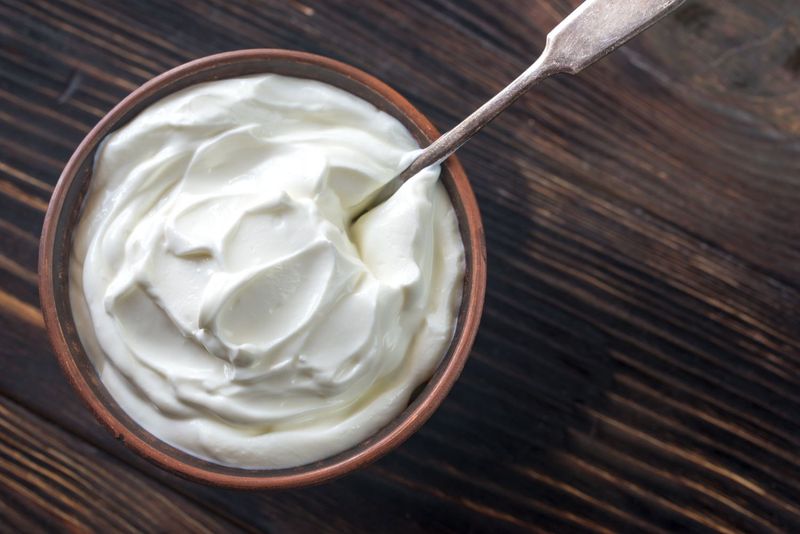
Thick, tangy, and a little rich. That describes crème fraîche, which is basically a French version of sour cream.
Both are cream that has been soured with friendly bacteria. Crème fraîche has more fat, so it will not curdle when stirred into hot soups or sauces.
Out of it? Use sour cream on tacos or baked potatoes instead.
You can even make your own by mixing cream with a spoonful of buttermilk overnight.
4. Rocket Means Plain Old Arugula
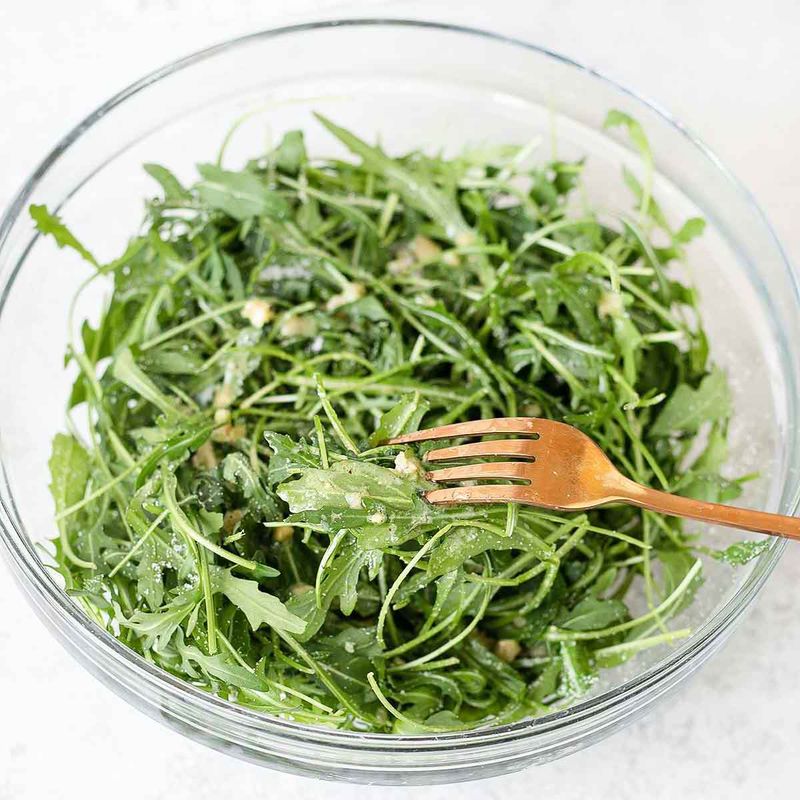
Here is a fun one. Order a rocket salad in London, and nobody launches anything into space.
You just get arugula!
These leafy greens have a peppery bite that wakes up a boring sandwich or pizza. The name rocket comes from the Italian word rucola.
Toss a handful on hot pizza right out of the oven. The leaves wilt slightly and add a fresh, zippy crunch that balances cheesy goodness.
5. Coriander and Cilantro Share a Plant
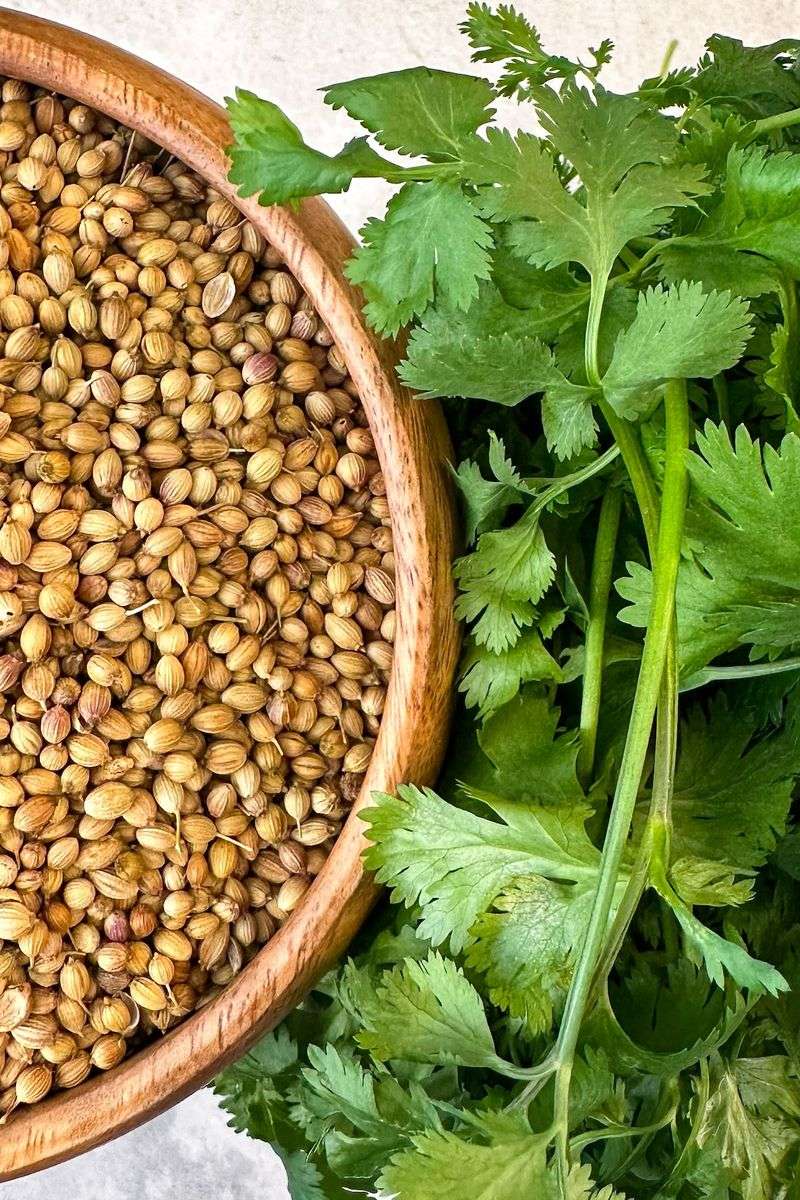
Love it or hate it, cilantro sparks strong opinions. Some people think it tastes like soap because of their genes!
In many countries, the leaves are called coriander. In the United States, coriander usually means the dried seeds from that very same plant.
The seeds taste warm and citrusy, nothing like the leaves. Use fresh leaves in salsa and ground seeds in curries or chili for two totally different flavors.
6. Garbanzo Beans Go by Chickpeas
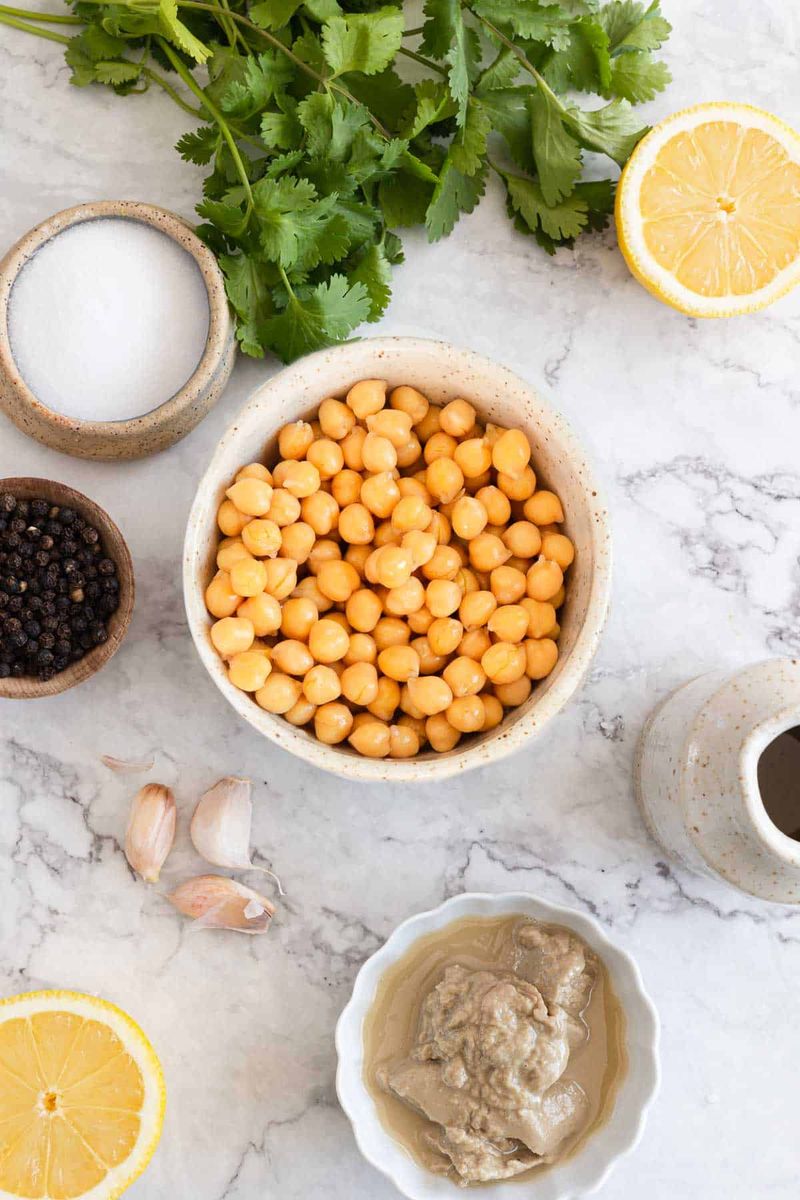
Ever eaten hummus? Then you have already enjoyed garbanzo beans.
They are the exact same thing as chickpeas.
Garbanzo comes from Spanish, while chickpea traces back to Latin. These little round legumes have been grown for over seven thousand years, making them one of the oldest crops around.
Roast canned chickpeas with oil and spices for a crunchy snack. Save the liquid too, since bakers whip it like egg whites.
7. Scallions, Green Onions, Spring Onions
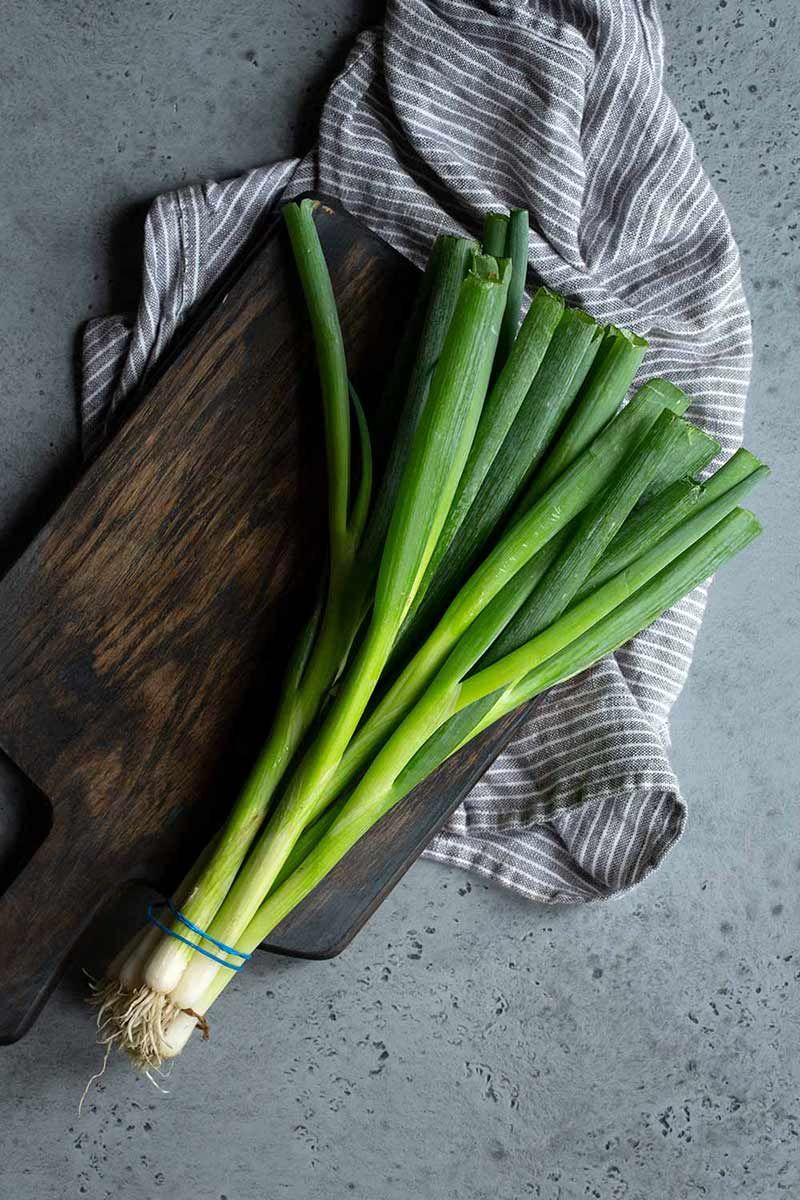
Three names, one skinny onion. Scallions, green onions, and spring onions are mostly used for the same mild veggie.
Spring onions sometimes have slightly rounder bulbs, but recipes treat them as swap-friendly. The white part tastes stronger, while the green tops are gentle and fresh.
Quick tip: stand the roots in a glass of water on your windowsill. They regrow in about a week, giving you free garnish forever.
8. Confectioners Sugar, the Powdery Kind
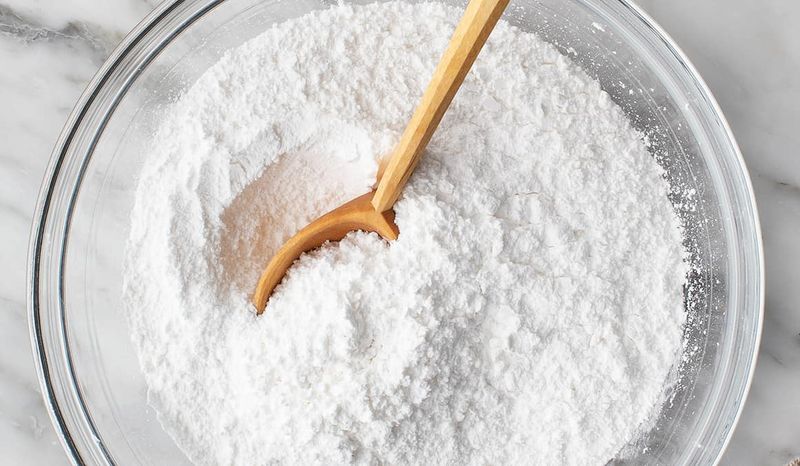
Snowy, soft, and sneaky, confectioners sugar dusts donuts and turns into smooth frosting. Its fancy name just means powdered sugar.
British bakers call it icing sugar. Regular white sugar is ground super fine, then mixed with a little cornstarch so it does not clump.
No bag at home? Blend regular sugar in a blender for about a minute.
Add a teaspoon of cornstarch per cup, and you are ready to frost.
9. Bicarbonate of Soda Sounds Scientific
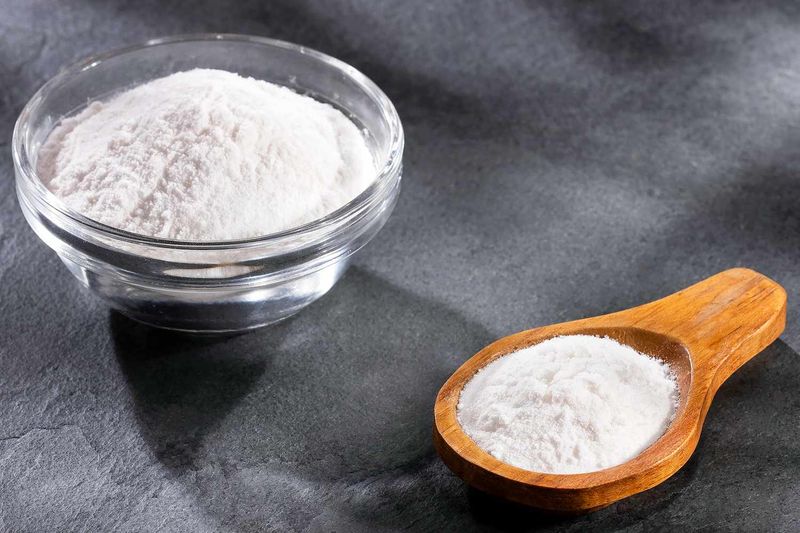
Remember making a volcano for the science fair? That fizzy eruption used bicarbonate of soda, better known as baking soda.
Chemists call it sodium bicarbonate. It reacts with acids like vinegar, buttermilk, or lemon juice to create bubbles that help cookies and pancakes puff up.
Beyond baking, an open box in the fridge soaks up stinky smells. Swap it every three months to keep things fresh.
10. Prawns Are Just Shrimp’s Twin
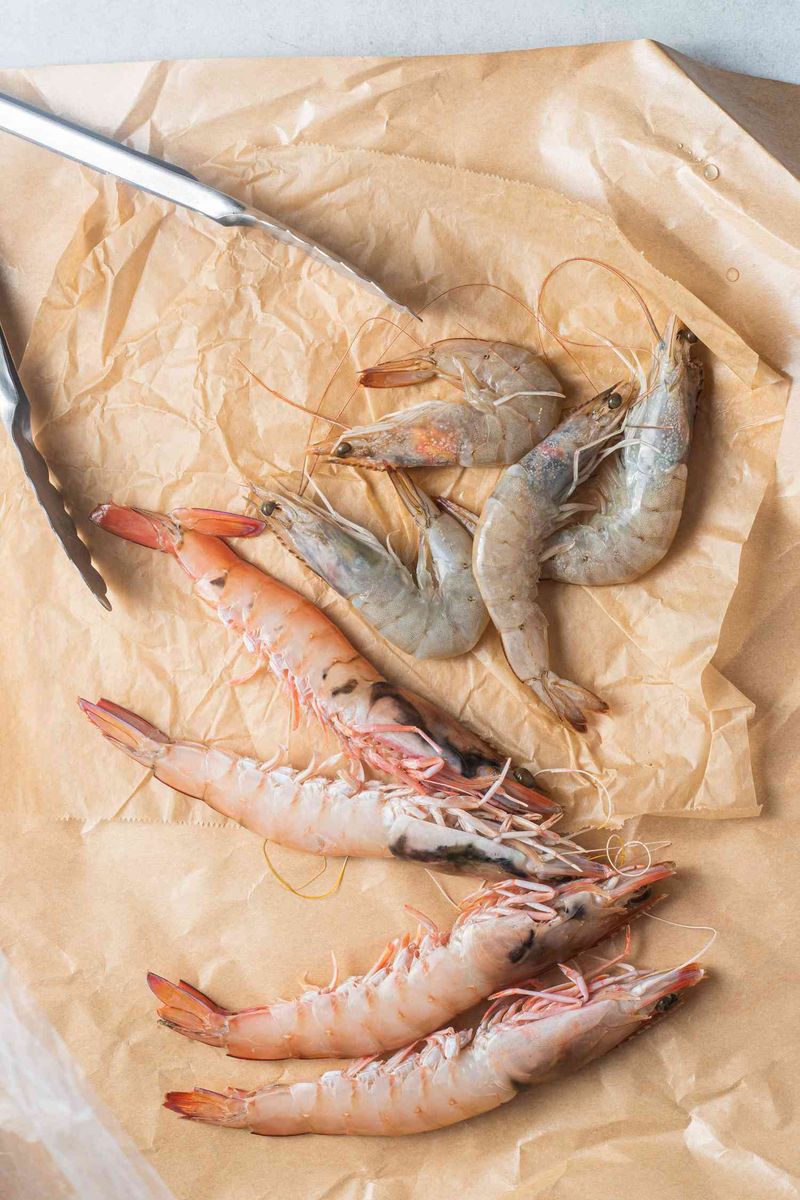
Throw another shrimp on the barbie? Australians would actually say prawn.
Around much of the world, prawns and shrimp are used for the same seafood.
Scientists say they are technically different creatures with different gills and legs. But in the kitchen, they taste nearly identical and cook the same way.
Watch closely while cooking. When they turn pink and curl into a C shape, they are done.
An O shape means overcooked!
11. Mangetout, a Snow Pea in Disguise
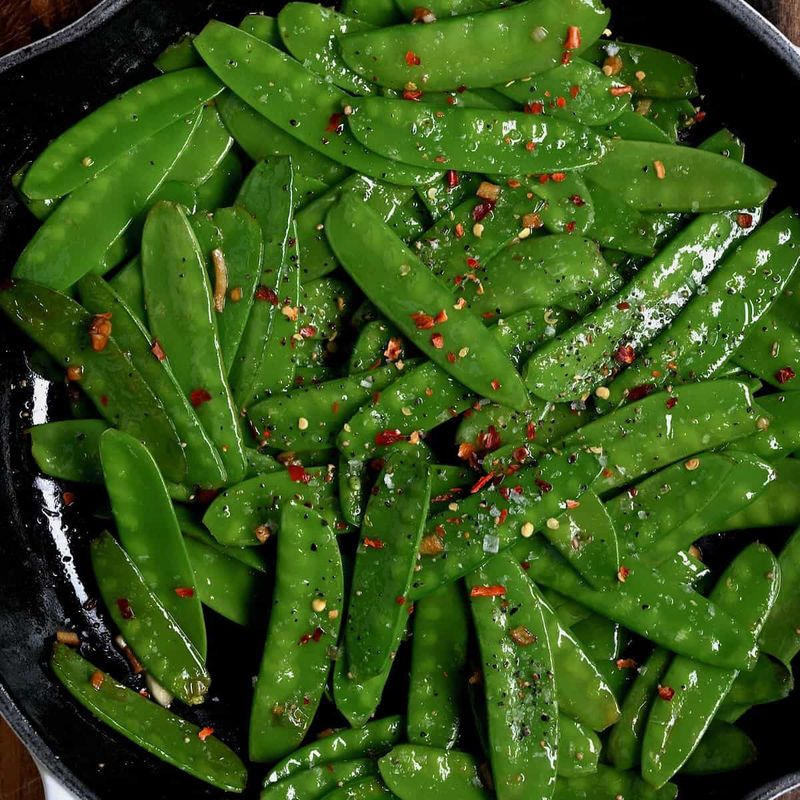
Mangetout is French for eat it all. That name makes total sense, because you munch the whole pod!
In America, we call these flat, crunchy pods snow peas. They are a stir fry favorite in Chinese cooking and taste sweet and grassy.
Snap off the stringy end before cooking. Then toss them in a hot pan for just two minutes so they stay bright green and crisp.
12. Haricots Verts Mean Green Beans
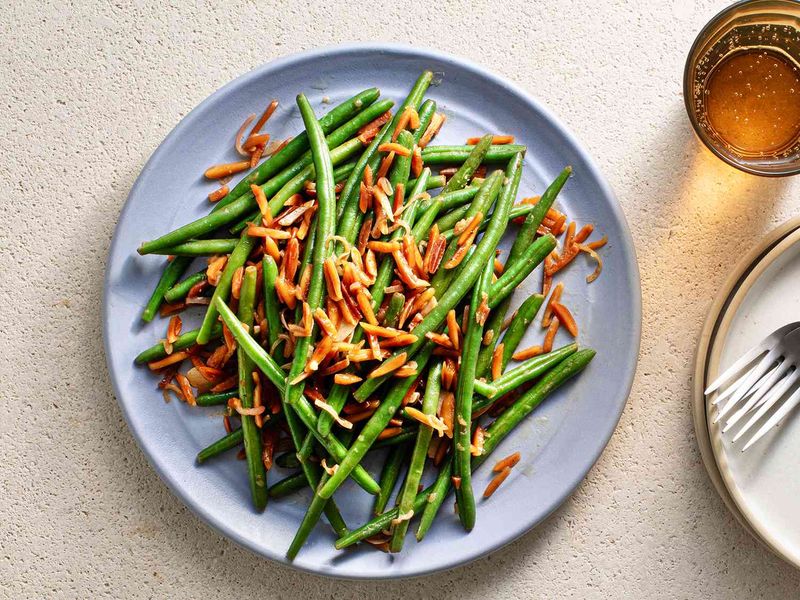
Haricots verts. Try saying that three times fast!
It simply means green beans in French.
Restaurants usually use the term for skinnier, more tender green beans. They cook faster and look elegant on a plate, but any green bean works in most recipes.
For a quick side dish, boil them for three minutes, then toss with butter, garlic, and toasted almonds. Holiday dinners will never be the same.
13. Beetroot, Nature’s Purple Paint
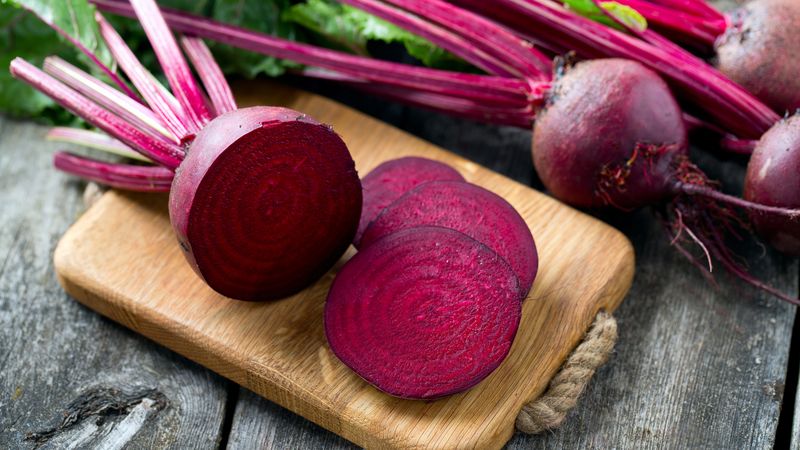
Ever stained your fingers bright red while cooking? Chances are beetroot was the culprit.
It is the British name for beets.
These earthy root veggies are so colorful that people once used them as dye and even lipstick. Their juice still colors some candies and pink foods today.
Wrap beets in foil and roast them for an hour. The skins slide right off, and the flavor turns sweet like candy.
14. Swede Is Really a Rutabaga
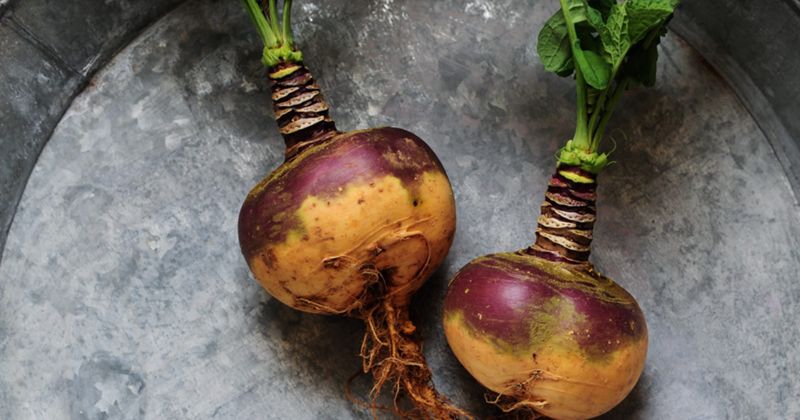
No, it is not a person from Sweden. Swede is what British cooks call a rutabaga, a big purple and yellow root vegetable.
It came from a cross between a turnip and a cabbage hundreds of years ago. In Scotland, people mash it and call it neeps.
Peel and cube it, then boil and mash with butter. It tastes like a sweeter, slightly peppery potato and makes a fun change.
15. Chiffonade Is Just Sliced Basil
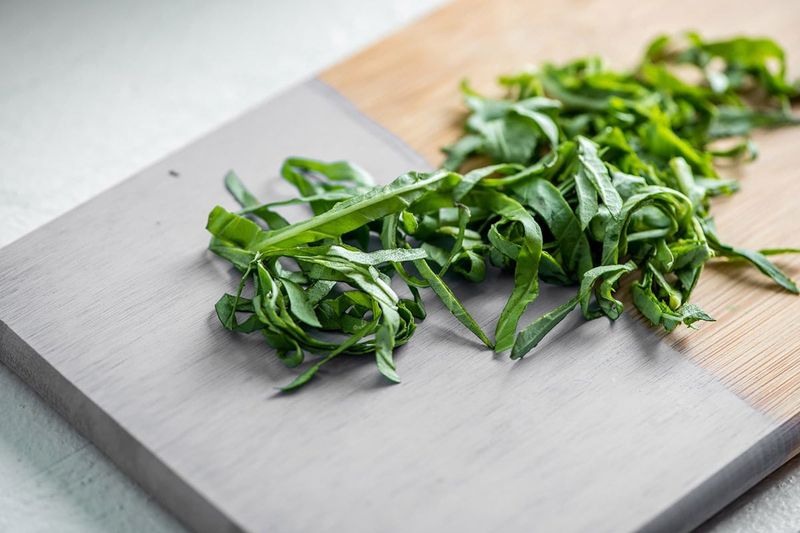
Some fancy words are about how you cut things. Chiffonade sounds like a ballet move, but it just means thinly sliced leafy herbs, usually basil.
Stack the leaves, roll them up like a tiny cigar, and slice across. You get pretty green ribbons.
Sprinkle them over pasta, pizza, or tomato salad. Use a sharp knife so the leaves do not bruise and turn black.
16. Demerara Sugar, Crunchy Brown Gold
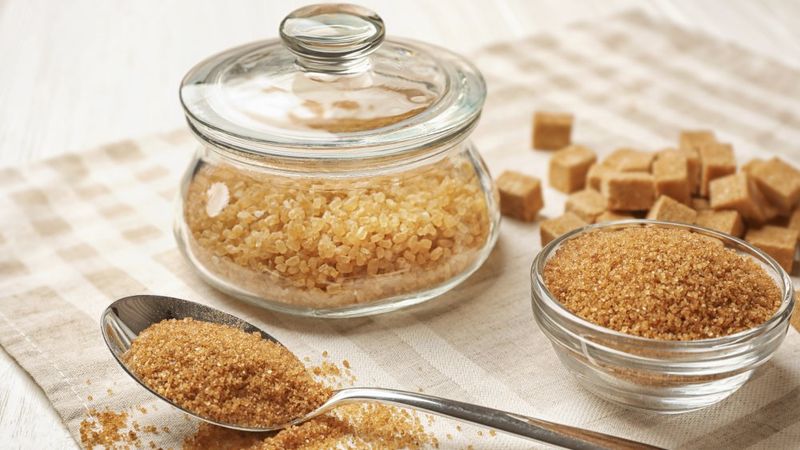
Sprinkle some on a muffin, and you will hear the crunch. Demerara sugar is a type of raw cane sugar with big golden crystals.
It is named after a region in Guyana, South America, where it was first made. It tastes a bit like toffee.
Think of it as a cousin of the brown sugar packets at coffee shops. Use it on cookies and oatmeal for crunchy, caramel sweetness.
17. Cornflour or Cornstarch?
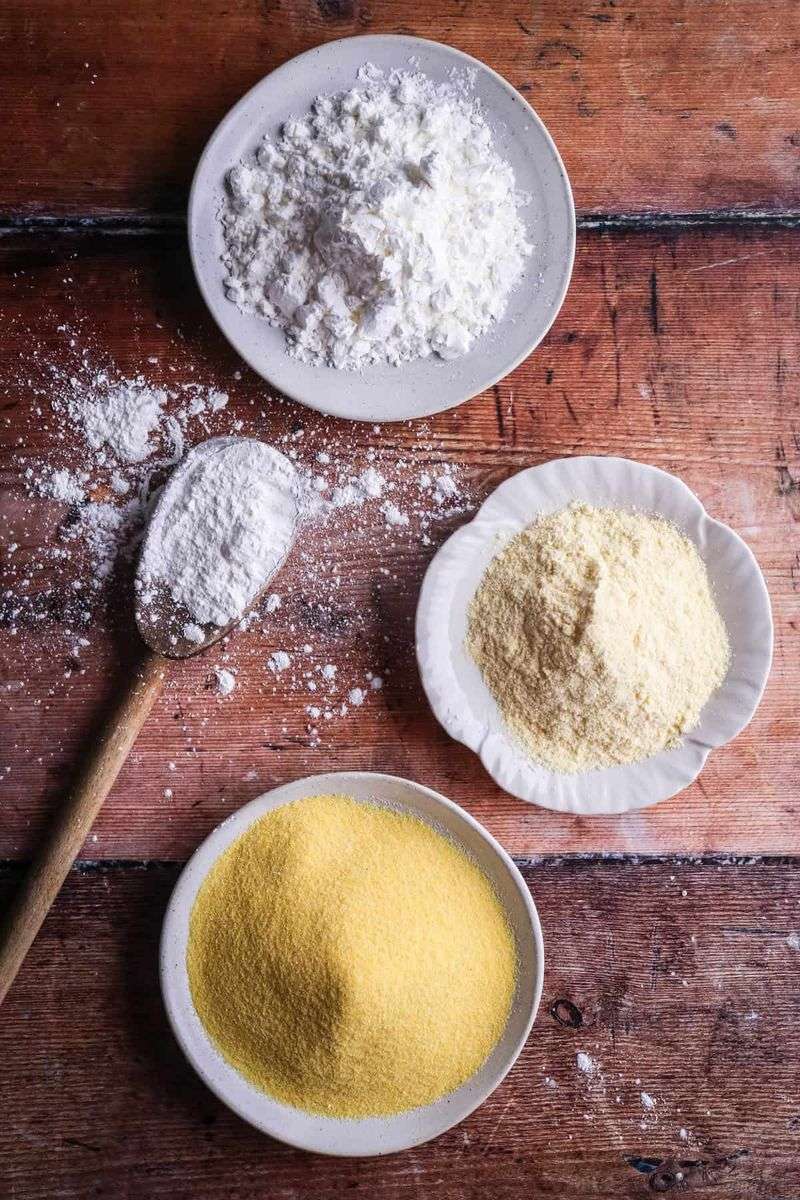
Watch a British baking show, and you will hear contestants reach for cornflour. They mean cornstarch, that silky white powder.
Here is the twist. In America, corn flour is a yellow, grainy flour made from whole corn.
Mixing them up could ruin a recipe!
Cornstarch thickens gravy and pie fillings. Stir it into cold water first to make a slurry, otherwise it forms lumpy clumps in hot liquid.
18. Mesclun, the Mixed Salad Bag
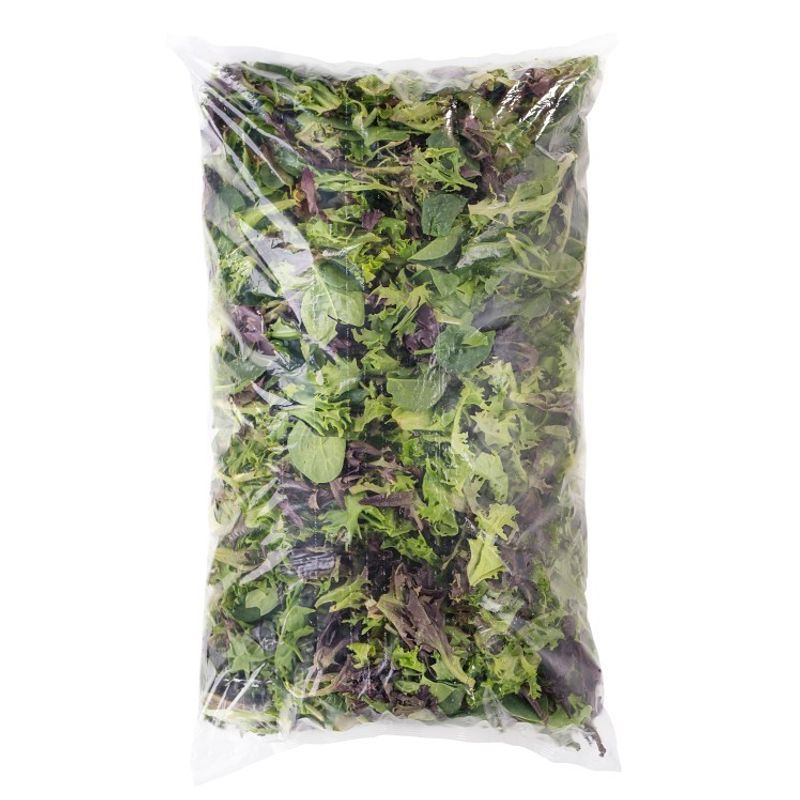
Grabbed a bag of spring mix lately? Congratulations, you bought mesclun!
The word comes from southern France and means mixture. Farmers there tossed together young lettuces, herbs, and greens picked from the garden.
Today it usually includes baby spinach, red leaf lettuce, and frisée.
These delicate leaves wilt fast. Store them with a dry paper towel in the bag to soak up moisture and keep them crisp for days longer.
19. Jus Means Pan Juices
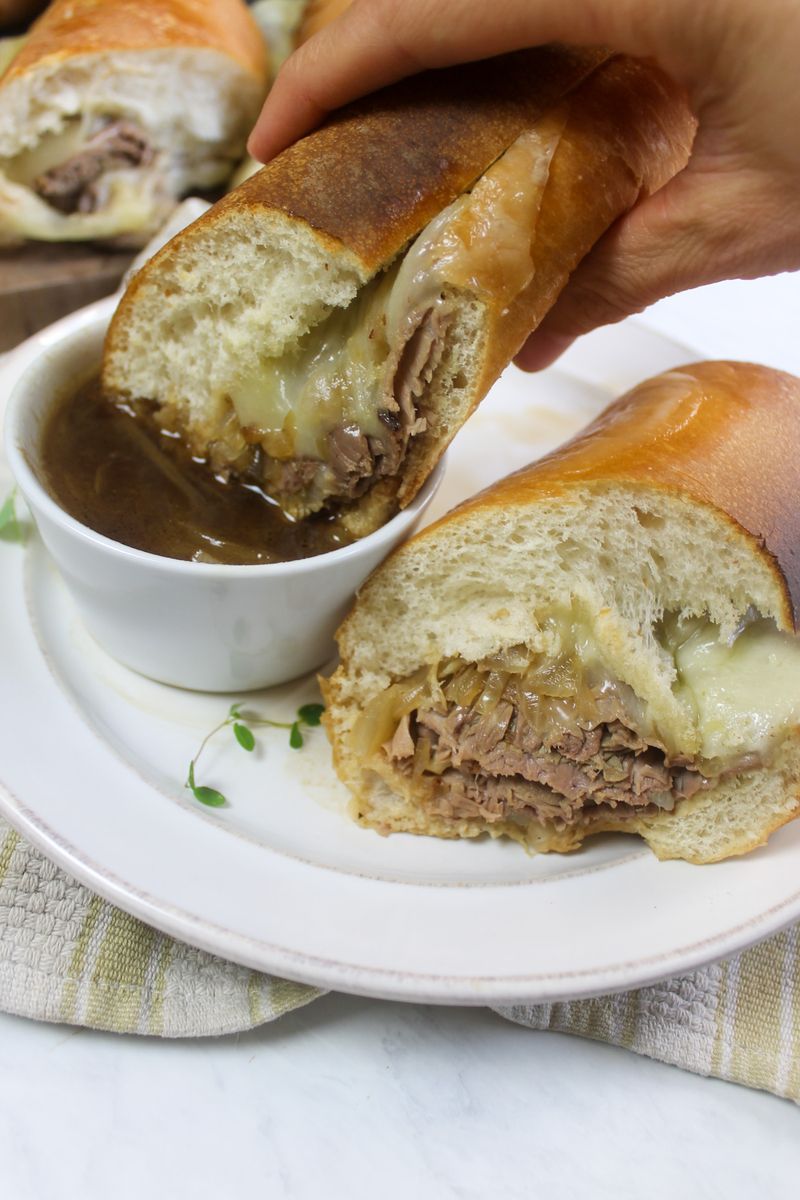
A French dip sandwich served au jus might sound super fancy. In reality, jus simply means juice.
Chefs use it to describe the natural drippings that come out of roasted meat. Those tasty juices get thinned with a little broth and served on the side for dunking.
Next time you roast chicken or beef, save the pan drippings. Scrape up the brown bits and you have restaurant-style flavor for free.