
Food is changing faster than ever, and some of the newest meals sound like they came from a science fiction movie. Scientists, farmers, and chefs are finding clever ways to feed more people while using less land, water, and energy.
Many of these ideas are already showing up in grocery stores and restaurants near you. Get ready to meet the snacks and meals that could fill your plate in the years ahead.
1. Lab-Grown Meat
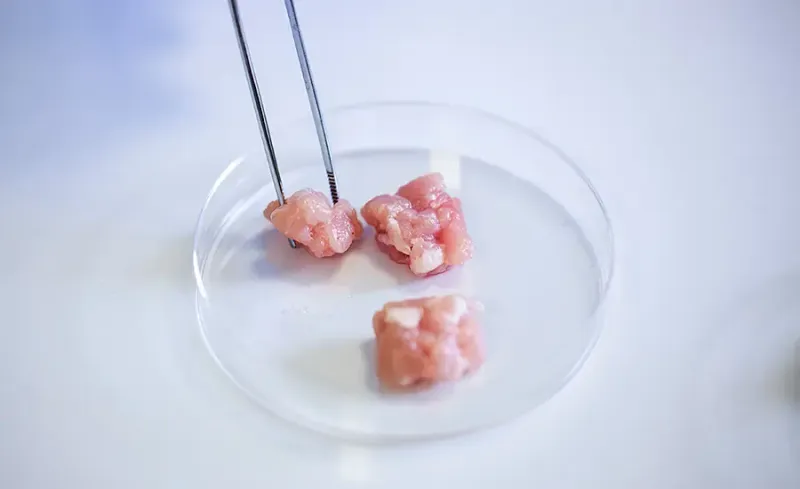
Imagine biting into a chicken nugget that never came from a farm. Cultivated meat is grown from a few animal cells inside big steel tanks called bioreactors.
In 2023, the United States approved lab-grown chicken for sale, and a few restaurants served it to curious diners. Supporters say it could cut pollution and protect animals.
Prices are still high, but as factories grow larger, this meat may become as common as burgers at a cookout.
2. Plant-Based Burgers That Bleed
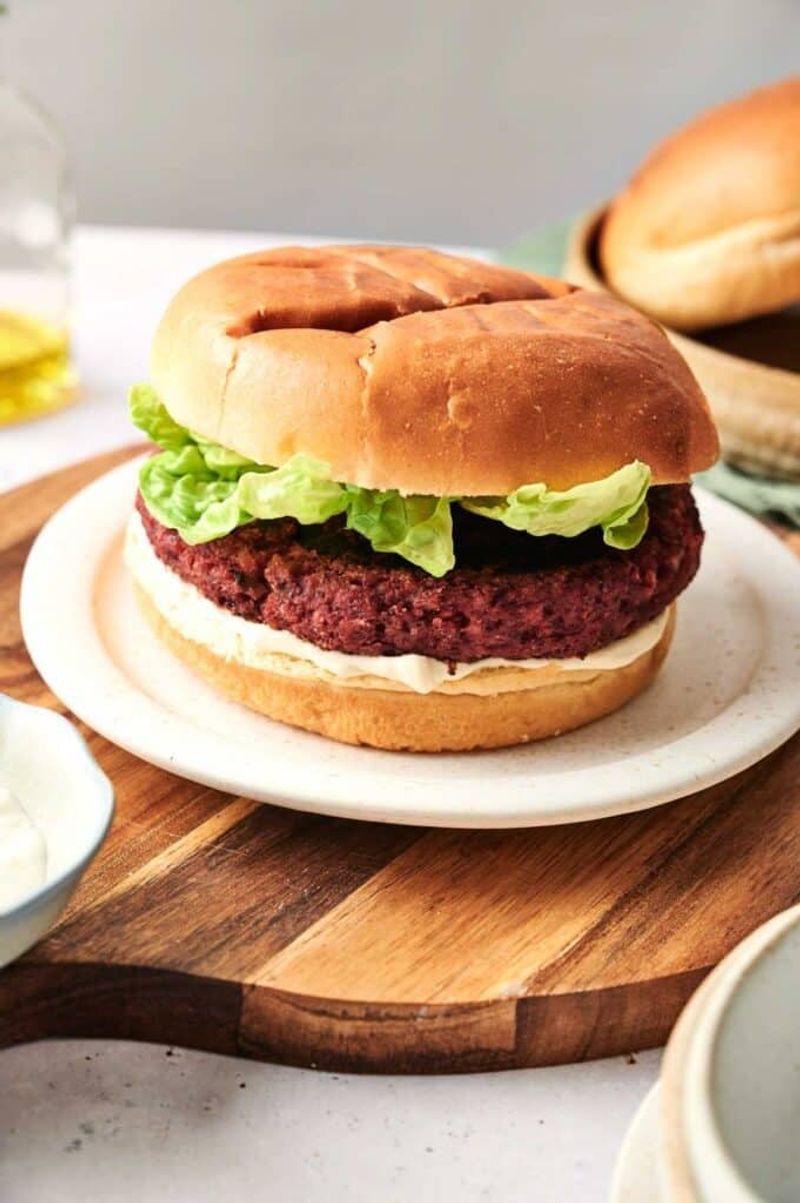
Ever watched a veggie burger turn pink in the middle? Brands like Impossible Foods use a molecule called heme, made with help from yeast, to copy the taste and color of beef.
You can find these patties at fast food chains and grocery freezers everywhere.
Tip: cook them like regular burgers, but watch closely. They brown quickly and taste best with a little char on the outside.
3. Cricket Flour
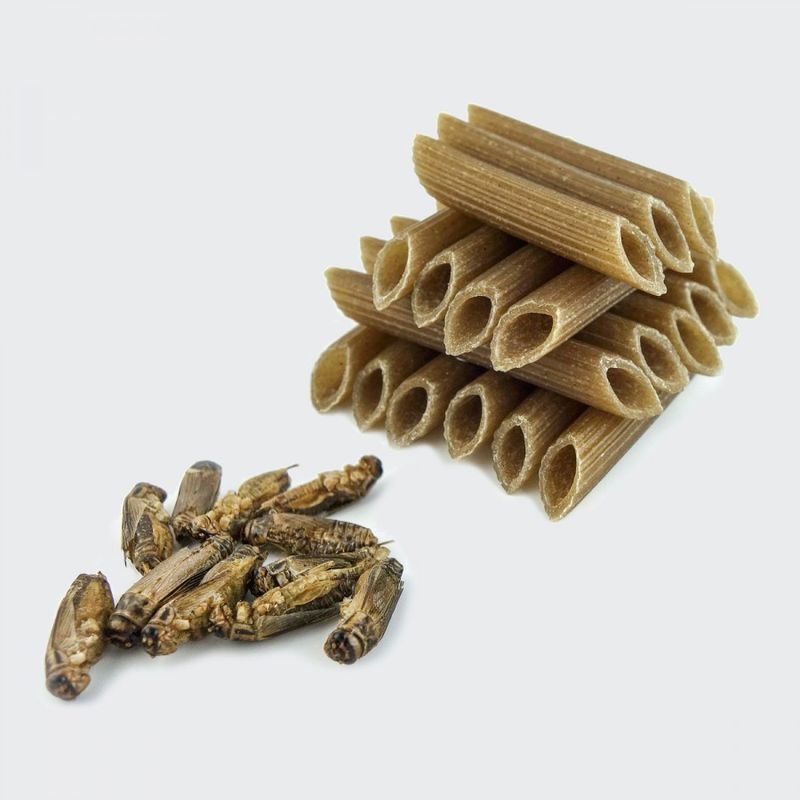
Crunchy crickets might sound gross, but billions of people around the world already eat insects. Ground into a fine powder, crickets become a flour packed with protein, iron, and vitamin B12.
Farming them takes far less water and food than raising cows.
Look for cricket protein bars, chips, and pasta online. Most people say the flavor is nutty and mild, so you might not even notice you are eating bugs.
4. 3D-Printed Food
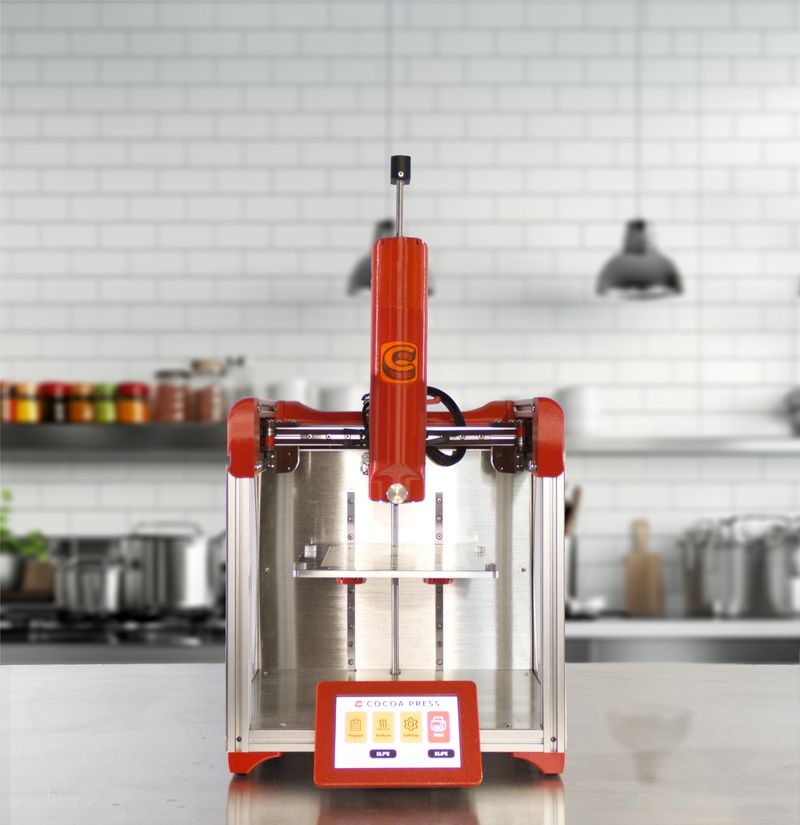
Picture a printer that makes dinner instead of homework pages. Food printers squeeze out layers of chocolate, dough, or pureed veggies to build fancy shapes.
Some hospitals use them to make soft, good-looking meals for people who have trouble chewing. Fancy restaurants use them for desserts that look like art.
Home versions exist too, though they are pricey. Someday you might print a custom pizza designed just for your taste buds.
5. Spirulina and Algae Snacks
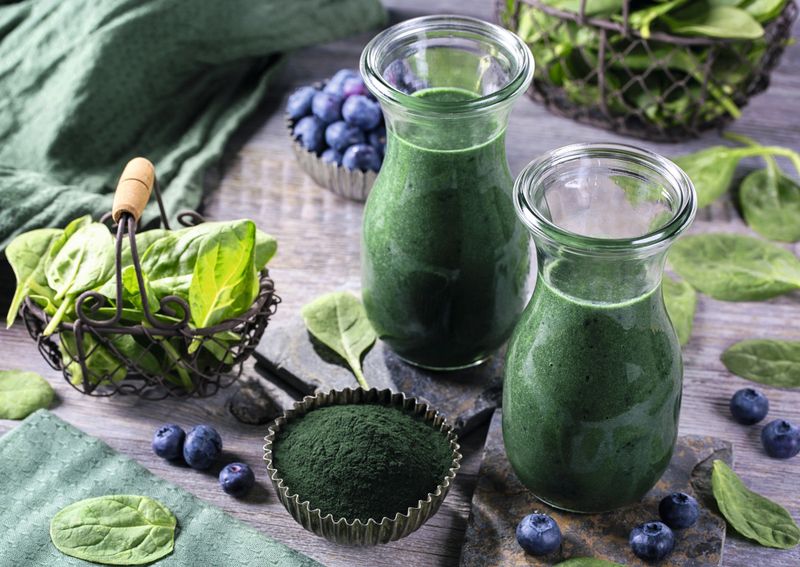
Bright green and super tiny, spirulina is a type of algae that grows in warm water. Ancient Aztecs ate it hundreds of years ago, and NASA has studied it as space food.
It contains lots of protein and nutrients in a small scoop.
Try adding half a teaspoon to a fruit smoothie. The color is wild, but bananas and berries help hide its slightly ocean-like taste.
6. Vertical Farm Greens
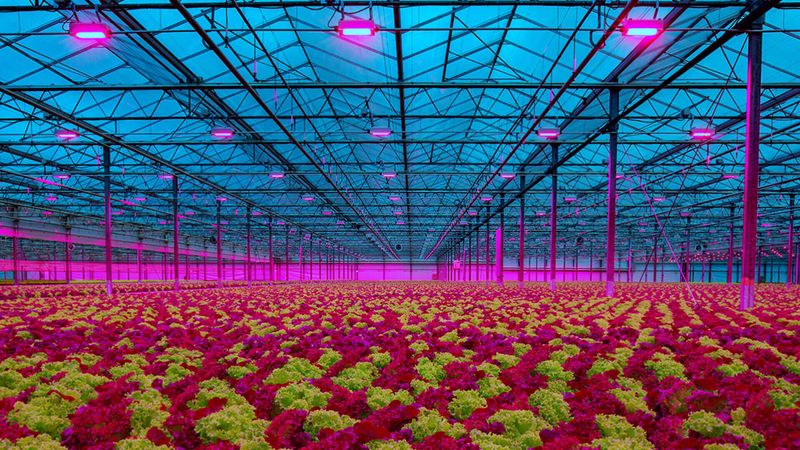
Lettuce grown in a warehouse, stacked to the ceiling? It is happening right now in cities across the world.
Vertical farms use LED lights and water instead of soil and sunshine. They can grow crops all year and use up to 95 percent less water than regular fields.
Check your store for packaged greens labeled indoor grown. They often stay fresh longer because they traveled only a short distance to reach you.
7. Precision-Fermented Dairy
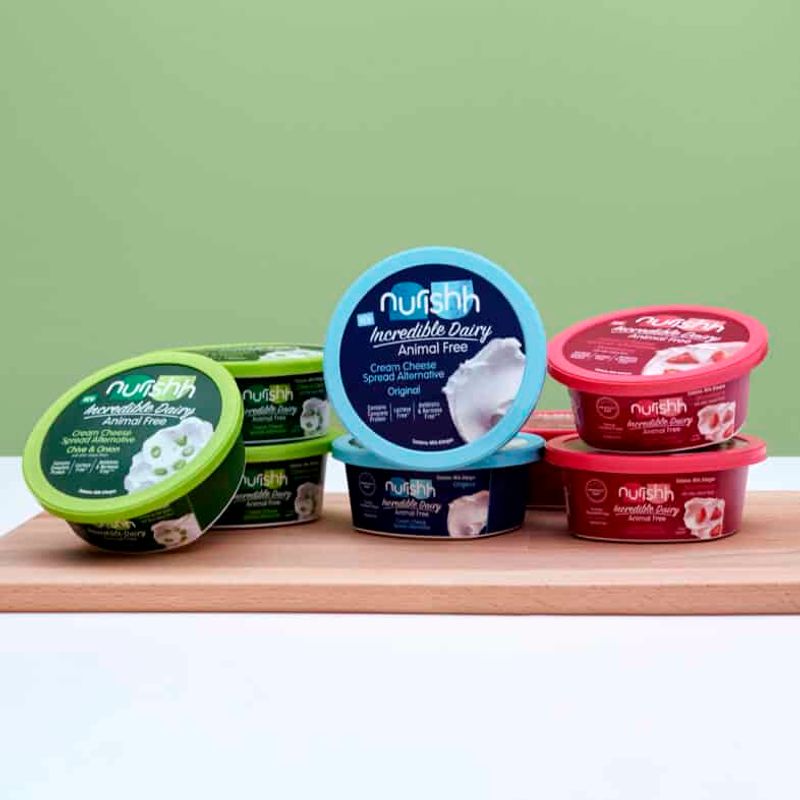
Here is a fun puzzle: real milk protein, but no cow. Companies teach microbes like yeast to make whey and casein through a process called precision fermentation.
The result tastes like regular dairy and melts just like it too. You can already buy animal-free ice cream and cream cheese in some stores.
People with egg or dairy worries should still read labels, since these proteins can trigger the same allergies.
8. Air Protein
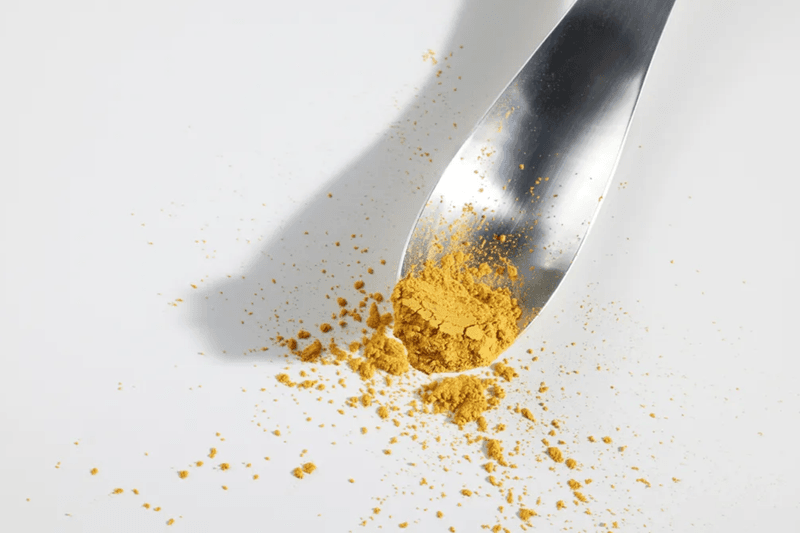
Believe it or not, some scientists are making food out of thin air. Companies like Solar Foods use special microbes that feed on carbon dioxide, hydrogen, and electricity.
The microbes turn into a yellow protein powder called Solein.
The idea came from old NASA research for long space trips. Because it needs no farmland, this powder could help feed people in deserts, cold places, or even on Mars someday.
9. Mycoprotein and Mushroom Meat
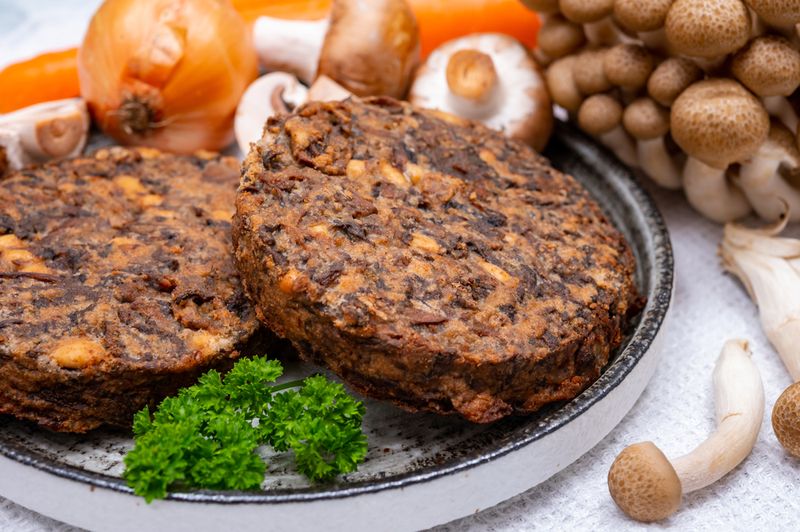
Mushrooms are sneaky little superstars. Mycoprotein comes from fungi grown in big tanks, then shaped into nuggets, sausages, and burgers.
Quorn has sold it since the 1980s in Britain, so it is older than most people think. Newer brands even make bacon from mushroom roots called mycelium.
The texture is chewy and meaty. Give mushroom strips a try in tacos for a filling meal with plenty of fiber.
10. Edible Packaging
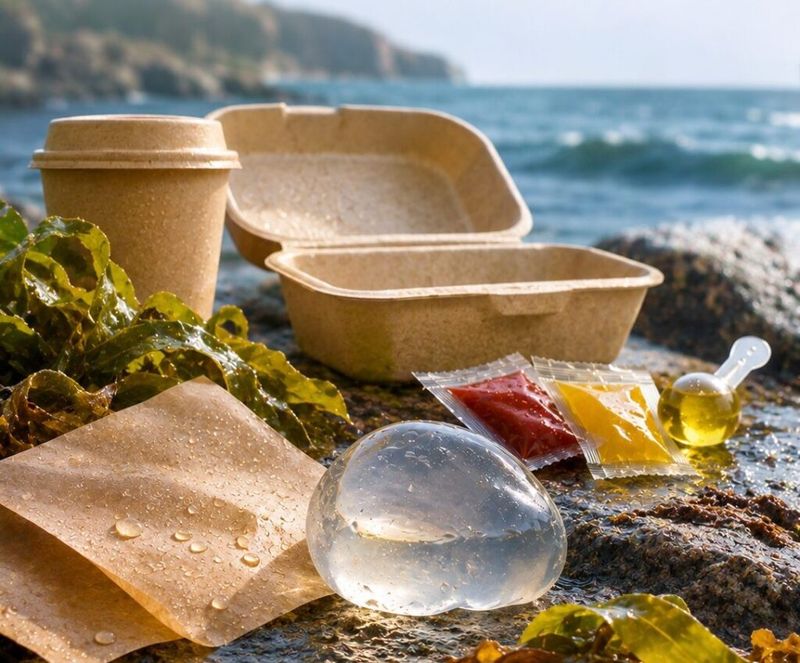
What if you could eat the wrapper too? At the London Marathon, runners grabbed little seaweed bubbles filled with water and popped them right into their mouths.
Inventors are also making cups, straws, and spoons from rice, seaweed, and grains.
Less plastic in oceans is the big goal. Next time you see a cookie cup or rice straw, you will know you are holding a tiny piece of the future.
11. Plant-Based Eggs
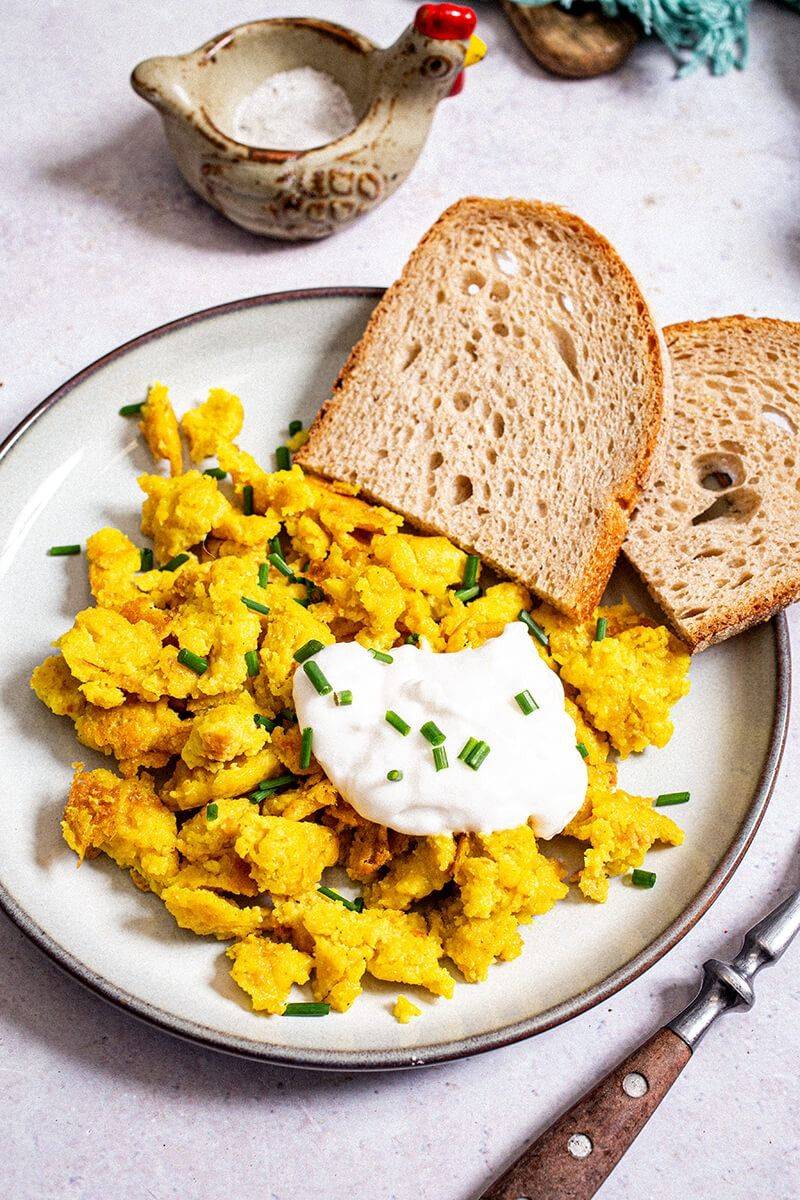
Scrambled eggs without chickens sound strange, right? JUST Egg is made from mung beans, a small green bean popular in Asian cooking.
Pour it into a hot pan and it fluffs up just like the real thing. It works in omelets, breakfast burritos, and even French toast.
Many families with egg allergies love having a safe option. A splash of salt and pepper makes it taste like a classic weekend breakfast.
12. Seaweed Bacon and Ocean Veggies
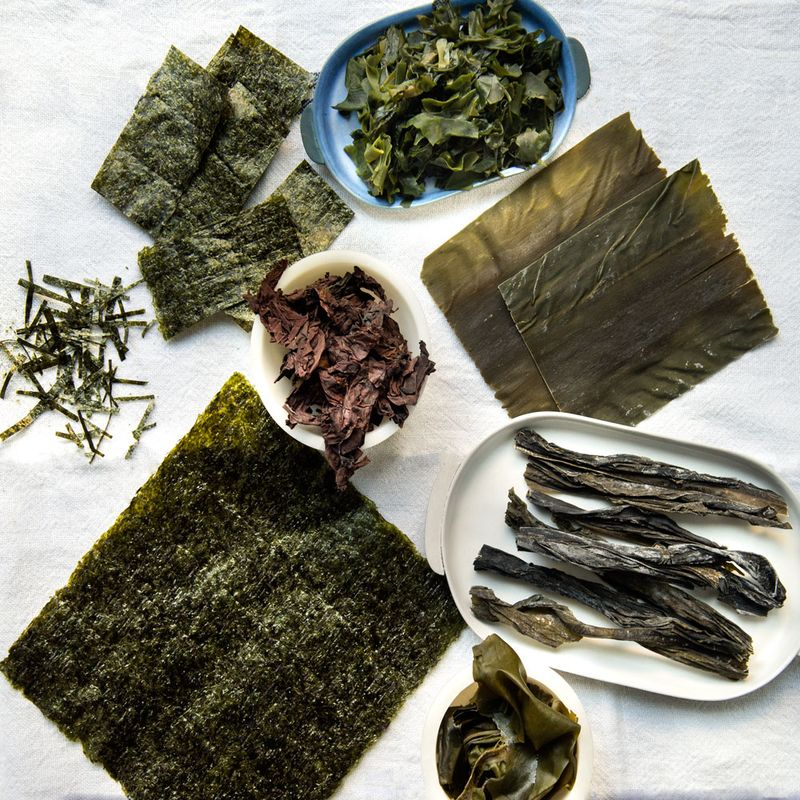
Ocean farmers are planting underwater gardens. Kelp and seaweed grow super fast, need no fresh water, and even help clean the sea.
One red seaweed called dulse tastes a bit like bacon when fried. Seaweed snacks are already a lunchbox favorite for many kids.
Try crumbling roasted seaweed sheets over rice or popcorn. The salty crunch is tasty, and you get minerals like iodine that help your body work well.
13. Cultivated Seafood
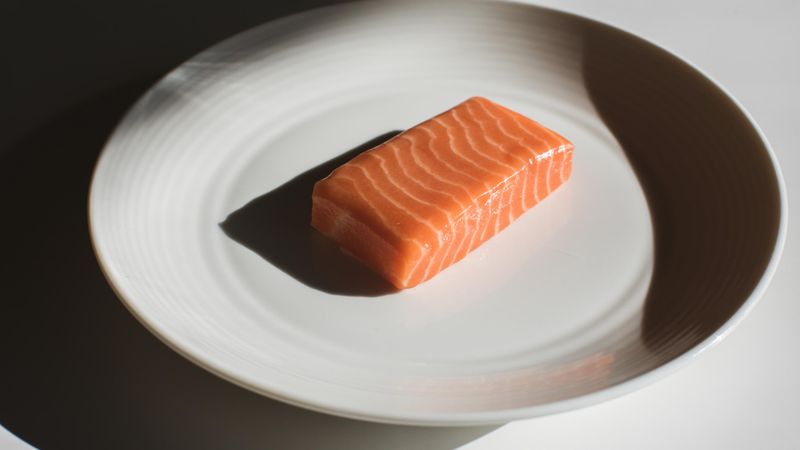
Sushi lovers, listen up. Scientists are growing salmon, tuna, and shrimp from fish cells, with no fishing boats needed.
In 2025, a company called Wildtype began serving cultivated salmon in a few U.S. restaurants. The fish has no mercury or tiny plastic bits, which can show up in ocean fish.
This could help protect overfished seas while still letting people enjoy their favorite rolls and poke bowls.
14. Duckweed Greens
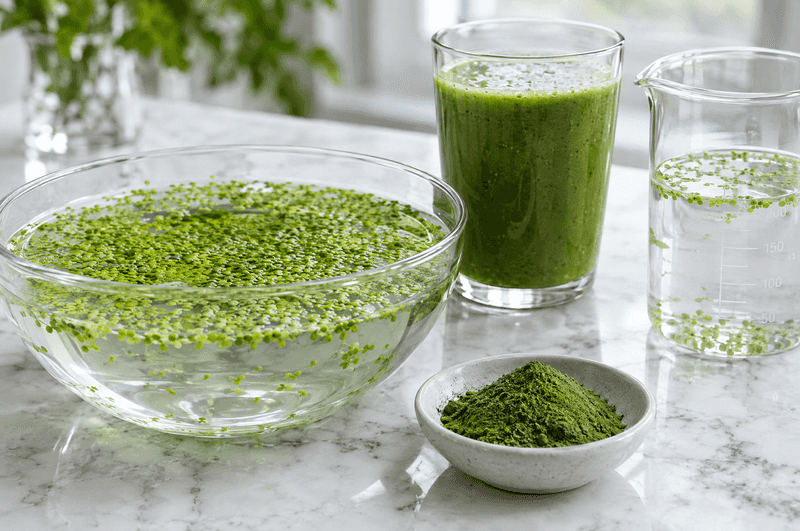
Tiny but mighty, duckweed is the smallest flowering plant on Earth. Each leaf is smaller than a grain of rice, yet it can double in size in just two days.
Sold as water lentils or Mankai, it is loaded with protein and vitamins.
People in Thailand have eaten it for ages. Now companies blend it into powders and shakes, so you might spot it in the health food aisle soon.
15. Upcycled Snacks
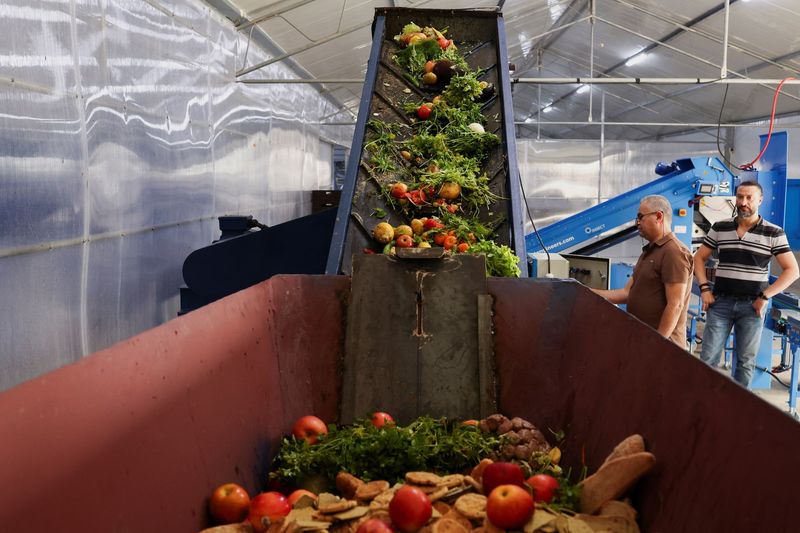
Leftovers are getting a glow-up. Upcycled foods use scraps that would have been thrown away, like juice pulp, broken veggies, and grain from making drinks.
Companies turn them into chips, flour, crackers, and granola bars. About one third of all food goes to waste, so this helps a lot.
Look for the Upcycled Certified label at the store. Every bag you buy keeps good food out of the trash.
16. Personalized Nutrition Meals
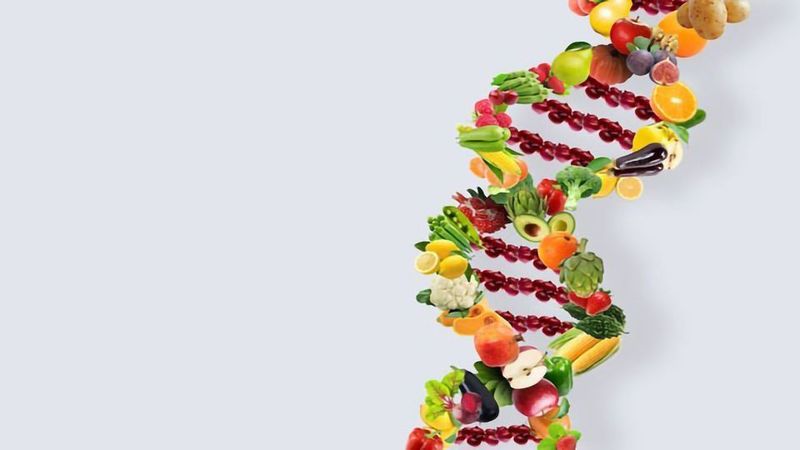
No two stomachs are exactly alike. Some apps and companies now study your blood sugar, gut bacteria, or even DNA to suggest meals made just for you.
A banana might spike one person’s energy and barely affect someone else.
These tools are still new and sometimes expensive. Even so, paying attention to how foods make you feel is a free and simple way to start eating smarter today.
17. Gene-Edited Produce

Purple tomatoes are real, and you can grow them. Scientists added genes from snapdragon flowers so the tomatoes make antioxidants found in blueberries.
Other edited crops include mushrooms that do not brown and apples that stay fresh after slicing.
Tools like CRISPR let scientists change plants more precisely than before. The goal is food that lasts longer, resists disease, and gives you extra nutrition with every bite.
18. Jackfruit Pulled Meat
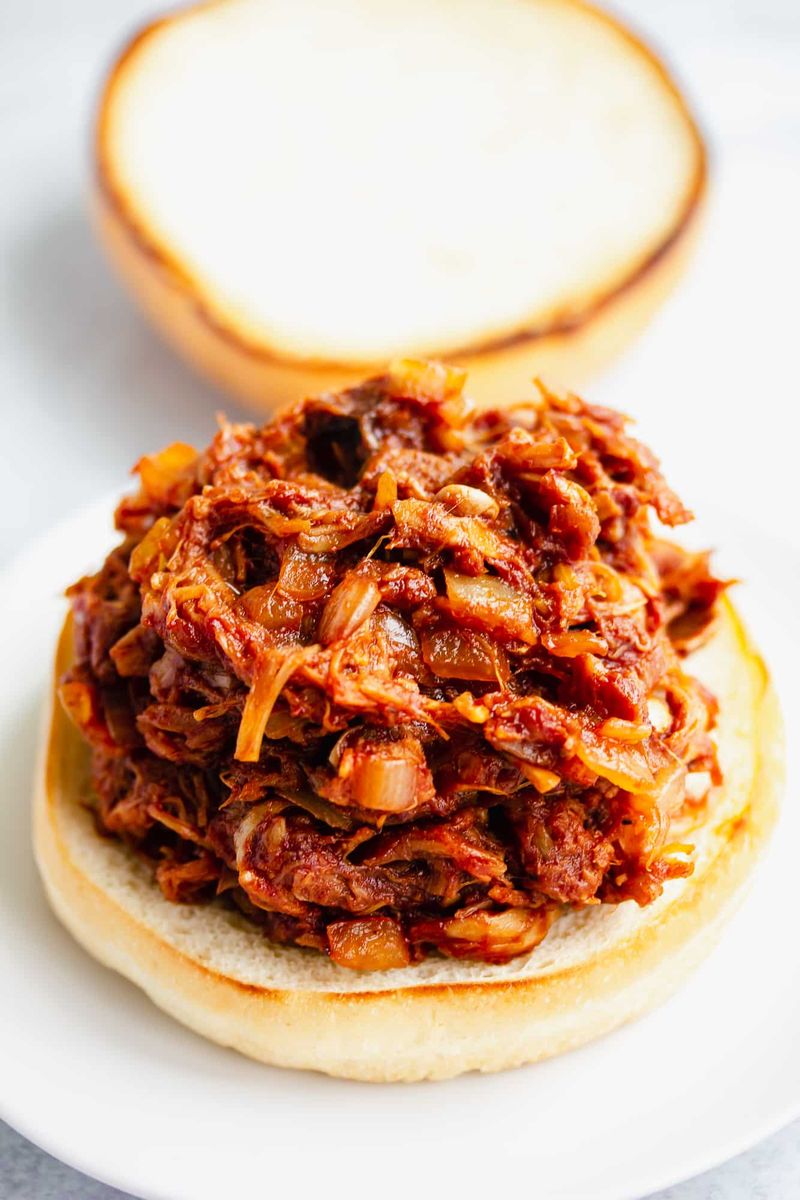
Weighing up to 80 pounds, jackfruit is the largest tree fruit in the world. When picked young, its stringy flesh shreds just like pulled pork.
Cooks toss it in barbecue sauce and pile it onto buns.
Canned jackfruit is easy to find in many grocery stores. Rinse it well, simmer it with spices, and pull it apart with forks for a fun taco night that surprises everyone at the table.
19. Space-Grown Food
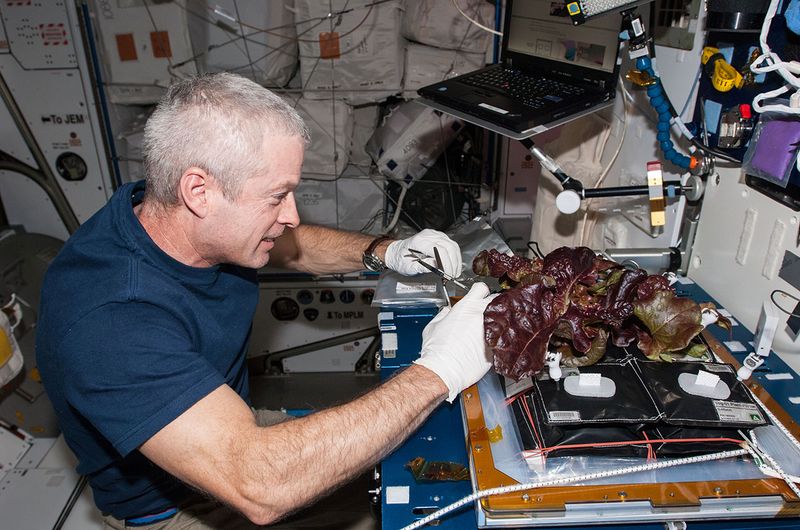
In 2015, astronauts on the International Space Station took a big step for snack time. They ate red romaine lettuce grown right there in orbit.
Since then, they have harvested chili peppers, radishes, and zinnia flowers too.
Lessons learned up there help farmers on Earth grow food in harsh places. So the next time you crunch a salad, remember that some greens have traveled way farther than yours.