
Growing up on screen can look exciting, but fame often comes with pressures that fans never see. Young performers may face long workdays, harsh comments, and little privacy while still figuring out who they are.
By sharing their experiences, former child stars have helped explain why children in entertainment need stronger support. Their stories remind us to look beyond the headlines and treat people with care.
1. Keke Palmer: Feeling Like a Product

Behind her bright smile and quick jokes, childhood work brought serious pressure. Keke Palmer has described her early entertainment career as stressful and painful, with anxiety and depression shaping parts of that experience.
She has also spoken about feeling treated like a product rather than a person. Her comments raise a useful question for anyone supporting young talent: Are adults protecting the child, or simply protecting the business built around that child’s success and public image?
2. Demi Lovato: Carrying Adult Responsibilities
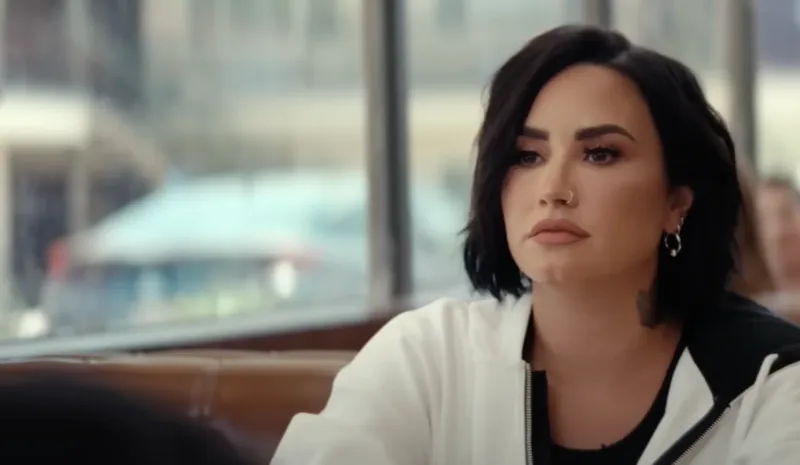
Becoming a household name also meant becoming a family provider. Demi Lovato has discussed how earning money as a child changed family relationships and made ordinary boundaries harder to maintain.
In interviews and documentary work, Lovato has connected those years with intense pressure and private struggles. The lesson reaches beyond Hollywood: Children need dependable adults who can set limits, offer guidance, and make clear that love never depends on a paycheck or a successful public performance.
3. Brandy: Trapped by the Perfect Image
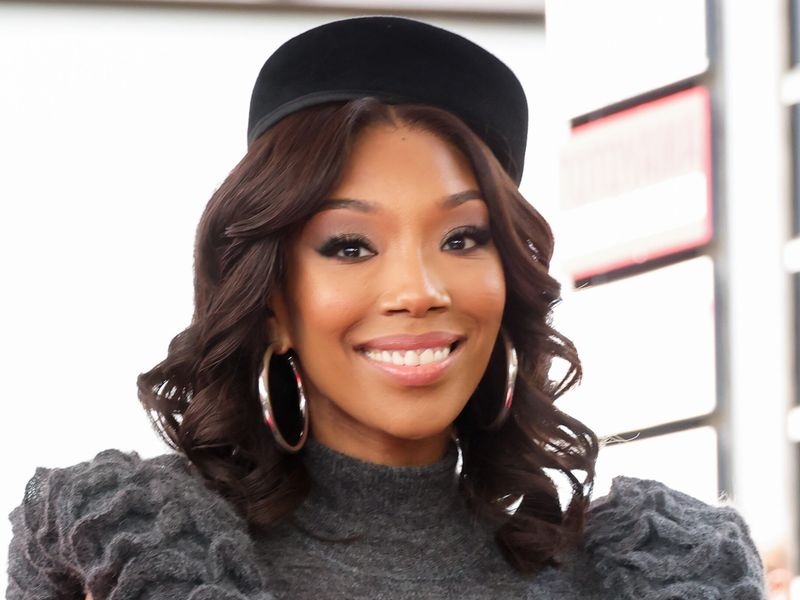
A teenage singing career and the sitcom Moesha made Brandy a role model for many young fans. Yet being admired came with an exhausting expectation: She felt she had to be perfect.
Brandy has said that making mistakes seemed like letting everyone down, leaving little room to grow safely. Her honesty offers a kinder way to view young celebrities.
Admiration should allow room for learning, changing direction, and being human without turning every mistake into entertainment.
4. Amandla Stenberg: Growing Up Under a Body Spotlight
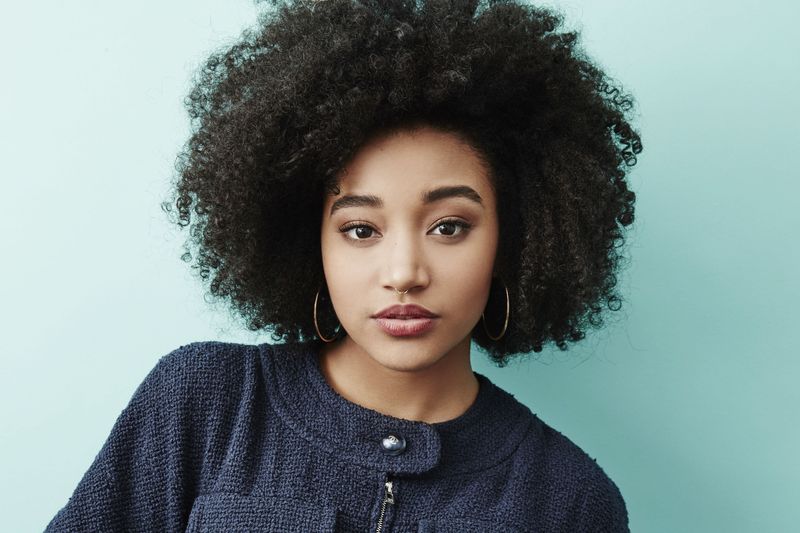
Landing a role in The Hunger Games brought worldwide attention while Amandla Stenberg was still very young. That visibility also meant facing uncomfortable messages about appearance and how a young performer should look.
Stenberg has discussed body image pressure, including expectations around weight and sexualization. Those comments underline a boundary worth defending everywhere: A child’s body is not public property.
Conversations about young actors should focus on their work, not judge their shape or physical development.
5. Bow Wow: Missing an Ordinary Childhood
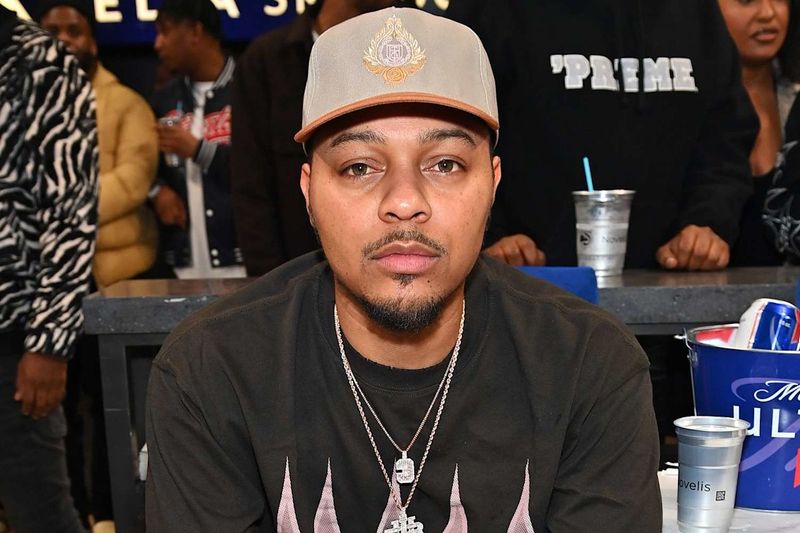
Tour buses and screaming crowds replaced many everyday childhood moments for the rapper once known as Lil’ Bow Wow. Looking back, he has spoken about missing that ordinary time and facing substance use problems.
He has described a serious struggle involving lean, a drink containing cough medicine, and frightening physical symptoms. His account shows why fame should never hide a need for medical help.
Money and applause cannot replace rest, trusted relationships, or proper addiction treatment.
6. Drake Bell: Speaking About Abuse
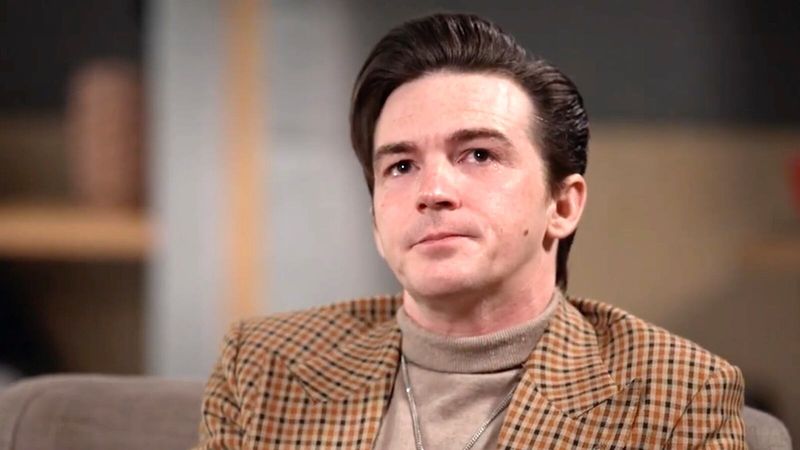
Known to many viewers through Drake & Josh, Drake Bell later shared a painful experience from his teenage years. In the documentary Quiet on Set, he identified himself as a survivor of sexual abuse by dialogue coach Brian Peck.
Bell has discussed drinking and other harmful coping behaviors, followed by seeking treatment. His disclosure puts attention where it belongs: Adults and employers must protect children, respond seriously to reports, and make professional support available without blaming survivors.
7. Jennette McCurdy: Reclaiming Her Own Choices
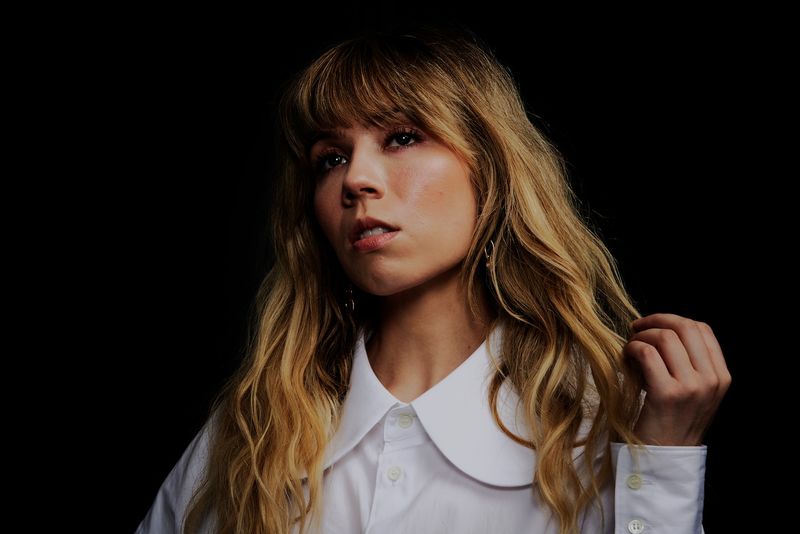
The jokes on iCarly offered little hint of Jennette McCurdy’s life away from the camera. In her memoir, she described an exploitative childhood, controlling behavior from her mother, and an eating disorder.
She has also explained that acting was not the dream she freely chose for herself. Stepping away became part of reclaiming her life.
Her story encourages families to listen carefully when children express discomfort, even when adults believe an opportunity is too valuable to refuse.
8. Selena Gomez: Wanting Space Away From Cameras
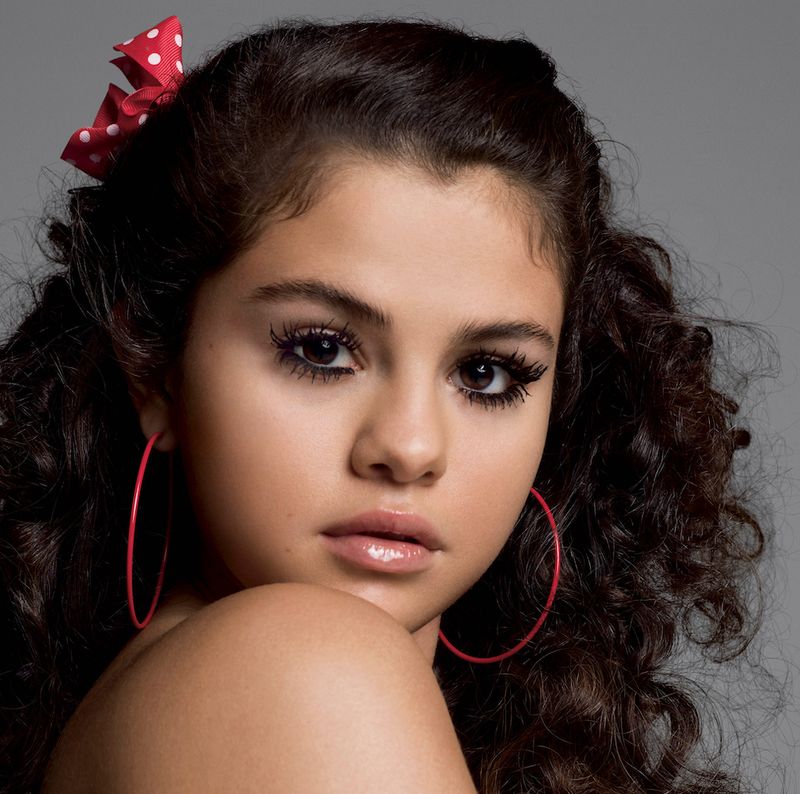
Imagine having strangers photograph you before you have finished growing up. Selena Gomez has described feeling violated by paparazzi attention during her teenage years, when ordinary outings could become public events.
She has also spoken openly about mental health and seeking treatment. Rather than treating access to celebrities as a right, fans can respect boundaries around private moments.
Her experience makes a simple point: Being familiar to millions does not mean someone has agreed to constant observation.
9. Alyson Stoner: Asking the Industry to Change
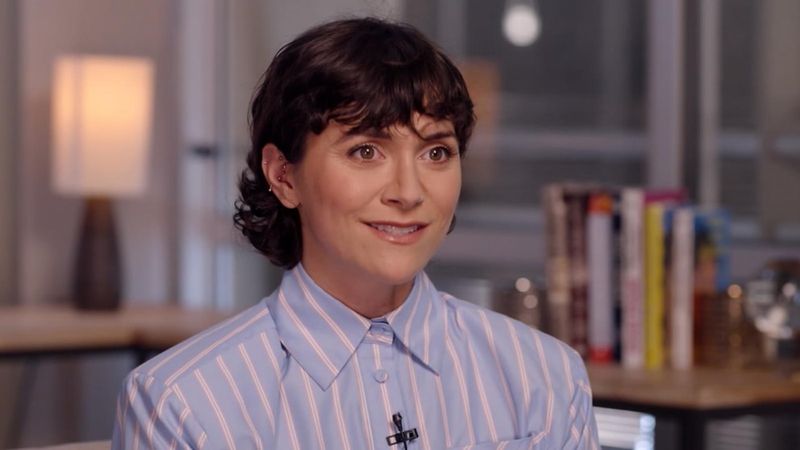
Dance routines and Disney appearances helped make Alyson Stoner a familiar face. As an adult, Stoner has looked beyond individual experiences to examine the working conditions that can harm young entertainers.
Through essays, interviews, and the Dear Hollywood podcast, Stoner has discussed mental health, identity, and the need for stronger protections. That broader view matters because recovery should not be a child’s responsibility alone.
Safer schedules, independent support, and clear reporting systems require action from adults throughout entertainment.
10. Amanda Bynes: Looking Beyond the Headlines

Comedy came naturally to the young performer who led The Amanda Show. Years later, Amanda Bynes discussed drug use and how distress about her appearance affected her relationship with acting.
Her public difficulties were often treated as gossip instead of signs that privacy and care were needed. Readers can choose a better response by avoiding cruel jokes and refusing to spread rumors.
A person’s hardest period should not become the only story anyone tells about their life.
11. Regina King: Recognizing the Weight of Visibility
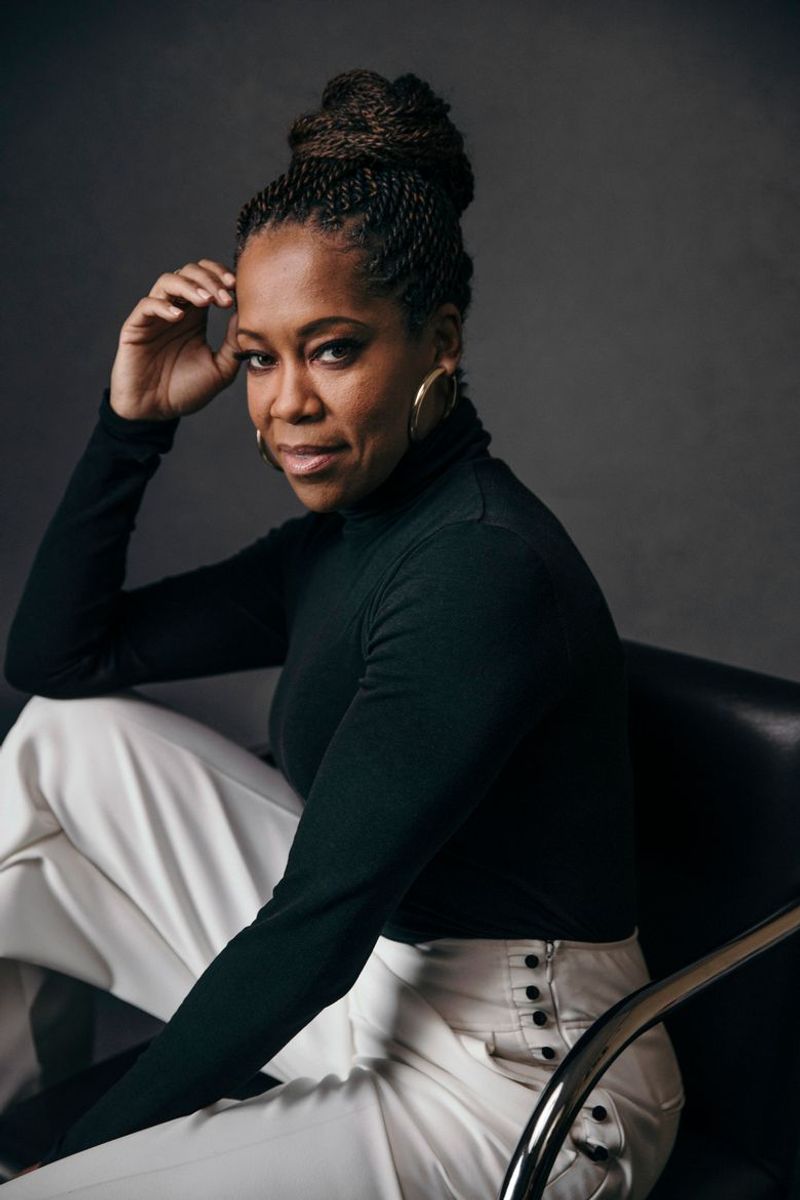
Before award winning film roles and directing work, Regina King played Brenda on 227. Starting young gave her experience, but she has acknowledged that living publicly from childhood is not easy.
Her observation does not need a shocking headline to matter. Pressure can exist even when a career appears steady and successful.
Remembering that helps us avoid dividing former child stars into success stories and cautionary tales. Every young worker deserves support, whether difficulties become public or remain private.
12. Kirsten Dunst: Making Room for Treatment
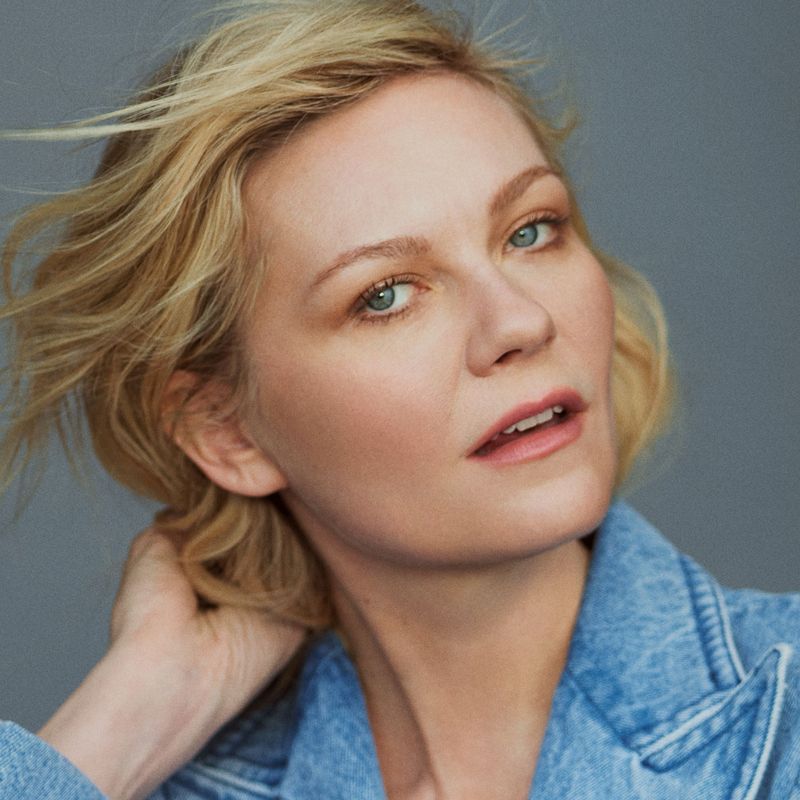
From Interview with the Vampire to major adult roles, Kirsten Dunst grew up with a career already underway. She later spoke about receiving treatment for depression and having the chance to step away for care.
That openness challenges the idea that professional success should protect someone from mental illness. It does not.
Her experience offers reassurance to anyone who feels guilty about needing help: Taking time for treatment is a health decision, not proof of weakness or ingratitude.
13. Natalie Portman: Rejecting Early Sexualization
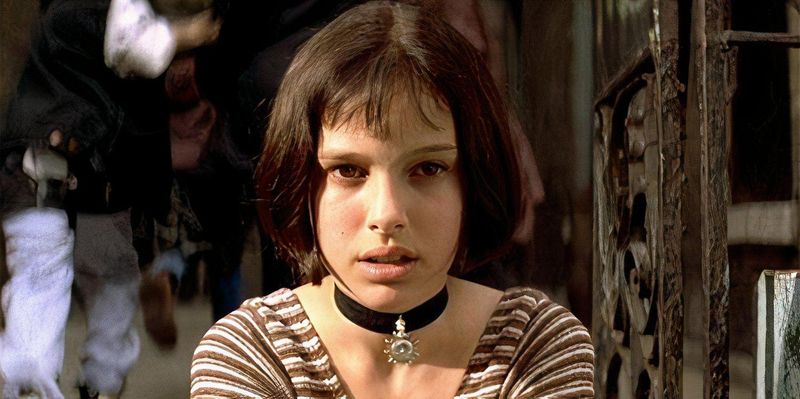
A breakthrough performance should have opened creative doors without making a child feel unsafe. Natalie Portman has described how sexualized responses to her early work shaped her choices and sense of personal safety.
She has spoken about becoming guarded and limiting how she presented herself. Her account draws a clear line between discussing a performance and sexualizing its young actor.
Adults can help by challenging inappropriate comments instead of dismissing them as harmless attention or part of becoming famous.
14. Lindsay Lohan: Growing Beyond Public Mistakes
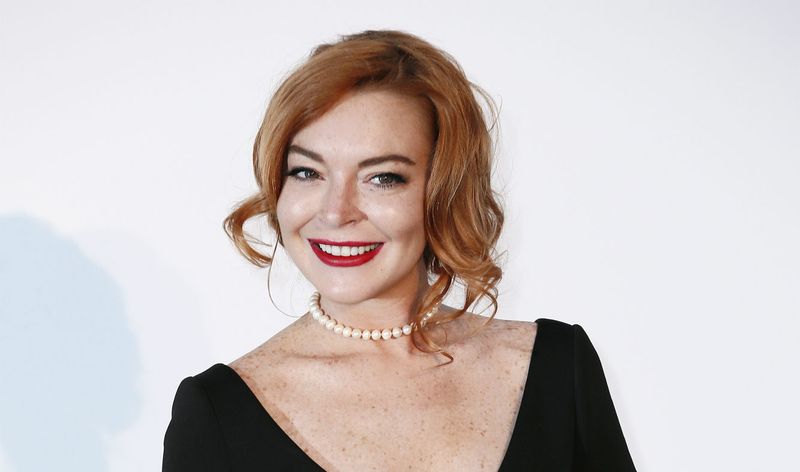
Playing twins in The Parent Trap made Lindsay Lohan an instant favorite. As she grew older, relentless coverage of her personal life often overshadowed the work that first drew audiences to her.
Lohan has discussed addiction, recovery, and the difficulty of living under intense attention. Her experience invites readers to leave room for change.
Following a performer does not require keeping a permanent scorecard of old mistakes, especially when those moments involved health problems and a need for support.
15. Macaulay Culkin: Setting Boundaries With Family
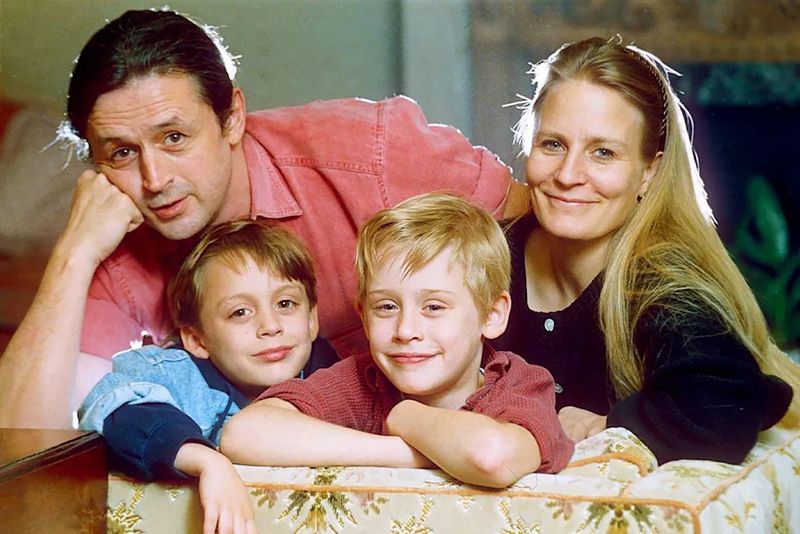
Home Alone made his face recognizable around the world, but Macaulay Culkin has described a childhood marked by difficult family relationships. He has publicly accused his father, who managed his career, of abuse.
Culkin also stepped back from acting while still young and later discussed protecting control over his finances. His account highlights a crucial safeguard: Children need adults whose judgment is not tied to their earnings.
Family involvement should never remove a young performer’s right to safety and boundaries.
16. Britney Spears: Fighting for Personal Control
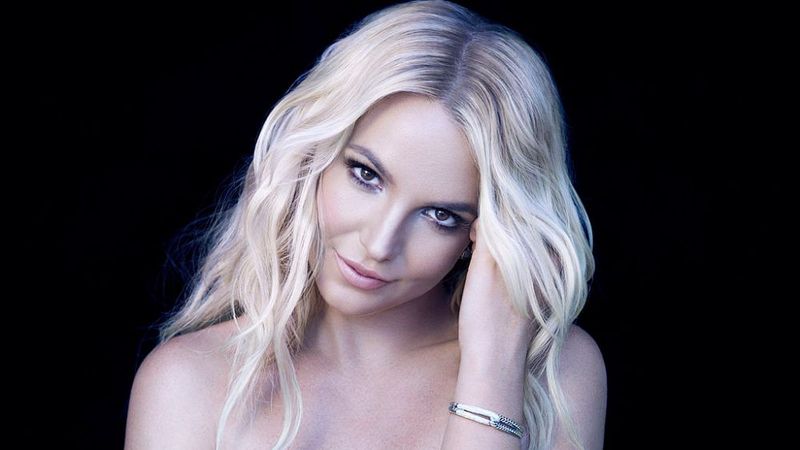
Before becoming a pop superstar, Britney Spears performed on The Mickey Mouse Club. Her later life unfolded under extraordinary scrutiny, followed by a conservatorship that controlled major personal and financial decisions for years.
In court testimony and her memoir, Spears described feeling controlled and unheard. Her experience raises questions about autonomy, consent, and whose voice gets trusted.
Public concern should center the person’s wishes and rights, rather than turn private pain into another spectacle for audiences to consume and debate.
17. Drew Barrymore: Finding Stability After a Chaotic Start
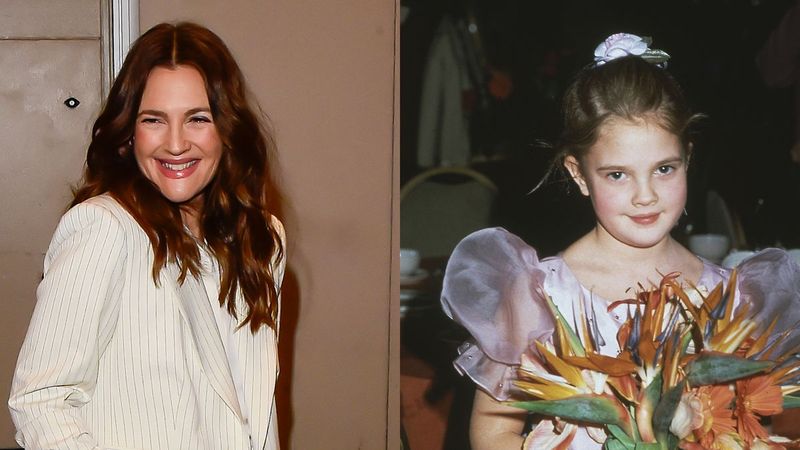
Audiences met an unforgettable little girl in E.T., while Drew Barrymore’s real childhood was far less secure. She has openly discussed substance use, treatment, and entering adult spaces at an age when she needed protection.
Her later reflections often return to building a different life and healthier family patterns. That perspective offers hope without making hardship sound useful or necessary.
Children should not have to survive chaos to become strong, and adults can create stability through dependable care and boundaries.
18. Judy Garland: The Cost of Studio Control
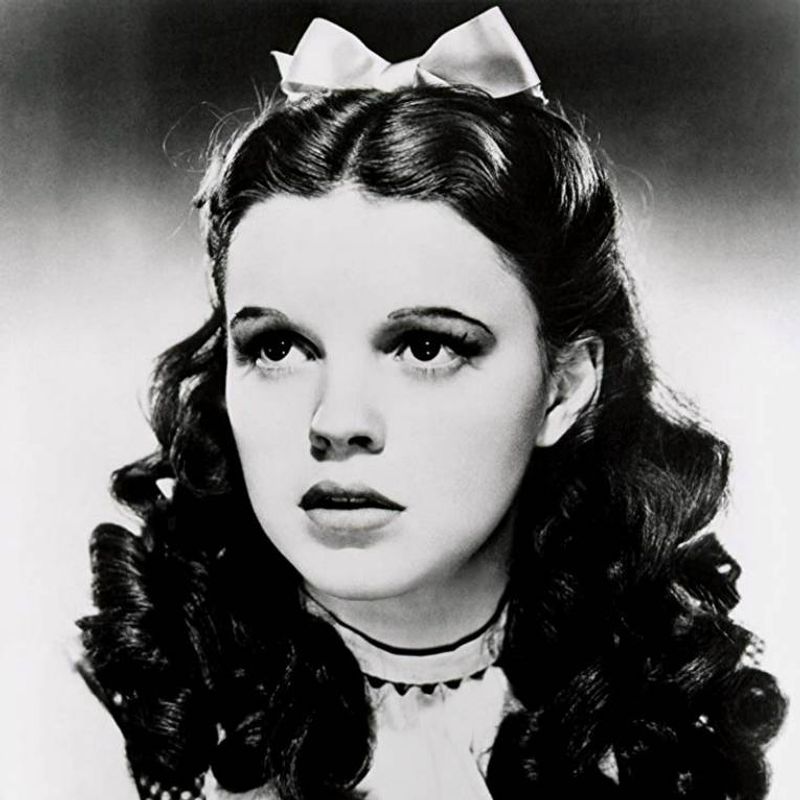
The voice behind Dorothy’s songs carried far more strain than movie magic suggested. Judy Garland spoke about harsh studio treatment, including pressure around her weight and the demands placed on her as a young performer.
Accounts of her career also document drugs used to manage demanding work routines. Her history shows that concerns about child entertainment are not new.
Looking back should mean examining the adults and systems with power, rather than blaming a young person for struggling under their control.
19. Aaron Carter: Searching for Life Beyond Teen Fame
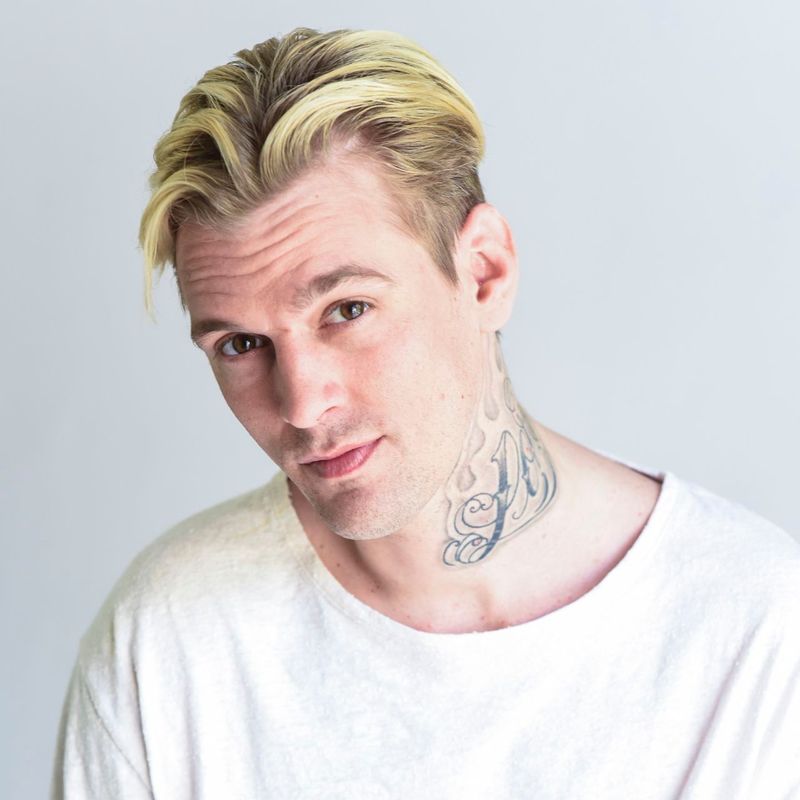
Catchy songs and young fans made Aaron Carter a pop fixture before adulthood. Later, he spoke publicly about substance use, family conflict, and the emotional difficulties that followed his early success.
Financial problems and changing career opportunities added further strain before his death in 2022. His story calls for compassion, not simple explanations about what went wrong.
Support for young performers must continue after the hits slow down, when attention fades but bills, health needs, and personal struggles do not.