
Have you ever grabbed a snack, taken a bite, and been totally shocked by the flavor? Plenty of foods look like twins on the plate but taste nothing alike.
Knowing the difference can save you from a sour surprise and even help you cook better meals. Get ready to meet some sneaky food pairs that fool people every single day.
1. Salt vs. Sugar
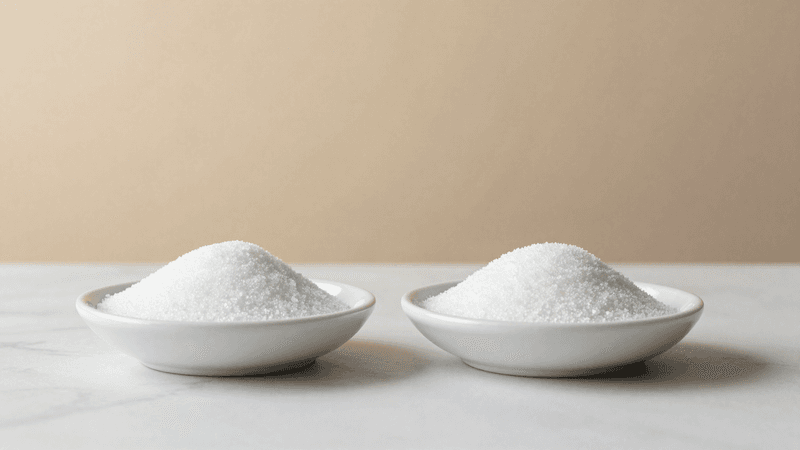
Picture this: you bake cookies for a friend, and they taste like the ocean. Mixing up salt and sugar is one of the oldest kitchen mistakes around.
Both are white, grainy, and stored in similar jars. Sugar crystals are usually a bit larger and shinier, while salt grains look more like tiny cubes.
Label your containers with big letters. If you are unsure, a quick taste with your fingertip solves the mystery instantly.
2. Cilantro and Flat-Leaf Parsley
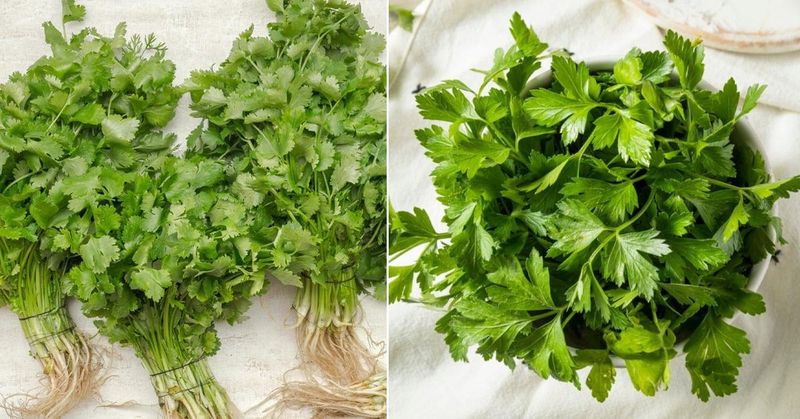
Grocery stores often stack these two green herbs right beside each other, and shoppers grab the wrong one all the time.
Cilantro has rounder, lacier leaves and a bright, citrusy smell. Parsley leaves are pointier and taste fresh and grassy.
Fun fact: some people have a gene that makes cilantro taste like soap!
Before buying, crush a leaf between your fingers and sniff. Your nose will tell you which herb you are holding.
3. Sweet Potato and Yam
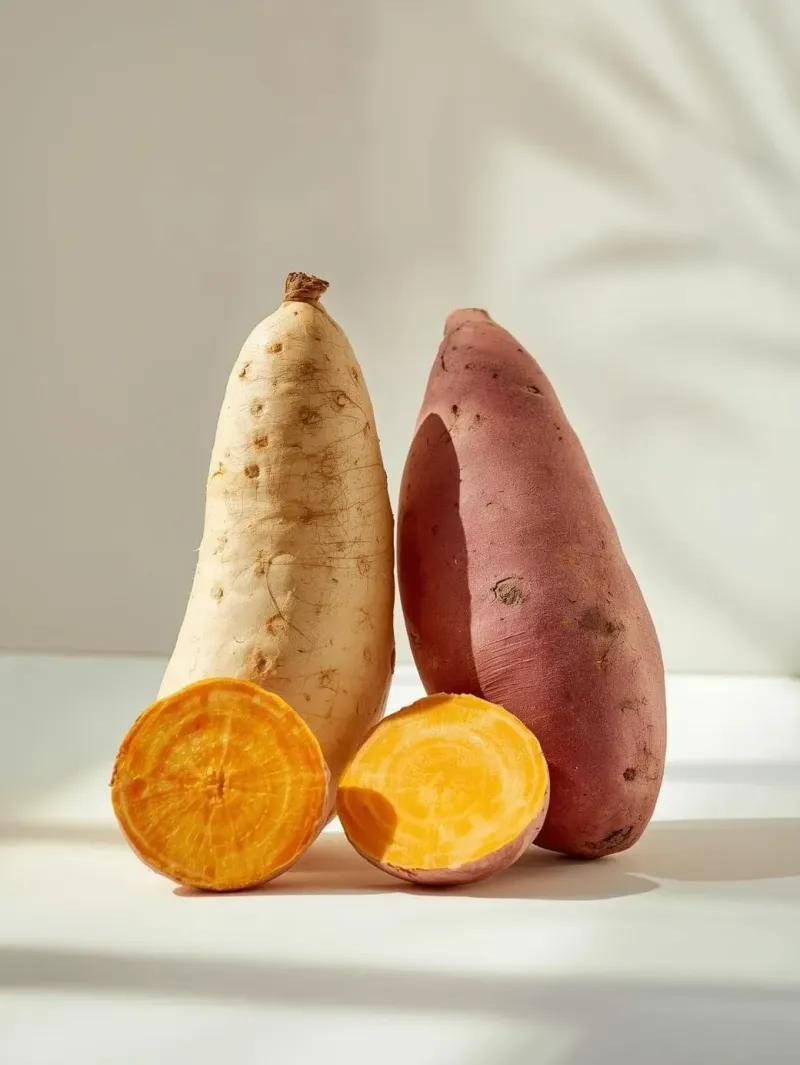
Here is a twist: most of those yams in American stores are actually sweet potatoes. True yams come from Africa and Asia and belong to a completely different plant family.
Sweet potatoes are moist, sugary, and orange inside. Real yams have rough, bark-like skin and starchy white flesh that tastes much drier and earthier.
Check labels carefully at international markets. Swapping one for the other can totally change how a recipe turns out.
4. Green Grapes and Gooseberries
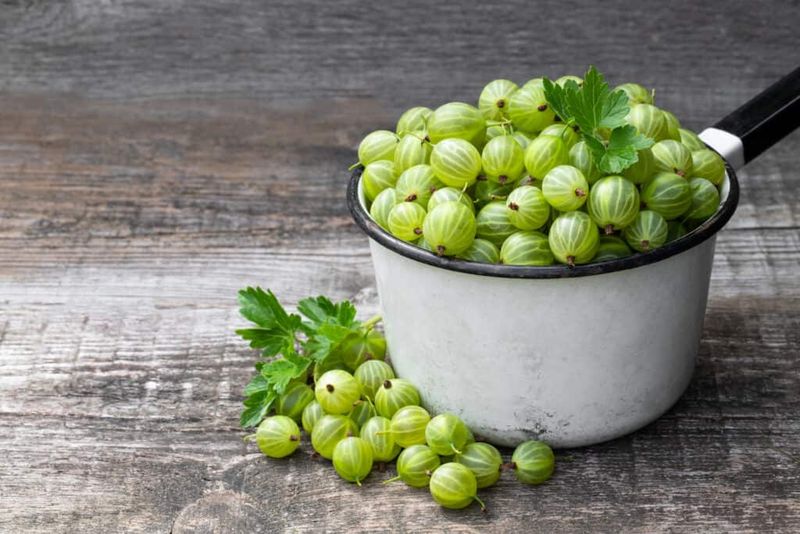
Pop what looks like a grape into your mouth, and suddenly your face scrunches up like a raisin. Surprise, it was a gooseberry!
Gooseberries are round, pale green, and often have faint stripes running from top to bottom. Their flavor is super tart, almost like a sour candy.
Grapes stay smooth and sweet. Gooseberries shine in jams and pies, where a little sugar tames their wild tang.
5. Baking Soda and Baking Powder
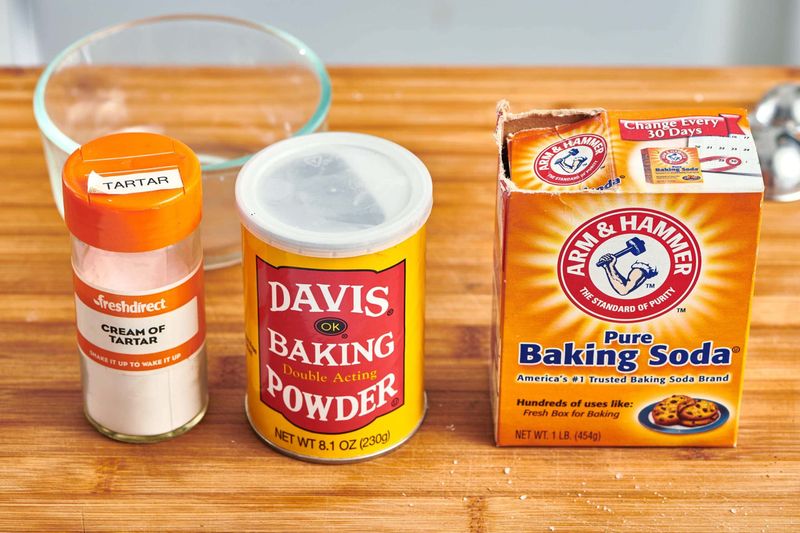
Ask any baker about flat pancakes, and they might sigh about this pair. Both are fluffy white powders that help food rise.
Baking soda is pure and needs something acidic, like buttermilk, to work. It tastes bitter and metallic if you use too much.
Baking powder already contains its own acid, so it tastes milder.
Always double-check your recipe. Using the wrong one can leave muffins soapy or dense.
6. Butter and Margarine
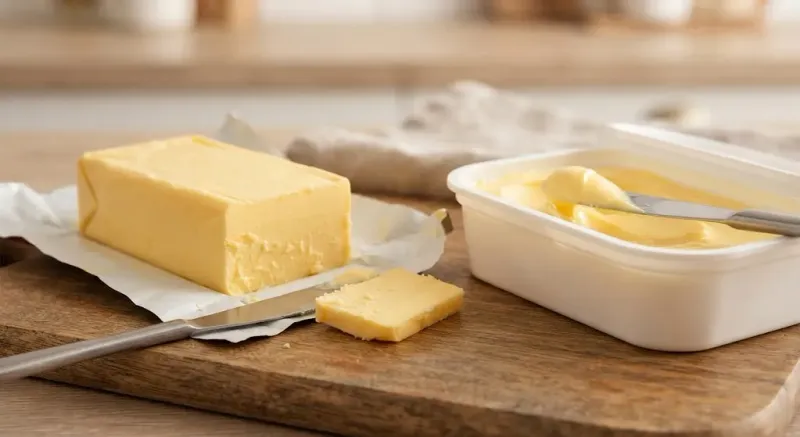
Back in the 1800s, margarine was invented as a cheaper butter swap for the French navy. Today the two still look nearly the same on toast.
Butter comes from cream and has a rich, creamy, slightly nutty flavor. Margarine is made from plant oils and tastes lighter, sometimes a little waxy.
For baking cookies, butter usually gives better flavor and crisp edges. Margarine works fine for spreading on warm bread.
7. Raisins and Chocolate Chips in Cookies
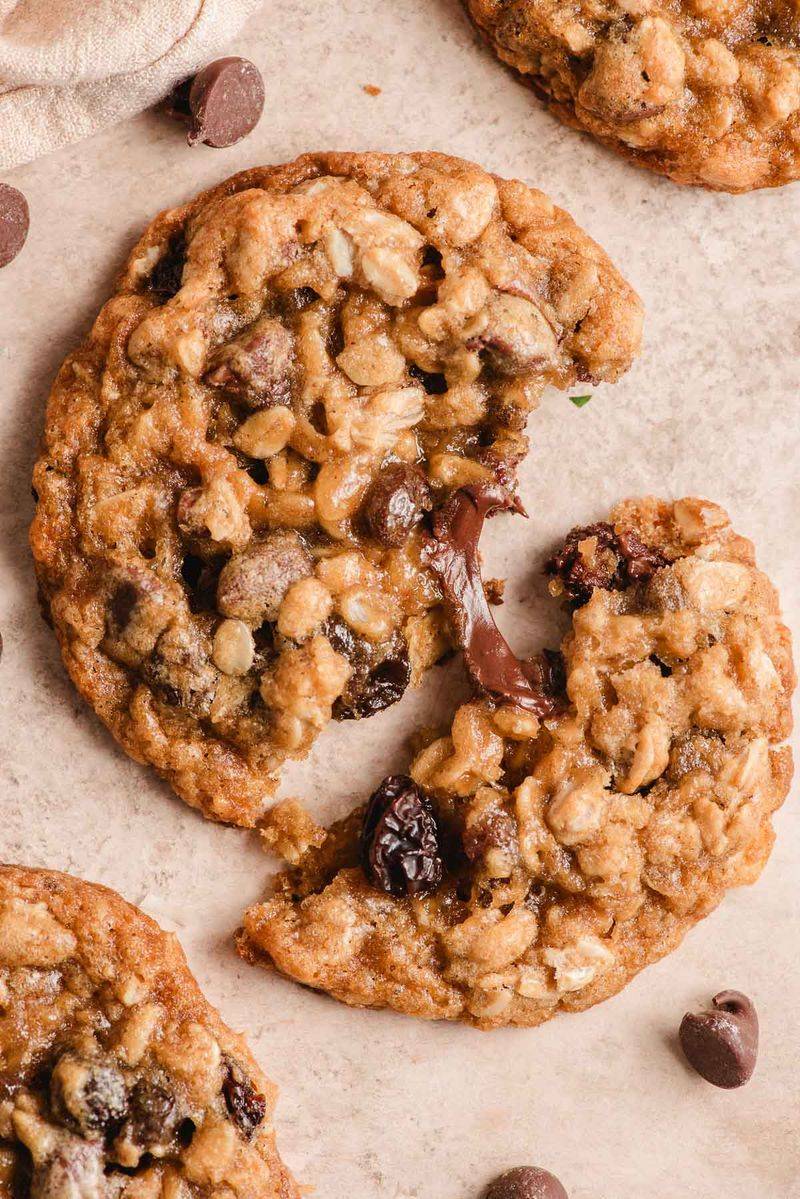
Few moments feel more disappointing to a kid than biting into a cookie expecting chocolate and finding raisins instead.
Baked into dough, both look like dark brown bumps. Chocolate chips melt into sweet, creamy pockets.
Raisins stay chewy and fruity, with a tangy, earthy sweetness.
Neither is bad, honestly! Oatmeal raisin cookies have many loyal fans.
Just break a cookie in half first if you have strong feelings about it.
8. Wasabi and Avocado Paste
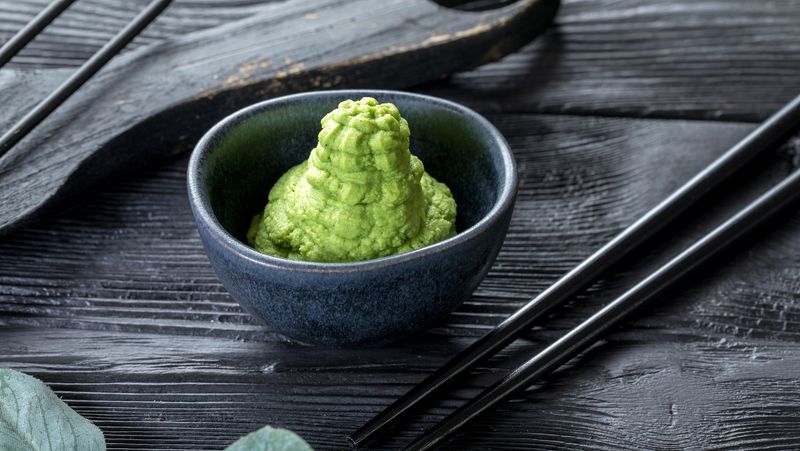
Smooth, green, and sitting near your sushi, that blob might look like harmless guacamole. One big scoop later, your nose feels like it is on fire.
Wasabi packs a sharp, spicy kick that rushes up into your sinuses. Avocado is mild, buttery, and calm.
Most restaurant wasabi is actually horseradish dyed green.
Always start with a tiny dab. Your eyes and nose will definitely thank you later.
9. Cucumber and Zucchini
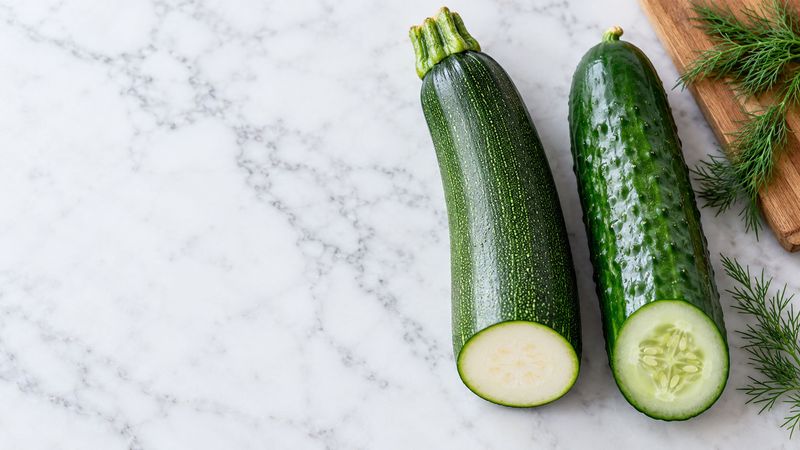
Long, green, and about the same size, these two vegetables trick shoppers every summer.
Cucumbers are cool, crunchy, and watery, perfect raw in salads. Zucchini feels rougher and tastes slightly bitter and grassy when raw.
It really shines once grilled or baked into bread.
Here is a handy tip: run your hand along the skin. Cucumbers feel waxy and bumpy, while zucchini feels dry and a little fuzzy.
10. Vanilla Ice Cream and Mayonnaise
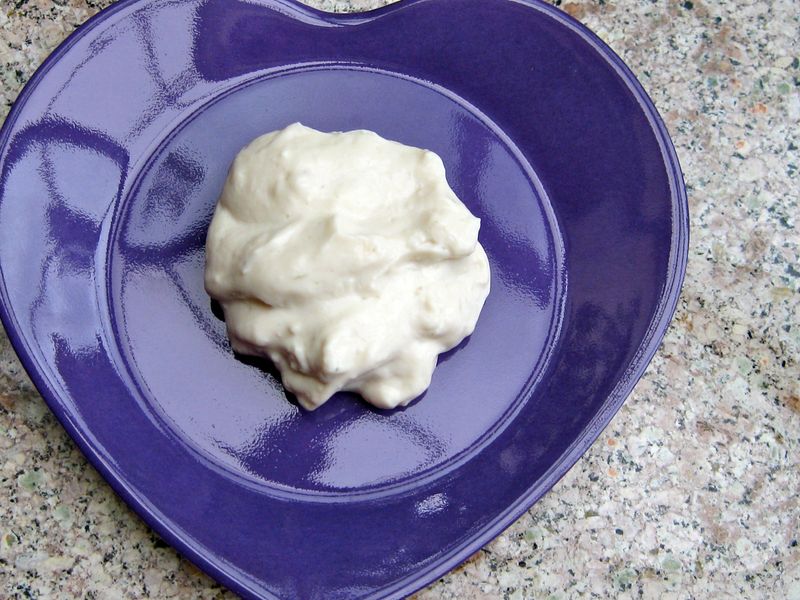
Some pranksters love this classic joke, and the victims never forget it. A scoop of mayo can look just like creamy vanilla ice cream.
Ice cream is cold, sweet, and melts slowly. Mayonnaise is room temperature, tangy, eggy, and oily.
The texture shock alone is unforgettable.
If someone hands you a suspicious dessert on April Fools Day, take a small sniff first. Mayo smells sour, not sweet.
11. Coconut Water and Regular Water
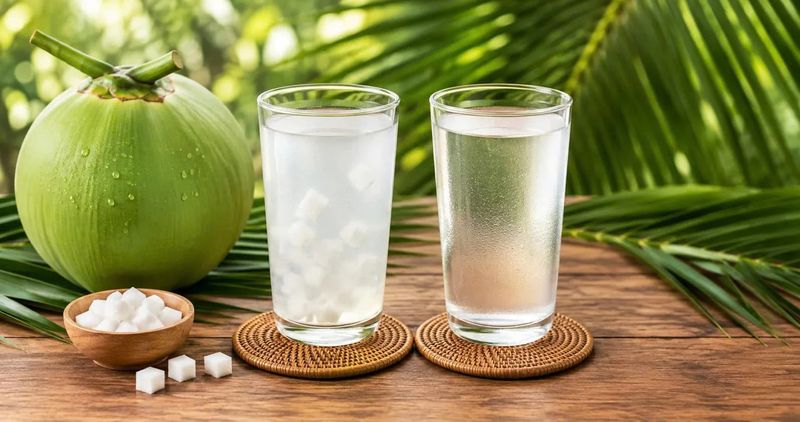
Pour both into clear glasses, and nobody could spot the difference. Your taste buds, however, will notice right away.
Regular water has basically no flavor. Coconut water is lightly sweet, a bit nutty, and slightly salty, thanks to natural minerals like potassium.
Many athletes sip coconut water after sports to refuel. Still, plain water remains the best everyday choice for staying hydrated without extra sugar.
12. Garlic and Shallots
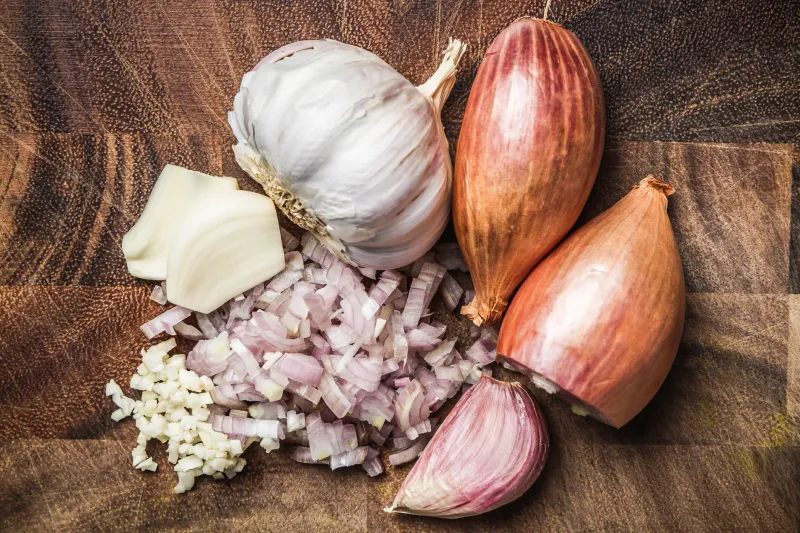
Chefs often reach for these papery-skinned bulbs, and beginners can easily mix them up.
Garlic grows as a bulb packed with small cloves and tastes strong, spicy, and bold. Shallots look like tiny onions with a pinkish tint.
Their flavor is gentle and sweet, somewhere between onion and garlic.
Peel one open to check. Garlic cloves are creamy white and firm, while shallots have purple-edged layers.
13. Brown Sugar and Coconut Sugar
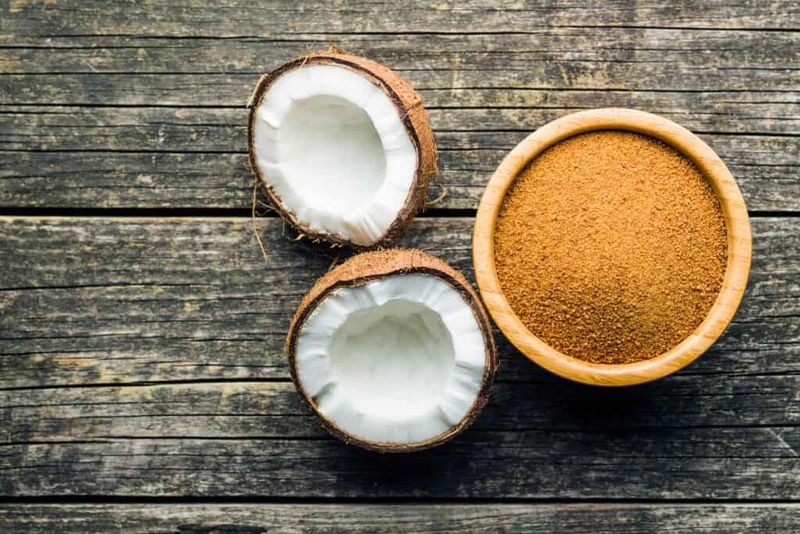
Ever noticed fancy coconut sugar at the store and wondered why it costs more? At a glance, it looks like regular brown sugar.
Brown sugar is moist and sticky, with a deep molasses flavor. Coconut sugar comes from palm tree sap.
It is drier, grainier, and tastes almost like caramel.
Swapping them in recipes usually works, but expect slightly drier cookies when using coconut sugar.
14. Plantains and Bananas
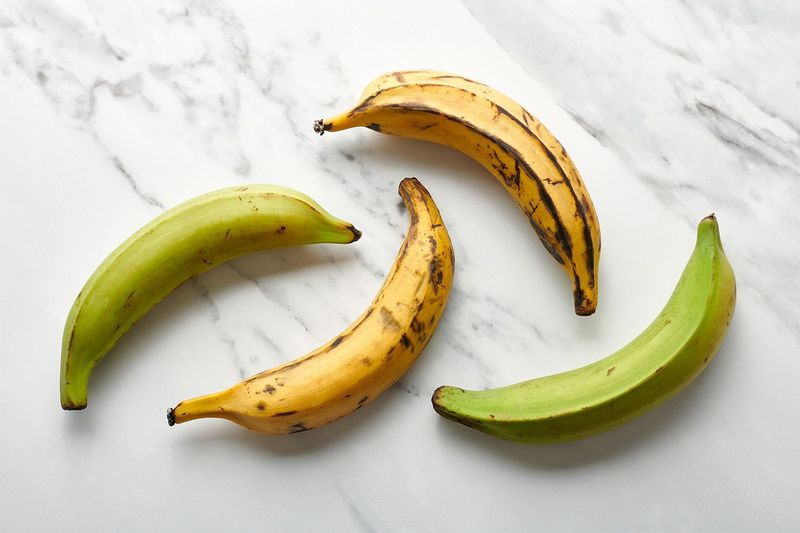
Grandmas across the Caribbean and Latin America will happily explain this one. Plantains look like giant bananas but should almost never be eaten raw.
Bananas are soft and sweet straight from the peel. Plantains are starchy, firm, and taste a bit like potato until cooked.
Try frying ripe plantains until golden for a sweet, caramelized treat. Green ones make crispy, salty chips called tostones.
15. Cream Cheese and Greek Yogurt
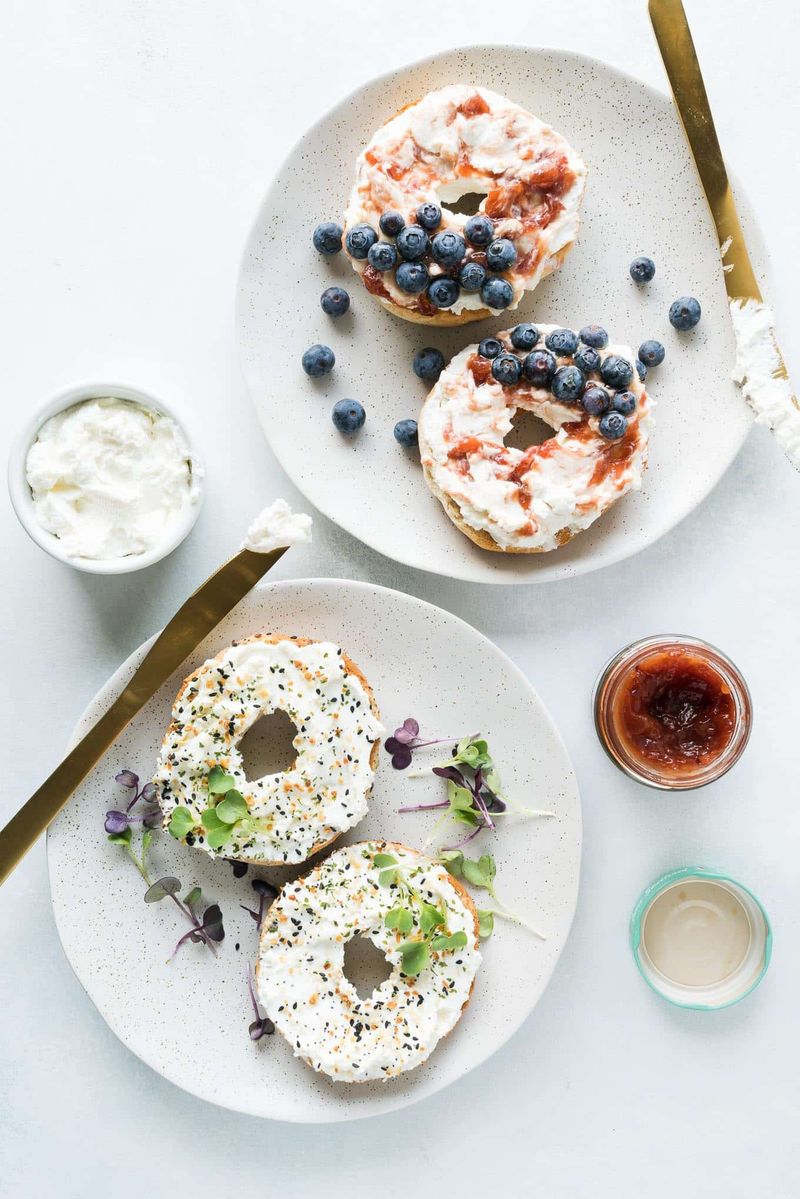
Thick, white, and spreadable, these two dairy foods could pass as twins in a bowl.
Cream cheese is rich, smooth, and mildly salty, making it great on bagels. Greek yogurt is tangier and a little sour, with way more protein and less fat.
Here is a clever trick: mix half yogurt and half cream cheese for a lighter dip. Most people will not even notice the change.
16. Green Olives and Green Grapes
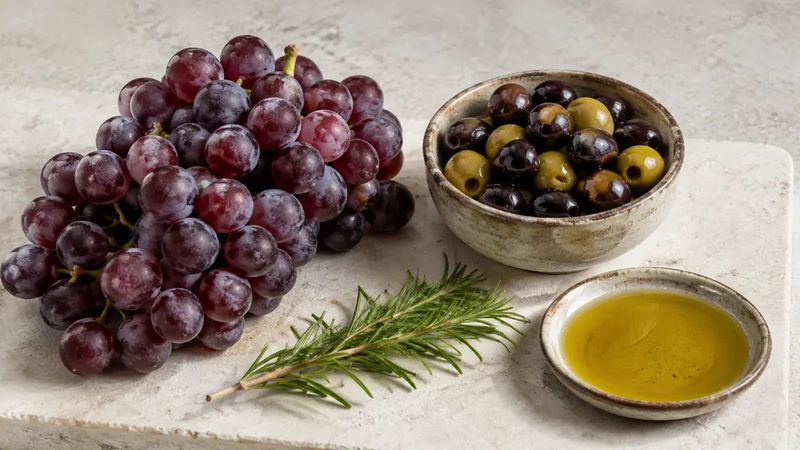
Kids at parties sometimes learn this lesson the hard way. Shiny green olives can look a lot like tasty grapes.
Grapes are juicy, sweet, and fresh. Olives are salty, briny, and a little bitter, plus most have a hard pit inside.
Fresh olives straight off a tree taste so bitter they must be cured first.
Look for a slight oily shine and firmer skin. That usually means olive.
17. Rice Noodles and Glass Noodles
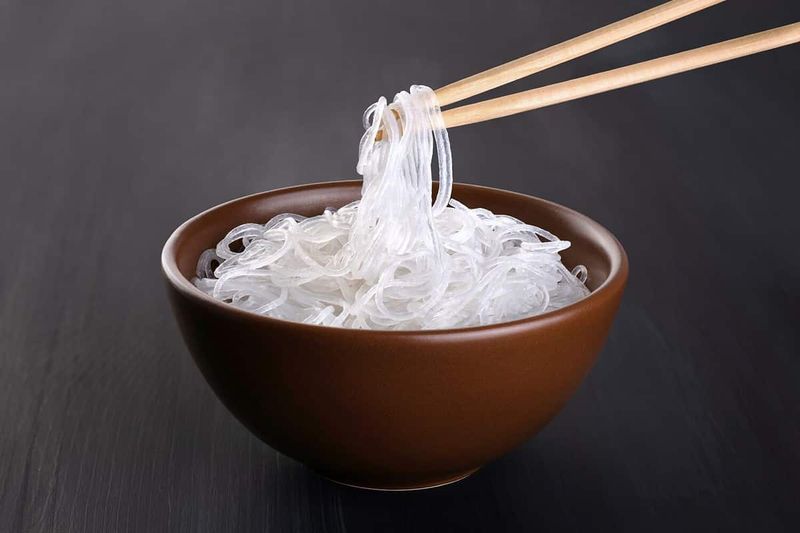
Dry in the package, both look like thin, pale strings. Cooked, the mystery gets more interesting.
Rice noodles turn soft and white, with a mild flavor that soaks up sauces. Glass noodles, made from mung bean or sweet potato starch, become clear and bouncy, almost slippery.
Use rice noodles for pad thai. Glass noodles are perfect in Korean japchae or hot soups where their chewy texture really stands out.
18. Cinnamon and Nutmeg
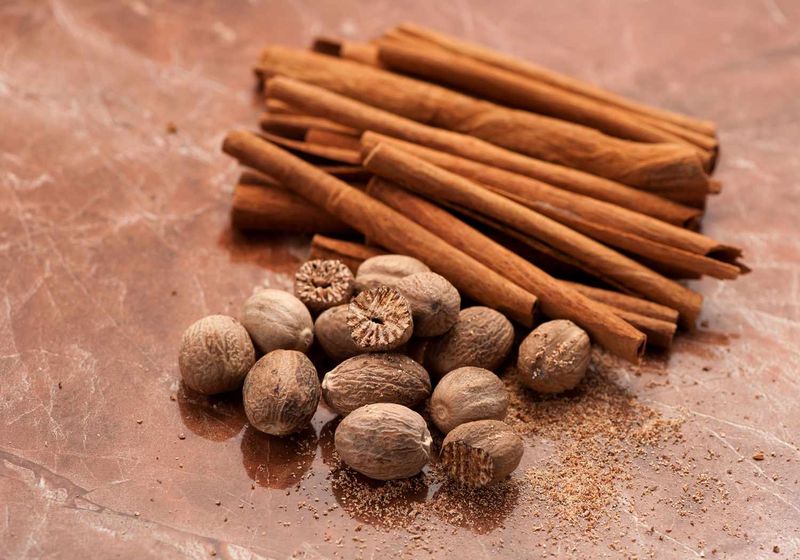
Open the spice cabinet in December, and you will find two brown powders that smell like holidays.
Cinnamon is warm, sweet, and slightly woody, with a reddish color. Nutmeg is lighter tan and tastes nutty, earthy, and a little peppery.
Too much nutmeg can actually overpower an entire pie.
Use cinnamon generously in oatmeal. Treat nutmeg more carefully, adding just a pinch to eggnog or pumpkin dishes.
19. Red Bell Peppers and Red Chili Peppers
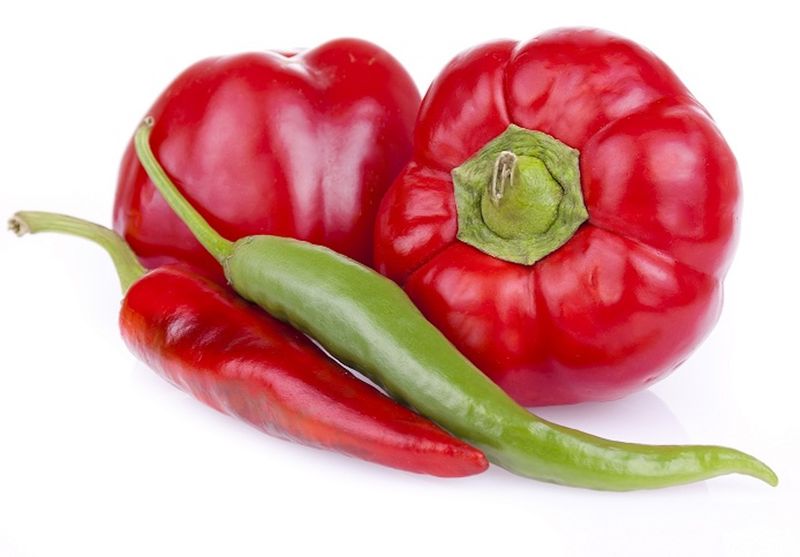
Red and glossy, a chopped chili can sneak into a salad looking just like bell pepper pieces. One crunch reveals the truth fast.
Bell peppers are sweet and crisp with zero heat. Chilis contain capsaicin, which makes your mouth burn.
Drinking milk helps cool things down far better than water.
Wash your hands after cutting hot peppers, and never touch your eyes. That painful lesson sticks for life.