
Movie magic can hide a messy, and sometimes tragic, reality. Behind memorable scenes are stories of fierce arguments, dangerous working conditions, and losses that changed lives.
Many films here are beloved classics, while others are better known for their troubled productions than their reviews. Looking at these stories helps us appreciate the people behind the camera without treating their suffering as entertainment.
1. Apocalypse Now (1979): A War Epic Facing Its Own Storm
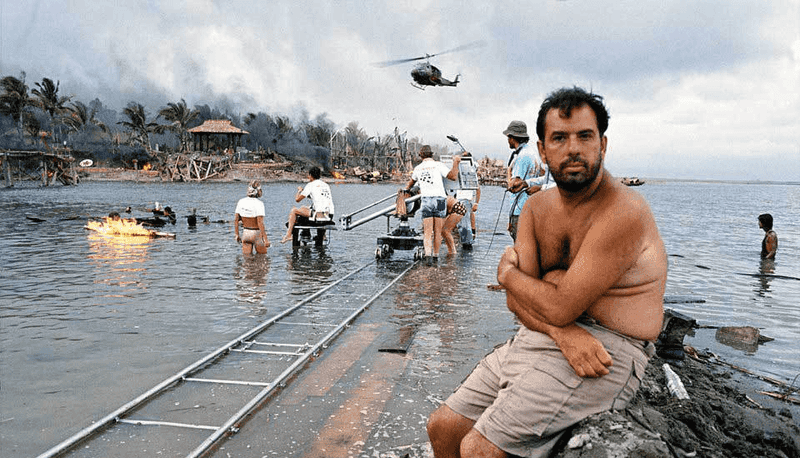
A jungle shoot became almost as intense as the war story being filmed. Typhoons wrecked sets in the Philippines, costs soared, and Martin Sheen suffered a heart attack during production.
Director Francis Ford Coppola struggled to finish his ambitious vision while facing enormous financial pressure. The documentary Hearts of Darkness reveals how close everything came to collapse.
Watch it alongside the film for a clearer picture of the human effort behind its haunting images onscreen.
2. The Exorcist (1973): Fear That Reached Beyond the Screen
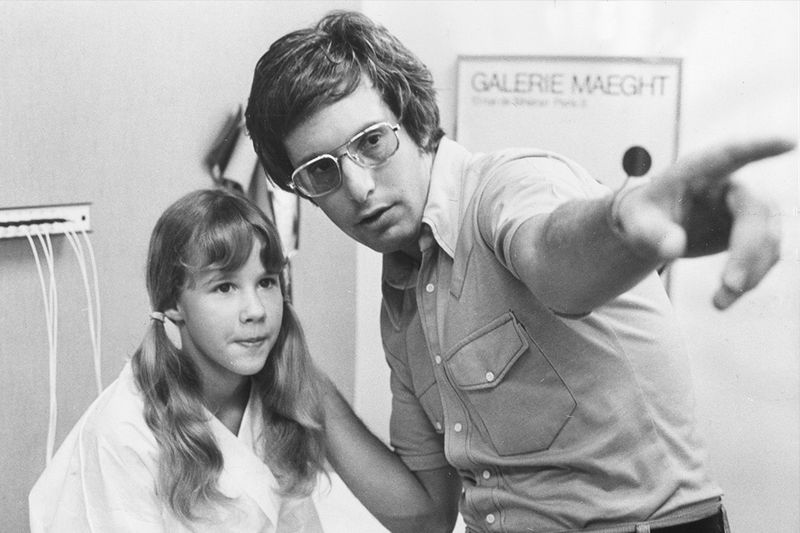
The scares did not always stop when the cameras switched off. Ellen Burstyn and Linda Blair suffered injuries during physical scenes, raising serious questions about how the production handled actor safety.
Director William Friedkin also used startling tactics, including firing a gun to provoke reactions. Accounts like these deserve more attention than rumors about a curse.
The film remains a horror landmark, but its impact never makes preventable harm an acceptable price for realistic performances.
3. Blade Runner (1982): Trouble Beneath the Neon
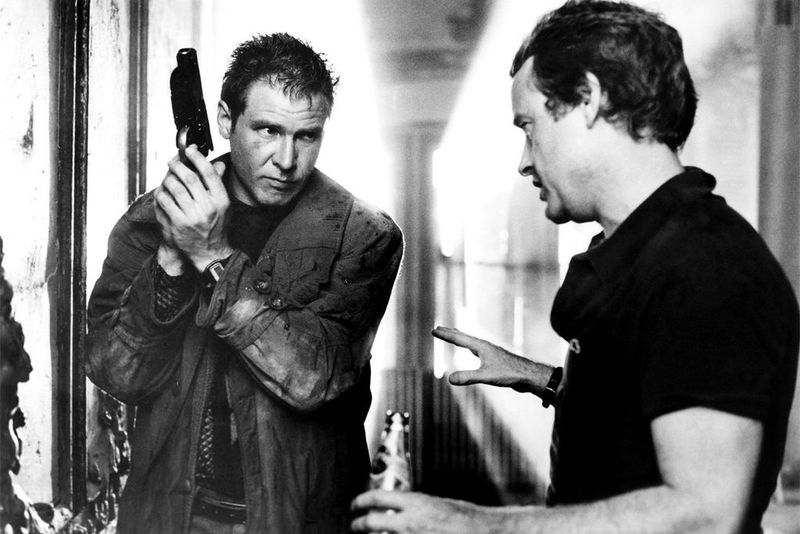
Those glowing streets hide a production full of friction. Harrison Ford and director Ridley Scott clashed, crew members grew frustrated, and disagreements continued after filming ended.
For the original release, studio concerns helped bring about explanatory narration and a more cheerful ending. Later versions changed those choices and reshaped the movie’s reputation.
Comparing the theatrical release with the Final Cut offers a fascinating lesson in how editing can transform the same story for its audience.
4. Gone with the Wind (1939): A Grand Production in Constant Flux
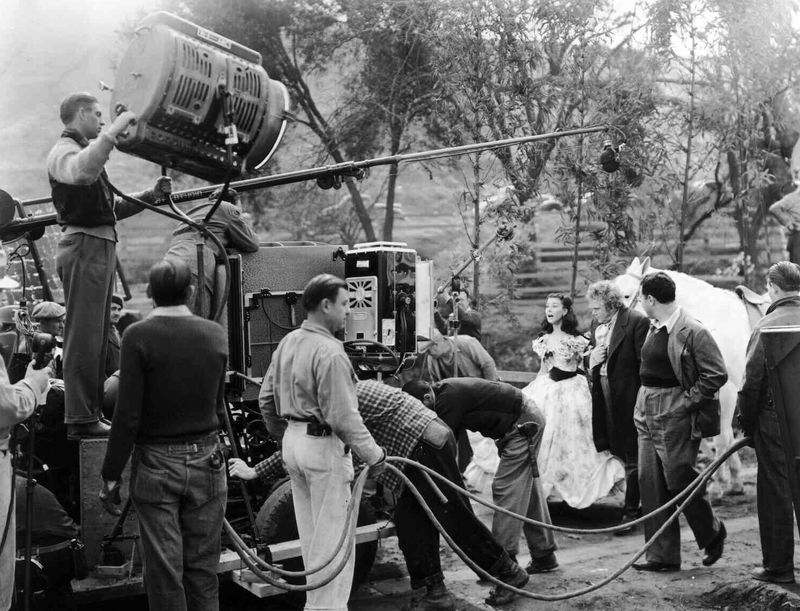
Even a lavish Hollywood landmark can begin with a revolving door. George Cukor was replaced by Victor Fleming, and Sam Wood also handled directing duties during the demanding shoot.
Frequent script changes and exhausting schedules added pressure to an already huge production. Its technical achievements remain influential, but modern viewers should also recognize its racist portrayals and romantic view of slavery.
Understanding both the filmmaking struggles and those harmful choices gives the classic a fuller context.
5. The Wizard of Oz (1939): A Yellow Brick Road with Real Hazards
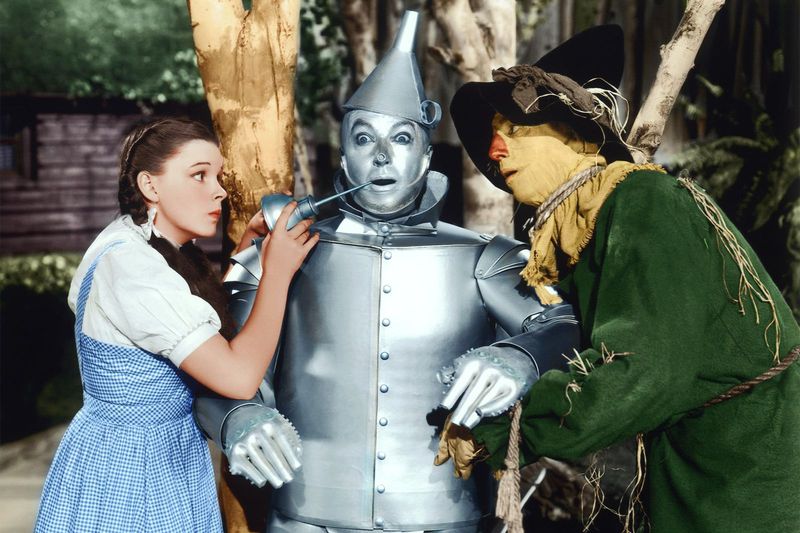
Behind the cheerful songs stood a workplace far less magical. Teenage Judy Garland faced tight studio control, while other performers dealt with dangerous makeup, demanding costumes, and serious accidents.
Buddy Ebsen left the Tin Man role after becoming ill from aluminum dust, and Margaret Hamilton suffered burns. Asbestos was also used as artificial snow.
Enjoying this family favorite can go hand in hand with recognizing how badly its workers needed stronger protections during the film’s production.
6. Chinatown (1974): A Mystery Made Under Strain
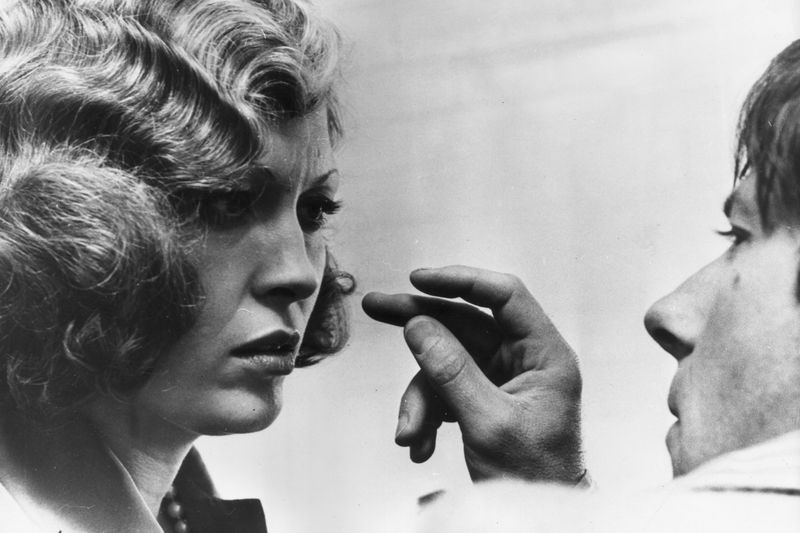
A polished detective story emerged from a famously tense working relationship. Faye Dunaway and director Roman Polanski disagreed during filming, with accounts describing angry exchanges and disputes over his treatment of her.
Some sensational stories from the set remain disputed, so repeating them as proven facts would be unfair. What matters is the contrast between the controlled finished film and its troubled creation.
Strong performances can survive conflict, but conflict should never become a director’s badge.
7. Twilight Zone: The Movie (1983): A Tragedy No Film Could Outweigh
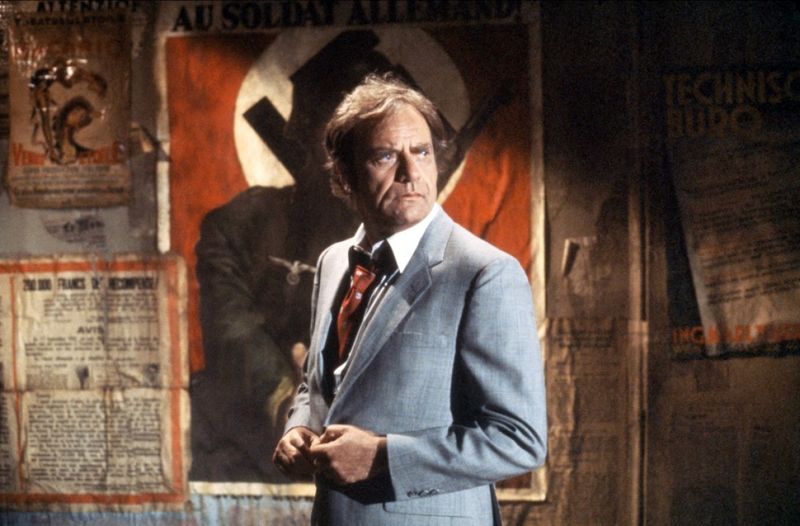
No discussion of production drama should turn this loss into a thrill. Actor Vic Morrow and children Myca Dinh Le and Renee Shin-Yi Chen died in a helicopter crash while filming in 1982.
Criminal proceedings followed, and the defendants were acquitted. The disaster brought lasting attention to child labor rules and dangerous stunt planning.
Although the anthology has admired segments, remembering the victims matters more than ranking the movie or sensationalizing what happened that terrible night.
8. The Crow (1994): A Breakthrough Shadowed by Loss
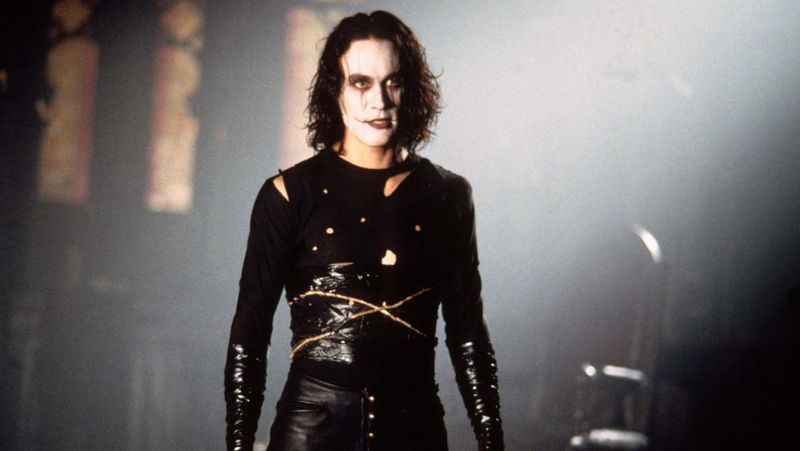
Brandon Lee’s striking performance should have opened a new chapter in his career. Instead, he died after a firearm discharged a lodged projectile during filming, exposing devastating failures in weapon handling.
The movie was completed using doubles and visual effects, then became a cult favorite. Calling the incident merely a prop malfunction misses the safety mistakes involved.
Remember Lee as an actor whose promise was cut short, not simply as the subject of a Hollywood tragedy.
9. Mad Max: Fury Road (2015): Friction in the Desert
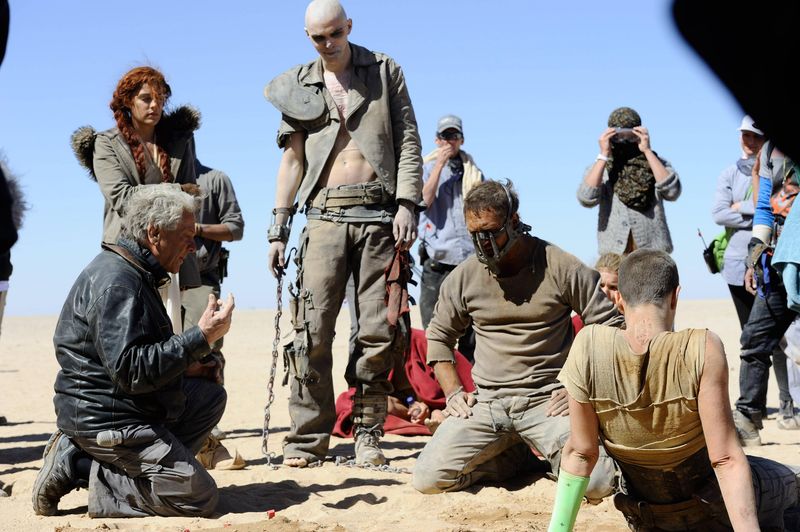
Roaring engines were not the only source of heat on this desert shoot. Tom Hardy and Charlize Theron later acknowledged a difficult relationship while making George Miller’s demanding action film.
Long days, delays, and an unusual filmmaking process increased the strain. Theron has described feeling unsafe during an angry confrontation, while Hardy acknowledged shortcomings in his conduct.
Their gripping screen partnership is impressive, but the story also shows why productions need reliable ways to address conflict.
10. Justice League (2017): Two Visions and a Painful Divide
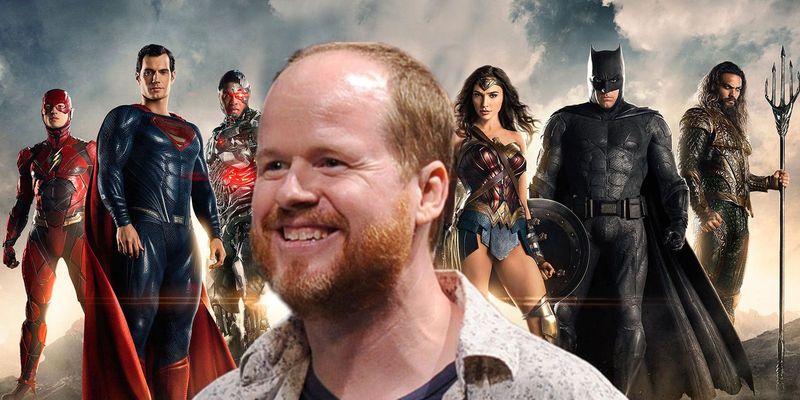
A superhero team reached theaters with a fractured creative identity. Zack Snyder stepped away following his daughter’s death, and Joss Whedon oversaw extensive reshoots that changed the tone and story.
Ray Fisher later alleged abusive behavior by Whedon, who disputed key claims. Other performers also described troubling experiences.
The 2017 release received mixed reactions, while Snyder’s 2021 version earned stronger support from many fans. Comparing them reveals how leadership changes can reshape an entire film onscreen.
11. Don’t Worry Darling (2022): Headlines Took Center Stage
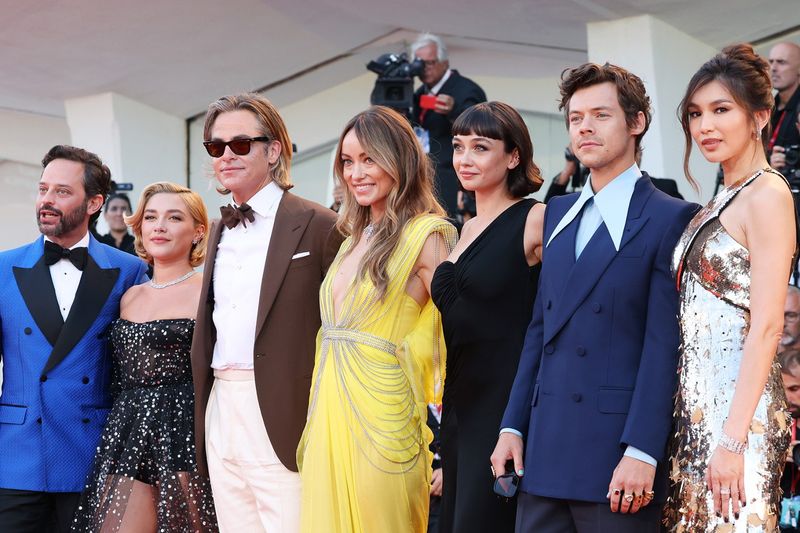
By premiere time, the gossip nearly swallowed the thriller itself. Reports of tension between Olivia Wilde and Florence Pugh mixed with intense interest in Wilde’s relationship with Harry Styles.
Shia LaBeouf’s departure also became disputed, with conflicting public accounts about whether he was fired or quit. Reviews were mixed, despite praise for Pugh’s performance.
Separate confirmed events from online guesses when exploring this story, especially viral clips that encouraged viewers to invent motives from brief moments.
12. All the Money in the World (2017): A Last-Minute Rebuild
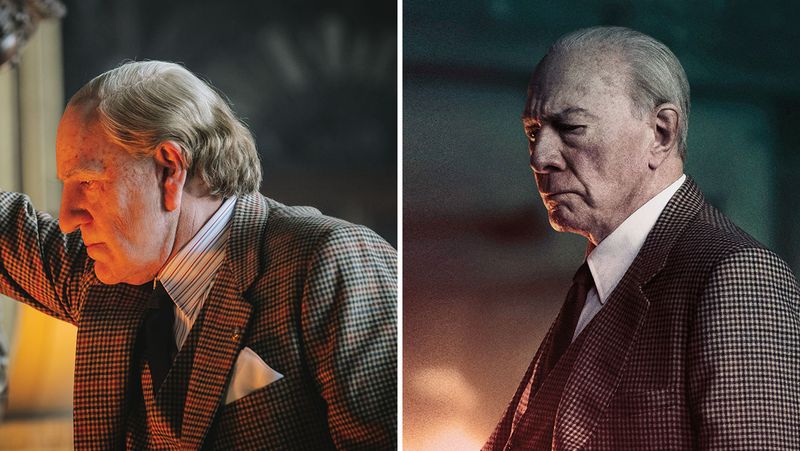
Replacing a major actor weeks before release sounds almost impossible. After sexual misconduct allegations against Kevin Spacey surfaced, Ridley Scott brought in Christopher Plummer and reshot the affected scenes.
This was new filming, not simply a digital face replacement. Plummer later earned an Oscar nomination for his performance.
A separate controversy involved unequal reshoot pay for Mark Wahlberg and Michelle Williams. The production offers a striking example of rapid problem solving alongside uncomfortable questions about fairness.
13. The Man Who Killed Don Quixote (2018): The Film That Would Not Quit
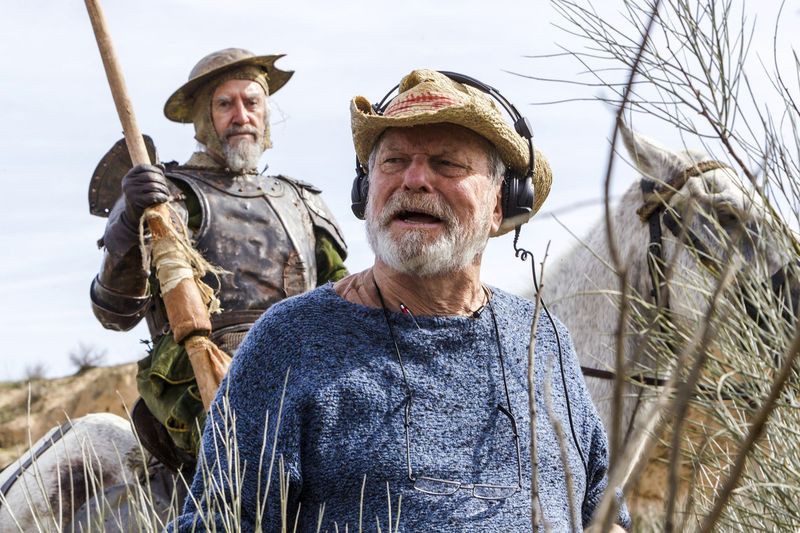
Few projects have tested a filmmaker’s patience quite like Terry Gilliam’s dream. An early shoot in 2000 collapsed after flooding, aircraft noise, and actor Jean Rochefort’s health problems made filming impossible.
Lost in La Mancha documented that failed attempt. Years of funding troubles and legal disputes followed before a different version finally appeared in 2018.
Its long journey is more celebrated than its reviews, making it a useful reminder that persistence cannot guarantee an easy finish.
14. Gangs of New York (2002): Big Ambitions, Bigger Arguments
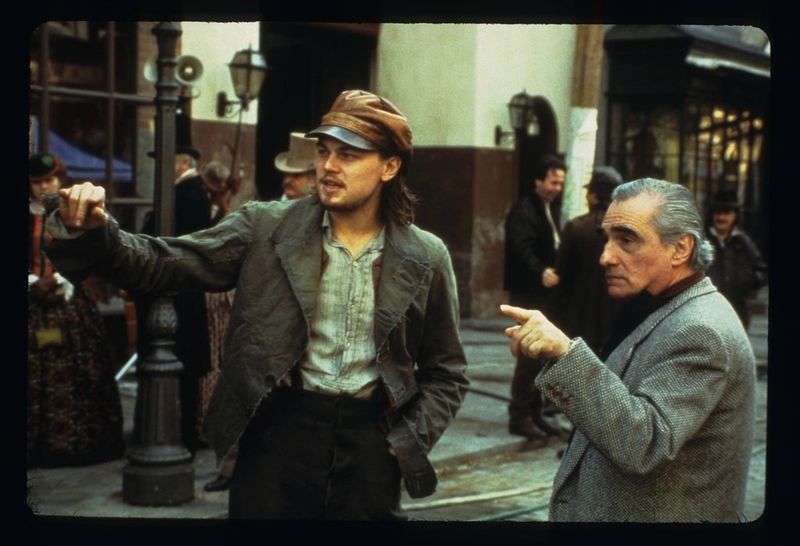
Building old New York in Rome was only part of the challenge. Martin Scorsese spent years pursuing this historical epic, then faced an expensive production and disagreements with producer Harvey Weinstein.
Arguments over length, editing, and release plans became part of the movie’s public story. Daniel Day-Lewis’s fierce performance helped keep attention on the screen.
When watching, notice the huge sets and crowded scenes, which show why balancing artistic ambition with studio demands proved so difficult.
15. One Flew Over the Cuckoo’s Nest (1975): A Family Dream Changed Hands
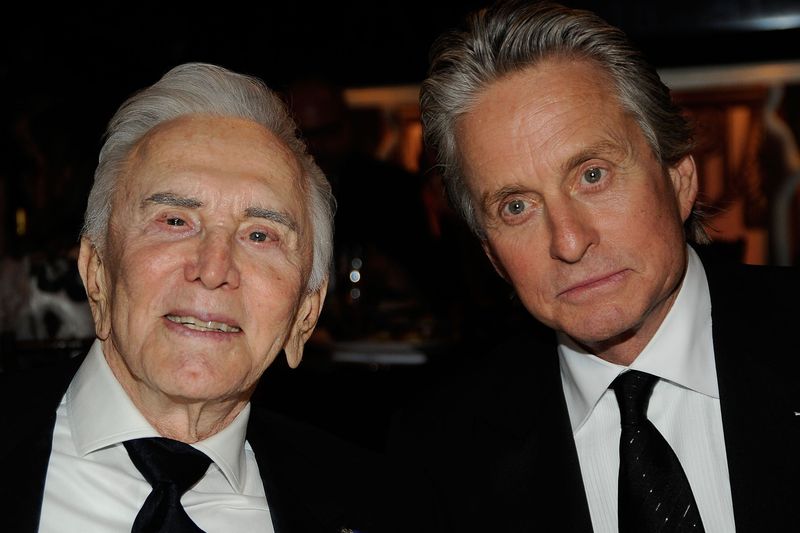
A father’s cherished role became his son’s famous producing success. Kirk Douglas had played Randle McMurphy on Broadway and hoped to star in a film version, but years passed without financing.
Michael Douglas eventually helped produce the adaptation, with Jack Nicholson taking the lead. Kirk’s disappointment added a personal strain to the project.
The resulting Oscar winner shows how timing and casting can change a dream, even when the finished work becomes a major artistic triumph.
16. Mr. and Mrs. Smith (2005): Chemistry Became Tabloid Fuel
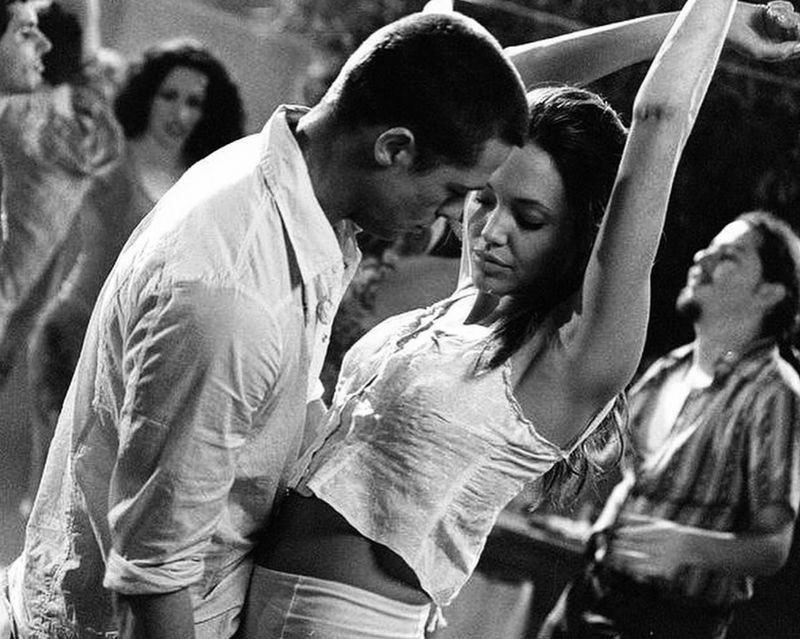
The playful spy battles had competition from a much bigger celebrity story. Brad Pitt and Angelina Jolie’s growing connection drew intense coverage while Pitt’s marriage to Jennifer Aniston was ending.
The exact private timeline became a subject of claims and speculation, so avoid treating every tabloid report as established fact. Their screen chemistry helped make the movie a hit.
Still, the publicity offers a reminder that real relationships are more complicated than a catchy entertainment headline.
17. Bohemian Rhapsody (2018): A Director Change Before the Final Note
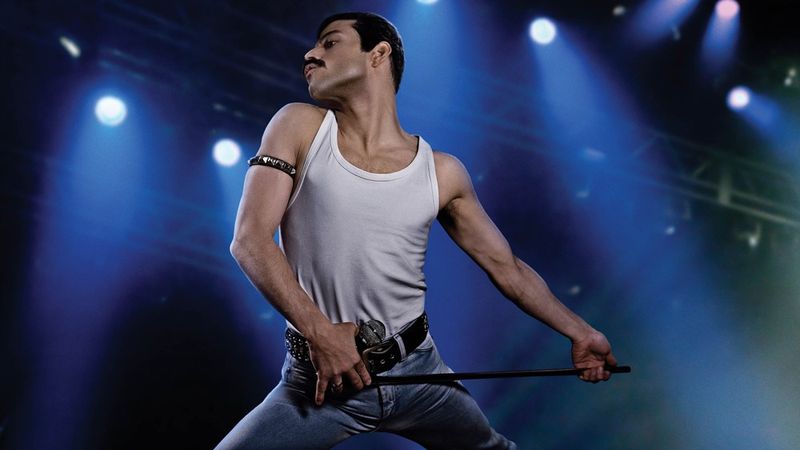
Queen’s music powered a crowd favorite through a troubled finish. Director Bryan Singer was fired before filming ended, following reported absences and clashes; he disputed aspects of the studio’s account.
Dexter Fletcher stepped in to complete production, although Singer retained the directing credit. Rami Malek won an Oscar, and the movie became a box office success despite mixed reviews.
Its story helps explain why the name in the credits may not reflect everyone who shaped filming.
18. The Island of Dr. Moreau (1996): An Island of Production Chaos
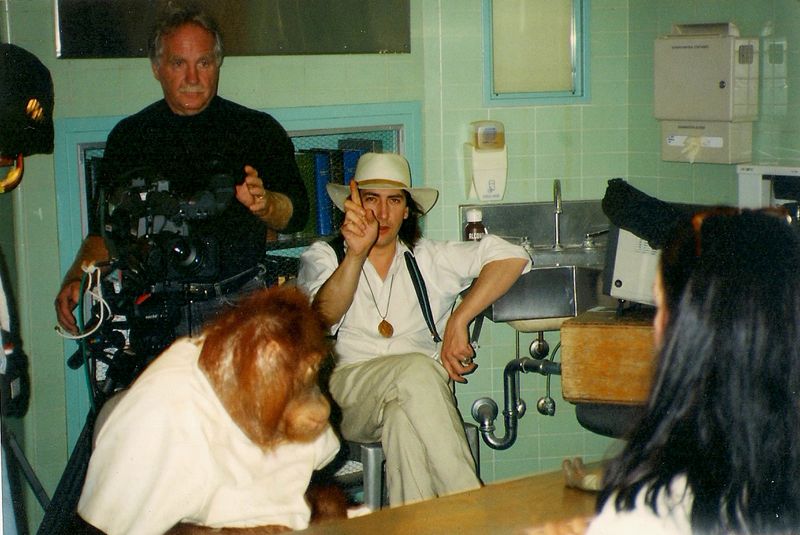
Creature makeup was hardly the strangest part of this troubled shoot. Original director Richard Stanley was fired early, John Frankenheimer took over, and conflicts involving Val Kilmer and Marlon Brando added confusion.
Weather problems and shifting demands made an already difficult project harder. The finished film was widely criticized rather than hailed as excellent.
For a more revealing experience, pair it with Lost Soul, the documentary about Stanley’s failed attempt to bring his vision to life.
19. Roar (1981): Animal Spectacle at an Unacceptable Cost
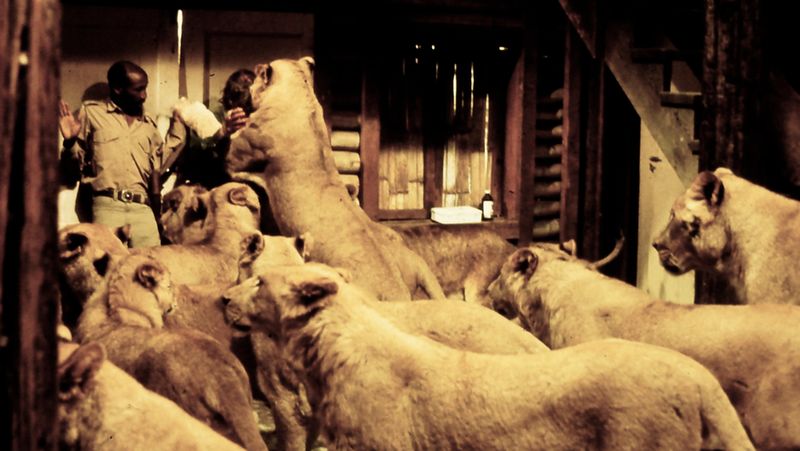
Real lions and tigers created danger that no camera trick could soften. Numerous cast and crew members were injured during the long production, with the commonly repeated total exceeding seventy people.
Tippi Hedren, Melanie Griffith, and cinematographer Jan de Bont were among those hurt. Although its reputation rests more on astonishing footage than critical praise, the film has gained a cult following.
View it as a warning about uncontrolled animal work, not a model of filmmaking courage.