
Walking into a Chinese restaurant can feel exciting, but not everything on the menu is actually from China. Many popular dishes were created or changed to suit American tastes, making them quite different from what people actually eat in China.
Knowing which dishes are more American inventions can help you explore the real flavors of Chinese cuisine. Skip these 19 items if you want a truly authentic experience.
1. General Tso’s Chicken
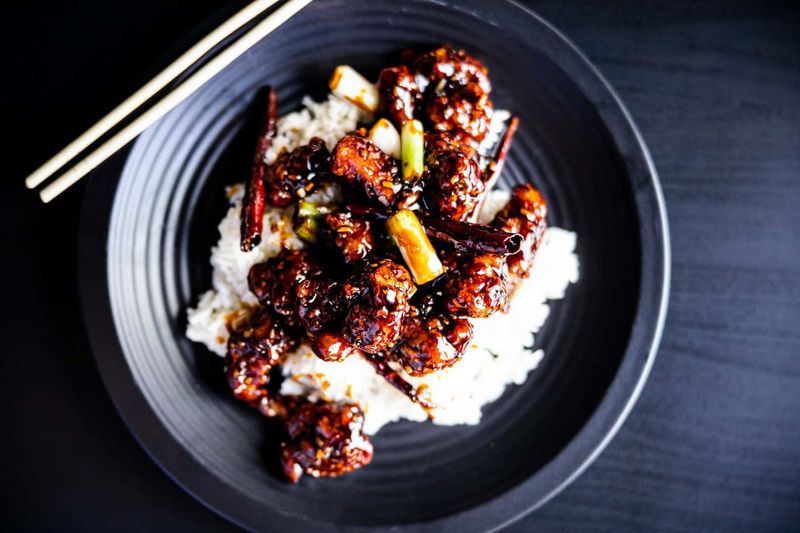
Born in American Chinese restaurants, General Tso’s Chicken has almost nothing to do with actual Chinese cooking traditions. The dish features breaded, deep-fried chicken chunks drowning in a super-sweet, tangy sauce that most people in China would not even recognize.
Real Chinese cooking tends to favor balance and subtlety over bold sweetness. Skipping this one opens the door to discovering far more nuanced and genuinely satisfying flavors from China’s rich culinary history.
2. Crab Rangoon
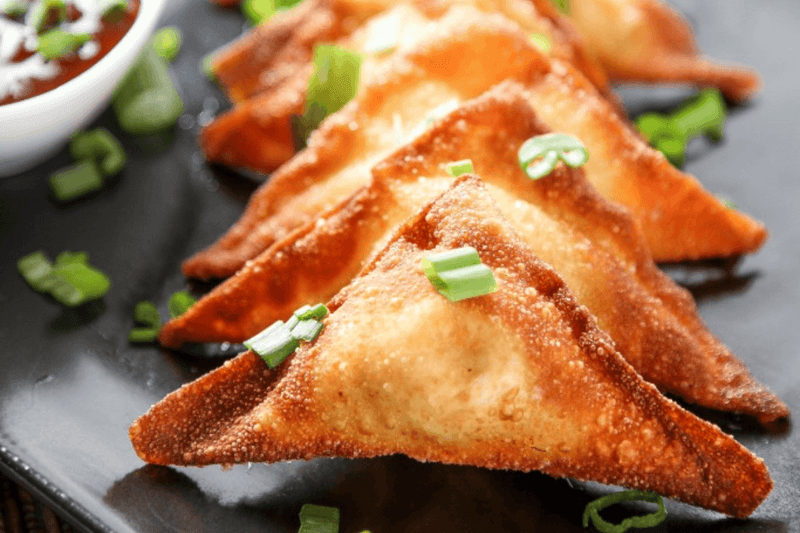
Cream cheese in a Chinese appetizer? That alone is a giveaway that Crab Rangoon did not come from China.
Dairy products like cream cheese are rarely, if ever, used in traditional Chinese cooking, making this crunchy fried pastry a purely American invention.
Most food historians trace it back to American tiki culture from the 1950s. Choosing a steamed dumpling or spring roll instead will get you much closer to an authentic Chinese dining experience worth savoring.
3. Fortune Cookies
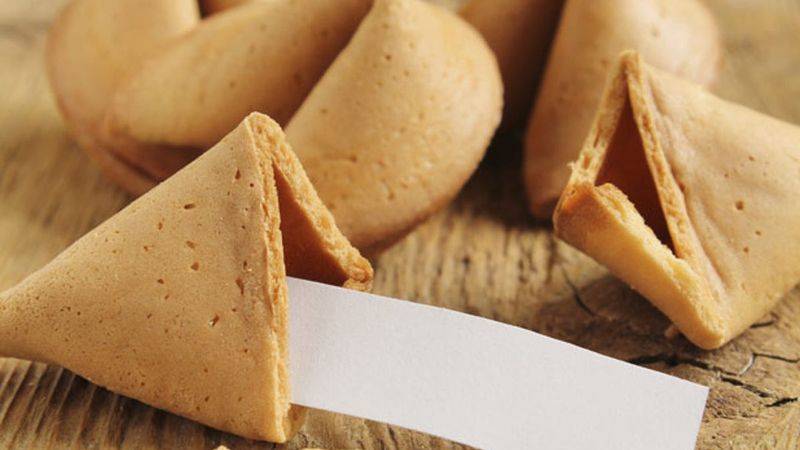
Here is a fun fact: fortune cookies did not come from China at all. They are widely believed to have originated in California in the early 20th century, likely inspired by Japanese crackers.
People in China are often surprised to learn these cookies are associated with Chinese food.
Authentic Chinese meals typically end with fresh fruit or light sweet soups. Passing on the fortune cookie is a small but meaningful step toward a more genuine dining experience.
4. Chop Suey
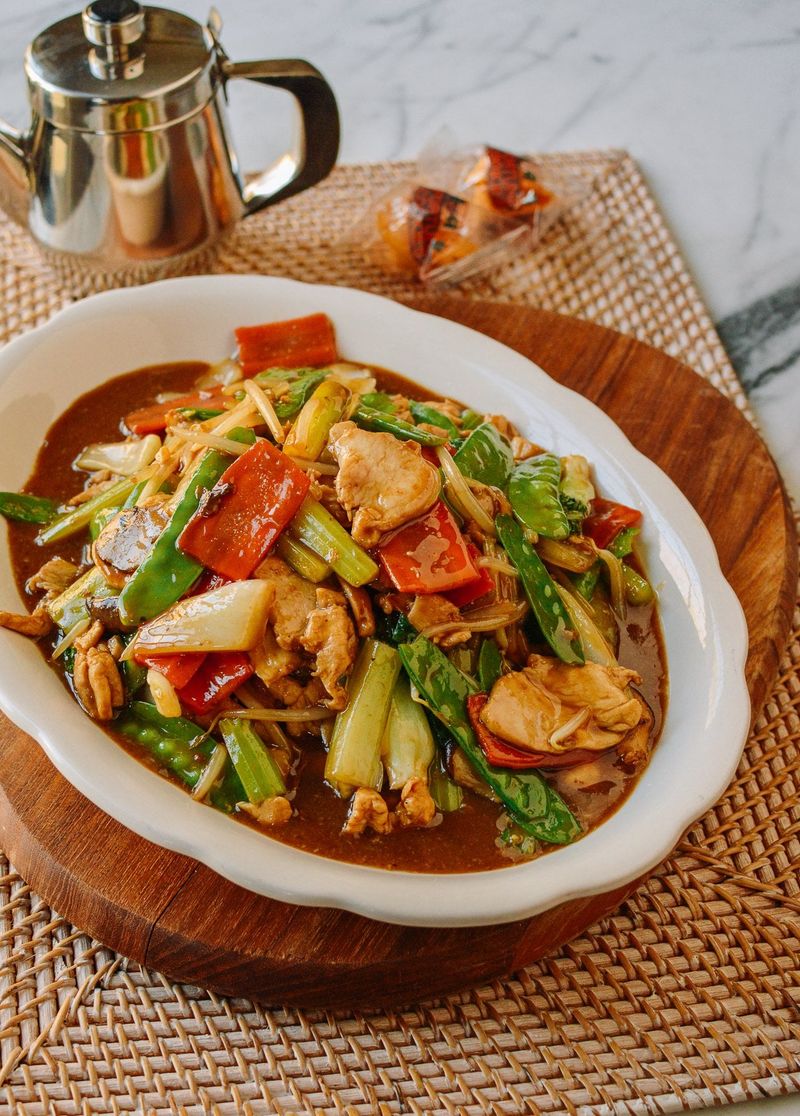
Chop Suey became wildly popular in America during the late 1800s and was often marketed as authentic Chinese food, but it really is not. The dish blends vegetables, meat, and eggs in a thick sauce that was crafted to appeal to American diners rather than reflect any regional Chinese cooking style.
Ordering dishes like stir-fried bok choy or mapo tofu gives a much truer sense of how Chinese home cooks and chefs actually prepare their meals every day.
5. Egg Foo Young
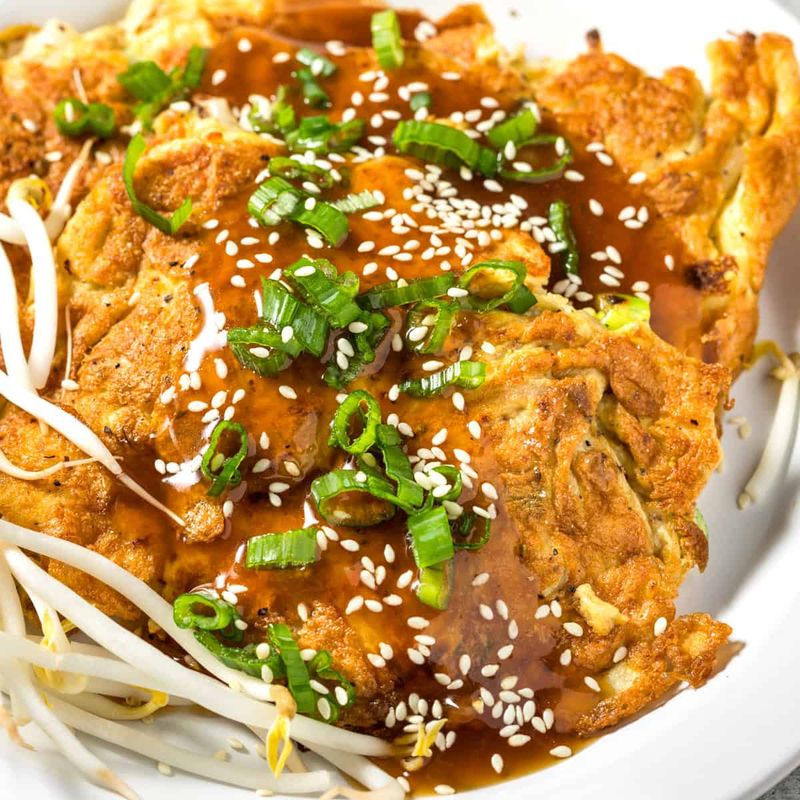
Egg Foo Young sits in a strange middle ground between an omelet and a Chinese dish. While it draws inspiration from a real Cantonese egg dish, the Americanized version piled high with brown gravy is a far cry from anything you would find in a Chinese home kitchen.
Traditional Chinese egg dishes tend to be lighter and more delicately seasoned. Trying steamed egg custard or scrambled eggs with tomato instead will reveal just how elegant simple Chinese egg cooking can be.
6. Sweet and Sour Chicken
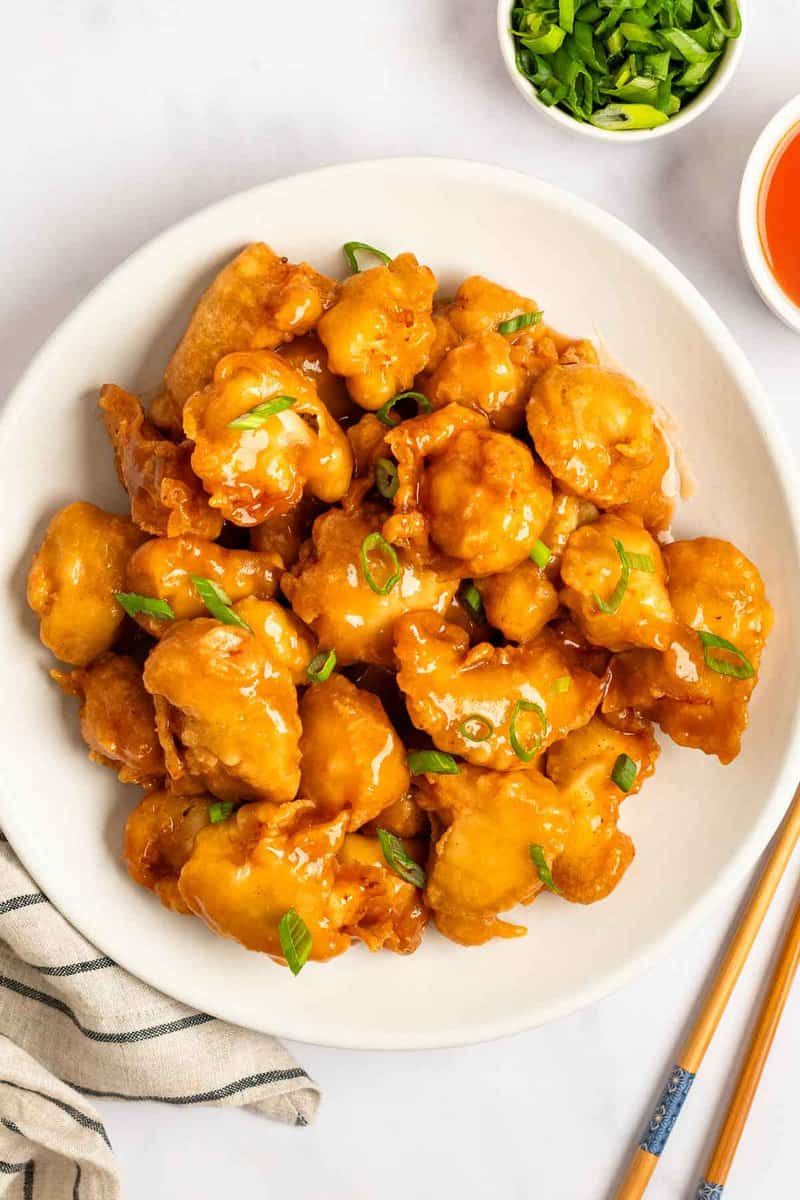
The neon-orange version of Sweet and Sour Chicken found in most American takeout spots bears little resemblance to traditional Chinese preparations. Heavy batter, deep frying, and an overpoweringly sugary sauce are hallmarks of a dish designed for Western palates rather than authentic flavor.
Traditional Chinese sweet and sour dishes use a much lighter touch with a more balanced flavor profile. Ordering dishes like Cantonese steamed fish gives a better sense of how Chinese chefs actually balance sweet, sour, and savory notes.
7. Lemon Chicken
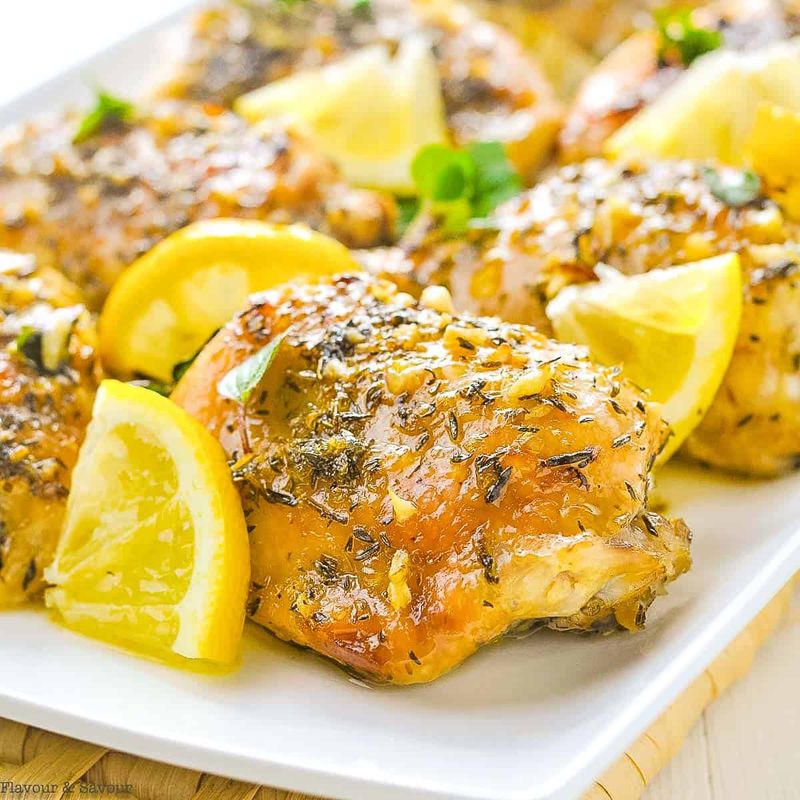
Lemon Chicken is another menu staple that owes more to American creativity than to Chinese culinary tradition. The combination of battered fried chicken soaked in a thick, sweet lemon sauce was crafted specifically to satisfy Western cravings for bold, simple flavors.
Authentic Chinese cooking uses citrus in far more restrained and sophisticated ways. Trying dishes like steamed whole fish with ginger and scallions offers a much more honest look at how Chinese cooks use fresh, clean ingredients to build complex flavors.
8. Orange Beef
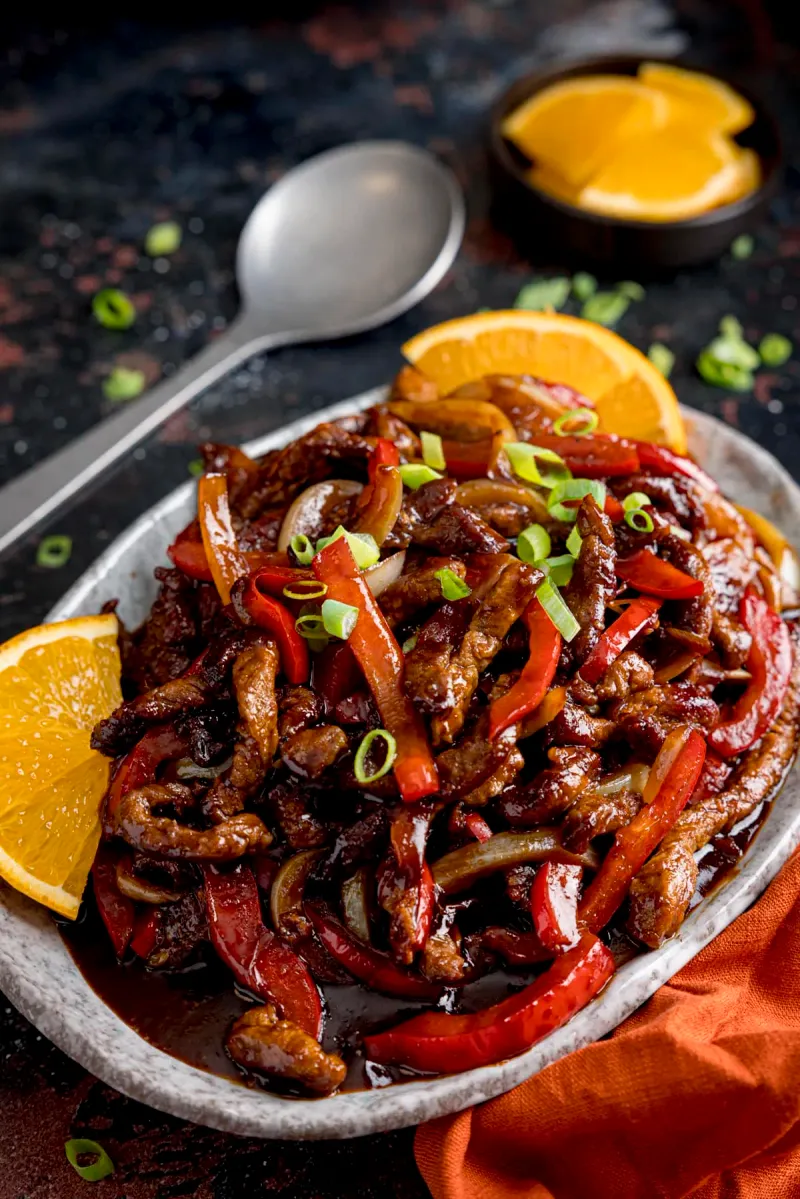
Much like its chicken counterpart, Orange Beef was crafted to satisfy the American love of bold, sweet, and tangy flavors. The thick orange sauce coats deeply fried beef strips in a way that prioritizes sweetness over the complex layering typical of genuine Chinese cooking.
Real Sichuan or Cantonese beef dishes rely on aromatics, spice, and technique rather than sugary sauces. Exploring dishes like dry-fried Sichuan beef reveals a completely different and far more exciting world of Chinese beef cookery.
9. Barbecue Spare Ribs
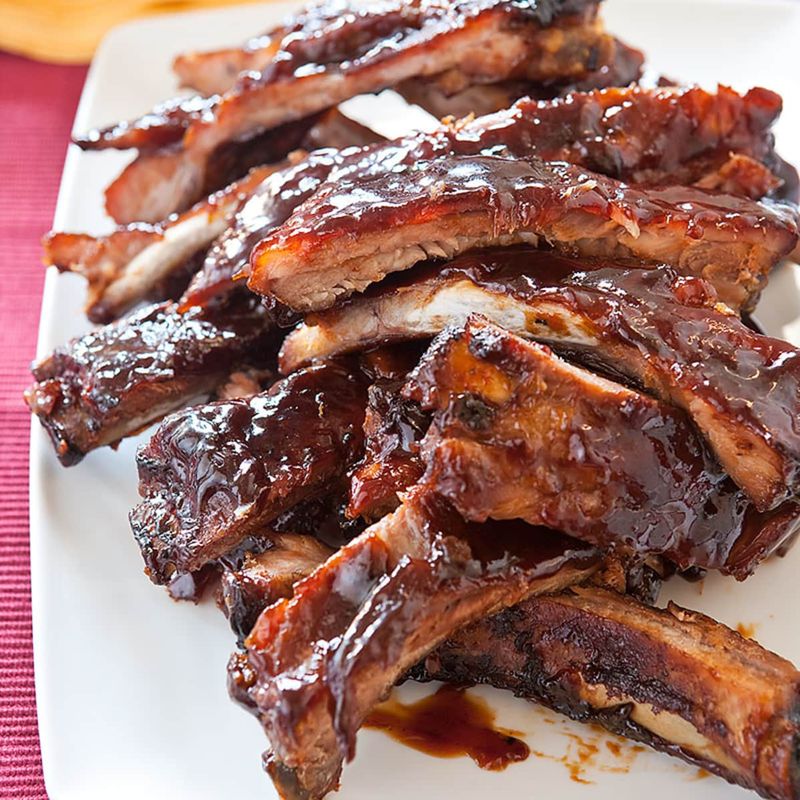
Sticky, red, and glazed with a heavy American-style barbecue sauce, the spare ribs served at many Chinese-American restaurants are a long way from traditional Chinese rib preparations. The sweet, ketchup-heavy glaze is not something you would find at a restaurant in Beijing or Shanghai.
Authentic Chinese pork rib dishes, like braised red-cooked ribs or steamed ribs with black bean sauce, are deeply savory and aromatic. Choosing those options instead will show you just how layered and satisfying pork can taste in real Chinese cooking.
10. Lo Mein
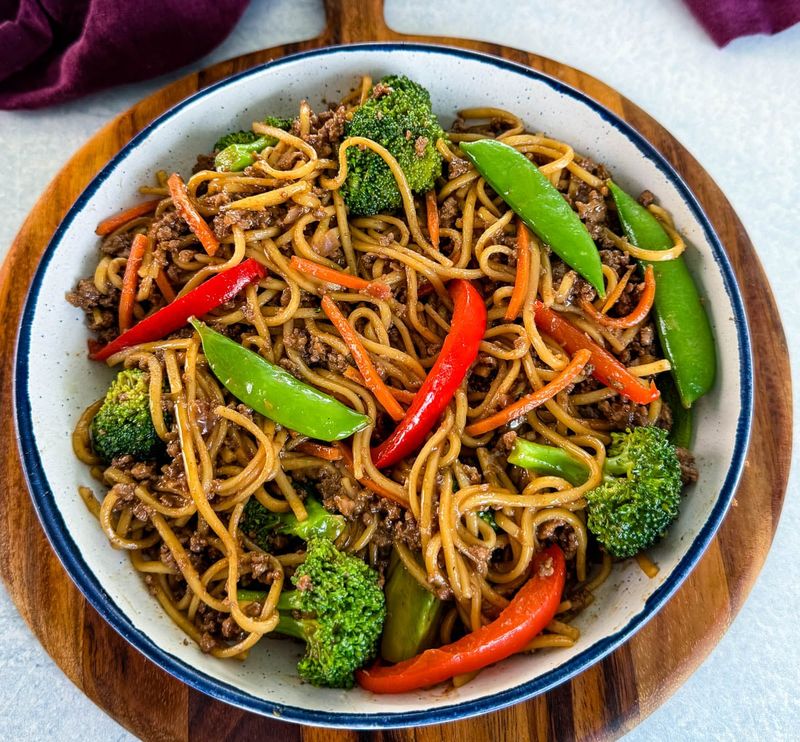
Lo Mein in American Chinese restaurants often arrives swimming in oil and thick soy-based sauce, which is quite different from how noodle dishes are prepared in China. The heavy coating can mask the natural flavors of the noodles and ingredients underneath.
Traditional Chinese noodle dishes tend to be lighter, with sauces that complement rather than overpower. Seeking out hand-pulled noodles or dan dan noodles at an authentic spot will give you a far more rewarding and flavorful noodle experience to enjoy.
11. Americanized Chow Mein
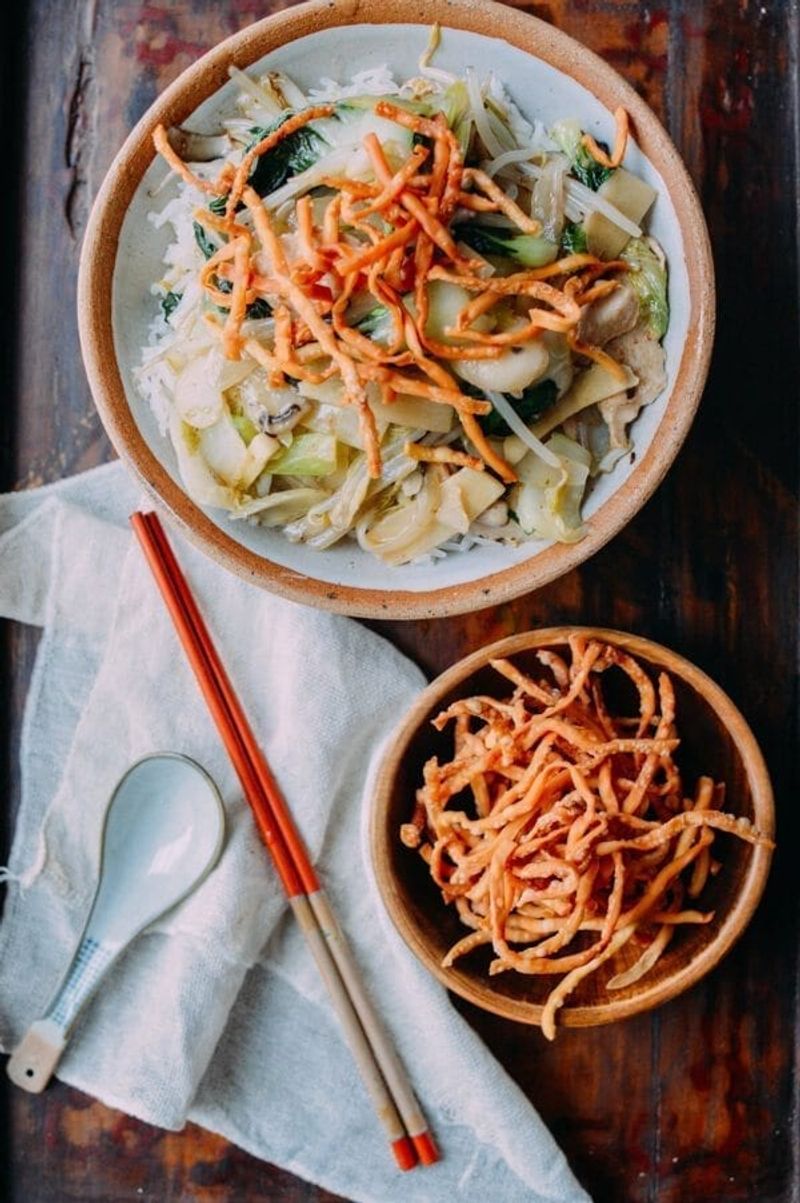
Crispy fried noodles topped with thick brown gravy is how many Americans know Chow Mein, but that preparation is worlds apart from the stir-fried noodle dishes you would find across China. The crunchy noodle version was adapted specifically for American diners who enjoyed that satisfying crunch.
Authentic Chow Mein from Hong Kong or mainland China uses fresh noodles stir-fried quickly over high heat. Trying the real version shows off the incredible skill and speed that defines genuine Chinese wok cooking at its best.
12. Egg Rolls
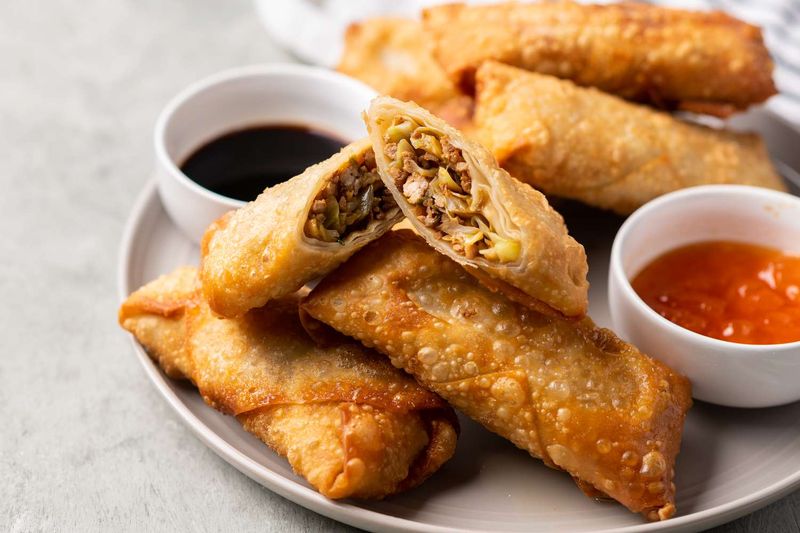
The thick, deep-fried egg rolls served at American Chinese restaurants are heavier and greasier than most traditional Chinese appetizers. Their dense wrappers and rich fillings were designed to feel hearty and satisfying to American diners rather than reflect traditional Chinese flavors.
Authentic Chinese cuisine more often features lighter, steamed starters like har gow or delicate spring rolls with thin wrappers. Making the switch to those lighter options quickly reveals how Chinese appetizers can be both elegant and bursting with fresh, clean flavor.
13. Duck Sauce
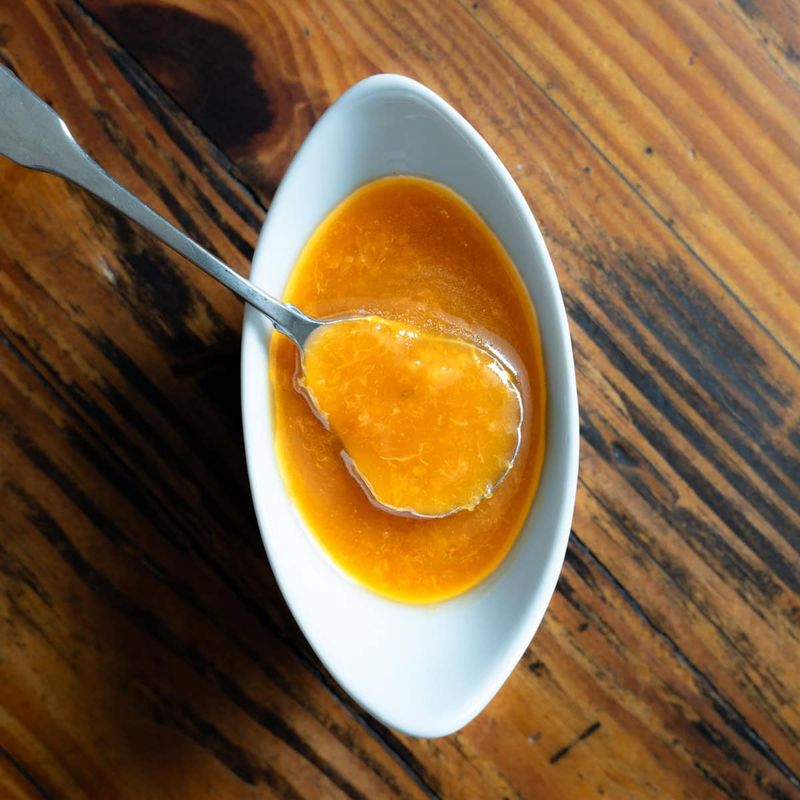
Duck sauce is practically a symbol of American Chinese takeout, but it has almost nothing to do with how Peking Duck is actually served in China. In Beijing, Peking Duck is traditionally paired with hoisin sauce, not the sweet, fruity orange condiment that comes in those little packets.
Reaching past the duck sauce and asking for authentic condiments like chili oil or hoisin opens up a richer, more complex flavor experience. Small choices like this make a surprisingly big difference in how authentic your meal feels.
14. Fried Pork Dumplings
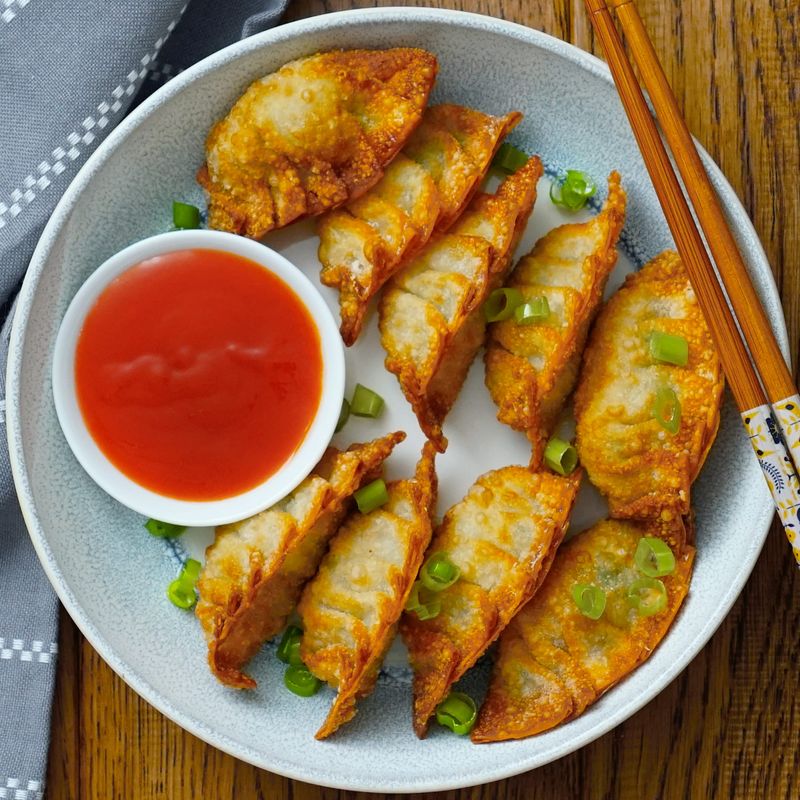
While pan-fried dumplings do exist in Chinese cuisine, the heavily deep-fried versions common in American Chinese restaurants are quite different from the more traditional steamed or lightly pan-fried varieties. Over-frying changes the texture and masks the delicate flavors of the filling inside.
Steamed pork dumplings, like xiaolongbao or har gow, are considered far more representative of authentic Chinese dumpling culture. Choosing steamed over deep-fried is one of the easiest ways to get closer to the real dumpling experience Chinese families actually enjoy.
15. Pu-Pu Platter
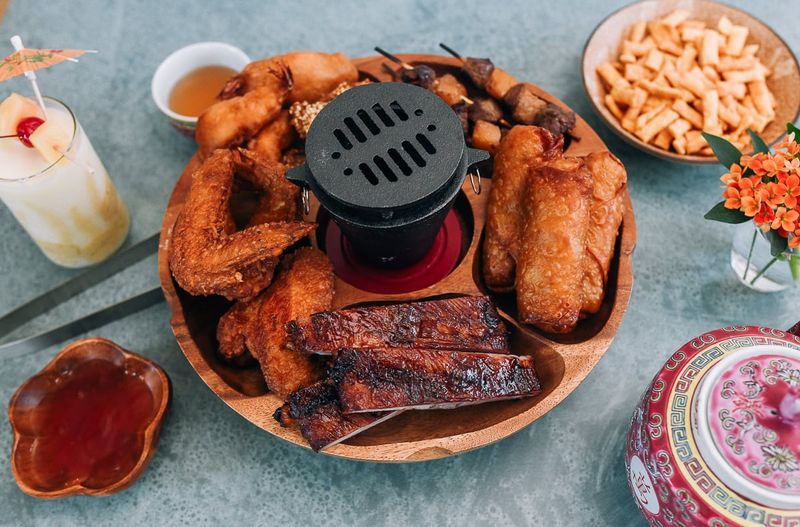
The Pu-Pu Platter is as American as apple pie, just dressed up with a Chinese-sounding name. This combination platter of assorted fried appetizers served around a central flame was invented entirely for American diners and has no equivalent anywhere in China’s vast food culture.
It is a fun novelty, but ordering it means missing out on genuinely exciting Chinese starters. Exploring a menu for dishes like scallion pancakes, cold sesame noodles, or steamed buns will take your appetizer game to a much more authentic level.
16. Mu Shu Pork (Americanized Version)
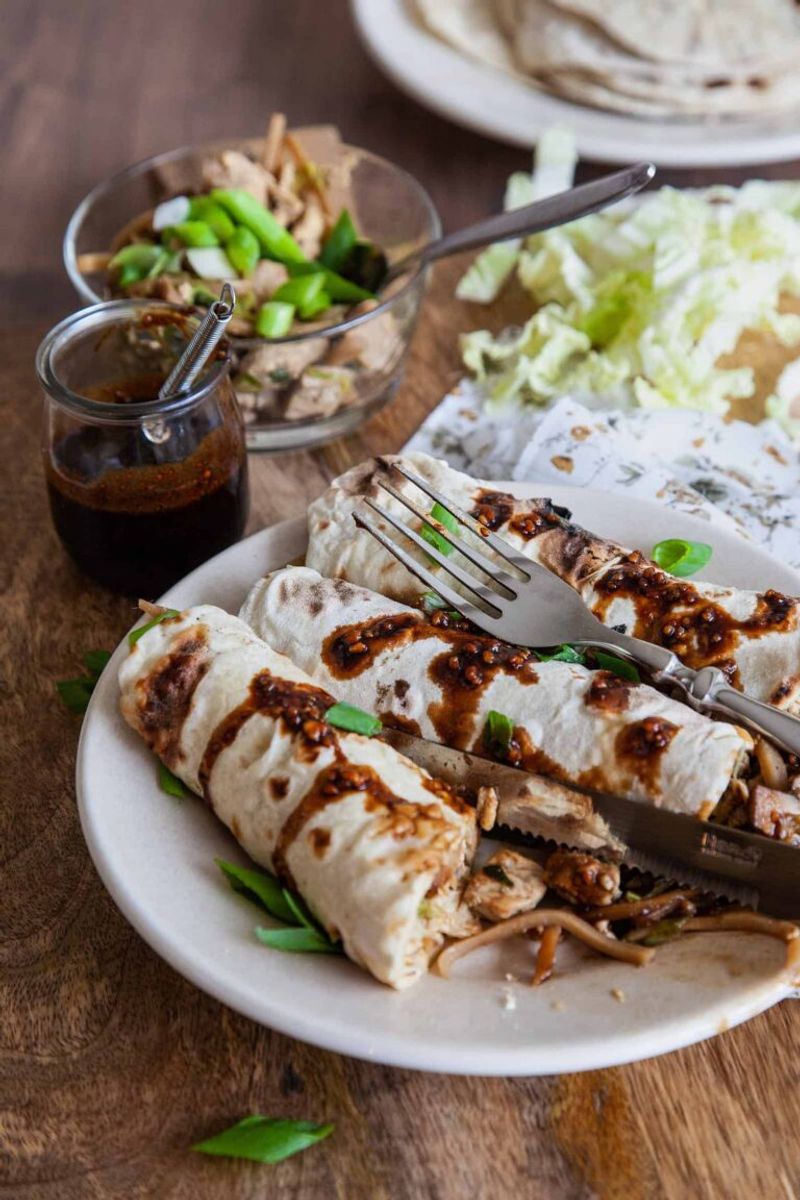
Mu Shu Pork does have roots in northern Chinese cooking, but the version served at most American Chinese restaurants has been heavily adapted. Thicker pancakes, richer fillings, and more sauce turn what should be a light, delicate dish into something much heavier and less refined.
The traditional Chinese version uses paper-thin pancakes and a more subtle, fragrant filling of egg, wood ear mushrooms, and tender pork. Seeking out the authentic preparation reveals a dish with a completely different and far more graceful character.
17. American Egg Fried Rice
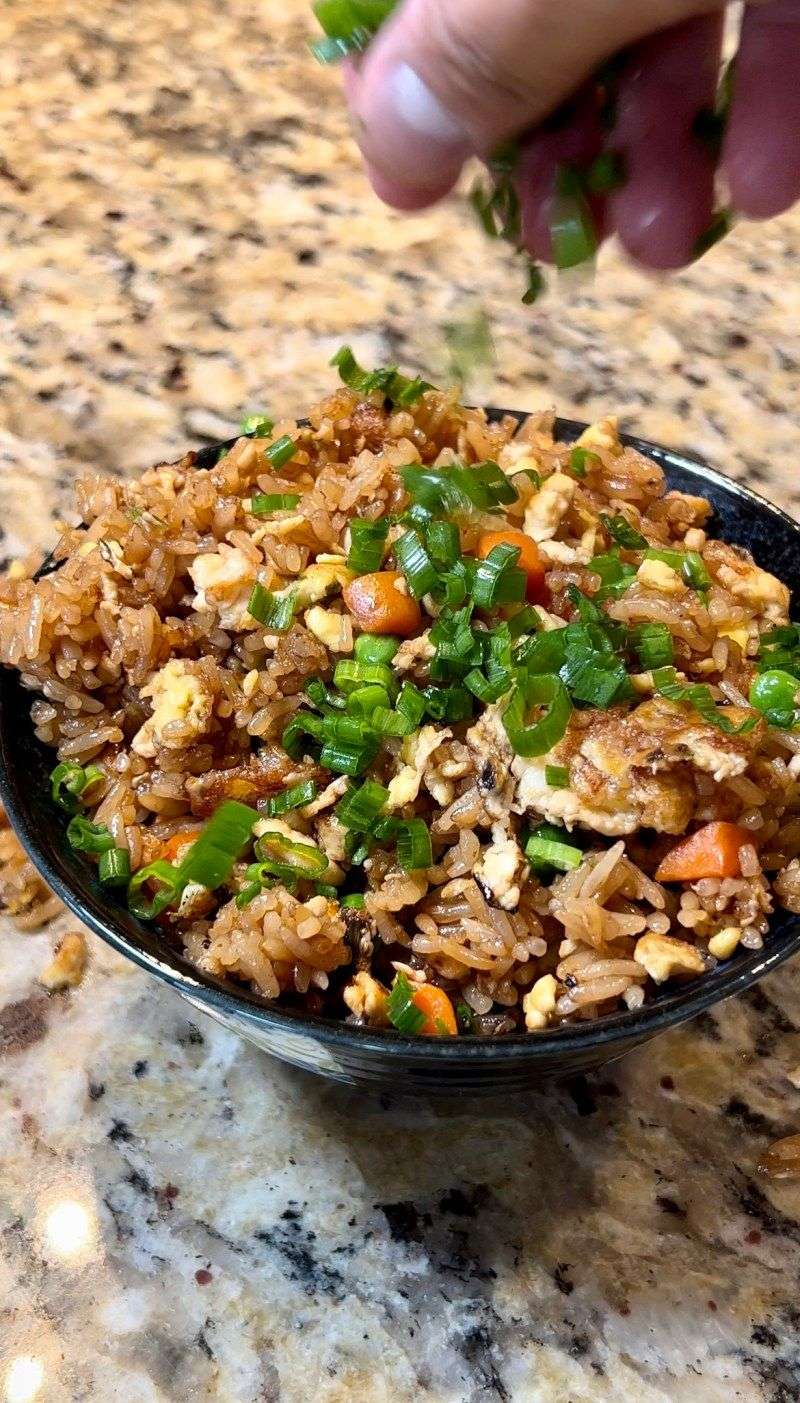
Egg fried rice in American Chinese restaurants is often drenched in so much soy sauce that it turns a deep, muddy brown color. That heavy-handed approach to seasoning is actually quite different from how fried rice is made in China, where less sauce lets the wok flavor shine through.
Authentic Chinese fried rice relies on high heat and technique rather than sauce overload. The result is lighter, more fragrant, and far more satisfying than the salty, sauce-heavy version most American diners have come to expect.
18. Deep-Fried Ice Cream
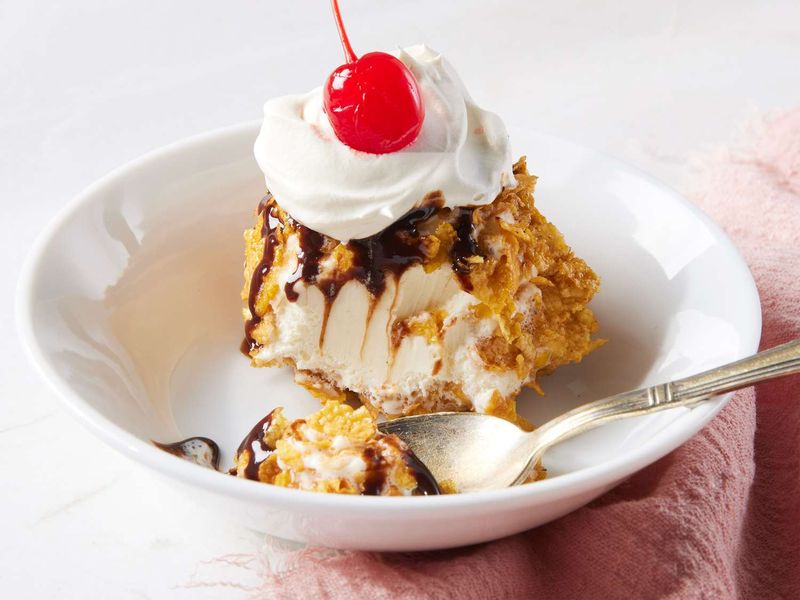
Deep-fried ice cream with bananas might appear on the dessert menu at Chinese-American restaurants, but this dish is not part of any traditional Chinese culinary tradition. It is a novelty dessert created to offer something dramatic and fun for Western diners looking for a sweet finish.
Traditional Chinese desserts are wonderfully understated by comparison. Think silky tofu pudding with ginger syrup, sweet red bean soup, or mango pomelo sago, all of which reflect the real artistry and philosophy behind authentic Chinese sweet treats.
19. Dishes With Broccoli as the Main Vegetable
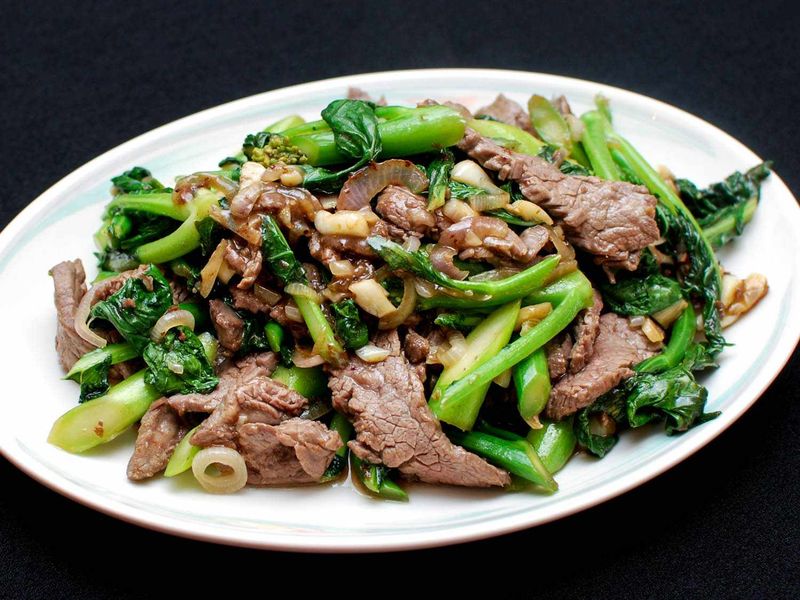
Broccoli is everywhere in American Chinese cooking, but it is not a vegetable that plays a starring role in traditional Chinese cuisine. Dishes like beef with broccoli were tailored for American diners who were already familiar with and fond of the vegetable.
Authentic Chinese cooking more commonly features vegetables like bok choy, Chinese water spinach, or gai lan. Swapping broccoli-heavy dishes for ones that use these traditional greens instantly makes your meal feel more connected to the real flavors of China’s regional kitchens.