
Every cook, from beginners to pros, has burned a sauce or added way too much salt. The good news is that most kitchen mistakes can be fixed with a few simple tricks.
Knowing how to save a meal helps you waste less food and feel more confident at the stove. Grab your apron, because these easy fixes might just turn your next kitchen disaster into dinner.
1. Tame a Too-Salty Soup

One shake too many, and suddenly your soup tastes like the ocean. Don’t pour it down the drain yet.
Adding more liquid is the simplest fix. Stir in water or low-sodium broth a little at a time, then taste.
You can also toss in extra unsalted vegetables, rice, or noodles to soak up some of the saltiness.
A squeeze of lemon juice helps too, since sour flavors trick your tongue into noticing salt less.
2. Cool Down a Fiery Chili

Picture this: your friends take one bite of your chili and start reaching for water. Too much heat happens to everyone.
Dairy is your best friend here. Sour cream, yogurt, or cheese contains a protein that grabs onto capsaicin, the chemical that makes peppers spicy.
A spoonful of sugar or honey also balances the burn.
For a big batch, add another can of beans or tomatoes to spread the spice out.
3. Thicken a Runny Gravy
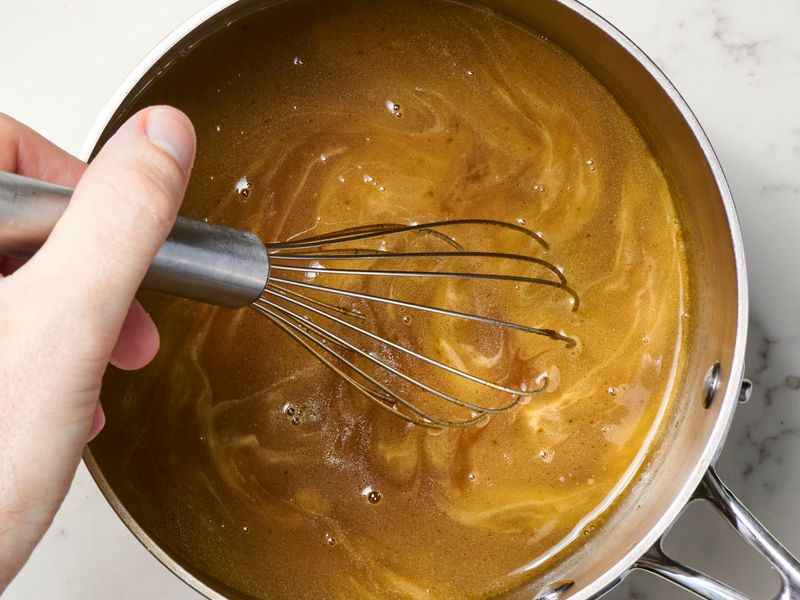
Thin gravy sliding off mashed potatoes is a sad sight. Luckily, a cornstarch slurry fixes it in minutes.
Mix one tablespoon of cornstarch with two tablespoons of cold water until smooth. Whisk it into your simmering gravy and let it bubble for a minute or two.
Watch it thicken right before your eyes.
Out of cornstarch? Flour works the same way, though it needs a few extra minutes of cooking to lose its raw taste.
4. Smooth Out Lumpy Sauce
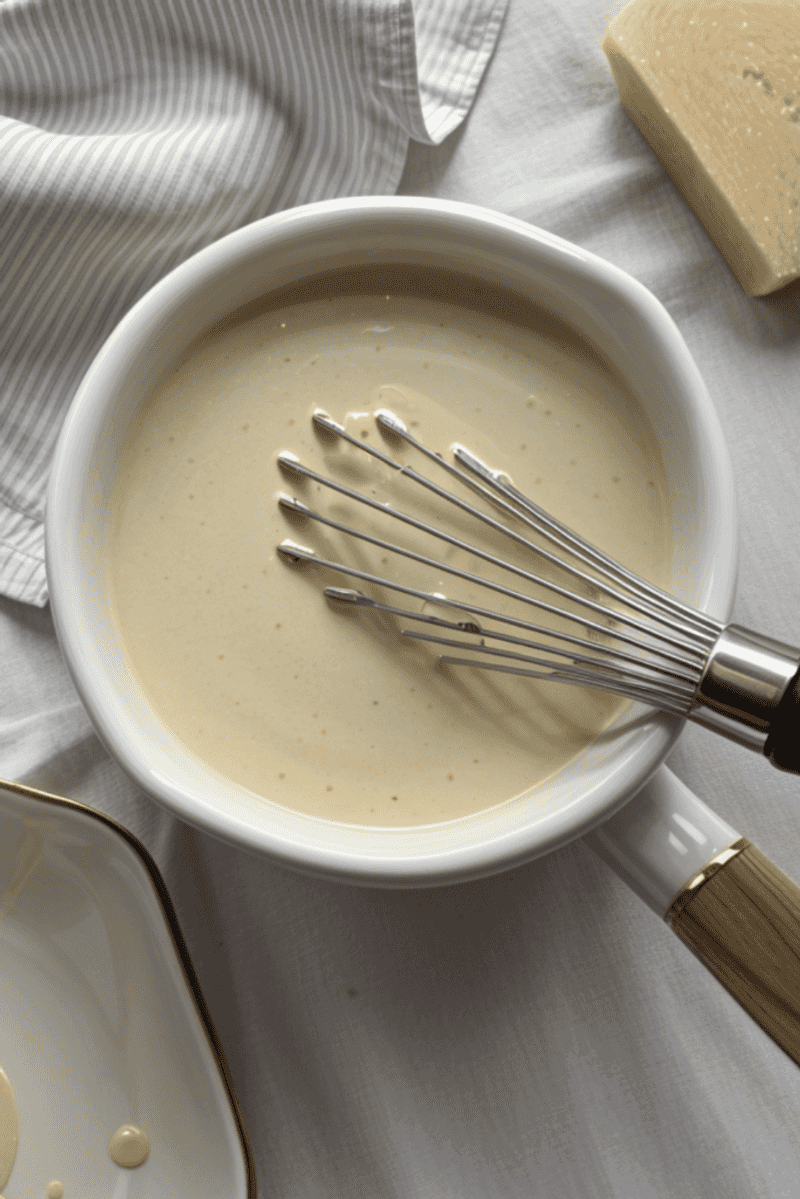
Lumps in a white sauce feel like tiny failures floating around. Thankfully, they’re easy to beat.
Grab a whisk and stir hard over low heat. Most clumps will break apart with some elbow grease.
If stubborn bits remain, pour the sauce through a fine strainer, or give it a quick spin in a blender.
Next time, add warm milk slowly while whisking. Pouring everything in at once is what usually causes those annoying lumps.
5. Save a Scorched Pot of Rice
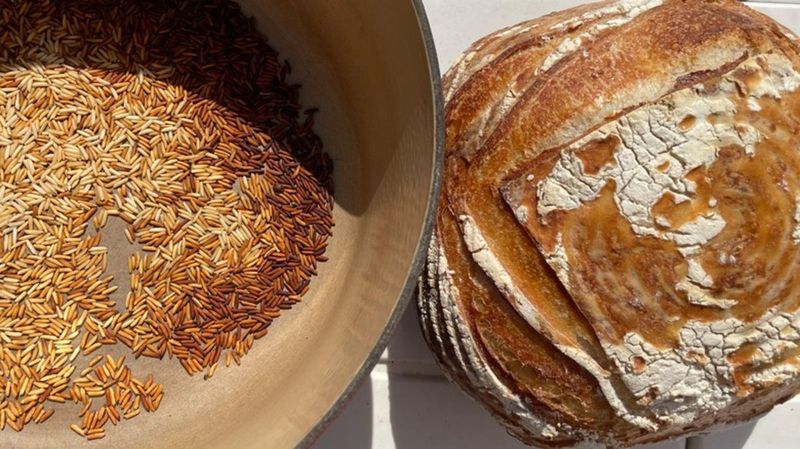
That smoky smell drifting from the stove usually means the bottom layer of rice got burned. Act fast!
Scoop the good rice from the top into a clean pot without scraping the bottom. Then lay a slice of white bread on top and cover it for about ten minutes.
The bread absorbs much of the burnt smell.
Fun fact: in many cultures, crispy rice at the bottom is actually a treat, like Persian tahdig.
6. Revive Dry, Overcooked Chicken
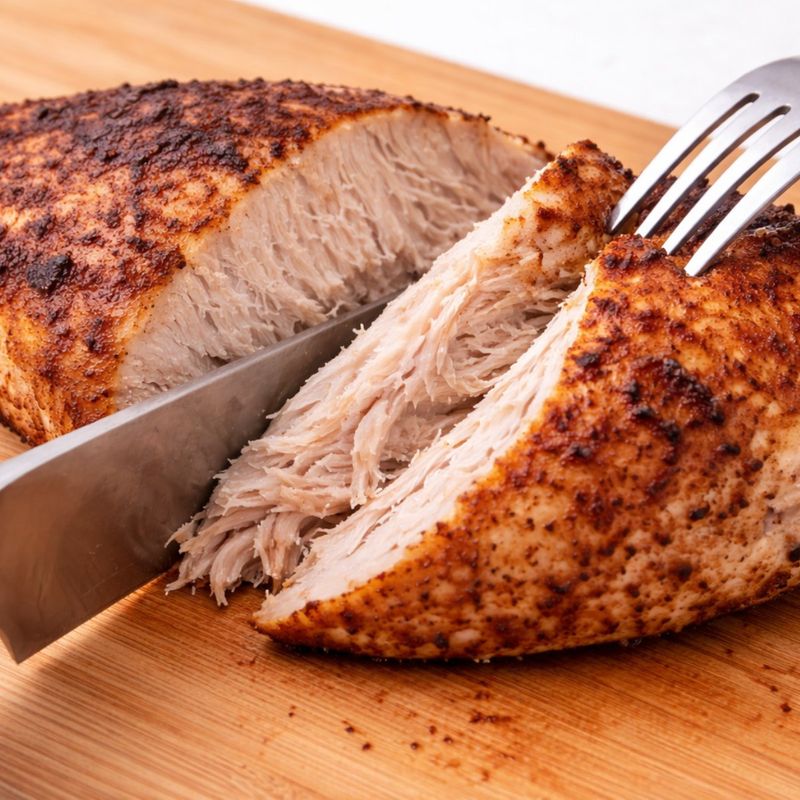
Chewing dry chicken can feel like eating cardboard. Instead of tossing it, give it a second life.
Slice or shred the meat, then let it rest in warm broth or sauce for a few minutes. The liquid seeps back in and brings back moisture.
Shredded chicken also shines in tacos, soups, or chicken salad with plenty of mayo.
Going forward, a cheap meat thermometer helps you pull chicken off the heat at 165 degrees.
7. Rescue a Broken Mayonnaise
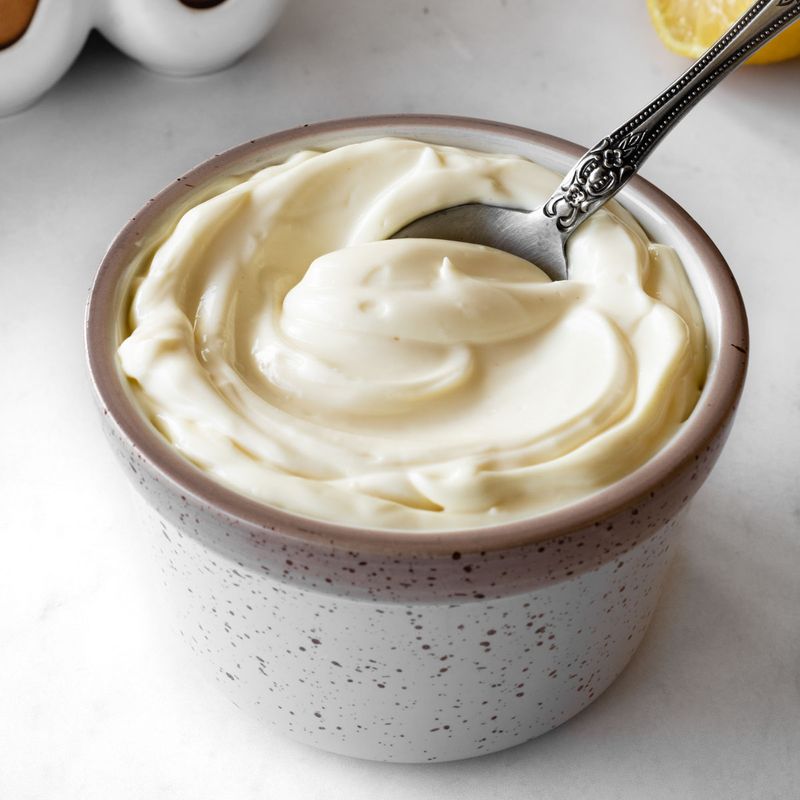
Homemade mayo can suddenly split into a greasy, curdled mess. It looks hopeless, but it isn’t.
Place a fresh egg yolk in a clean bowl. Slowly whisk the broken mixture into it, just a few drops at first, then a thin stream.
The new yolk acts like glue, pulling the oil and liquid back together.
A teaspoon of warm water or mustard can also work as an emergency binder when eggs run out.
8. Fix Bland, Boring Food

Ever cooked something that tasted like, well, nothing? Flat flavor is one of the easiest problems to solve.
Start with a pinch of salt, which wakes up every other flavor. Next, try something acidic like lemon juice or vinegar for brightness.
Fresh herbs, garlic, or a dash of hot sauce add even more personality.
Taste after each addition. Small changes make a huge difference, and you avoid swinging too far the other way.
9. Balance an Overly Sweet Dish
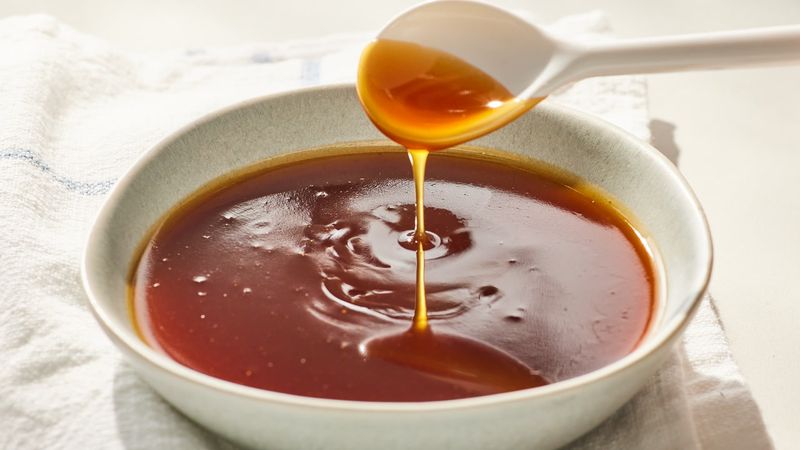
Grandma always said a sweet tooth can ruin a good sauce. She had a point.
When a dish turns syrupy, acid comes to the rescue. A splash of vinegar, lemon, or lime juice cuts right through the sugar.
Salt and a little spice, like red pepper flakes, also pull flavors back into line.
For desserts, a pinch of sea salt or unsweetened cocoa can tone down sweetness while adding depth.
10. Brighten a Sour Mistake

Squinting after tasting your own salad dressing is never a good sign. Too much vinegar or lemon happens quickly.
A touch of sweetness balances things out. Honey, maple syrup, or plain sugar softens that sharp bite.
Adding more oil, cream, or butter also mellows sour flavors in sauces and soups.
Baking soda works in a pinch for tomato sauces, but use only a tiny amount, or it may taste soapy.
11. Rescue Mushy Pasta
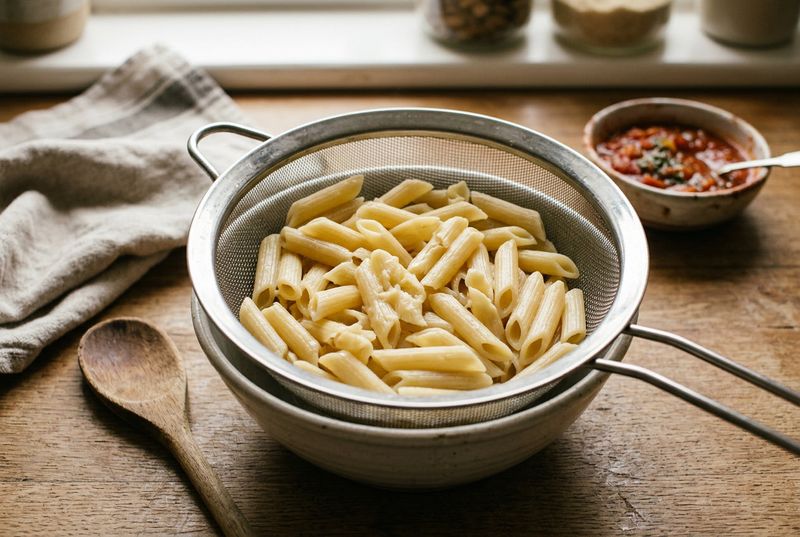
Got distracted and let the noodles boil too long? Soft, limp pasta isn’t the end of dinner.
Drain it and rinse with cold water to stop the cooking. Then fry it in a hot skillet with olive oil or butter until the edges turn golden.
The crispy texture hides the mushiness beautifully.
Another option is turning it into a baked pasta dish with sauce and cheese, where softness actually fits right in.
12. Unstick Clumpy Noodles

Spaghetti sticking together in one giant blob looks more like modern art than dinner.
Run the clump under warm water while gently pulling the strands apart with tongs. Toss the noodles with a little olive oil or some of your sauce right away to keep them loose.
A handy habit for next time is using a big pot with plenty of boiling water and stirring during the first two minutes. That’s when sticking usually starts.
13. Bring Back Gluey Mashed Potatoes
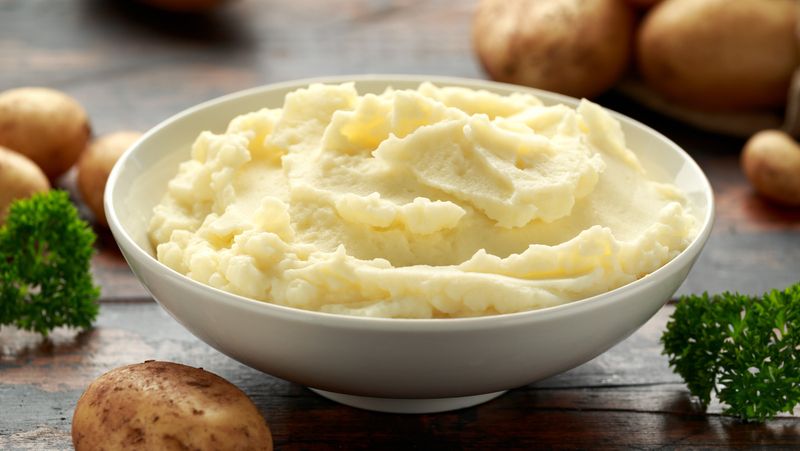
Overmixed mashed potatoes can turn sticky and gluey, like paste. Blame the starch, not yourself.
Sadly, you can’t undo the texture completely, but you can disguise it. Spread the potatoes in a baking dish, top with cheese and breadcrumbs, and bake until bubbly.
You’ll have a cheesy casserole instead.
Potato pancakes are another clever choice. Form patties, fry them in butter, and enjoy crispy outsides that make everyone forget the mistake.
14. Skim Off Greasy Fat
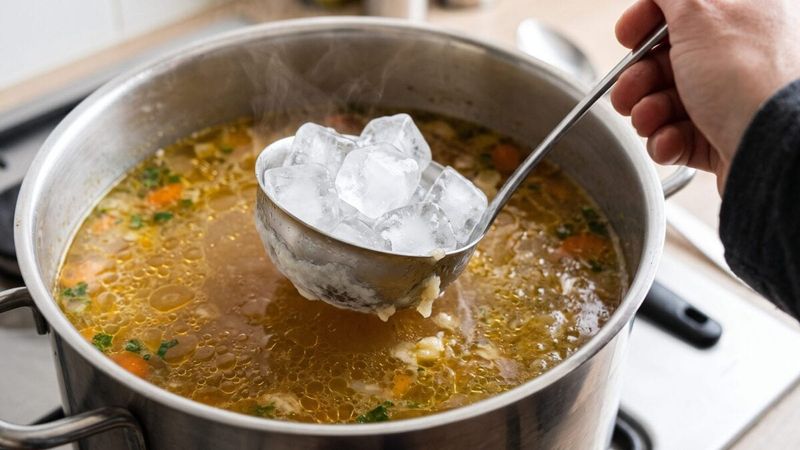
A shiny layer of oil floating on stew can make it feel heavy. Here’s a neat trick that seems almost like magic.
Wrap an ice cube in a paper towel and glide it across the surface. The cold makes fat firm up and stick to the towel.
A large spoon or slice of bread also soaks up grease nicely.
Got time? Chill the pot overnight, and the hardened fat lifts right off.
15. Save Curdled Cream Sauces

Grainy, separated cream sauce usually means the heat climbed too high. Turn the burner down immediately.
Remove the pan and whisk in a splash of cold cream or milk. The temperature drop can help the sauce come back together.
If that fails, an immersion blender often smooths things out in seconds.
To prevent curdling, add dairy at the end of cooking, and avoid letting creamy sauces reach a rolling boil.
16. Soften Tough, Chewy Meat
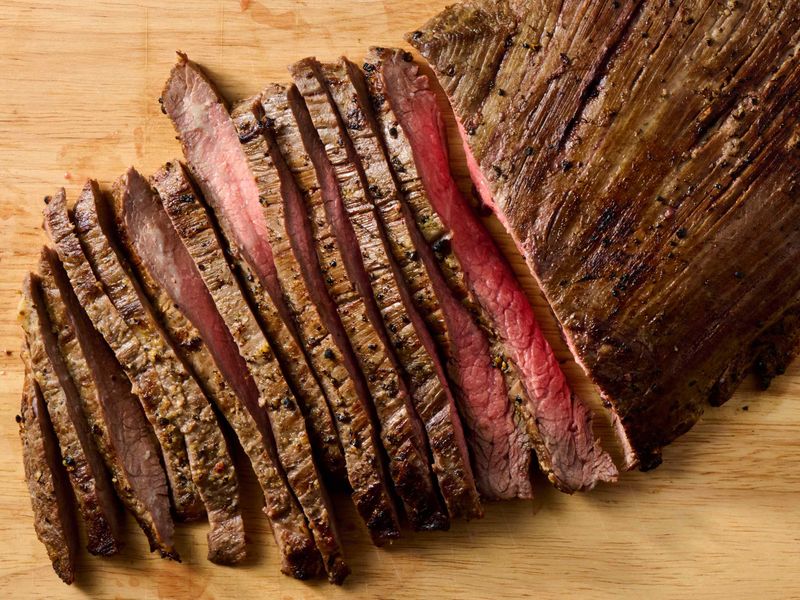
Tough beef that fights back with every bite is frustrating. Surprisingly, the answer is often more cooking, not less.
Cuts like chuck or brisket contain connective tissue that melts only after long, slow simmering. Cover the meat in broth and let it bubble gently for another hour or two.
For thin steaks, slice them very thin against the grain. Shorter muscle fibers make each piece much easier to chew.
17. Rescue Burnt Cookie Bottoms

The tops look perfect, but flip a cookie over and it’s black underneath. Don’t panic.
Gently scrape the burned layer off with a fine grater or a sharp knife once the cookies cool. Most of the bitterness goes away, and nobody will ever know.
Dark baking sheets cause this problem often. Try lining pans with parchment paper or placing one baking sheet on top of another for extra protection.
18. Refresh Stale Bread

Did you know stale bread isn’t really dry? Its starches just harden as they cool and age.
Run the loaf quickly under the tap so the crust gets damp, then bake at 350 degrees for about ten minutes. The heat softens the starch again, giving you a warm, crusty loaf.
Too far gone? Turn it into croutons, breadcrumbs, or French toast.
Stale bread actually soaks up eggs better.
19. Fix Overcooked Vegetables

Limp, gray broccoli doesn’t exactly make anyone excited for dinner. Still, those veggies have plenty left to give.
Toss them into a blender with broth, garlic, and a little cream for a quick soup. Soft vegetables also mash well into dips or get mixed into pasta sauce, where nobody notices the texture.
Next time, plunge cooked veggies into ice water right away. That stops cooking and keeps their colors bright.