
Great cooking does not have to cost a lot of money. Some of the cheapest jars, cans, and bags in your kitchen can turn a plain meal into something amazing.
Knowing which ingredients give you the most taste for your dollar helps you eat better and waste less. Here are the budget heroes worth keeping on your shelf.
1. Soy Sauce
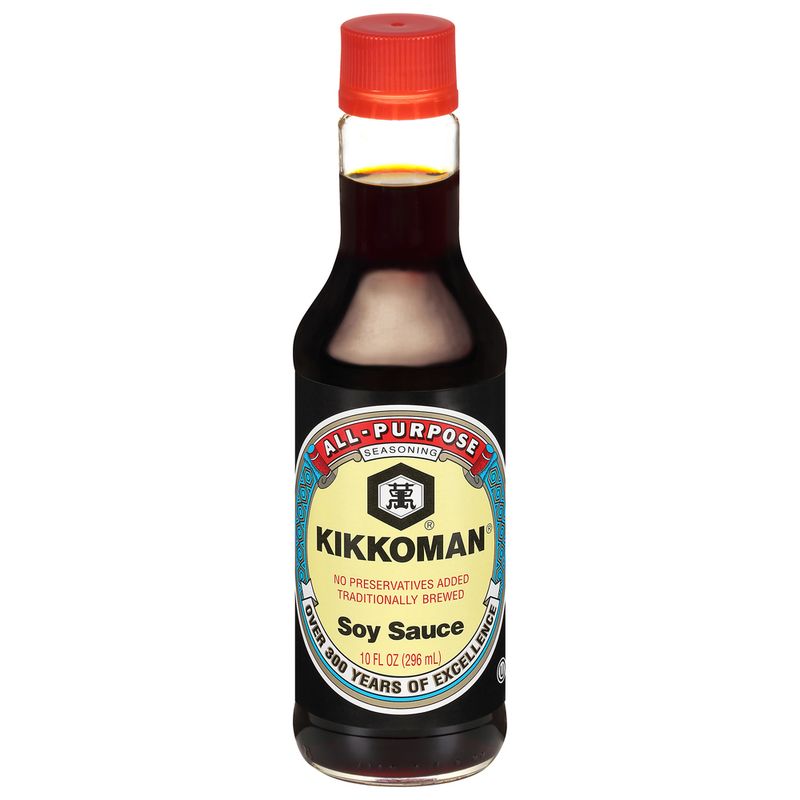
A single splash can wake up almost anything. Soy sauce brings salt and a deep, savory taste called umami that makes food feel rich and satisfying.
Try it beyond stir-fries. Add a teaspoon to beef stew, scrambled eggs, or even a pot of chili.
A big bottle costs only a few dollars and lasts for months.
Fun fact: people in China were making early versions of soy sauce more than 2,000 years ago.
2. Canned Anchovies
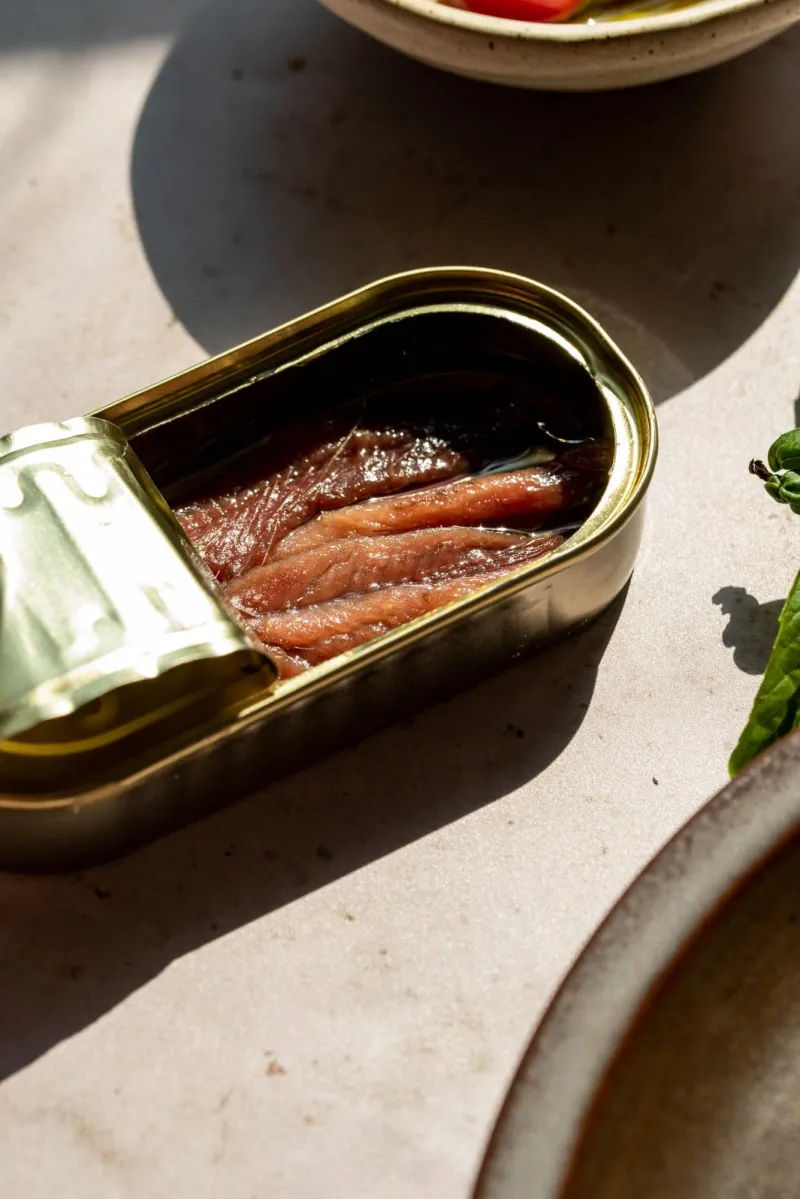
Don’t make that face yet! Anchovies have a scary reputation, but chefs secretly love them.
When you melt a couple of fillets into hot oil, they disappear completely. What stays behind is no fishy taste at all, just a deep, salty boost that makes pasta sauce, salad dressing, and roasted vegetables taste fuller.
One small tin is cheap and can flavor several meals. Store leftovers in a jar covered with oil in the fridge.
3. Tomato Paste
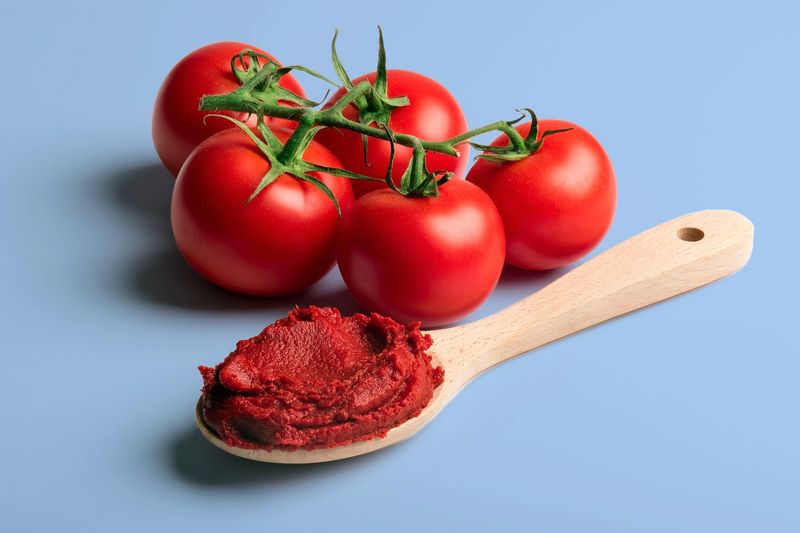
Think of tomato paste as tomatoes with the volume turned way up. Cooks remove most of the water, so the flavor gets thick, sweet, and intense.
For the best results, fry a spoonful in oil until it turns a darker brick red. That step adds a toasty richness to soups, curries, and sauces.
Buying it in a tube is handy. You squeeze out only what you need, and the rest stays fresh in the fridge for weeks.
4. Smoked Paprika
Picture the smell of a campfire on a summer night. Now imagine shaking that into a jar.
That’s smoked paprika in a nutshell.
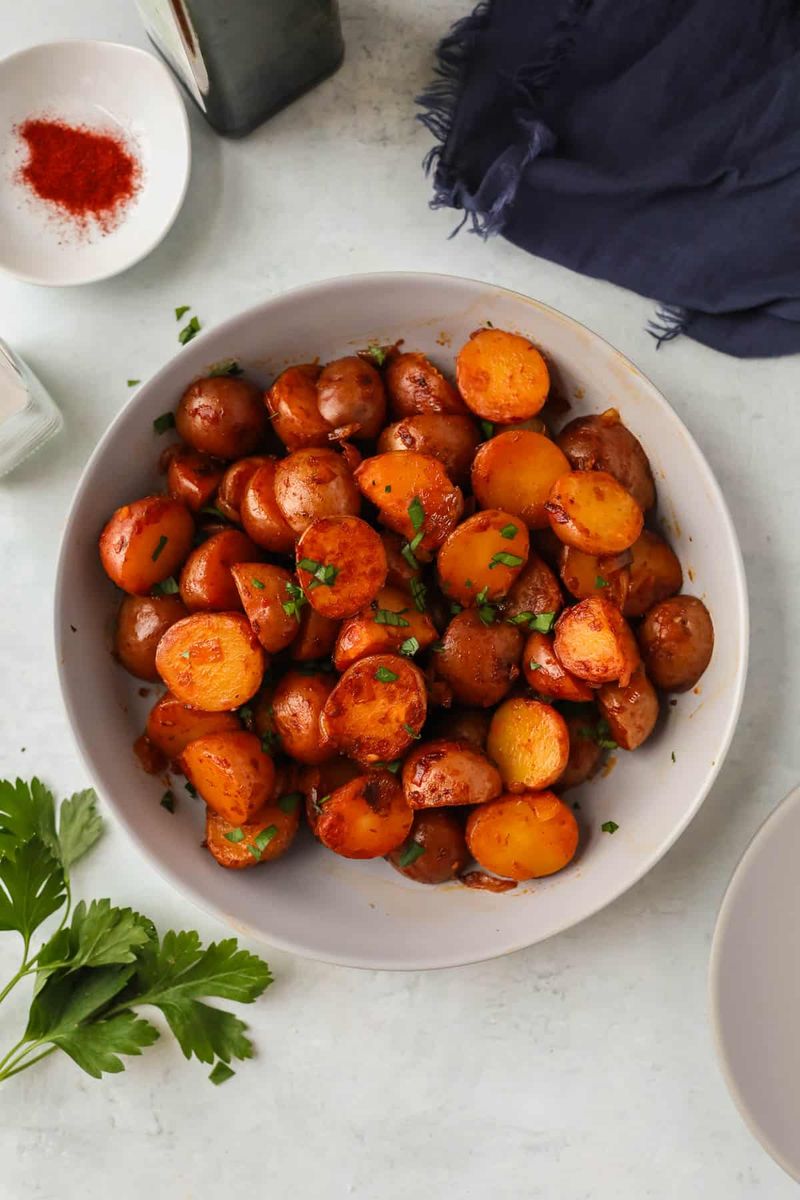
Made from peppers dried over smoking oak wood in Spain, this red powder makes beans, eggs, and potatoes taste like they came off a grill. Vegetarians love it because it adds a bacon-like vibe without any meat.
Sprinkle it on popcorn for a snack your friends will ask about.
5. Garlic Powder
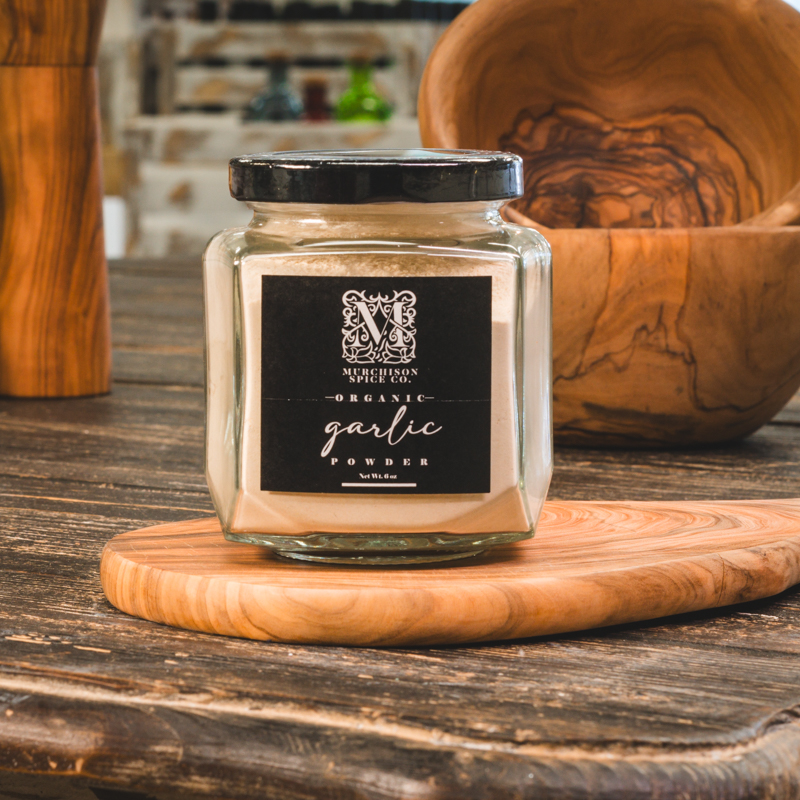
Fresh garlic is wonderful, but peeling it on a busy Tuesday? Not always happening.
Garlic powder saves the day.
It spreads evenly through dry mixes, which makes it perfect for seasoning chicken, burgers, roasted chickpeas, and homemade garlic bread. It also won’t burn as quickly as chopped cloves.
A jar costs very little and lasts a long time. Just keep it sealed tight and away from the stove so it stays fresh and doesn’t clump.
6. Dried Mushrooms
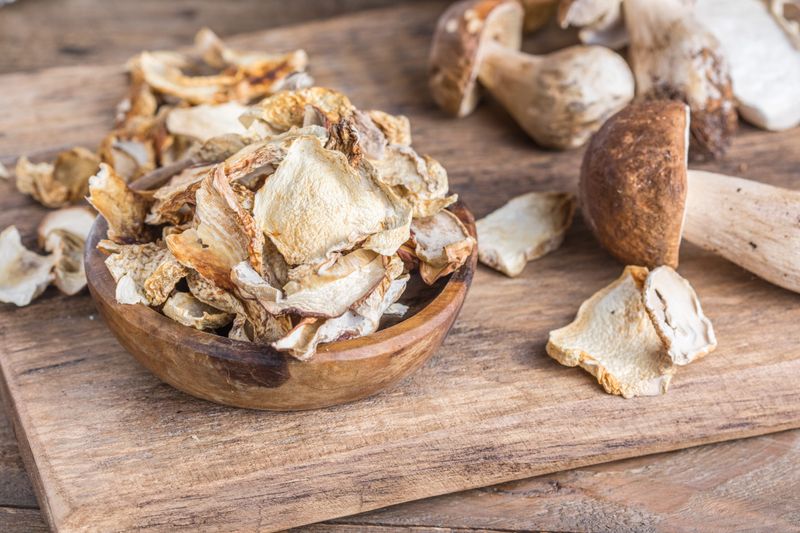
My grandmother kept a bag of dried mushrooms tucked behind the flour, and her soups always tasted like magic. Now I know her trick.
Drying mushrooms concentrates their earthy, meaty taste. Soak a handful in hot water for twenty minutes, then chop them into gravy, rice, or stew.
Don’t toss that soaking water! Pour it in too, since it’s basically free broth.
A little bag goes surprisingly far.
7. Fish Sauce
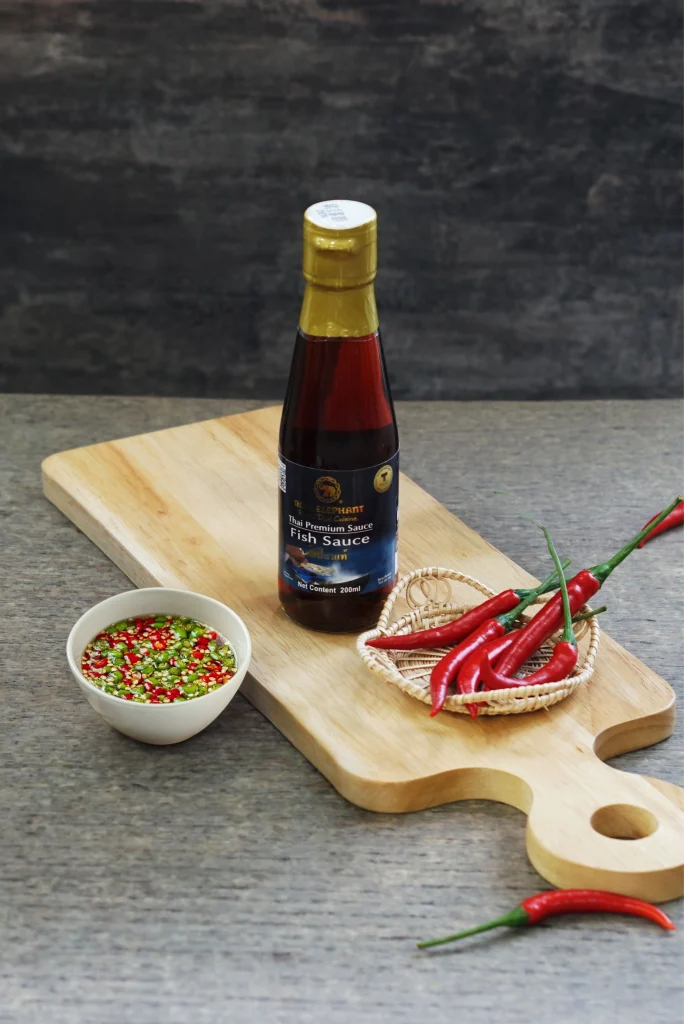
Yes, it smells strong straight out of the bottle. Trust the process anyway.
Fish sauce is a key ingredient in Thai and Vietnamese cooking. Once it hits a dish, the funky smell fades, leaving salty, savory depth that makes noodles, soups, and marinades taste complete.
Start with just a few drops. Mix it with lime juice, a little sugar, and chili for a quick dipping sauce that turns plain rice into dinner.
8. Cumin Seeds
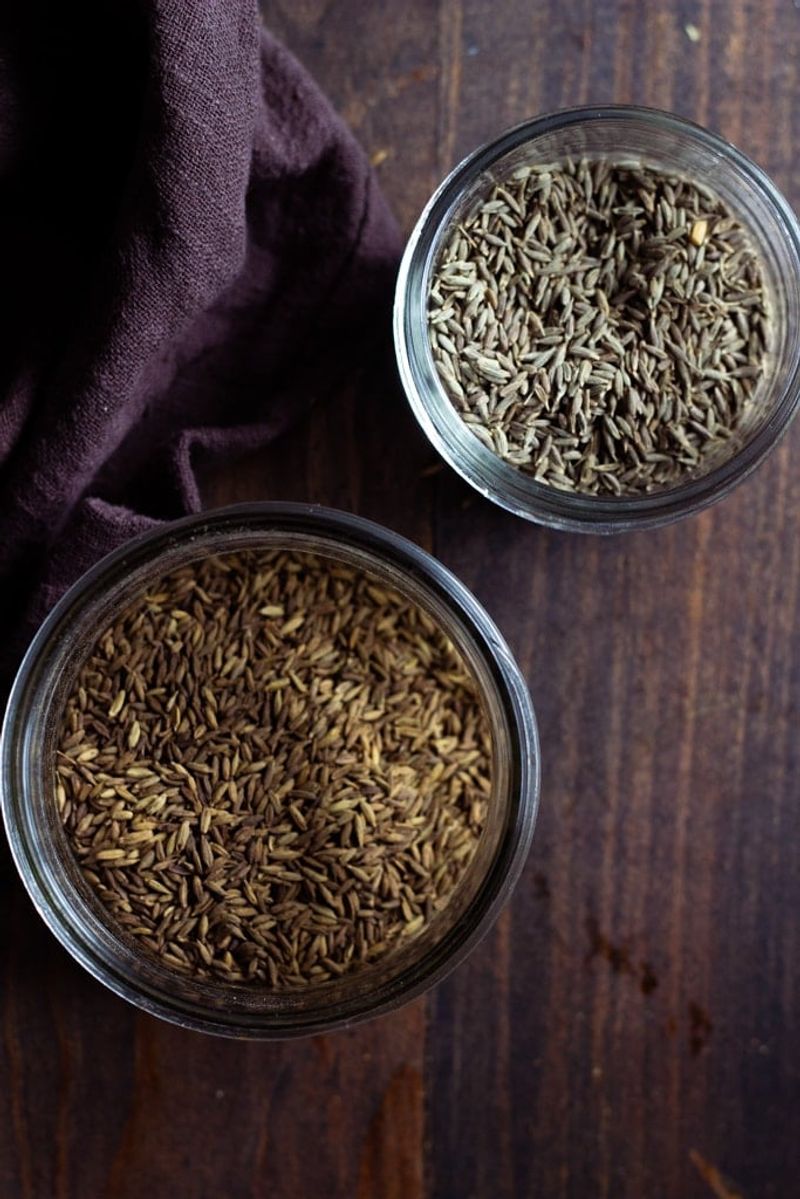
Ever wonder why taco night smells so good? Cumin is a big part of the answer.
Buying whole seeds is cheaper than many fancy spices, and they stay fresh longer than ground ones. Toast them in a dry pan for a minute until they smell nutty, then crush them or toss them whole into lentils, chili, or rice.
Cumin has been used for thousands of years, even by ancient Egyptians.
9. Bouillon Cubes
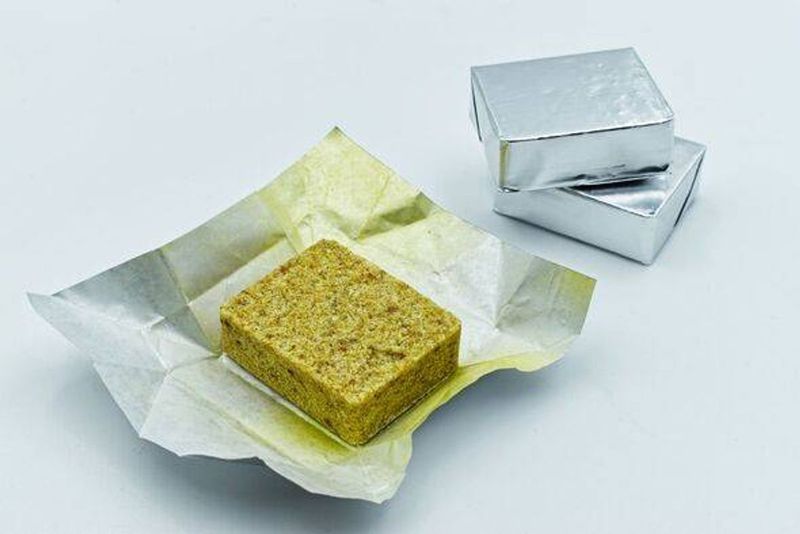
Small, cheap, and mighty, bouillon cubes are like tiny flavor bombs waiting in your cupboard.
Dissolve one in hot water and you have broth in seconds. Even better, cook rice, pasta, or couscous in that broth instead of plain water.
Suddenly a boring side dish tastes like it came from a restaurant.
They’re salty, so go easy on extra salt when using them. Low-sodium versions are a smart pick for everyday meals.
10. Apple Cider Vinegar
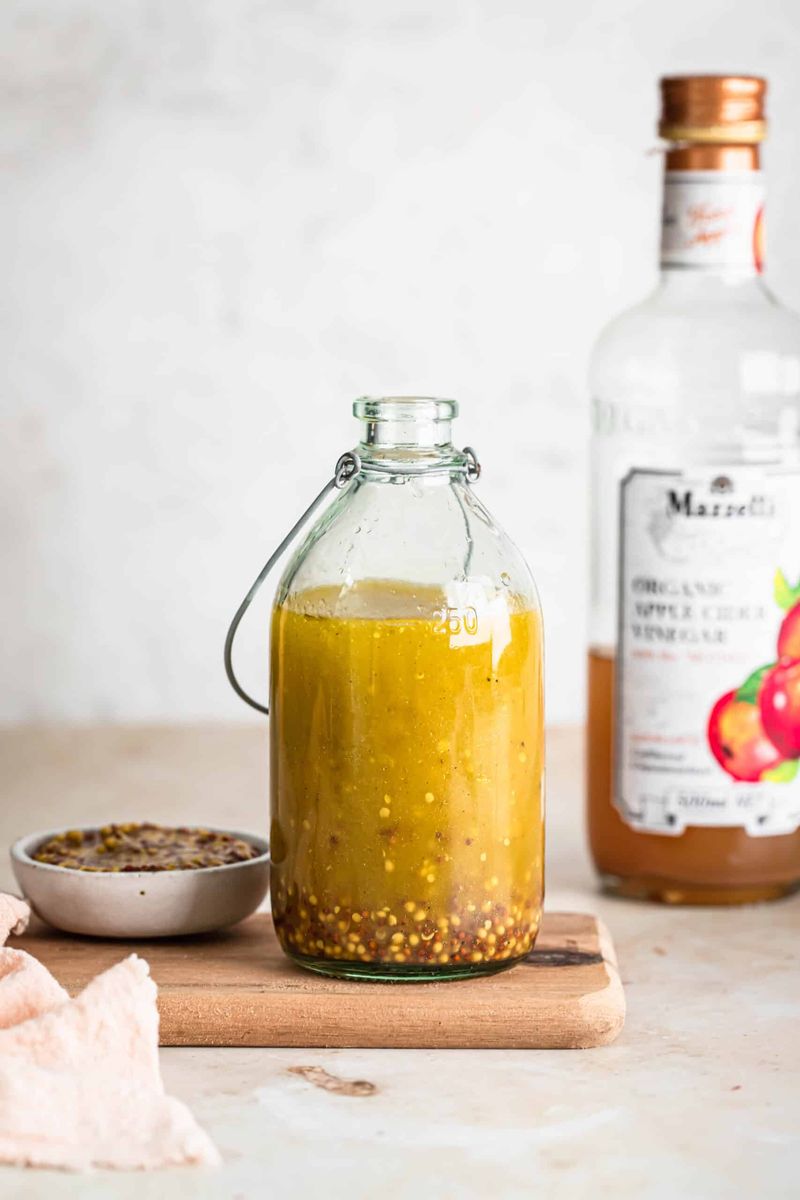
Sometimes a dish tastes flat, and salt isn’t the fix. What it really needs is a little sourness.
Apple cider vinegar adds a bright, fruity tang that lifts heavy foods like beans, pulled pork, and creamy soups. Shake it with oil, honey, and mustard for a salad dressing that beats store-bought versions.
A big bottle is inexpensive. You can also use it to make quick pickled onions in about thirty minutes.
11. Dijon Mustard
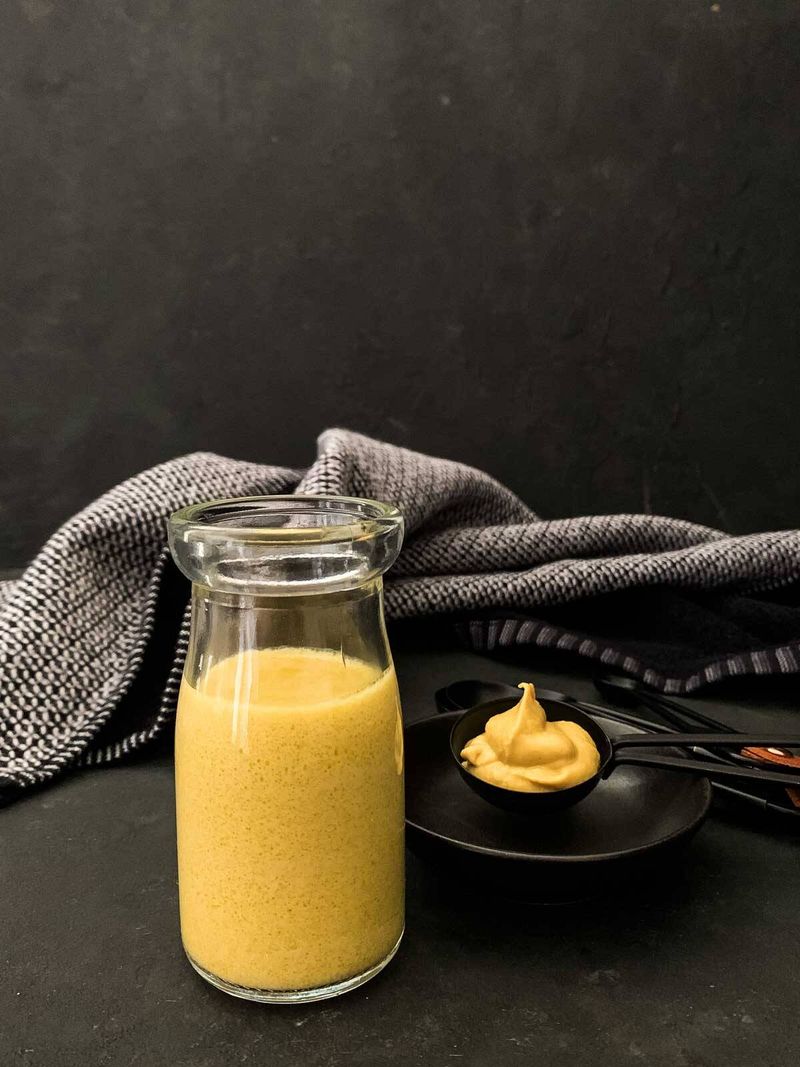
Here’s a sneaky kitchen secret: mustard isn’t only for hot dogs.
Dijon, which comes from a city in France, has a sharp, smooth kick. A spoonful in a pan sauce, macaroni and cheese, or deviled eggs adds zip without tasting obviously mustardy.
It also helps oil and vinegar blend together, so your dressings stay creamy instead of separating. One jar costs a couple of dollars and keeps for months in the fridge.
12. Miso Paste
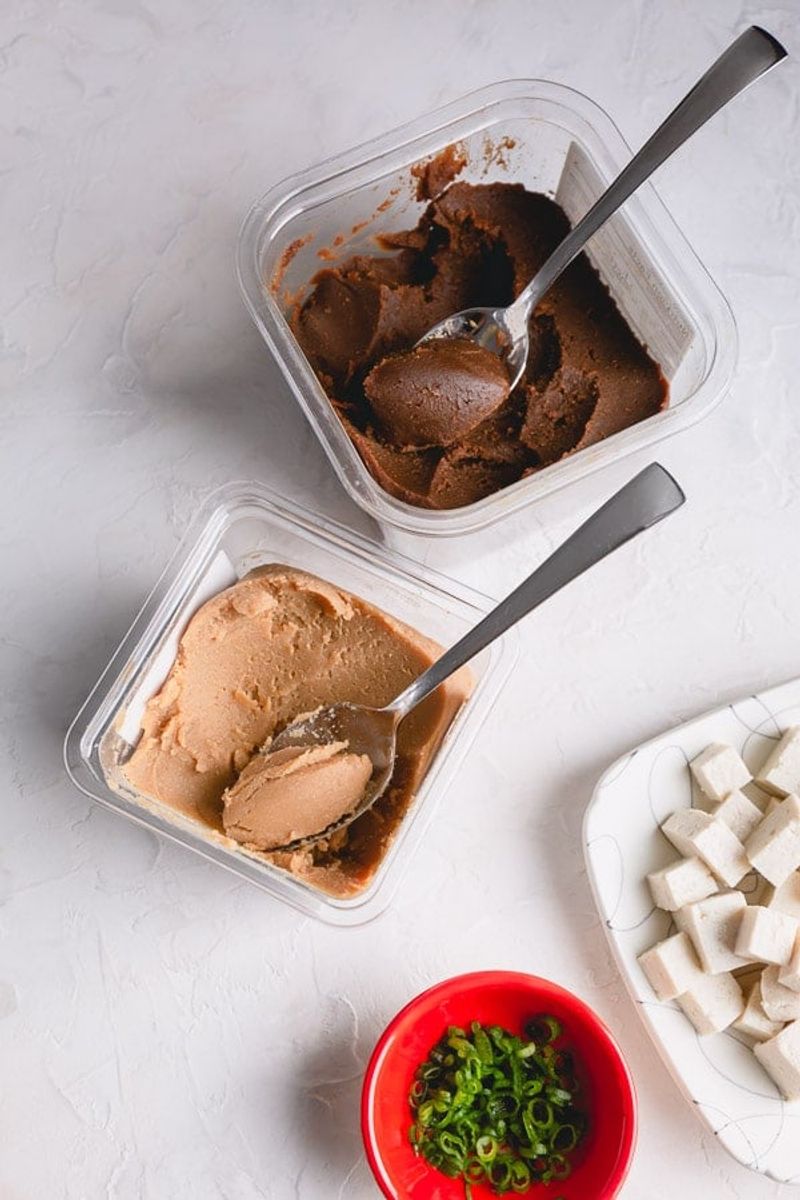
Japanese cooks have relied on miso for centuries, and once you try it, you’ll understand why.
This salty paste made from fermented soybeans gives food a cozy, savory flavor. Stir it into soup, whisk it into butter for corn on the cob, or brush it on roasted vegetables.
Add miso at the end of cooking, since boiling can dull its taste. A tub lasts ages in the fridge, so the cost per meal is tiny.
13. Red Pepper Flakes
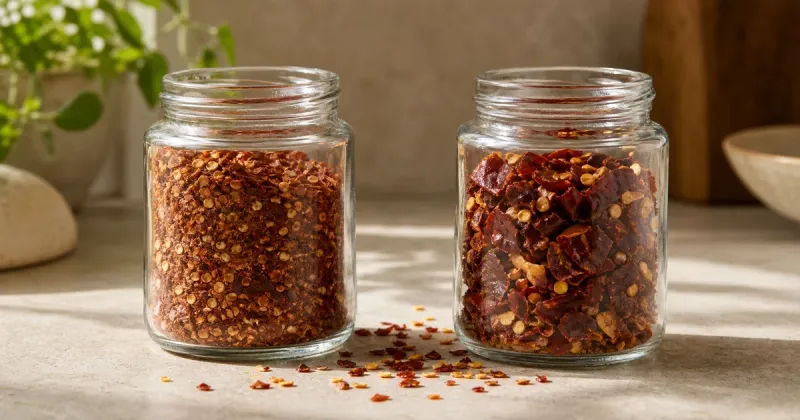
Pizza shops hand these out for free, which tells you how cheap they are. Yet a pinch can totally change a meal.
Red pepper flakes bring gentle heat that builds slowly. Warm them in oil before adding garlic for spicy pasta, or shake them over eggs, soups, and roasted broccoli.
If you’re nervous about spice, start tiny. You can always add more, but you can’t take heat back out once it’s in.
14. Canned Chipotle Peppers in Adobo
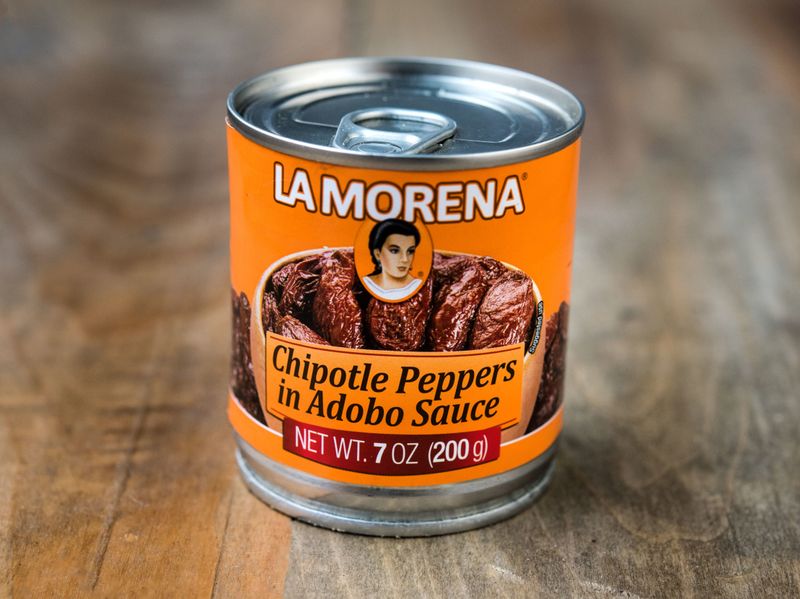
Smoky, spicy, slightly sweet, and wildly underrated, this little can deserves a spot in every pantry.
Chipotles are dried, smoked jalapenos packed in a tangy red sauce. Chop one into mayo for a killer sandwich spread, or blend it into chili, beans, or barbecue sauce.
A whole can is usually more than one recipe needs. Freeze leftover peppers in an ice cube tray so you always have a few ready to go.
15. Nutritional Yeast
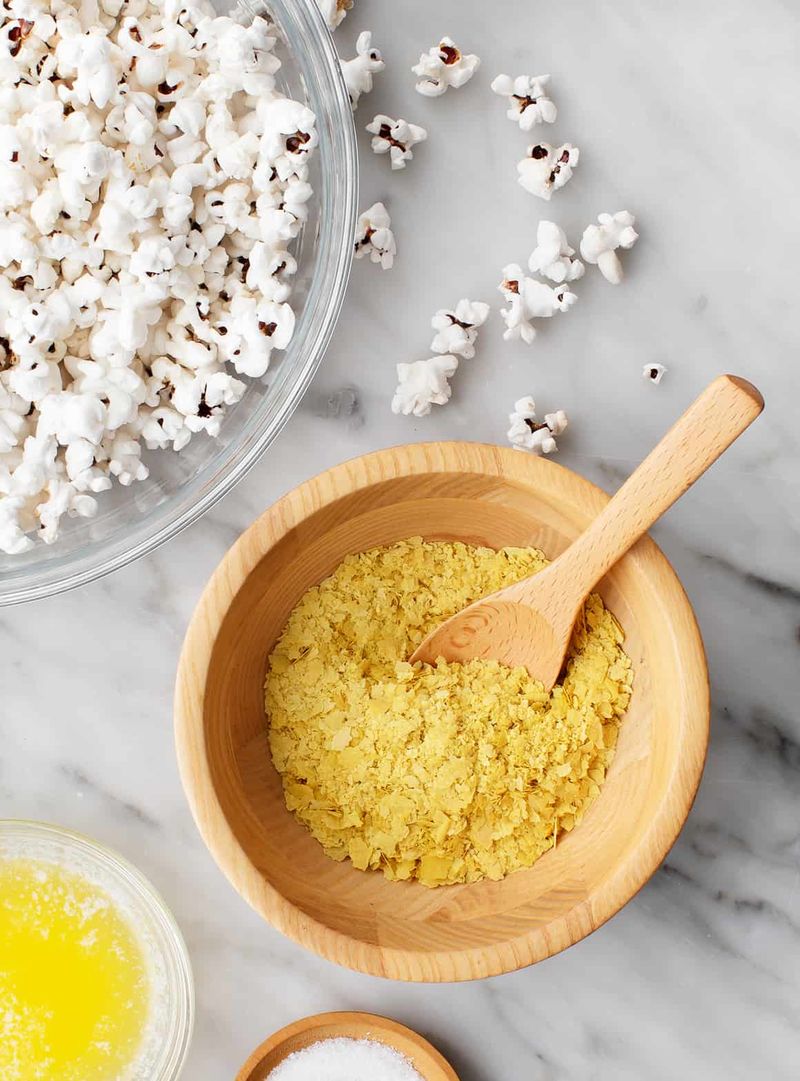
Golden flakes that taste like cheese but contain no dairy? It sounds made up, yet it’s real.
Nutritional yeast has a nutty, cheesy flavor that vegans adore. Sprinkle it over popcorn, pasta, or roasted veggies, or stir it into sauces for a creamy, savory touch.
Many brands add B vitamins, so it’s healthy too. Look for it in bulk bins, where it’s often much cheaper than buying packaged containers.
16. Toasted Sesame Oil
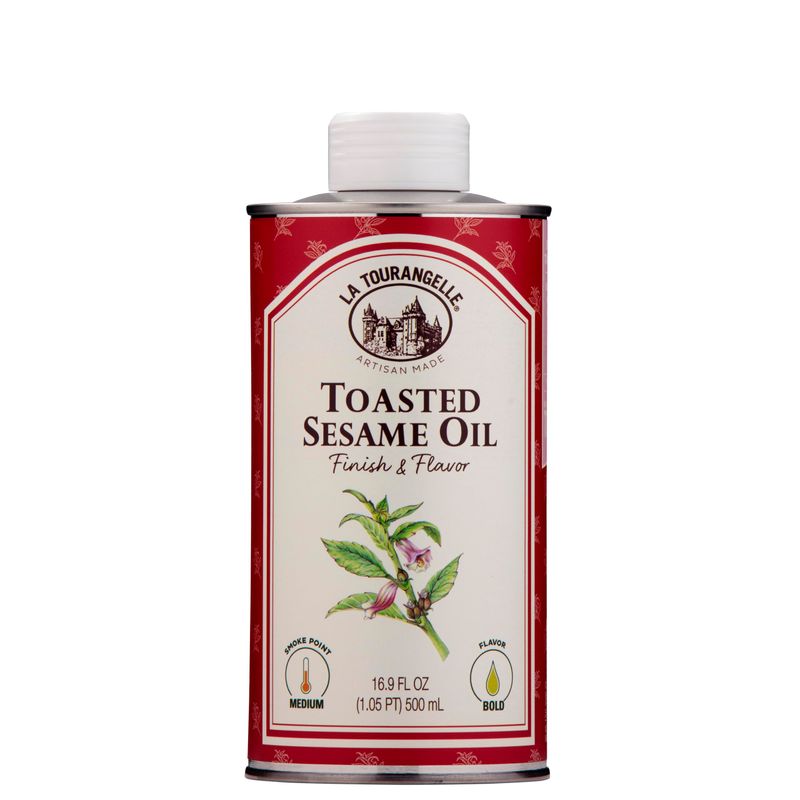
Open a bottle and the nutty, toasty smell fills the whole room. That aroma is a hint of how powerful it is.
Toasted sesame oil isn’t for frying. Instead, drizzle a few drops over finished noodles, fried rice, soup, or steamed vegetables right before eating.
Because you use so little, one bottle lasts a very long time. Keep it in a cool, dark spot so it doesn’t turn bitter.
17. Brown Sugar

Sweet treats are just the beginning. Brown sugar works hard in savory cooking, too.
Its molasses gives a deep caramel taste that balances sour and spicy foods. Add a spoonful to tomato sauce, chili, or a meat rub, and watch the flavors come together.
Glazed carrots with butter and brown sugar can win over picky eaters.
Hard brown sugar? Put a slice of bread in the bag overnight to soften it.
18. Dried Oregano
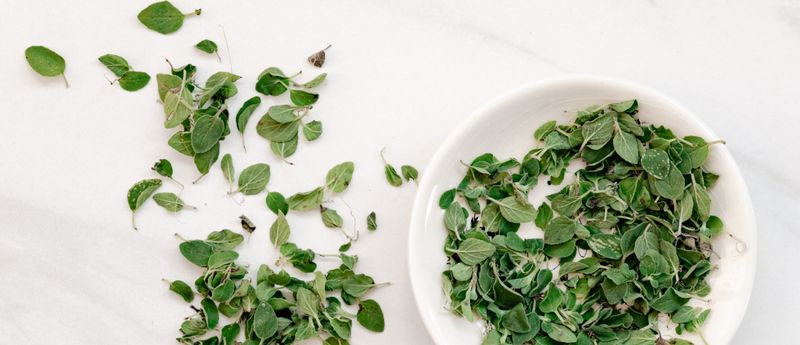
Unlike many herbs, oregano actually gets stronger when it dries. That makes the jar version a real bargain.
It’s the classic taste of pizza and Greek salad. Rub it between your palms before adding it to food, which releases its oils and boosts the smell.
Shake it into tomato sauce, marinades, or roasted potatoes with lemon. Mexican oregano tastes a little different, with citrusy notes that shine in salsa and beans.
19. Peanut Butter
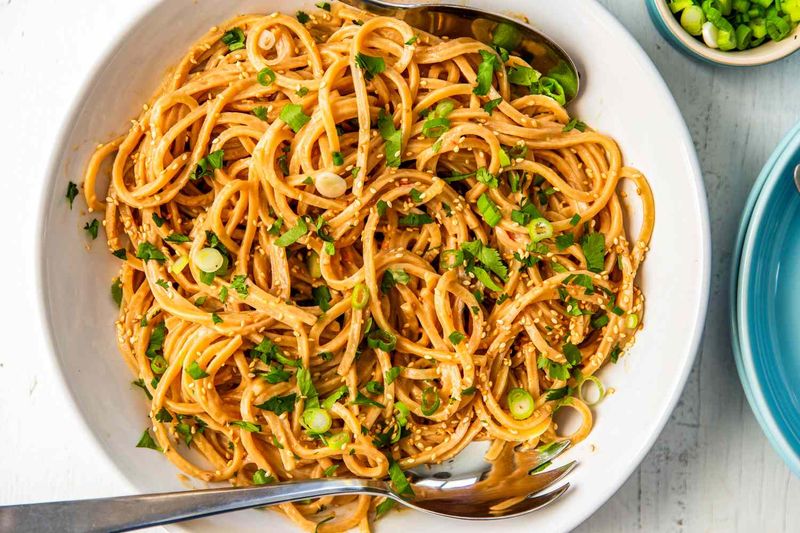
Sandwiches are fun, but peanut butter has a secret life as a dinner ingredient.
Whisk it with soy sauce, lime juice, honey, and warm water, and you’ve got a creamy peanut sauce for noodles, chicken, or veggies. Stir a spoonful into curry or stew for extra richness, a trick used in West African groundnut soup.
It’s packed with protein, cheap, and keeps for months. Natural styles work best for cooking.