
Parenting does not come with an off switch, and many well-meaning parents struggle to let go even after their kids become adults. The truth is, grown children have their own lives, values, and dreams that may look nothing like what their parents imagined.
Holding on to unrealistic expectations can quietly damage even the closest parent-child relationships. Recognizing these common patterns is the first step toward building a healthier, more respectful bond.
1. Expecting Them to Live by Your Rulebook

Some parents hand their grown kids an invisible rulebook they never agreed to follow. From where to live to how to decorate their home, these unspoken rules can feel suffocating.
Adult children deserve the freedom to build lives that reflect who they are, not who their parents want them to be.
Releasing control over how your child chooses to live is one of the kindest gifts a parent can offer.
2. Demanding They Share Your Political Views

Politics at the dinner table has ended many family relationships. Expecting your adult child to vote the same way or hold identical beliefs is like expecting them to have the same favorite color forever.
People grow, question, and form their own worldviews, and that is actually a sign of healthy development.
Respecting differences in opinion, even when it feels uncomfortable, keeps the door open for real connection.
3. Insisting All Family Traditions Stay Unchanged

Holiday dinners at mom’s house every single year may have worked when everyone lived nearby and had no other obligations. But grown children often build families of their own, and that means traditions naturally evolve.
Clinging to the old way of doing things can make adult children feel guilty for simply growing up.
Traditions are most meaningful when they are chosen freely, not enforced out of obligation or guilt.
4. Assuming They Are Always Available

Your grown child is not sitting by the phone waiting for your call. Between careers, relationships, and personal responsibilities, their schedule fills up fast.
Expecting them to drop everything for a visit or to answer every call immediately sets an unfair standard that breeds resentment rather than closeness.
Checking in with a quick text before making plans shows respect and makes quality time together feel genuinely wanted, not obligatory.
5. Treating Them as Your Retirement Plan

Counting on your kids to fund your retirement is a heavy and unfair burden to place on anyone. Adult children are already managing student loans, rent, and their own financial futures.
Expecting them to step in as your primary financial safety net can damage the relationship and their own long-term security.
Planning ahead for retirement independently shows your kids you value both their wellbeing and your own financial freedom.
6. Making Them Responsible for Your Emotions

No grown child should feel like their parent’s therapist, cheerleader, and emotional caretaker all rolled into one. When parents lean too heavily on their adult children for emotional support, it blurs healthy boundaries and creates anxiety.
Adult children have their own emotional needs that deserve attention too.
Building a support network of friends, therapists, or community groups helps parents process emotions without placing that weight entirely on their kids.
7. Pushing Them Toward a Specific Career

“You should be a doctor” is a sentence that has caused more career crises than anyone can count. Career paths are deeply personal, shaped by passion, talent, and opportunity.
When parents override those instincts with their own professional dreams, adult children often end up unhappy and unfulfilled in roles that were never truly theirs.
Encouraging your child to explore what genuinely excites them leads to far more success than steering them toward a title.
8. Expecting Gratitude to Look a Certain Way

Parenting is not a transaction, and grown children should not be made to feel they owe a specific kind of gratitude for being raised. Expecting thank-you calls, frequent praise, or visible signs of appreciation can turn love into a ledger.
That kind of scorekeeping quietly poisons the relationship over time.
Gratitude expressed freely and naturally means far more than gratitude performed out of pressure or guilt.
9. Showering Them with Unsolicited Advice

There is a big difference between sharing wisdom when asked and constantly volunteering opinions about your child’s partner, finances, or parenting style. Unsolicited advice, no matter how well-meaning, often lands as criticism.
Over time, it signals a lack of trust in your adult child’s ability to figure things out.
Waiting until you are asked for input is a small shift that makes a surprisingly large difference in how connected your relationship feels.
10. Trying to Control Their Life Decisions
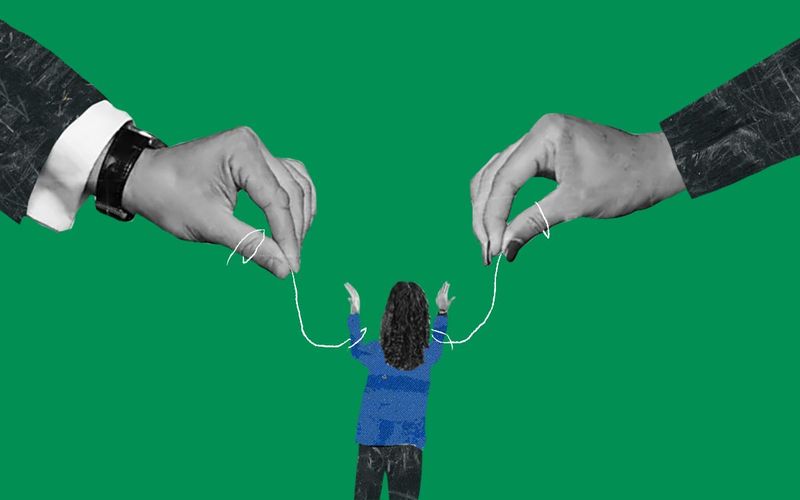
Micromanaging an adult child’s decisions, from who they marry to where they live, is a fast track to pushing them away. Autonomy is not a privilege; it is a basic human need.
When parents continually override or second-guess their child’s choices, it sends the message that they are not trusted or respected.
Letting go of control is hard, but it is the foundation of a relationship that actually lasts into adulthood.
11. Still Treating Them Like Small Children

Setting curfews, asking about bedtimes, or questioning whether they dressed warmly enough might have been sweet parenting once, but it becomes patronizing fast. Adult children notice when they are not being treated as capable, independent people.
That dynamic can make them dread visits rather than look forward to them.
Shifting from a parent-child authority model to a mutual adult friendship takes conscious effort, but it transforms the whole relationship.
12. Expecting Their Choices to Reflect Well on You

Your adult child’s career, relationship, or lifestyle is not your personal resume. When parents treat their children’s choices as a reflection of their own worth, it creates enormous pressure and shame.
Grown kids start hiding who they really are rather than risk disappointing the people they love most.
Separating your identity from your child’s choices frees both of you to enjoy a far more authentic and relaxed relationship.
13. Showing Up Unannounced at Their Home

Dropping by without warning might feel like a loving gesture to some parents, but it can feel like a serious invasion of privacy to their adult kids. Everyone deserves the right to manage their own space and time, including deciding when they are ready for company.
Unannounced visits can create anxiety and awkward situations.
A quick heads-up text is all it takes to turn a surprise visit into a genuinely welcome one.
14. Comparing Them to Siblings or Cousins

“Your brother already bought a house” is the kind of sentence that stings long after it is said. Comparing adult children to their siblings, cousins, or even younger versions of their parents creates a competitive atmosphere that breeds insecurity and resentment.
Every person moves through life at their own pace and on their own path.
Celebrating each child’s unique journey, rather than measuring it against someone else’s, builds lasting trust and confidence.
15. Projecting Personal Aspirations Onto Them

Sometimes parents project the dreams they never fulfilled onto their kids, hoping their child will complete the chapter they left unfinished. But an adult child is not a second chance at someone else’s life.
Carrying a parent’s unfulfilled ambitions can cause real identity confusion and emotional exhaustion over time.
Encouraging your child to chase their own definition of success is far more meaningful than watching them chase yours.
16. Calling Them for On-Demand Babysitting

Grandparents who love their grandchildren are a beautiful thing, but expecting your adult child to babysit whenever it suits you is a different story. Adult children have jobs, social lives, and their own plans that matter just as much as yours.
Last-minute childcare requests with no consideration for their schedule leads to quiet resentment building up over time.
Making plans ahead of time and expressing genuine appreciation goes a long way in keeping the relationship warm.
17. Expecting Them to Never Make Mistakes

Mistakes are not failures; they are how adults learn who they are and what they actually want from life. Parents who rush in to prevent every misstep end up raising grown children who doubt their own judgment.
The ability to mess up, recover, and try again is one of the most valuable skills a person can develop.
Trusting your adult child to handle their own stumbles shows faith in the person they have become.
18. Encouraging Long-Term Financial Dependence

Helping a child through a tough financial season is generous and loving. But regularly covering rent, bills, or daily expenses well into adulthood can quietly rob them of the confidence that comes from standing on their own two feet.
Financial dependence that stretches on too long can stall personal growth and breed low self-esteem.
Stepping back gradually and offering guidance instead of cash teaches far more valuable lessons about real-world independence.