
Some of the most powerful parenting tools aren’t gadgets or apps — they’re simple words passed down through generations. Old-school phrases carry timeless wisdom that helps children grow into compassionate, respectful people.
These sayings shape how kids treat others, handle emotions, and see the world around them. Whether you heard them from your own parents or grandparents, these phrases still hold real magic today.
1. “Gentle and Kind”
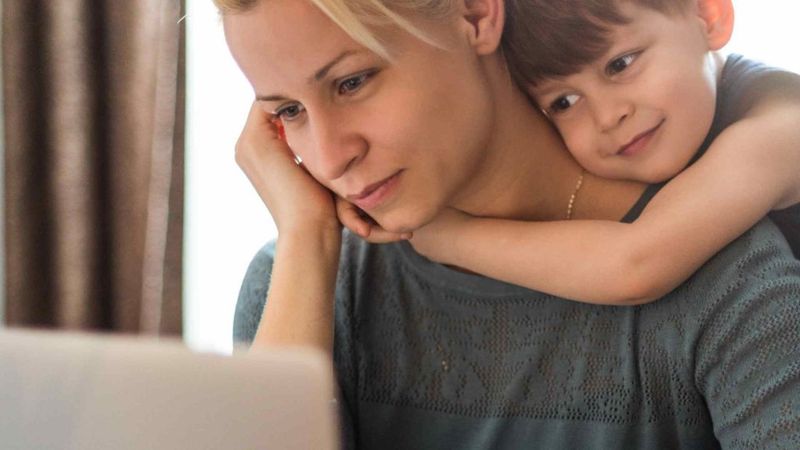
Few phrases pack as much meaning into three little words. “Gentle and kind” reminds children that how they treat others — people, animals, or even objects — matters deeply. It teaches consideration before action.
Parents often say this while redirecting rough behavior, but over time it becomes a built-in compass. Kids start asking themselves, “Am I being gentle?
Am I being kind?” That internal question is the whole point.
2. “We Treat People With Respect”
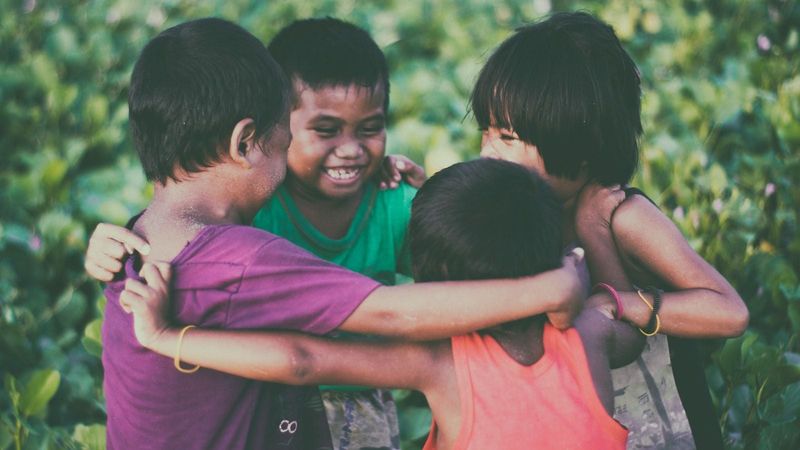
Respect isn’t just a rule in some families — it’s a core identity. Saying “we treat people with respect” frames kindness as part of who your family is, not just what you’re supposed to do.
That tiny word “we” makes all the difference. It tells children they’re part of something bigger than themselves.
Belonging to a family that values respect makes kids more likely to carry that value into friendships, classrooms, and beyond.
3. “Let’s Work It Out”
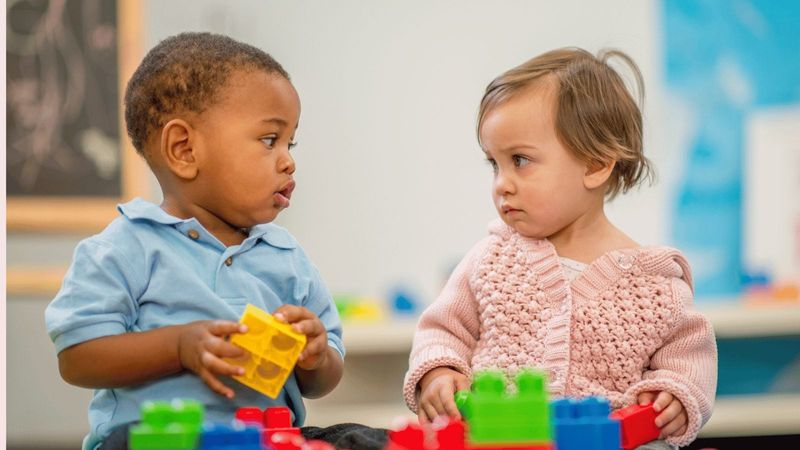
Arguments between siblings or friends can spiral fast — unless someone pumps the brakes. “Let’s work it out” does exactly that. It pauses the chaos and opens a door to problem-solving together.
Rather than picking a winner and a loser, this phrase encourages compromise. Children learn that disagreements don’t have to end in tears or punishment.
With practice, they begin reaching for cooperation on their own — a skill that follows them for life.
4. “Use Your Words”
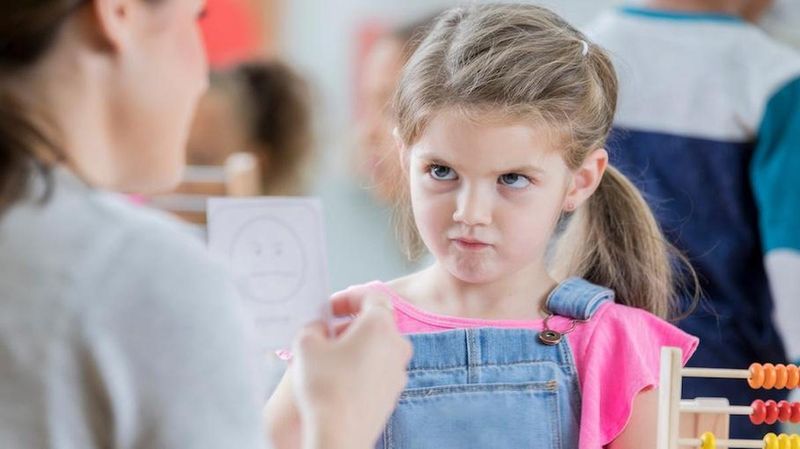
Before kids have the vocabulary to explain their feelings, frustration often comes out as hitting, crying, or shutting down. “Use your words” is a gentle nudge toward something more powerful — communication.
It validates that the child has something worth saying and that their voice matters. Over time, this phrase builds emotional vocabulary.
Kids who learn to express themselves clearly are better equipped to handle conflict, build friendships, and advocate for themselves throughout life.
5. “No Hurts”
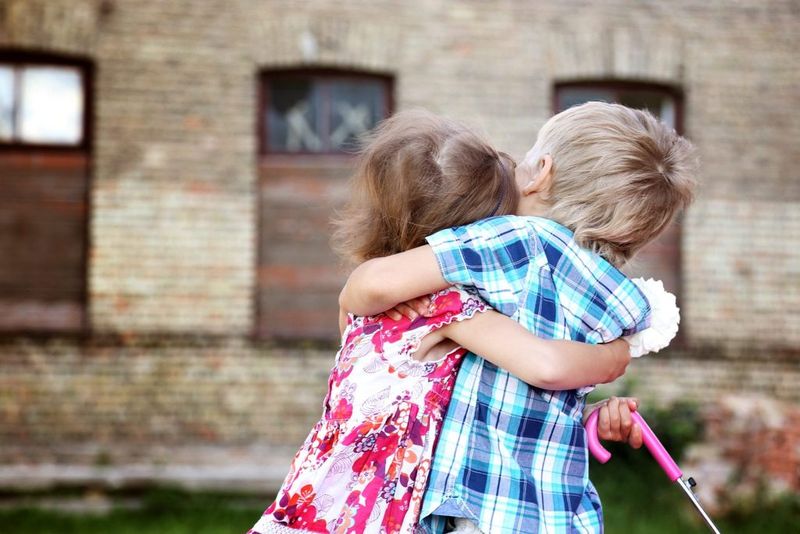
Short, clear, and impossible to misunderstand — “no hurts” covers a lot of ground in just two words. It tells children that causing pain, whether physical or emotional, is simply not acceptable.
What makes this phrase so effective is its simplicity. Young children respond better to short instructions than long explanations.
Saying “no hurts” consistently helps kids internalize respect for others’ bodies and feelings before they even fully understand the concept of empathy.
6. “You Can Be Mad, But You Can’t Be Mean”
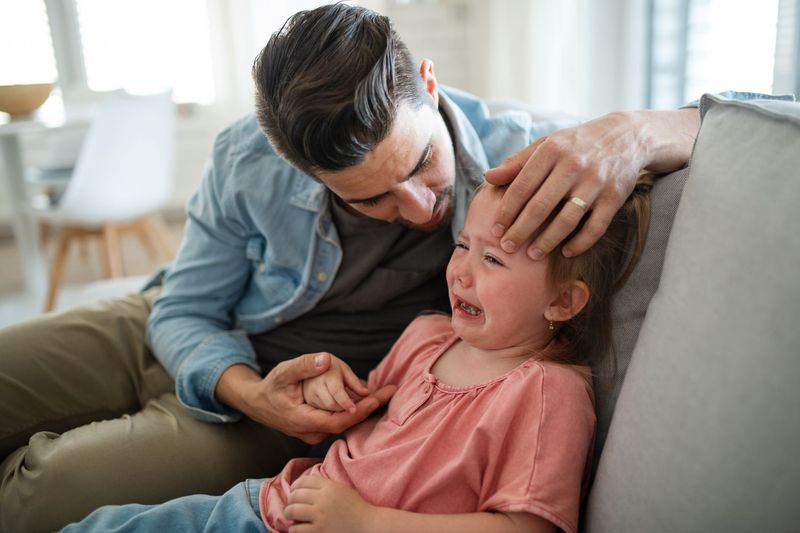
Anger is a completely normal human emotion — even for kids. This phrase does something remarkable: it validates the feeling while drawing a firm line around the behavior.
Children need to hear that their emotions are okay.
Mean words, name-calling, or lashing out are where the boundary sits. Teaching kids this distinction early helps them grow into adults who can feel big feelings without hurting others in the process.
Emotional intelligence starts right here.
7. “Make Good Choices”
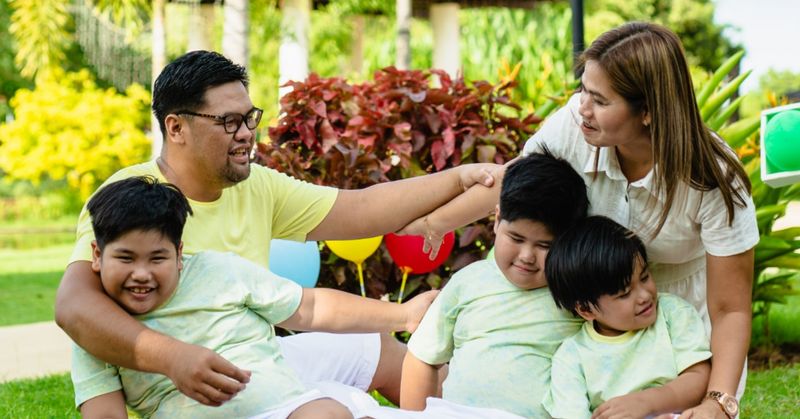
Handing a child responsibility for their own behavior is one of the most empowering things a parent can do. “Make good choices” puts the decision-making in the child’s hands — and that’s intentional.
Rather than telling kids exactly what to do every second, this phrase teaches them to pause and think. What are my options?
What happens if I choose this? That inner dialogue, practiced early, becomes the foundation for thoughtful, considerate decision-making well into adulthood.
8. “If You See Someone Without a Smile, Give Them Yours”
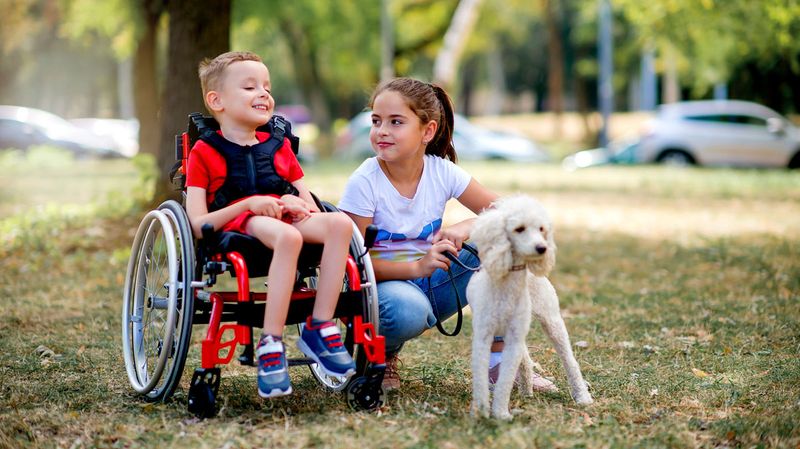
There’s something quietly revolutionary about this phrase. It asks children to look outward — to notice other people’s feelings and respond with warmth, even when nobody told them to.
Proactive kindness is a habit, and habits form early. A child who learns to spot loneliness and respond with a smile grows into someone who makes rooms brighter just by walking in.
That kind of awareness is rare and incredibly valuable in a world that often rewards looking the other way.
9. “Be a Rainbow in Somebody Else’s Cloud”
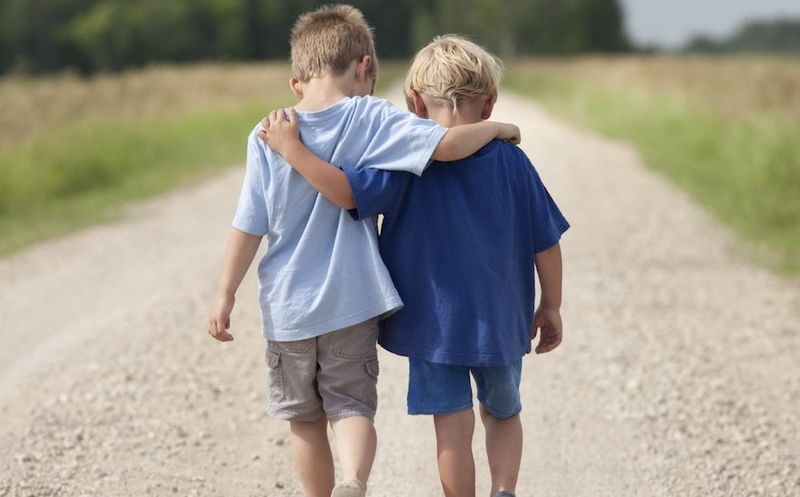
Maya Angelou gave the world this gorgeous phrase, and parents everywhere adopted it quickly. Clouds represent hard times — and this phrase tells kids they have the power to bring color back into someone’s gray day.
It’s poetic without being confusing. Children respond to the visual nature of the image: a rainbow breaking through dark clouds.
That vivid picture makes the lesson stick. Being someone’s rainbow means showing up with encouragement, comfort, and brightness when it matters most.
10. “The Only Way to Have a Friend Is to Be One”
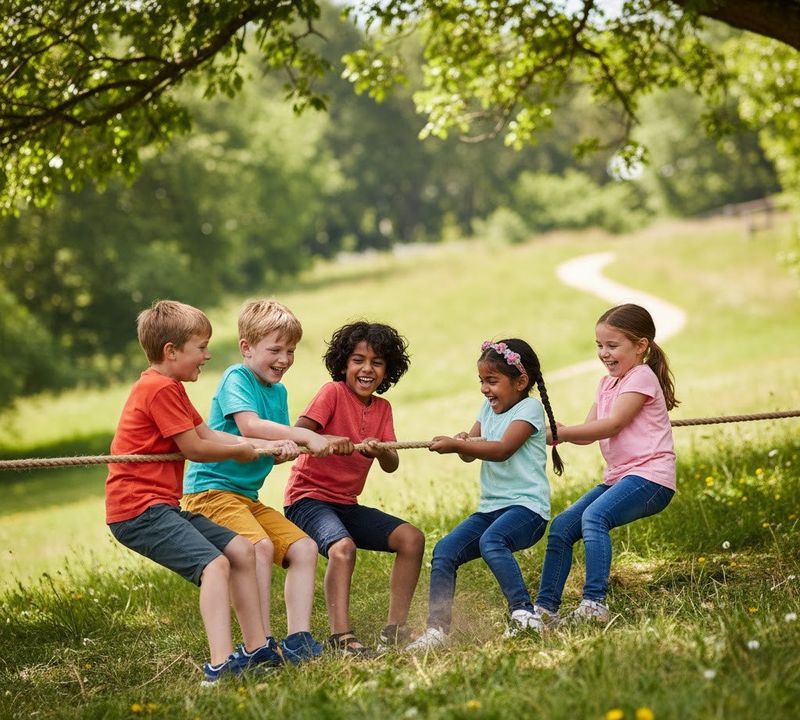
Ralph Waldo Emerson said it first, but parents have been repeating it ever since — because it’s just that true. Friendship isn’t something that happens to you; it’s something you actively create through your own actions.
Kids who understand reciprocity early are less likely to feel left out or lonely. They learn that kindness, loyalty, and showing up for others are what actually build real friendships.
That’s a lesson no classroom curriculum can fully replace.
11. “Always Try to Be a Little Kinder Than Is Necessary”
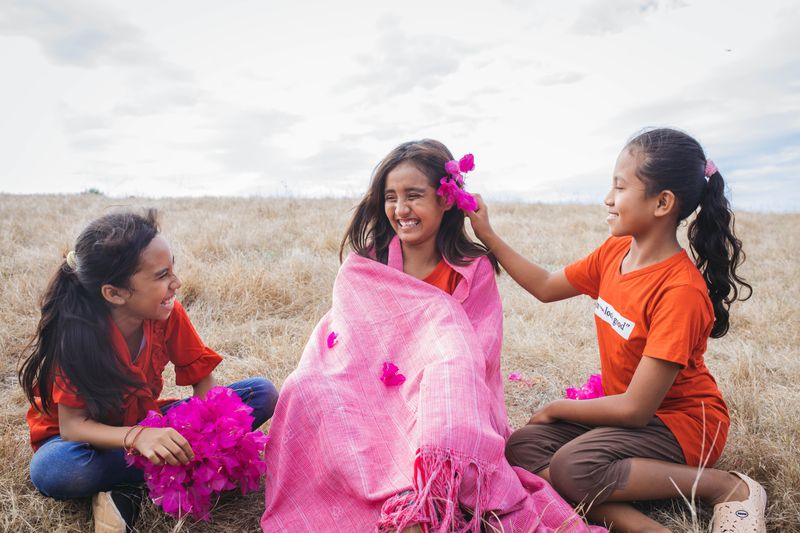
James M. Barrie, the author of Peter Pan, is credited with this gem.
Going beyond what’s required — that extra mile of kindness — is what separates good people from truly great ones.
For children, this phrase reframes kindness as an active choice rather than a passive default. It challenges them to ask, “Could I do a little more here?” That mindset, practiced regularly, builds a generous spirit that becomes second nature over time.
12. “Kind Words Do Not Cost Much. Yet They Accomplish Much.”
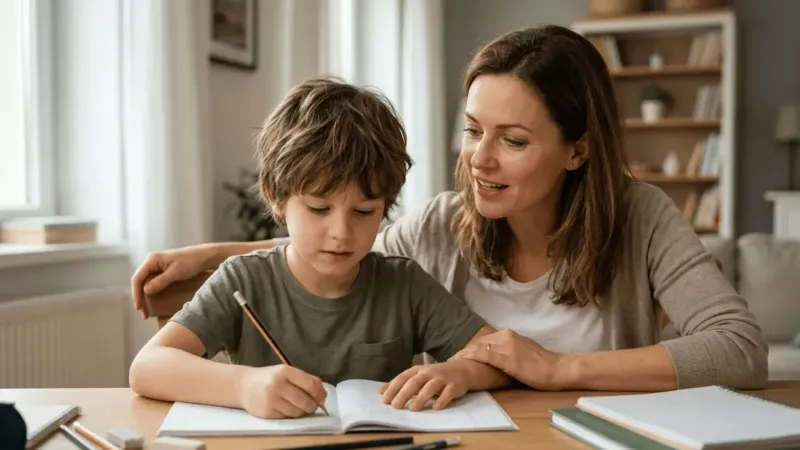
Blaise Pascal wrote this centuries ago, yet it feels more relevant than ever. In a world where words fly fast — especially online — children need to understand the real weight their words carry.
A simple compliment can turn someone’s entire day around. An encouraging word during a tough moment can be remembered for years.
Teaching kids that kindness through language is free but powerful gives them a tool they can use anytime, anywhere, with anyone.
13. “Spread the Sunshine”
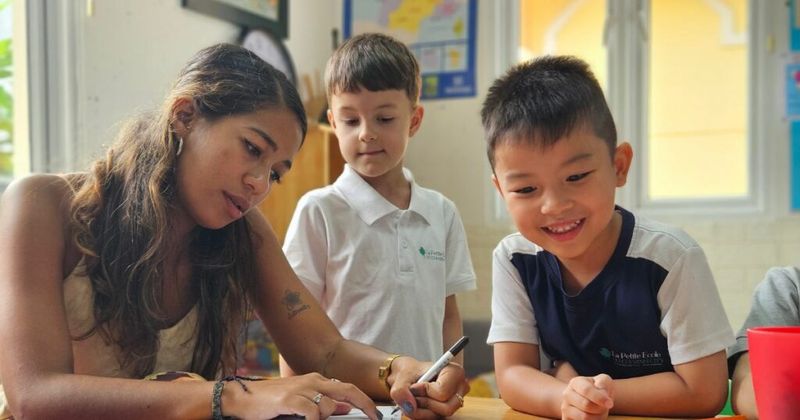
Upbeat, simple, and instantly visual — “spread the sunshine” is the kind of phrase kids actually enjoy hearing. It doesn’t feel like a lecture; it feels like an invitation to something fun and bright.
Positivity is genuinely contagious. When children are encouraged to radiate cheerfulness, they start to notice how their energy affects the people around them.
That awareness builds emotional intelligence in a lighthearted way. Plus, kids who focus on spreading joy tend to feel happier themselves.
14. “Be a Helper”
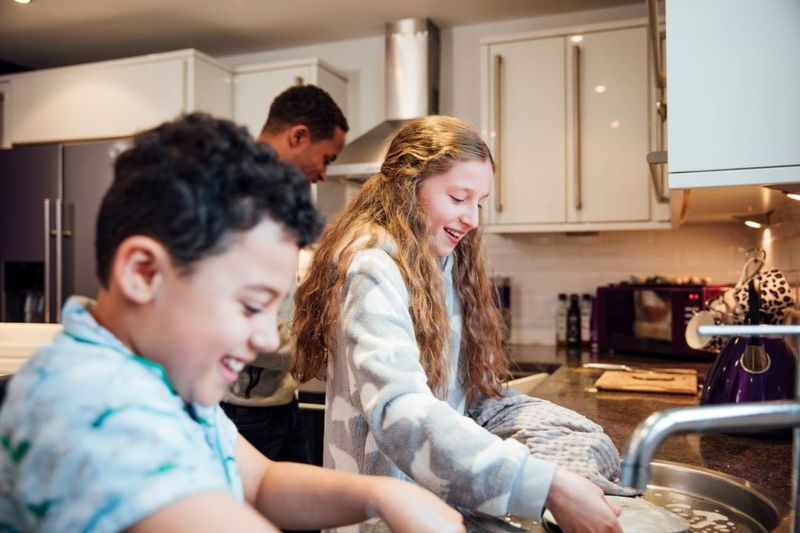
“Be a helper” is one of those phrases that sounds simple but plants deep roots. Children naturally want to feel useful and capable — this phrase channels that energy in the most positive direction possible.
Fred Rogers famously reminded kids to look for the helpers during scary times. Raising children to be those helpers — the ones who step up, pitch in, and show up — creates adults who strengthen every community they’re part of.
15. “You Don’t Have to Like Them, But You Can’t Recruit Others Not to”
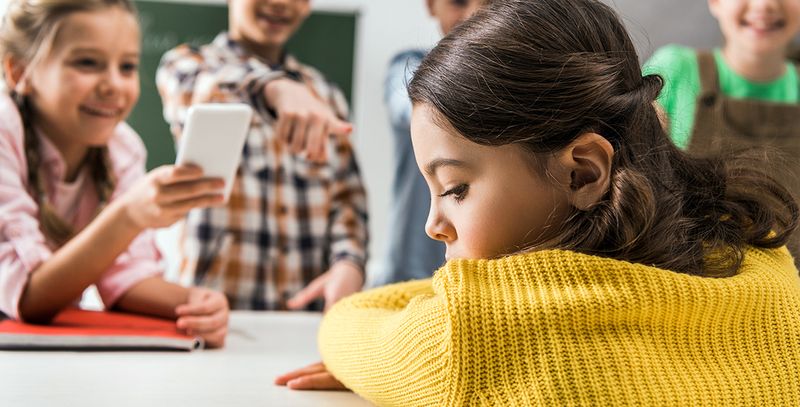
Not every child will click with every classmate — and that’s completely normal. But there’s a big difference between not being close friends with someone and actively turning others against them.
This phrase tackles social exclusion head-on. It teaches kids that their personal feelings don’t give them the right to influence how others treat someone.
Preventing that kind of group rejection is one of the most powerful ways parents can help stop bullying before it starts.
16. “All Feelings Are Welcome. All Behaviors Are Not.”
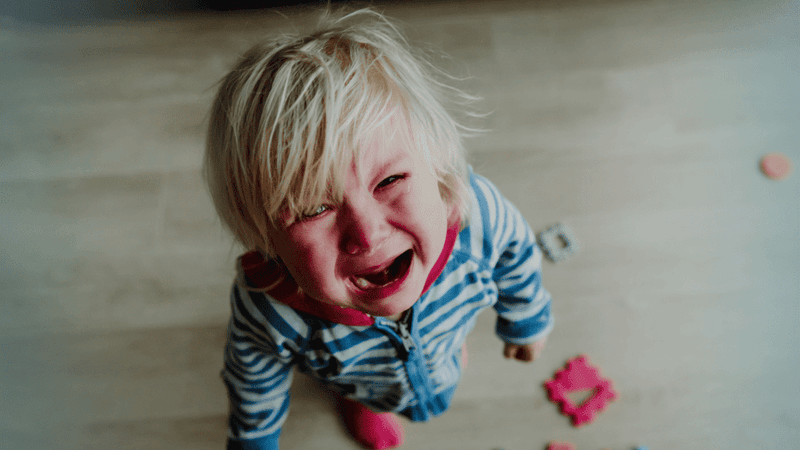
Emotional intelligence begins with one key understanding: feelings aren’t the problem — what you do with them can be. This phrase separates the two clearly, giving kids permission to feel without permission to act destructively.
Children who grow up hearing this develop a healthier relationship with their own emotions. They don’t feel ashamed for being angry, scared, or sad.
Instead, they learn to process those feelings and choose responses that don’t harm themselves or the people around them.
17. “Stop Means Stop” and “No Means No”

Consent education doesn’t have to be complicated — it can start on the playground. These two phrases teach children one of the most important social lessons they’ll ever learn: when someone says stop or no, you stop.
Respecting boundaries builds trust and safety in every relationship. Kids who internalize this early grow into people who take others’ limits seriously.
That foundation of mutual respect shapes healthier friendships, partnerships, and communities throughout their entire lives.
18. “We Rise by Lifting Others”
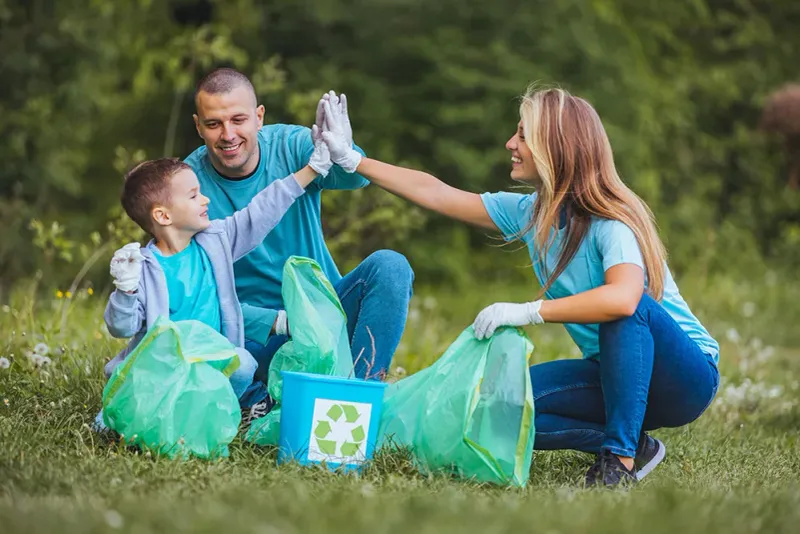
Robert Ingersoll penned this phrase, and it carries a truth that resonates across every culture and generation. Success isn’t a limited resource — and children who understand this early become natural collaborators rather than competitors.
Lifting others doesn’t mean putting yourself down. It means celebrating someone else’s win, offering a hand when someone stumbles, and recognizing that a rising tide raises all boats.
Families who live by this phrase tend to raise kids who make the world genuinely better.