
Talking across generations can feel like navigating a minefield sometimes. Whether you’re a parent, boss, coworker, or friend, certain phrases can instantly shut down a conversation or cause real hurt.
Millennials and Gen Z have strong values around respect, mental health, and fairness, and some common sayings hit those values hard. Knowing what not to say can make your relationships smoother and your conversations a whole lot more productive.
1. “You’re Always On Your Phone”

Saying this to a Millennial is like telling a carpenter they use their hammer too much. For a generation that grew up watching the internet reshape the world, smartphones are tools for work, connection, creativity, and yes, mental health check-ins too.
Assuming they cannot disconnect or that their screen time is purely a bad habit completely misses the point. Many Millennials manage careers, side projects, and relationships through their devices.
Try asking what they are working on instead.
2. “Therapy Is a Waste of Time”

Few things sting quite like someone dismissing something that genuinely changed your life. Millennials have openly embraced mental health care in a way previous generations rarely did, and that openness took real courage to build culturally.
Phrases like “I never needed a therapist and I turned out fine” land as dismissive, not wise. Mental health tools are not a sign of weakness.
Respecting someone’s healing process costs absolutely nothing, and the payoff in trust is enormous.
3. “Stop Changing Jobs So Much”

Job-hopping used to carry a stigma, but Millennials rewrote that script entirely. They are not running away from responsibility; they are running toward purpose, fair pay, and workplaces that actually respect their time and energy.
Studies consistently show that changing roles often leads to higher salaries and better alignment with personal values. Telling someone to just stay put ignores real economic pressures and a legitimate desire for meaningful work.
Growth rarely happens in stagnant environments.
4. “Your Generation Killed That Industry”

Blaming Millennials for the decline of casual dining chains or department stores is a dramatic oversimplification. Economic shifts, corporate failures, and changing consumer needs all play enormous roles that conveniently get ignored when pointing fingers at an entire generation.
Millennials did not destroy industries; they changed how they spend limited money during economically tough times. Student loan debt and stagnant wages shape spending habits.
Accusing them of cultural sabotage is both unfair and factually shaky.
5. “Why Aren’t You Having Kids Yet?”

Parenthood is one of the most personal decisions a human being can make, and nobody owes anyone an explanation for their choice. Millennials face unique pressures around this topic including student debt, climate anxiety, housing costs, and shifting ideas about family structure.
Asking this question, even with good intentions, can feel invasive or even painful for people navigating fertility struggles or financial hardship. A simple rule applies here: if someone did not bring it up, you probably should not either.
6. “You’re Too Sensitive, Snowflake”

Calling someone a snowflake is not a clever comeback; it is a conversation-stopper that signals you are not interested in understanding them. Both Millennials and Gen Z view emotional awareness as a strength, not a character flaw to be mocked.
Dismissing someone’s feelings with this label can cause real psychological harm, especially when the emotions being expressed relate to discrimination or injustice. Empathy is not softness.
Advocating for fair treatment and emotional honesty takes more courage than pretending nothing bothers you.
7. “Your Generation Is Lazy and Entitled”
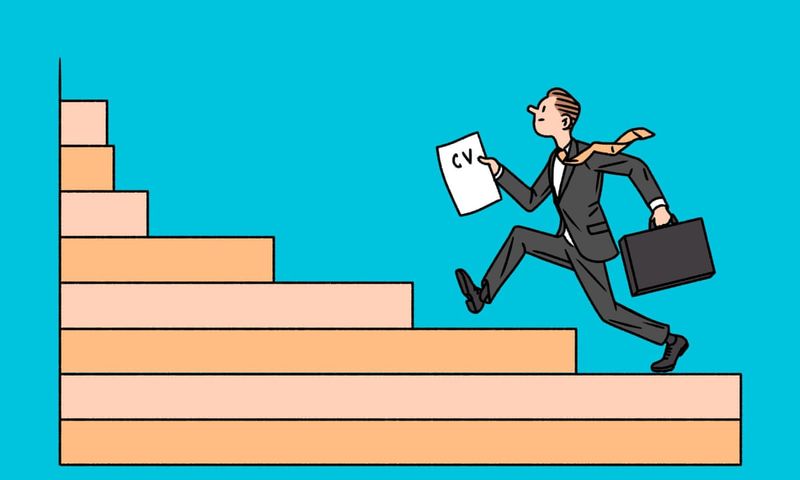
Few stereotypes have been debunked as thoroughly as this one, yet it keeps showing up. Millennials entered the workforce during a financial crisis, carried record-breaking student debt, and still built careers, businesses, and communities from scratch.
Calling them lazy often really means they refused to accept poor working conditions without question. Wanting fair pay, flexibility, and meaningful work is ambition, not entitlement.
Broad generational insults say more about the speaker than the entire generation being dismissed.
8. “Stop Buying Avocado Toast and You’ll Afford a House”

This one became a cultural punchline for a reason, and Millennials are not laughing. The math simply does not work.
Skipping a few brunches does not bridge the gap created by skyrocketing housing prices and decades of wage stagnation.
Student loan burdens alone can exceed the cost of a down payment in many cities. Reducing a housing crisis to a spending habit is both insulting and economically illiterate.
Acknowledging real systemic barriers is a much more honest starting point for any conversation.
9. “That’s Just How the World Works”
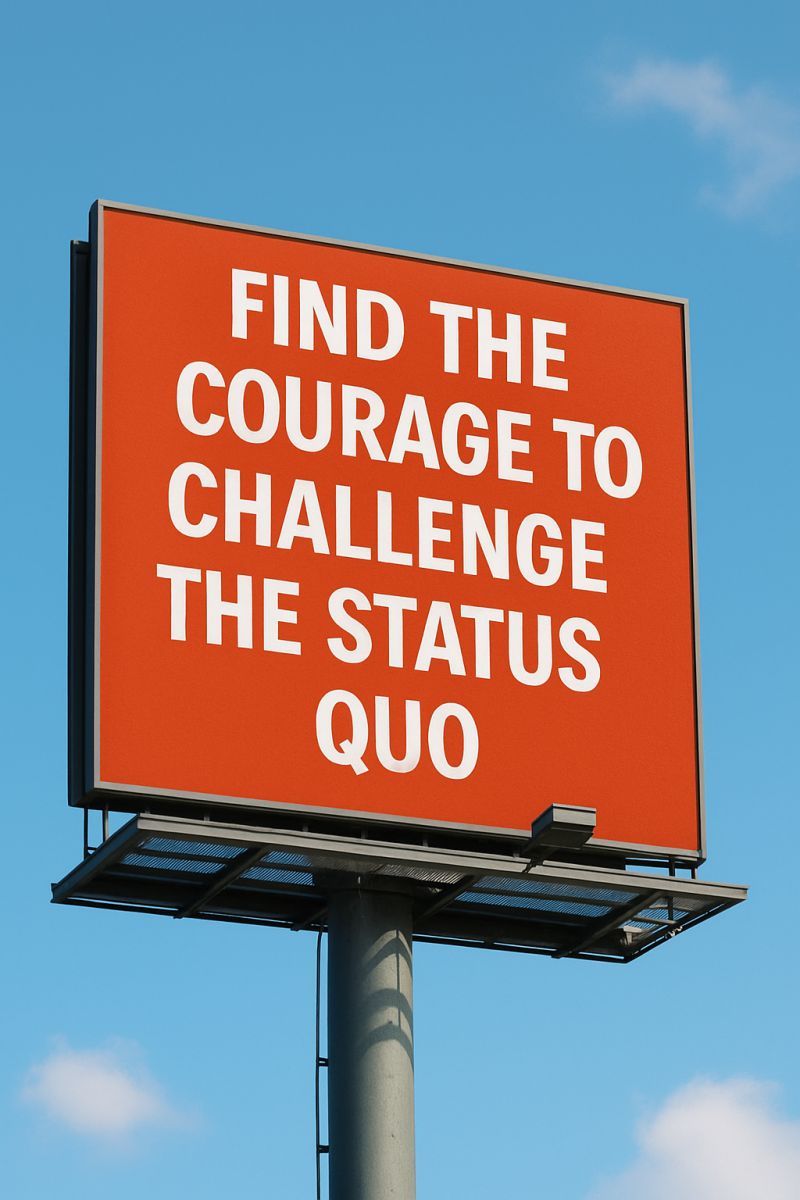
This phrase is often used to shut down ideas before they even get a fair hearing. For Millennials who grew up questioning traditional structures and imagining better systems, it sounds less like wisdom and more like an excuse to avoid change.
Many workplace improvements that everyone now enjoys, like flexible hours and paid parental leave, came from people who refused to accept “that’s just how it is.” Challenging the status quo is not naivety. Sometimes it is exactly what progress looks like.
10. “Because I Said So”

Authority without explanation rarely inspires loyalty or effort. Millennials grew up in environments where questions were encouraged, and they carried that expectation straight into the workplace.
Telling them to do something without context feels dismissive and a little disrespectful.
When people understand the “why” behind a task, they perform it better and feel more invested in the outcome. Sharing reasoning is not a sign of weakness in leadership; it is actually one of the clearest signs of a confident and effective manager.
11. “We’ll Talk About It at Your Annual Review”

Waiting a full year to give feedback is like waiting until the game is over to explain the rules. Millennials thrive on real-time communication and want to know how they are doing while there is still time to adjust and improve.
Regular check-ins, quick Slack messages, or brief one-on-ones go a long way in keeping Millennial employees engaged and motivated. Hoarding feedback for one annual conversation often leads to surprises that feel unfair and avoidable.
Timely input builds trust and better results.
12. “Why Did You Arrive at 9:08?”

Micromanaging someone’s arrival time while ignoring the quality of their work sends a clear message: presence matters more than performance. That approach frustrates Millennials, who tend to measure success by outcomes rather than hours logged at a desk.
Many Millennials work flexible schedules and often put in extra hours remotely without complaint. Fixating on eight minutes sends the wrong signal entirely.
Focusing on results, deadlines, and deliverables creates a far healthier and more productive working relationship than tracking bathroom breaks or clock-in times.
13. “You’ll Understand When You Have More Experience”

Fresh eyes often catch what experienced ones miss. Telling a Gen Z employee their input does not count yet because they are new shuts down exactly the kind of innovative thinking that keeps organizations from going stale.
Gen Z brings current knowledge of technology trends, cultural shifts, and consumer behavior that older colleagues may genuinely lack. Experience is valuable, but it is not the only kind of intelligence in the room.
Listening costs nothing and occasionally produces the best idea of the meeting.
14. “Can You Just Give Me a Quick Call?”

For Gen Z, an unexpected phone call can feel like a pop quiz nobody studied for. This generation strongly prefers asynchronous communication, meaning messages they can read, process, and respond to thoughtfully rather than in real time under pressure.
Email, Slack, or even a voice memo give them the space to deliver clear, considered responses. Forcing phone calls for things that could be handled in a text thread often creates unnecessary anxiety.
Meeting people where they communicate best is just smart collaboration.
15. “Back in My Day…”

Every generation faces its own version of hard. But leading with “back in my day” often signals that the listener’s struggles are about to be minimized rather than understood.
Gen Z deals with climate anxiety, AI-driven job uncertainty, and social media pressure in ways that have no real historical comparison.
Nostalgia is fine in small doses, but using the past as a measuring stick for someone else’s present dismisses real, documented challenges. Curiosity about their experience goes much further than comparisons ever will.
16. “Be a Man”
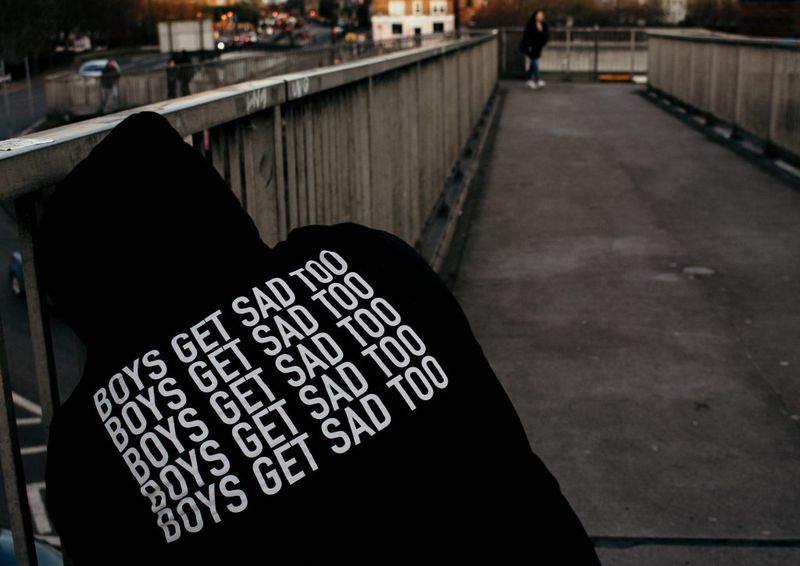
Three words with the power to do lasting emotional damage. Gen Z has made enormous strides in dismantling toxic ideas about masculinity, and this phrase runs directly against everything that progress represents.
Emotional expression is not weakness; suppressing it is what causes real harm.
Research links emotional suppression in young men to increased rates of depression, loneliness, and self-destructive behavior. Encouraging vulnerability and honest communication instead creates healthier individuals and stronger relationships.
The old script about toughness is being rewritten, and that is genuinely good news.
17. “You Should Get a Real Job”

Gen Z has fundamentally reimagined what a career can look like. Content creators, freelancers, social entrepreneurs, and remote consultants are building financially sustainable lives on their own terms, and those paths are just as real as any cubicle job.
Dismissing non-traditional work as fake or unserious ignores both the economic reality and the cultural shift happening right now. Flexibility, purpose, and independence are not pipe dreams for this generation; they are deliberate choices.
Respecting that does not require agreement, just a little open-mindedness.
18. “We Don’t Discuss Salaries Here”

Salary secrecy has long protected employers far more than employees, and Gen Z knows it. This generation grew up with access to pay transparency tools, salary databases, and open conversations online that make wage gaps impossible to hide as easily as before.
Demanding silence around compensation can feel like a red flag rather than a company policy. Gen Z views pay transparency as basic fairness, not a radical demand.
Companies that embrace openness around salaries tend to attract and keep this generation’s trust far more effectively.