
In Hollywood, one moment can change years of success. A public insult, a risky role, or a serious scandal can cost a star jobs and trust.
But not every career setback tells the same story, and allegations are not the same as proven wrongdoing. These cases show how quickly fame can shift and why the details matter.
1. Will Smith’s Oscars Slap
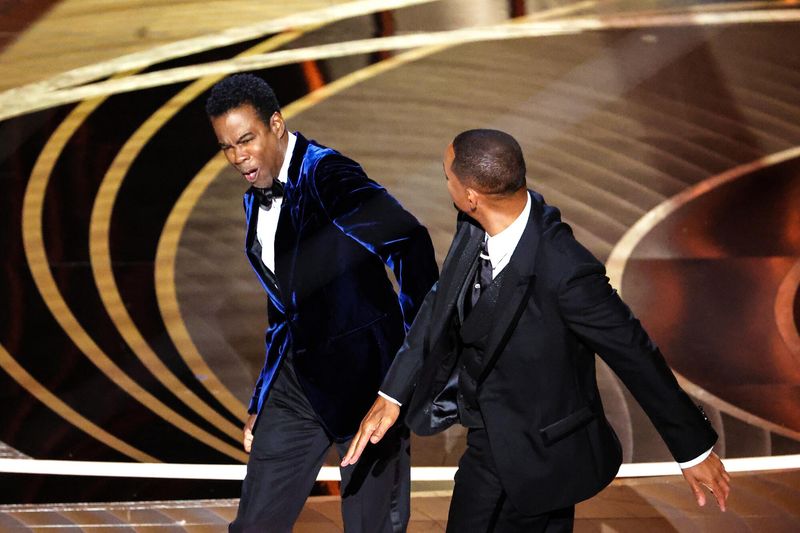
A night meant to celebrate his biggest acting honor became something very different. At the 2022 Oscars, Will Smith slapped Chris Rock after a joke about Jada Pinkett Smith.
Smith resigned from the Academy, which banned him from its events for ten years. Some projects faced delays, though he later returned with Bad Boys: Ride or Die.
His experience shows how one angry reaction can overshadow an achievement without permanently ending a successful film career.
2. Kevin Spacey’s Fall From Prestige Television
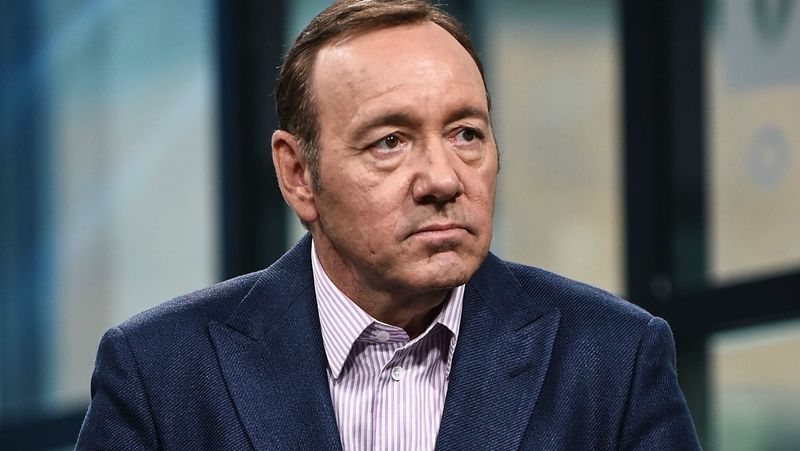
Playing a powerful president made him a television heavyweight. In 2017, sexual misconduct allegations against Kevin Spacey led Netflix to remove him from House of Cards.
Christopher Plummer also replaced him in All the Money in the World, with scenes quickly reshot. Spacey denied wrongdoing and later won several major legal cases, including a British criminal acquittal.
His mainstream career still suffered deeply, showing that courtroom outcomes and public trust do not always move together.
3. Charlie Sheen’s Public Clash With His Boss
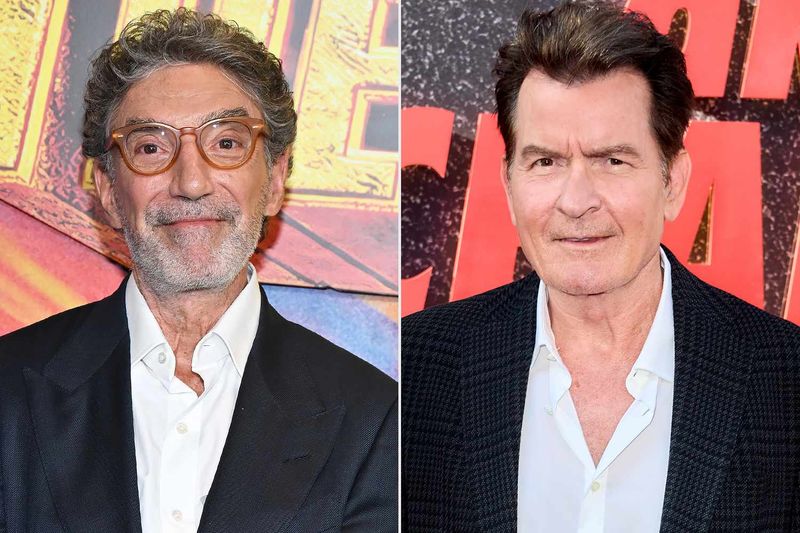
Few sitcom stars had a paycheck as large as his. Charlie Sheen lost his Two and a Half Men job in 2011 after public attacks on creator Chuck Lorre and concerns about his conduct.
Ashton Kutcher joined the series, while Sheen moved to Anger Management. That show gave him another platform, but not the same standing.
Workplace disagreements become much harder to repair when insults turn into headlines and damage relationships with an entire team.
4. Mel Gibson’s Offensive Remarks
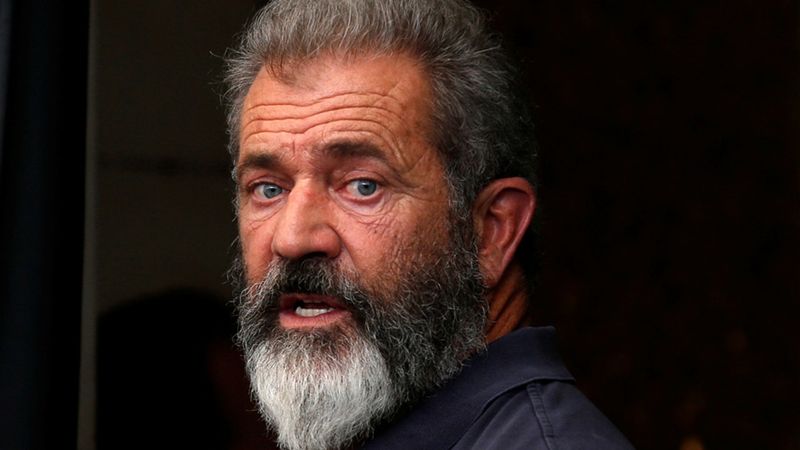
Action fame and an Oscar could not shield him from his own words. Mel Gibson made antisemitic remarks during a 2006 drunk driving arrest, followed by further controversy over recorded racist and abusive comments.
Major opportunities narrowed, and his public image changed sharply. He later regained some industry recognition, including an Oscar nomination for directing Hacksaw Ridge.
The lesson is not that recovery is impossible, but that apologies alone rarely rebuild damaged professional trust quickly.
5. Armie Hammer’s Lost Leading Roles
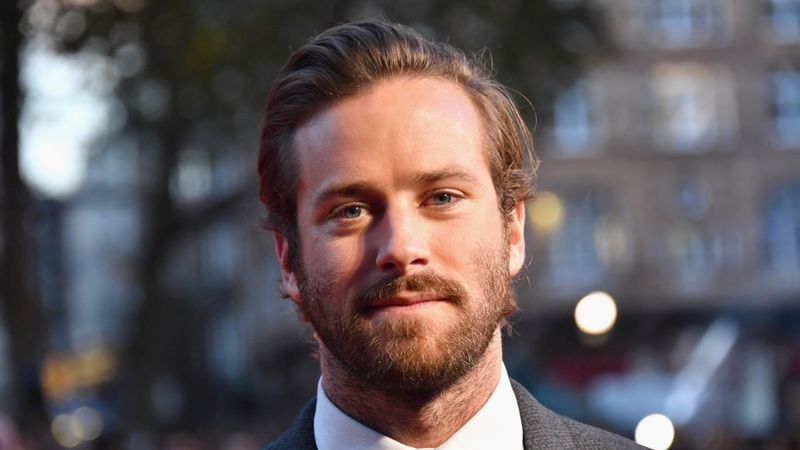
Once viewed as a rising leading man, Armie Hammer saw major opportunities disappear in 2021. Allegations involving sexual misconduct and disturbing messages prompted his departure from projects and the loss of agency representation.
He denied criminal wrongdoing, and prosecutors declined to file sexual assault charges in 2023, citing insufficient evidence. His career nevertheless suffered a long disruption.
Readers should separate allegations from findings while recognizing that studios may step back before a legal case concludes.
6. Megan Fox’s Explosive Director Comparison
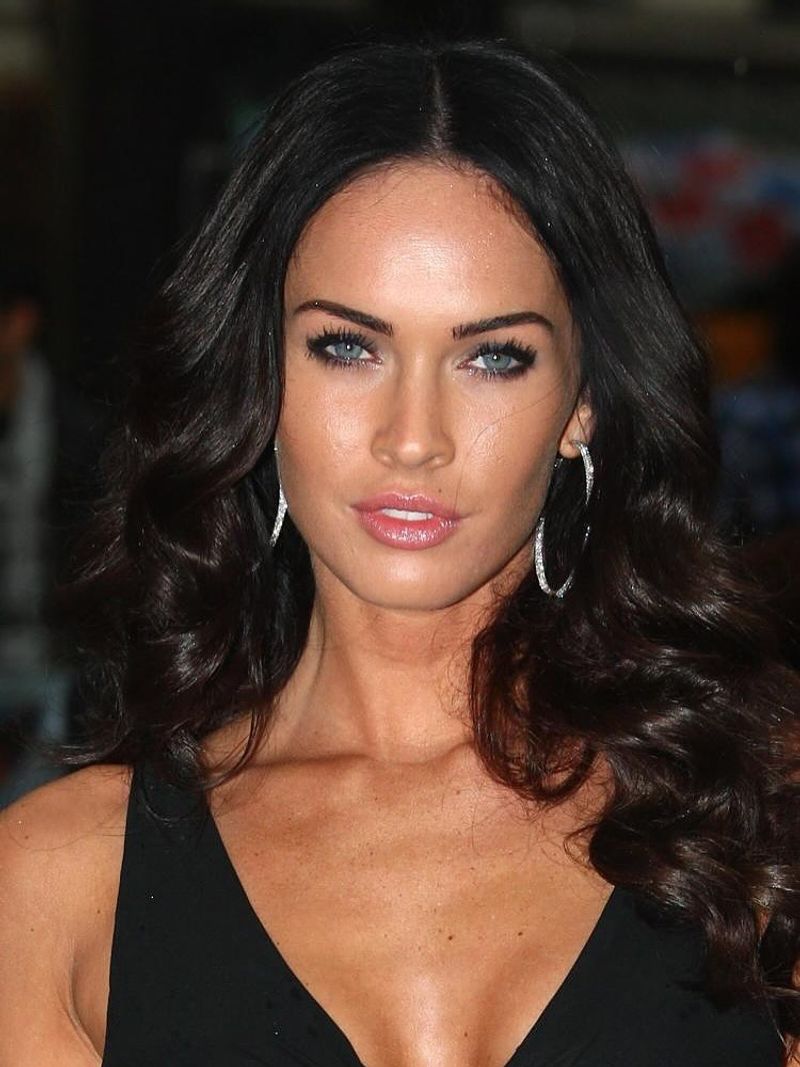
A blunt interview helped turn a blockbuster breakthrough into a career roadblock. Megan Fox compared director Michael Bay to Hitler while discussing his working style in 2009.
She did not return for the third Transformers movie, though accounts of her exit differed. The fallout fed a damaging reputation for being difficult.
Fox later worked with Bay again on Teenage Mutant Ninja Turtles, suggesting strained relationships can improve even after public comments create serious professional trouble.
7. Katherine Heigl’s Candid Criticism
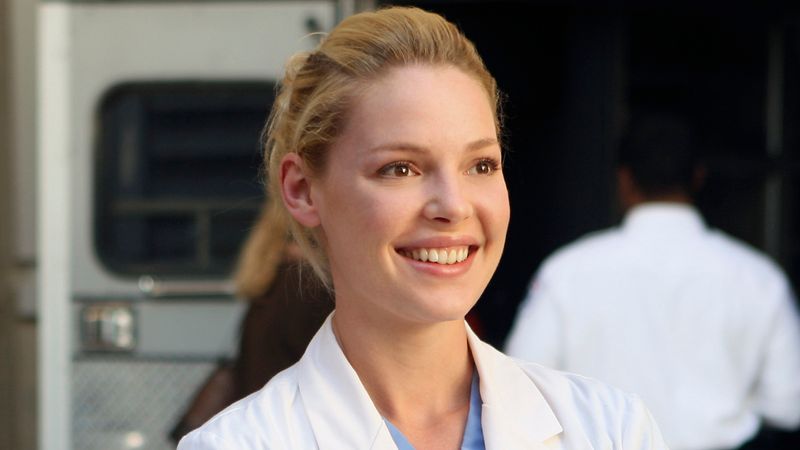
Speaking honestly became part of a much larger reputation problem. Katherine Heigl criticized Knocked Up, withdrew from Emmy consideration over her Grey’s Anatomy material, and publicly discussed exhausting working hours.
Those comments contributed to an industry image that she later challenged as unfair. Her movie momentum slowed, although television roles followed.
Her story raises a useful distinction: workers can have valid concerns, while the wording and setting of public criticism may still affect their professional relationships.
8. Matt Lauer’s Sudden NBC Exit
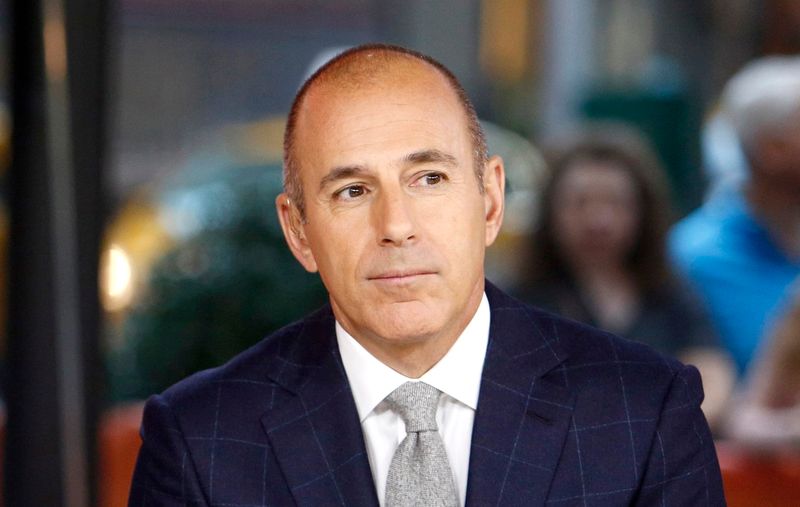
Morning television depended on his familiar face for decades. NBC fired Matt Lauer in November 2017 after receiving a complaint about inappropriate sexual behavior at work.
Additional allegations followed, including an allegation of rape that he denied, describing the encounter as consensual. He acknowledged some inappropriate behavior but disputed other accounts.
Unlike a routine hosting change, his departure ended a major broadcasting career. The case highlights why workplace safety and clear reporting systems matter across industries.
9. Danny Masterson’s Criminal Conviction
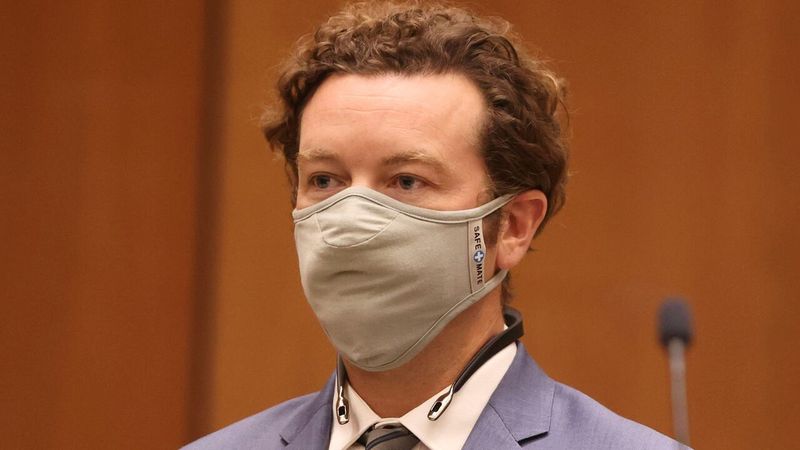
A familiar sitcom face became the subject of a serious criminal case. Netflix fired Danny Masterson from The Ranch in 2017 after sexual assault allegations surfaced.
In 2023, a jury convicted him of raping two women, and he received a sentence of thirty years to life. He maintained his innocence.
His acting work stopped amid the proceedings. Unlike cases involving unresolved accusations, this account includes criminal convictions, a crucial difference when discussing responsibility and career consequences.
10. Gina Carano’s Social Media Fallout

A popular streaming role vanished after controversy moved from social media into the workplace. Lucasfilm announced in 2021 that Gina Carano was no longer employed following posts it called abhorrent and unacceptable.
One widely criticized post compared political divisions to the persecution of Jews under Nazi rule. Carano later pursued other films and challenged her dismissal in court.
Posting publicly can carry professional consequences, especially when an employer believes the message conflicts with its stated values.
11. Elizabeth Berkley’s Showgirls Gamble
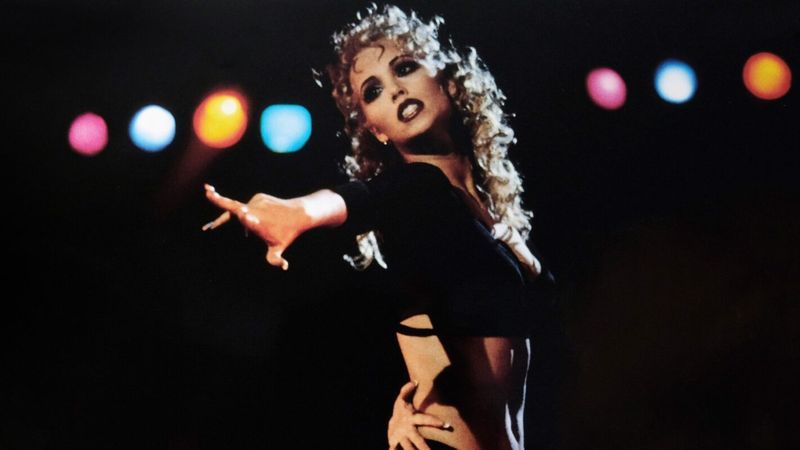
Leaving a beloved teen sitcom for a bold movie looked like a chance to grow. Elizabeth Berkley took the lead in Showgirls, which opened in 1995 to harsh reviews and disappointing ticket sales.
She later described losing agency support and facing intense criticism. The film eventually gained a cult following, but that did not erase the early damage.
Her experience shows how an actor can receive unfairly concentrated blame for a production shaped by many people.
12. Constance Wu’s Renewal Tweets

Usually, a show’s renewal brings cheers from its cast. Constance Wu instead posted frustration when Fresh Off the Boat received another season in 2019, triggering fierce criticism.
She apologized and later explained that painful workplace experiences helped shape her reaction. Wu also disclosed a suicide attempt following the backlash.
Her film and television work continued, so describing her career as finished would be misleading. The episode encourages empathy rather than treating online punishment as harmless entertainment.
13. Suzanne Somers’s Fight for Equal Pay
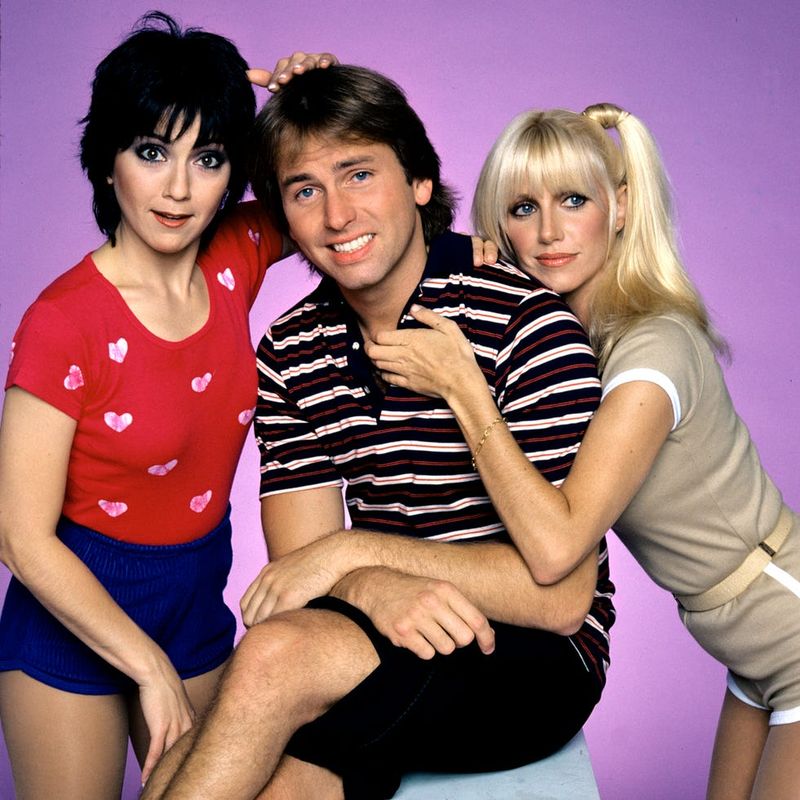
Asking for a bigger paycheck cost a sitcom favorite her place on television. During contract talks in 1980, Suzanne Somers sought pay closer to Three’s Company star John Ritter’s salary.
The dispute led to reduced appearances and her eventual departure. Yet she later built successful television and business ventures.
Her setback should not be confused with misconduct: seeking fair compensation is legitimate. The story reveals how unequal bargaining power can make even reasonable workplace demands risky.
14. Terrence Howard’s Marvel Contract Breakdown

Being part of Marvel’s first major hit seemed like a ticket to lasting success. Terrence Howard played James Rhodes in Iron Man but did not return for its sequel.
A contract dispute preceded Don Cheadle taking over the role, and Howard later offered his own account of the breakdown. Losing the franchise meant missing years of potential appearances.
Still, his later success on Empire shows that one failed negotiation does not necessarily define an entire career.
15. Ruby Rose’s Batwoman Departure

Walking away from a superhero lead surprised viewers after just one season. Ruby Rose left Batwoman in 2020, later describing injuries and alleging unsafe conditions and mistreatment on set.
Warner Bros. disputed her account and attributed the separation to complaints about workplace behavior. Conflicting statements make simple blame unreliable.
Her later projects were generally smaller than that network starring role. The broader lesson is to examine competing accounts before claiming a public dispute alone caused career decline.
16. Faye Dunaway’s Mommie Dearest Turn
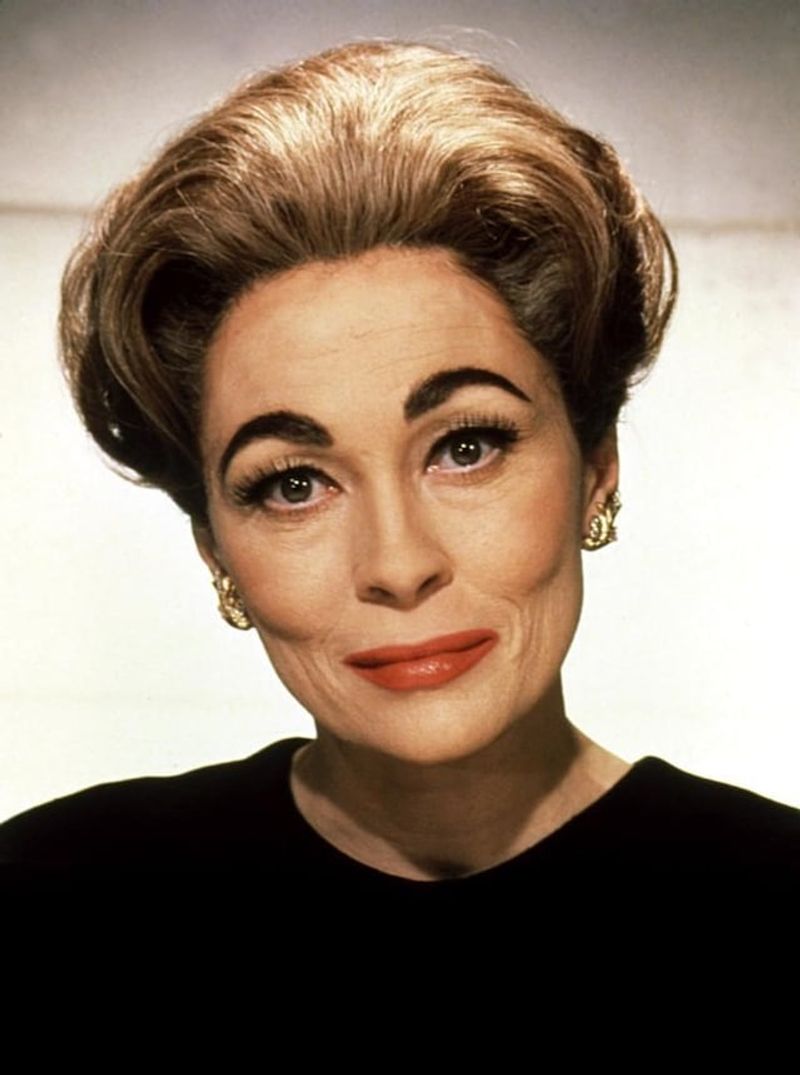
An Oscar winner took on a screen legend and found an unexpected trap. Faye Dunaway portrayed Joan Crawford in Mommie Dearest, released in 1981.
The performance drew ridicule and a Worst Actress Razzie, while the movie later became a camp favorite. Dunaway said the role changed how people saw her, overshadowing earlier achievements.
Her career continued, but major leading opportunities narrowed. Choosing a demanding part can stretch an actor’s skills without guaranteeing that audiences appreciate the result.
17. Jussie Smollett’s Disputed Attack Report
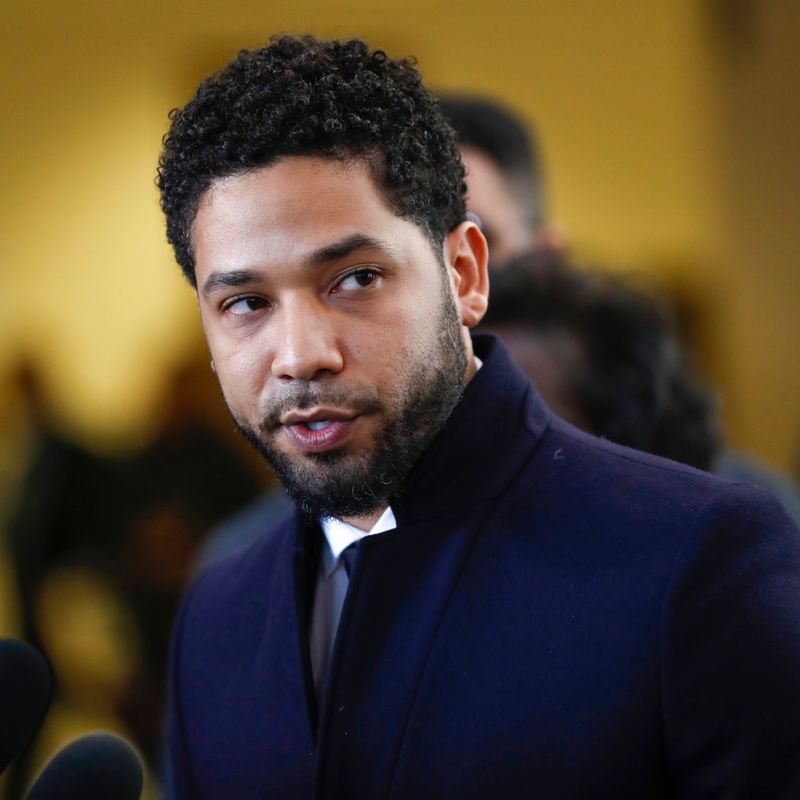
A reported attack became a controversy that overwhelmed a rising television career. Authorities accused Jussie Smollett of staging a racist and homophobic assault in Chicago in 2019; he maintained his innocence.
He was removed from Empire, and a jury later convicted him of filing false reports. Illinois’s Supreme Court overturned that conviction in 2024 because of an earlier prosecution agreement, not a finding about the incident.
Legal procedure and factual innocence are different questions in this case.
18. Felicity Huffman’s Admissions Scandal
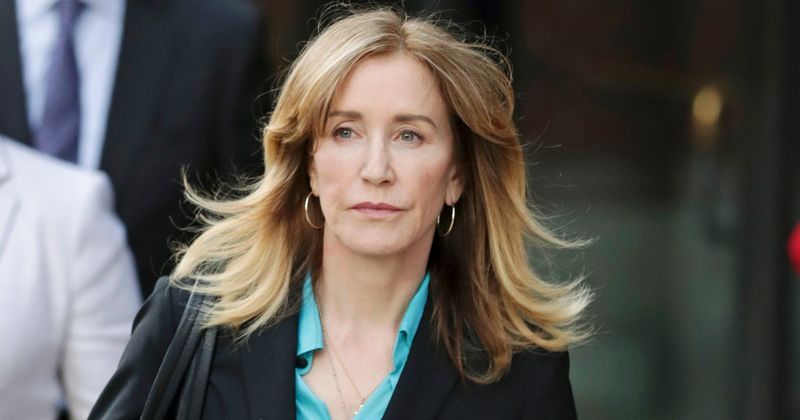
Trying to give her daughter an advantage created consequences far beyond school admissions. Felicity Huffman pleaded guilty in 2019 after paying $15,000 to have her daughter’s SAT answers secretly corrected.
She received fourteen days in prison, a fine, community service, and supervised release. Acting opportunities became less frequent, although she later returned to screen work.
Her case offers a plain warning: using money to bypass fair rules can damage family trust, professional standing, and other people’s opportunities.