
Eating out is one of life’s great pleasures, but not every dish on the menu deserves the hefty price tag attached to it. Chefs who work behind the scenes know exactly which items cost next to nothing to make yet get sold at jaw-dropping markups.
From fake truffle oil to frozen desserts passed off as homemade, restaurants have a few tricks up their sleeves. Knowing what to skip can save you real money and help you enjoy a much better meal.
1. Truffle Dishes That Are Anything But Truffles
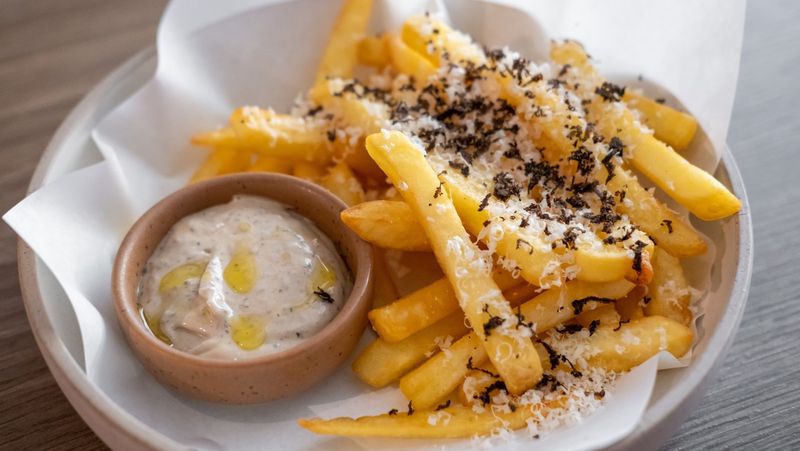
That irresistible earthy aroma on your truffle fries? Chances are it came from a lab, not a forest.
Most restaurants use synthetic truffle oil, a chemical compound designed to mimic the scent of real truffles. Actual truffles cost hundreds of dollars per ounce, so few kitchens can afford them.
You are essentially paying a luxury price for a manufactured smell. Chefs say skip the truffle-labeled dishes unless the menu clearly states fresh truffle shavings are used.
2. Kobe or Wagyu Beef Burgers
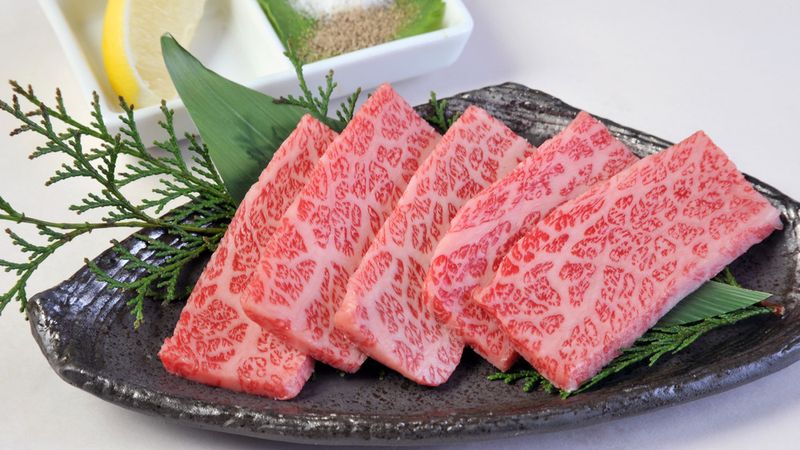
Outside of Japan, the word “Kobe” on a menu is largely unregulated, which means that premium label could mean almost anything. Grinding expensive Wagyu beef into a burger patty defeats the entire purpose of its prized marbling and tenderness.
Chefs point out that a great burger is best made from tougher, cheaper cuts that develop flavor when ground. Paying top dollar for a Kobe burger is one of the easiest ways to waste your dining budget without tasting the difference.
3. Basic Pasta Dishes With Shocking Markups
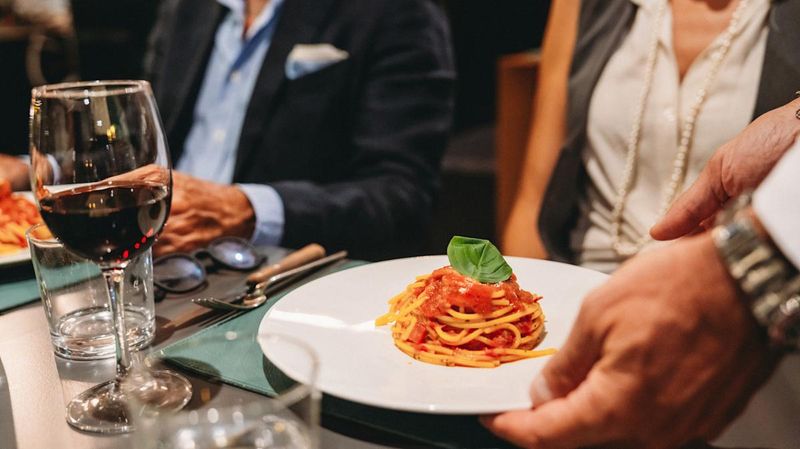
Flour, eggs, and water. That is essentially what pasta is made from, and those ingredients cost restaurants almost nothing.
Yet a bowl of spaghetti or fettuccine can run you $20 or more at a mid-range restaurant, representing a markup of 600% to 1,000% above ingredient cost.
Chefs openly admit pasta is one of the easiest dishes to make at home. Save the restaurant visit for something you genuinely cannot recreate in your own kitchen on a weeknight.
4. Dry, Disappointing Chicken Breast
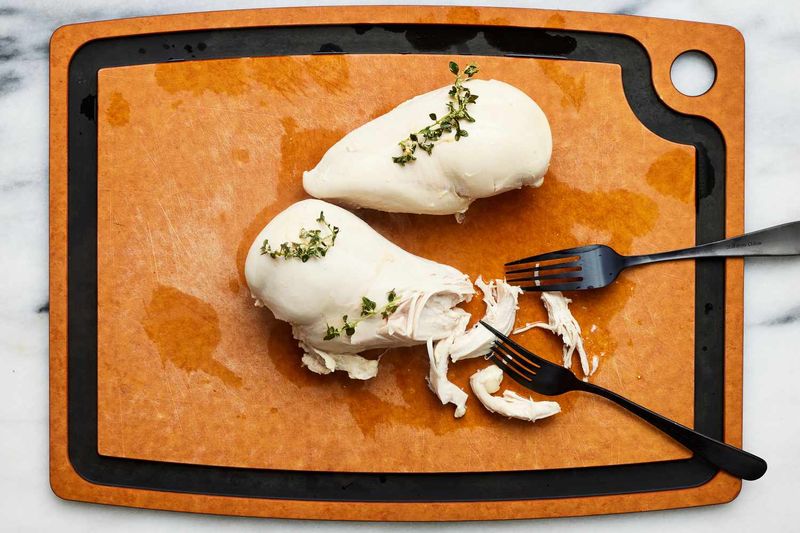
Chicken breast is the most ordered protein in many restaurants, yet chefs cringe every time it goes out. It is notoriously easy to overcook, and without careful attention it turns dry and rubbery within minutes.
Kitchens juggling dozens of orders rarely give it the love it needs.
Chefs recommend choosing thighs, wings, or a different protein entirely when dining out. You will almost always get more flavor, better texture, and a dish that actually justifies the price on the menu.
5. House and Wedge Salads That Are Mostly Air
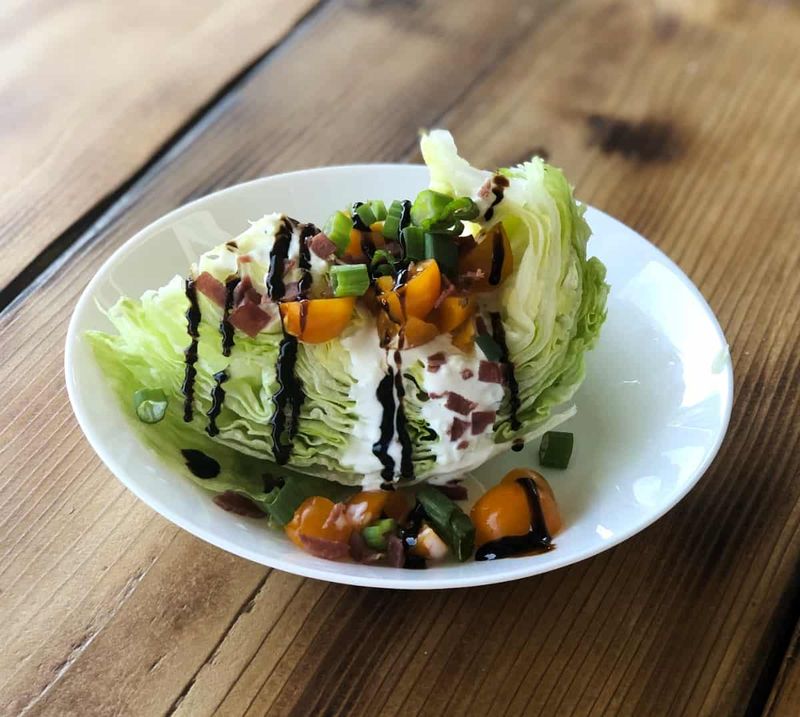
A wedge of iceberg lettuce, a drizzle of dressing, and maybe a few croutons somehow becomes a $14 salad at many restaurants. Iceberg lettuce is one of the cheapest ingredients a kitchen can stock, and these salads often get assembled from leftover scraps trimmed off other produce.
Chefs say the markup on simple salads is embarrassingly high relative to their actual cost. You are paying mostly for the plate and the ambiance, not for anything truly special on it.
6. Pre-Packaged Desserts Sold as Homemade
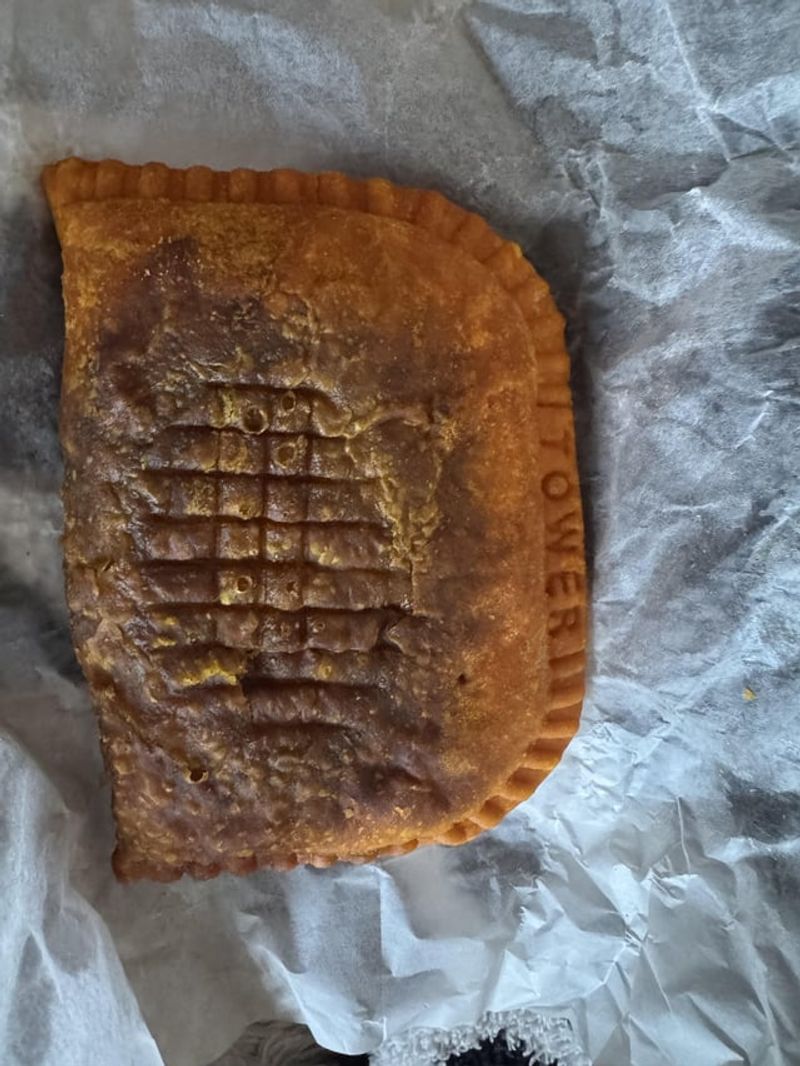
That stunning slice of chocolate lava cake or cheesecake on the dessert menu may have arrived at the restaurant frozen in a box from a wholesale supplier. Many establishments do not employ a pastry chef at all, yet they charge premium prices as if every dessert was crafted from scratch that morning.
Markups on pre-packaged desserts can exceed 300%. Chefs suggest asking your server if desserts are made in-house before ordering, so you actually know what you are paying for.
7. Soup Du Jour Made From Yesterday’s Leftovers
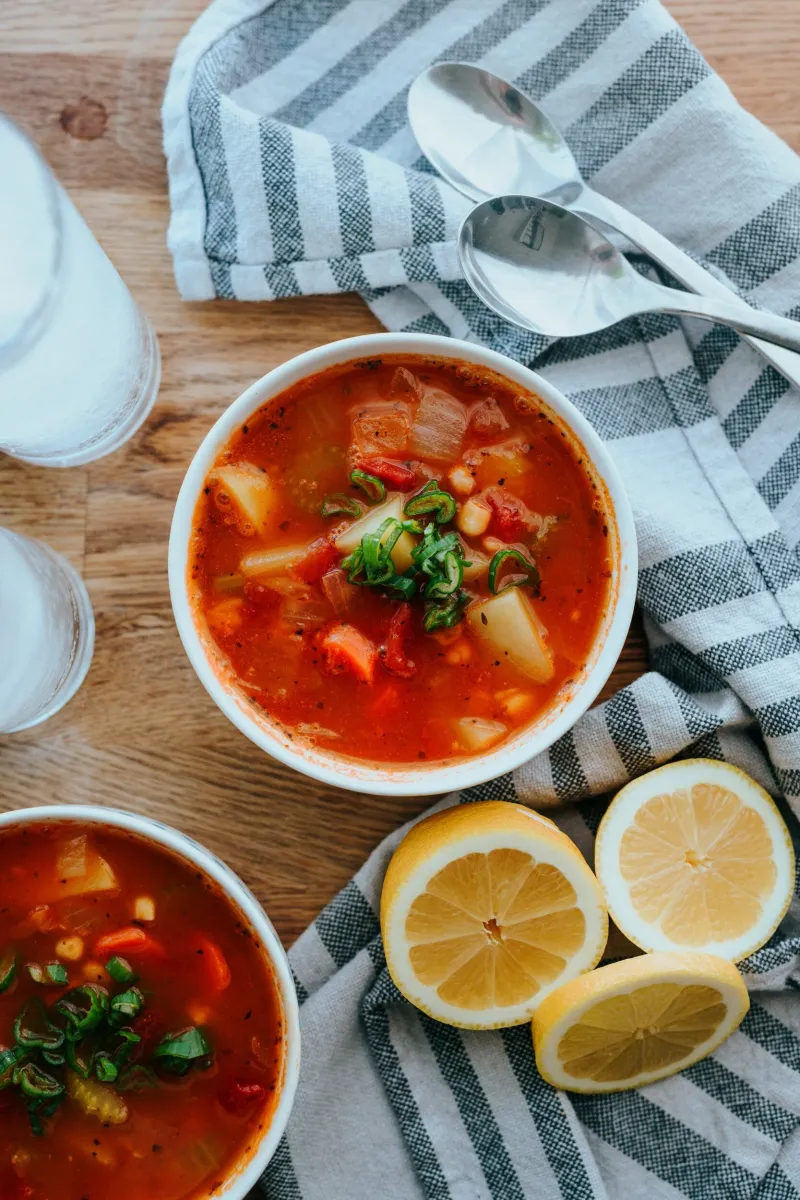
Daily specials and rotating soups sound exciting, but chefs have a confession. Soup of the day is often a clever way to use up ingredients that are close to expiring or proteins left over from the previous evening’s service.
The creativity on the menu description can mask what is really going on.
This does not mean every soup is bad, but it is worth being cautious. Ask about the base ingredients before ordering, especially if something sounds unusually elaborate for the price.
8. Avocado Toast That Costs More Than a Whole Avocado
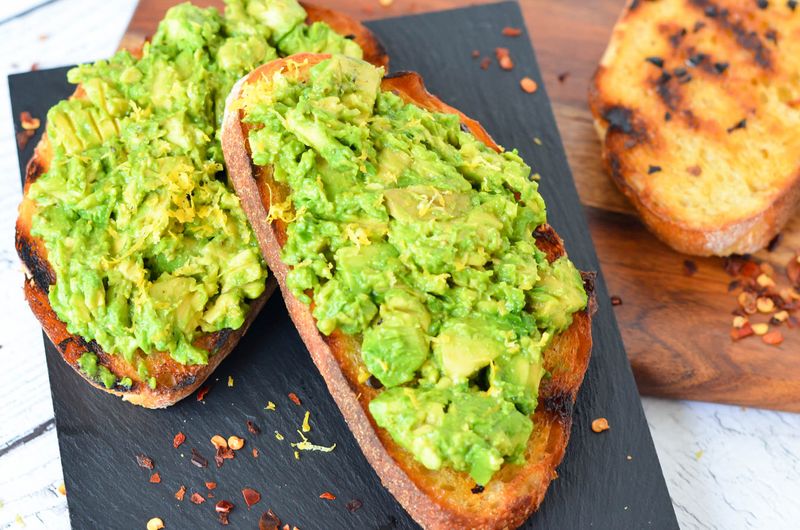
A whole avocado costs around $1 to $2 at the grocery store, yet a single slice of avocado toast at a trendy brunch spot can run you $16 or more. The preparation is minimal, the ingredients are basic, and the technique required is nearly zero.
Chefs shake their heads at how wildly this dish is overpriced. Mashing avocado on toast at home takes about three minutes and costs a fraction of what restaurants charge, making it one of the easiest meals to skip on any menu.
9. Bottled Water With a 2,000% Markup
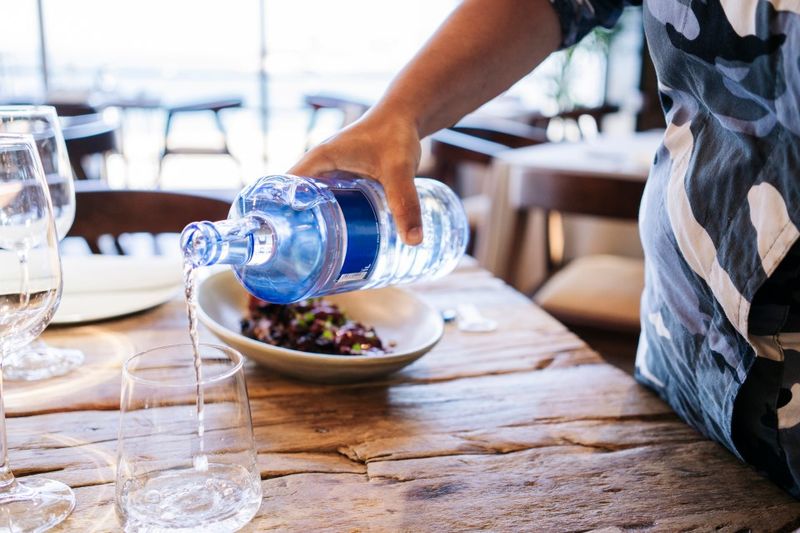
Restaurants charging $8 or more for a bottle of sparkling water is one of the most brazen upsells in the dining industry. Studies have found that markups on bottled water at some establishments can reach as high as 2,000% above retail cost.
Tap water in most developed cities is perfectly safe and often just as clean.
Chefs and food industry insiders agree this is a pure profit play with no real benefit to the diner. Always feel comfortable asking for tap water without hesitation.
10. Lobster Rolls Skimping on the Lobster
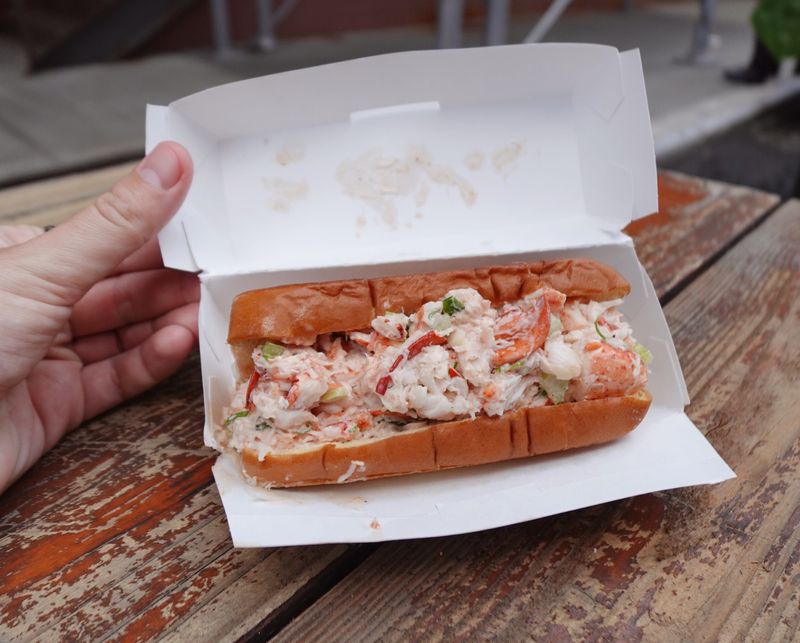
Few dishes carry the excitement of a lobster roll, and few dishes disappoint as consistently. Chefs note that many restaurants pad these rolls heavily with mayonnaise, celery, and filler to reduce the amount of actual lobster meat needed, while keeping the price firmly in the $30 to $45 range.
You might be paying for the idea of lobster more than the lobster itself. A genuinely generous lobster roll is out there, but it requires a bit of research before you commit to ordering one.
11. Filet Mignon’s Price Doesn’t Match Its Flavor
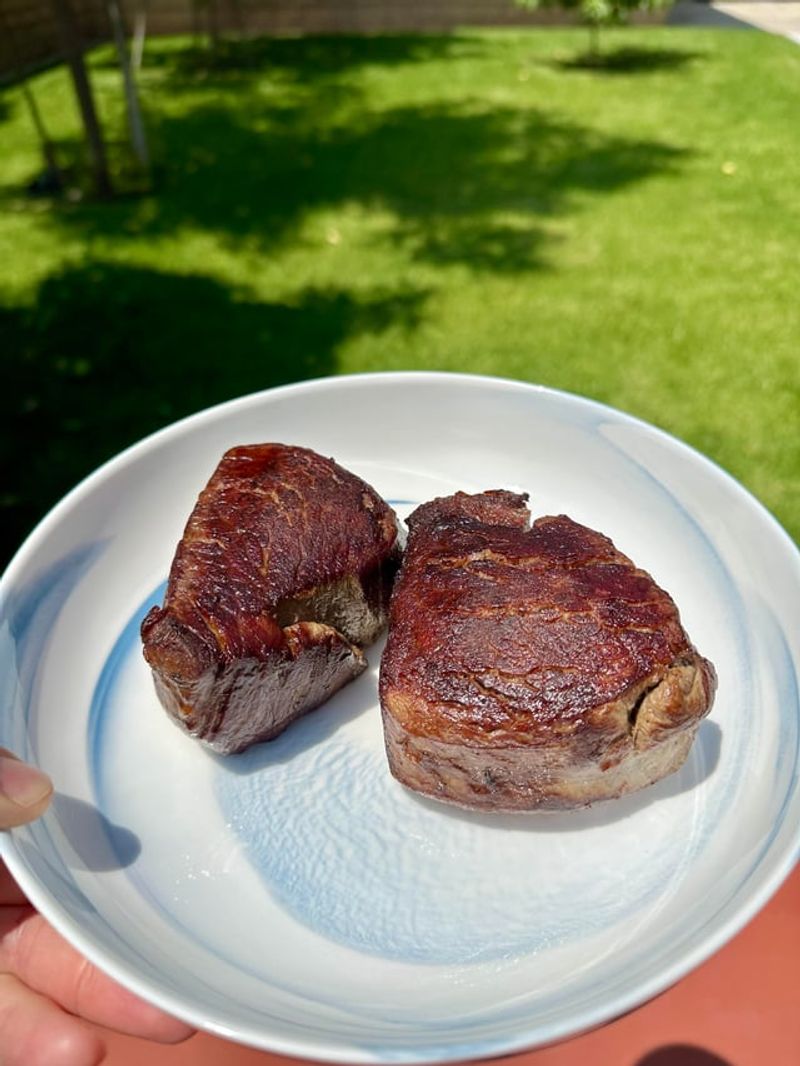
Filet mignon is the most tender cut of beef you can order, and restaurants know it, which is why they price it accordingly. But tenderness is not the same as flavor.
Chefs widely agree that cuts like ribeye or New York strip offer far richer, beefier taste because of their higher fat content.
Paying $60 or more for a filet that tastes mild compared to a $35 ribeye is a trade-off many experienced diners regret. Flavor should always lead your steak decision, not prestige.
12. Gourmet Burgers That Are Not Worth the Hype
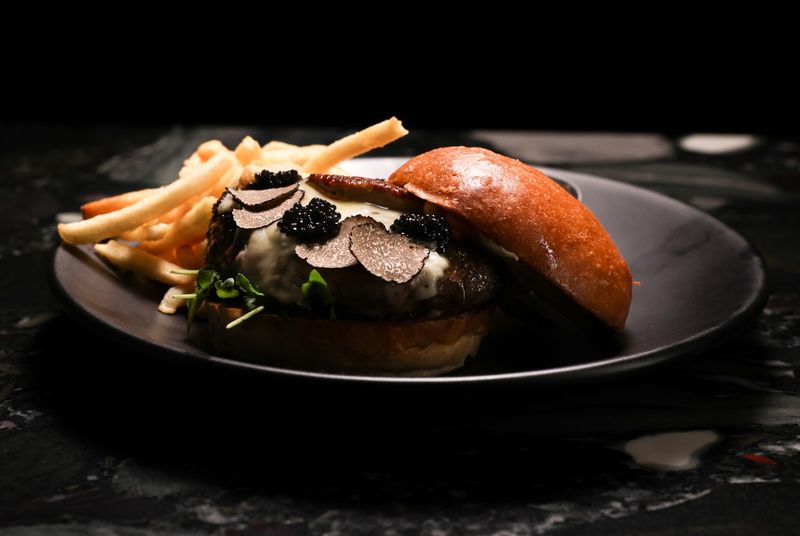
Stacking a burger with foie gras, truffle aioli, and gold leaf does not automatically make it worth $40. Chefs point out that the best burger patties are actually made from inexpensive, tougher cuts of beef like chuck, which develop rich flavor when ground and cooked properly.
Fancy add-ons often distract from poor execution rather than enhance a genuinely good burger. A well-made $12 smash burger from a no-frills spot will frequently outperform an overloaded gourmet version that prioritizes appearance over taste.
13. Bread Basket Charges That Were Once Free
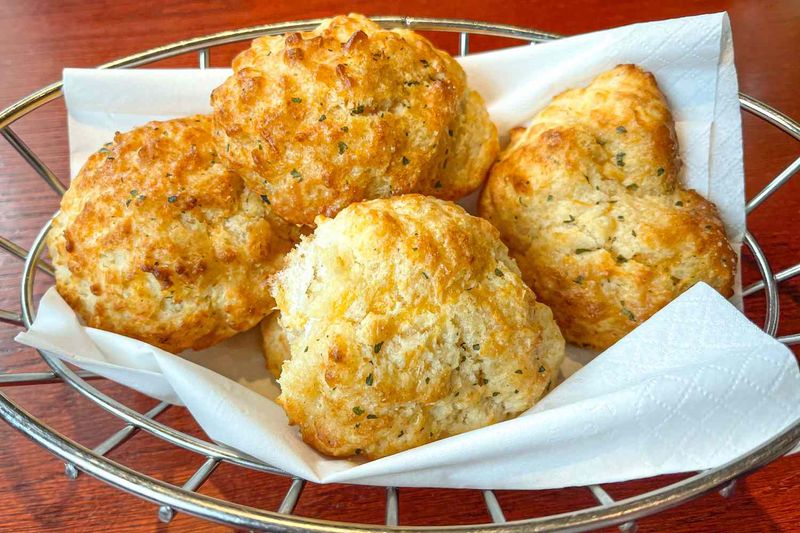
Not long ago, a warm bread basket arriving at your table was a given, a small hospitality gesture that set a welcoming tone. Now, many restaurants charge $5 to $10 for the privilege, and the bread is sometimes stale, over-oiled, or reused from a previous table, according to some industry insiders.
Chefs suggest passing on the bread charge if you are budget-conscious, especially since it often arrives before hunger has properly set in and simply reduces your appetite for the main course.
14. Side Dishes With Embarrassing Markups
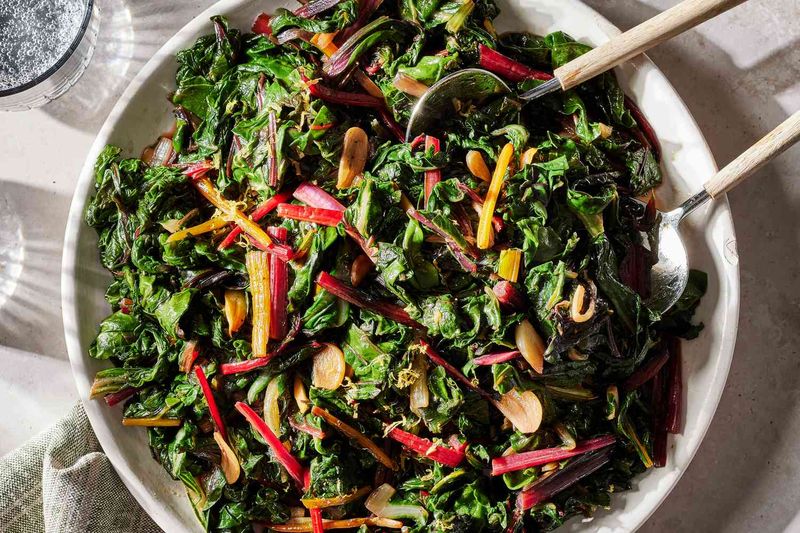
Vegetables are among the cheapest ingredients any kitchen purchases, yet a small bowl of steamed broccoli or roasted carrots frequently appears on menus for $9 to $12. Chefs acknowledge that side dishes carry some of the highest percentage markups in the entire restaurant business.
Extra cheese, sauces, and simple add-ons follow the same pattern. Before reflexively ordering two or three sides, consider whether the main dish already includes enough food, or whether you could assemble a more satisfying plate at home for a fraction of the cost.
15. Scallops That Are Overcooked and Overpriced
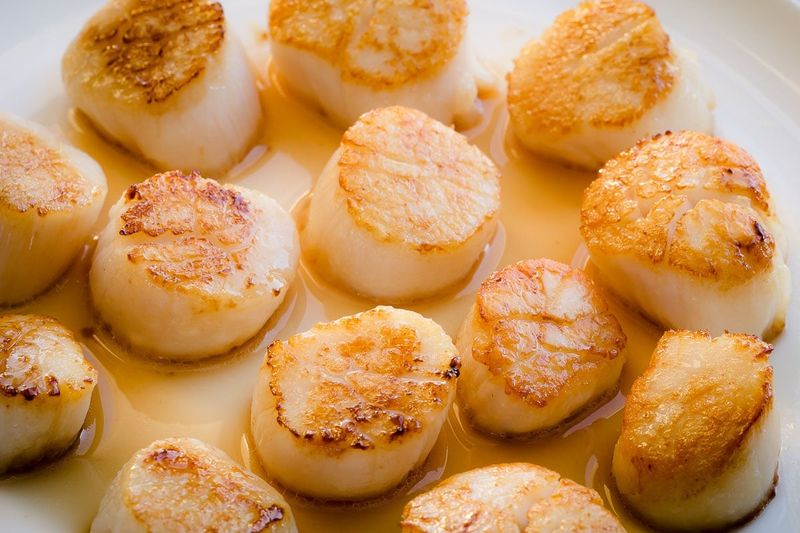
A perfectly seared scallop with a golden crust is a genuinely beautiful thing, but it is also one of the most commonly ruined dishes in restaurant kitchens. Scallops require precise timing and high heat, and even a few extra seconds on the pan turns them into rubbery, chewy disappointments.
They are also expensive for the kitchen to source, which means the price on your plate is already high before any errors occur. Chefs suggest ordering scallops only at restaurants with a strong seafood reputation and consistent reviews.
16. Fish on Monday Is a Freshness Gamble
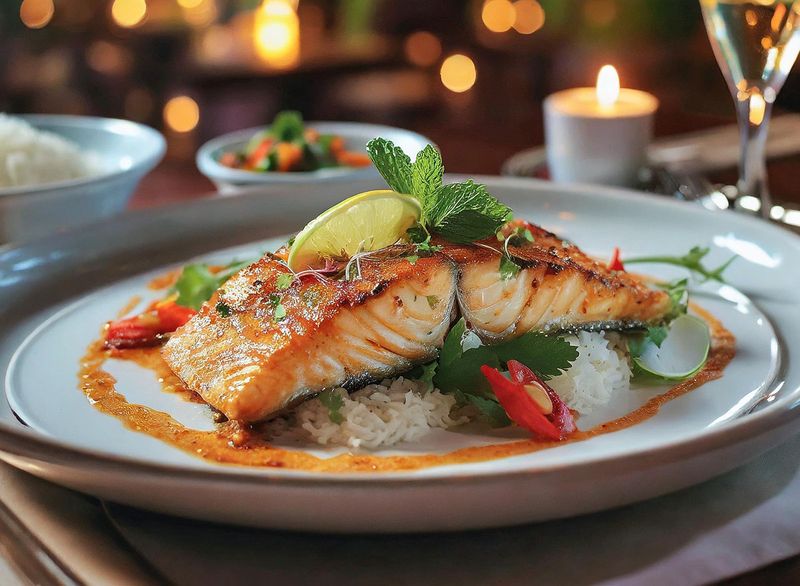
Anthony Bourdain made this warning famous, and professional chefs still repeat it today. Most fish markets are closed over the weekend, which means any fresh fish ordered on a Monday was likely delivered on Friday or Saturday.
That is several days of sitting in refrigeration before it ever reaches your plate.
You might not notice it immediately, but the texture and flavor will not be at their peak. Stick to fish earlier in the week, or choose a restaurant that sources daily regardless of the day.
17. Hollandaise Sauce and Its Hidden Risks
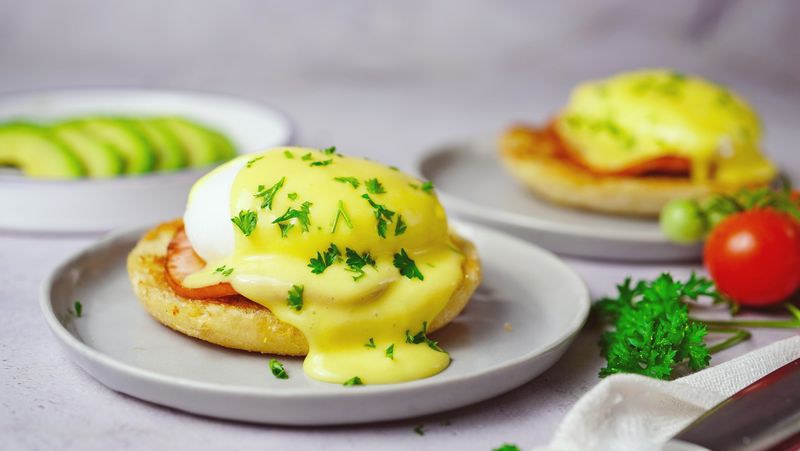
Hollandaise is a delicate emulsion sauce made with raw egg yolks that must be kept at a very specific temperature to remain safe and smooth. The problem is that most restaurants make it in large batches and hold it warm for hours, which creates the perfect conditions for bacterial growth.
Chefs who know the behind-the-scenes reality of brunch service are often cautious about ordering it themselves. If the restaurant is extremely busy and the sauce has been sitting, the risk to your stomach may not be worth the indulgence.
18. Mussels and the Handling Concern You Should Know
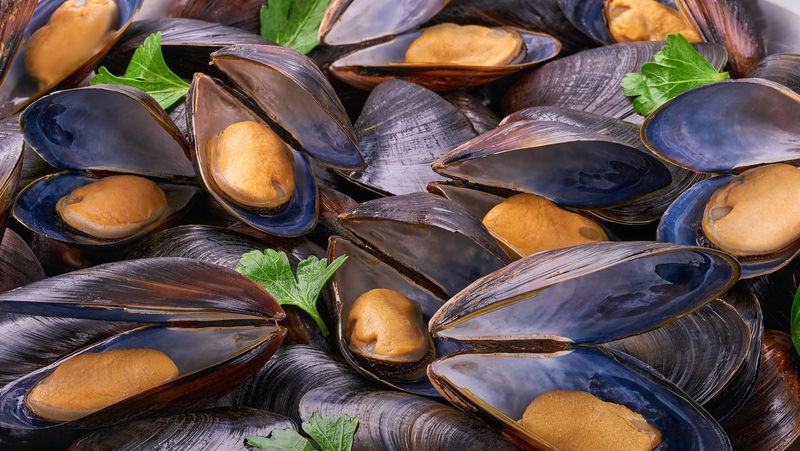
Mussels are often presented as an affordable, shareable starter, but their safety depends entirely on how well a kitchen stores and handles them. Live mussels must be kept cold and used quickly, and any that do not open during cooking should be discarded immediately, a step not every kitchen follows carefully.
Chefs with experience in multiple kitchens often admit they are selective about where they order mussels. A restaurant with high turnover and a strong seafood program is your safest bet when craving this dish.