
Not every relationship that feels intense actually feels good. Sometimes what seems like deep love is actually a trauma bond, an unhealthy emotional attachment built on pain, fear, and manipulation.
Knowing the difference can protect your heart and your mental health. These 18 red flags can help you figure out what you are really dealing with.
1. You Feel Hooked After Being Hurt

Feeling pulled back to someone who hurts you is one of the clearest signs of a trauma bond. Real love does not leave you feeling confused or desperate after conflict.
Instead, it builds you up.
When pain and affection keep trading places, your brain can actually get addicted to that cycle. Recognizing this pattern is the first step toward breaking free from it.
2. Love Bombing Followed by Sudden Coldness

At the start, your partner treated you like you were the center of the universe. Constant texts, big romantic gestures, and nonstop compliments made everything feel magical.
Then, almost without warning, the warmth disappeared.
Psychologists call this love bombing followed by devaluation. It creates a desperate longing for the “good times” to return.
That longing keeps you stuck, not love.
3. Walking on Eggshells Every Single Day

Constantly monitoring your words, tone, and even your facial expressions just to avoid upsetting your partner is exhausting. Healthy relationships should feel like a safe space, not a minefield you have to navigate every hour.
This hypervigilance is a major red flag. When you spend more energy managing someone else’s moods than enjoying the relationship, something is seriously wrong.
You deserve to feel relaxed at home.
4. You Cannot Imagine Life Without Them, Even Though They Hurt You

Many people in trauma bonds describe feeling like their partner is the only person who can fill a certain emptiness inside them. That kind of emotional dependency is not romantic, it is a warning sign.
Real love supports your independence. A healthy partner wants you to have a full life outside of the relationship.
If the thought of leaving feels unbearable despite the pain, a trauma bond may be at work.
5. Making Excuses for Their Terrible Behavior

“He only yells when he is stressed.” “She does not mean it that way.” Sound familiar? Defending someone who repeatedly hurts you is a quiet but powerful sign that a trauma bond has formed.
Friends and family often notice the problem before you do. When the people who love you start raising concerns and you find yourself explaining away hurtful behavior, take that seriously.
Their outside perspective matters.
6. Your Sense of Self Has Slowly Disappeared
Before this relationship, you had hobbies, opinions, and a strong sense of who you were. Now, you are not so sure.
Trauma bonds often chip away at your identity until you feel like a version of yourself you barely recognize.
Real love encourages you to grow and stay true to yourself. If you have given up your interests, your goals, or your voice just to keep the peace, that is a serious red flag worth examining.
7. Isolation From the People Who Care About You

Abusers often work to cut off their partners from friends and family. It might start subtly, with small criticisms of your loved ones or complaints about how much time you spend with them.
Over time, the isolation deepens, and suddenly the only person in your corner is the one causing the harm. Healthy partners celebrate your relationships with others.
Isolation is a control tactic, not a sign of love.
8. Gaslighting Makes You Question Your Own Memory

“That never happened.” “You are too sensitive.” “You are imagining things.” Gaslighting is when someone twists reality to make you question your own mind, and it is one of the most damaging tools in a manipulator’s toolkit.
Over time, you may stop trusting your own instincts and memory. Real love never makes you doubt your sanity.
If you constantly second-guess your experiences, gaslighting could be the reason why.
9. The Relationship Feels Like an Addiction

Research shows that trauma bonds can actually mimic addiction in the brain. The highs feel incredibly high, and the lows feel crushing, but you keep going back for another hit of the good moments.
Just like with substances, the bond becomes harder to break the longer it continues. If leaving feels physically impossible even when you know the relationship is hurting you, that addictive pull is a major red flag to notice.
10. Blame Always Lands on Your Shoulders
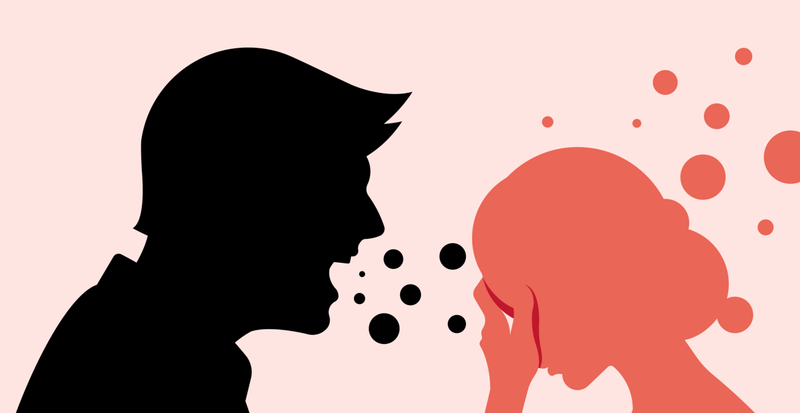
No matter what goes wrong, somehow you end up apologizing. Blame-shifting is a manipulation tactic where the person causing harm redirects responsibility onto you, leaving you feeling guilty for things that are not your fault.
Healthy couples share accountability. Both people own their mistakes without turning every disagreement into a courtroom.
Constantly feeling like the problem in the relationship is a sign the dynamic is unhealthy and deeply unbalanced.
11. Empty Promises That Change Never Comes

“Things are going to be different, I promise.” After every painful episode, the apologies and promises pour in. But weeks or months later, the same hurtful patterns repeat themselves like clockwork.
Psychologists call this future faking, painting a picture of a better future that never actually arrives. Real change shows up in consistent actions, not just heartfelt words.
If promises keep replacing progress, trust the pattern more than the words.
12. Intense Chemistry Mixed With Constant Anxiety

The connection feels electric, passionate, and unlike anything you have experienced before. But underneath that excitement lives a steady hum of anxiety.
You are never quite sure where you stand or what mood to expect.
That combination of intensity and instability is a hallmark of a trauma bond. Real love feels more like a calm harbor than a thrilling but dangerous storm.
Passion should not come with a side of dread.
13. You Feel Responsible for Fixing Them

Somewhere along the way, you became your partner’s therapist, emotional support system, and problem-solver all rolled into one. Caring about your partner is normal, but carrying the full weight of their emotional healing is not your job.
When you consistently sacrifice your own well-being to manage someone else’s struggles, resentment and burnout follow. A loving partner takes responsibility for their own growth.
Feeling like you are the only thing holding them together is a red flag.
14. Fear Drives Your Decisions, Not Love

Ask yourself honestly: do you stay because you want to, or because you are afraid of what happens if you leave? Fear of your partner’s anger, fear of being alone, or fear of their threats are not the foundations of love.
Real love is a free choice made every day. Trauma bonds function more like traps.
When fear becomes the main thing keeping you in a relationship, that is one of the most urgent red flags of all.
15. Boundaries Are Nonexistent or Punished

Healthy relationships thrive on mutual respect for boundaries. But in a trauma bond, setting a limit often leads to punishment, guilt-tripping, or being accused of not caring enough about the relationship.
Over time, you may stop setting boundaries altogether just to keep the peace. That silence is not a sign of harmony, it is a sign of suppression.
A partner who respects you will never treat your needs like a personal attack.
16. Your Happiness Depends Entirely on Their Approval

When your entire mood rises and falls based on whether your partner is pleased with you, your emotional well-being has become dangerously tied to their validation. That is not a partnership, it is an emotional leash.
Real love supports your self-worth from the inside out. A healthy relationship adds to your happiness rather than becoming the only source of it.
Chasing someone’s approval constantly is a sign the relationship has crossed into unhealthy territory.
17. The Good Moments Feel Addictively Rare

One kind word after days of coldness can feel like sunshine after a long storm. In a trauma bond, those rare positive moments carry extra weight because they are so unpredictable.
That unpredictability is by design.
Intermittent reinforcement, getting rewarded occasionally and randomly, is one of the most psychologically powerful hooks that exists. Real love is consistent, not a slot machine.
If the good moments feel precious only because they are so scarce, pay attention to that.
18. Leaving Feels More Terrifying Than Staying
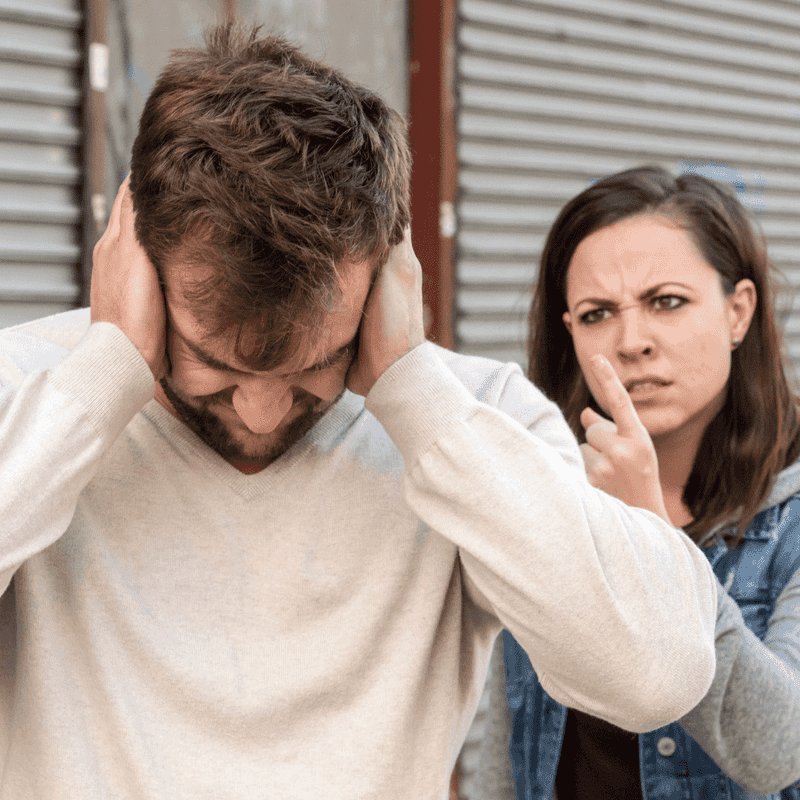
Most people in trauma bonds know something is wrong. They can feel it.
But the idea of actually leaving brings on a wave of panic that feels worse than the pain of staying. That is the trap working exactly as it was designed.
Trauma bonds create a psychological grip that mimics the fear of losing something precious. Reaching out to a counselor or trusted person can help you find a safe path forward.
You do not have to figure this out alone.