
Step back in time and imagine America as it looked around the 1920s — a world of horse-drawn carriages, crowded city streets, and hardworking families building a nation from the ground up. Rare photographs from that era capture moments that history books often miss, giving us a personal window into everyday life.
From bustling city markets to dusty small-town roads, these images tell stories that still feel surprisingly familiar today.
1. New York City Streetcars in 1920
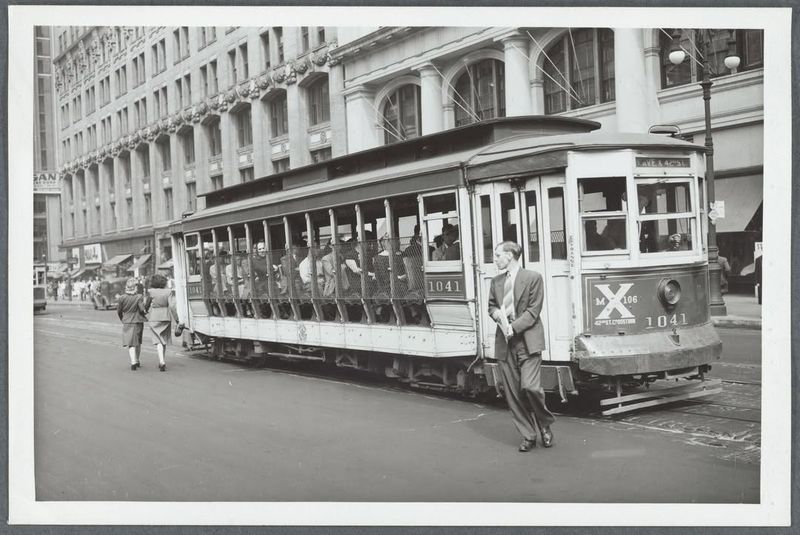
Before subway lines covered every corner of the city, electric streetcars were the heartbeat of Manhattan’s transportation system. Commuters packed into the cars so tightly that riders would hang off the sides just to catch a ride across town.
The streets buzzed with a wild mix of horse-drawn wagons and early Model T Fords sharing the same narrow lanes. It was noisy, crowded, and somehow perfectly New York.
2. Coal Miners in West Virginia
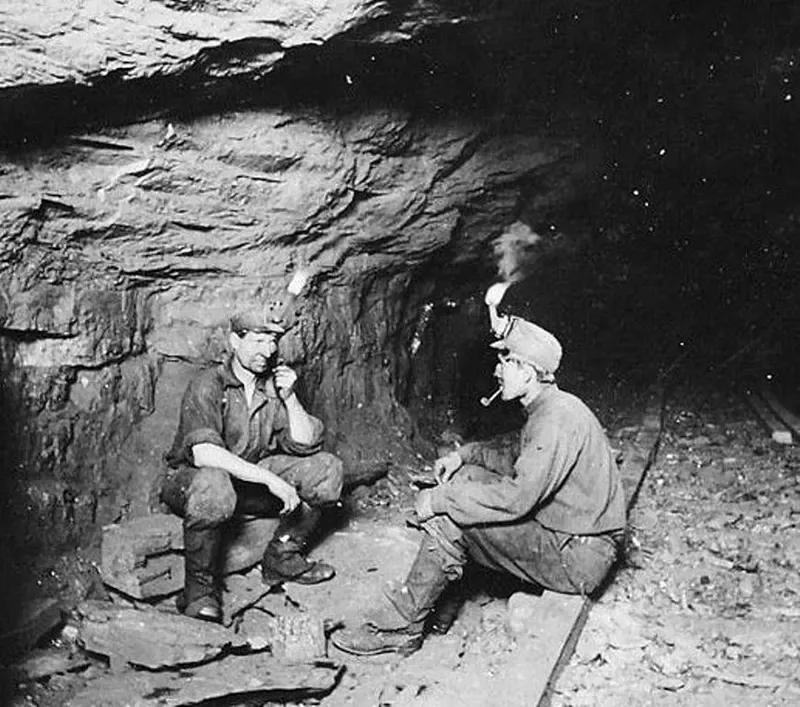
Long before safety regulations existed, coal miners in West Virginia descended into dark, dangerous tunnels every single day to keep America’s factories running. Cave-ins, gas leaks, and collapsing shafts were constant threats that workers simply learned to live with.
Families depended entirely on mining wages, and sadly, young children often worked alongside their fathers underground. These gritty photographs show faces full of exhaustion but also quiet, unshakeable determination.
3. Chicago’s Bustling Open-Air Markets
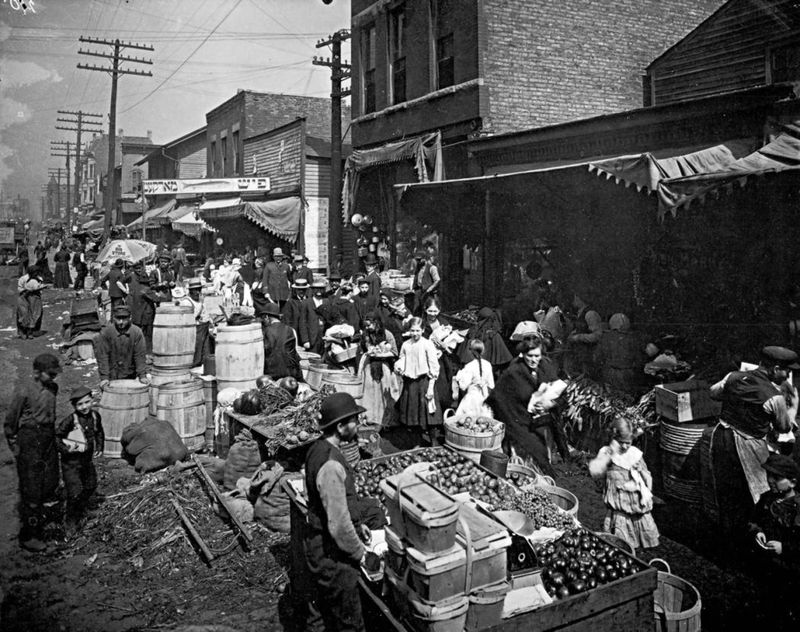
Refrigerators were a luxury most families simply could not afford in 1920s Chicago, so women headed to open-air markets every single morning to buy fresh food for the day. The air smelled of fresh bread, raw meat, and earthy vegetables all at once.
Vendors shouted prices, haggled loudly, and competed fiercely for every customer’s attention. Wicker baskets swinging from women’s arms and children weaving through the crowd made these markets feel alive in a way modern grocery stores never quite match.
4. San Francisco Cable Cars on Steep Hills
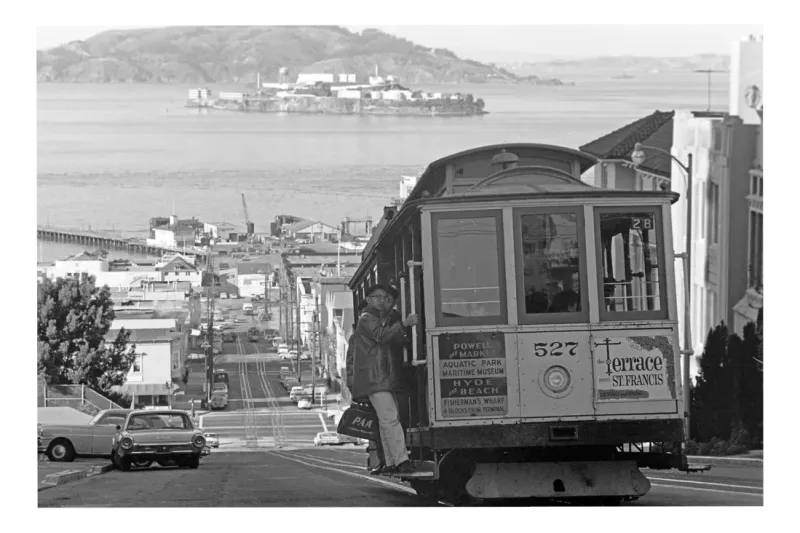
San Francisco’s cable cars were not just transportation — they were a daily adventure. Conductors used sheer muscle strength and manual brakes to guide the cars up impossibly steep hills while passengers gripped poles with white knuckles.
The iconic clanging bell warned pedestrians and horse carts to clear the way. Looking out from the top of the hill, riders caught breathtaking views of the sparkling bay stretching out below them, making every bumpy ride completely worth it.
5. Early Automobiles Parked on Main Street
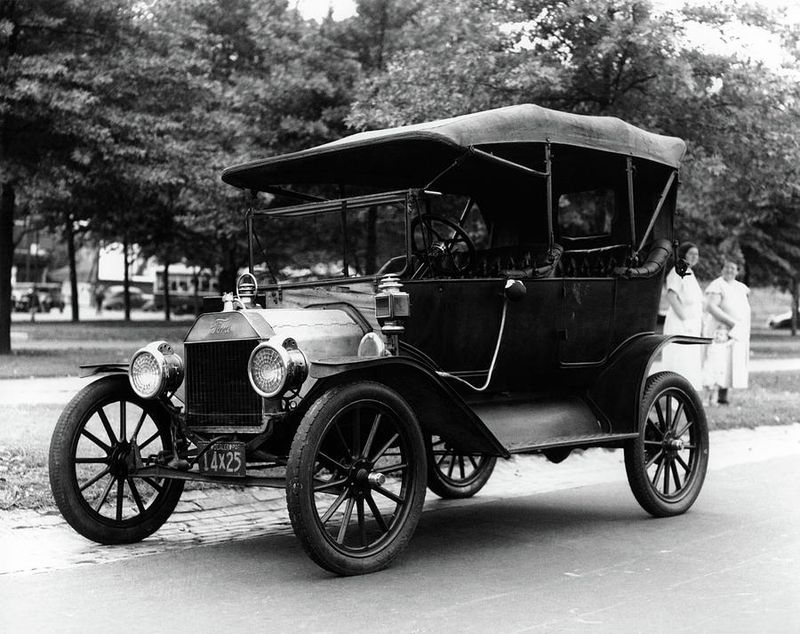
Owning a Model T Ford in 1920 meant you were officially living in the future — even if that future involved constant breakdowns on muddy roads. Cars lacked roofs and windshields in many early models, so drivers wore long coats and goggles just to stay clean.
Main Street in almost every American town became a showcase for these gleaming machines on weekends. Neighbors gathered around to admire them the way kids today might crowd around the newest smartphone.
6. Women Voting for the First Time in 1920
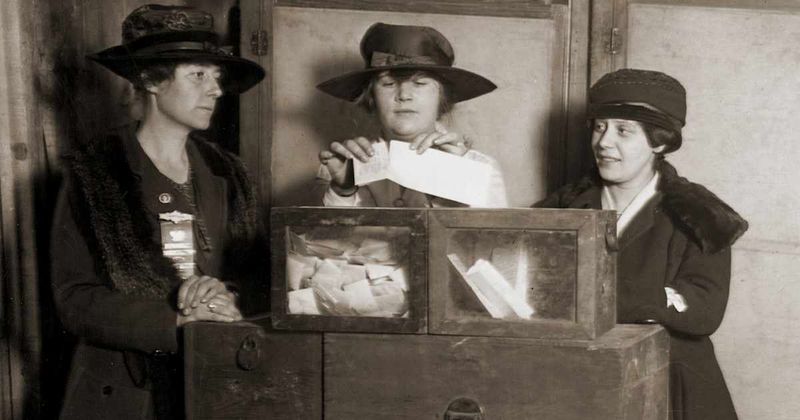
August 1920 marked a turning point in American history when the 19th Amendment officially gave women the right to vote. For the very first time, women across the country walked proudly into polling stations, many wearing their finest hats and dresses for the occasion.
Decades of marching, protesting, and demanding equality had finally paid off. Photographs from that election season capture something rare — the unmistakable look of joy and relief on the faces of women who had waited their entire lives for this moment.
7. Harlem Renaissance Street Scenes
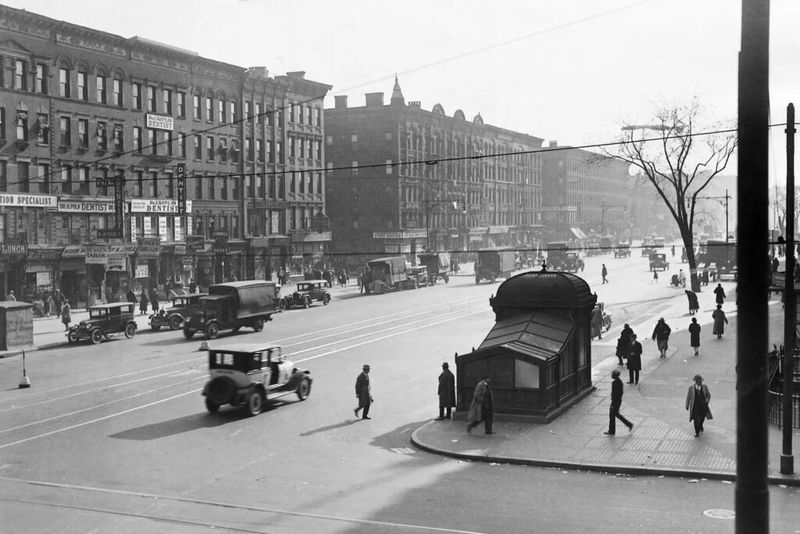
Harlem in the 1920s was electric. African American artists, musicians, writers, and thinkers gathered in this New York neighborhood to create one of the most influential cultural movements in American history.
Jazz music poured out of clubs onto sidewalks where elegantly dressed men and women strolled past bookstores and barbershops. Street photographs from this era capture a community bursting with pride, creativity, and a powerful sense of identity that would reshape American art and culture for generations to come.
8. Prohibition-Era Speakeasies
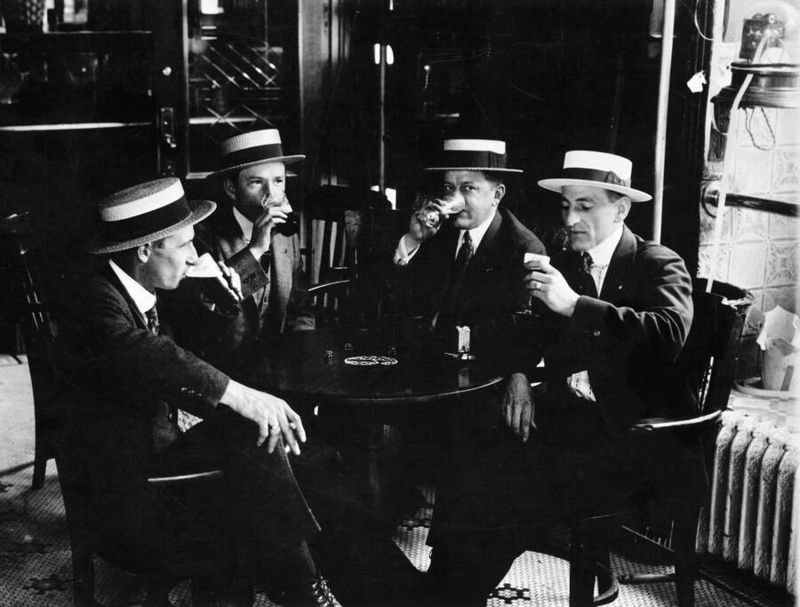
When the government banned alcohol in 1920, Americans did not stop drinking — they just got more creative about where they did it. Secret underground bars called speakeasies popped up in basements, back rooms, and hidden doorways all across the country.
Customers whispered passwords to get inside, where jazz bands played and flappers danced until dawn. Photographs sneaked out of these hidden clubs show a surprisingly glamorous world that existed just beneath the surface of polite, law-abiding America.
9. Immigrant Families Arriving at Ellis Island
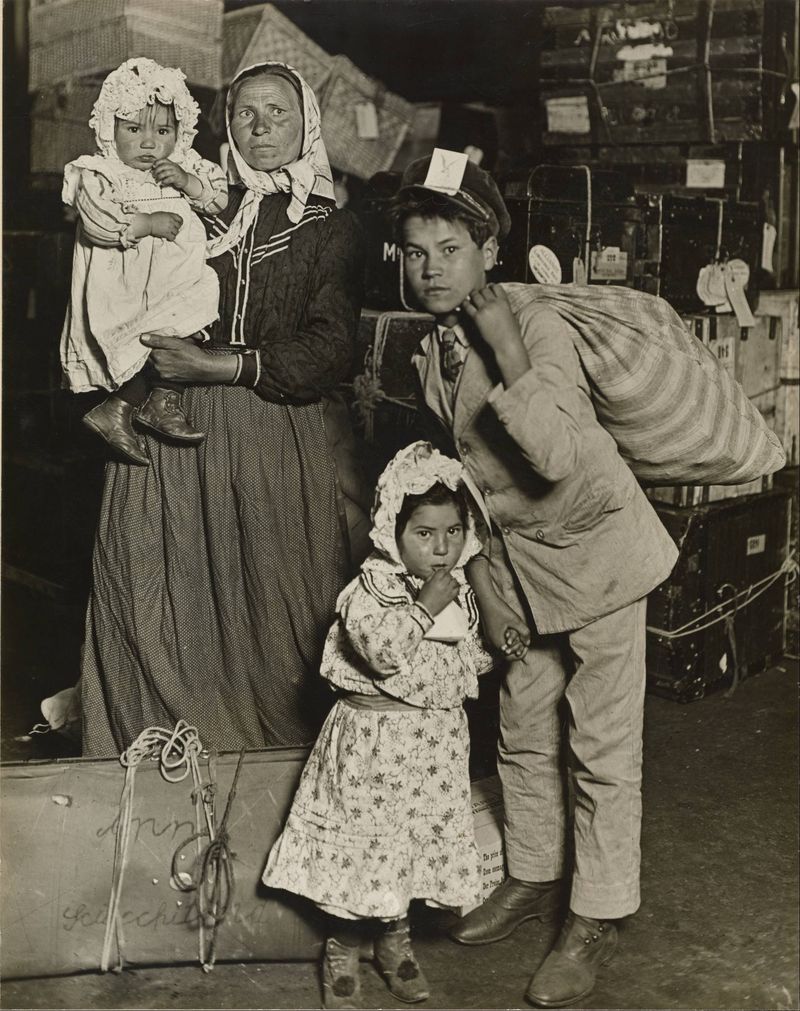
Millions of people arrived at Ellis Island during the early 1900s, clutching their most precious belongings and hoping for a better life in America. The inspection process was exhausting — doctors checked eyes, lungs, and posture while immigration officers fired rapid questions through translators.
Families who had sold everything back home stood nervously waiting to find out if they would be allowed to stay. The raw hope captured in these photographs is almost impossible to look at without feeling deeply moved.
10. Coney Island Beach Crowds in Summer
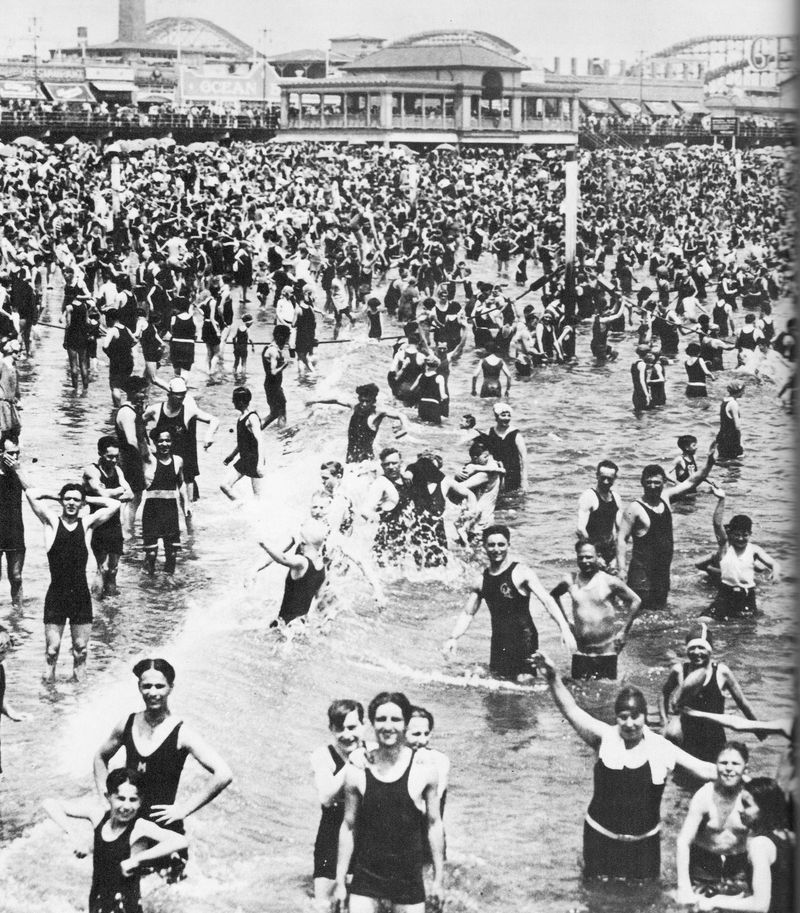
Long before air conditioning existed, Coney Island was New York City’s great escape from sweltering summer heat. Thousands of families packed onto the beach wearing full-coverage woolen swimsuits that look absolutely nothing like modern bathing suits.
The boardwalk roared with roller coasters, carnival games, and the smell of hot dogs sizzling on open grills. Aerial photographs of the beach from this era show a crowd so dense it looks almost impossible — like every single person in the city showed up at once.
11. Farmers Working the Great Plains
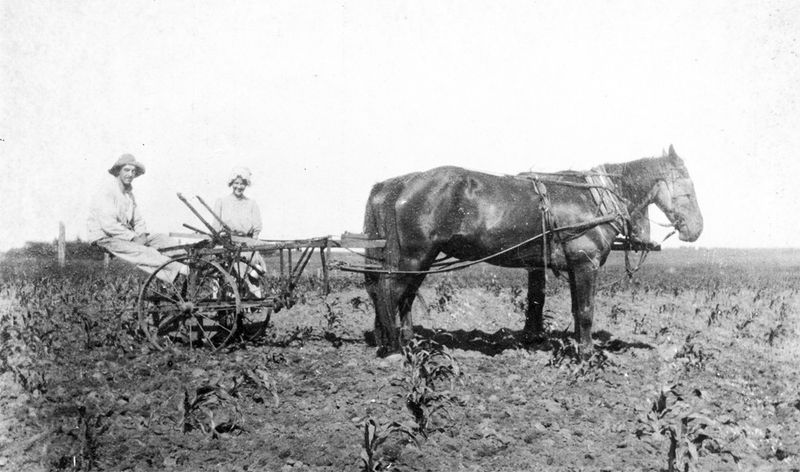
Before tractors became widely affordable, farming the vast flatlands of Kansas, Nebraska, and Oklahoma meant working side by side with horses from sunup to sundown. Families planted, plowed, and harvested by hand or with horse-drawn equipment that required constant maintenance.
Life on the Great Plains was isolated and physically demanding in ways that are hard to imagine today. These photographs show men and women who built the American food supply with nothing but stubborn endurance, strong animals, and soil that could be as generous as it was unpredictable.
12. One-Room Schoolhouses in Rural America
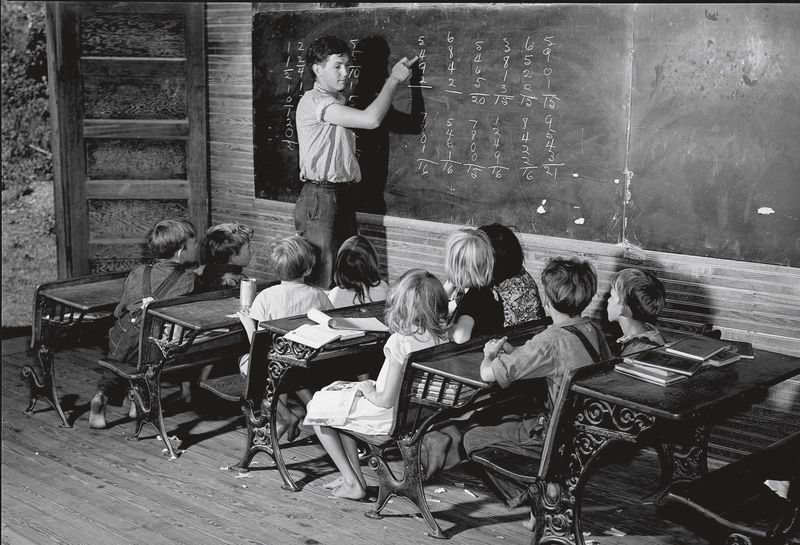
Across rural America in the 1920s, children of all ages from first grade through eighth grade sat together in a single room with one teacher handling every subject. The teacher was usually a young woman fresh out of a two-year training program, earning almost nothing for her work.
Students shared textbooks, wrote on small personal chalkboards, and walked miles through all kinds of weather just to attend. Photographs of these classrooms show serious young faces that understood education was not a given — it was a privilege.
13. Early Hollywood Silent Film Sets
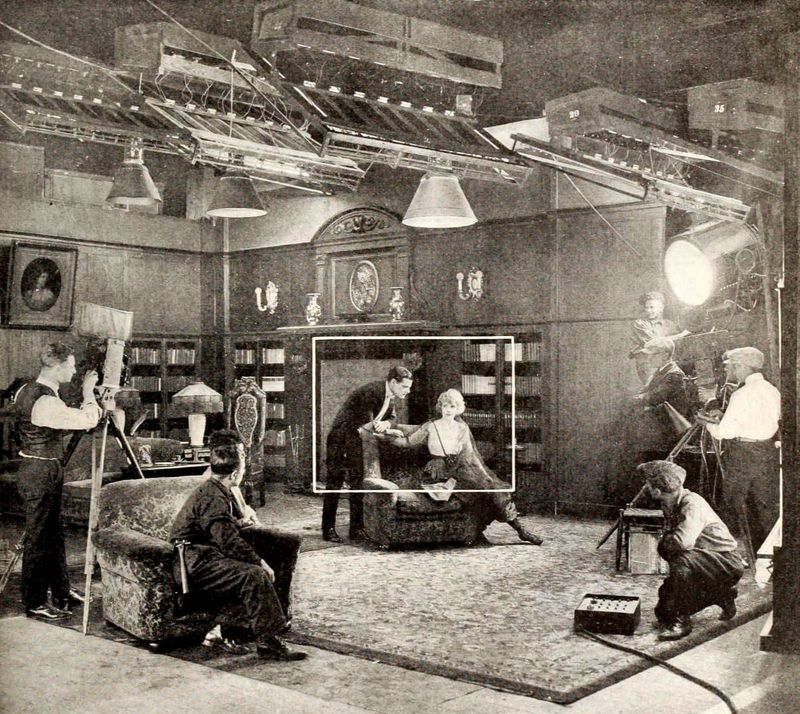
Hollywood was still a dusty, sun-baked neighborhood when the silent film industry turned it into the entertainment capital of the world during the 1920s. Cameras were enormous, heavy machines that crews had to crank by hand while actors performed in exaggerated, theatrical ways to replace spoken words.
Stars like Charlie Chaplin and Buster Keaton became international celebrities almost overnight. Behind-the-scenes photographs from early film sets show a surprisingly chaotic, makeshift world that somehow produced movies that are still watched and loved today.
14. Steel Workers Building American Skyscrapers
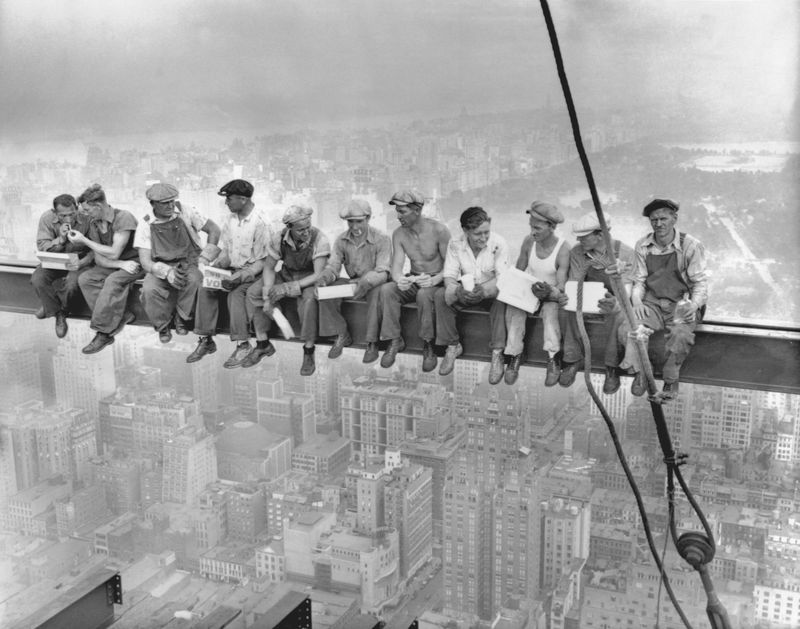
Some of the most daring photographs ever taken show steel workers casually eating lunch while perched on narrow beams hundreds of feet above New York City streets — with absolutely no safety equipment. These men built the skyscrapers that defined America’s ambition during the roaring twenties.
Workers came from all over the world, including many Mohawk ironworkers from Canada who became legendary for their fearlessness at extreme heights. The finished buildings they left behind still tower over city streets nearly a century later.
15. Jazz Bands Performing in New Orleans
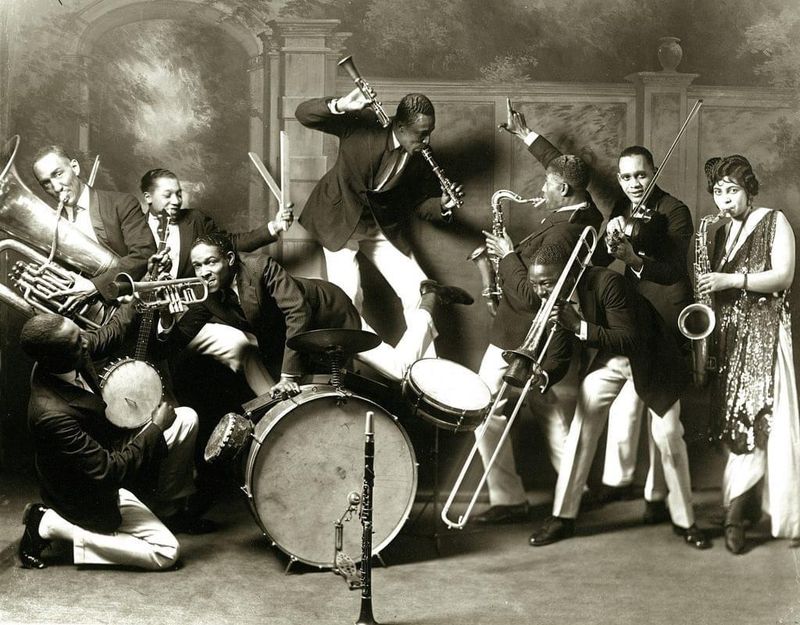
New Orleans was the birthplace of jazz, and by the 1920s the music had spread like wildfire across the entire country. Brass bands played on street corners while clubs along Canal Street and Bourbon Street stayed packed with dancers until the early hours of the morning.
Photographs of early jazz performances capture something almost electric — musicians locked in with each other, eyes closed, bodies swaying. The music born in this city would eventually influence nearly every genre of popular music that followed throughout the twentieth century.
16. American Soldiers Returning Home After WWI
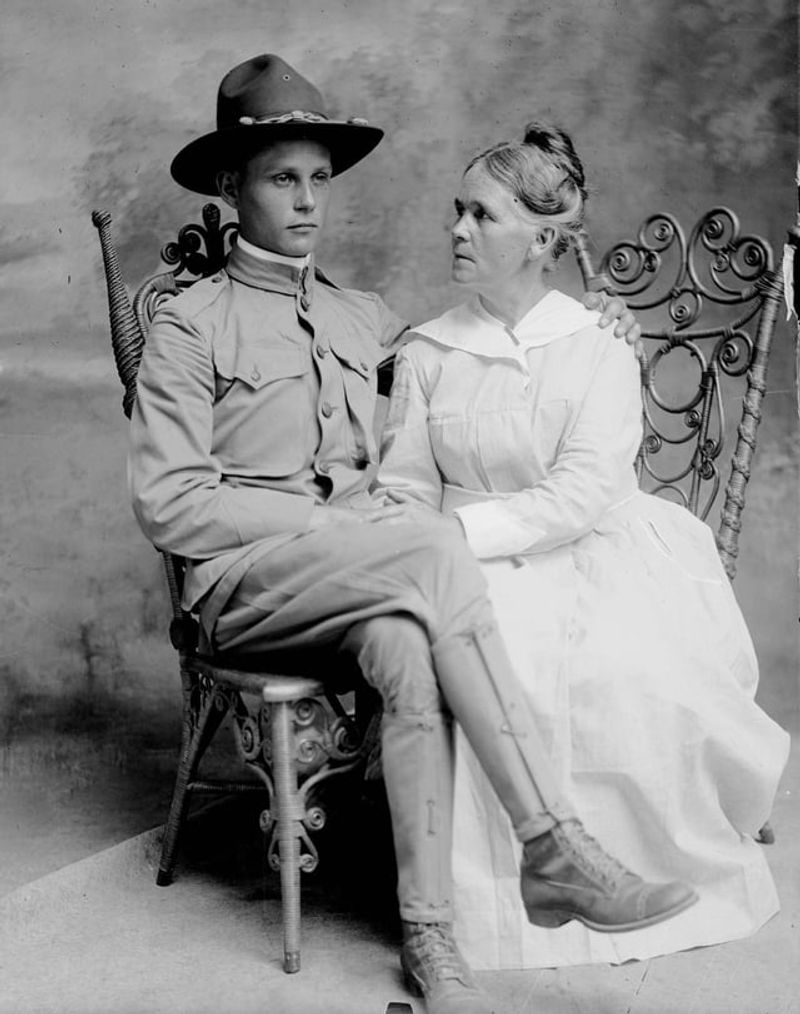
By 1920, millions of American soldiers were finally making their way back home after the horrors of World War I. Docks and train stations across the country erupted in tears, cheering, and frantic searching through crowds to find a familiar face.
Many men came home changed in ways their families could not fully understand. Photographs from these reunions hold both joy and heartbreak in the same frame — celebrations layered over exhaustion, relief wrapped around grief that would take years to heal.
17. Native American Communities in the Southwest
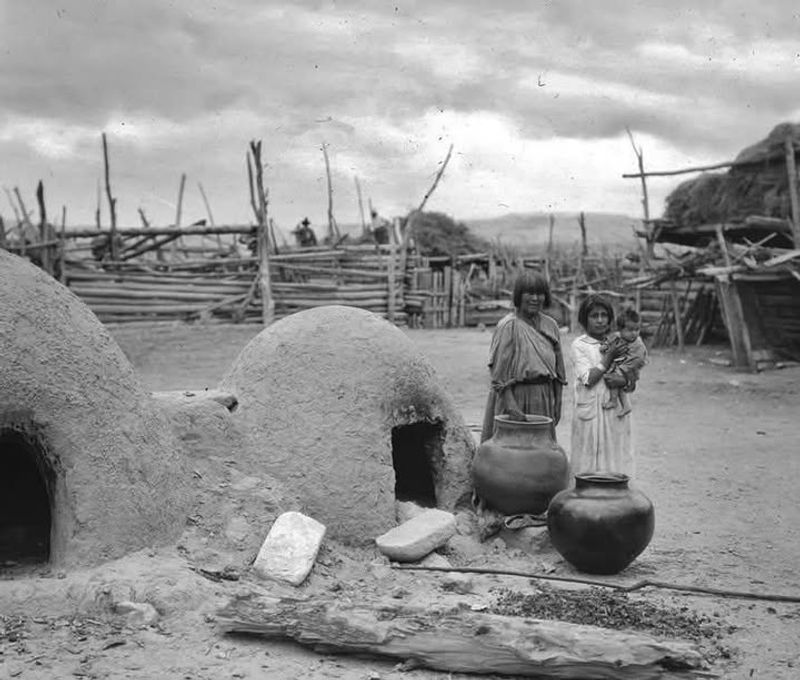
Photographs taken of Native American communities in the Southwest during the 1920s offer a complicated but important window into lives that were rapidly being disrupted by government policies and forced assimilation programs. Many families still lived in adobe homes and maintained traditional practices despite enormous outside pressure to abandon them.
Photographers like Edward Curtis traveled extensively to document these communities, though his work reflected his own cultural biases. Still, the images preserve faces and traditions that deserve to be remembered with honesty and respect.
18. Flapper Women Dancing the Charleston
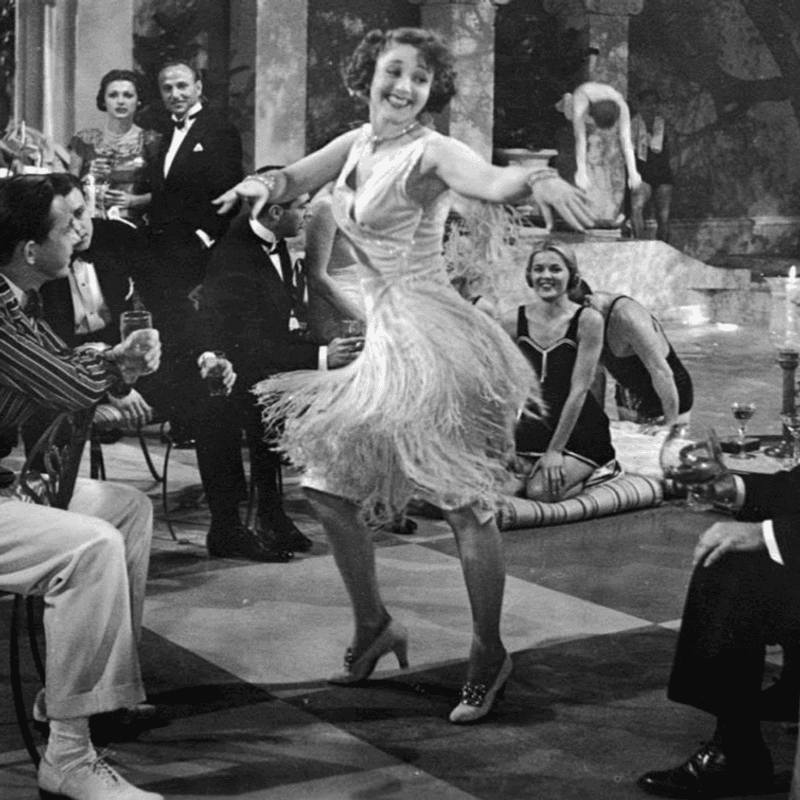
Nothing said rebellion quite like the Charleston in 1920s America. Young women who called themselves flappers cut their hair short, shortened their skirts dramatically, and danced with an energy and freedom that scandalized older generations who saw it as the end of civilization as they knew it.
Dance halls packed with flappers became symbols of a generation refusing to follow the old rules. Looking at photographs of these women laughing and kicking up their heels, it is hard not to admire their sheer, joyful defiance.