
Some screen laughs stay in your head long after the credits roll. A wild cackle can make a villain scarier, while a silly giggle can turn a small moment into your favorite scene.
These characters show how much a laugh can tell us about someone, sometimes without a single word. From creepy clowns to cheerful little troublemakers, each brings a sound worth remembering.
1. The Joker: A Laugh With Many Faces
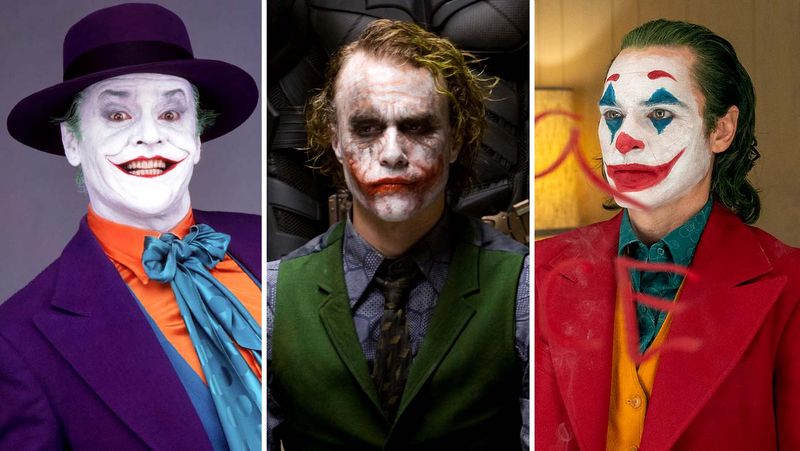
One sound can tell you which Joker has entered the room. Jack Nicholson brings a showy cackle to Batman, while Heath Ledger’s laughter in The Dark Knight feels rough and threatening.
Joaquin Phoenix adds another layer in Joker, where Arthur’s uncontrollable laughter often signals distress rather than joy. Compare their expressions and timing when watching.
Each performance shows how the same character can use laughter to reveal a very different kind of pain or danger.
2. Dr. Evil: Big Plans, Bigger Cackles
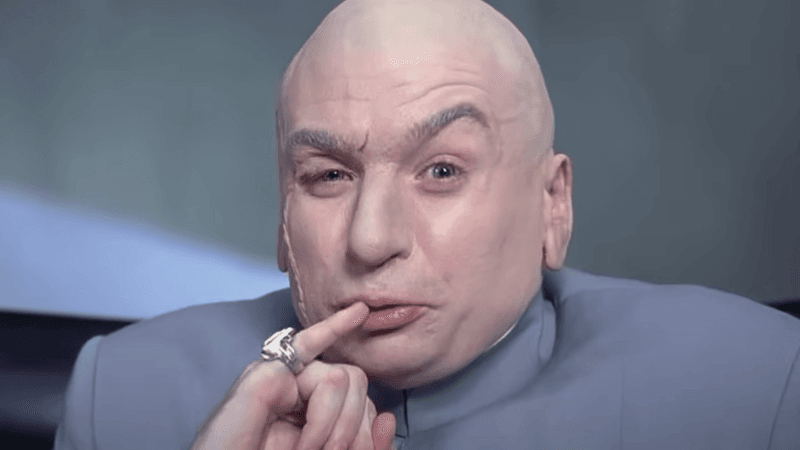
World domination apparently requires a proper evil laugh. In the Austin Powers films, Mike Myers turns Dr. Evil’s dramatic cackling into a joke about villains who take themselves far too seriously.
His raised pinky, stiff posture, and awkward pauses make the routine even funnier. Watch how other characters react instead of focusing only on him.
Their discomfort helps sell the joke: he thinks he looks terrifying, but everyone else sees an embarrassing boss craving attention.
3. The Mask: Cartoon Chaos Comes Alive
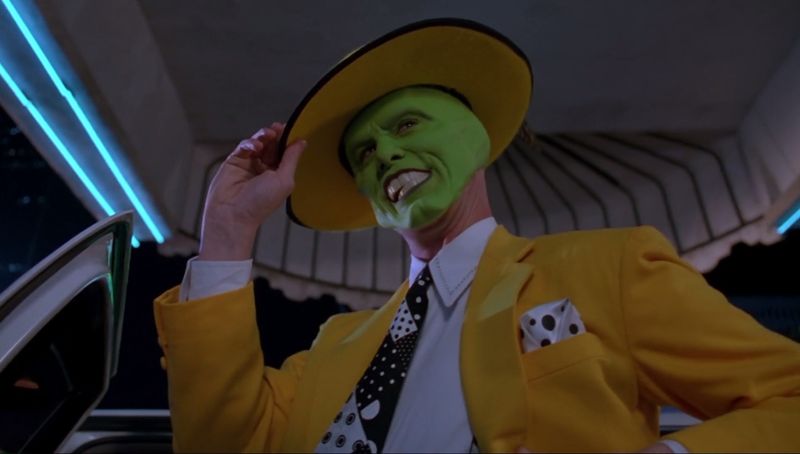
Quiet bank clerk Stanley Ipkiss becomes anything but quiet after putting on a mysterious mask. Jim Carrey fills The Mask with stretchy expressions, booming laughter, and the energy of a cartoon escaping its frame.
The laugh fits a character who suddenly feels free to break every rule. Pay attention to the contrast between shy Stanley and his green alter ego.
That difference makes the wild behavior funnier and shows why the transformation feels so tempting.
4. Muttley: The Snicker That Steals the Show
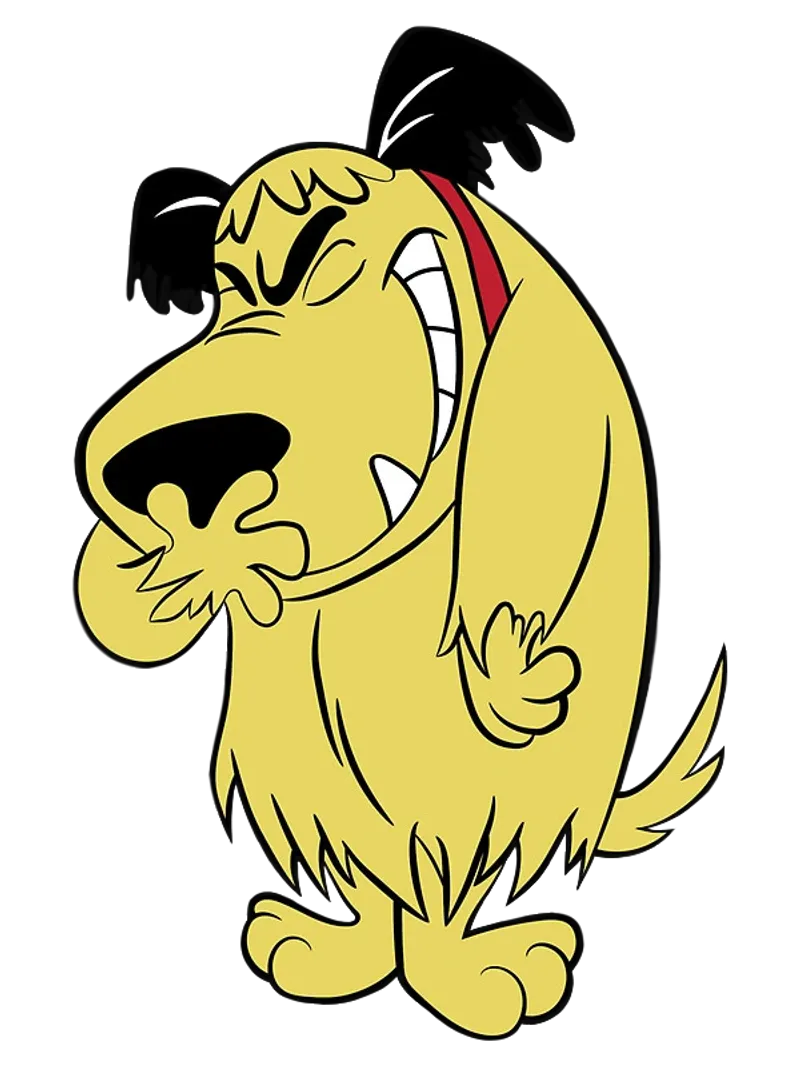
A tiny wheezing snicker can beat a whole speech. Muttley usually laughs when Dick Dastardly’s latest plan goes wrong, giving viewers a furry partner in enjoying the villain’s bad luck.
There is one catch: his best known appearances are television cartoons, especially Wacky Races, rather than movies. He belongs here as a screen comedy bonus from the supplied lineup.
Listen for the muffled rhythm; it makes his amusement sound secretive, cheeky, and impossible to suppress.
5. The Wicked Witch: A Classic Cackle
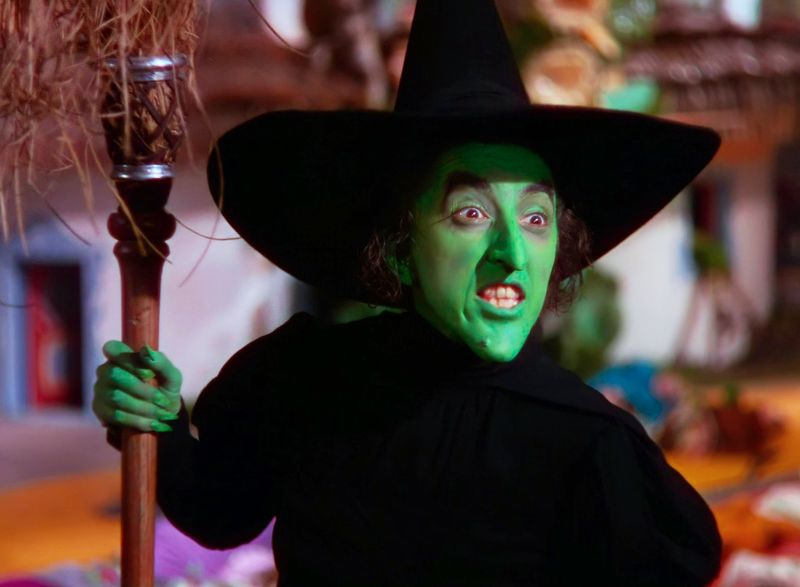
Before many modern movie villains existed, a green witch made laughter sound dangerous. Margaret Hamilton’s performance in The Wizard of Oz pairs a sharp cackle with fierce eyes and sudden threats.
Her voice helps make the fantasy feel risky, even among colorful songs and magical places. Notice how quickly the mood changes when she appears.
The laugh is not simply decoration; it tells Dorothy, and the audience, that someone enjoys having power over frightened people.
6. Pennywise: When Clown Laughter Turns Cold
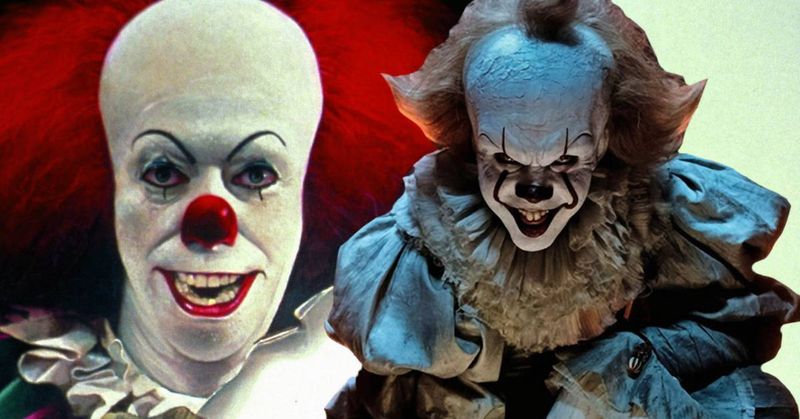
Clowns are supposed to make people smile, which makes Pennywise’s laughter especially unsettling. Tim Curry’s version in the 1990 television miniseries sounds playful until the friendliness starts feeling like a trap.
Bill Skarsgard brings a stranger, more creaturelike energy to the 2017 and 2019 films. Comparing them reveals two ways to twist something familiar into horror.
These stories contain strong scares, so choose clips carefully if you only want to study the performances without nightmares.
7. Chucky: Trouble in a Toy-Sized Package
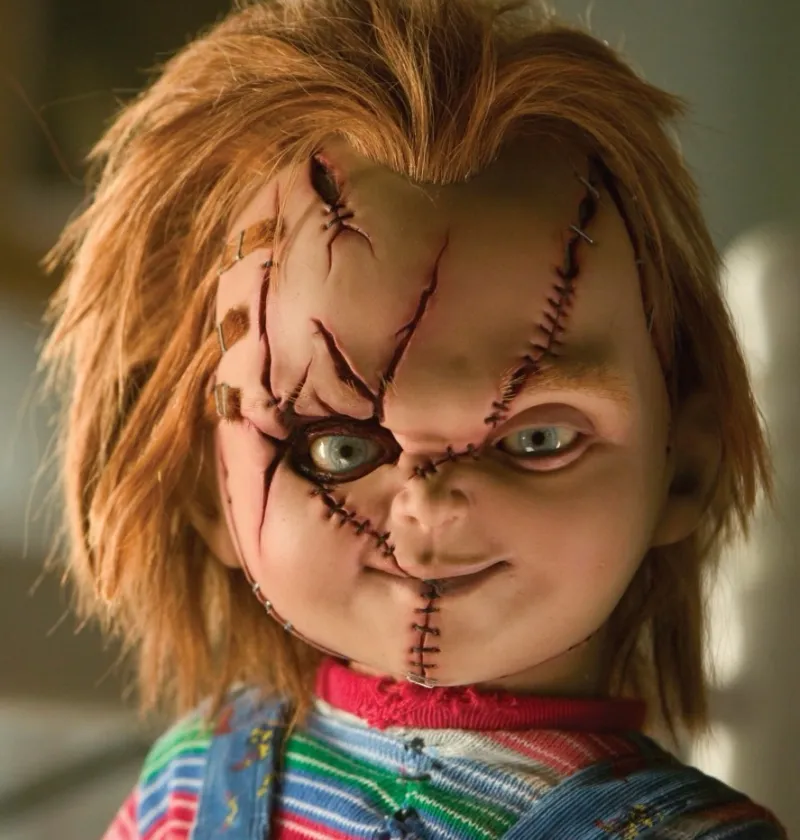
Nothing about that little plastic smile promises safety. In the Child’s Play franchise, Chucky’s nasty chuckle exposes the cruel personality hiding inside a toy that should comfort children.
Brad Dourif’s voice gives the doll attitude, anger, and a disturbing sense of fun. The contrast does much of the work: a small body produces a grown man’s threatening laugh.
For an interesting viewing exercise, notice how the voice changes your impression before Chucky even starts moving.
8. Ed the Hyena: No Words Needed
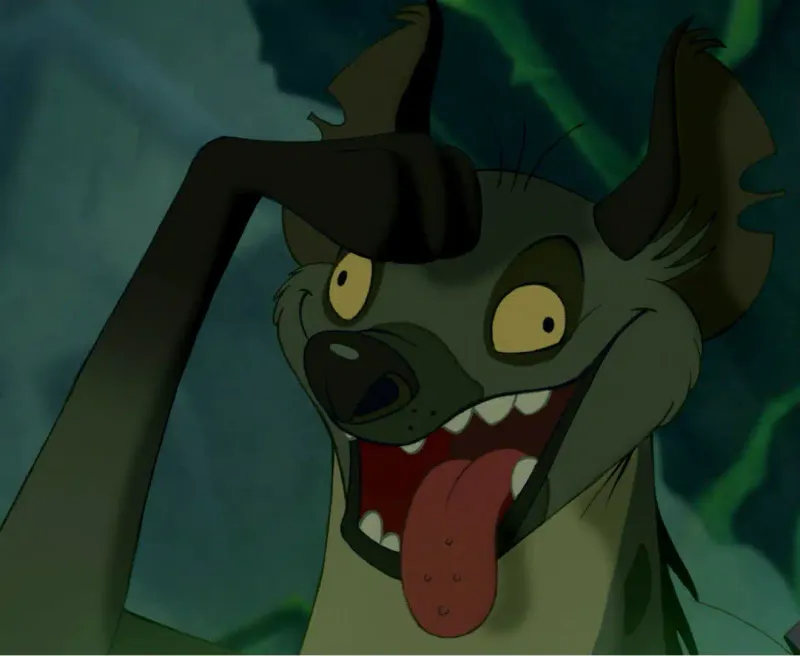
Talking is optional when your laugh does all the explaining. Ed, one of Scar’s hyena followers in The Lion King, communicates largely through goofy expressions and bursts of frantic laughter.
Jim Cummings supplies the voice, turning a simple sound into a clear personality. Ed’s loose jaw and unfocused gaze add to the silliness.
Watch him during group scenes: even without regular dialogue, his reactions keep the trio lively and provide comic relief around the darker plot.
9. Clark Griswold: Holiday Cheer Under Pressure
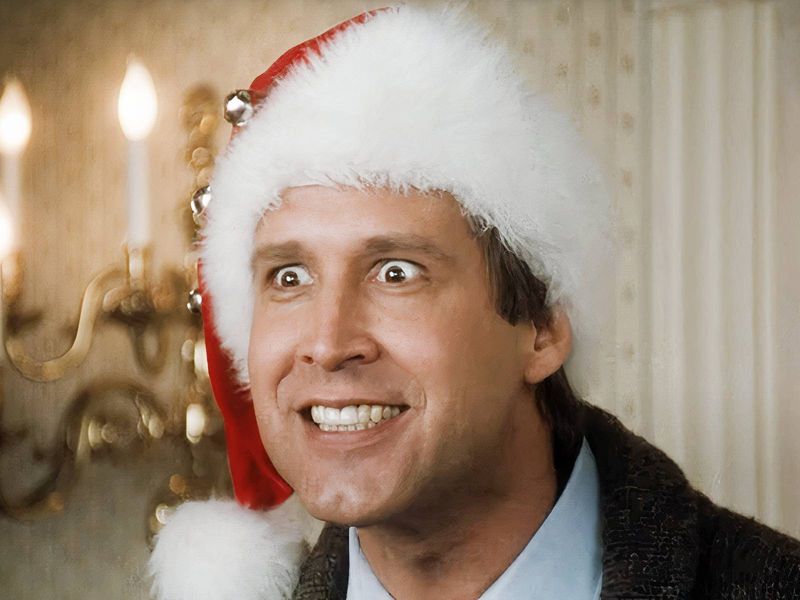
Holiday plans rarely survive a house full of relatives. Chevy Chase makes Clark Griswold’s strained cheer in National Lampoon’s Christmas Vacation feel familiar to anyone who has tried too hard to host perfectly.
His awkward laughter belongs to a wider mix of forced smiles, frustration, and comic blowups. Rather than one signature cackle, the appeal comes from watching his confidence crack.
Notice the pauses after things go wrong; they often make his reactions even funnier.
10. Possessed Regan: A Voice That Does Not Belong
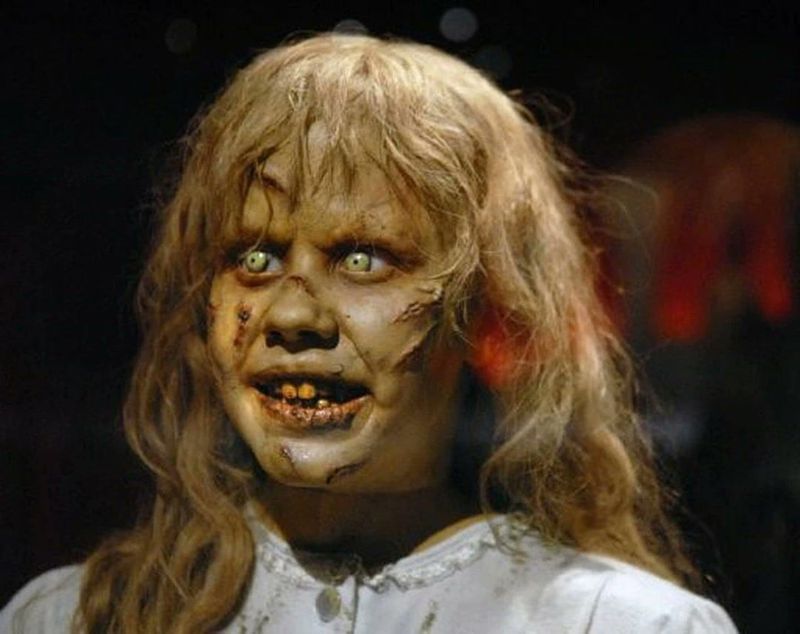
The frightening part is hearing something cruel come from someone so young. In The Exorcist, possessed Regan’s harsh sounds and mocking laughter clash with the child her mother is trying to save.
Linda Blair’s physical performance works alongside vocal contributions from Mercedes McCambridge to create the disturbing effect. Listen to how sound changes the room’s mood, not just the face onscreen.
Because this film includes intense adult horror, younger readers should avoid watching scenes without guidance.
11. Walter Fielding Jr.: The Breaking Point
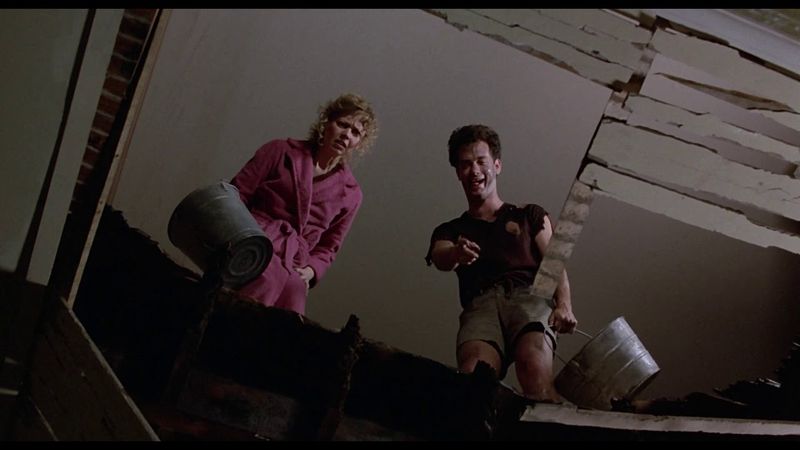
Sometimes a disaster becomes so ridiculous that laughing is the only response left. Tom Hanks captures that feeling in The Money Pit when Walter faces another unbelievable failure in his newly purchased house.
The famous bathtub collapse leads to a long burst of helpless laughter. It is funny because relief and defeat seem tangled together.
Watch the scene’s buildup before the laugh itself; understanding how much has already gone wrong makes his reaction land harder.
12. Eddie Valiant: Laughter as a Secret Weapon
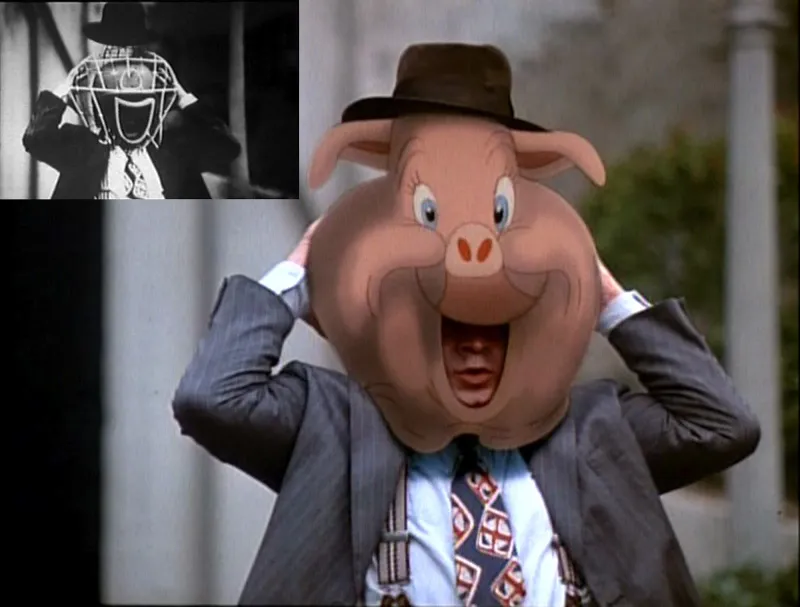
A gloomy detective suddenly becomes a one-man comedy act. Near the end of Who Framed Roger Rabbit, Eddie Valiant uses silly movements and slapstick to make his cartoon weasel captors laugh themselves to death.
Strictly speaking, the unforgettable laughter belongs to the weasels, not Eddie. Bob Hoskins earns his place through the performance that causes it.
The scene also marks a personal change: a man who rejected silliness finally lets humor help him fight back.
13. Sid Phillips: Backyard Mischief Gone Too Far
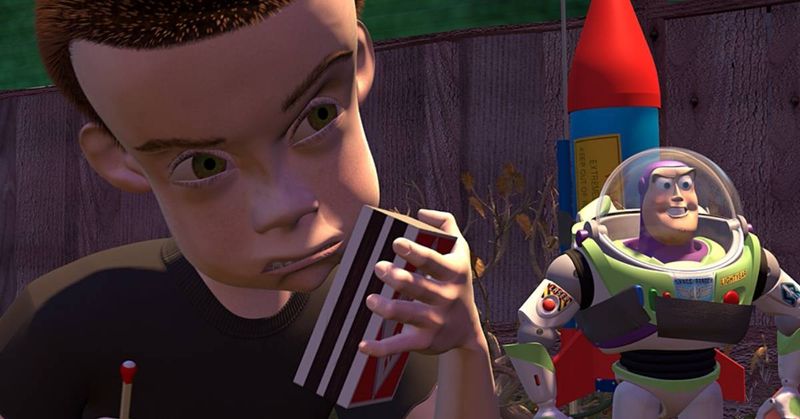
From a toy’s point of view, the kid next door can look like a monster. Sid’s gleeful laughter in Toy Story makes his rough experiments feel even scarier to Woody and Buzz.
His skull shirt and messy room help establish trouble before he says much. Remember, though, that Sid does not initially know the toys are alive.
That detail adds perspective: his behavior looks cruel to us because the movie lets us hear their thoughts.
14. J. Jonah Jameson: The Editor’s Roaring Response
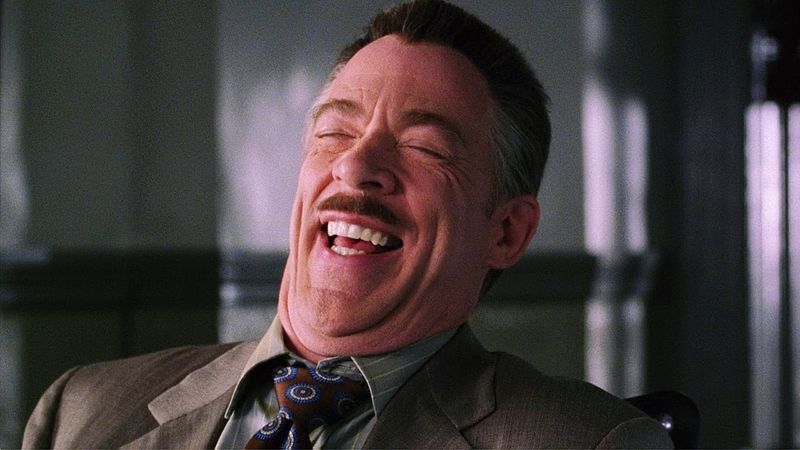
Peter Parker asks a serious question, and his boss practically explodes with laughter. J.K.
Simmons makes J. Jonah Jameson’s booming response a perfect display of the editor’s blunt, dismissive personality.
A useful correction: the widely shared laughing scene comes from Spider-Man in 2002, although Jameson also appears in Spider-Man 2. The sudden return to a stern expression completes the joke.
Watch that quick switch to see how facial timing can be just as funny as sound.
15. The Hobo Ghost: A Raspy Rooftop Mystery
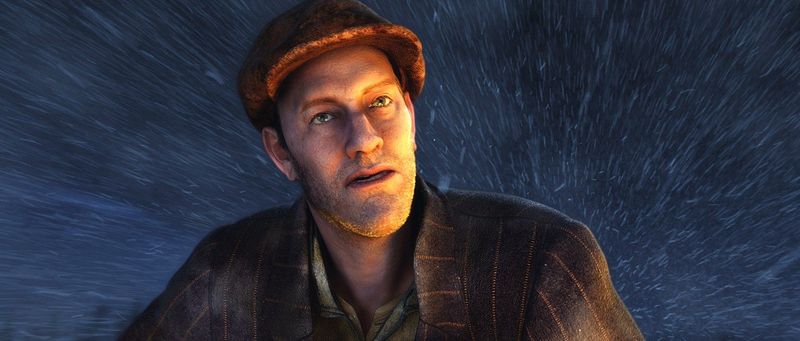
High above the passengers, a mysterious traveler makes the train ride feel stranger. The rooftop figure in The Polar Express, usually called the Hobo, speaks and chuckles with a rough, knowing voice.
Tom Hanks gives him a teasing quality that leaves the boy unsure what to believe. His ghostly appearances invite questions rather than clear answers.
Listen for the contrast between his raspy amusement and the cozy holiday setting; it adds an unexpected edge to the adventure.
16. Beetlejuice: Rotten Manners, Wild Amusement
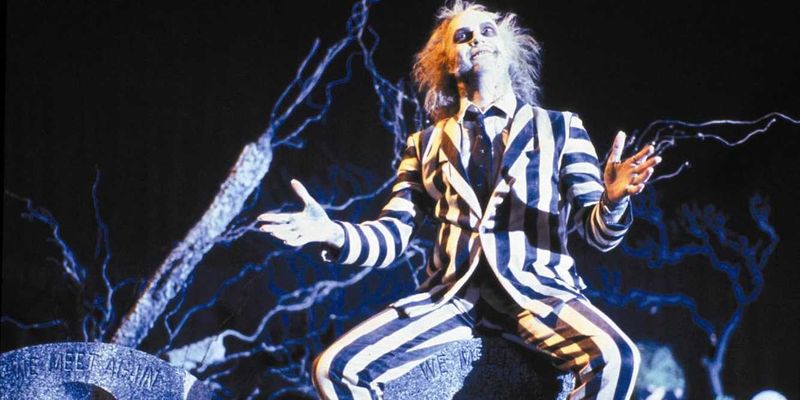
You would not want this guest staying for dinner. Michael Keaton’s Beetlejuice laughs with the same grubby confidence he brings to every rude joke, crooked deal, and unwanted interruption.
In the 1988 film, his amusement suggests he enjoys making everyone else uncomfortable. The voice, makeup, and restless movements work together, so the laugh never feels separate from the character.
Watch how quickly he shifts from joking to threatening; that unstable mood keeps his comedy wonderfully unpleasant.
17. The Minions: Giggles With No Translation Needed
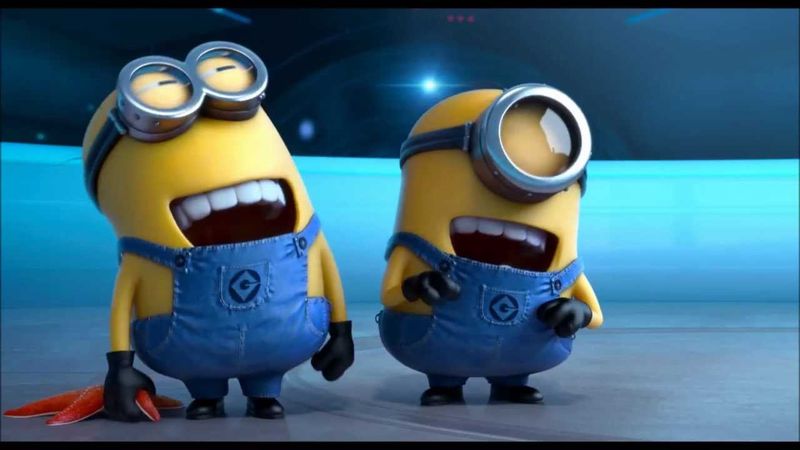
A joke does not need clear words when the giggling is this contagious. The Minions in Despicable Me turn squeaks, babble, and bursts of laughter into a language almost anyone can follow.
Their delight often comes from childish pranks or something wonderfully silly. Watch their bodies as well as their faces: bouncing shoulders and shared glances spread the joke across the group.
Their appeal shows how simple reactions can connect audiences even when spoken language gets confusing.
18. Archimedes: The Owl Who Cannot Keep a Straight Face
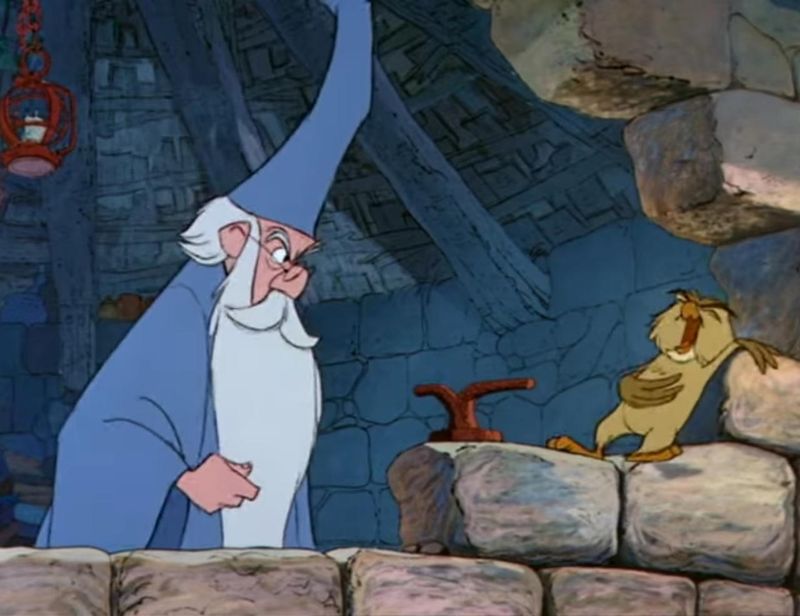
Even a wise owl can lose control when something strikes him as funny. Archimedes, Merlin’s grumpy companion in The Sword in the Stone, breaks into memorable laughter that cuts through his usual serious attitude.
Voiced by Junius Matthews, he mixes sharp judgment with unexpected warmth. His amusement makes him feel like more than a talking animal who explains things.
Notice how his laughter changes your view of him: underneath the complaints sits someone capable of real delight.