
Divorce doesn’t just end a marriage — it reshapes almost every part of your life. From your finances and friendships to how you see yourself, the changes can feel overwhelming and sometimes permanent.
Knowing what to expect ahead of time can make a huge difference. Here are 18 things that shift for good once a divorce is finalized.
1. Tax Filing Status

The moment your divorce is finalized, your tax filing status changes — and that shift sticks. As of December 31st of the tax year, you are no longer “married filing jointly.” You will now file as “single” or possibly “head of household” if you have a qualifying child.
This change affects how much you owe, what credits you can claim, and even what refund you might receive. Getting familiar with your new status early saves headaches later.
2. Tax Rates and Standard Deductions

Here is something many people do not realize until tax season hits: single filers face lower income thresholds for each tax bracket. That means a portion of your income could be taxed at a higher rate than before, even if your actual paycheck has not changed much.
Standard deductions also differ for single filers compared to married ones. Working with a tax professional after divorce helps you plan smarter and avoid unpleasant surprises when April rolls around.
3. Alimony and Child Support Tax Rules

Signed your divorce agreement in 2019 or later? Then alimony payments work differently than you might expect.
The person paying alimony cannot deduct those payments from their taxes, and the person receiving them does not report it as income — a big shift from older rules.
Child support has always been tax-neutral: neither deductible nor taxable for either party. Knowing these distinctions upfront helps both sides budget realistically and avoid costly misunderstandings come tax time.
4. Who Claims the Kids as Dependents

Only one parent can claim a child as a dependent on their tax return each year — and that decision carries real financial weight. Whoever claims the child may qualify for the Child Tax Credit, the Earned Income Credit, and the Head of Household filing status, all of which can mean significant savings.
Parents often alternate years or negotiate this in their divorce agreement. Getting this detail in writing prevents confusion, conflict, and potential IRS issues down the road.
5. Overall Household Income and Expenses

Running one household on two incomes is very different from running two households on one income each. Studies consistently show that household income drops after divorce — especially for women — while total expenses climb because rent, utilities, and groceries do not split themselves anymore.
The financial reality can feel like a cold splash of water. Building a clear picture of your new monthly cash flow as early as possible gives you a real advantage in making this transition manageable.
6. Your Personal Budget

The budget you shared as a couple simply does not work anymore. A fresh personal budget needs to account for your solo income, new housing costs, utilities, transportation, childcare, and debt obligations — all on your own.
Many people underestimate how many small shared expenses quietly disappear and reappear as full solo costs. Starting with a zero-based budget — where every dollar gets a job — is a practical way to regain control and reduce financial anxiety during this adjustment period.
7. Bank Accounts and Credit

Joint accounts do not just disappear after divorce — they need to be actively separated. New individual checking and savings accounts must be opened, and any shared credit cards or loans need to be addressed before they become a liability for both parties.
Your credit history may also take a hit if joint debts were mismanaged during the divorce process. Monitoring your credit report closely in the months following your divorce is one of the smartest financial moves you can make.
8. Retirement Savings and Division

Retirement accounts built during a marriage are typically considered shared marital property — meaning they get divided. For employer-sponsored plans like a 401(k), a special legal document called a Qualified Domestic Relations Order (QDRO) is usually required to split the funds without triggering taxes or penalties.
Missing this step can be a costly mistake. Starting retirement savings fresh after divorce is challenging, but understanding exactly what you are walking away with helps you plan a realistic path forward.
9. Social Security Benefit Eligibility
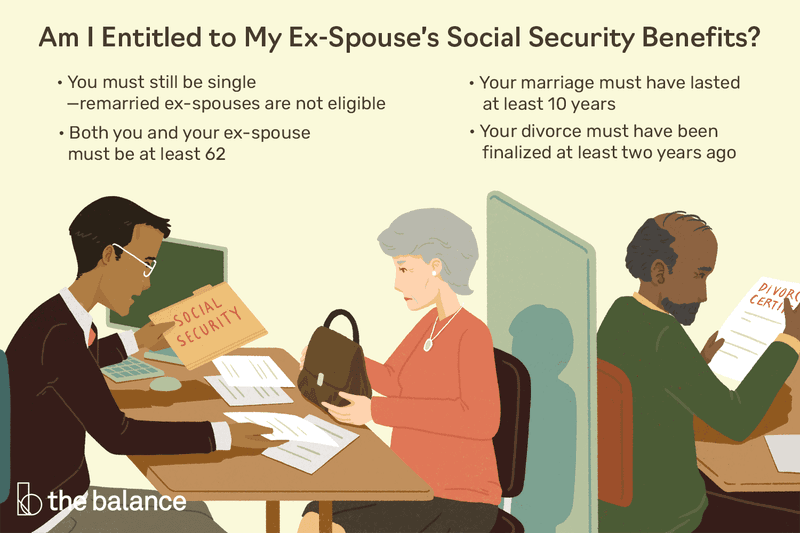
Did you know a divorce does not necessarily cut you off from your ex-spouse’s Social Security benefits? If your marriage lasted at least 10 years and you are 62 or older and currently unmarried, you may be eligible to collect benefits based on their earnings record.
This benefit does not reduce what your ex receives, so there is no financial conflict in claiming it. Checking your eligibility with the Social Security Administration after divorce could meaningfully improve your retirement income.
10. Health Insurance Coverage

Losing coverage under a spouse’s employer health plan is one of the most immediate and stressful changes after divorce. You typically have 60 days to find new coverage through options like COBRA, ACA marketplace plans, or your own employer’s benefits.
COBRA keeps your existing coverage but can be expensive. Children can generally stay on a parent’s plan regardless of custody arrangements, which offers some peace of mind.
Shopping plans carefully — and comparing total costs, not just premiums — saves money long-term.
11. Estate Planning Documents

After a divorce, your old will, trust, power of attorney, and healthcare directive are dangerously outdated. In many cases, a former spouse is still named as executor or healthcare decision-maker — and unless those documents are updated, they could legally retain that authority.
Updating estate planning documents should happen as soon as possible after the divorce is finalized. An estate planning attorney can help ensure your wishes are properly reflected and that the right people are in charge if something happens to you.
12. Beneficiary Designations
Here is a mistake that happens more often than people realize: forgetting to update beneficiary designations after divorce. Life insurance policies, 401(k) accounts, IRAs, and payable-on-death bank accounts all pass directly to whoever is listed — regardless of what a will says.
That means an ex-spouse could still inherit significant assets if designations are not changed. Courts generally cannot override these designations.
Updating them immediately after your divorce is finalized is one of the most important financial steps you can take.
13. Spousal Estate Tax Exemption

Married couples enjoy a powerful financial perk called the unlimited marital deduction, which allows them to pass an entire estate to a surviving spouse completely free of federal estate tax. After divorce, that protection disappears entirely.
Depending on the size of your estate, this could create a significant tax burden for your heirs. Estate planning after divorce becomes even more critical for those with substantial assets.
Consulting with a financial advisor or estate attorney helps you restructure your plan effectively for your new situation.
14. Mental Health and Emotional Well-Being

Divorce consistently ranks among life’s most stressful events — right up there with losing a job or a loved one. Increased anxiety, depression, sleep problems, and feelings of deep loneliness are all common in the months and even years following a divorce.
Reaching out for support is not a sign of weakness; it is a genuinely smart move. Therapy, support groups, and even regular exercise can all make a measurable difference.
Taking mental health seriously during this time protects your long-term well-being and your ability to move forward.
15. Your Sense of Identity

Marriage quietly shapes who you are — your routines, your roles, your sense of purpose. When it ends, many people experience what psychologists call an “identity gap,” a disorienting period where the person you were within the marriage no longer quite fits the life you now have.
Rebuilding a sense of self takes time, and that is completely normal. Reconnecting with old hobbies, setting personal goals, and surrounding yourself with supportive people all help you rediscover — and often redefine — who you really are on your own terms.
16. Friendships and Social Circles

Shared friendships are one of the quieter casualties of divorce. Mutual friends often feel pulled in two directions, unsure of whose side to take or how to stay close to both people without it feeling awkward.
Some friendships quietly fade, while others shift in unexpected ways.
Losing a social circle on top of everything else stings in a very specific way. Putting energy into friendships that are genuinely yours — not just shared ones — and staying open to building new connections helps fill that gap over time.
17. Extended Family Relationships

In-laws can feel like family for years — and then suddenly, everything changes. After divorce, relationships with former in-laws and extended family members often become complicated, distant, or even strained, depending on how the separation unfolded.
When children are involved, maintaining respectful relationships with the other side of the family matters for their well-being. Some former in-laws remain warmly supportive; others pull away entirely.
Navigating these relationships with grace, especially during holidays and milestones, takes patience and a willingness to redefine what family connection looks like now.
18. Parenting Roles and Co-Parenting Dynamics

Parenting after divorce is a whole different experience. Roles that were once shared now need to be clearly defined, and decisions that used to happen naturally over dinner now require scheduled conversations, written agreements, and a lot of intentional communication.
A structured parenting plan helps reduce conflict and keeps the focus where it belongs — on the kids. Co-parenting is rarely easy, especially when emotions run high.
But children thrive when both parents commit to consistency, cooperation, and putting their children’s needs ahead of personal disagreements.