
Grandma’s recipe box holds more than old index cards. It holds cakes that once starred at birthday parties, church suppers, and Sunday dinners.
Many of these treats are slowly fading away as trendy desserts take over. Here are the classic cakes worth saving, so your kids and grandkids can taste a little bit of history.
1. Hummingbird Cake
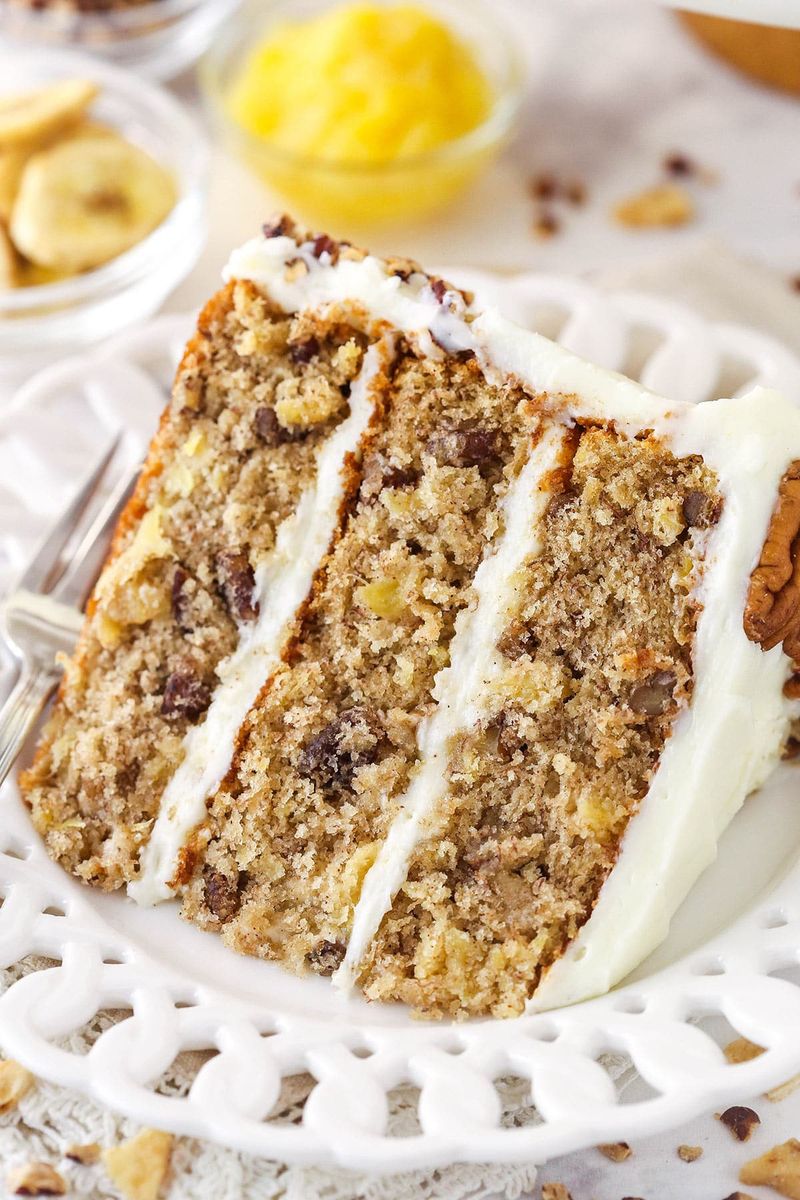
Back in 1978, a reader sent this recipe to Southern Living magazine, and it became the most requested recipe in the magazine’s history. Pretty impressive for a cake with bananas and pineapple!
The fruit keeps every layer super moist, while pecans add a nice crunch. Cream cheese frosting ties it all together.
Tip: use very ripe, spotty bananas. They bring more sweetness and make the cake taste even better the next day.
2. Pineapple Upside-Down Cake
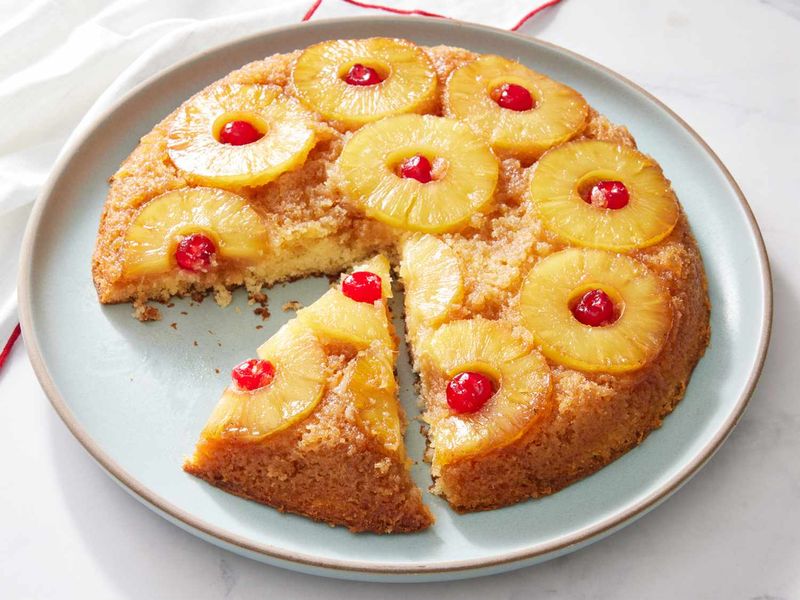
Flipping this cake over feels like a magic trick. One quick turn of the pan, and shiny pineapple rings with glowing red cherries appear on top.
Canned pineapple became cheap and easy to find in the 1920s, and home bakers went wild for this dessert. A cast iron skillet works best because it spreads heat evenly.
Let it cool for about five minutes before flipping. Wait too long, and the caramel sticks.
3. Lane Cake
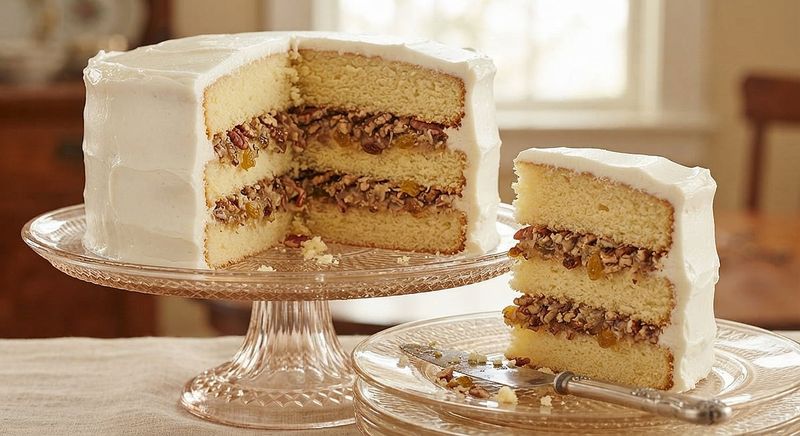
Ever heard of a cake that won a county fair and later showed up in a famous novel? Emma Rylander Lane of Alabama created it in the 1890s, and Harper Lee mentioned it in To Kill a Mockingbird.
Fluffy white layers hide a rich filling of raisins, pecans, and coconut. Traditionally, it includes bourbon, but grape juice works well for a family-friendly version.
Bake it a day early. The flavors blend beautifully overnight.
4. Tomato Soup Spice Cake
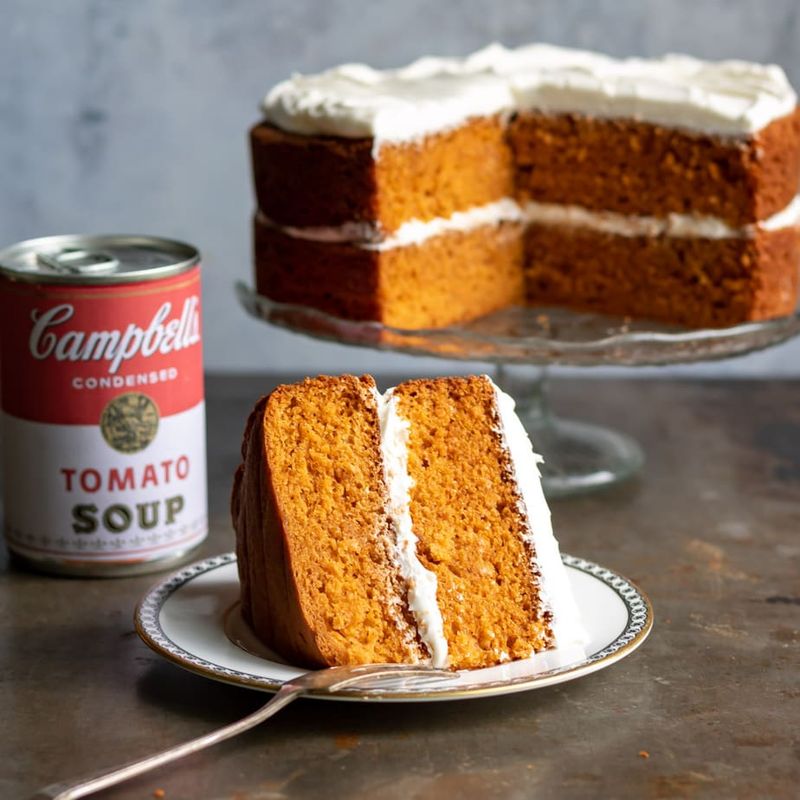
Yes, really. Soup in a cake!
Depression-era cooks were clever, and canned tomato soup gave their spice cakes moisture without needing extra eggs or butter.
Don’t worry, nobody will guess the secret. Cinnamon, cloves, and nutmeg cover up any tomato taste, leaving a warm, cozy flavor that tastes a lot like carrot cake.
Serve it to friends first, then reveal the mystery ingredient. Their surprised faces are half the fun.
5. Lady Baltimore Cake
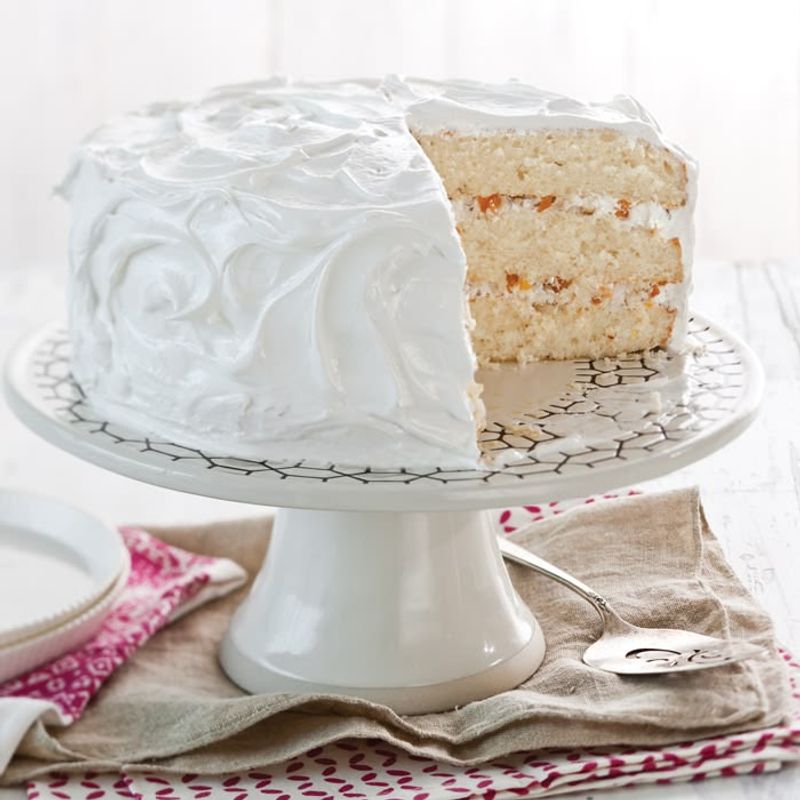
Fancy and a bit mysterious, this Southern beauty got its name from a 1906 novel by Owen Wister. Readers loved the book so much that bakeries started selling the cake described in it.
It has light white layers, a filling of chopped figs, raisins, and nuts, and a cloud of fluffy boiled frosting on top.
Want a wow dessert for a bridal shower or tea party? This one looks gorgeous on any table.
6. Wacky Cake
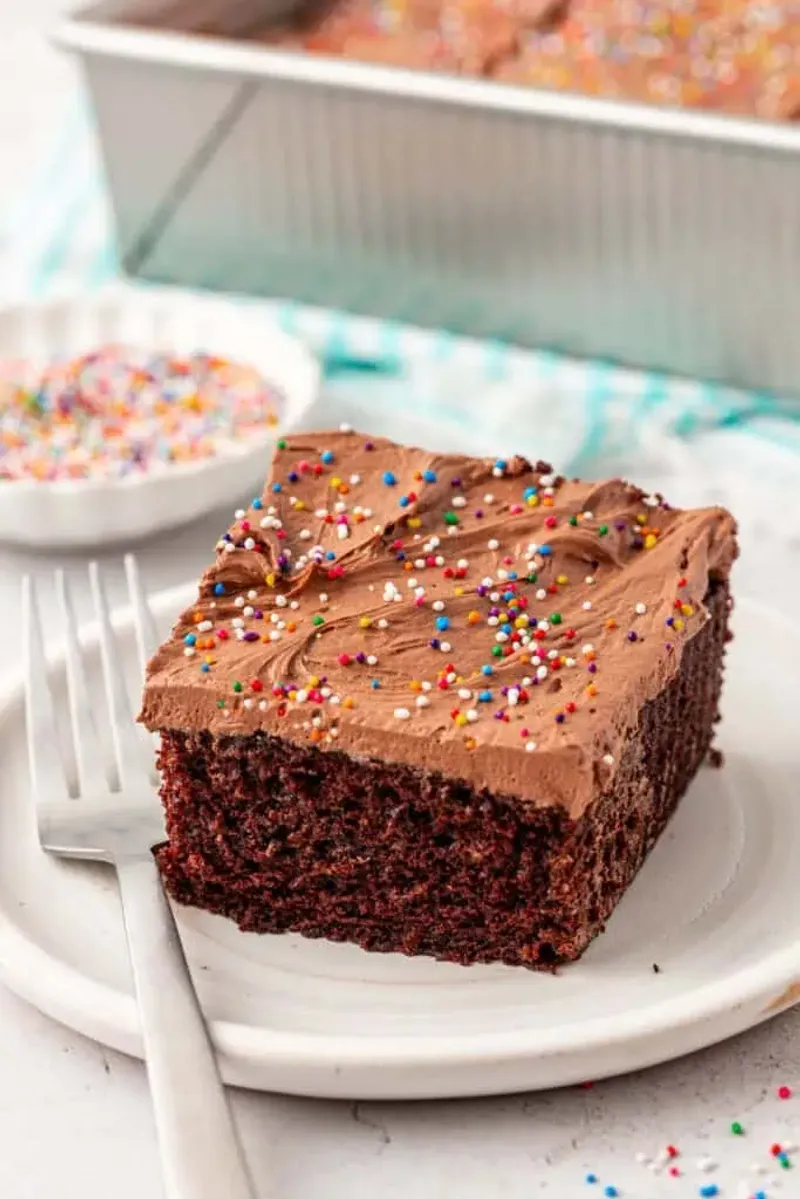
No eggs. No milk.
No butter. During World War II, families faced food rationing, so they invented a chocolate cake without any of those things.
Vinegar and baking soda make it rise, and oil keeps it soft. You can even mix everything right in the baking pan, which means fewer dishes to wash!
Kids love helping with this one. It’s also a great choice for friends with egg or dairy allergies.
7. Boston Cream Pie
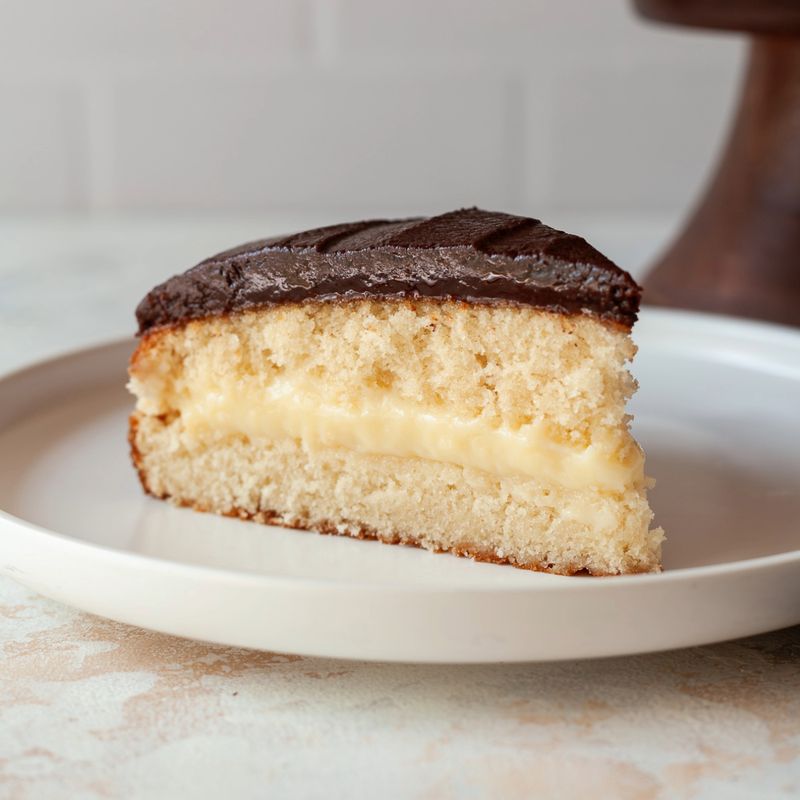
Here’s a fun puzzle: it’s called a pie, but it’s totally a cake. Chefs at Boston’s Parker House Hotel created it in 1856, and back then, cakes and pies were often baked in the same pans.
Soft sponge layers hold a thick vanilla custard, all topped with shiny chocolate glaze.
Massachusetts even named it the official state dessert in 1996. Keep leftovers in the fridge since the custard needs to stay cold.
8. Lazy Daisy Cake
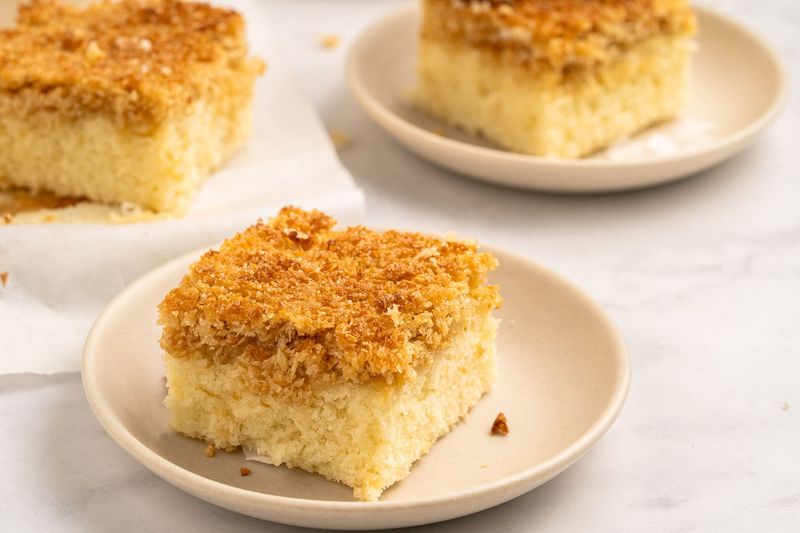
Grandmothers in the 1930s and 40s loved a recipe that tasted amazing without much fuss. Lazy Daisy fits that bill perfectly.
A soft, buttery sponge cake bakes quickly. Then you spread on a mix of brown sugar, butter, and coconut, and slide it under the broiler until it bubbles and turns golden.
Watch it closely, though! That topping can go from toasty to burnt in less than a minute.
9. Chiffon Cake
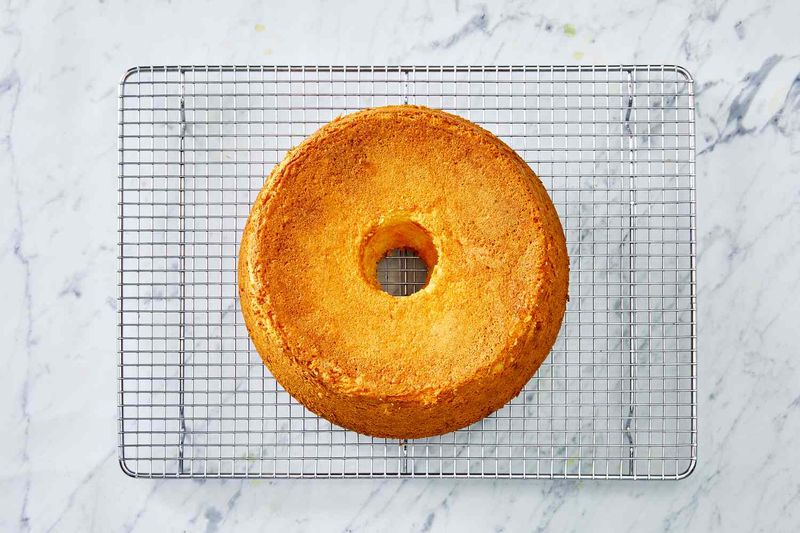
A Los Angeles insurance salesman named Harry Baker invented chiffon cake in 1927 and kept his recipe a secret for twenty years. His hidden ingredient?
Vegetable oil instead of butter.
The result is a cake that’s as light as angel food but richer and moister.
Bake it in a tube pan and cool it upside down. Hanging it that way keeps the tall, airy shape from sinking.
10. Red Velvet with Ermine Frosting
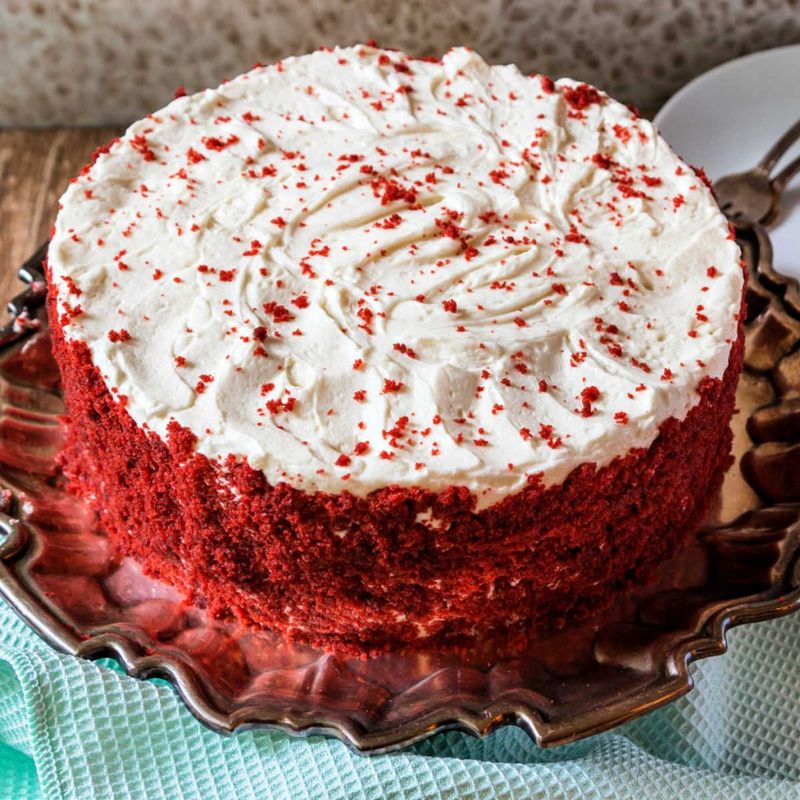
Most people today top red velvet with cream cheese frosting. The original, though, used something called ermine frosting.
It starts as a cooked mix of milk and flour, which sounds strange. Once you whip in butter and sugar, it turns silky, light, and not too sweet, almost like whipped cream.
Try the old way at least once. Many bakers say it lets the gentle cocoa flavor of the cake really shine.
11. Icebox Cake
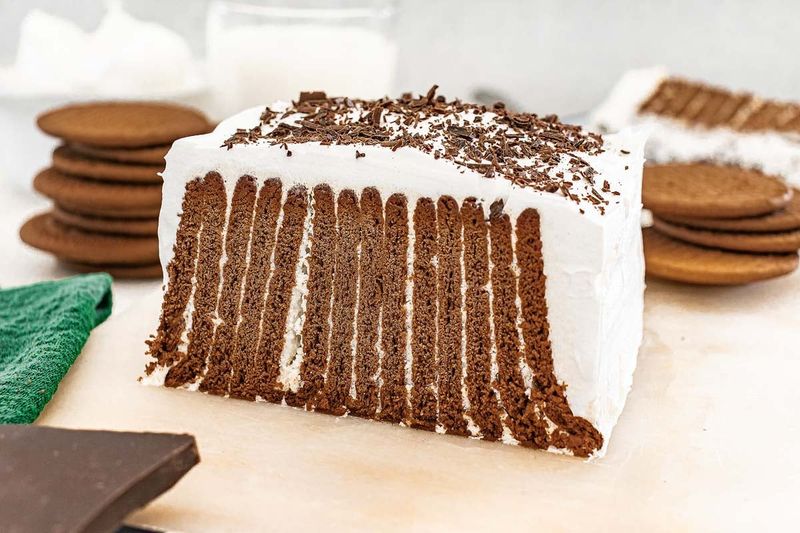
Picture a hot summer afternoon in 1930, no oven required. Cooks stacked thin chocolate wafers with whipped cream and left them in the icebox overnight.
By morning, the crunchy cookies had softened into a cake-like texture. Slice it at an angle and you’ll see pretty stripes inside.
It’s possibly the easiest cake on this list, so it makes a perfect first baking project for young kids who want to help.
12. Texas Sheet Cake
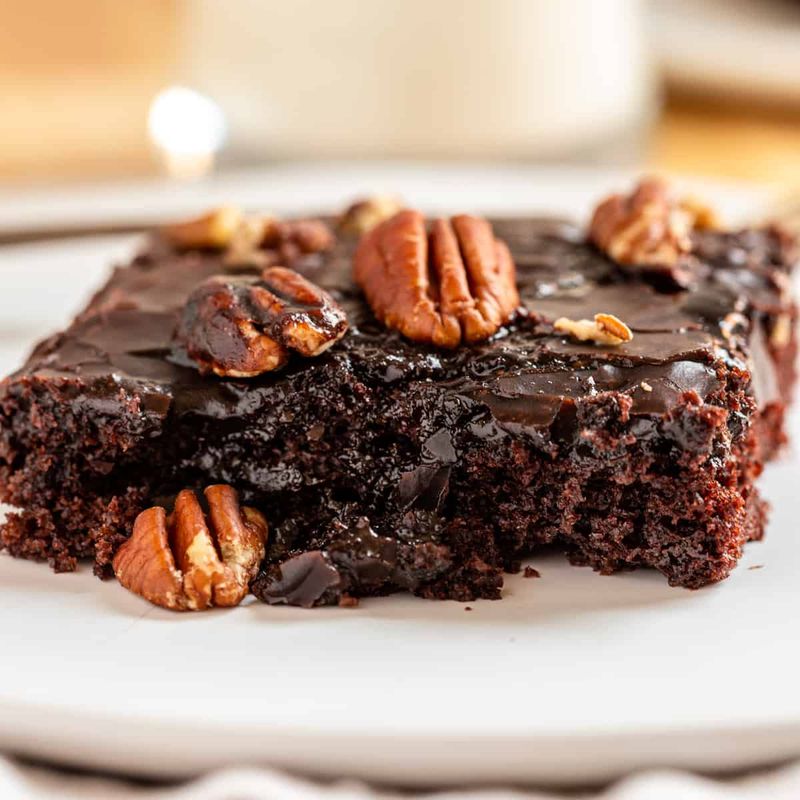
Feeding a crowd? Texans figured this out long ago.
A huge, thin chocolate cake bakes in a big sheet pan in about twenty minutes.
The real secret is pouring warm fudge frosting with pecans right onto the hot cake. It soaks in a little and sets into a glossy, fudgy layer.
Bring it to potlucks, team parties, or family reunions. You’ll probably come home with an empty pan and a dozen recipe requests.
13. Old-Fashioned Pound Cake
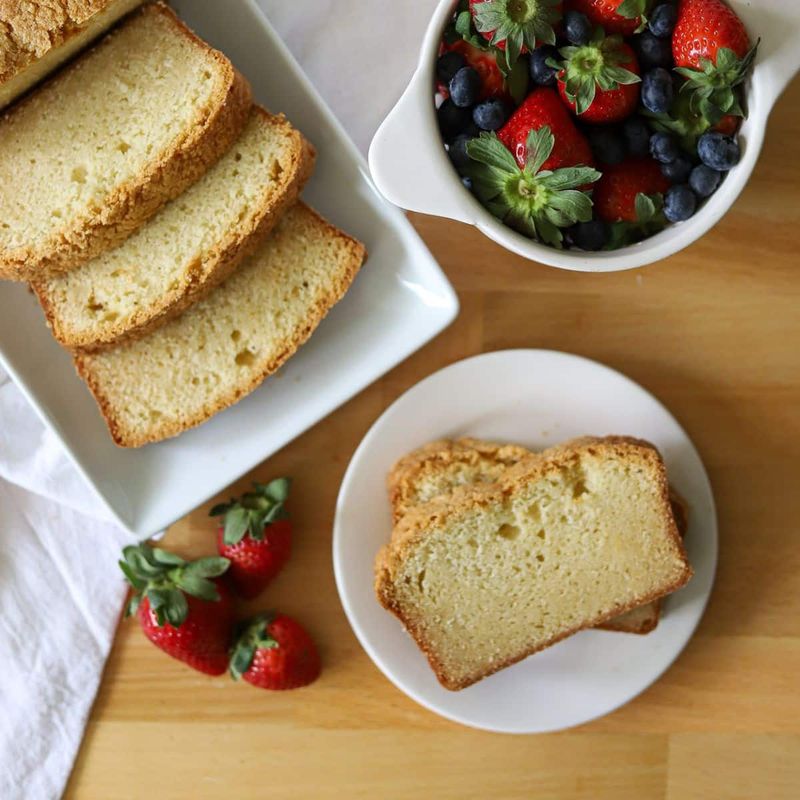
Long before measuring cups were common, bakers used a simple rule: one pound each of butter, sugar, eggs, and flour. Easy to remember, right?
That classic formula dates back to the 1700s. The cake comes out dense, buttery, and golden, with a crackly top everyone fights over.
Make sure your butter and eggs sit at room temperature first. Cold ingredients won’t blend smoothly, and your cake may turn out heavy instead of tender.
14. Election Cake
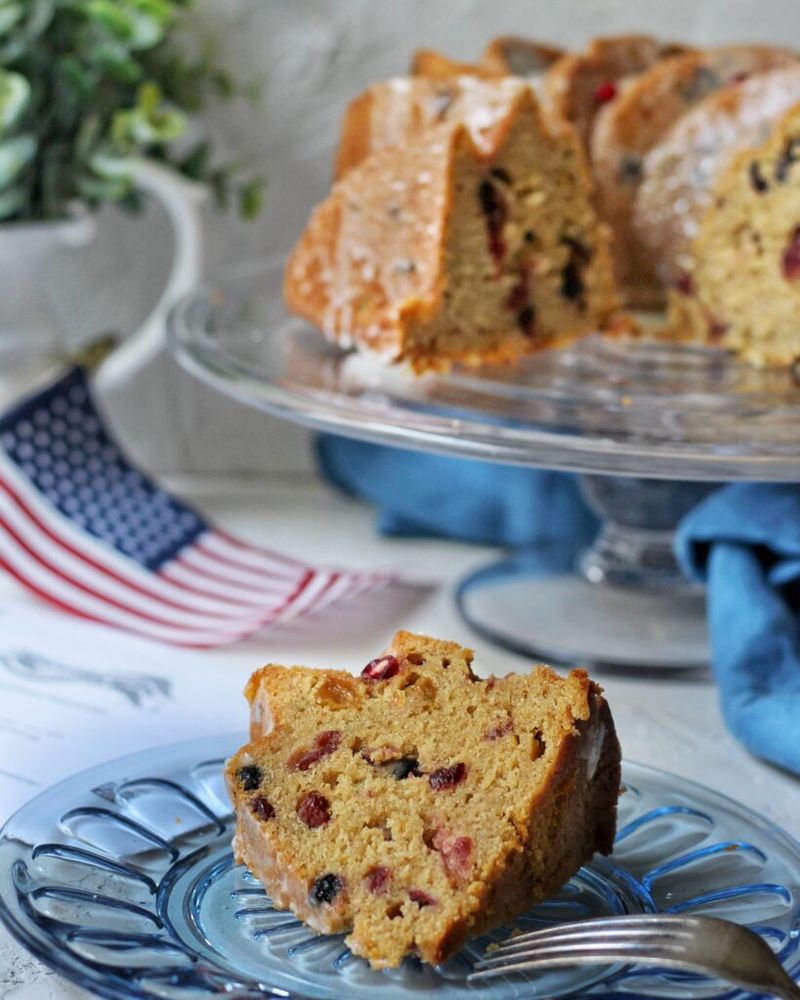
Voting day used to come with dessert! In colonial New England, towns baked giant yeast-raised fruit cakes to reward people who traveled in to vote.
Some recipes from the 1700s called for thirty quarts of flour. Today’s version is much smaller, packed with raisins, warm spices, and a simple glaze.
It takes time to rise, so start early. Then share a slice with neighbors and chat about why community traditions matter.
15. Coconut Layer Cake
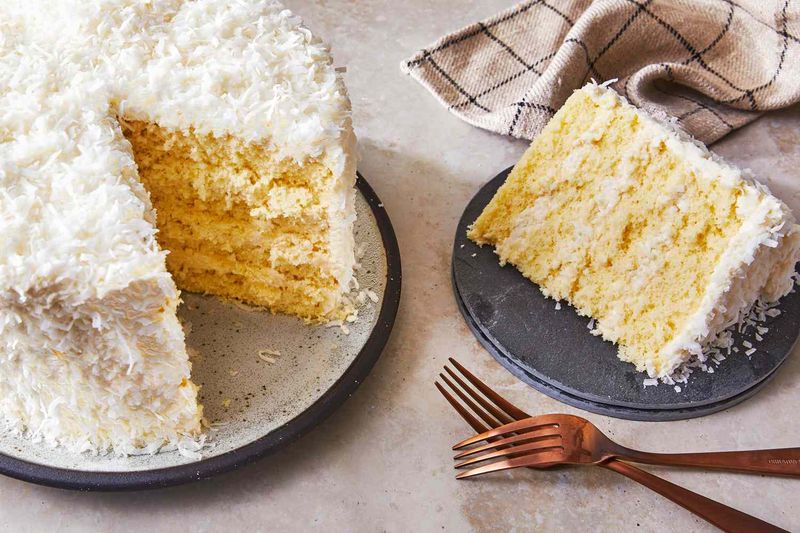
Snowy white and covered in coconut flakes, this tall beauty was a holiday star in Southern homes for decades.
Grandmas often cracked fresh coconuts and used the milk to flavor the layers. You can skip that step with canned coconut milk and bagged flakes.
Press the coconut onto the frosting with your palm instead of sprinkling it. You’ll get better coverage and that classic fluffy look everyone remembers from Easter dinners.
16. Applesauce Cake
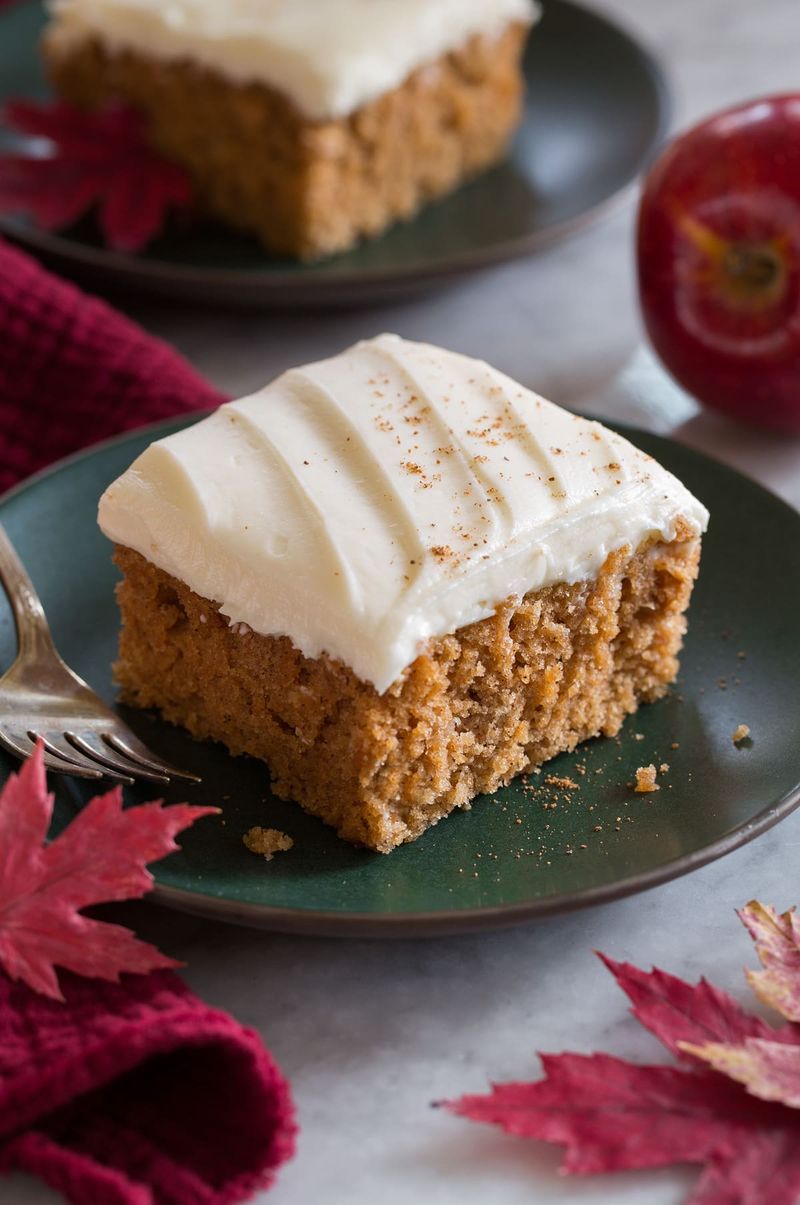
Autumn smells like this cake. Cinnamon, nutmeg, and allspice fill the house while it bakes.
Applesauce became popular in cakes during wartime when butter and sugar were scarce. It adds natural sweetness and keeps the crumb soft for days.
Raisins and walnuts are common add-ins.
Homemade applesauce gives the best flavor, but store-bought works fine. Unsweetened is the way to go so you can control the sugar.
17. Watergate Cake
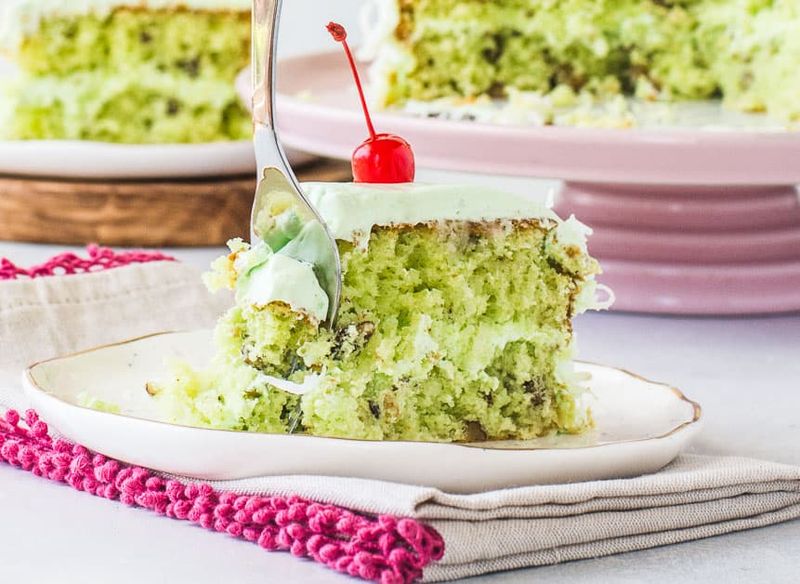
Bright green and a little silly, this cake is pure 1970s fun. Pistachio pudding mix gives it that wild color and a nutty flavor.
Nobody knows for sure how it got its name. One popular joke says it was named after the Watergate scandal because it was full of nuts and covered up!
Kids usually love the color. It’s a great conversation starter at parties and needs only a few easy boxed ingredients.