
A simple grater can turn plain vegetables into something brand new. Once you shred them, veggies cook faster, blend into sauces, and sneak into foods you never expected.
Shredding is also a smart way to eat more vegetables without feeling like you are chewing on a salad all day. Grab a box grater and get ready to see your fridge in a whole new way.
1. Zucchini: The Secret Agent of Baking
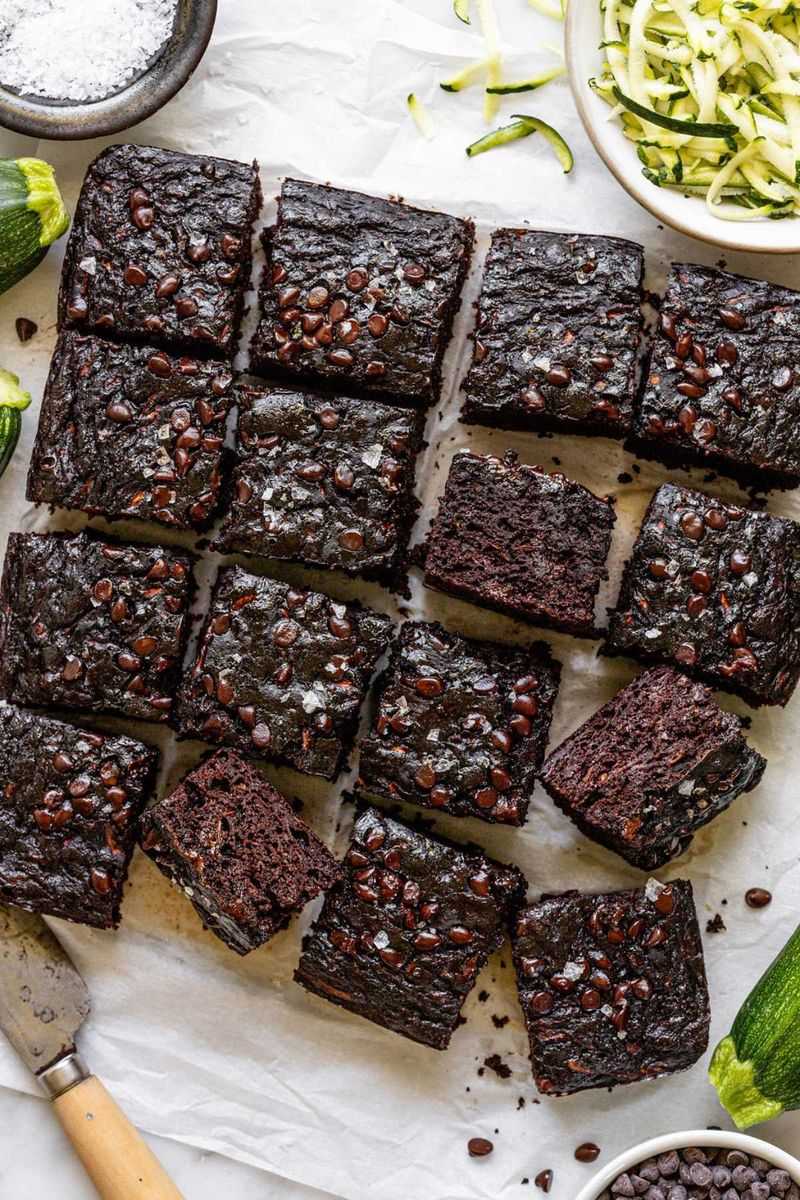
Grandma’s famous chocolate cake might have had a hidden green ingredient all along. Shredded zucchini melts into batters, keeping muffins and breads super moist without any odd flavor.
Beyond baking, you can toss it into pasta sauce, meatballs, or scrambled eggs. Squeeze out the extra water with a clean towel first so dishes do not turn soggy.
One medium zucchini gives you about two cups of shreds, which goes a long way.
2. Carrots Bring Sweet Crunch Everywhere
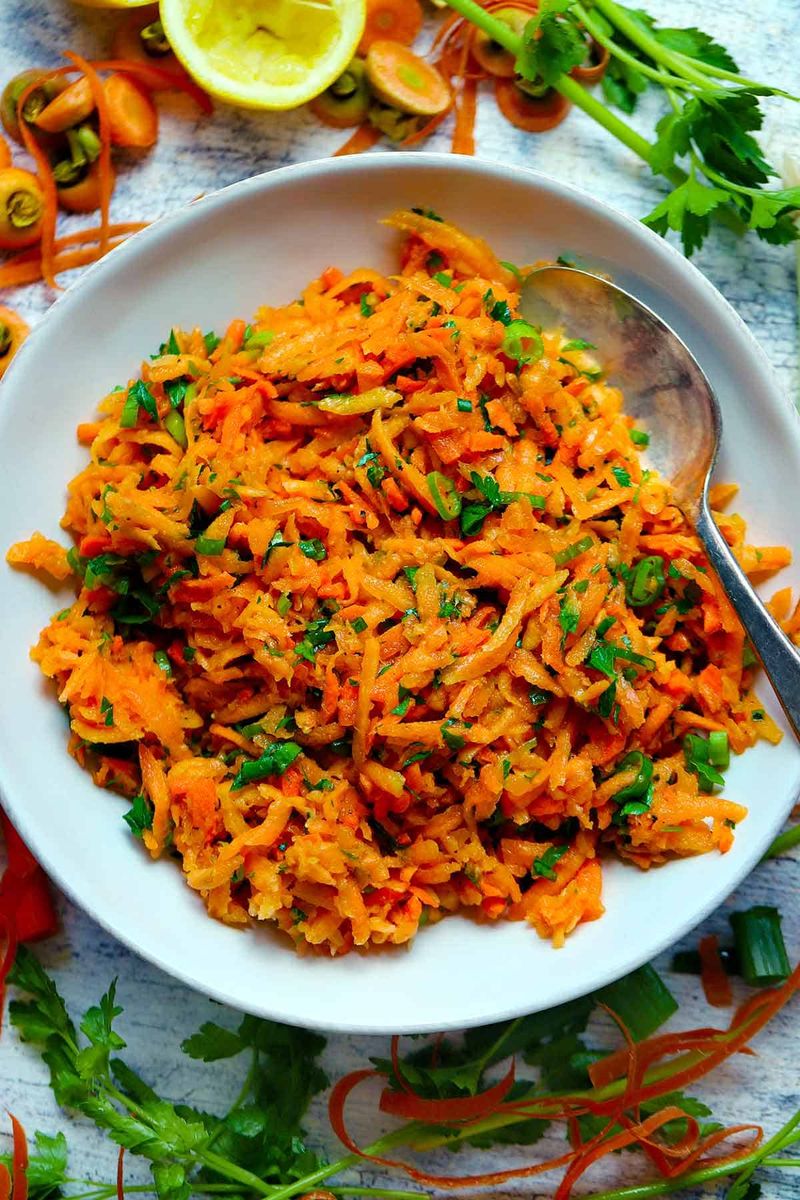
Did you know carrots were once mostly purple? Today’s orange ones taste naturally sweet, and shredding makes that sweetness easy to spread around.
Sprinkle grated carrots over salads, roll them into wraps, or stir them into oatmeal with cinnamon for a carrot cake breakfast. They also add color to fried rice and burgers.
Because they hold their crunch for days, you can shred a big batch on Sunday and snack all week.
3. Cabbage Goes Far Beyond Coleslaw

Picture a crispy fish taco topped with a pile of crunchy purple ribbons. Shredded cabbage is a cheap hero that lasts for weeks in the fridge.
Sure, coleslaw is classic, but try it stir-fried with soy sauce, packed into egg rolls, or fermented into sauerkraut. Purple cabbage even turns blue or pink depending on what you mix it with.
That color trick makes a fun kitchen science experiment for kids.
4. Potatoes Turn Into Golden Hash Browns
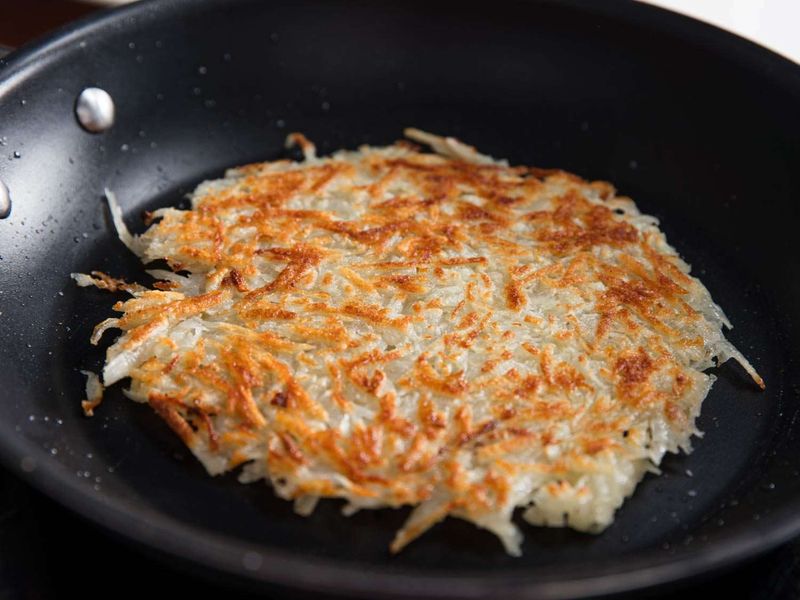
Few sounds beat the sizzle of shredded potatoes hitting a hot pan. Grating a potato opens up a world past basic mashed or baked versions.
Make crispy hash browns, potato pancakes called latkes, or a cheesy breakfast casserole. The trick is rinsing the shreds and squeezing them very dry so they brown instead of steaming.
Russet potatoes work best because their starch helps everything stick together nicely.
5. Beets Paint Every Plate Pink
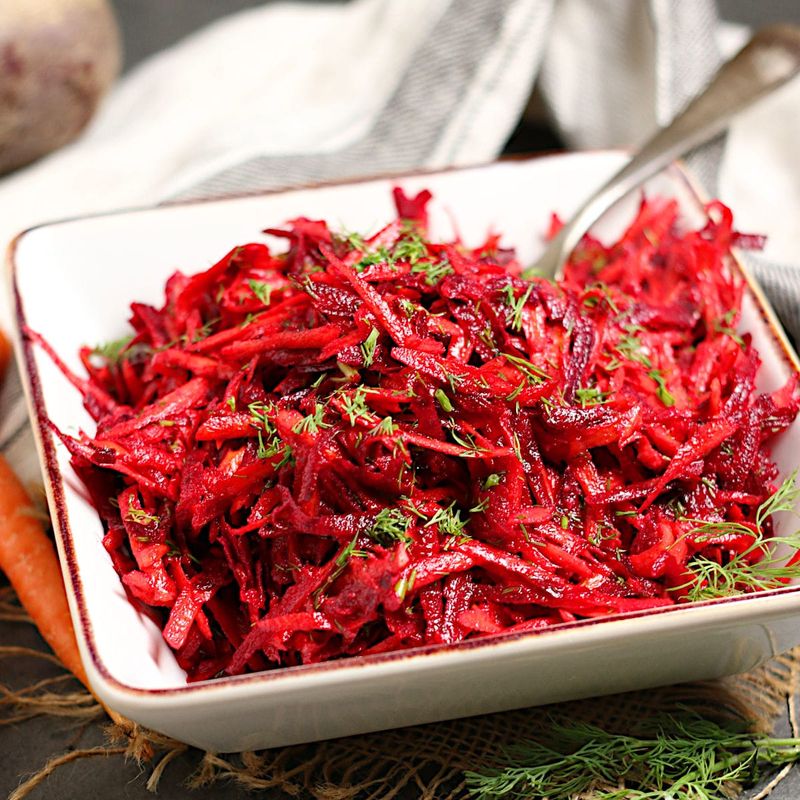
Warning: your fingers might turn pink! Raw beets look tough, but grating them reveals a sweet, earthy treat with jaw-dropping color.
Toss shreds into salads with orange slices, fold them into brownie batter, or mix them into veggie burgers for a meaty red look. Wearing gloves helps, and lemon juice removes stains from cutting boards.
Golden beets offer the same flavor if you would rather skip the mess entirely.
6. Sweet Potatoes Make Cozy Fritters
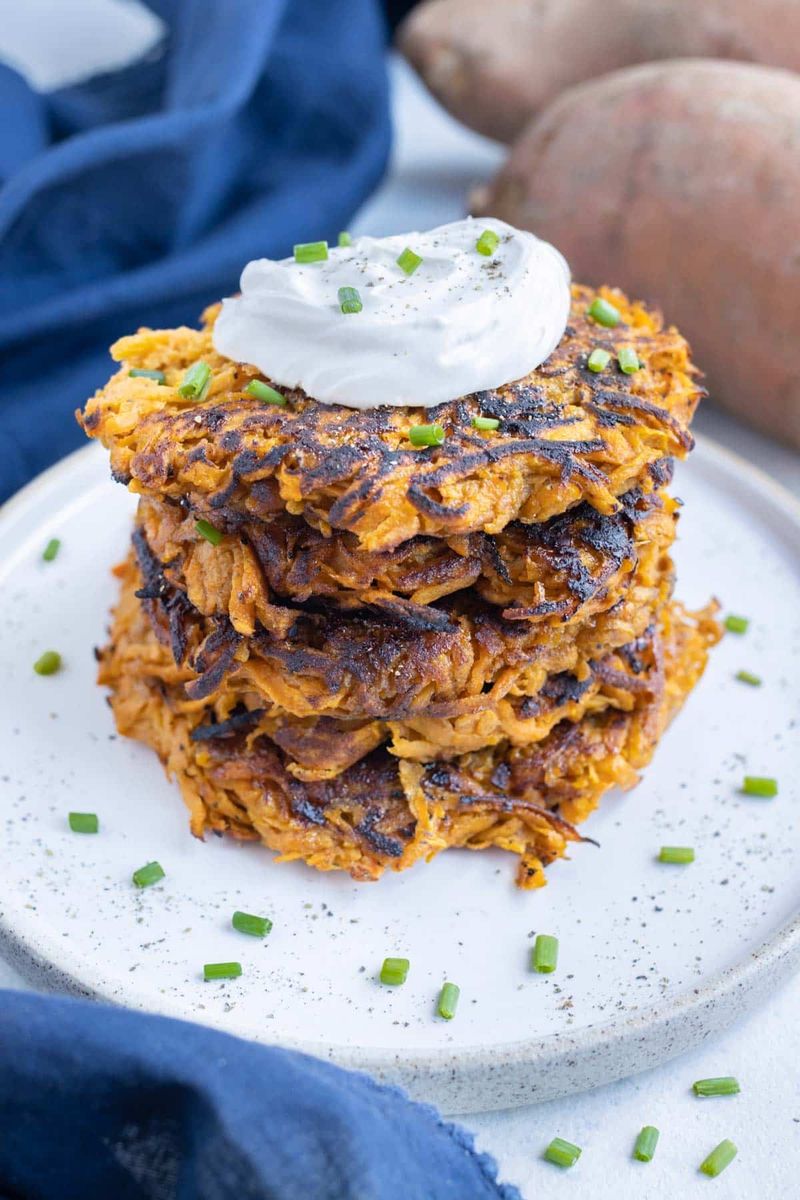
On a chilly fall evening, nothing feels warmer than crispy sweet potato fritters. Shredding these orange roots helps them cook in minutes instead of an hour.
Mix the shreds with egg and a little flour, then pan-fry small patties. You can also make breakfast hash, stir them into chili, or bake them into muffins.
They pack loads of vitamin A, which helps keep your eyes healthy and strong.
7. Brussels Sprouts Get a Fresh Makeover
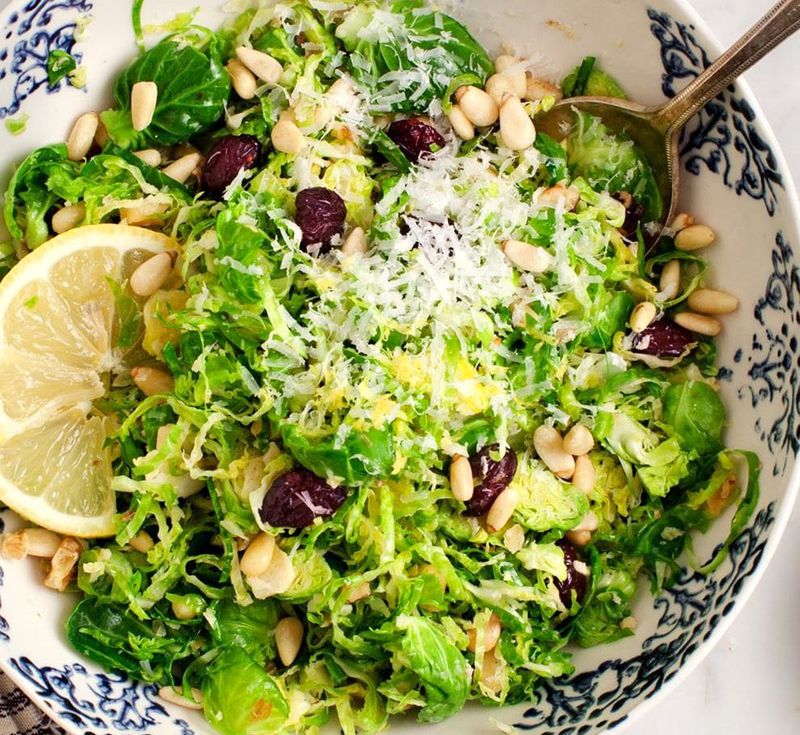
Think you hate Brussels sprouts? Many picky eaters change their minds after trying them shredded.
Thin shavings lose that strong, bitter bite and become light and leafy, almost like tiny lettuce. Toss them raw with lemon, parmesan, and nuts, or saute them quickly with garlic until the edges turn golden.
A food processor with a slicing blade does the job fast. Otherwise, a sharp knife works great for small batches.
8. Cauliflower Becomes Fluffy Rice
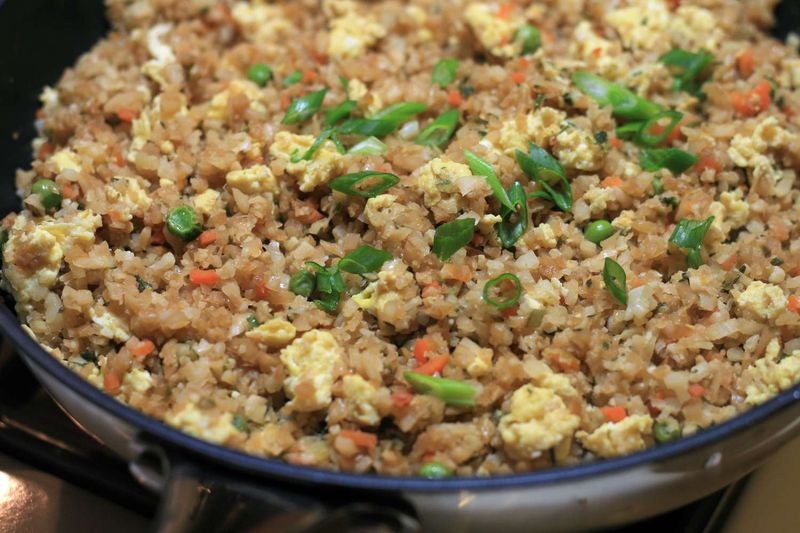
Here is a fun magic trick: grate a cauliflower head and watch it turn into rice. Those tiny white bits look and act a lot like grains.
Use cauliflower rice for stir-fries, burrito bowls, or soups. Some cooks even press it into pizza crust!
It cooks in about five minutes and soaks up whatever flavors you add.
Store extras in the freezer so a quick dinner is always ready.
9. Broccoli Stems Deserve a Second Look
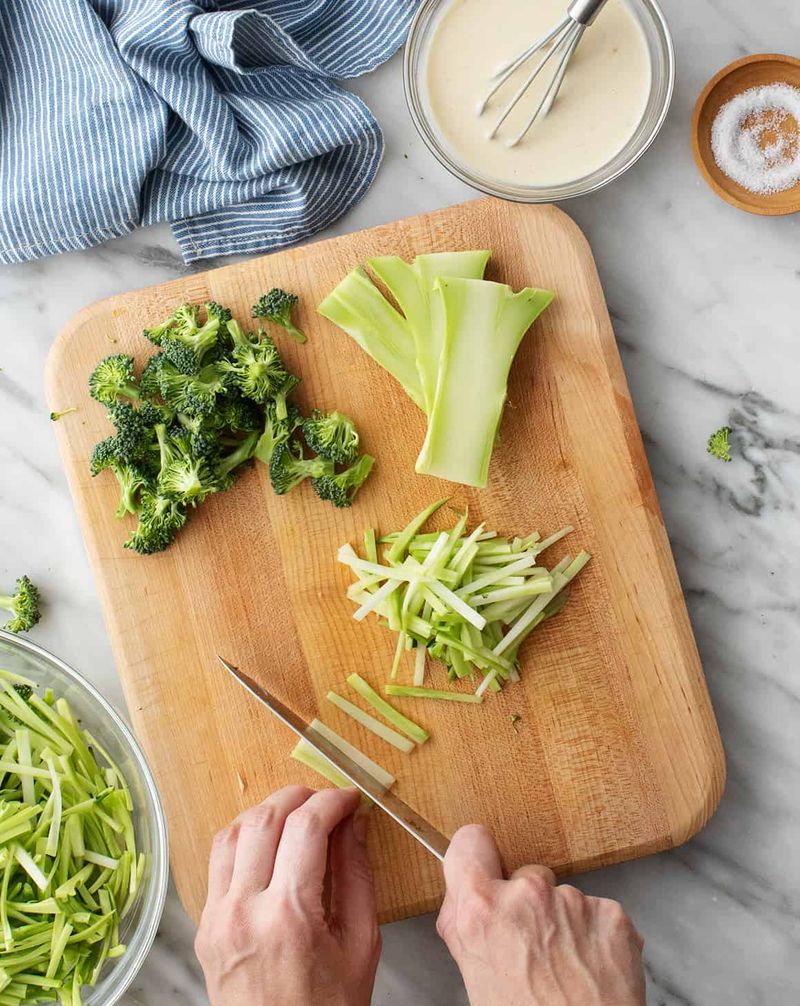
Most people toss broccoli stems in the trash, and that is a real shame. Peeled and shredded, those stalks taste mild, sweet, and super crunchy.
Turn them into broccoli slaw with a tangy dressing, add them to stir-fries, or mix them into quesadillas. You save money and cut food waste at the same time.
Just peel the tough outer skin first with a vegetable peeler before grating.
10. Butternut Squash Melts Into Sauces
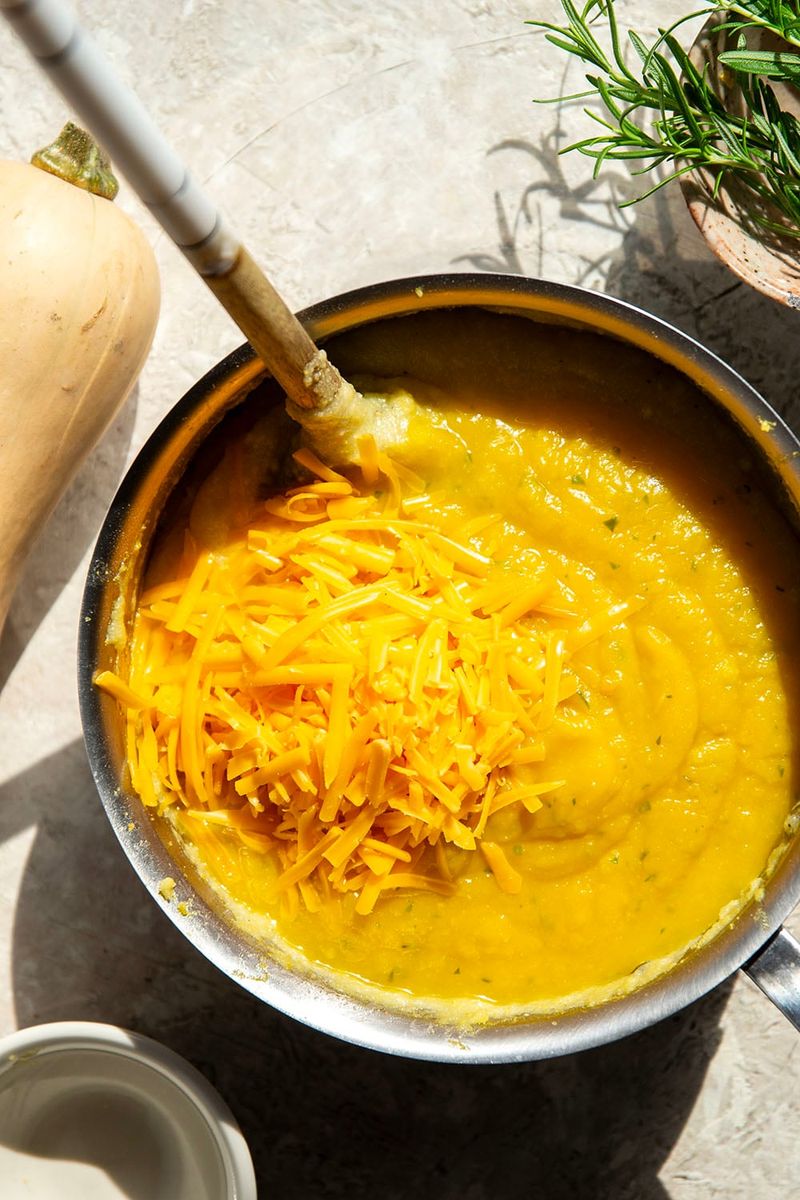
Peeling and cubing a big squash can feel like a workout. Grating it is much easier and opens up some clever uses.
Shredded butternut squash cooks down into silky pasta sauces, folds into risotto, and bakes into savory pancakes. Its nutty sweetness pairs wonderfully with sage and a little butter.
Fun fact: squash is technically a fruit because it holds seeds inside, but we treat it like a vegetable.
11. Radishes Add a Peppery Kick
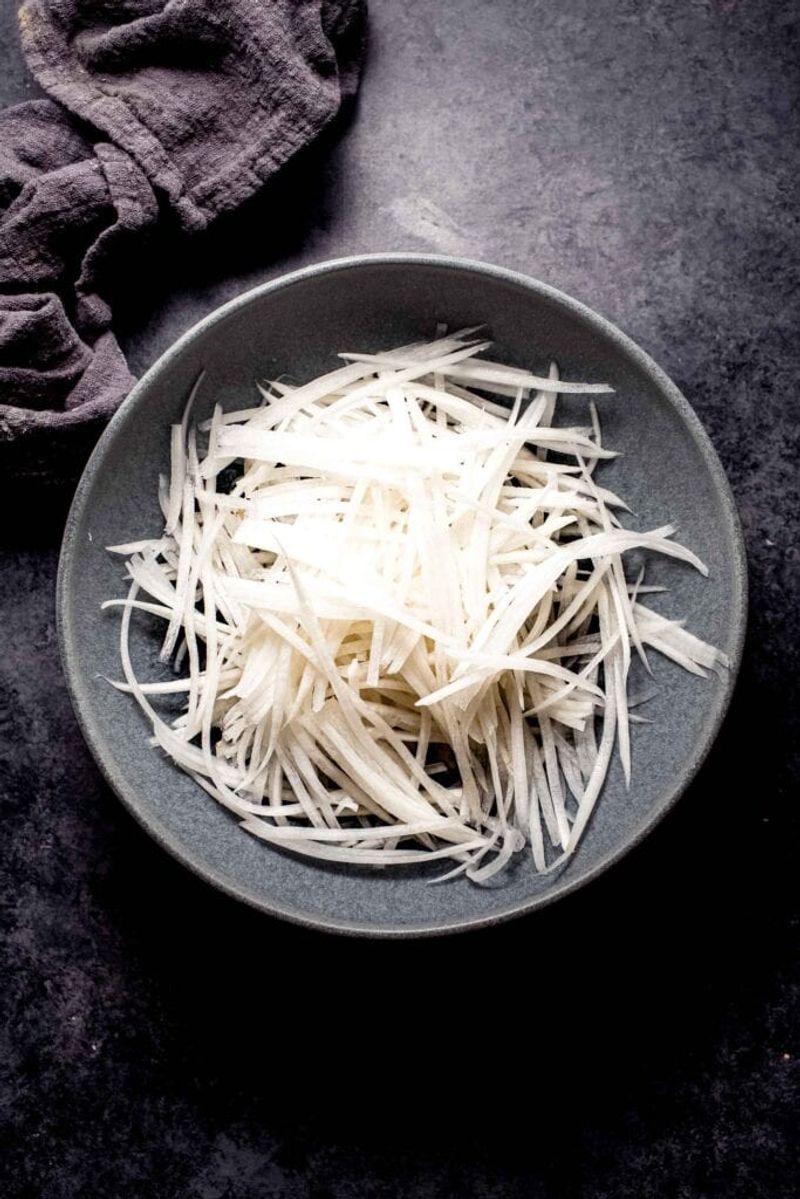
Small but feisty, radishes bring a spicy little zing to any dish. Grating them softens their bite while keeping all that fresh crunch.
Sprinkle shreds on tacos, avocado toast, or rice bowls for a pop of color. Daikon, a long white radish, is often grated in Japanese cooking and served with grilled fish.
Mix grated radish with butter and salt for a tasty spread on warm bread.
12. Parsnips Offer a Nutty Surprise
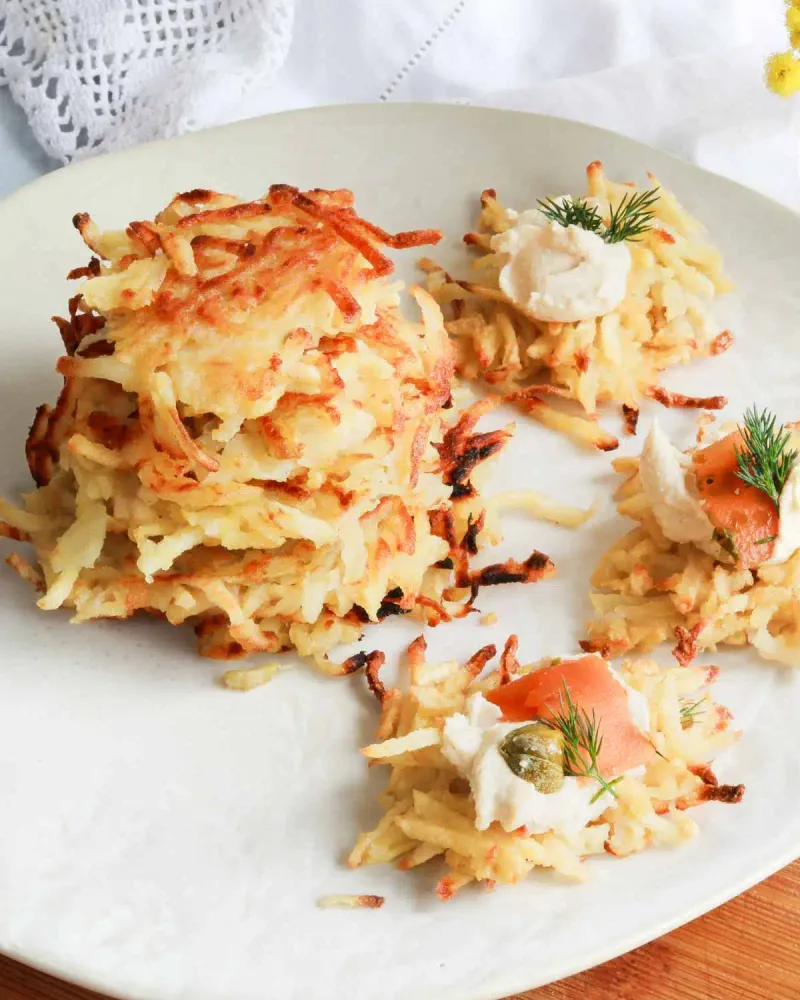
They look like pale carrots, yet parsnips have a flavor all their own, sweet with a hint of nuttiness. Long ago in Europe, people even used them to sweeten desserts before sugar was common.
Shred them into cakes, latkes, or soups. Mixing parsnip and carrot shreds together makes a pretty two-tone salad.
Choose smaller parsnips, since big ones can have woody centers that are hard to grate.
13. Kohlrabi Is the Crunchy Mystery
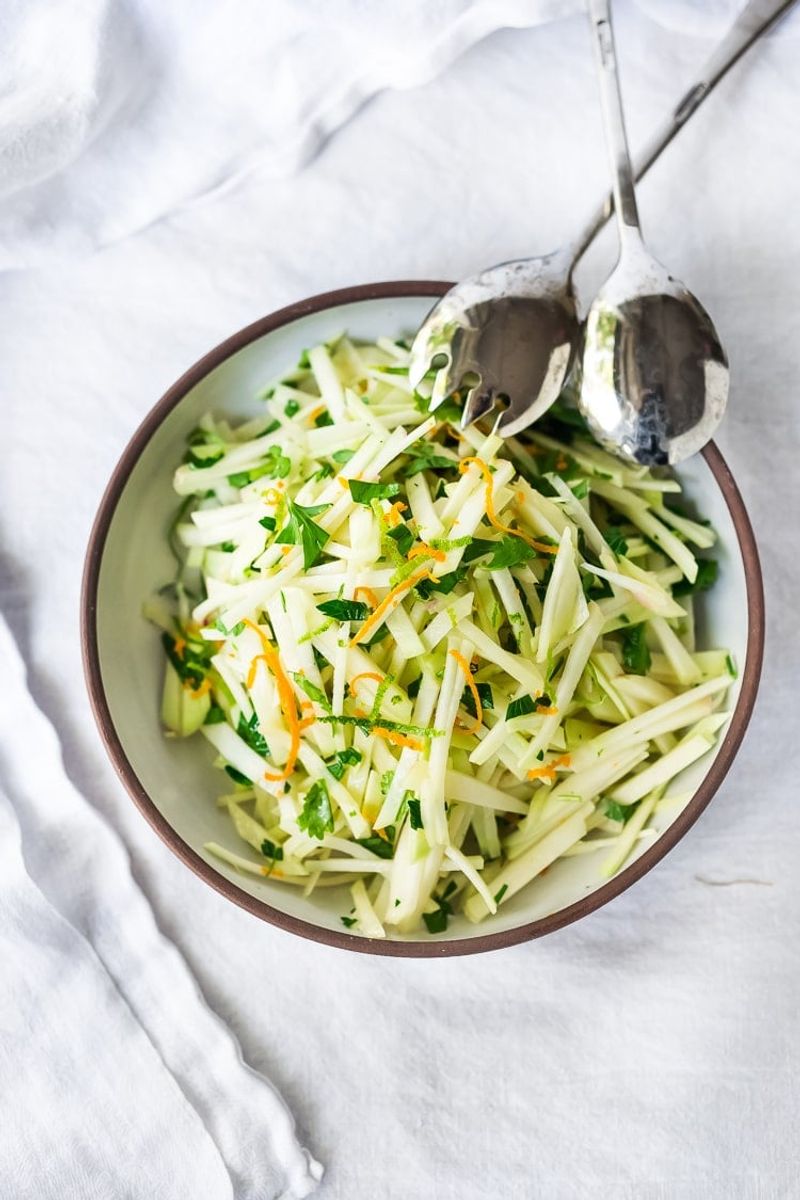
Ever spotted an odd green bulb with leaves sticking out like antennae at the market? Meet kohlrabi, a cabbage cousin that tastes like a mild, juicy broccoli stem.
Shredded, it makes a bright, refreshing slaw. You can also fry it into fritters or toss it into spring rolls.
Kids often love its alien look, which makes it a great vegetable for trying something new together.
14. Onions Vanish Into Flavor
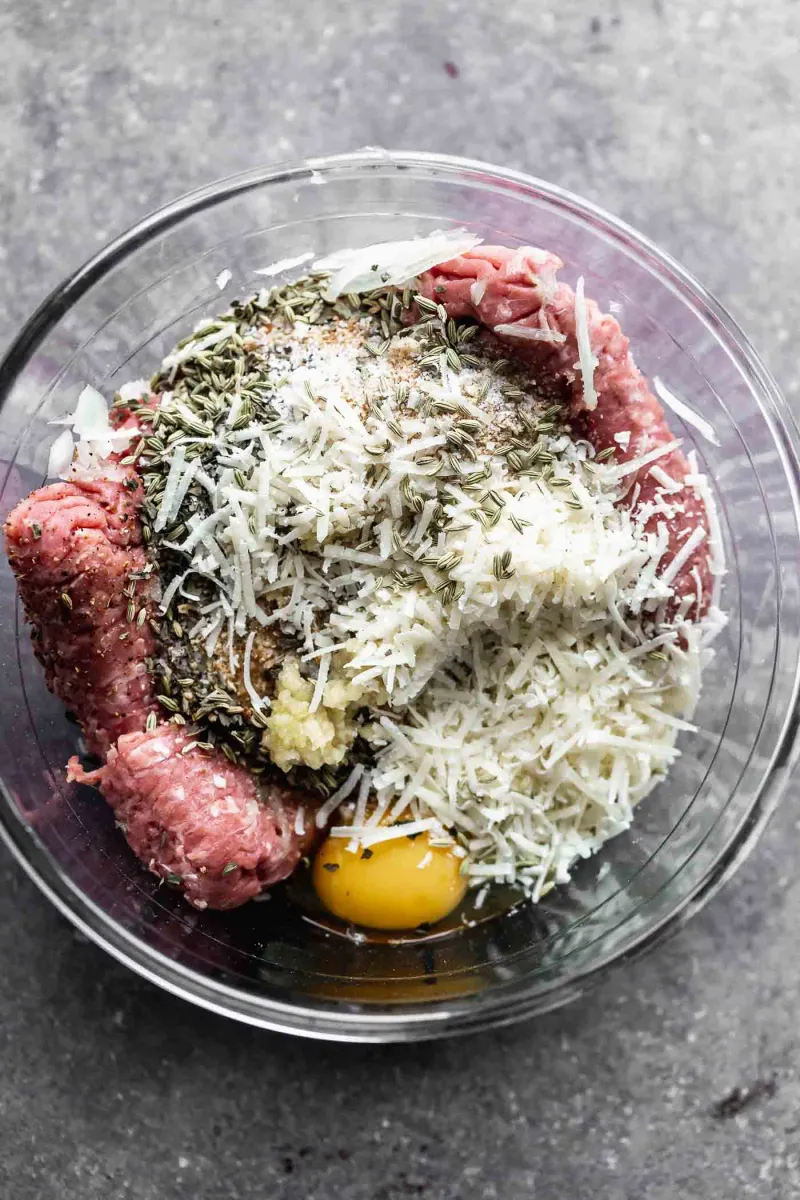
Some people pick every onion chunk out of their food. Grating solves that problem in seconds.
Grated onion basically turns into juicy pulp that disappears into meatballs, burgers, and marinades, leaving only flavor behind. It also makes salad dressings taste richer without big crunchy pieces.
Chilling the onion for twenty minutes before grating can help cut down on tears. Keep a paper towel handy for any extra juice.
15. Celeriac Hides Under a Rough Coat
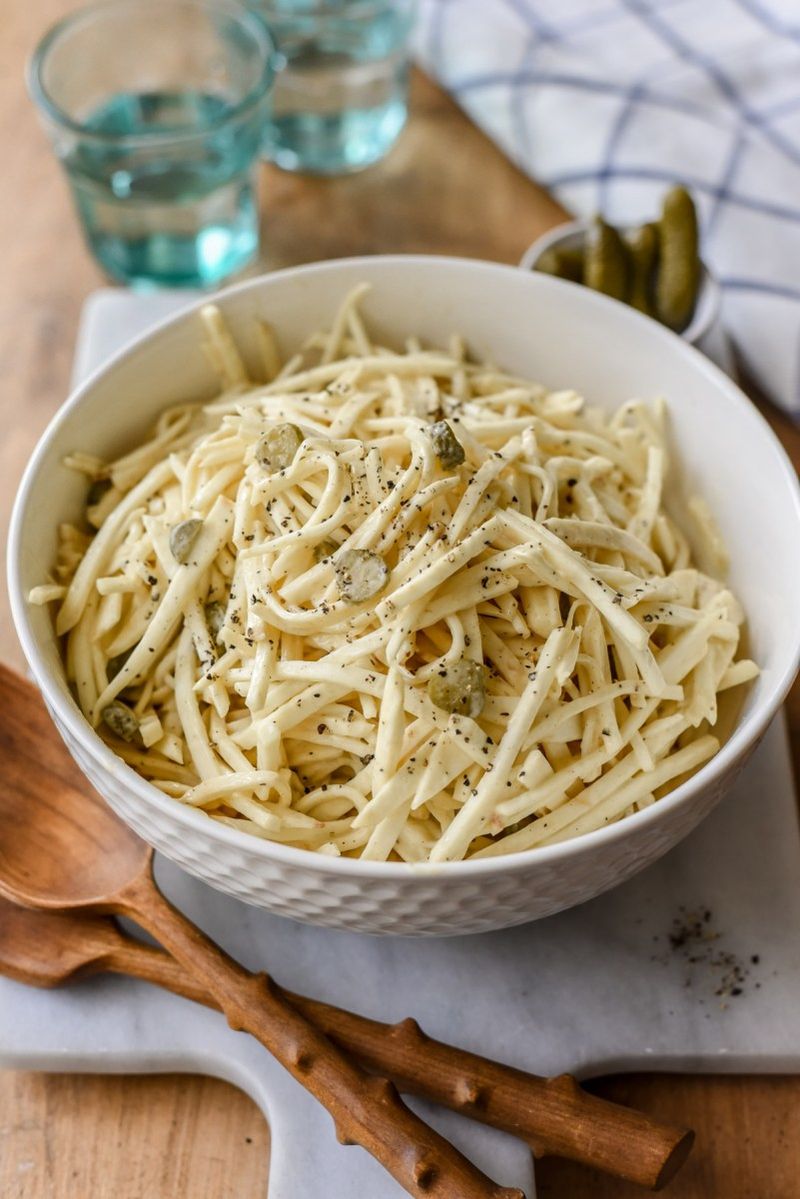
Ugly on the outside, delicious on the inside! Celeriac, also called celery root, looks lumpy and hairy, but its flesh tastes like fresh celery with a gentle sweetness.
The French grate it into a creamy salad called remoulade. It also works in soups, gratins, and crispy fritters.
Cut away the rough skin with a sharp knife, then drop the shreds in lemon water so they stay bright white.
16. Jicama Brings Juicy Snack Vibes

In Mexico, street vendors sell jicama sticks sprinkled with lime and chili powder. Shredded, this round root becomes a juicy, apple-like crunch for all kinds of meals.
Make a zesty slaw with lime and cilantro, fold it into fish tacos, or add it to spring rolls. Unlike apples, jicama does not turn brown after cutting.
That means it stays fresh and pretty in lunchboxes all day long.
17. Cucumber Cools Things Down
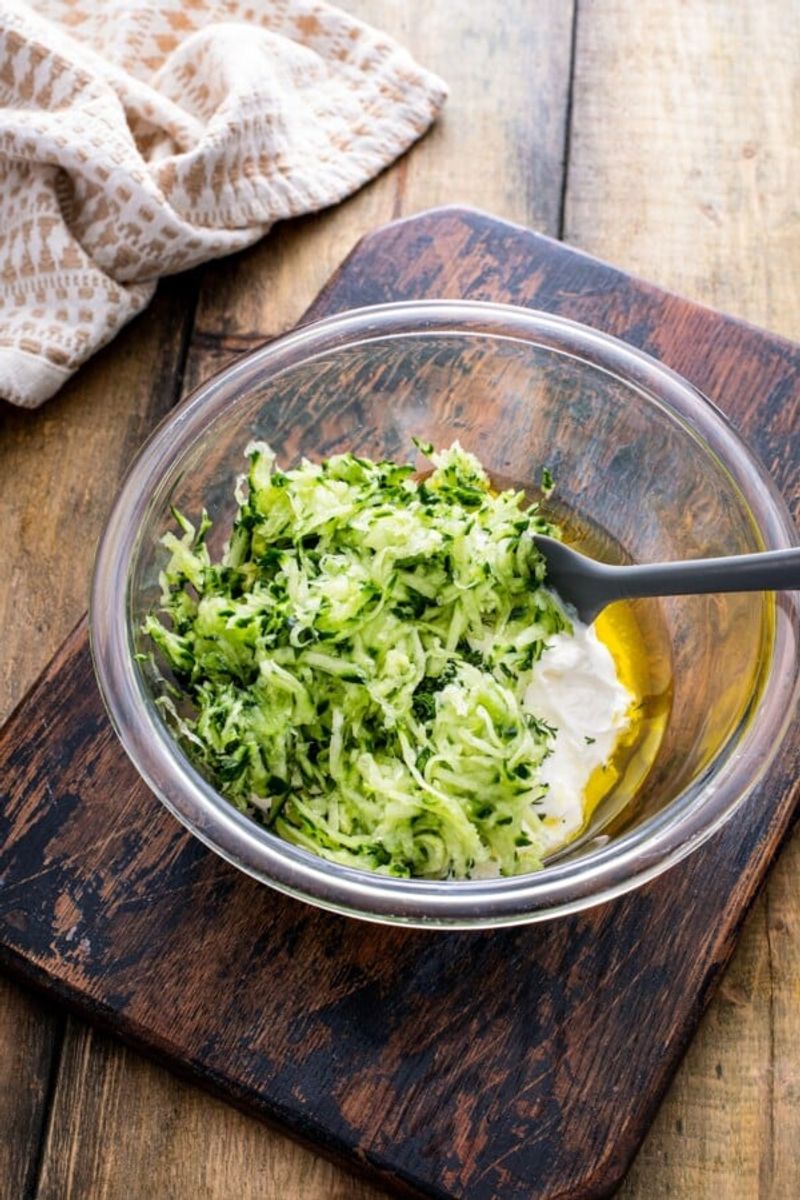
On a hot summer day, a cool bowl of tzatziki sounds perfect. That famous Greek dip starts with grated cucumber mixed into thick yogurt with garlic and dill.
Shredded cucumber also brightens up tuna salad, cold noodle bowls, and smoothies. Since cucumbers are about ninety-five percent water, squeeze the shreds gently before mixing them in.
Otherwise, your dip might turn runny faster than you can grab a pita chip.