
Sometimes you want a little crunch, sweetness, or something warm between meals. These light snacks offer plenty of flavor without many calories, though none are truly calorie-free.
The amounts below are estimates, and portions, toppings, and brands can change the numbers. Enjoy them when you want a small bite, but choose something more filling when your body needs it.
1. Cool, Crisp Cucumber Slices
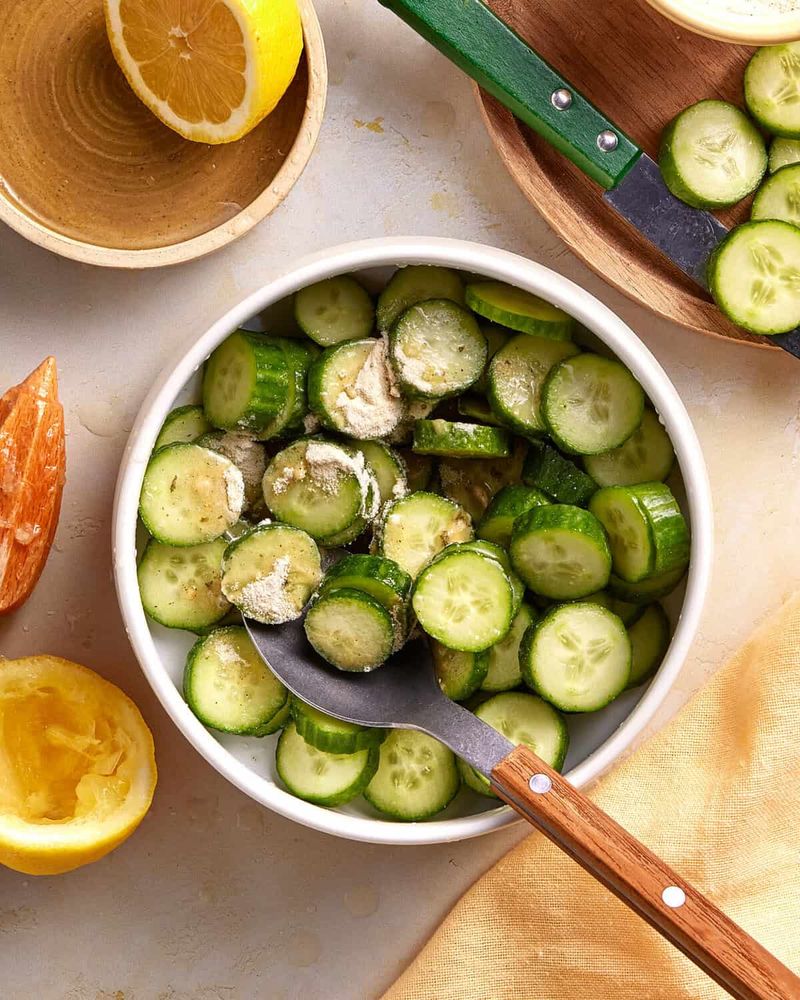
A refreshing crunch can be as simple as opening your vegetable drawer. Half a cup of cucumber slices has about 8 calories, and cucumbers are roughly 96 percent water.
Leave the peel on after washing for extra texture.
Try a squeeze of lemon, chopped dill, or a little black pepper instead of heavy dressing. Slice a small batch ahead and refrigerate it in a sealed container so a cool, easy snack is ready whenever hunger arrives.
2. Celery With a Satisfying Snap
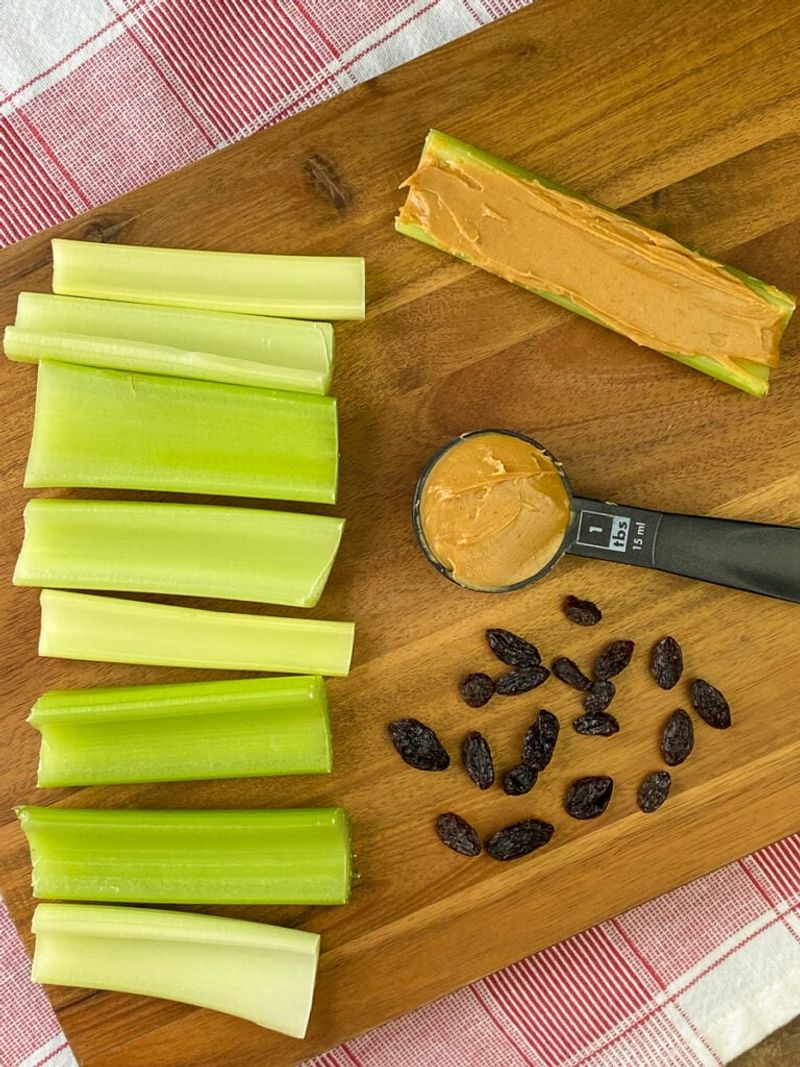
That loud snap makes celery feel like a snack with sound effects. One medium stalk has roughly 6 calories, although size changes the total.
Its high water content gives each bite a fresh, clean taste.
Wash the stalks well, trim the ends, and cut them into easy sticks. A sprinkle of smoked paprika adds interest without much fuss.
If you add peanut butter or hummus, enjoy the extra staying power while counting the topping separately too.
3. Peppery Radishes for Extra Bite
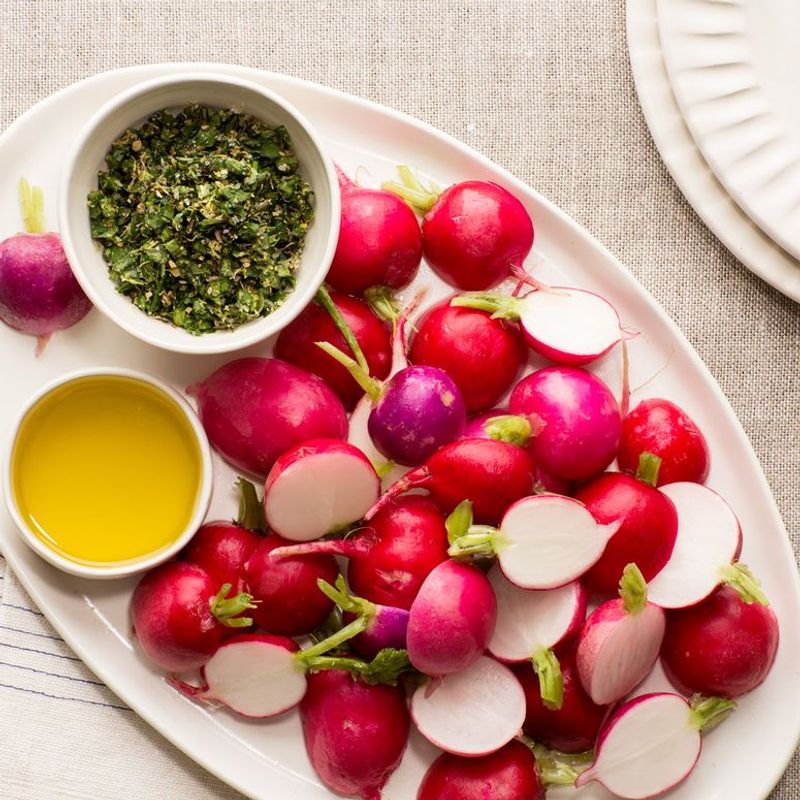
Boring snack plates get a little attitude from radishes. A cup of sliced radishes contains about 19 calories, with a peppery flavor that makes a small handful interesting.
Smaller radishes often taste milder than large, older ones.
Scrub them clean and remove the tops before slicing. Serve chilled with lemon juice or pair them with cucumber for a crunchy mix.
Store the greens separately to help the roots stay crisp longer in your refrigerator at home.
4. Tangy Dill Pickle Spears
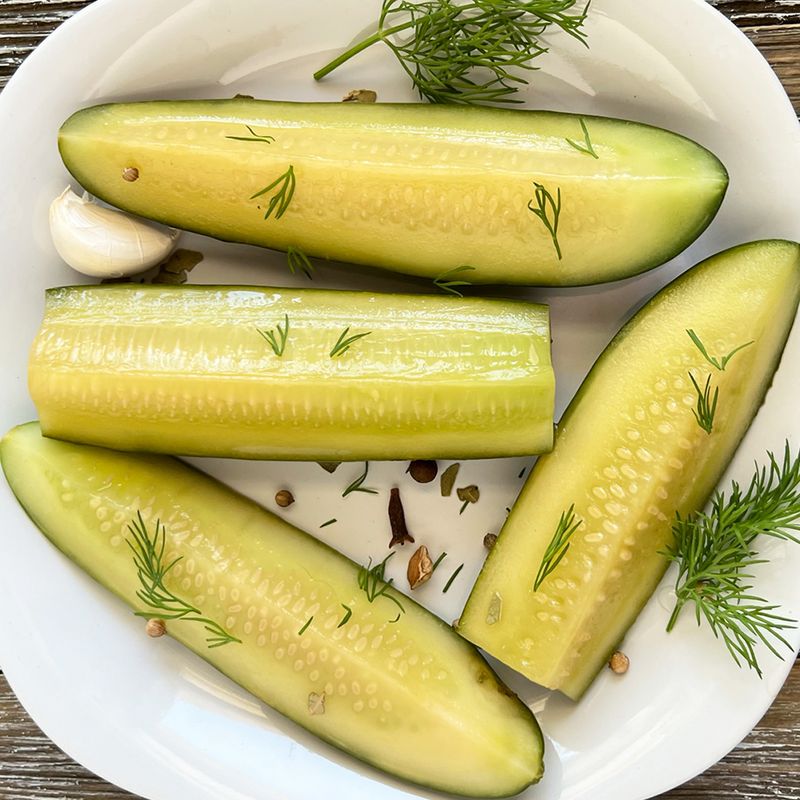
Craving something sharp and salty? A dill pickle spear weighing about 35 grams has around 4 calories, making it a flavorful little bite.
Choose dill varieties rather than sweet pickles, which often contain added sugar.
Check the label for sodium, especially if you have been advised to limit salt. Smaller portions can satisfy that tangy craving without turning into a large serving.
Keep the jar refrigerated after opening, following its storage directions for freshness and food safety.
5. Fluffy Air-Popped Popcorn
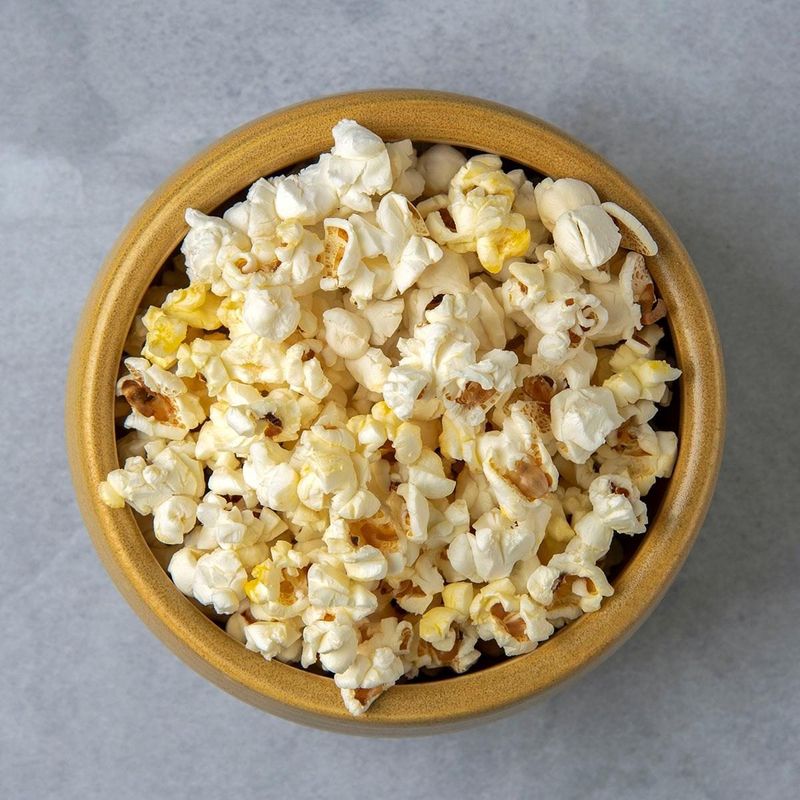
Movie night does not need a bucket dripping with butter. One cup of plain, air-popped popcorn contains about 30 to 35 calories.
Because it is a whole grain, it also brings some fiber to your snack break.
Measure your portion after popping, then experiment with cinnamon or garlic powder. Oil, butter, and sugary coatings can quickly change the calorie count.
Let freshly popped kernels cool slightly, and leave any hard, unpopped kernels behind in the bowl.
6. Juicy Cherry Tomatoes
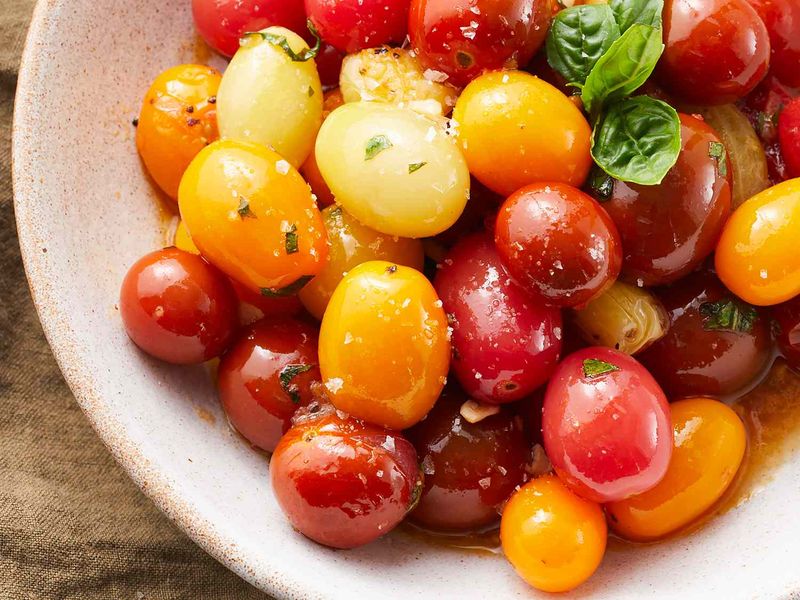
Little bursts of sweetness make cherry tomatoes easy to enjoy straight from the bowl. A cup of whole cherry tomatoes has about 27 calories.
Their bright colors also bring variety to an otherwise plain snack plate.
Rinse them under running water before eating, and add fresh basil for a simple flavor boost. Skip heavy dressings if you want to keep things light.
For young children, cut tomatoes lengthwise into quarters to reduce the risk of choking.
7. Light and Crunchy Plain Rice Cakes
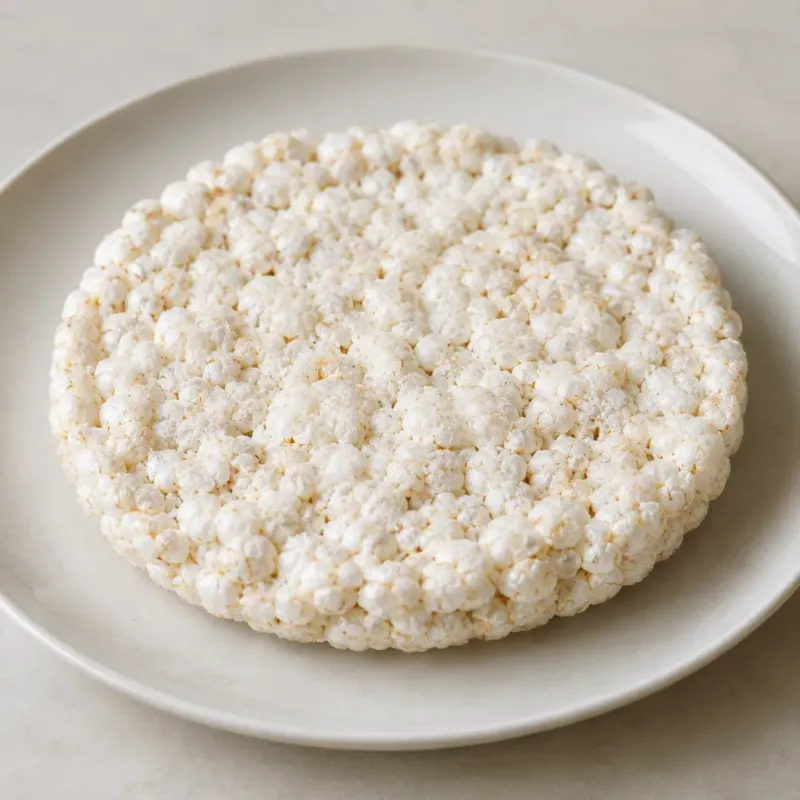
When you want a dry, crisp crunch, a plain rice cake keeps preparation simple. Most contain around 31 to 35 calories each, though brands and sizes differ.
Check the package rather than assuming every cake is identical.
Eat one plain or add thin cucumber slices for freshness. Rice cakes usually provide little protein or fiber, so they may not hold hunger for long.
A richer topping can help, but it also makes a more substantial snack.
8. Smooth Unsweetened Applesauce
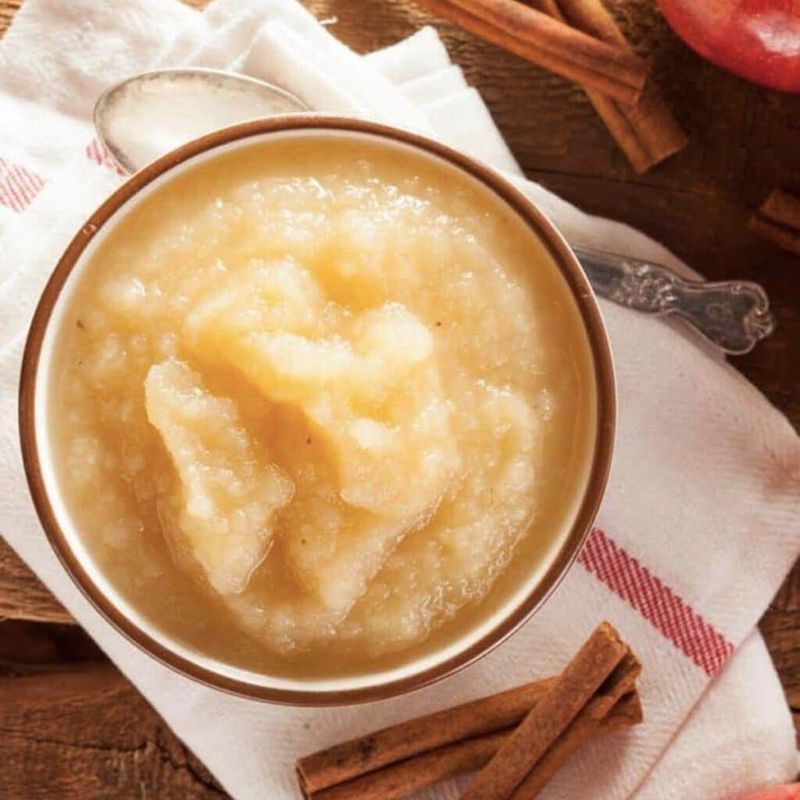
A spoonful of applesauce brings a little lunchbox comfort to an afternoon break. A small four-ounce serving of unsweetened applesauce generally contains about 45 to 50 calories.
Look for a label that says no added sugar.
Stir in cinnamon or enjoy it chilled for a simple sweet bite. Unsweetened does not mean sugar-free, since apples naturally contain sugar.
Portion larger jars into small bowls, and remember that whole apples usually offer more fiber and chewing satisfaction.
9. A Warming Mug of Plain Broth
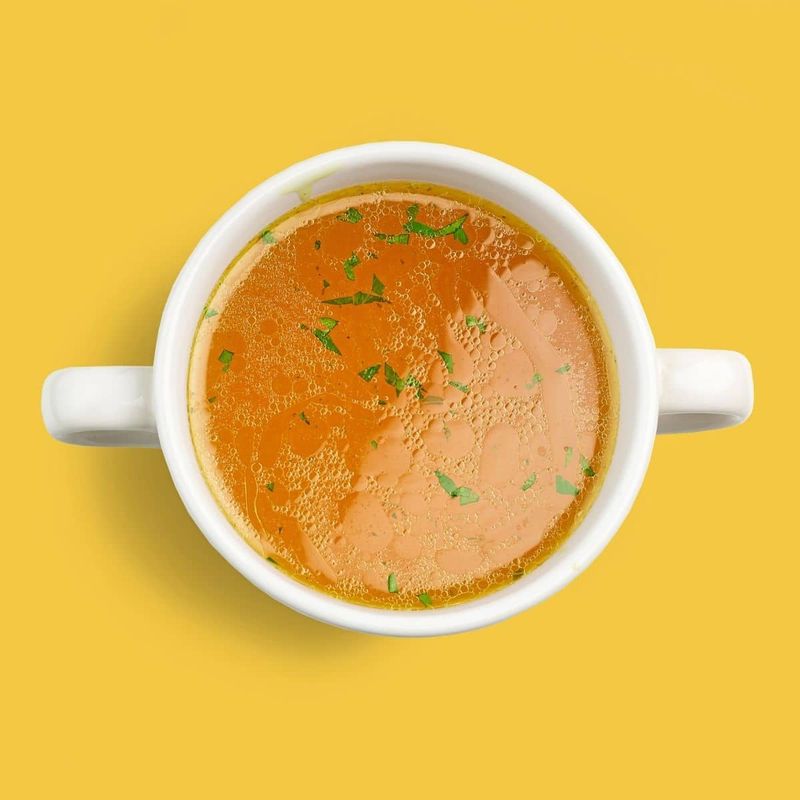
Cold afternoons sometimes call for a mug rather than a handful. Plain chicken broth can contain about 14 calories per cup, while other broths vary widely.
Bone broth may have more protein and calories, depending on the brand.
Read the serving size and choose lower sodium options when helpful. Warm it safely, then sip slowly once it cools enough.
Fresh herbs add aroma without much energy, but broth alone is not a replacement for a meal.
10. Sweet, Crunchy Baby Carrots
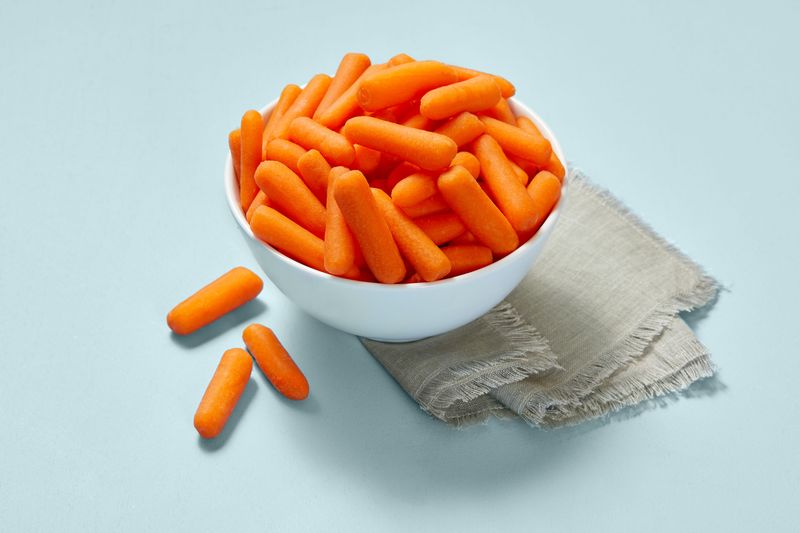
Bright orange crunch makes baby carrots a cheerful desk snack. A 100-gram serving of raw baby carrots contains about 35 calories.
They also supply beta carotene, which your body can turn into vitamin A.
Buy ready-to-eat carrots for convenience, or peel and cut larger carrots yourself. Keep them chilled and follow package storage advice.
Their natural sweetness needs little help, although a measured spoonful of dip can make the snack more filling when you need it.
11. Naturally Sweet Strawberries
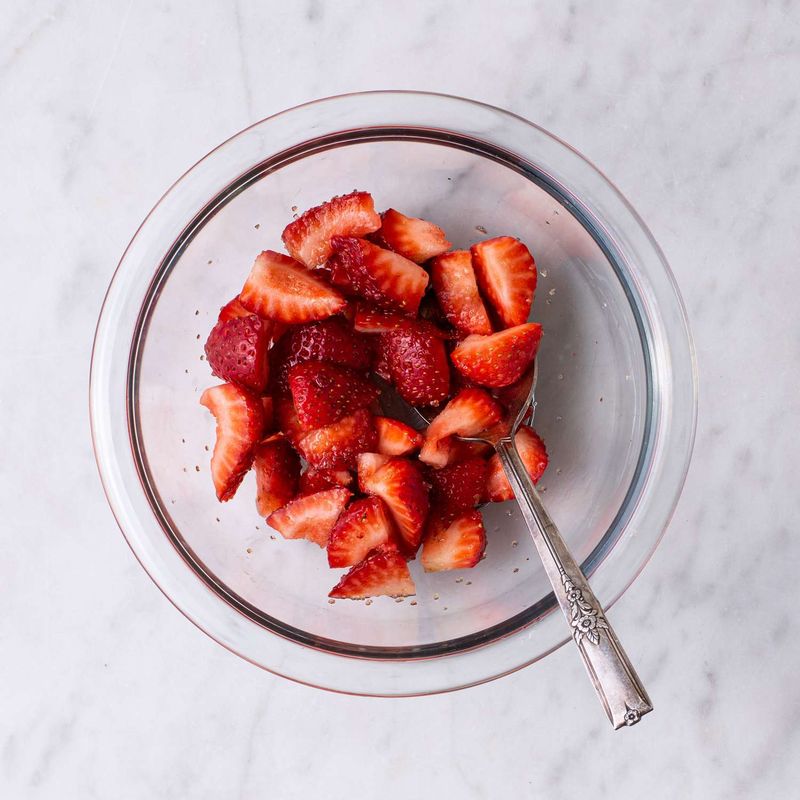
Dessert-like sweetness does not always need a recipe. A cup of whole strawberries contains about 46 calories, and one medium berry has roughly 4.
They provide vitamin C along with their juicy, bright flavor.
Rinse berries just before eating and remove any spoiled fruit. Slice them into a bowl, or freeze washed, trimmed berries for a firmer treat.
Avoid adding sugar automatically; ripe strawberries are often sweet enough to enjoy without any topping at all today.
12. Colorful Bell Pepper Strips
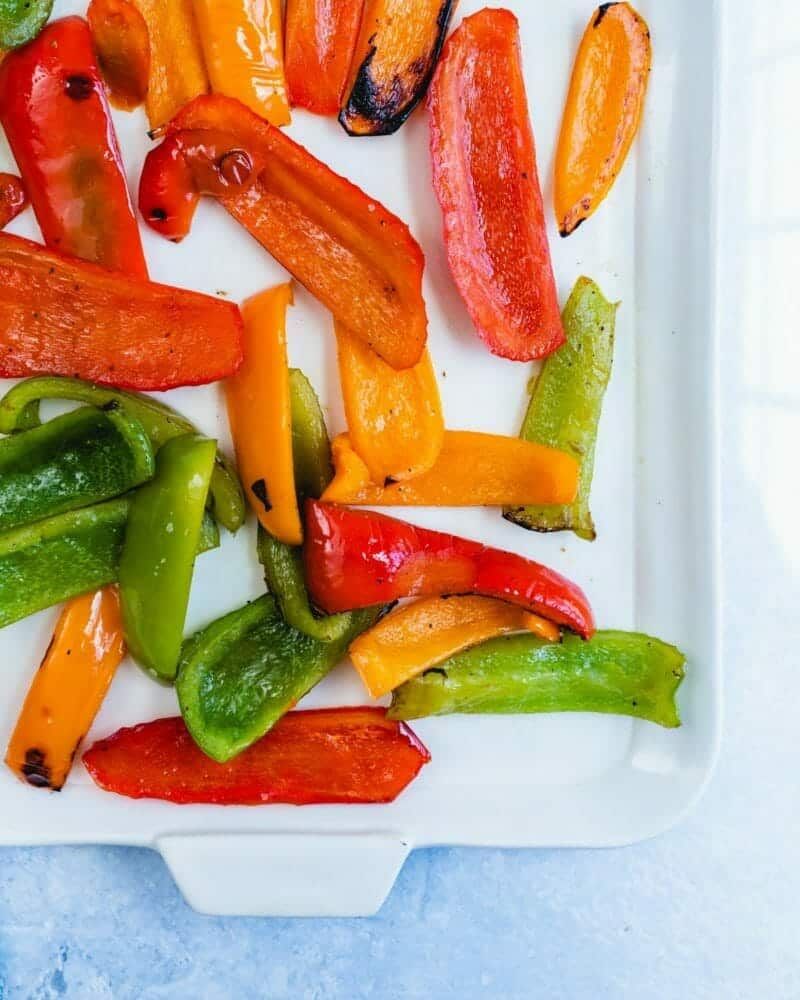
Your snack plate can look like a tiny rainbow with almost no effort. A medium green bell pepper contains about 24 calories; red and yellow varieties have slightly different amounts.
All offer crunch and vitamin C.
Remove the stem, seeds, and white inner ribs, then cut into strips. Green peppers taste sharper, while ripe red peppers are sweeter.
Pack a few colors together for variety, and refrigerate cut pieces promptly in a clean, covered container afterward.
13. Sugar Snap Peas You Can Eat Whole
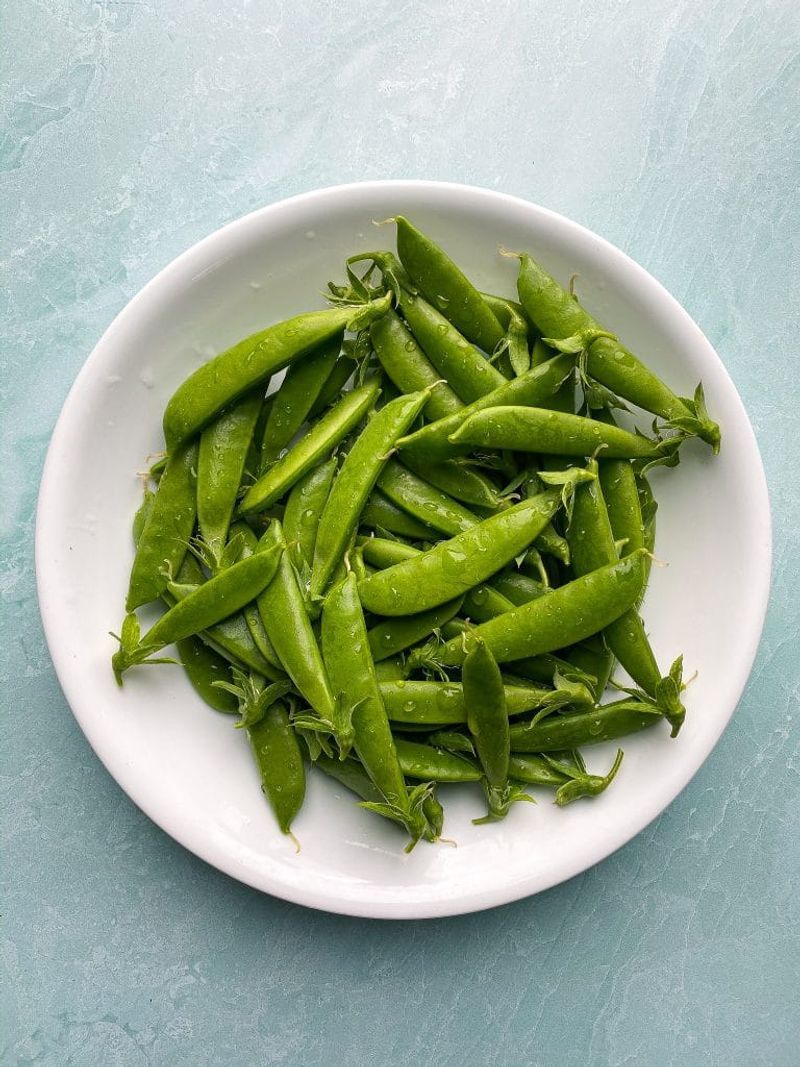
No shelling required: the crisp pod is part of the appeal. A cup of whole sugar snap peas, weighing around 63 grams, contains about 26 calories.
Their mild sweetness works well when you want something fresh rather than salty.
Rinse the pods and pull away tough strings if needed. Enjoy them raw or briefly steam them, then cool before packing.
A squeeze of lemon adds brightness without hiding their flavor or requiring a rich dipping sauce.
14. Delicate Roasted Seaweed Sheets
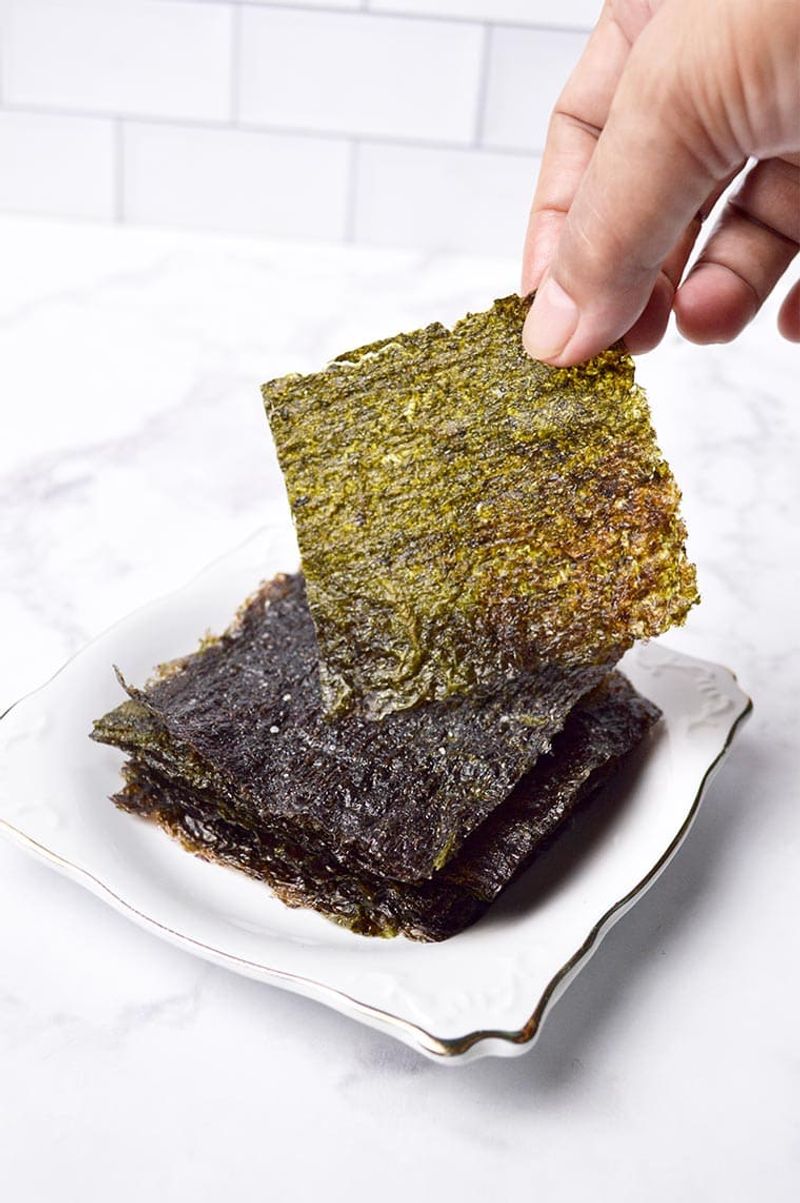
Paper-thin sheets deliver a surprisingly bold, savory crunch. A small five-gram pack of roasted seaweed often contains about 25 to 30 calories.
Added oil and seasoning affect the total, so the package label is your best guide.
Choose a small serving and keep opened packs sealed against moisture. Seaweed provides iodine, but amounts can vary greatly between types and brands.
Enjoy it in moderation, especially if you have been told to watch your iodine intake closely.
15. Crisp Iceberg Lettuce Cups
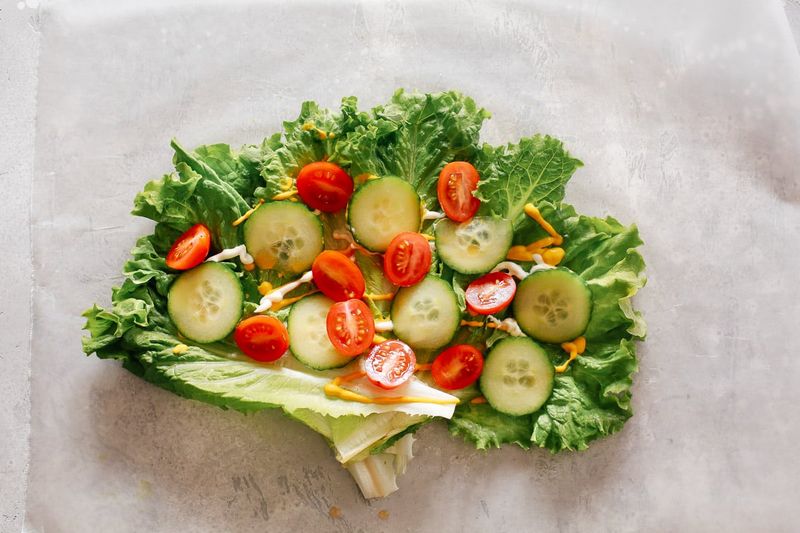
Sometimes the simplest snack doubles as its own little bowl. A large iceberg lettuce leaf has about 2 calories, while a cup of shredded lettuce contains around 10.
Its mild taste makes it easy to season.
Separate the leaves, rinse them well, and dry gently. Try a few cucumber pieces tucked inside with a splash of vinegar.
Lettuce alone will not keep you full for long, so add beans or another filling food when hunger calls.
16. Earthy White Mushroom Slices
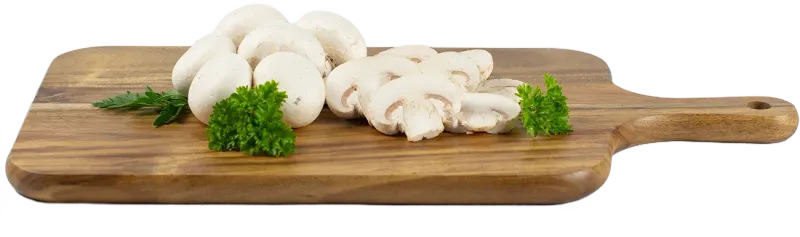
An earthy flavor gives mushrooms a different place on the snack tray. One cup of sliced raw white mushrooms contains about 15 calories.
Choose fresh, firm mushrooms sold for eating, never unfamiliar mushrooms gathered outdoors.
Rinse briefly under running water and trim dry stem ends before slicing. A little lemon juice and parsley can brighten their taste.
If raw mushrooms do not agree with your stomach, cook them instead, keeping added oil modest for lighter results.
17. Wobbly Sugar-Free Gelatin
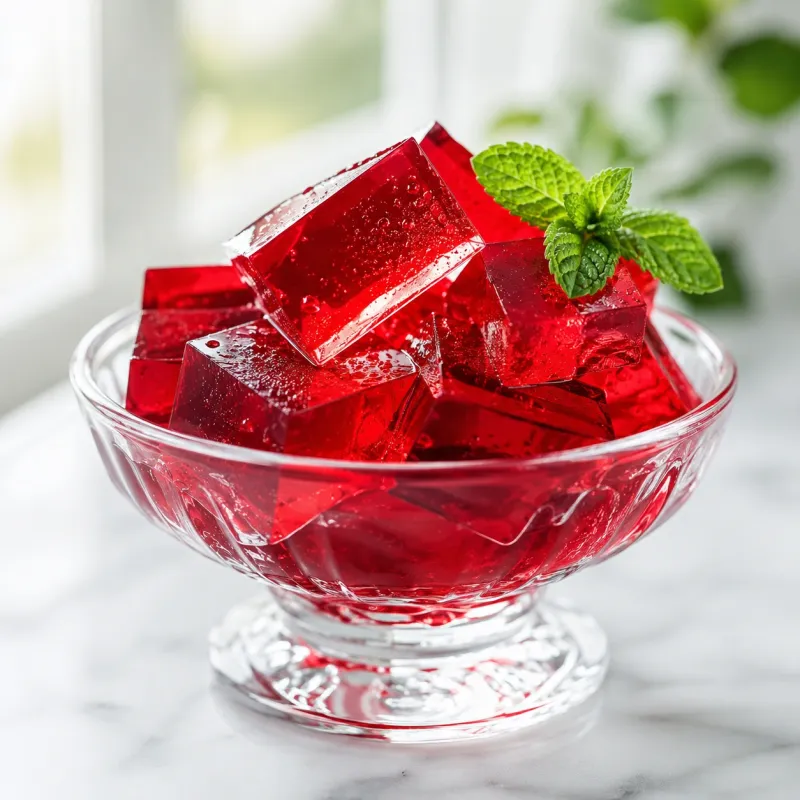
A jiggly spoonful can satisfy the wish for something sweet and cool. Many prepared sugar-free gelatin products contain about 10 calories per half-cup serving, but check the label.
Ready-to-eat cups may use a different serving size.
Prepare powdered versions exactly as directed and refrigerate until set. Sugar-free does not mean every ingredient suits everyone, so review sweeteners if needed.
Most traditional gelatin comes from animal sources, making it unsuitable for vegetarian or vegan eating plans overall.