
Grocery prices keep climbing, and small trips to the store can quietly drain your wallet. One simple fix is buying certain foods in larger amounts, since the price per pound often drops a lot.
The trick is knowing which items last long enough to be worth it. Here are the pantry basics that can stretch your budget for months.
1. White Rice
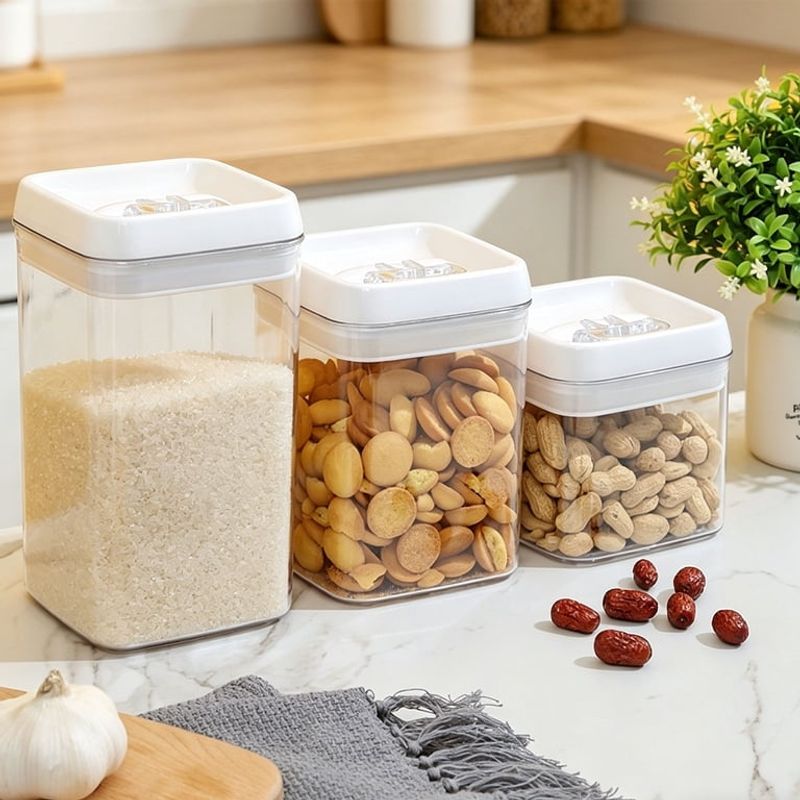
A single 25-pound bag of rice can feed a family for months. Stored the right way, white rice can last for years, which makes it one of the safest bulk buys around.
Keep it in airtight containers or food-grade buckets in a cool, dry spot. Bugs and moisture are the main enemies.
Pour some into a smaller jar for daily use so the big supply stays sealed and fresh while you cook stir-fries, burritos, and soups.
2. Dried Beans
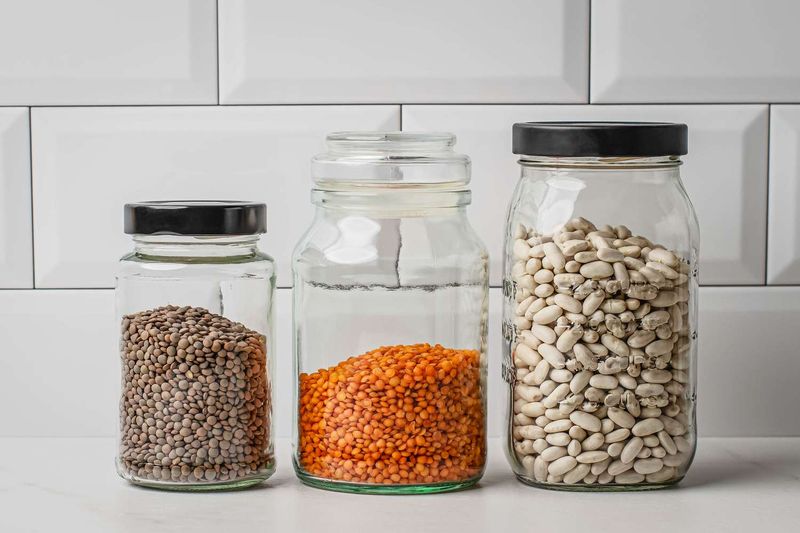
Grandma knew what she was doing when she kept a sack of pinto beans in the cupboard. Dried beans cost far less than canned, and one pound makes about six cups once cooked.
Black beans, lentils, and chickpeas all store well for a year or more. Older beans take longer to soften, so rotate your stock.
Soak them overnight, then cook a big batch and freeze portions for quick chili or taco nights.
3. Rolled Oats
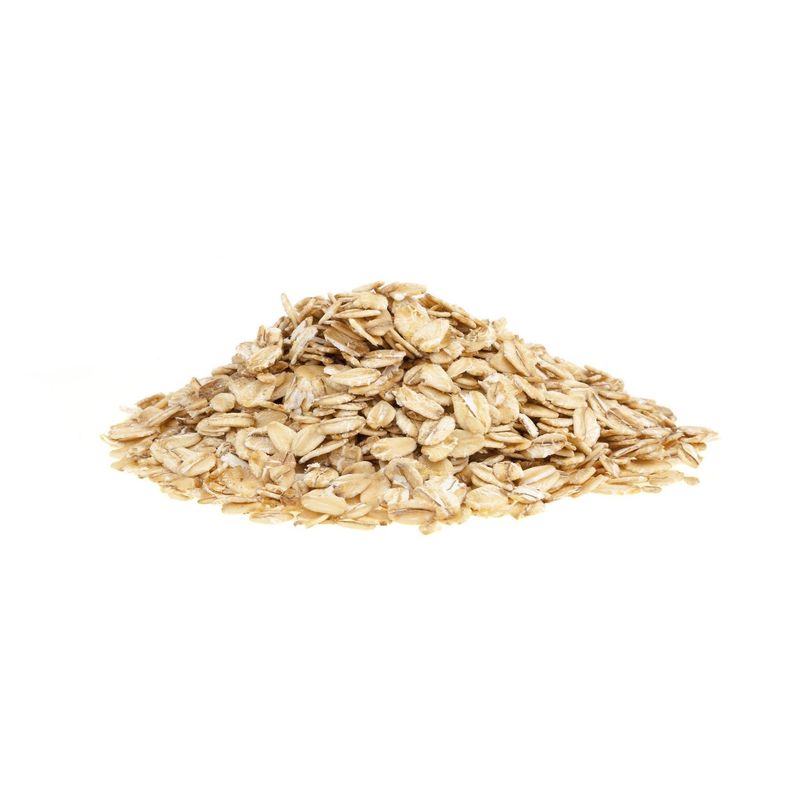
Breakfast, cookies, granola bars, even meatloaf filler. Oats quietly do it all, and buying them in big bags can cut the price nearly in half compared to small canisters.
Plain rolled oats keep for up to two years in a sealed container. Skip the flavored packets, which cost more and pack extra sugar.
Add your own cinnamon, fruit, or a spoonful of peanut butter instead. Your mornings get tastier and your grocery bill gets lighter.
4. Dry Pasta
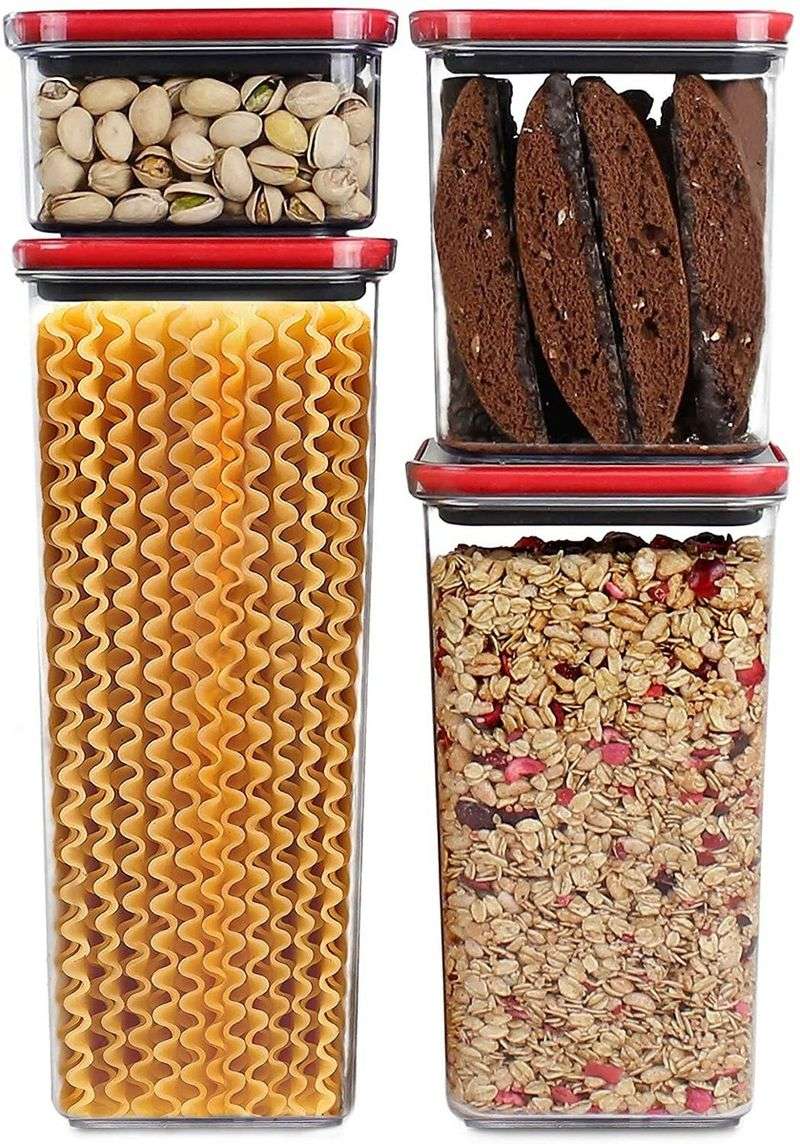
Fun fact: Americans eat around 20 pounds of pasta per person each year. With numbers like that, stocking up during a sale just makes sense.
Dry pasta stays good for about two years unopened. Warehouse stores often sell multi-packs for much less per box.
Grab a mix of shapes so dinner never feels boring. Spaghetti, penne, and elbows cover everything from mac and cheese to quick weeknight pasta salads.
5. All-Purpose Flour
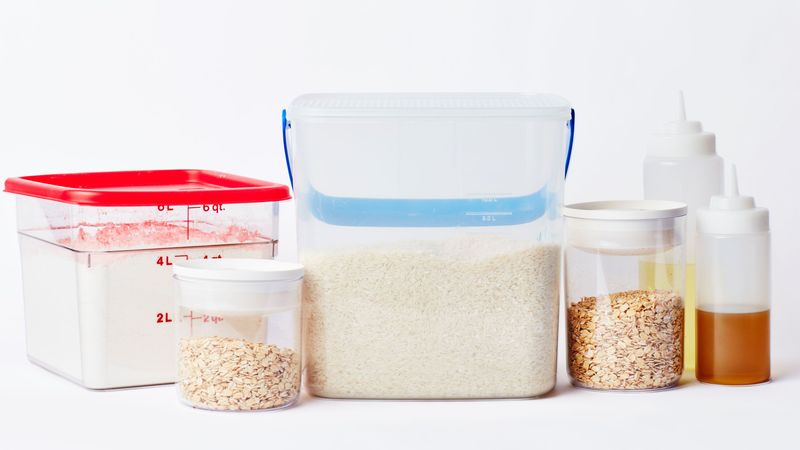
Love baking? Then those tiny five-pound bags are costing you.
Bigger sacks of flour often drop the price per pound by a surprising amount.
White flour keeps about a year in a sealed bin. A smart tip is to freeze new flour for two days first, which kills any hidden bug eggs.
Whole wheat flour spoils faster because of its natural oils, so store that kind in the fridge or freezer.
6. Granulated Sugar
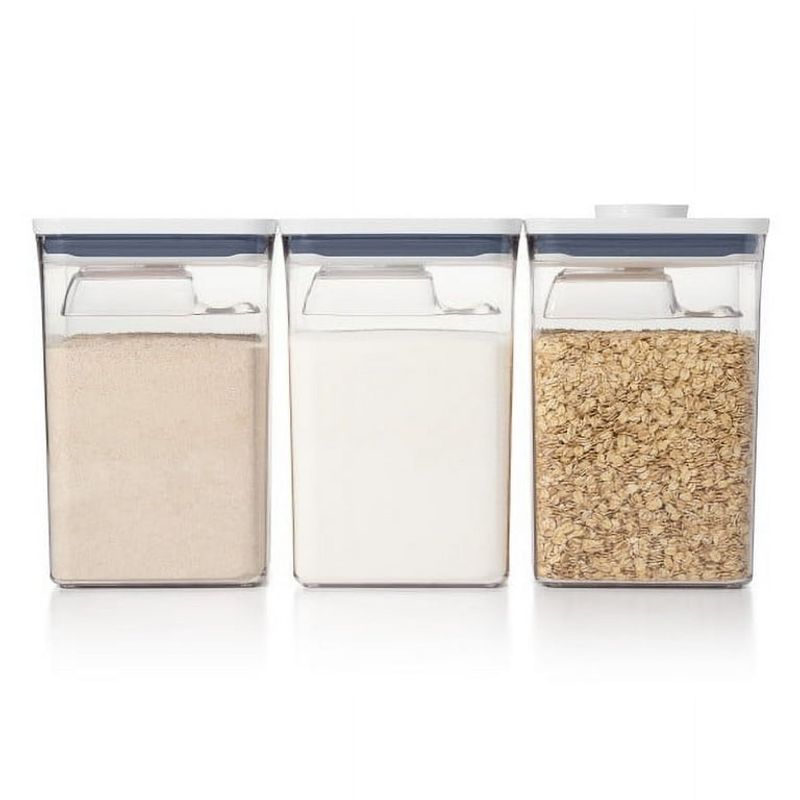
Here is a pantry item that basically never goes bad. Sugar can last forever if you keep it dry, so buying a giant bag carries almost zero risk.
Moisture causes clumping, so an airtight container is your best friend. If it hardens anyway, a few quick pulses in a blender fix it.
Bakers, jam makers, and sweet tea fans will burn through a big bag faster than expected, all while paying less.
7. Honey
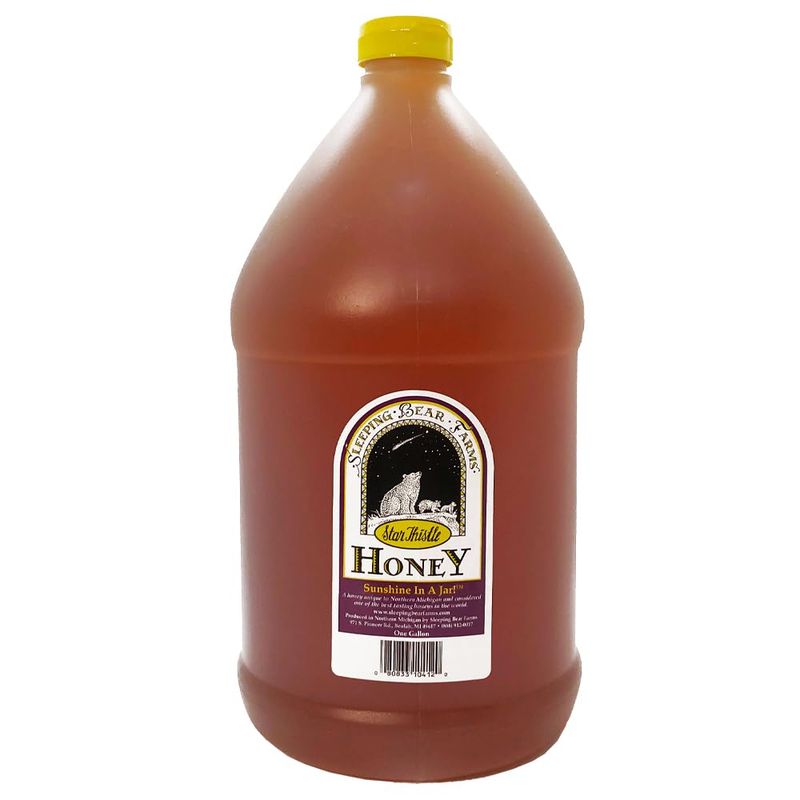
Archaeologists once found honey in ancient Egyptian tombs that was still safe to eat. Talk about shelf life!
Buying honey in large jugs saves serious cash compared to cute little bear bottles. Over time it may crystallize and turn grainy, but that is totally normal.
Just set the jar in warm water and stir. Use it in tea, drizzle it on toast, or swap it for sugar in homemade dressings.
8. Canned Tomatoes
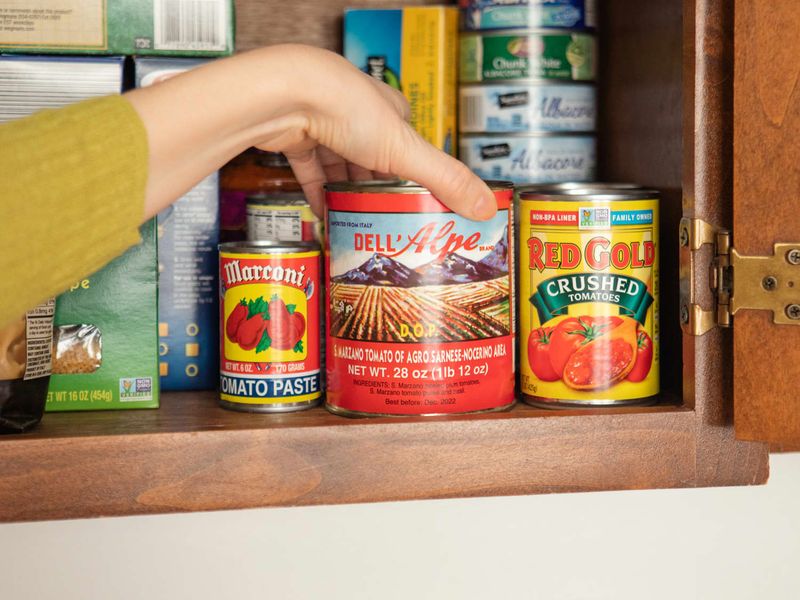
Picture a cold Tuesday night. You need dinner fast, and a can of crushed tomatoes turns into soup, chili, or pasta sauce in minutes.
Canned tomatoes last one to two years, and cases are often discounted at warehouse stores. Stock diced, crushed, and paste for full flexibility.
Always check for dents, bulges, or rust before using a can. Rotate older cans to the front so nothing sits forgotten in the back.
9. Peanut Butter
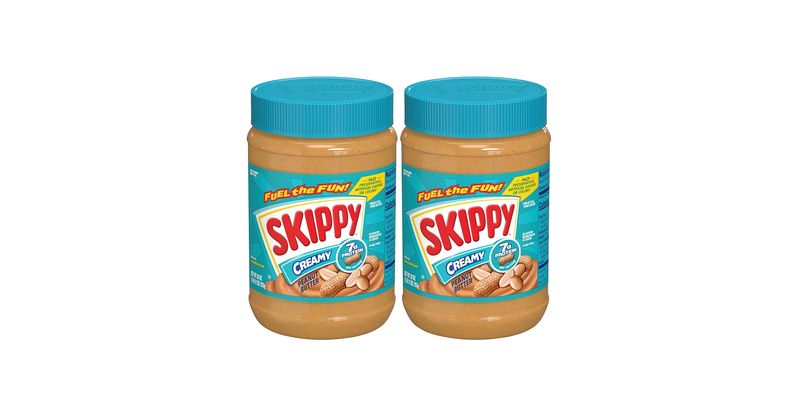
Kids adore it, adults sneak spoonfuls of it, and it fills you up with protein. Peanut butter is a lunchbox legend for good reason.
Unopened jars stay fresh for many months, so twin packs are a smart grab. Natural kinds separate and spoil sooner, so refrigerate those after opening.
Beyond sandwiches, try it in smoothies, oatmeal, or a quick noodle sauce with soy sauce and a squeeze of lime.
10. Cooking Oil
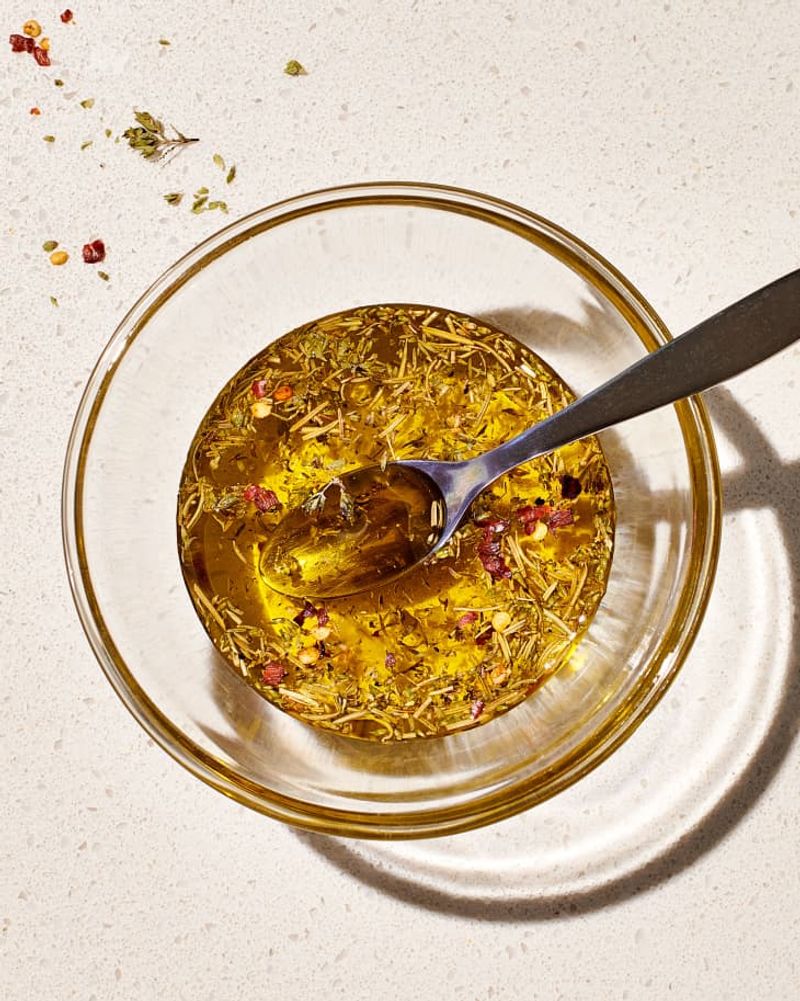
Nearly every recipe starts with a splash of oil. Paying for small bottles again and again adds up quickly.
Big jugs of canola, vegetable, or olive oil cost less per ounce. Here is the catch: heat and light make oil go rancid.
Store it away from the stove in a dark cabinet. Pour a small amount into a squeeze bottle for daily cooking, and keep the larger container tightly capped.
11. Spices and Seasonings
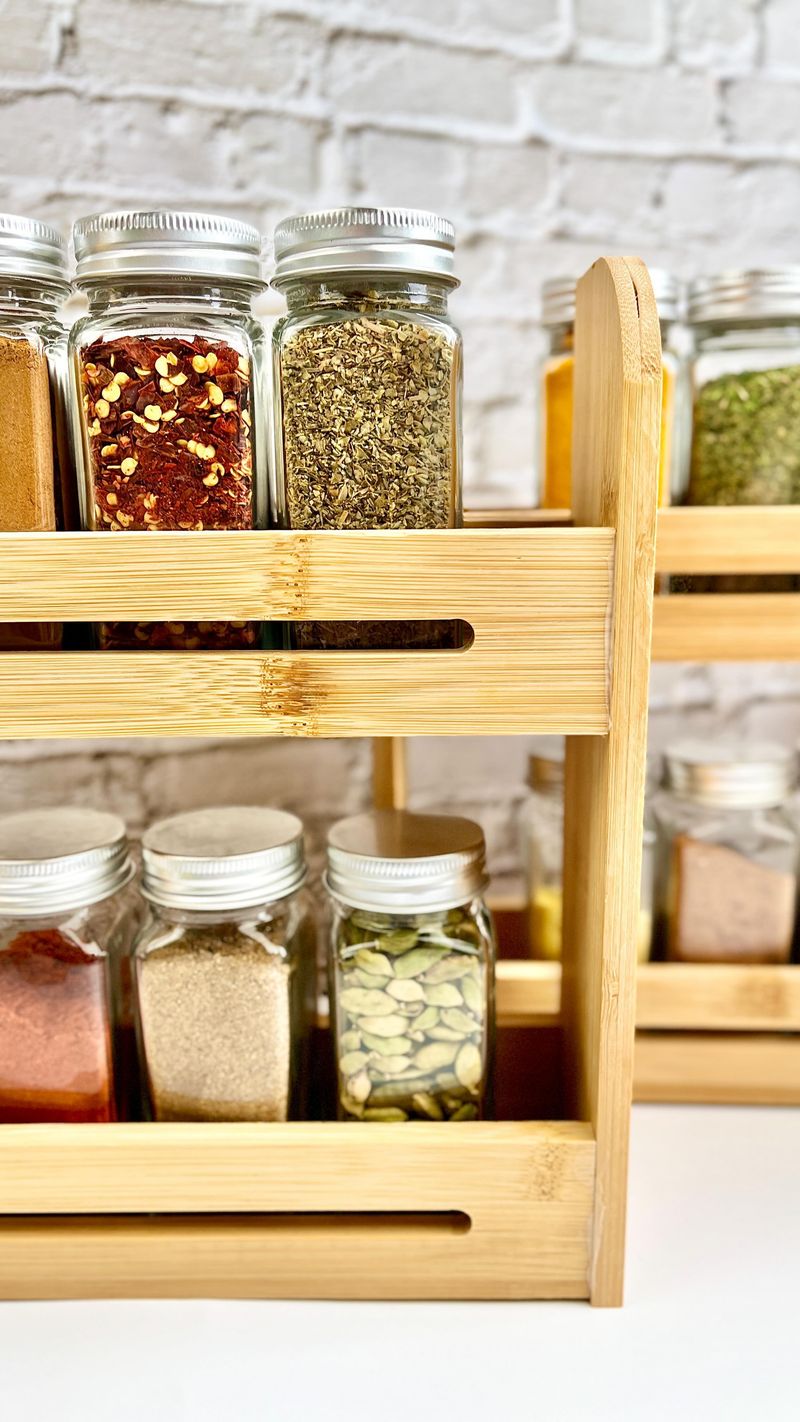
Ever noticed a tiny jar of cinnamon costing five dollars? That is one of the biggest markups in the grocery store.
Bulk bins and warehouse containers can slash spice costs by more than half. Focus on the ones you use most, like garlic powder, cumin, chili powder, and black pepper.
Ground spices lose flavor after about a year, so split a big container with a friend or neighbor to keep things fresh.
12. Salt
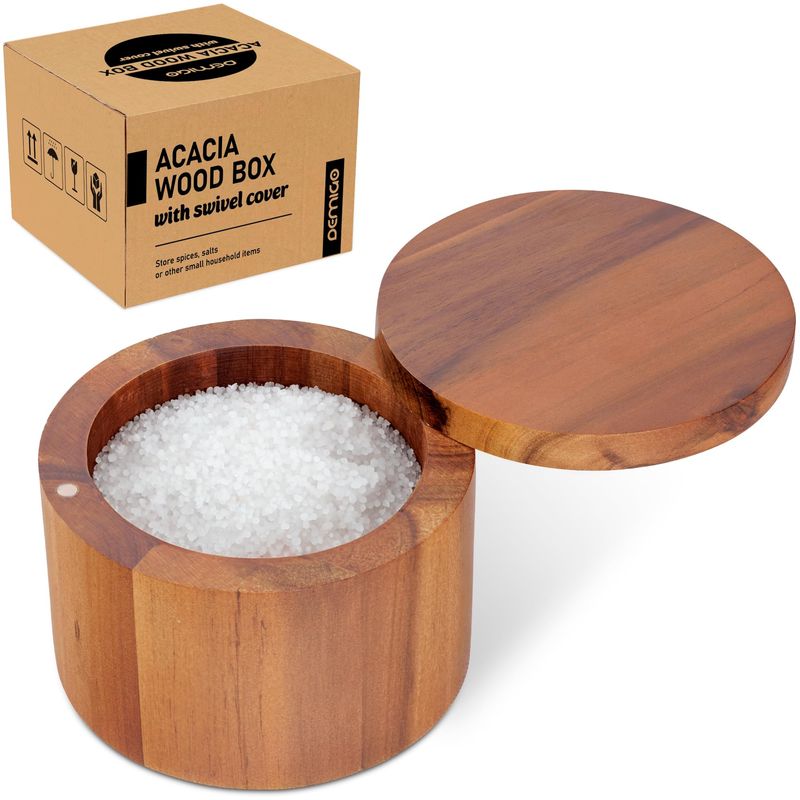
Salt has been so valuable in history that Roman soldiers were sometimes paid with it. Today, luckily, it is one of the cheapest things you can buy.
Since pure salt never expires, a giant container makes total sense. Kosher salt is a favorite for cooking because it is easy to pinch.
Keep a few extra boxes for brining meat, pickling cucumbers, or melting ice on slippery winter steps.
13. Coffee Beans
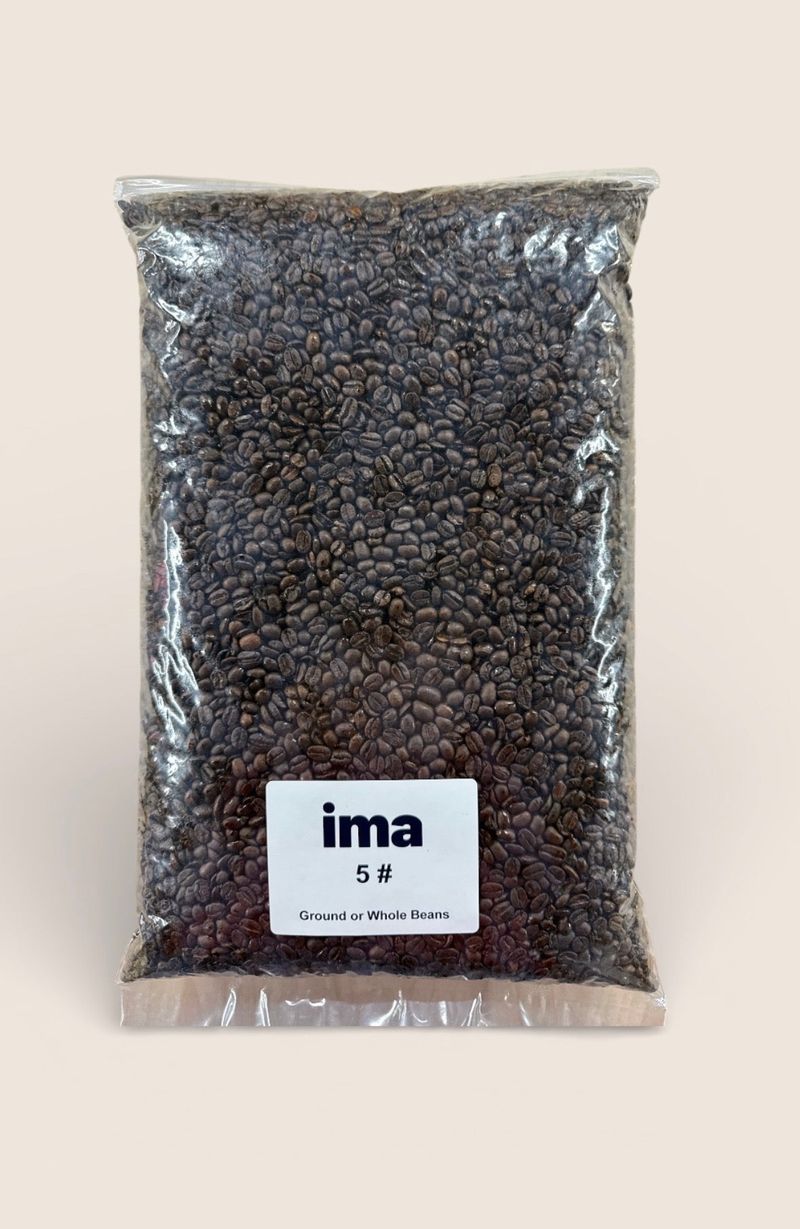
Morning coffee lovers, this one is for you. Daily cafe trips can cost over a thousand dollars a year, while big bags of beans cost a fraction of that.
Whole beans stay fresh longer than ground coffee. Store them in an opaque, airtight canister, not the fridge.
If you buy a huge bag, freeze sealed portions and thaw one at a time. A cheap grinder pays for itself within weeks.
14. Popcorn Kernels
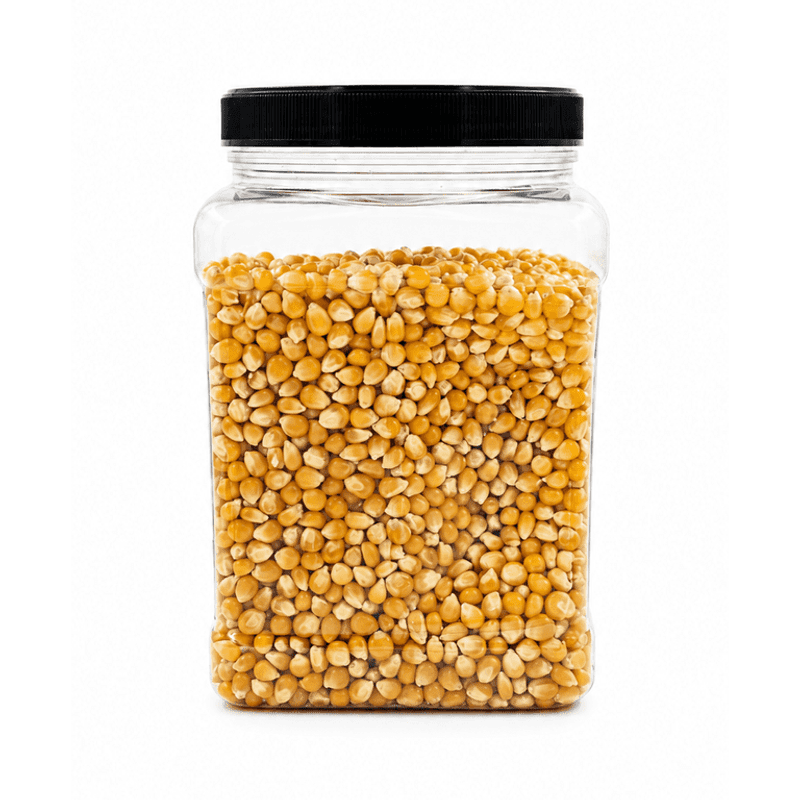
Movie night just got way cheaper. Microwave popcorn bags cost several times more than plain kernels, and they often contain strange additives.
A big bag of kernels lasts a long time in a sealed jar. Pop them on the stove with a little oil or in a paper bag in the microwave.
Then get creative with toppings like parmesan, cinnamon sugar, or taco seasoning. Snack time becomes a fun family experiment.
15. Nuts and Seeds
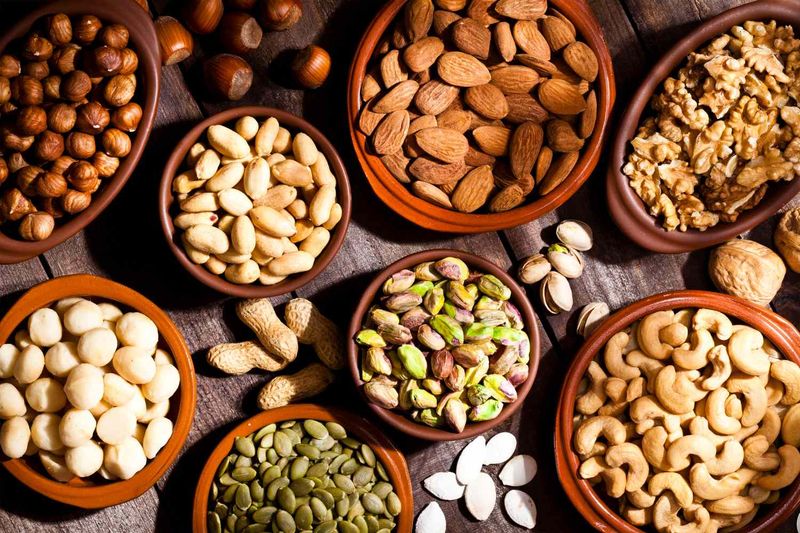
Almonds, walnuts, and sunflower seeds make healthy snacks, but small bags carry a hefty price tag. Buying big bags can save plenty.
Here is the secret most people miss. Nuts have natural oils that turn bitter at room temperature after a few months.
Store extras in the freezer, where they stay fresh for up to a year. Toss them into trail mix, salads, or baked goods straight from the cold.
16. Chicken Broth
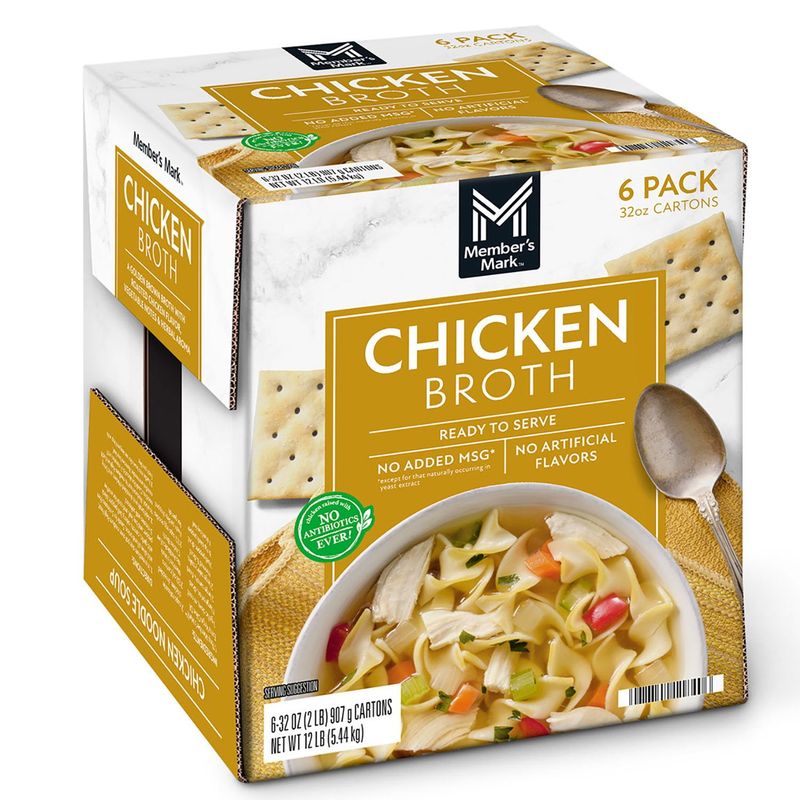
Soups, risotto, gravy, and even fluffier rice all get a flavor boost from broth. Once you start cooking with it, you will want it on hand constantly.
Cartons and bouillon cubes last many months unopened, so cases are worth grabbing on sale. Bouillon is the most budget-friendly and takes up little space.
After opening a carton, use it within a week or freeze leftovers in ice cube trays for easy portions.
17. Vinegar
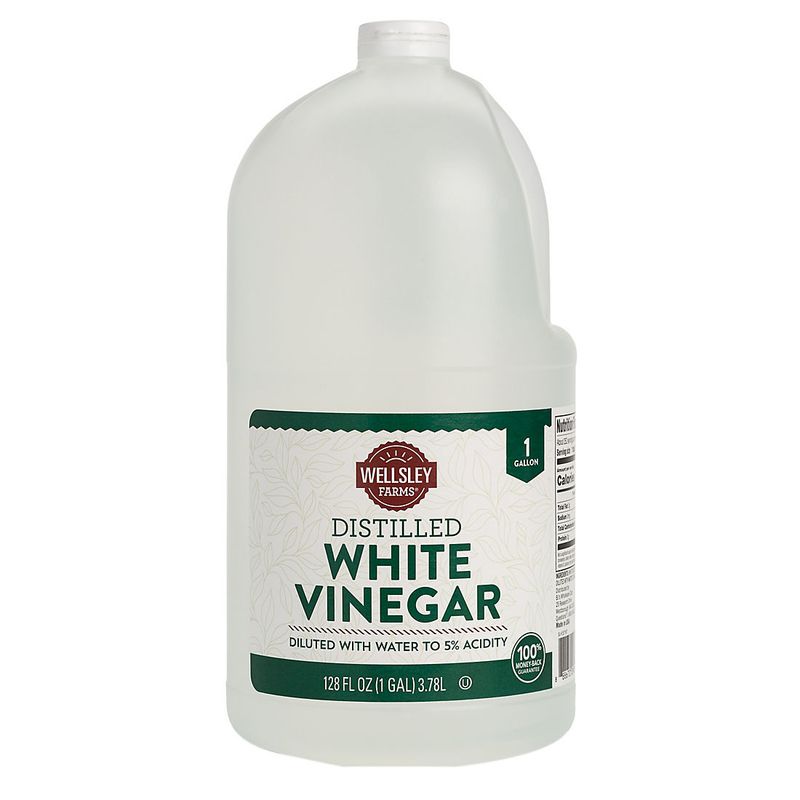
Few things in your pantry work as hard as a gallon of white vinegar. It flavors food and cleans your house too.
Vinegar basically never spoils, so the biggest jug is usually the best deal. Use it for pickling veggies, making salad dressings, or brightening sauces.
Mixed with water, it also cleans windows and counters without harsh chemicals. Apple cider vinegar is another great bulk pick for cooking.