
A movie can win awards and still leave some viewers shaking their heads. Even famous actors take roles that bring cheers, harsh reviews, or a surprising mix of both.
These films show how differently critics, fans, and award voters can judge a performance. They also offer a reminder that one movie rarely tells the whole story of an actor’s career.
1. Hillbilly Elegy (2020): Glenn Close’s Double Nomination
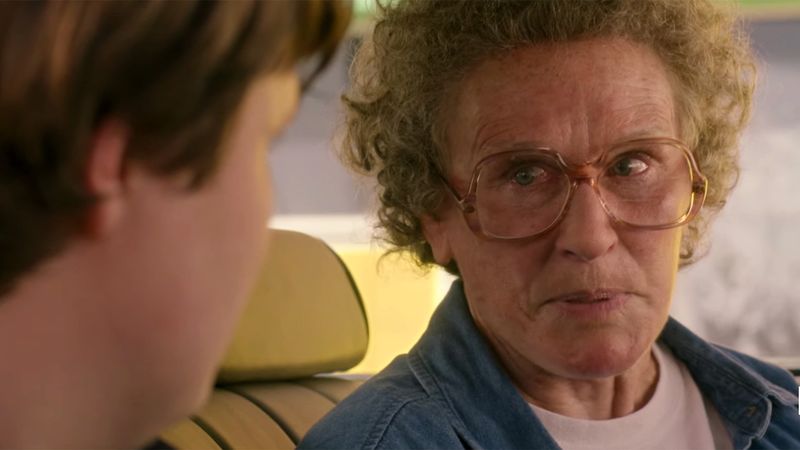
A single performance landed Glenn Close on two very different award lists. Playing Mamaw, a tough grandmother, she earned both an Oscar nomination and a Razzie nomination for supporting actress.
Some viewers admired her fierce presence, while others found the performance too broad. Reviews also questioned the film’s treatment of poverty and family struggles.
Watch how her makeup, posture, and sharp delivery work together, then decide whether those choices reveal a person or overwhelm the story.
2. The Fifth Element (1997): Milla Jovovich’s Colorful Breakthrough

Orange hair and an invented language helped turn Milla Jovovich into a science fiction star. Her Leeloo brought physical skill, curiosity, and emotional warmth to a wildly colorful adventure.
A Saturn nomination recognized her supporting performance, while a Razzie nomination reflected the less friendly response. The movie’s noisy style divided critics too.
Try watching her quieter reactions between action scenes; they explain why many fans remember a character who could easily have become just another costume.
3. Wall Street (1987): Daryl Hannah in an Uneven Spotlight
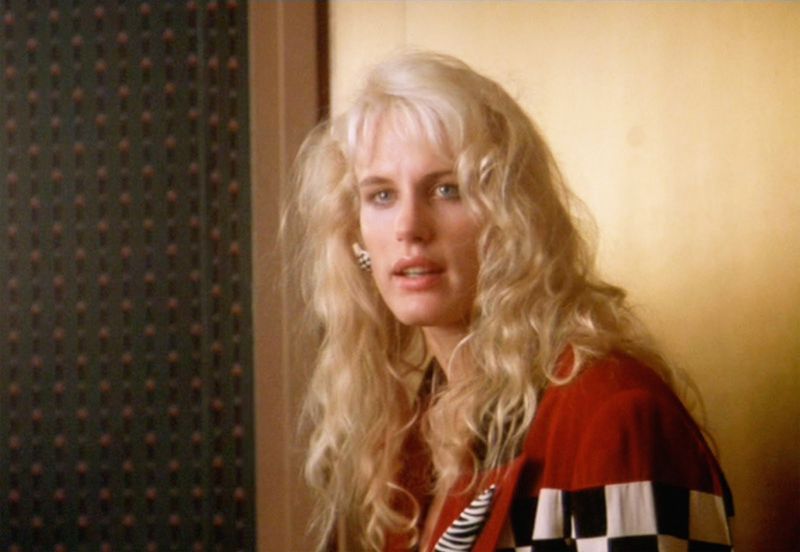
Success for a movie does not guarantee applause for everyone in it. Daryl Hannah played Darien, an interior decorator drawn into a world of money, status, and shaky values.
Although Wall Street became a celebrated financial drama, Hannah won the Razzie for worst supporting actress. Her role received far less praise than the film’s central performances.
That contrast makes this a useful example of judging the writing, the casting, and the acting as separate creative choices.
4. All About Steve (2009): Sandra Bullock Takes the Joke
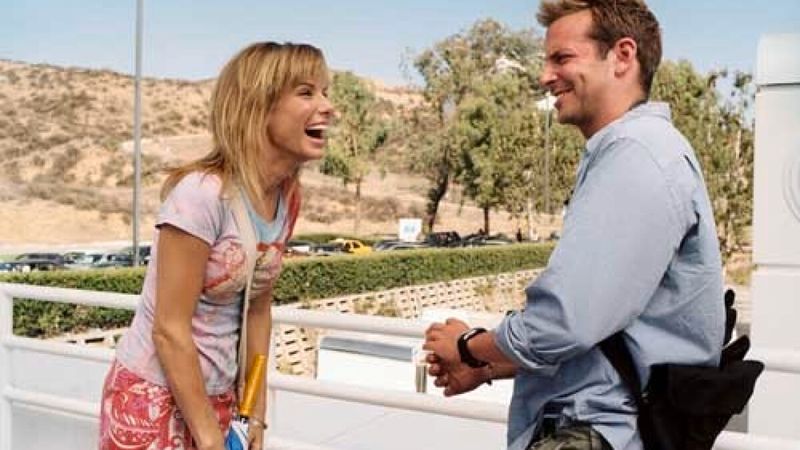
Showing up to accept a Razzie takes a sense of humor. Sandra Bullock did exactly that after winning worst actress for her turn as an awkward crossword creator pursuing a cameraman.
Critics largely rejected the comedy, especially its uncomfortable romance and uneven jokes. Bullock’s cheerful response earned goodwill beyond the film itself.
Her experience offers a useful lesson: handling a public disappointment with grace can leave a better impression than pretending the setback never happened publicly.
5. The Blind Side (2009): Bullock’s Oscar and a Larger Debate
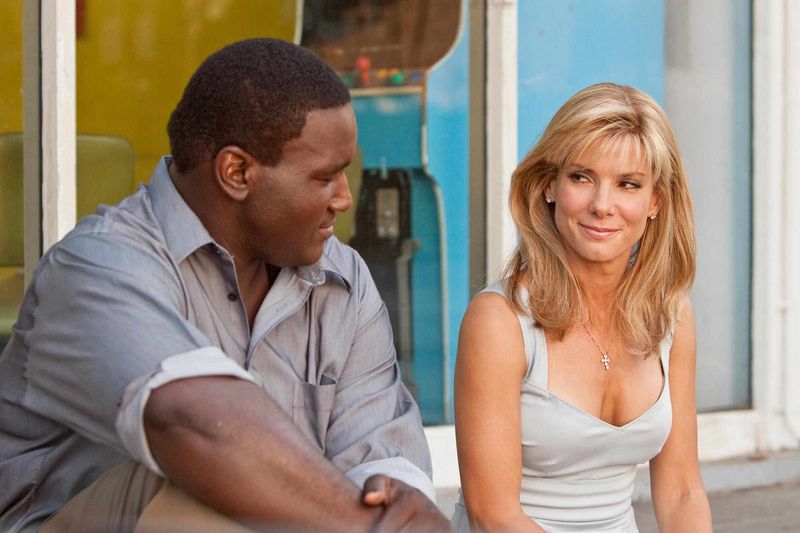
One day after accepting her Razzie, Bullock won an Oscar for a completely different role. Her performance as Leigh Anne Tuohy helped make The Blind Side a popular, emotional sports drama.
Many viewers praised her confidence and warmth. Others criticized the story for giving its white benefactor more depth and control than its Black athlete.
Separate the acting from the storytelling when watching; a strong lead performance does not settle every concern about a film’s viewpoint.
6. Batman & Robin (1997): George Clooney’s Famous Misfire
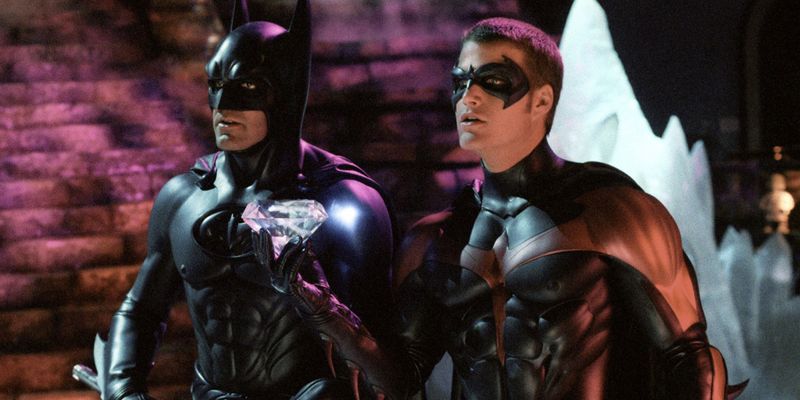
Rubber costumes, icy jokes, and glowing sets made this Batman outing impossible to ignore. George Clooney’s relaxed charm could not protect the movie from widespread criticism of its campy tone.
Some fans now enjoy its bright design as playful comic book theater, rather than serious adventure. Clooney later joked about the disappointment and built a strong career elsewhere.
Consider it a reminder that an actor’s screen image can survive even a very loud and expensive stumble.
7. Pirates of the Caribbean: The Curse of the Black Pearl (2003): Johnny Depp Strikes Gold
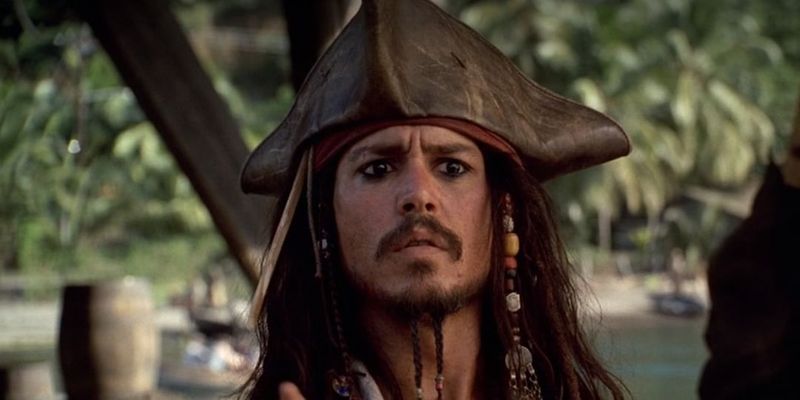
A wobbling walk helped change the course of Johnny Depp’s career. His Captain Jack Sparrow turned a theme park adaptation into a showcase for strange timing, slippery charm, and unexpected humor.
The performance earned an Oscar nomination, a rare achievement for a comic adventure role. Not everyone loved the film’s length or busy plot, but Depp became its defining attraction.
Notice how his gestures keep scenes unpredictable without requiring Jack to explain everything he is thinking.
8. Pirates of the Caribbean: Dead Men Tell No Tales (2017): Depp Faces Familiarity
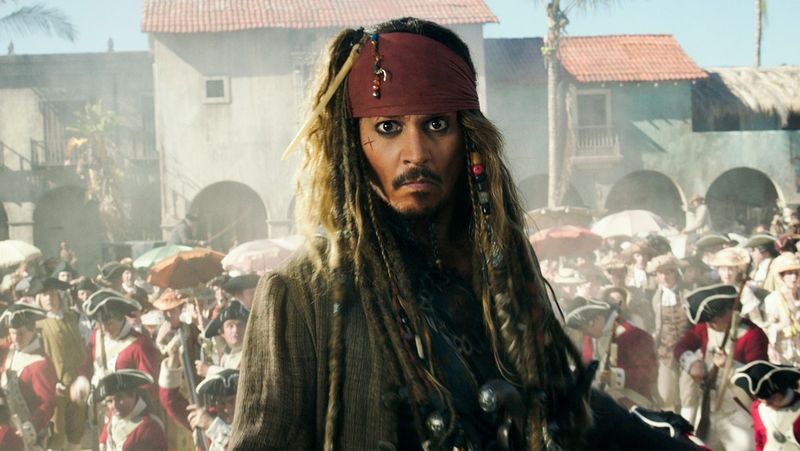
By the fifth adventure, Jack Sparrow’s familiar tricks no longer surprised everyone. Depp returned with the same loose movement and comic confusion, pleasing viewers who wanted another visit with the pirate.
Other critics felt the character had become repetitive, and the performance received a Razzie nomination. The contrast with his first outing is striking.
Compare how much Jack drives the action in each movie; a beloved character can lose energy when familiar habits replace fresh dramatic choices.
9. Catwoman (2004): Halle Berry Owns the Setback
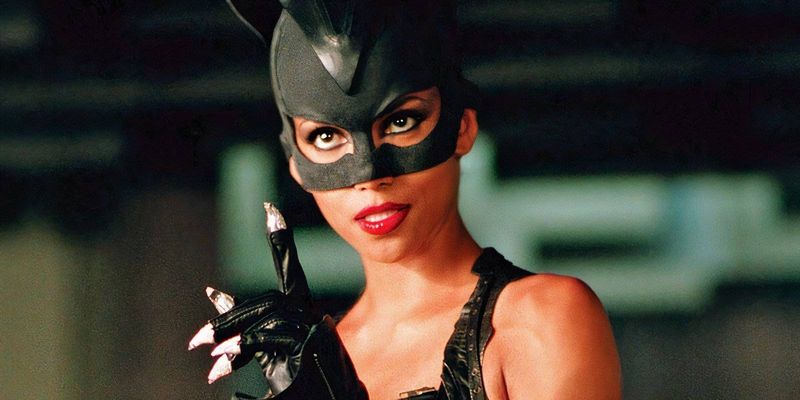
Halle Berry brought athletic energy to a superhero movie that critics largely rejected. Complaints focused on the thin story, frantic editing, and a costume that often seemed more important than character.
Berry accepted her worst actress Razzie in person, turning an embarrassing result into a memorable public moment. Some viewers still enjoy the film’s camp appeal.
Her earlier Oscar success also makes the larger point clear: one weak project cannot fairly measure an actor’s full range.
10. Daredevil (2003): Ben Affleck Beneath the Mask
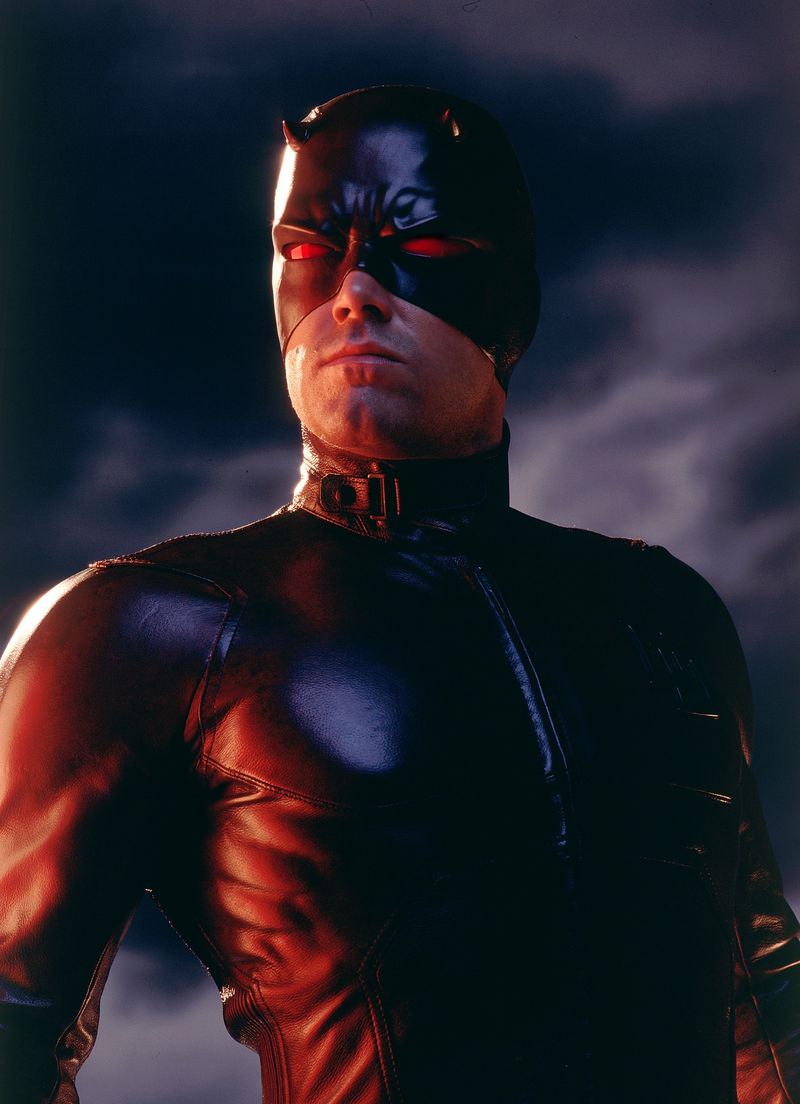
Before his Batman years, Ben Affleck played another troubled hero watching over city rooftops. Daredevil gave him action scenes and emotional wounds, but its theatrical release drew a mixed critical response.
His performance was included in his Razzie win for worst actor that year. Some fans later preferred the longer director’s cut, which expanded the crime story.
Comparing the versions shows how editing can change a character’s depth, even when the actor’s basic performance remains largely unchanged.
11. Twilight (2008): Robert Pattinson’s Overnight Fame
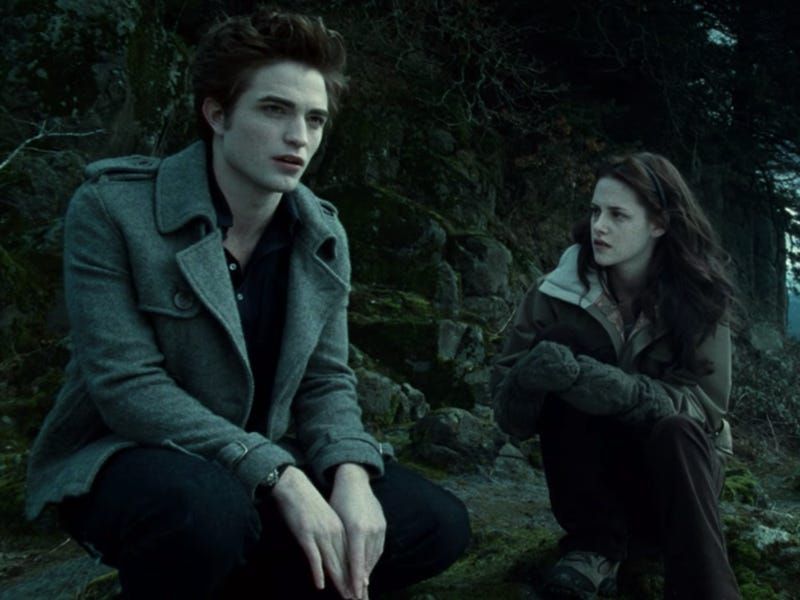
Few roles brought such intense attention so quickly. Robert Pattinson’s Edward Cullen became a romantic favorite, helping Twilight build a devoted audience despite reviews that questioned its dialogue and restrained performances.
Some viewers saw mystery in Edward’s stillness; others saw stiffness. That difference says plenty about how personal screen chemistry can be.
Watch his later dramatic work alongside this film before judging his range, because a star’s most famous role may reveal only one carefully chosen register.
12. Snow White and the Huntsman (2012): Kristen Stewart Enters Battle

Armor replaced the usual storybook gown in Kristen Stewart’s darker fairy tale. Her Snow White was meant to grow from a hunted prisoner into a leader capable of inspiring an army.
Reviewers often admired the visual design while disagreeing about her dramatic force. Stewart also received a Razzie for worst actress covering this film and her final Twilight outing.
Look at the demands of the role: quiet resolve and a stirring battle speech require very different skills.
13. The Wicker Man (2006): Nicolas Cage’s Accidental Comedy
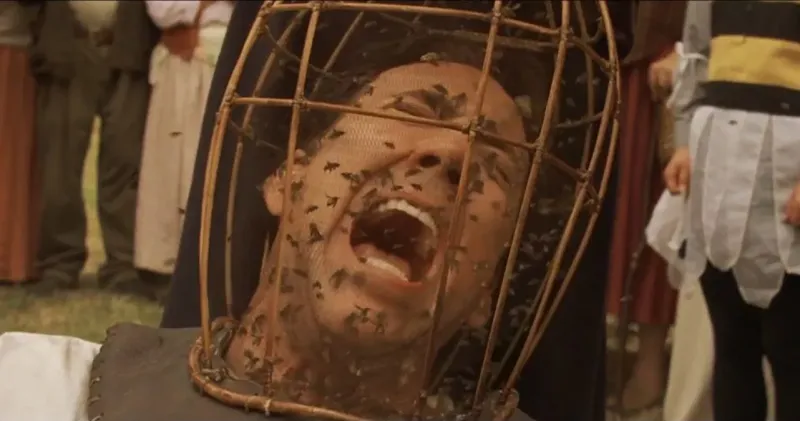
Internet clips gave this horror remake a second life as comedy. Nicolas Cage’s frantic reactions, especially during its notorious bee sequence, became better known than the mystery surrounding his character.
Critics largely dismissed the movie, and Cage received a Razzie nomination. Yet audiences who enjoy extreme performances found something oddly entertaining in his commitment.
Approach it knowing that fear may turn into laughter; the gap between intended mood and actual response explains much of its lasting appeal.
14. The Cable Guy (1996): Jim Carrey Gets Uncomfortable
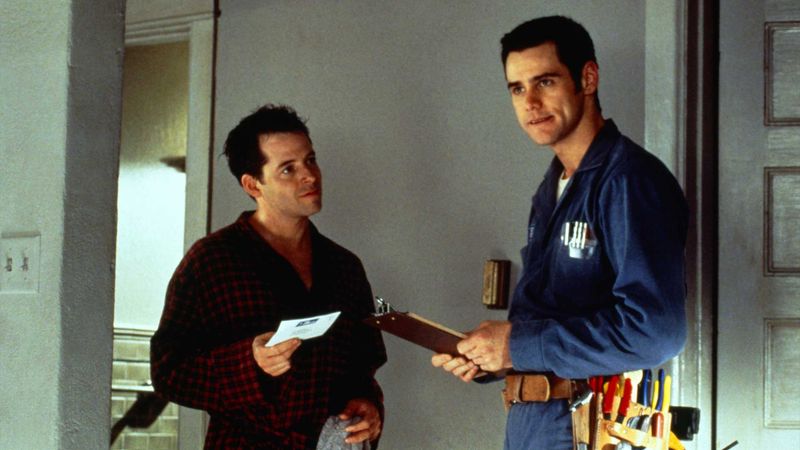
Audiences expecting another cheerful Jim Carrey comedy got a much stranger visitor. His lonely cable installer mixes silly voices with controlling behavior, making friendship feel increasingly like a threat.
The darker approach divided viewers and critics at release, though later assessments have often been kinder. Carrey’s willingness to seem needy and unpleasant is central to that shift.
If the jokes feel uncomfortable, pay attention: the movie uses that discomfort to explore isolation, television, and desperate social hunger.
15. Uncut Gems (2019): Adam Sandler Raises the Stakes
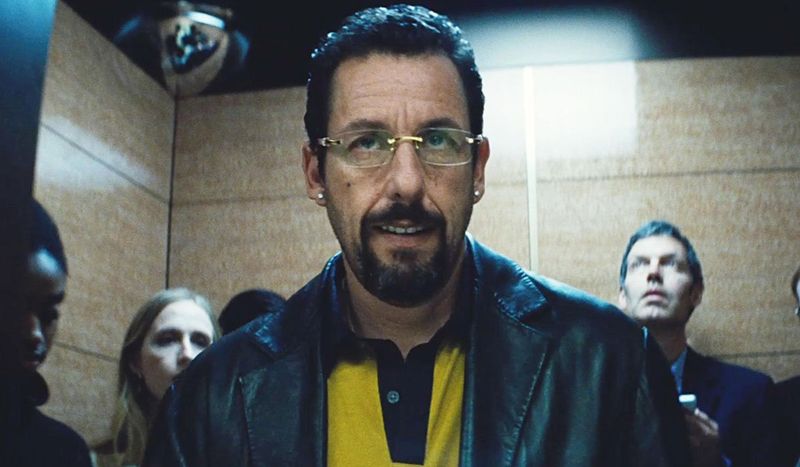
There is little room to relax around Adam Sandler’s frantic jewelry dealer. His performance turns risky bets, rushed promises, and constant chatter into a tense portrait of a man chasing escape.
Critics widely praised the work, and Sandler won an Independent Spirit Award. Some viewers, however, found the shouting and pressure exhausting.
Both reactions fit the film’s design. Choose it when you want an intense character study, not the easy comfort often associated with his broad comedies.
16. Eyes Wide Shut (1999): Tom Cruise Slows Down
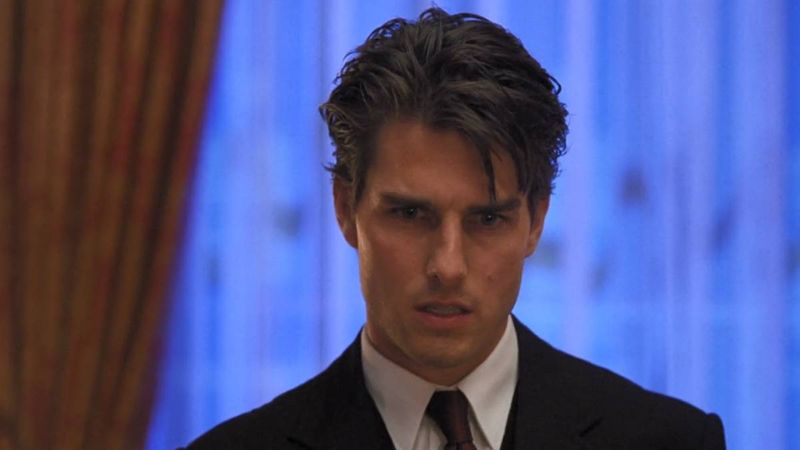
Instead of sprinting toward danger, Tom Cruise spends much of this film wandering through doubt. As a doctor shaken by his wife’s confession, he trades heroic certainty for jealousy and confusion.
The slow pace and guarded acting divided audiences, while many critics admired the film’s unsettling dreamlike mood. Its reputation has strengthened over time.
Watch Cruise’s pauses and polite exchanges closely; the tension often comes from what his character cannot understand, rather than anything he openly admits.
17. Mother! (2017): Jennifer Lawrence at the Center of Chaos
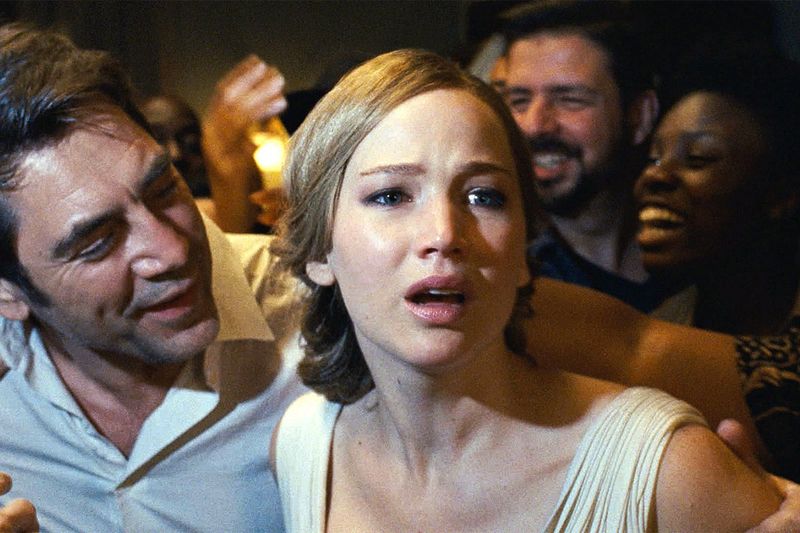
A peaceful home becomes a nightmare around Jennifer Lawrence’s increasingly frightened character. Her close, anxious performance anchors a film that shifts from domestic tension into violent symbolism and overwhelming chaos.
Some critics praised its ambition, while others found it heavy handed or punishing. Lawrence also received a Razzie nomination for worst actress.
Expect an unsettling experience rather than a clear puzzle with one answer; discussing its images afterward may be more rewarding than seeking a tidy explanation.