
A thin, watery soup can feel like a letdown, especially on a cold night. The good news is that you do not need flour or heavy cream to get that rich, spoon-coating texture.
Many everyday foods in your kitchen can do the job while adding flavor, fiber, and nutrition. Here are some clever swaps that will make your next pot of soup thick, cozy, and satisfying.
1. Starchy Potatoes

Grandma knew the trick long before food bloggers did. Toss a diced russet potato into your pot, let it simmer until soft, then mash it right in the broth.
Russets break down easily because they are packed with starch. That starch spreads through the liquid and makes it silky.
For a quick fix, grate a raw potato straight into the soup. It melts away in about fifteen minutes, and nobody will even notice it is there.
2. Red Lentils

Ever watched a pot of red lentils vanish into mush? That disappearing act is exactly what makes them amazing for soup.
Unlike green or brown lentils, the red kind lose their shape quickly. In about twenty minutes, they turn into a thick, creamy base packed with protein and fiber.
Add a half cup to vegetable or tomato soup. You get extra body, plus a meal that keeps you full for hours.
3. Rolled Oats

Oatmeal in soup sounds weird, right? Stick with me, because this breakfast staple is a secret weapon.
A few tablespoons of rolled oats soften and release a gentle, creamy gel as they cook. The flavor stays mild, so it will not turn your chili into porridge.
For the smoothest result, blend the oats into a powder first. Stir it in slowly and let the soup bubble for ten minutes.
4. Cornstarch Slurry
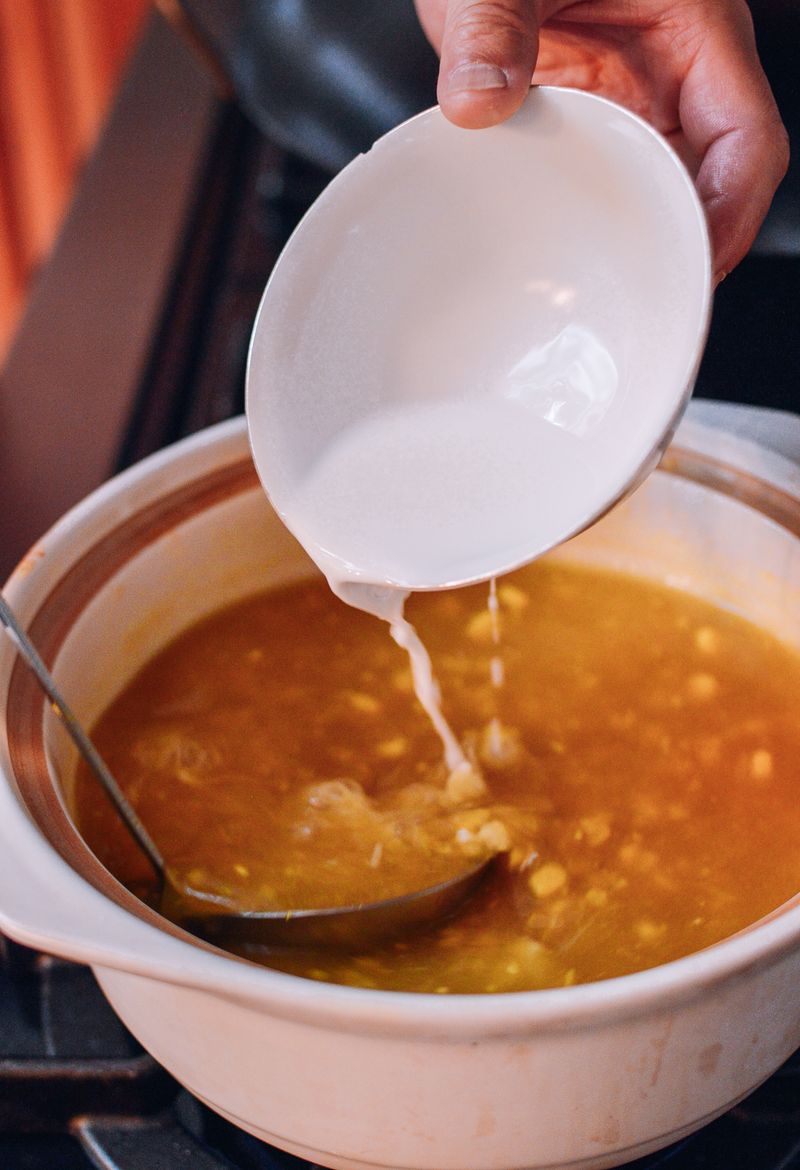
Chinese cooks have relied on cornstarch for centuries to give hot and sour soup its glossy body. You can borrow the same move at home.
Mix one tablespoon of cornstarch with two tablespoons of cold water. Pour it into a simmering soup and stir constantly.
Within a minute or two, the broth turns thick and shiny. One warning: never dump dry cornstarch straight into hot liquid, or you will get lumps.
5. Arrowroot Powder
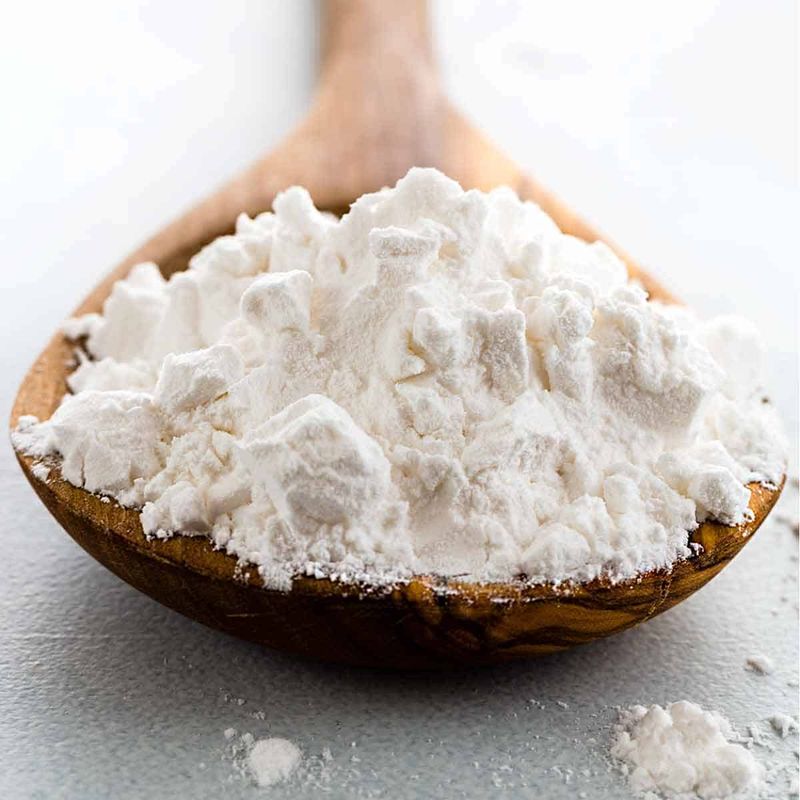
Picture a cousin of cornstarch that works even faster and keeps soups crystal clear. Meet arrowroot, a powder made from a tropical root.
It thickens at lower heat, which makes it handy for delicate soups. It also handles acidic ingredients like tomatoes without breaking down.
Mix it with cold water first, then add it near the end of cooking. Long boiling can make it thin out again, so timing matters.
6. Cannellini Beans

Here is a pantry hack worth remembering: one can of white beans can make soup taste like it has cream in it.
Drain and rinse cannellini beans, then blend them with a ladle of hot broth. Stir the smooth puree back into the pot.
The result is velvety and rich, with a mild flavor that blends into almost anything. Bonus points for the extra protein and fiber your body will love.
7. Raw Cashews

Vegan chefs swear by this nutty miracle. Soaked cashews blend into a smooth cream that rivals anything from a dairy carton.
Soak a half cup of raw cashews in hot water for thirty minutes. Blend them with a little fresh water until totally smooth.
Stir the cashew cream into tomato, mushroom, or butternut soup. It adds a buttery richness that might fool your pickiest family member.
8. Day-Old Bread

Italian grandmothers never wasted stale bread. Instead, they tore it into soups like pappa al pomodoro, a thick Tuscan tomato dish.
Crusty bread soaks up broth and falls apart as it simmers. Whisk it a bit, and you get a hearty, rustic texture.
Remove the crusts if you want things smoother. Fun fact: Spanish gazpacho also uses bread to give the cold soup its body.
9. Blended Vegetables

Sometimes the answer is already sitting in your pot. Scoop out a cup or two of cooked veggies, blend them, and pour them back in.
Carrots, celery, onions, and squash all create a naturally thick base. An immersion blender makes the job fast and easy.
You keep some chunky bites while the broth turns hearty. Zero extra ingredients, zero extra cost, and plenty of flavor.
10. Cooked Rice

Leftover rice from last night’s dinner? Perfect.
A scoop of it can turn thin broth into something hearty.
Rice releases starch as it simmers, especially short-grain kinds like arborio. Cook it in the soup until very soft, then blend a portion for extra creaminess.
Many cultures do this already. Greek avgolemono and Asian congee both rely on rice for their comforting, spoon-hugging texture.
11. Egg Yolks

Think eggs only belong at breakfast? French and Greek cooks would politely disagree.
Whisk two egg yolks in a bowl, then slowly add a ladle of hot soup while stirring. This step, called tempering, keeps the eggs from scrambling.
Pour the mixture back into the pot over low heat. Keep it below a boil, and you will get a silky, golden soup with a rich, custardy finish.
12. Plain Greek Yogurt

Tangy, thick, and probably already in your fridge, Greek yogurt brings both body and a bright little zing.
Take the soup off the heat first. Stir a spoonful of hot broth into the yogurt, then mix it all back in.
Heat can make yogurt curdle, so add it right before serving. It tastes especially good in curried lentil, carrot, or cucumber soups.
13. Coconut Milk

Close your eyes and imagine a bowl of Thai tom kha soup. That luscious, slightly sweet texture comes from coconut milk.
Full-fat canned coconut milk adds richness without any dairy. Stir it in during the last ten minutes of cooking.
It pairs beautifully with curry spices, pumpkin, sweet potato, and ginger. Shake the can well before opening, since the thick cream rises to the top.
14. Chia Seeds

Tiny but mighty, chia seeds can soak up about ten times their weight in liquid. That superpower makes them sneaky soup thickeners.
Stir in one tablespoon per pot and wait ten to fifteen minutes. The seeds form a soft gel that adds body.
Grind them first if you dislike the little dots. You also get a boost of omega-3 fats, which is a healthy win.
15. Masa Harina

Texas chili cooks have a not-so-secret secret. A spoonful of masa harina, the corn flour used for tortillas, gives chili its signature thickness.
Mix two tablespoons with water to make a paste. Stir it into the pot and simmer for ten minutes.
Along with thickening, it adds a toasty corn flavor. Try it in tortilla soup, pozole, or black bean soup for a true Southwestern touch.
16. Ripe Avocado

Avocado in soup? Absolutely, and it might become your new favorite trick.
Blend half a ripe avocado with a cup of broth until smooth. Stir it into cold soups or warm ones right before serving.
Its healthy fats create a buttery feel without any cream. Avocado works best in chilled green soups, black bean soup, or chicken tortilla soup.
Add a squeeze of lime to keep the color bright.
17. Pureed Pumpkin

Fall flavor in a can! Plain pumpkin puree is a cheap, easy way to add thickness and a warm orange glow.
Stir in half a cup to chili, black bean, or tomato soup. The smooth texture blends right in and adds vitamin A too.
Just grab plain pumpkin, not pie filling, which has sugar and spices. Butternut squash puree works the same way if pumpkin is not around.