
A single photograph can make a distant moment feel close enough to touch. Faces, small gestures, and familiar streets help us see history as real lives, not just dates in a textbook.
Some of these images show courage and wonder, while others record painful events. Looking closely, and learning what happened beyond the frame, helps us understand both the pictures and the people in them.
1. The Terror of War: Childhood Caught in Conflict
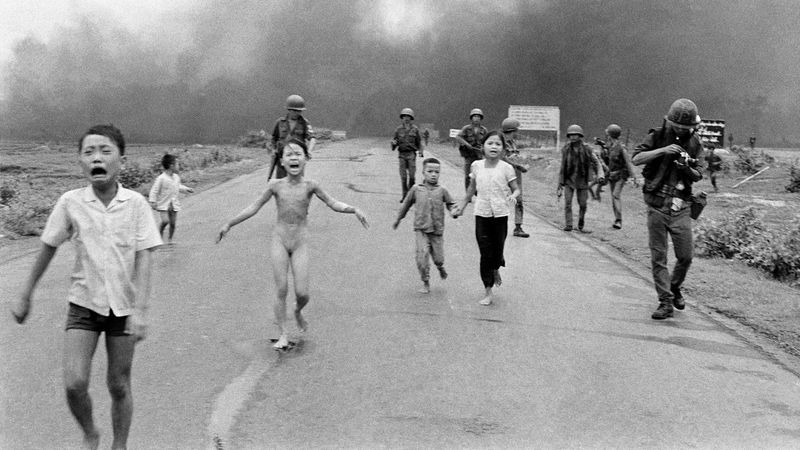
Fear fills the road as children flee a napalm attack near Trảng Bàng, Vietnam, in 1972. Nine-year-old Phan Thi Kim Phúc became the photograph’s best-known survivor, later sharing her story and working for peace.
Long credited to Nick Ut, the image’s authorship has faced recent dispute. Its human message remains clear: civilians carry war’s deepest wounds.
Read about Kim Phúc’s later life, too, so her identity reaches beyond one terrible moment captured on that crowded road.
2. The Burning Monk: A Protest That Shook the World
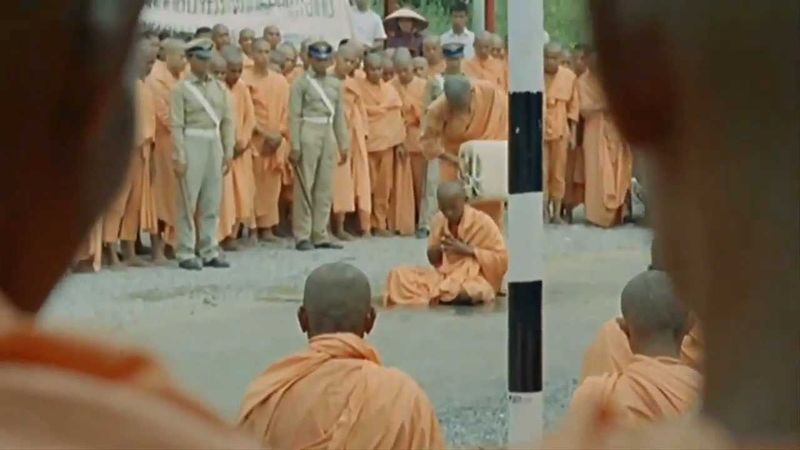
Silence seems almost visible around a protest that stunned the world. In 1963, Malcolm Browne photographed Buddhist monk Thích Quảng Đức setting himself on fire at a Saigon intersection to oppose government persecution of Buddhists.
The photograph spread far beyond Vietnam and drew attention to religious oppression. Because the scene is deeply disturbing, approach it with care.
Learning the protest’s background explains why the monk’s sacrifice became an international symbol rather than simply a shocking image.
3. A Child and a Vulture: The Weight of Witnessing
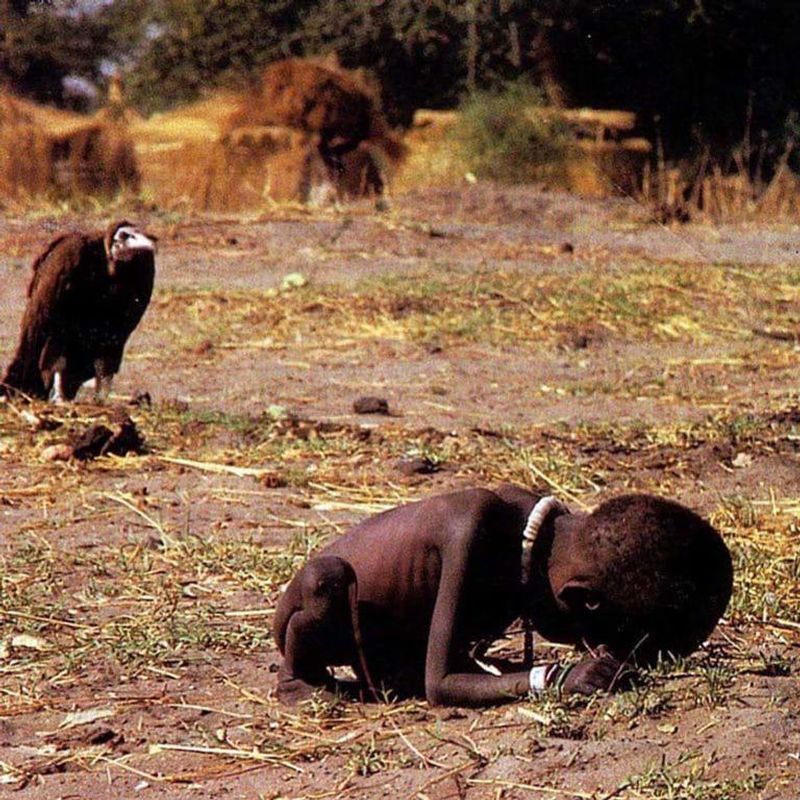
A waiting bird makes an already painful scene feel unbearably tense. Kevin Carter took this photograph near Ayod, Sudan, in 1993, during a famine that left families struggling for food and safety.
The child and nearby vulture brought worldwide attention to suffering, but also raised questions about a photographer’s duty to help. Avoid guessing what happened from the frame alone.
Reliable reporting adds context that a single photograph, however powerful, cannot fully provide on its own.
4. Lunch Atop a Skyscraper: An Astonishing Break
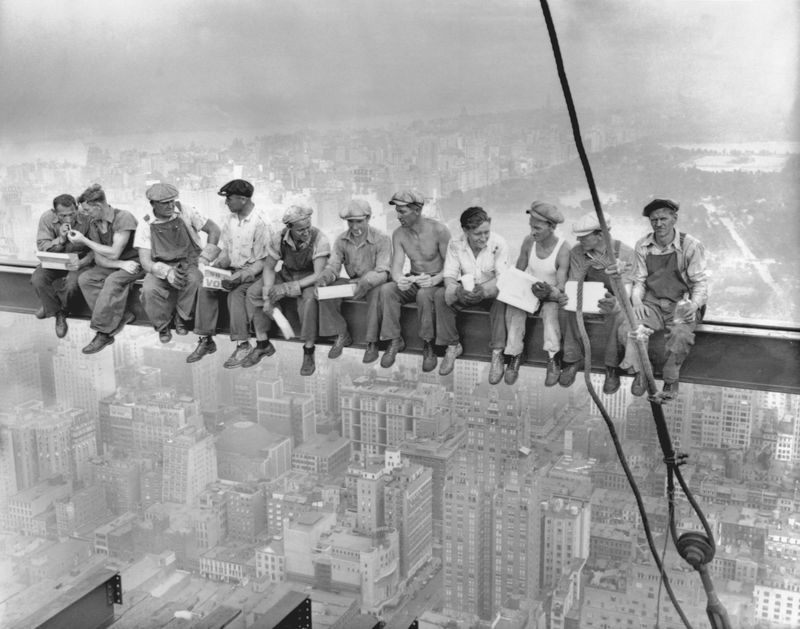
Lunch breaks rarely come with a skyline beneath your shoes. Eleven workers sit along a steel beam high above Manhattan in this famous 1932 photograph, made during construction at Rockefeller Center.
The scene was arranged for publicity, and the photographer’s identity remains uncertain. Still, the workers were real people doing demanding jobs during the Great Depression.
Look at their relaxed poses and lunch containers: ordinary details make the dizzying height feel even more remarkable to viewers.
5. Tank Man: One Person Against a Column
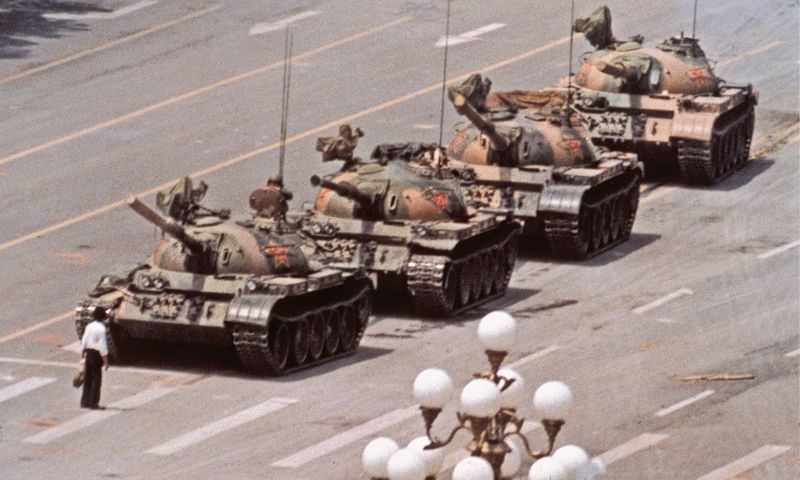
Shopping bags hang from his hands as tanks block the street ahead. On June 5, 1989, an unidentified man stood before a tank column in Beijing, shortly after the military crackdown on demonstrations.
Jeff Widener and other photographers recorded the encounter from different viewpoints. The man’s identity and later fate remain unknown.
Notice how small he appears beside the machines. That contrast helps explain why the photograph became a lasting symbol of individual courage and resistance.
6. Falling Man: A Life Behind the Headlines
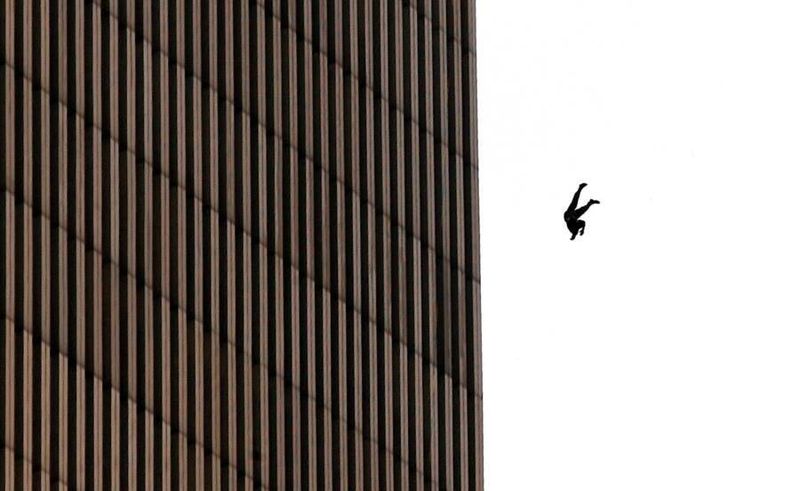
Behind every major disaster are individual lives that headlines cannot fully describe. Richard Drew’s 2001 photograph shows a person falling from the World Trade Center during the September 11 attacks.
The image remains difficult to view and has prompted debate about privacy, dignity, and remembrance. The person’s identity has not been firmly established.
Rather than treating the picture as spectacle, consider the families affected and the challenge of recording tragedy without losing sight of shared human worth.
7. Alan Kurdi: A Refugee Crisis Becomes Personal
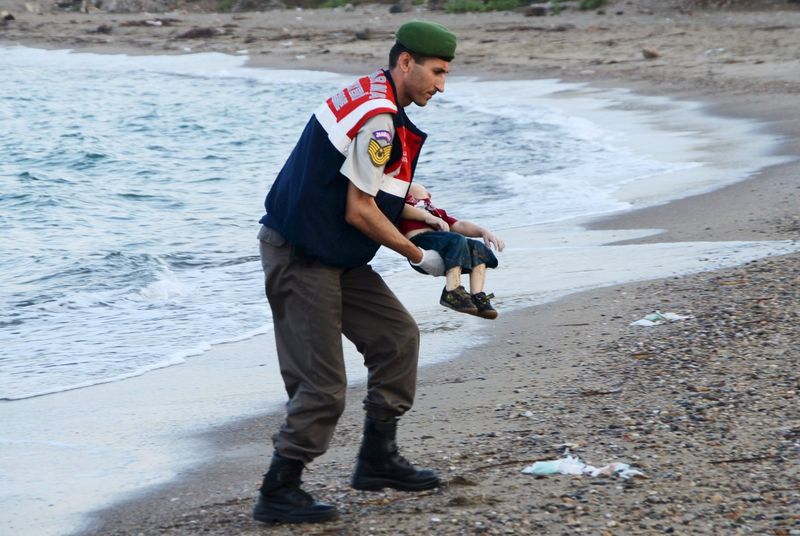
A small pair of shoes brought a distant crisis painfully close. In 2015, photographer Nilüfer Demir recorded the body of three-year-old Alan Kurdi on a Turkish beach after his family’s boat sank.
His death drew worldwide attention to refugees fleeing Syria’s war and other dangers. Remember that Alan was a child with a family, not merely a symbol.
Reading refugee accounts alongside the photograph helps explain the desperate choices people face when safe routes are unavailable.
8. Earthrise: Our Home Beyond the Horizon
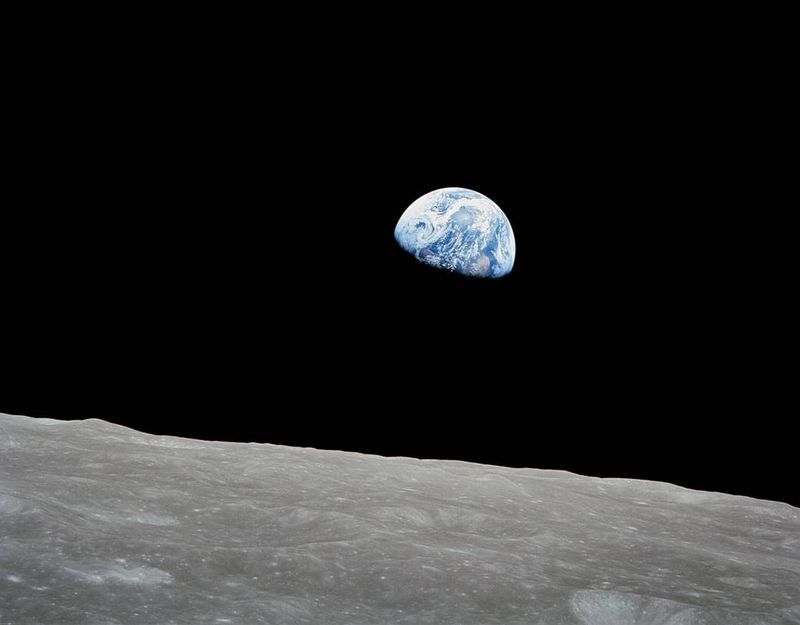
Blue oceans and swirling clouds glow above a gray lunar landscape. Astronaut William Anders captured this view during Apollo 8 in 1968, when humans first traveled around the Moon.
Earthrise offered an unfamiliar portrait of a familiar home: beautiful, distant, and shared by everyone. It helped shape environmental awareness and remains a powerful reminder of our planet’s limits.
Compare Earth’s colors with the Moon’s bare surface to understand why this photograph stirred such wonder around the world.
9. V-J Day in Times Square: Celebration With Complicated Context
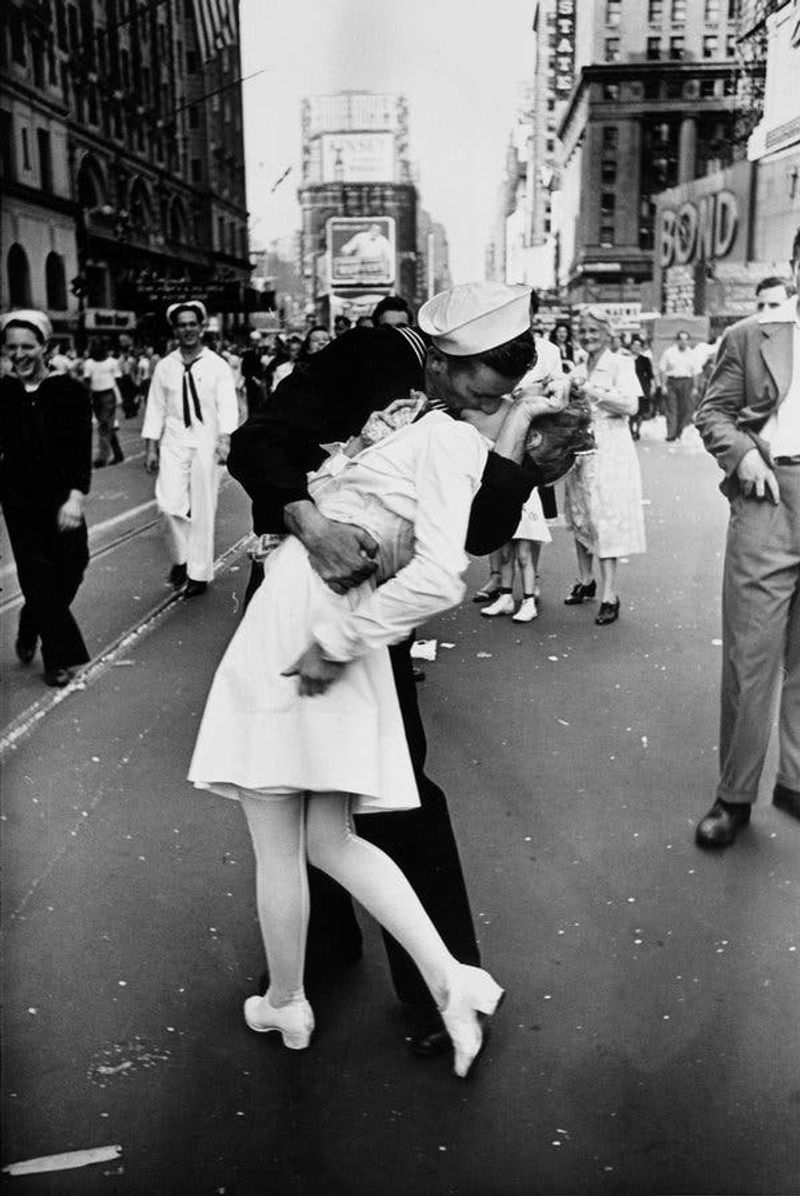
Relief spilled into New York’s streets when Japan’s surrender was announced in August 1945. Alfred Eisenstaedt photographed a sailor kissing a woman in Times Square, creating a famous image of the war’s end.
The woman, Greta Zimmer Friedman, was a dental assistant, not a nurse. She later explained that the kiss was unexpected, not a romantic meeting.
Knowing that detail changes the picture: public celebration and personal consent deserve separate consideration when we interpret the past today.
10. Migrant Mother: Worry Written on a Face
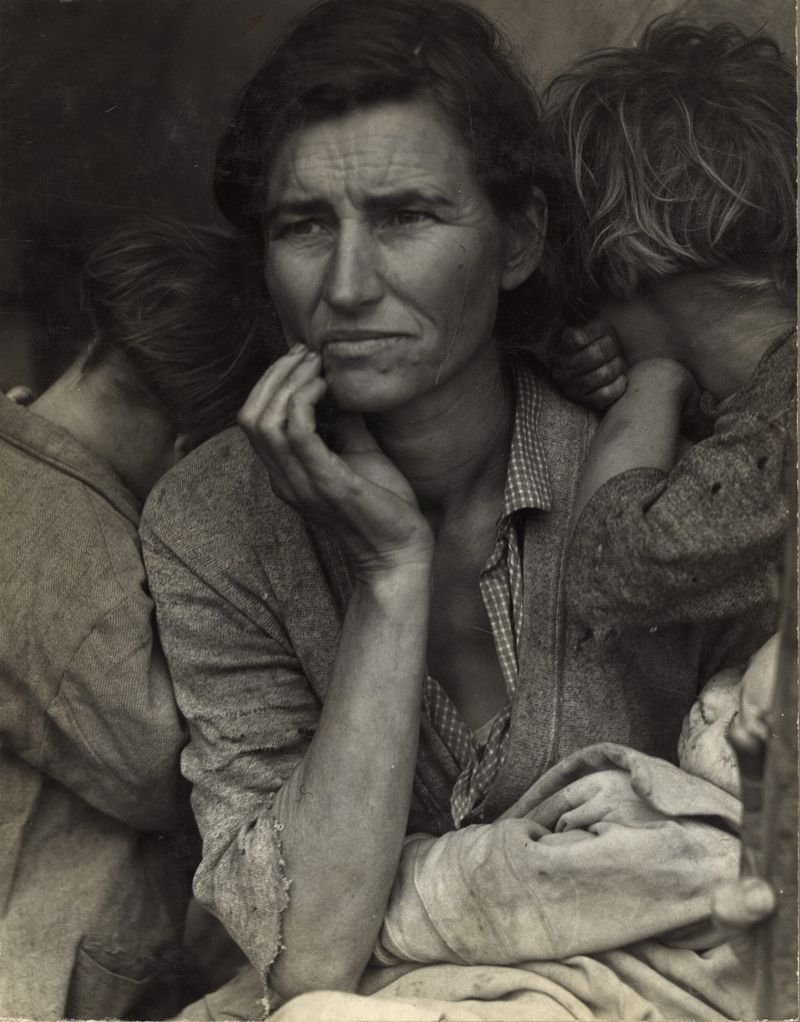
Her hand rests against her face while two children turn away. Dorothea Lange photographed Florence Owens Thompson in California in 1936, creating one of the best-known portraits of the Great Depression.
The tight frame makes a family’s worry feel immediate, but Thompson’s life was larger than this moment. Later accounts challenged parts of the original story surrounding the photograph.
Compare captions from different sources to see how even famous images can carry incomplete or mistaken background information.
11. Raising the Flag on Iwo Jima: Strength in a Shared Effort
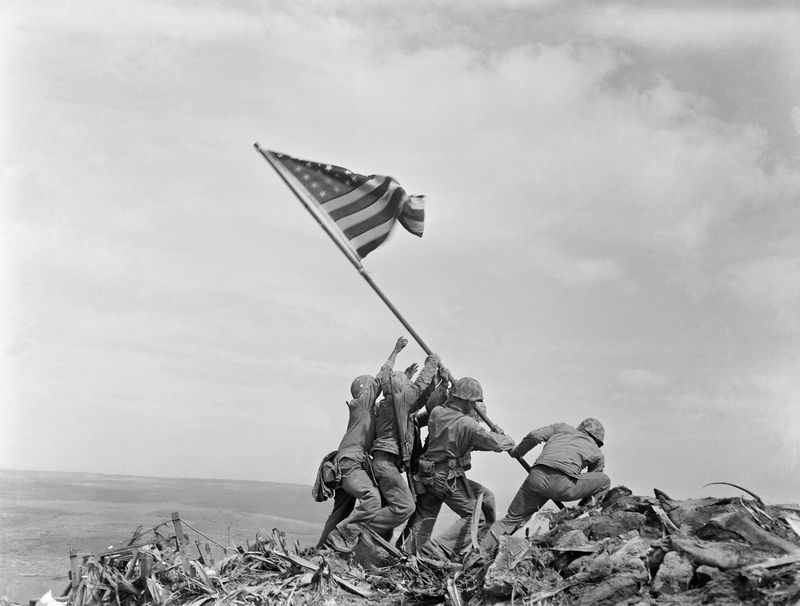
Six figures lean together, turning a heavy flagpole into a striking diagonal. Joe Rosenthal photographed the second American flag raising on Mount Suribachi during the Battle of Iwo Jima in February 1945.
The picture shows six Marines, according to later corrected identifications. It won a Pulitzer Prize and inspired the Marine Corps War Memorial.
Remember that fighting continued after the flag went up, so the scene represents teamwork and hope rather than the battle’s immediate ending there.
12. The Hindenburg Disaster: Confidence Goes Up in Flames
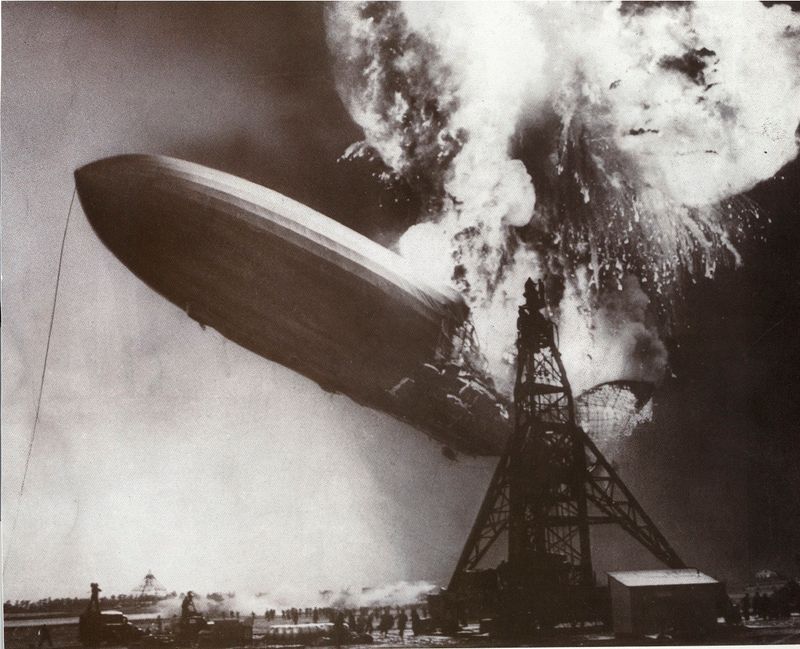
What looked like the future of travel suddenly became a warning. Sam Shere photographed the Hindenburg burning as it attempted to land at Lakehurst, New Jersey, on May 6, 1937.
The disaster killed 36 people, including one worker on the ground, and badly damaged public trust in passenger airships. Photographs and radio reporting made the event unforgettable.
When exploring its history, separate the documented facts from theories about the fire’s cause, which has remained a debated subject.
13. The Warsaw Ghetto Boy: Fear Under Raised Hands
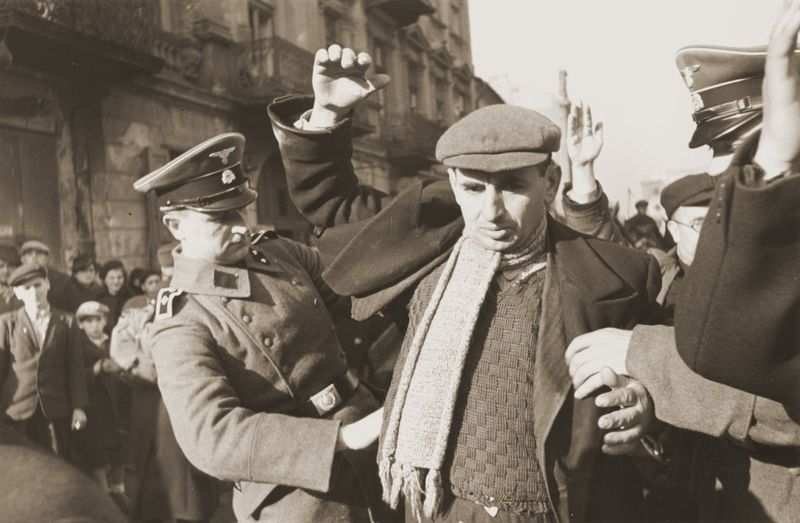
Raised hands make a child’s fear impossible to ignore. An unknown photographer recorded this scene during the German suppression of the Warsaw Ghetto Uprising in 1943, and it appeared in Jürgen Stroop’s report.
The boy’s identity remains uncertain, despite several proposed names. The photograph documents Nazi persecution, but it was originally collected by the perpetrators themselves.
That background matters: examine who made an image, why it was preserved, and whose experience its original caption tried to hide.
14. The Falling Soldier: A Famous Frame Under Question
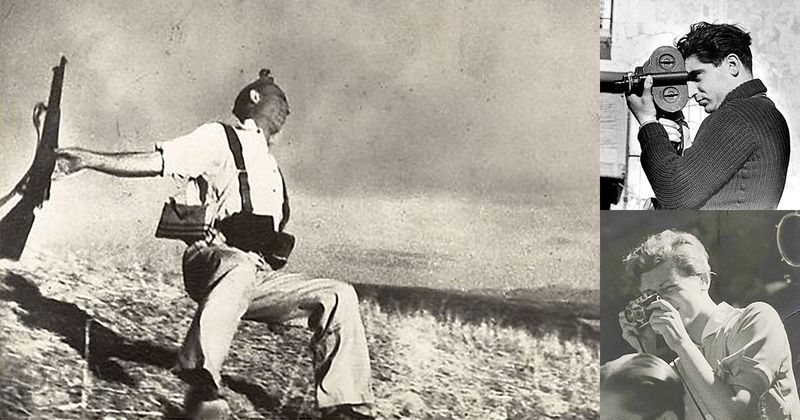
A tilted body and slipping rifle seem to freeze one terrible instant. Robert Capa’s 1936 photograph, commonly called The Falling Soldier, is associated with the Spanish Civil War.
Its fame comes with serious questions about where it was taken and whether it shows an actual death or a staged scene. Those doubts should accompany any description of the image.
Studying the debate offers a useful lesson: emotional power does not remove the need to check historical evidence.
15. Afghan Girl: A Gaze the World Remembered
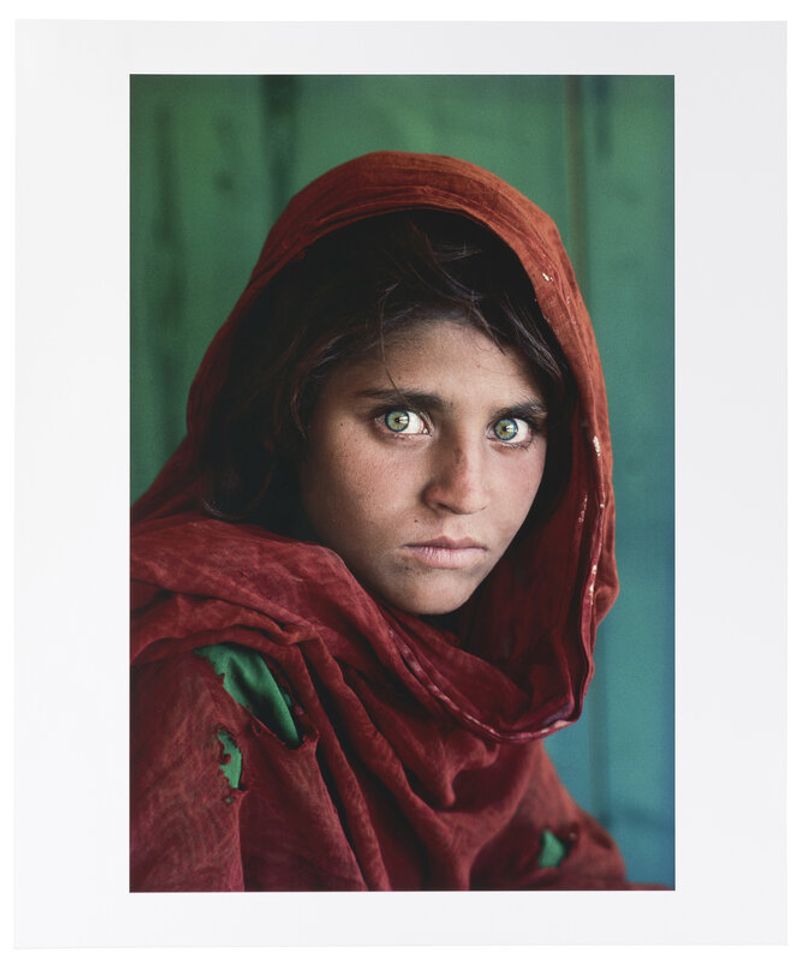
Green eyes meet the camera with an unforgettable, guarded expression. Steve McCurry photographed Sharbat Gula in a refugee camp in Pakistan in 1984, and her portrait appeared on National Geographic’s cover the following year.
Readers did not learn her name until she was located again in 2002. The image brought attention to Afghan refugees, yet recognition did not erase her hardships.
Look beyond the famous eyes to learn about displacement, privacy, and the person behind worldwide public attention.
16. Saigon Execution: The Limits of a Single Instant
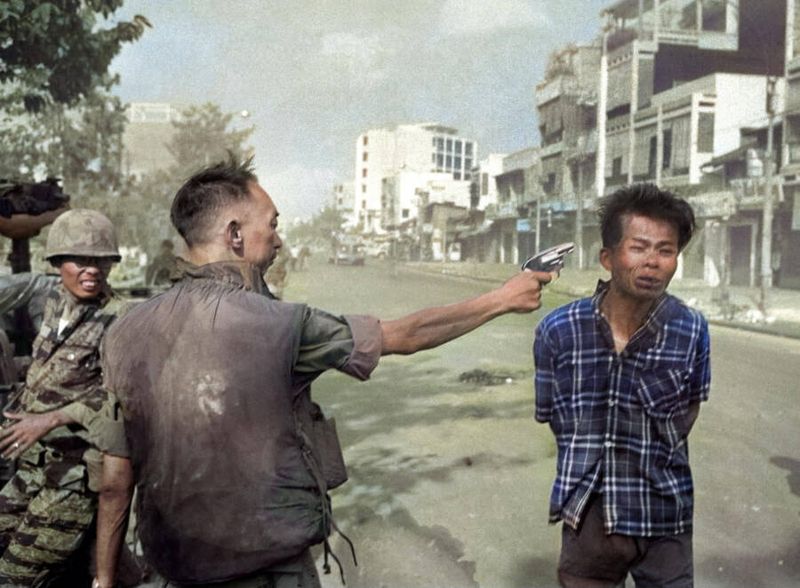
One shutter click captured violence that viewers could not easily forget. Eddie Adams photographed South Vietnamese police chief Nguyễn Ngọc Loan shooting prisoner Nguyễn Văn Lém in Saigon during the 1968 Tet Offensive.
The photograph won a Pulitzer Prize and strengthened criticism of the Vietnam War. Adams later stressed that photographs cannot tell an entire story.
Read reliable accounts of the surrounding events while keeping the central fact clear: the picture records a prisoner’s killing without trial.
17. The Kiss of Life: Help Arrives Above the Street
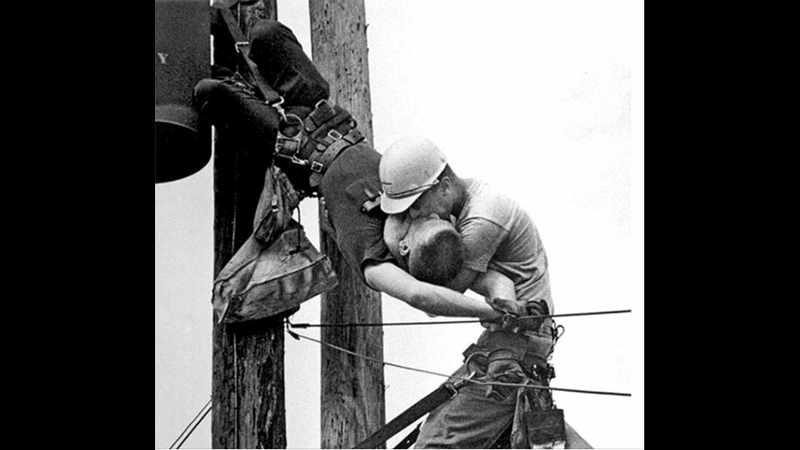
High above the street, a coworker became a lifeline. Rocco Morabito photographed utility worker J.
D. Thompson giving mouth-to-mouth resuscitation to Randall G.
Champion after an electric shock in Jacksonville, Florida, in 1967.
Champion survived, and the photograph earned a Pulitzer Prize. Unlike many images here, its lasting message is immediate help rather than helplessness.
Take inspiration by learning current CPR from qualified instructors, while remembering that electrical emergencies require trained responders and careful attention to safety first.