
When life gets overwhelming, many people turn to food for comfort. Whether it is a long day at work, a tough week at school, or just too much on your plate, certain foods seem to call your name when stress hits hard.
Some of these choices make total sense, while others might surprise you. Here is a look at the foods people most commonly grab when stress takes over.
1. Chocolate
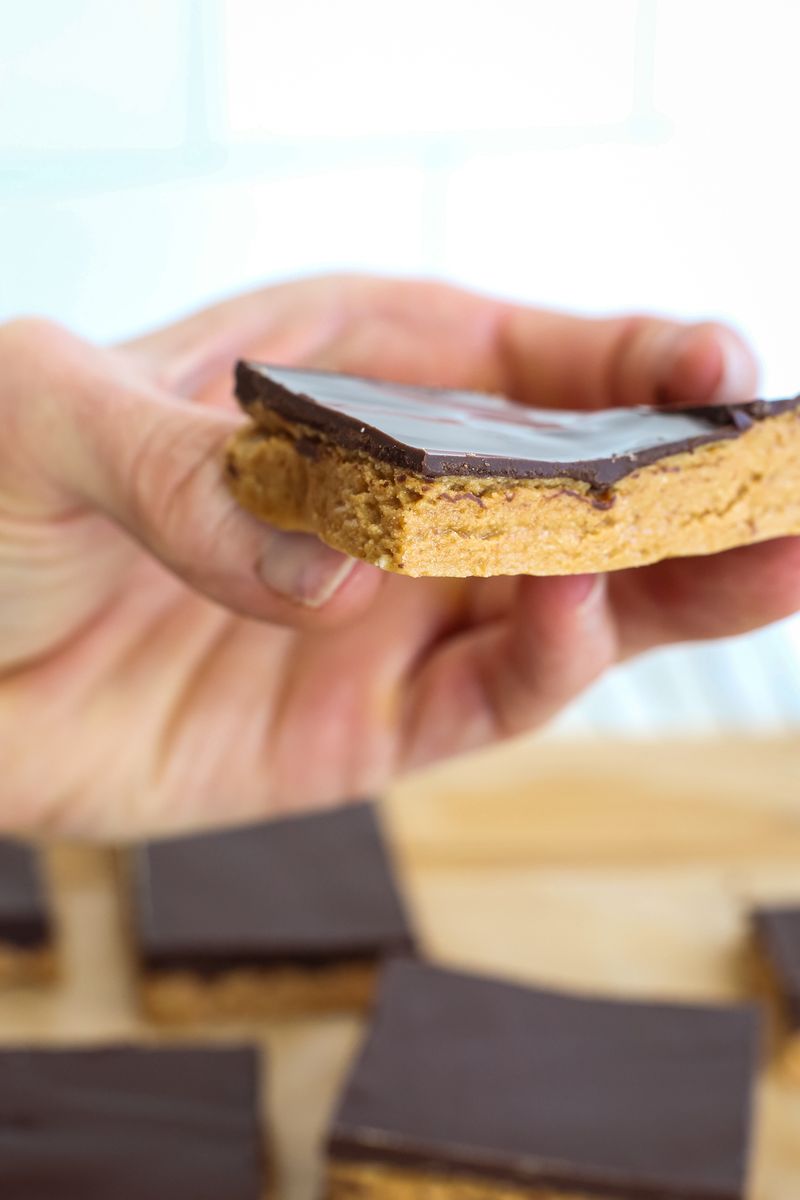
Few things feel as instantly comforting as a square of chocolate melting on your tongue. There is actually science behind this craving.
Chocolate, especially dark chocolate, contains compounds that help boost mood by triggering the release of feel-good chemicals in the brain.
It also lowers the stress hormone cortisol, which explains why reaching for a piece during a hard moment feels so natural. Just a small amount can make a big difference in how you feel.
2. Ice Cream

Cold, creamy, and sweet, ice cream has been a go-to stress reliever for generations. There is something almost magical about the way it combines sugar, fat, and flavor into one spoonful of relief.
Many people associate it with happy childhood memories, which makes it feel extra soothing.
Studies suggest that high-fat foods like ice cream can temporarily calm the body’s stress response. Of course, balance is key, but the occasional bowl is hard to argue with.
3. Pizza
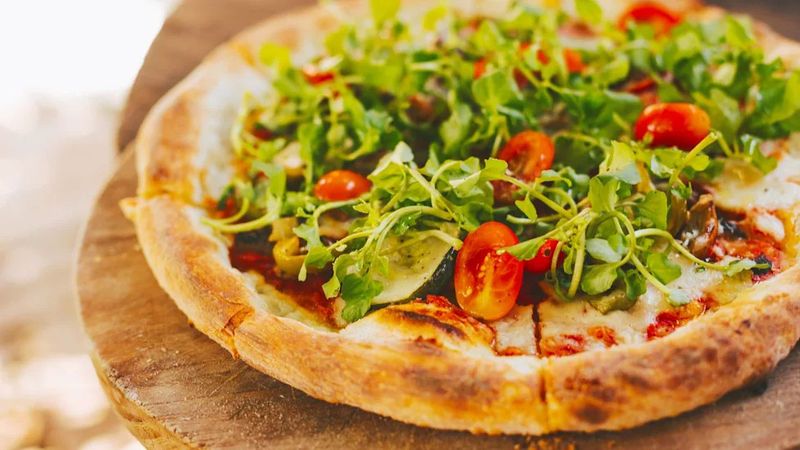
Pizza is basically the universal language of comfort. The combination of warm bread, melted cheese, and savory toppings hits multiple pleasure points at once.
When stress levels rise, the brain craves foods that are both filling and satisfying, and pizza checks every box.
Ordering a pizza also removes the pressure of cooking, which is a bonus when you are already overwhelmed. Sharing it with friends or family can turn a stressful night into something that actually feels manageable.
4. Chips and Crunchy Snacks
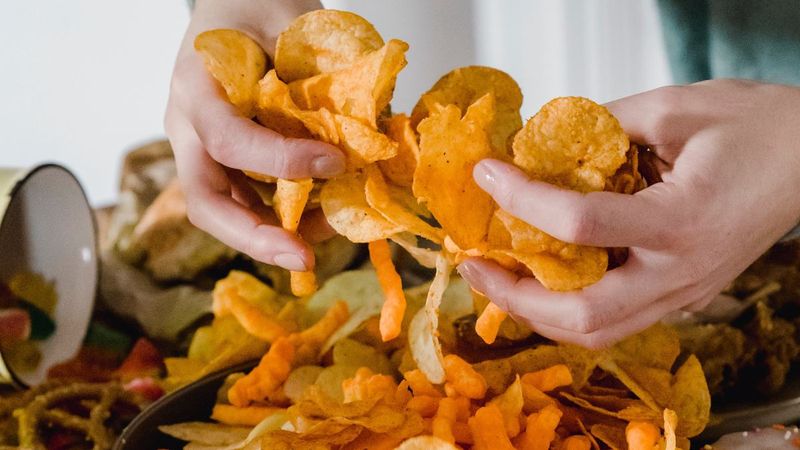
Crunching through a bag of chips might seem random, but there is a real reason behind it. The act of chewing and crunching is physically satisfying and can actually help release jaw tension that builds up during stress.
That repetitive crunch sends a calming signal to the brain.
Salty snacks also trigger dopamine, the brain’s reward chemical. Pretzels, crackers, popcorn, and tortilla chips all fall into this category.
They are easy to grab and hard to put down when anxiety spikes.
5. Mac and Cheese
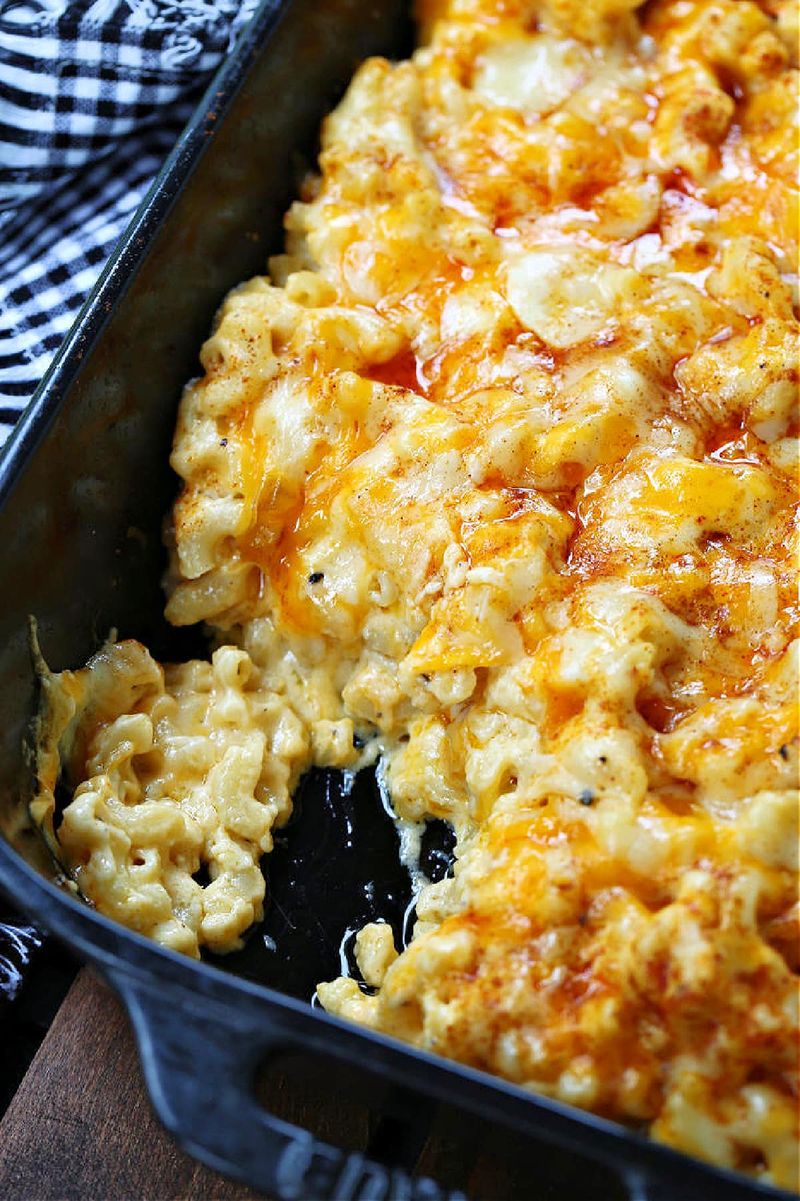
Warm, cheesy, and deeply familiar, mac and cheese is the kind of food that feels like a hug in a bowl. Many people grew up eating it during childhood, so it carries a strong emotional connection that kicks in during tough times.
Comfort foods often work through nostalgia as much as flavor.
The carbohydrates in pasta also boost serotonin, the brain chemical linked to happiness and calm. That is why a bowl of mac and cheese can genuinely shift your mood upward.
6. Cookies
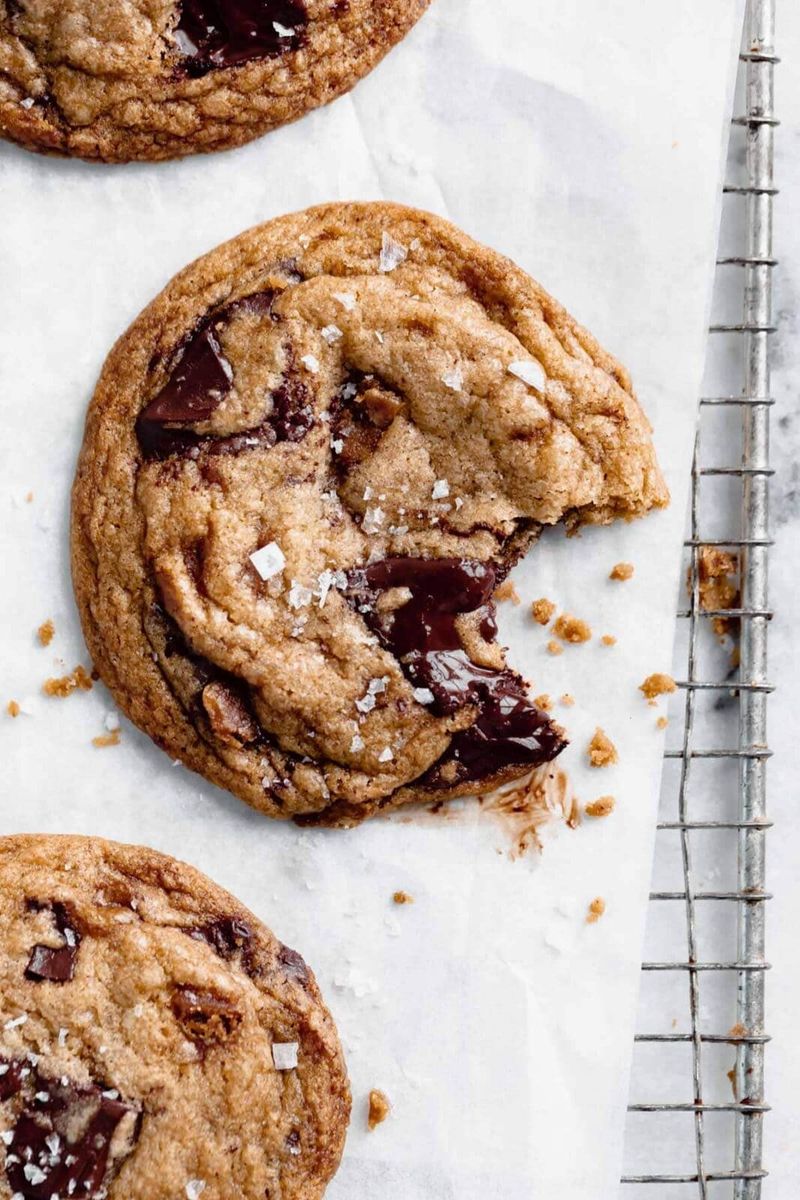
The smell of fresh cookies alone is enough to ease tension in a room. Cookies combine sugar, butter, and warmth in a way that feels instantly rewarding.
People often bake them during stressful times not just to eat them, but because the process of baking itself can be calming and meditative.
That said, store-bought cookies work just as well for a quick fix. Sweet, soft, and satisfying, they are one of the most universally loved stress snacks across all age groups.
7. Bread and Butter
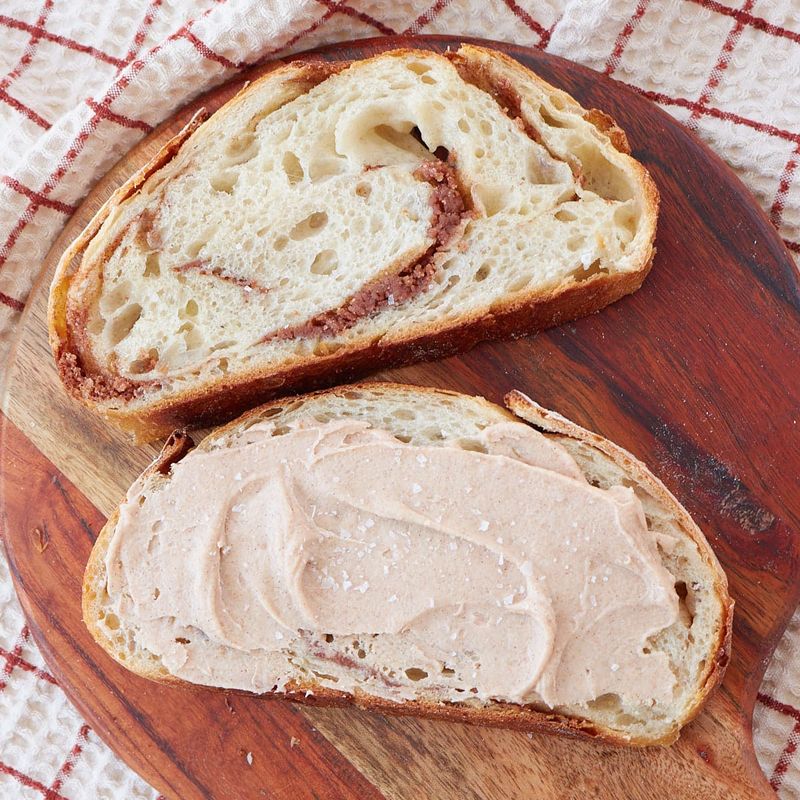
Simple, warm, and deeply satisfying, bread and butter is one of the oldest comfort foods in the world. There is something almost primal about tearing into a soft loaf and slathering it with butter.
The combination of carbohydrates and fat sends a powerful signal of fullness and safety to the brain.
Many people do not even realize they are reaching for bread when stressed because it feels so automatic. It requires no prep, no recipe, and no thought.
Just pure, simple comfort.
8. Fast Food Burgers and Fries
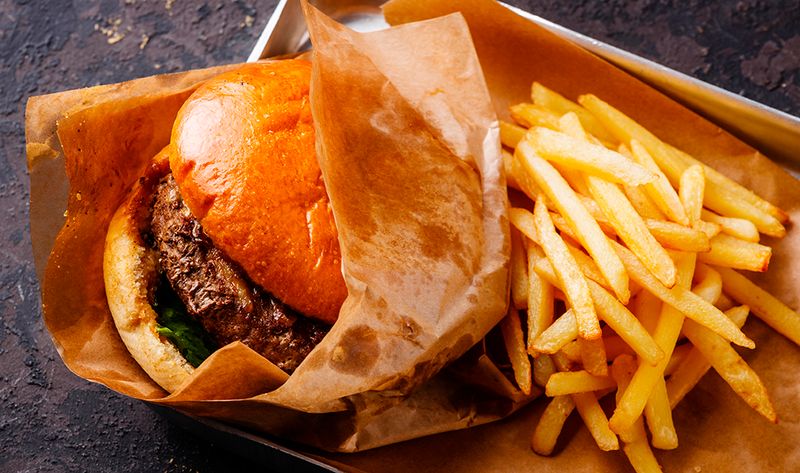
When stress peaks, many people skip home cooking entirely and head straight for the drive-through. Fast food burgers and fries offer an irresistible mix of salt, fat, and convenience that the stressed brain finds extremely appealing.
The quick reward with zero effort is a major part of the attraction.
Research shows that high-calorie foods can temporarily blunt the body’s stress response, which is why fast food feels like relief in the moment. It is not the healthiest habit, but it is one of the most common ones.
9. Candy
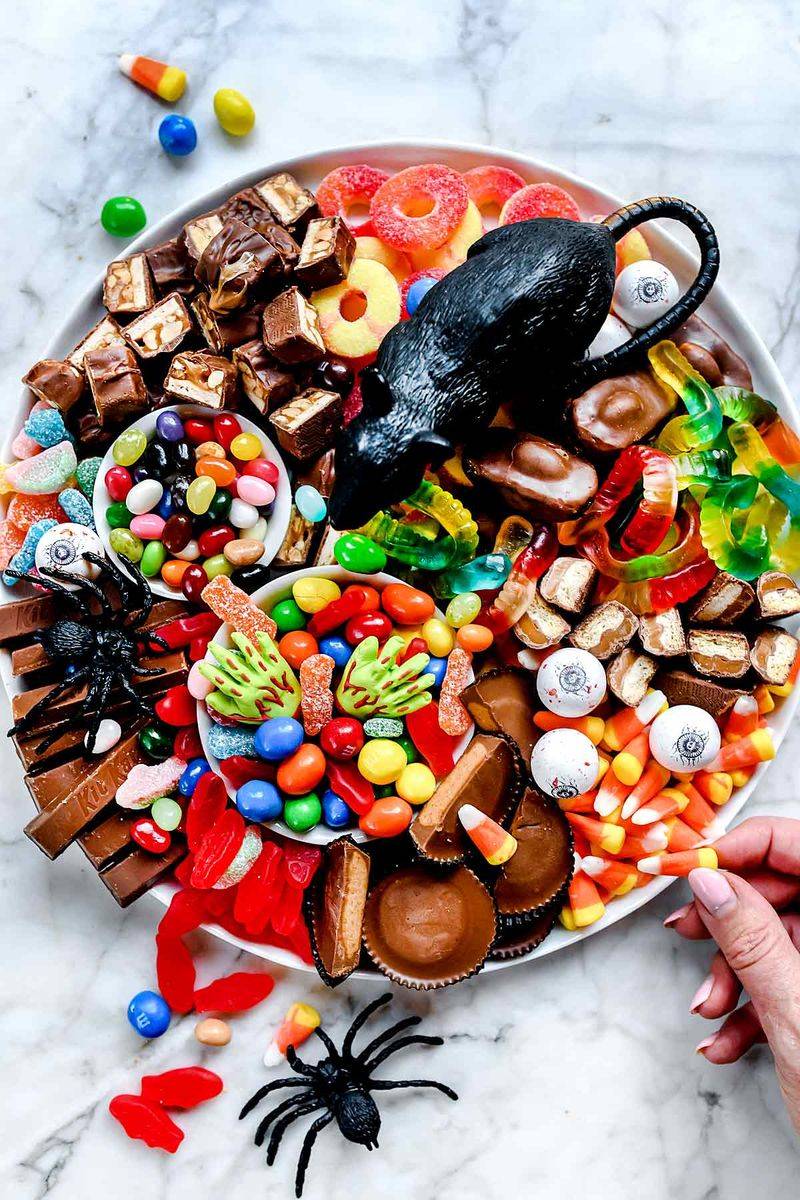
Sugar hits the bloodstream fast, and for a stressed brain, that quick energy boost feels like exactly what it needs. Candy is portable, cheap, and available almost everywhere, making it an incredibly easy stress snack to grab without much thought.
Gummy candies, in particular, involve a satisfying chewing motion that can help release tension similar to crunchy snacks. While the sugar rush fades quickly, in that moment of stress, a handful of candy can feel like a genuine pick-me-up.
10. Peanut Butter
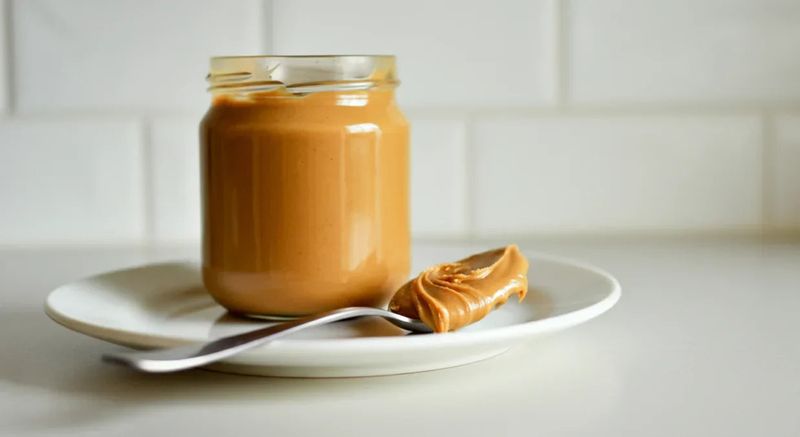
Straight from the jar with a spoon, peanut butter is a stress snack that doubles as actual nutrition. It is packed with healthy fats, protein, and magnesium, a mineral that plays a direct role in regulating the body’s stress response.
Many people eat it mindlessly during anxious moments without realizing how much good it is doing.
The thick, rich texture is also naturally satisfying and filling. A few spoonfuls can quiet hunger and calm nerves at the same time, making it a surprisingly smart stress food.
11. Cereal
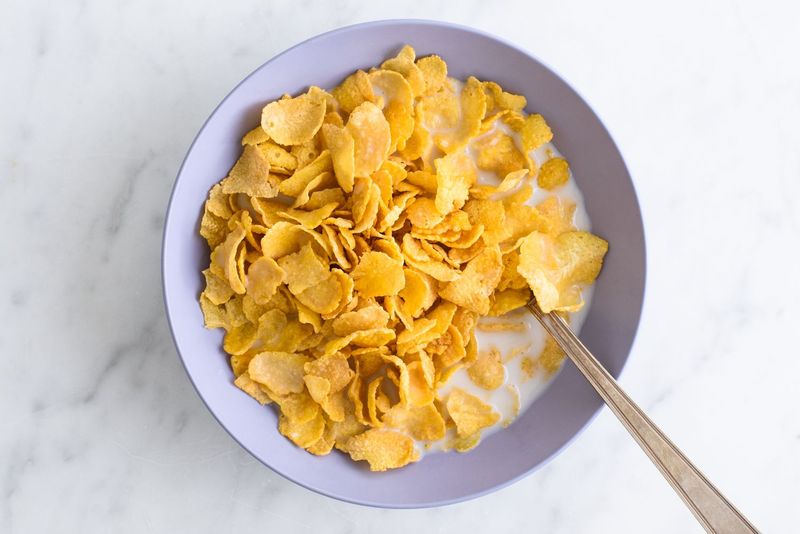
Cereal is not just a breakfast food for stressed-out people. Many adults admit to eating bowls of cereal late at night when anxiety keeps them awake.
It is quick, requires almost no effort, and feels oddly soothing in a childlike way. Sugary cereals in particular tap into nostalgic memories of carefree mornings.
The milk adds a calming effect too, since dairy contains tryptophan, an amino acid that helps produce serotonin. So that late-night bowl of cereal might actually be helping more than you think.
12. Pasta
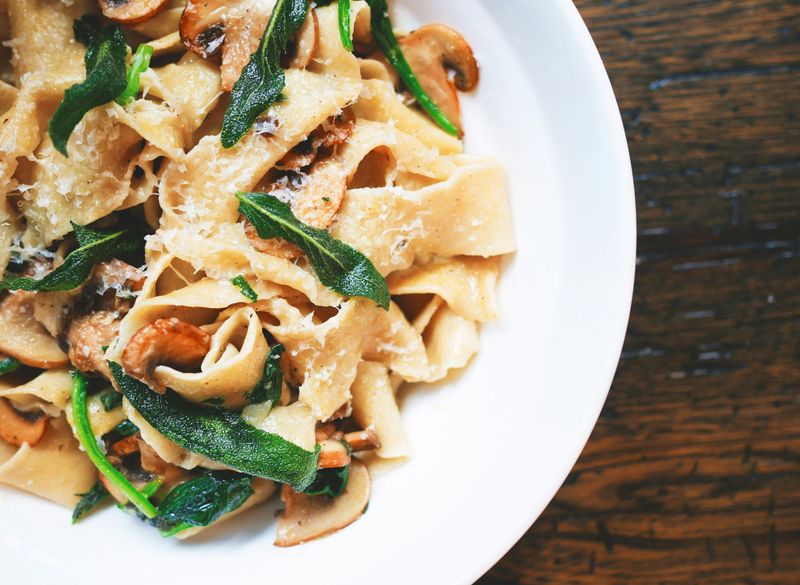
A big bowl of pasta is what many people picture when they think of comfort food. Carbohydrate-rich foods like pasta stimulate the production of serotonin in the brain, which is the chemical responsible for feelings of calm and well-being.
That is not a coincidence. It is biology working in your favor.
Pasta is also affordable, easy to make, and endlessly customizable. Whether plain with butter or loaded with sauce, it delivers warmth and fullness that makes the weight of stress feel just a little lighter.
13. Coffee or Caffeinated Drinks
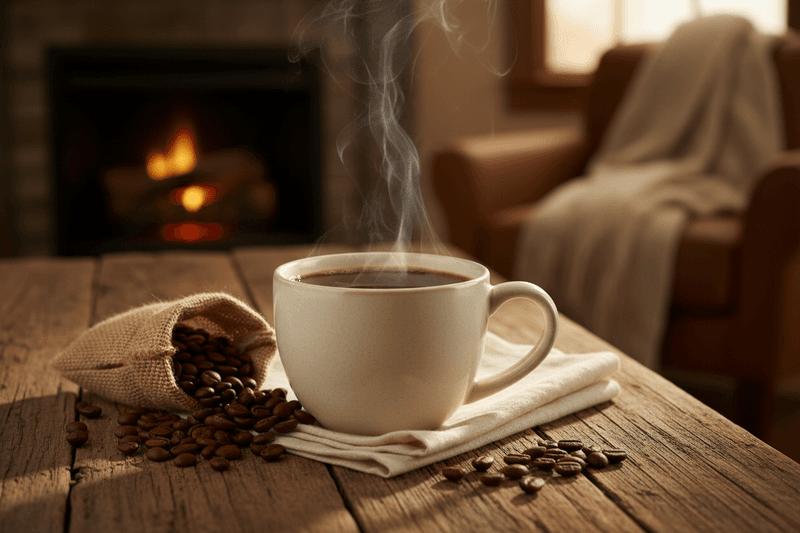
Reaching for coffee when stress hits is almost a reflex for millions of people. The warmth of the cup, the familiar aroma, and the caffeine all combine to create a ritual that feels grounding.
For many, coffee is less about the caffeine and more about the routine it represents.
Interestingly, caffeine can sometimes make anxiety worse, yet people still reach for it out of habit and emotional association. Energy drinks and teas fall into this category too.
The act of sipping something warm or familiar is itself comforting.
14. Cheese
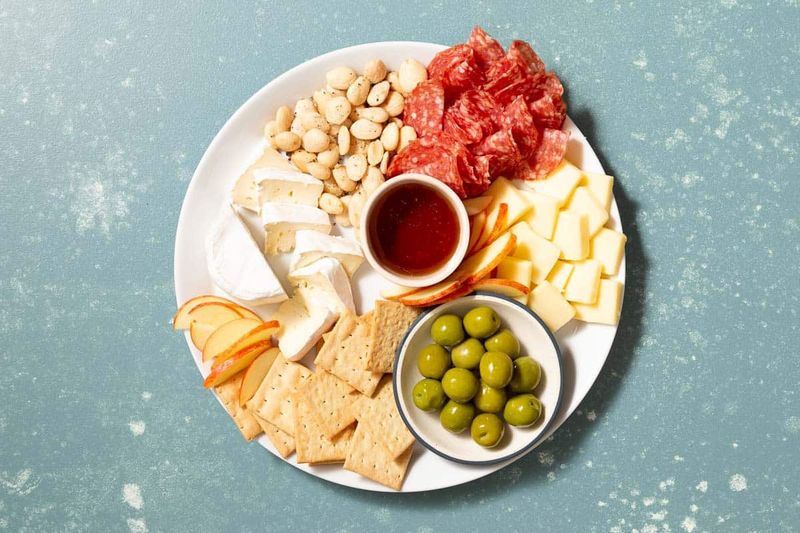
Cheese is one of those quiet comfort foods that people forget about until stress strikes and the fridge door swings open. It is rich, savory, and satisfying in a way that feels almost luxurious without requiring any effort.
A slice of cheddar or a handful of mozzarella can feel surprisingly grounding.
Cheese also contains tryptophan and calcium, both of which support the brain’s ability to manage stress. It pairs well with crackers, fruit, or nothing at all.
Sometimes the best snack is the simplest one.
15. Soup
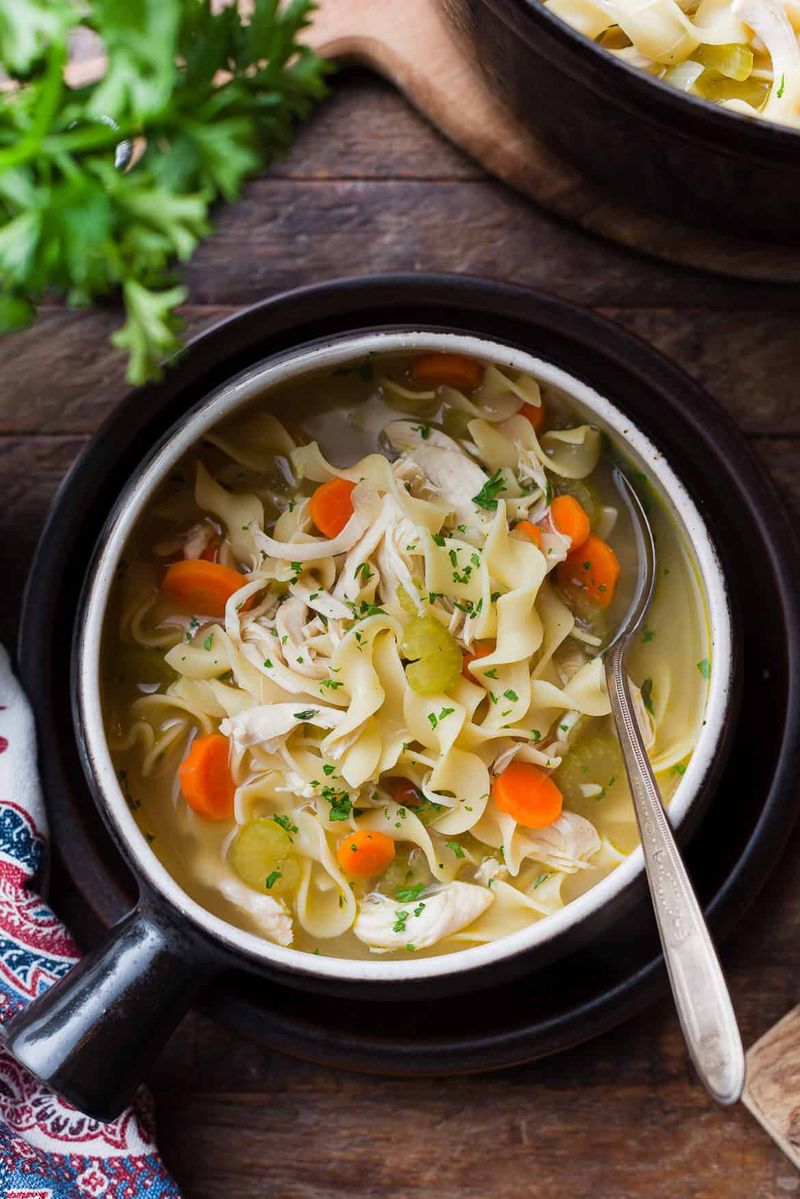
There is a reason chicken noodle soup is associated with healing. Warm liquids have a physiologically calming effect on the body, slowing the breath and relaxing muscles.
Soup feels nurturing in a way that few other foods can match, especially on cold or difficult days.
Beyond the warmth, the act of slowly eating soup encourages mindfulness, which naturally lowers stress levels. Whether it is a homemade broth or a simple can from the pantry, soup has a quiet power that never seems to go out of style.
16. Alcohol

Alcohol is one of the most commonly reached-for stress relievers, even though it is not a food in the traditional sense. Many adults pour a glass of wine or crack open a beer after a hard day as a way to mentally signal that the stressful part is over.
The ritual is as important as the drink itself.
While alcohol does temporarily reduce anxiety by calming the nervous system, it can worsen stress and sleep quality over time. Understanding this pattern is the first step toward healthier coping habits.
17. Leftover Takeout or Junk Food
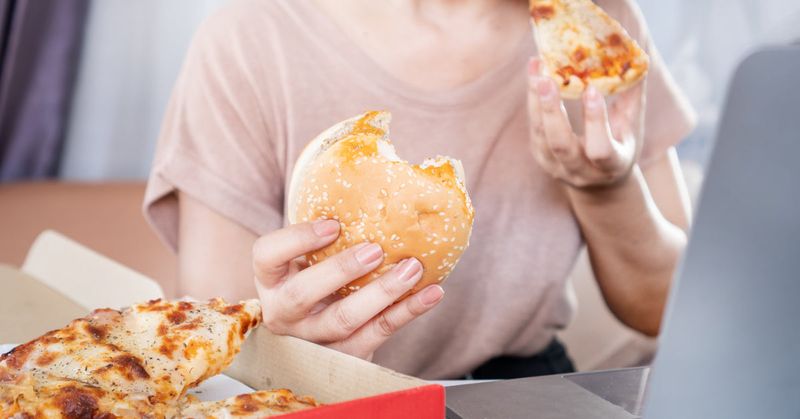
When stress takes over, motivation to cook drops to zero. Leftover takeout sitting in the fridge becomes the most appealing option in the house.
It requires no prep, no dishes, and no decisions, which is exactly what an overwhelmed brain wants. Eating straight from the container feels oddly freeing.
Junk food in general thrives in stressful environments because it is designed to be irresistible. High salt, high fat, and high sugar combinations override the brain’s self-control signals.
Recognizing this pattern can help you make more intentional choices next time stress strikes.