
A hit movie can hide a working relationship that has fallen apart. Hurt feelings, harsh words, and serious claims of mistreatment have sometimes kept directors and actors from working together again.
But a feud is not always a blacklist, and several stories passed around online leave out key facts. These cases separate reported career blocks from public arguments, broken friendships, and claims that need correcting.
1. Alfred Hitchcock and Tippi Hedren: A Contract Became a Cage
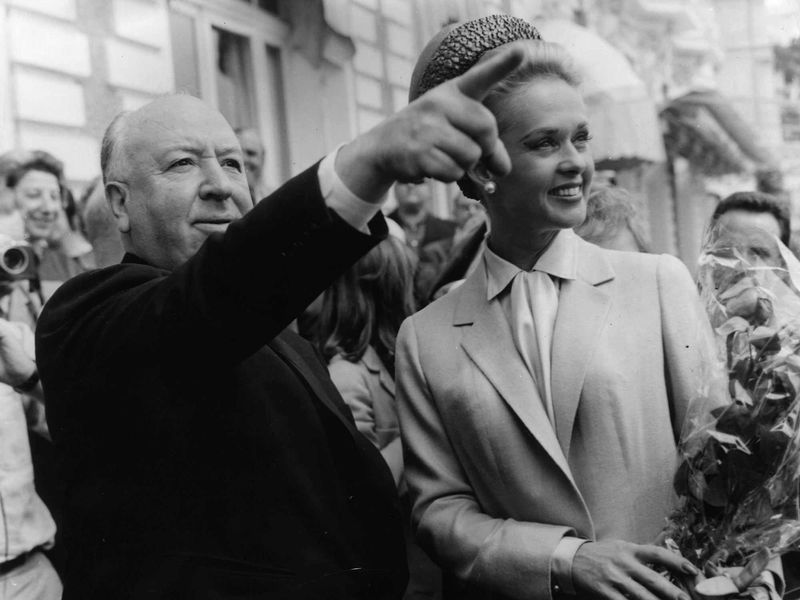
A star-making role came with a troubling price, according to Tippi Hedren. In her memoir, she alleged that Alfred Hitchcock sexually harassed her and threatened her career after she rejected him during their work together.
Hedren also said he kept her under contract while blocking other opportunities. Her account describes direct professional control, not simply hurt feelings.
It remains essential to attribute these allegations to her rather than present every detail as independently established historical fact.
2. Michael Bay and Megan Fox: An Interview Changed the Relationship
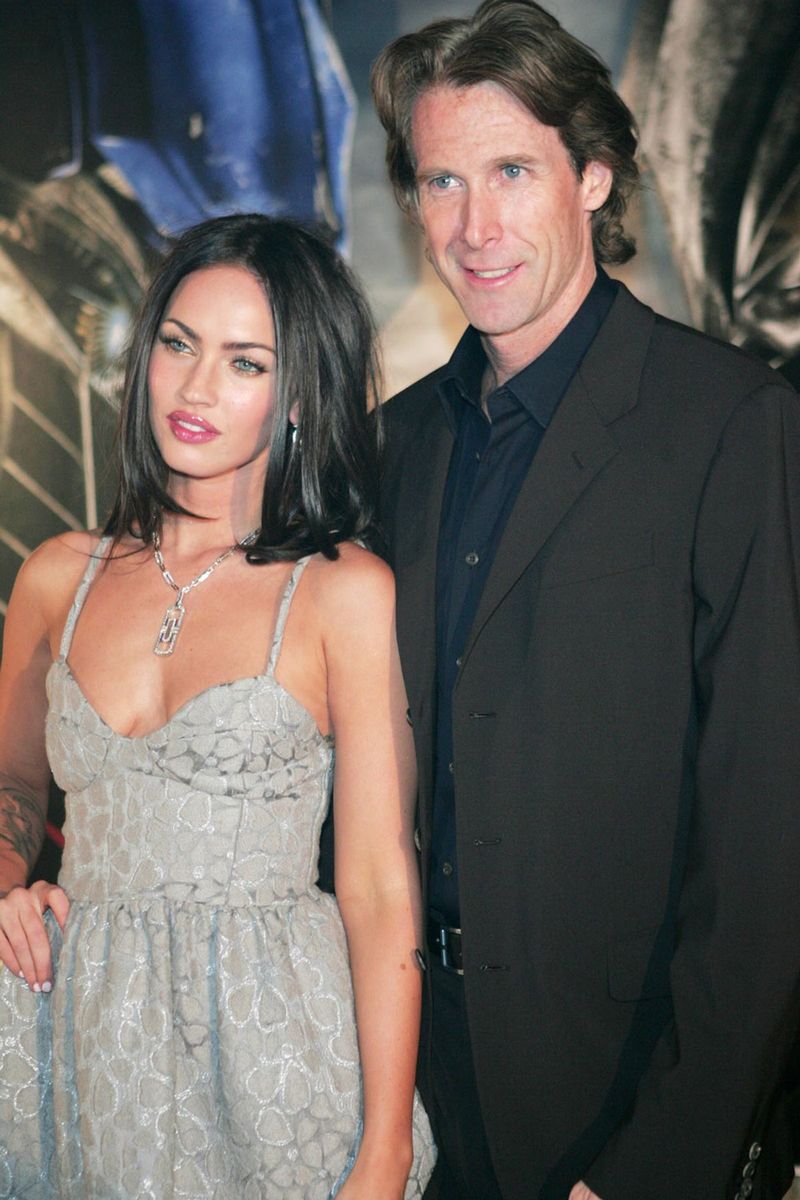
One magazine interview helped turn a blockbuster partnership into a public dispute. Megan Fox compared Michael Bay’s directing manner to Hitler and Napoleon, and she did not return for the third Transformers film.
Bay later said Steven Spielberg wanted her fired, while Fox’s representatives said leaving was her decision. Those competing accounts matter.
Fox and Bay subsequently reunited for Teenage Mutant Ninja Turtles, which he produced, so describing their falling-out as a permanent blacklist is misleading.
3. David O. Russell and George Clooney: The Actor Drew the Line
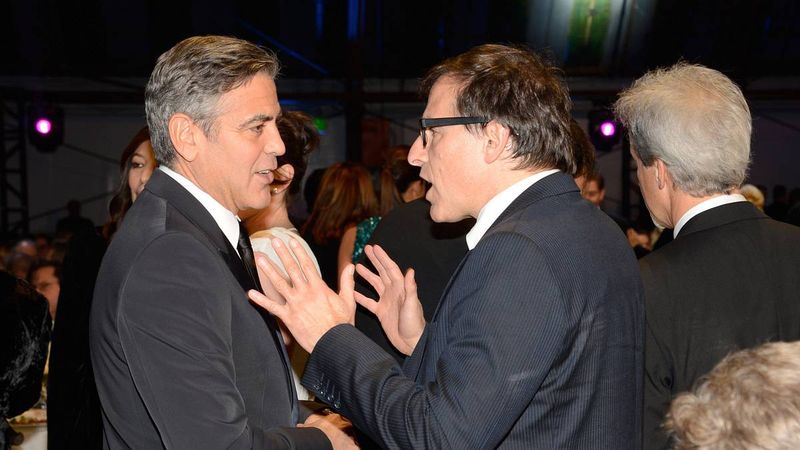
For George Clooney, the trouble on Three Kings went far beyond creative differences. He has described a physical confrontation with David O.
Russell and objected to the director’s treatment of people working on the production.
Clooney later made clear that he did not want another collaboration. That reverses the headline’s usual setup: the actor publicly rejected the director, rather than a director secretly blocking an actor.
Their dispute illustrates a broken working relationship, not proven blacklisting.
4. Tony Kaye and Edward Norton: A Fight Over the Final Cut
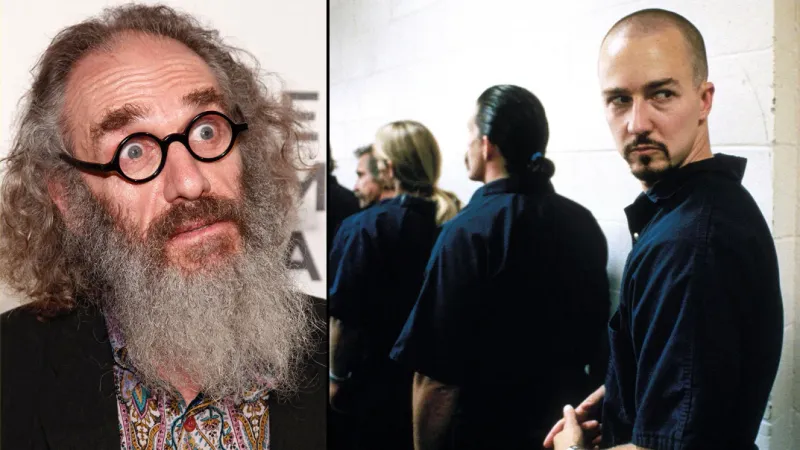
The battle over American History X continued long after filming stopped. Tony Kaye strongly opposed the released version and publicly attacked Edward Norton and the studio over changes made during editing.
Kaye bought trade advertisements and tried to remove his name from the film. Norton had participated in the editing process, but the dispute centered on creative authority.
Their bitter split was highly public, making it a poor example of a quiet or industry-wide actor blacklist.
5. Judd Apatow and Katherine Heigl: Criticism Left a Bruise
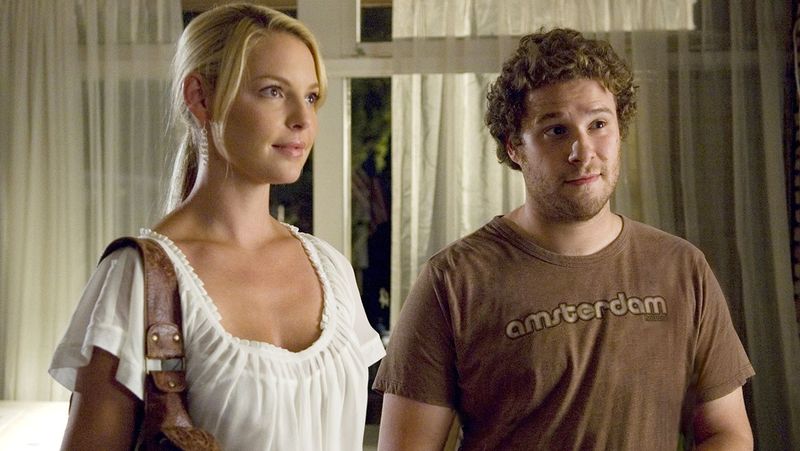
Speaking honestly about a hit movie can carry unexpected costs. Katherine Heigl called Knocked Up somewhat sexist in a Vanity Fair interview, criticizing how its female characters compared with the men.
Judd Apatow later expressed hurt over her remarks, and their disagreement became part of a wider debate about her reputation. Still, a cooling relationship does not establish organized blacklisting.
Her career faced several pressures, so blaming its setbacks entirely on one director goes beyond evidence.
6. Otto Preminger and Jean Seberg: A Difficult Debut, Not a Proven Ban

At just eighteen, Jean Seberg entered movies under extraordinary pressure. Otto Preminger chose her for Saint Joan, and accounts of the production describe harsh criticism and a frightening accident involving the film’s burning scene.
Yet the blacklist claim does not fit their record: Preminger directed her again in Bonjour Tristesse. Her painful debut deserves attention without inventing a later ban.
Seberg also built an important career beyond him, particularly through her work in French New Wave cinema.
7. John Ford and Henry Fonda: A Long Partnership Broke Apart
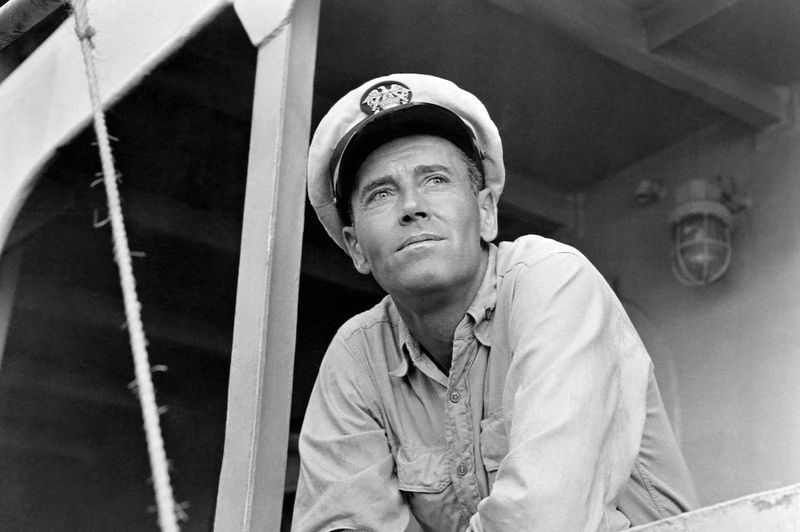
Years of shared success could not protect this partnership. During Mister Roberts, Henry Fonda challenged John Ford over the film’s direction, and accounts of their argument say Ford punched the actor.
They did not make another movie together afterward. The rupture followed a direct clash between longtime colleagues, but evidence of Ford blocking Fonda across Hollywood is another matter.
Fonda continued working successfully, showing why the end of one partnership should not automatically become a blacklist.
8. Lars von Trier and Björk: Serious Allegations Behind the Music
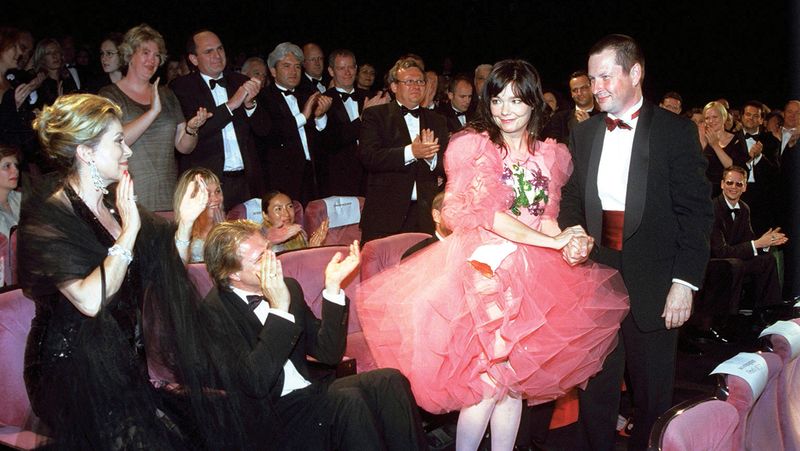
Winning praise for Dancer in the Dark did not mean Björk enjoyed making it. She described a deeply distressing experience and later alleged sexual harassment by a Danish director, widely understood to mean Lars von Trier.
Von Trier denied sexually harassing her. Their conflict should therefore be covered with clear attribution, not treated as settled in every detail.
Björk later returned to acting, and there is no established evidence that he imposed an industry-wide ban on her.
9. Quentin Tarantino and Lawrence Tierney: Trouble on a Small Set
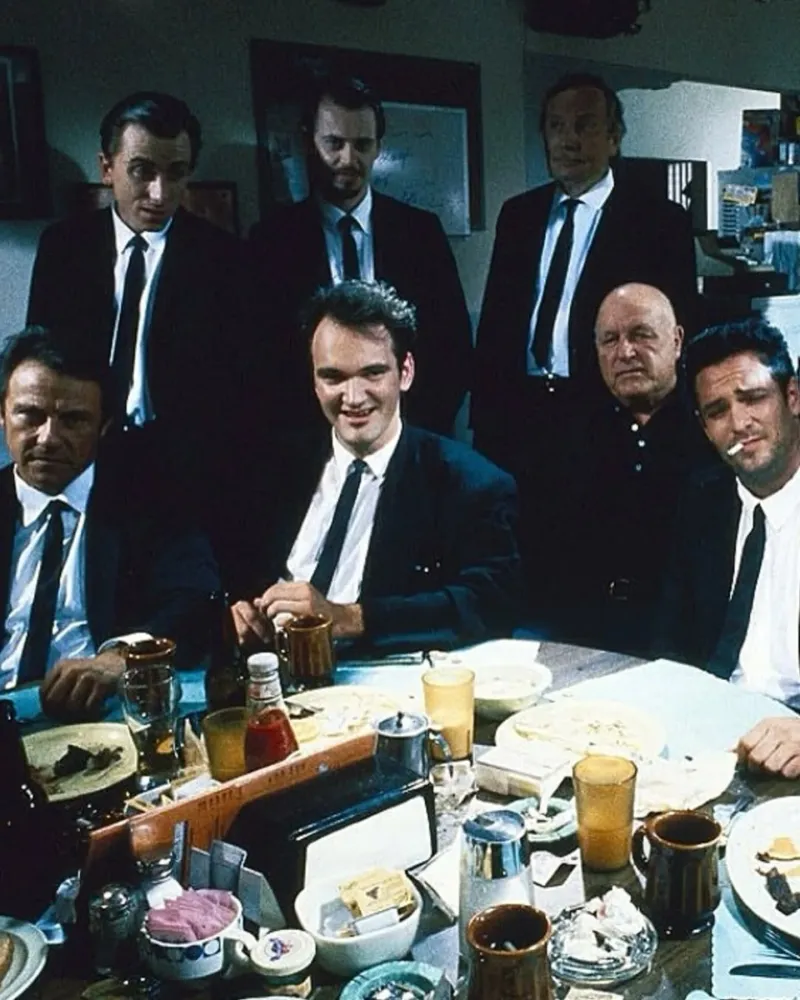
A low-budget breakthrough brought Quentin Tarantino face to face with a famously difficult veteran. He has described Lawrence Tierney’s behavior during Reservoir Dogs as disruptive and recalled a confrontation that became physical.
They never made another film together. Avoiding another difficult production is different from secretly shutting someone out of the entire business, however.
Tierney continued appearing elsewhere, and the available story supports a disastrous working experience more clearly than it supports a broader career sabotage campaign.
10. William Friedkin and Kim Basinger: A Claim That Needs Better Evidence

Some film feud stories become less convincing when the credits are checked. Kim Basinger does not appear in William Friedkin’s released film The Guardian, and claims of a major on-set dispute need stronger sourcing.
Development discussions, casting changes, and actual filming are different stages of making a movie. Without reliable reporting that establishes what happened, this pairing should not be presented as a confirmed personal blacklist.
A missing credit alone cannot prove retaliation or professional misconduct.
11. Kevin Smith and Bruce Willis: Harsh Words Followed by Regret
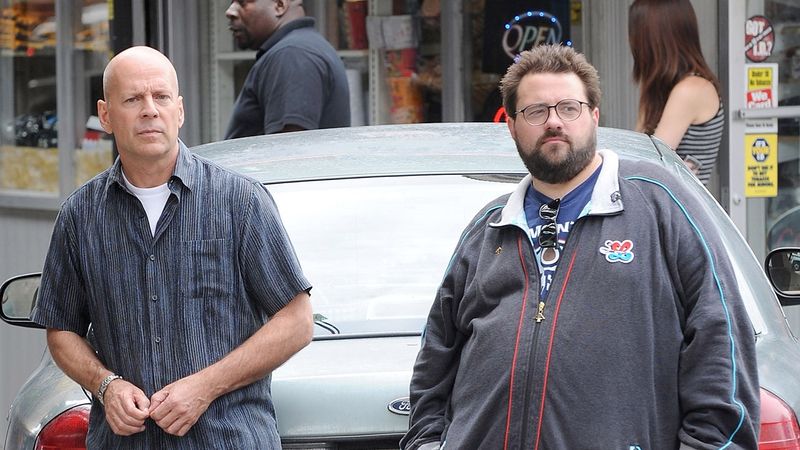
Working with a childhood screen hero did not go as Kevin Smith hoped. After Cop Out, he publicly complained about Bruce Willis’s attitude and described their collaboration in sharply negative terms.
Years later, after Willis’s family disclosed his aphasia diagnosis, Smith expressed regret about those complaints. That later response adds needed humanity to the story, without establishing what caused earlier tensions.
Their fallout was public, and it does not demonstrate that Smith secretly barred Willis from work.
12. Paul Thomas Anderson and Gene Hackman: The Director Was Misidentified
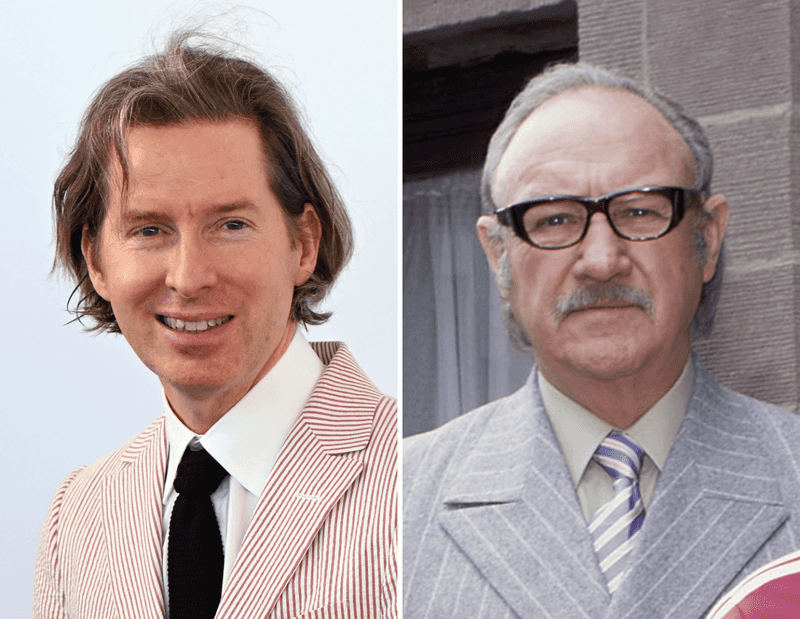
A mistaken first name changes this story completely. The Royal Tenenbaums was directed by Wes Anderson, not Paul Thomas Anderson, so the claimed feud begins with an incorrect production credit.
Accounts of Gene Hackman’s difficult behavior on that set concern Wes and other people involved in the film. They do not establish a blacklist by Paul Thomas Anderson.
Before accepting a dramatic Hollywood anecdote, checking who actually directed the movie can prevent an entirely false connection spreading.
13. Joel Schumacher and Val Kilmer: Batman’s Cape Changed Hands
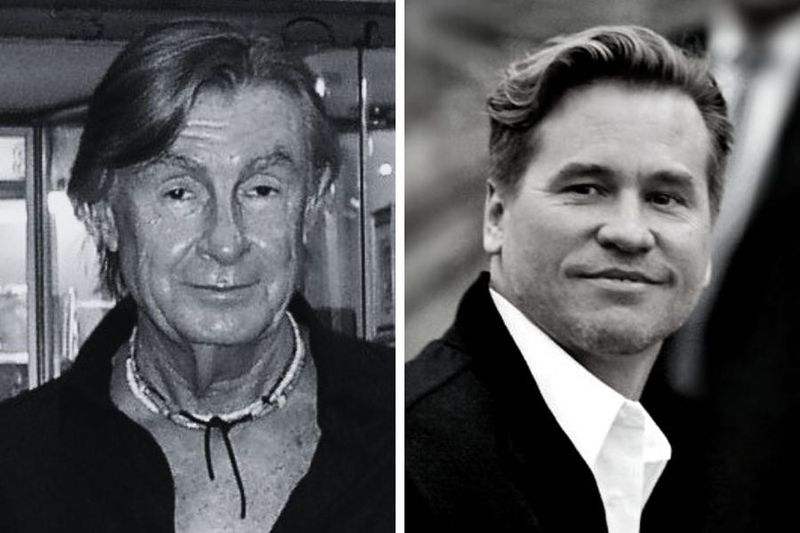
Even a superhero suit could not hide the tension around Batman Forever. Joel Schumacher publicly criticized Val Kilmer’s conduct, and accounts of their working relationship describe a serious confrontation during production.
George Clooney played Batman in the next film, but casting changes can involve scheduling, contracts, and several competing decisions. Schumacher’s anger is documented more clearly than any secret blacklist.
Kilmer’s departure should not be reduced to a single personal motive without acknowledging those other reported factors.
14. Steven Spielberg and Julia Roberts: Neverland Was No Escape
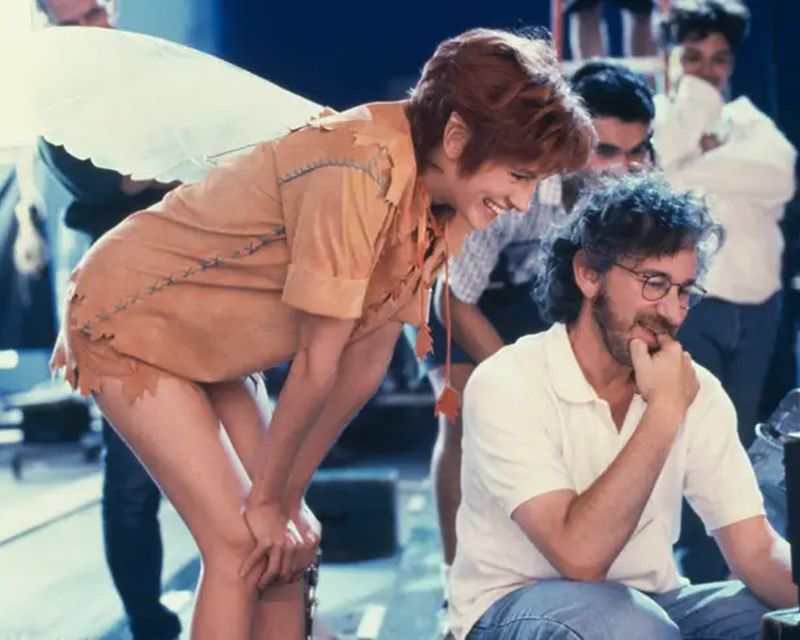
Behind Hook’s fairy dust was a production surrounded by rumors about Julia Roberts. Steven Spielberg later described their collaboration as happening at an unfortunate time, while Roberts disputed the negative picture painted of her.
Reports about difficult behavior should not become unquestioned facts merely because they were widely repeated. The two did not build an ongoing directing partnership, but that alone proves little.
No established public evidence shows Spielberg organized a quiet campaign to stop others hiring her.
15. Harold Ramis and Bill Murray: A Friendship Froze for Years
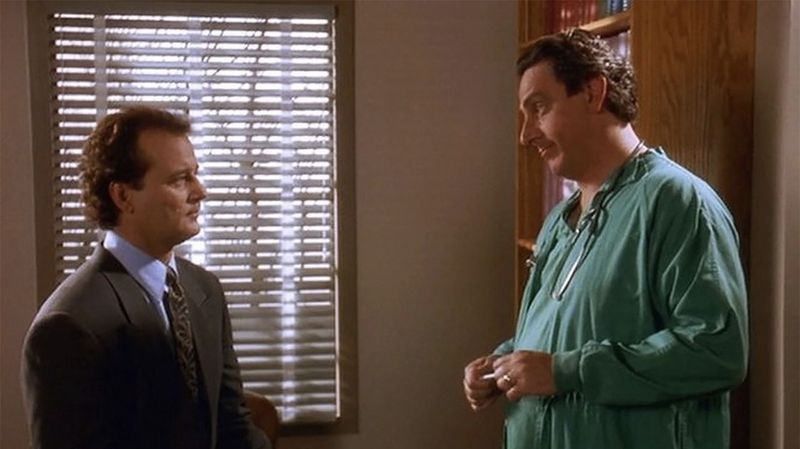
A comedy about repeating the same day helped end a friendship built over many years. Harold Ramis and Bill Murray clashed during Groundhog Day, with accounts describing differences over its tone and difficult personal exchanges.
They remained distant for roughly two decades before reconnecting shortly before Ramis died. That sad history concerns a fractured friendship and lost collaborations, not a demonstrated Hollywood blacklist.
Murray continued landing major roles, including celebrated work with other directors during their estrangement.
16. Oliver Stone and Sean Young: A Smaller Role Sparked Resentment
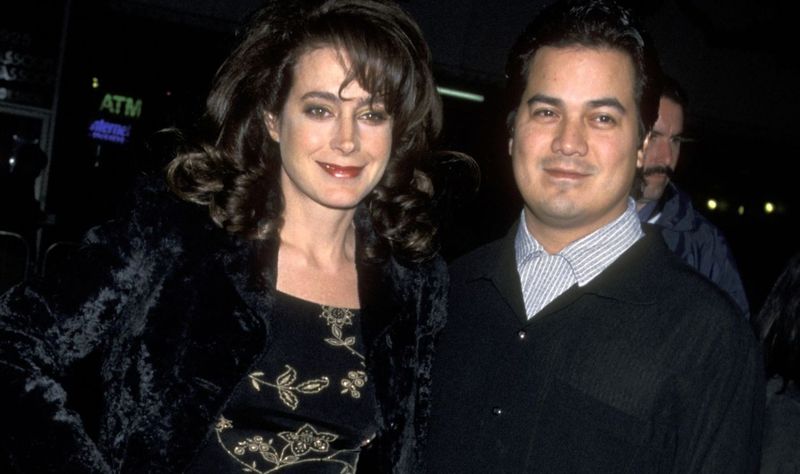
Wanting a different role reportedly made an already tense production harder. Sean Young has discussed conflict surrounding Wall Street, where she played the wife of Michael Douglas’s character and preferred the role assigned to Daryl Hannah.
Stories about Oliver Stone reducing her part have circulated, but the motive and full circumstances require careful attribution. Their lack of another collaboration does not establish industry-wide retaliation.
Casting disappointment, editing choices, and personal friction should not be treated as interchangeable evidence.
17. John Carney and Keira Knightley: An Insult Met an Apology
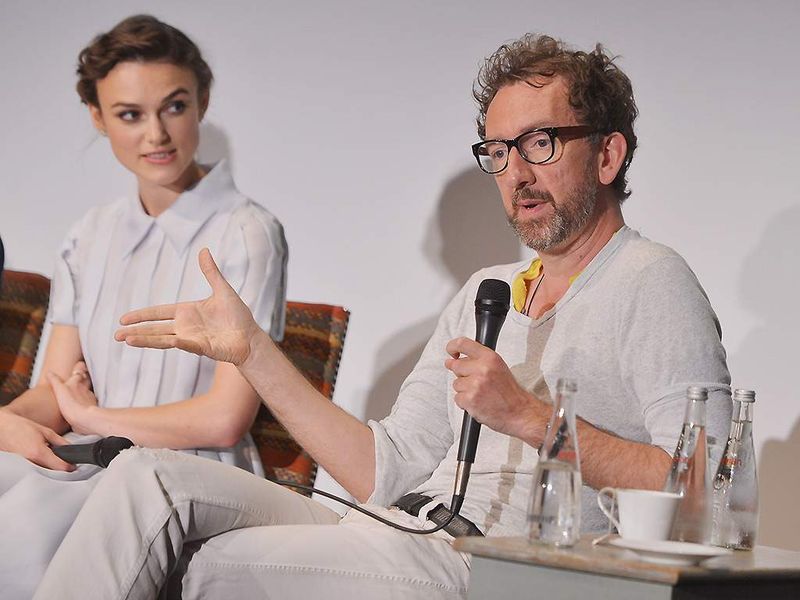
A director’s interview turned a past collaboration into an unexpected controversy. John Carney criticized Keira Knightley’s acting after Begin Again and used a dismissive comparison to a supermodel when discussing the experience.
He later apologized publicly, calling his comments unfair and taking responsibility for them. That apology belongs beside the insult, not buried beneath it.
The episode shows how damaging public remarks can be, but it does not establish a secret effort to keep Knightley from getting work.