
Every culture has found its own smart ways to chop, grind, steam, and stir. Many of these handy tools have been used for hundreds of years, and they still work better than some modern gadgets.
Bringing a few of them into your kitchen can make cooking faster, easier, and a lot more fun. Get ready to meet some helpers that might just change how you cook every day.
1. Japanese Mandoline Slicer
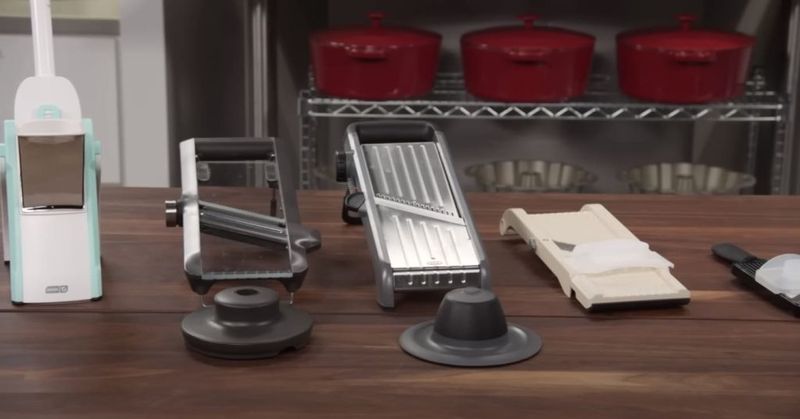
Paper-thin cucumber slices in seconds? A Japanese mandoline makes it happen.
Cooks in Japan rely on it for neat, even cuts that look like they came from a fancy restaurant.
The blade is extra sharp, so slicing feels smooth instead of forced. You can adjust the thickness for salads, chips, or stir-fries.
One safety tip matters most. Always use the hand guard, because those blades can nick fingers fast.
2. Mexican Molcajete
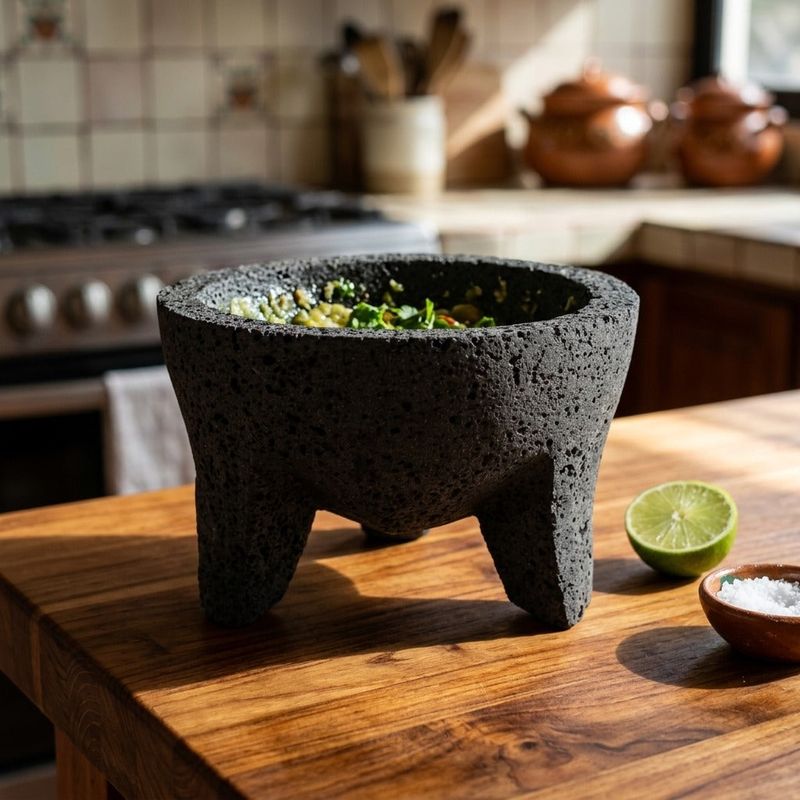
Ask any grandma in Oaxaca, and she will tell you guacamole tastes best from a molcajete. Carved from volcanic rock, this bowl and pestle set dates back thousands of years to the Aztecs.
Its rough surface crushes garlic, chiles, and spices, releasing bold flavors a blender cannot match.
Before first use, grind some rice in it a few times. That cleans out loose stone grit.
3. Chinese Bamboo Steamer
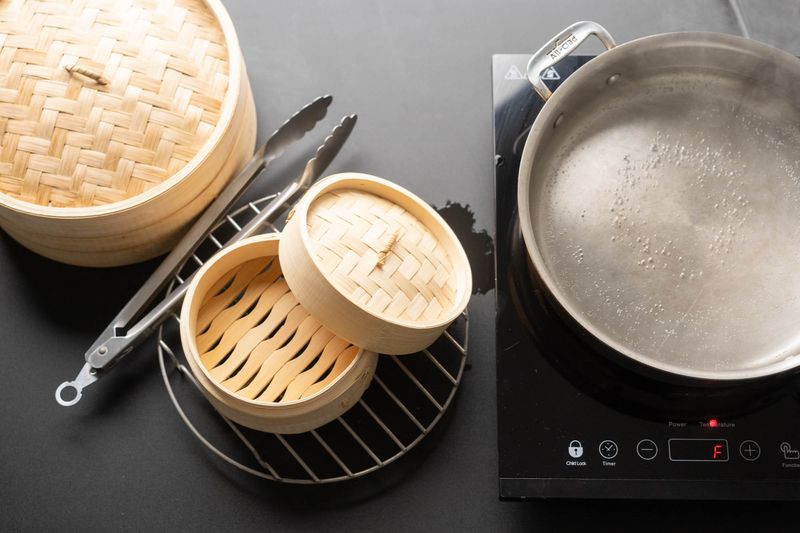
Fluffy dumplings, tender fish, and bright green veggies all come out perfectly from a stacked bamboo steamer. Families across China have cooked this way for centuries.
Bamboo soaks up extra moisture, so food never gets soggy. You can stack several layers and cook a whole meal at once over one pot.
Line the baskets with cabbage leaves or parchment. Cleanup becomes almost nothing.
4. Italian Mezzaluna
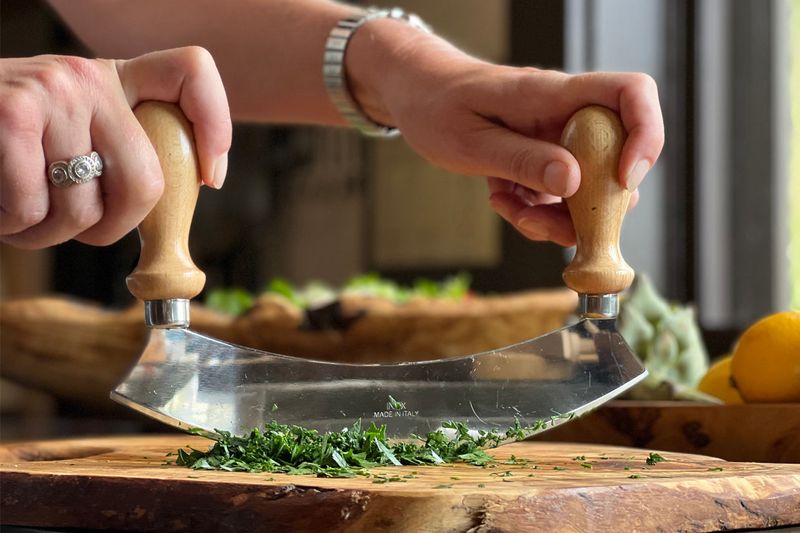
Its name means half moon in Italian, and one look at the curved blade explains why. You hold both handles and rock it back and forth.
Herbs like basil and parsley get chopped finely in moments, with no bruising. Kids often find it easier to control than a regular knife, with adult help.
Pair it with a hollowed wooden board for the best results.
5. French Rolling Pin
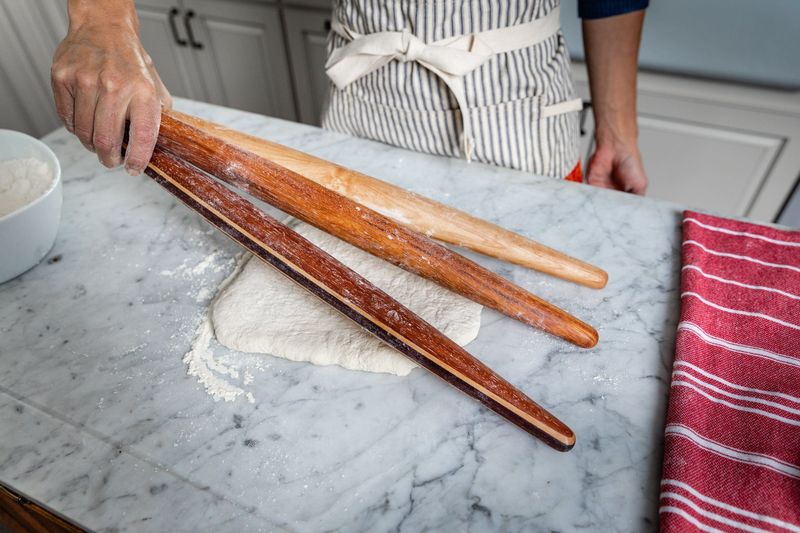
Pastry chefs in Paris swear by this simple stick. A French rolling pin has no handles, just smooth wood that tapers at both ends.
Without handles, your hands feel the dough directly. That makes it easier to roll pie crusts and cookies evenly without thin spots.
The tapered ends also let you pivot and turn circles smoothly. Wipe it clean instead of soaking, so the wood lasts for years.
6. Indian Tawa
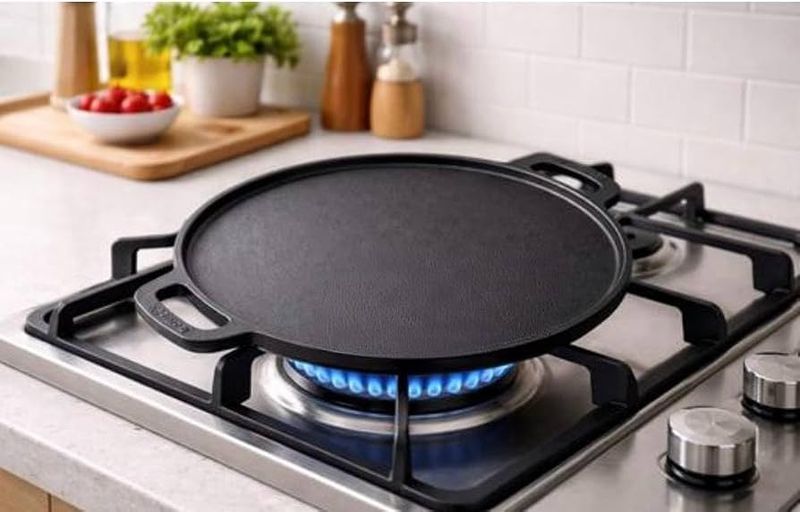
Warm, puffy chapatis start on a tawa. Almost every Indian home has this flat or slightly curved iron griddle sitting on the stove.
It heats evenly and holds that heat well, which is perfect for flatbreads, dosas, and even pancakes. Many cooks also toast spices on it.
Season it with oil like a cast iron pan. Over time, a natural nonstick surface builds up all by itself.
7. Moroccan Tagine
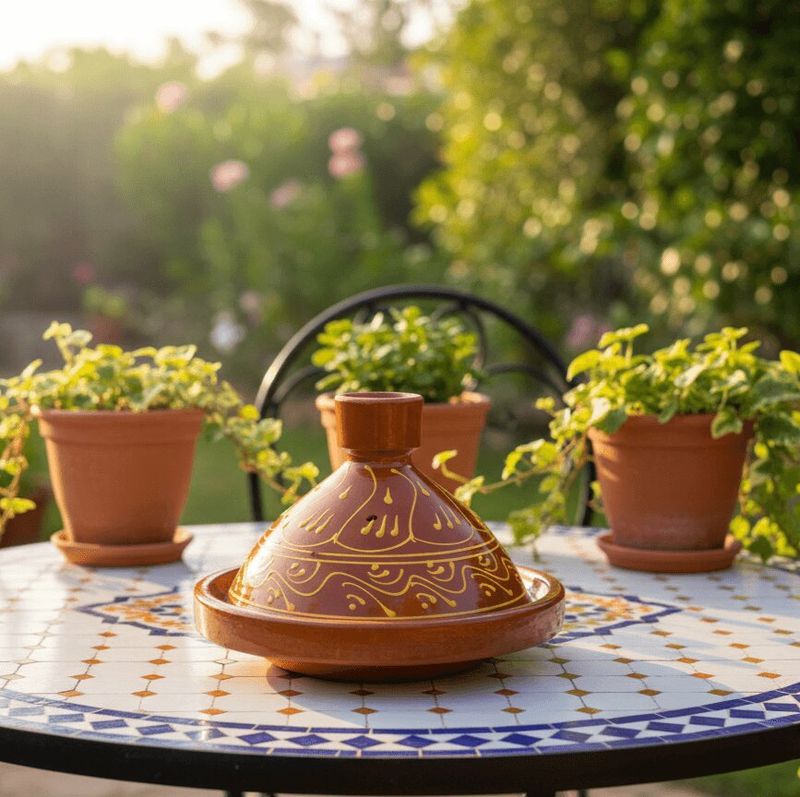
Picture a pot wearing a tall pointed hat. That cone-shaped lid is the secret behind Moroccan tagines.
Steam rises, cools at the top, and drips back down onto the food. Meat turns melt-in-your-mouth soft, and veggies soak up spices like cumin and cinnamon.
Fun fact: the dish cooked inside is also called a tagine. Use low heat and a diffuser to keep the clay from cracking.
8. Japanese Suribachi
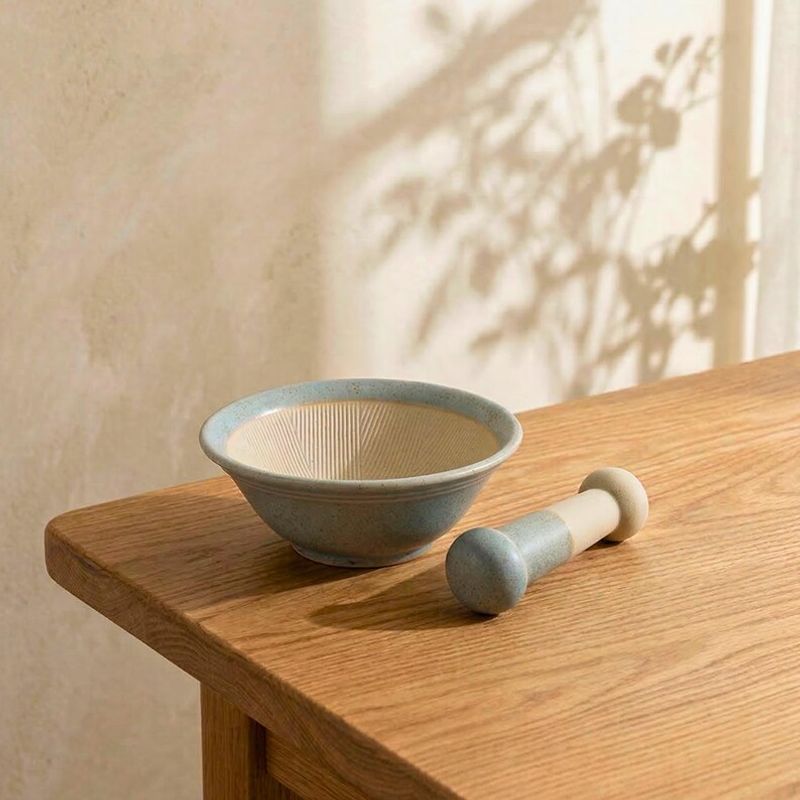
Toasted sesame seeds smell amazing, but grinding them turns that smell into pure magic. Japanese cooks use a suribachi for exactly this job.
The ceramic bowl has tiny ridges inside, and a wooden pestle called a surikogi crushes food against them. Seeds, nuts, and miso break down quickly.
Homemade sesame dressing tastes way fresher this way. Try it once, and store-bought versions may never feel the same.
9. Spanish Paella Pan
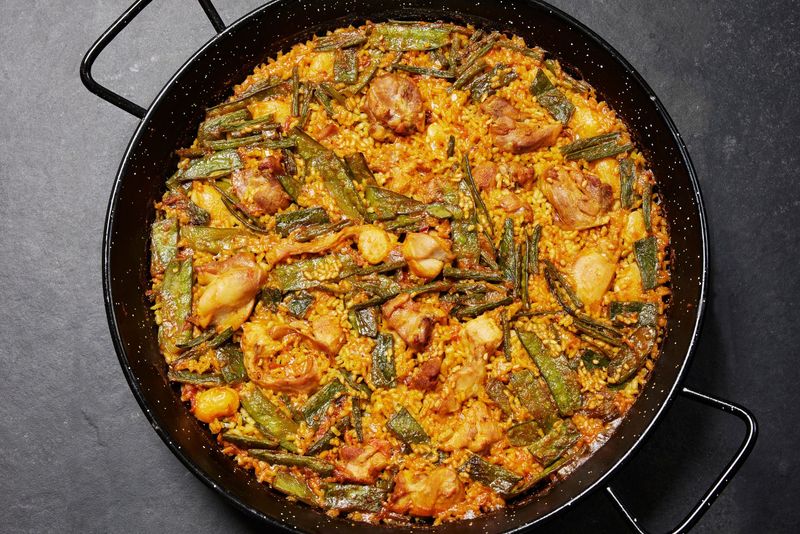
In Valencia, Spain, paella is a weekend party food cooked outside for big groups. The wide, shallow pan is what makes it special.
Rice spreads thin, so every grain cooks evenly. The best part forms at the bottom: a crispy, toasty layer called socarrat that everyone fights over.
Beyond paella, the pan works great for roasting veggies or making a giant skillet breakfast for the family.
10. Korean Stone Bowl (Dolsot)
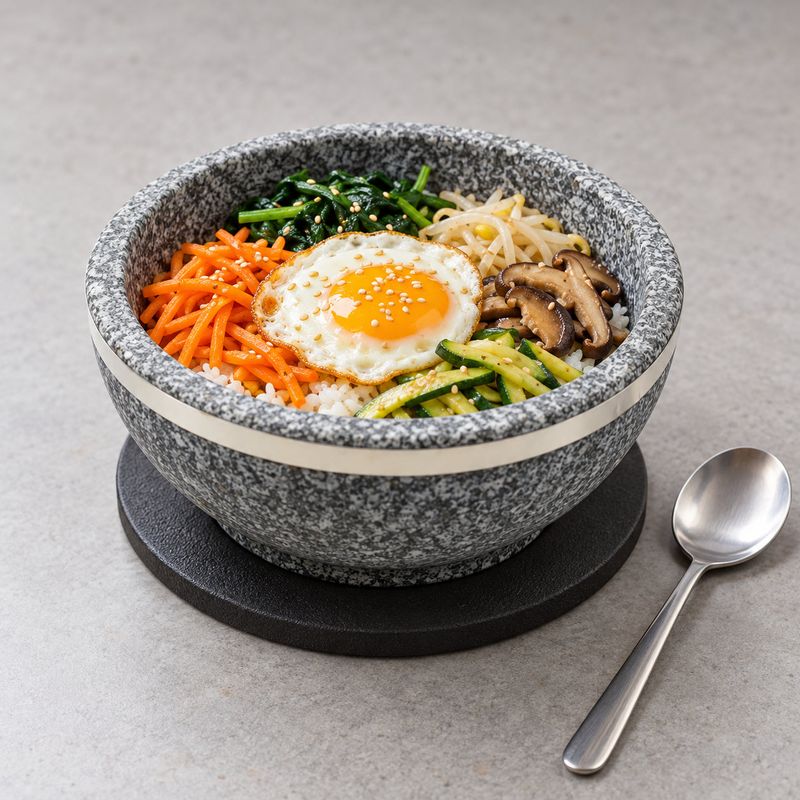
Sizzle, crackle, pop. That sound means your bibimbap in a dolsot is doing its thing.
Koreans heat these thick stone bowls until super hot, then add rice and toppings. The rice touching the bottom turns golden and crunchy, while the bowl keeps your meal warm until the last bite.
Heat it slowly and never splash cold water on it. Sudden temperature changes can crack the stone.
11. Danish Dough Whisk
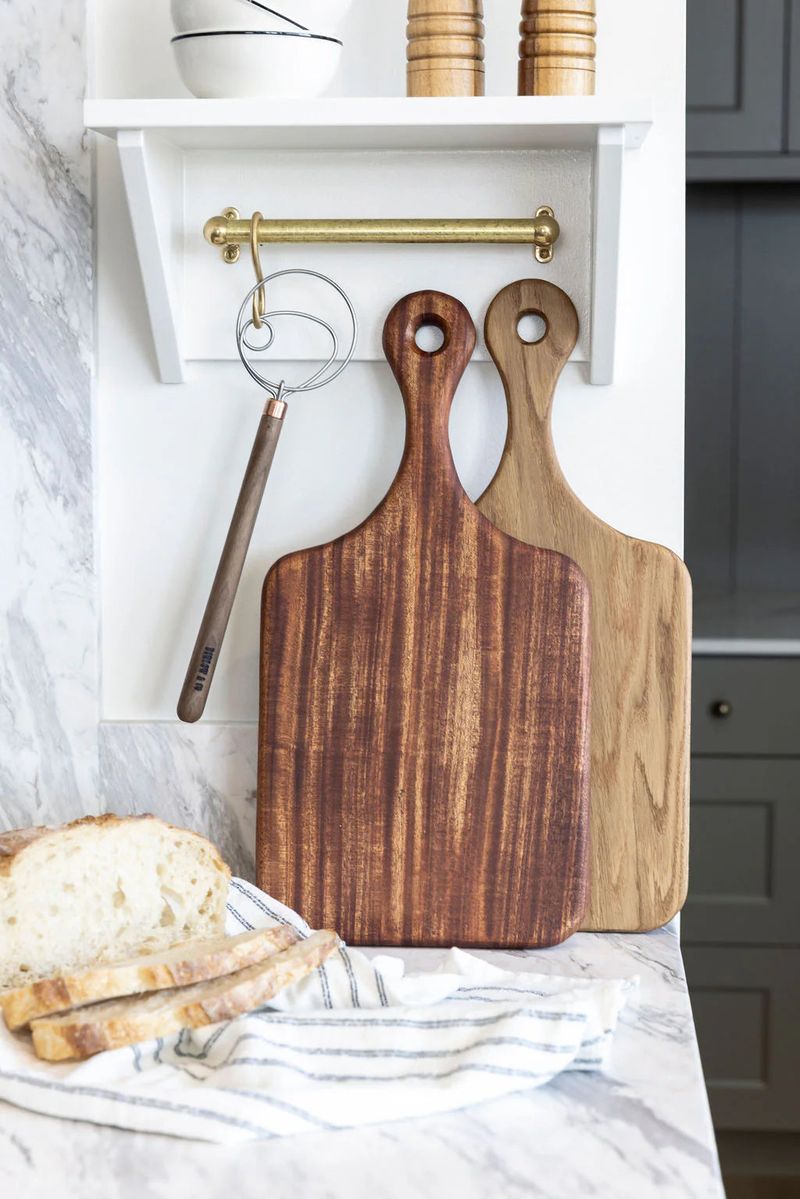
Funny-looking but brilliant, the Danish dough whisk resembles a wire swirl stuck on a stick. Bakers in Denmark have used it for generations.
Regular whisks clog with thick batter, but this coiled loop slices right through. Bread dough, muffin batter, and pancake mix come together fast without overmixing.
Cleaning is easy too. A quick rinse knocks off sticky bits, so you skip scrubbing between tight wires.
12. Turkish Cezve
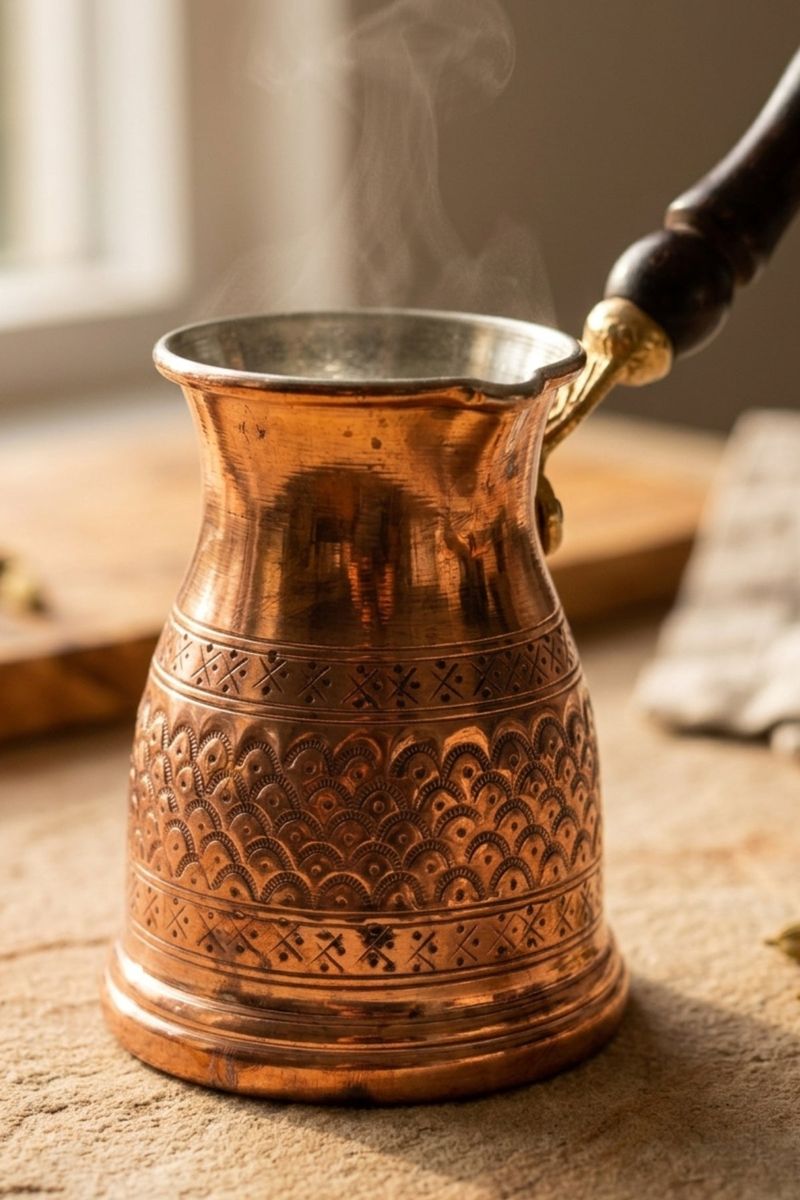
Turkish coffee is so loved that UNESCO lists it as a cultural treasure. It is brewed in a cezve, a tiny long-handled pot, often made of copper.
Finely ground coffee, water, and sugar heat slowly until a thick foam forms on top.
Not a coffee drinker? The cezve is also perfect for warming milk, melting butter, or making a single cup of hot chocolate.
13. Chinese Cleaver
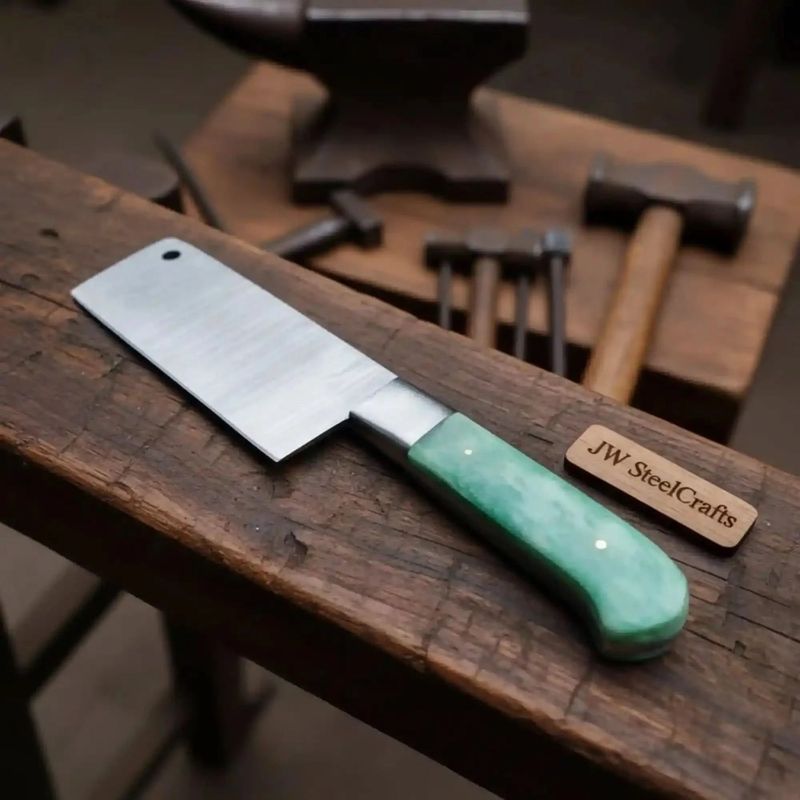
Many chefs in China use just one knife for almost everything, and it is the cleaver. That wide rectangular blade chops, slices, and minces with ease.
Here is a clever trick. Flip the blade sideways to smash garlic, then use it as a scoop to carry chopped food to the pan.
Choose a lighter vegetable cleaver for everyday cooking. Heavy bone cleavers are made for tougher jobs.
14. Swiss Raclette Grill
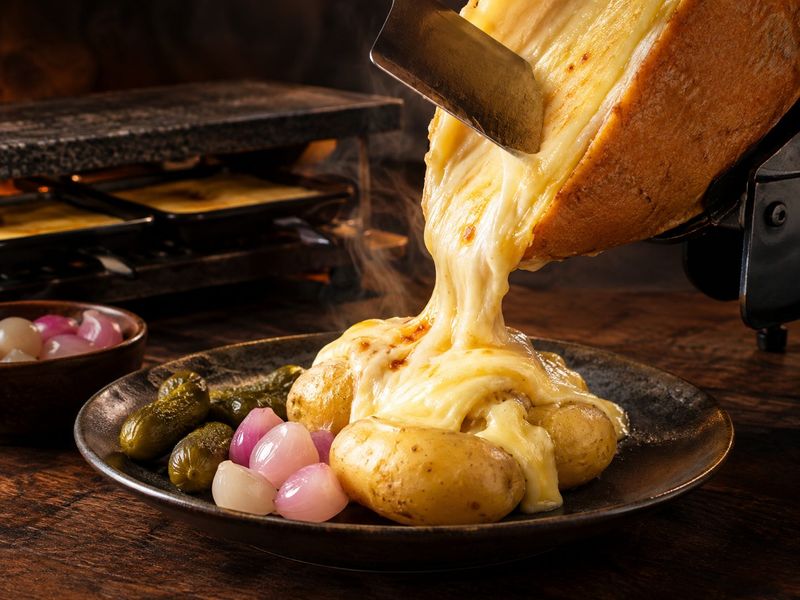
Melted cheese scraped over warm potatoes sounds like a dream dinner. In Switzerland, it is called raclette, and families gather around a tabletop grill to make it.
Everyone melts their own cheese in tiny trays while meats and veggies sizzle on top. Dinner turns into a fun, slow party.
Planning a sleepover or game night? Set one up and let everyone build their perfect plate.
15. Brazilian Churrasco Skewers
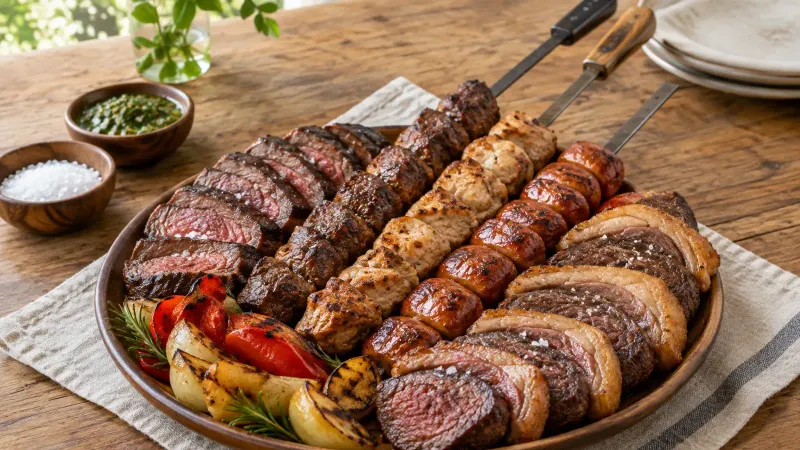
Brazilian steakhouses are famous for servers carrying giant skewers of grilled meat right to your table. Those long, flat skewers work wonders on a backyard grill too.
Their flat shape stops food from spinning when you flip it. Chicken, beef, and even pineapple cook evenly over the coals.
Grilled pineapple dusted with cinnamon is a classic Brazilian treat. Try it once, and you will be hooked.
16. German Spaetzle Maker
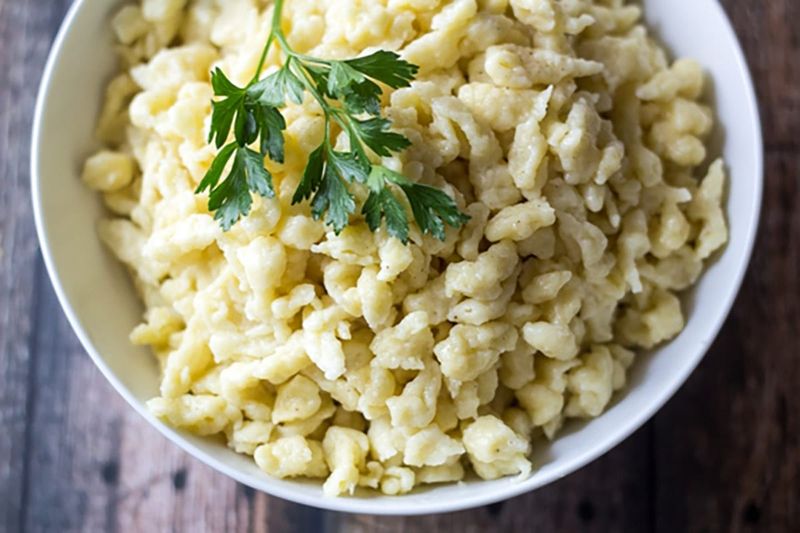
Grandmothers in southern Germany once cut spaetzle noodles by hand, scraping dough off a board. Now a simple spaetzle maker does it in minutes.
Just pour batter into the sliding box and move it back and forth over boiling water. Little dumplings drop in and cook fast.
Toss them with butter and cheese for a cozy meal. Kids love helping with the sliding part.
17. Thai Mortar and Pestle (Krok)
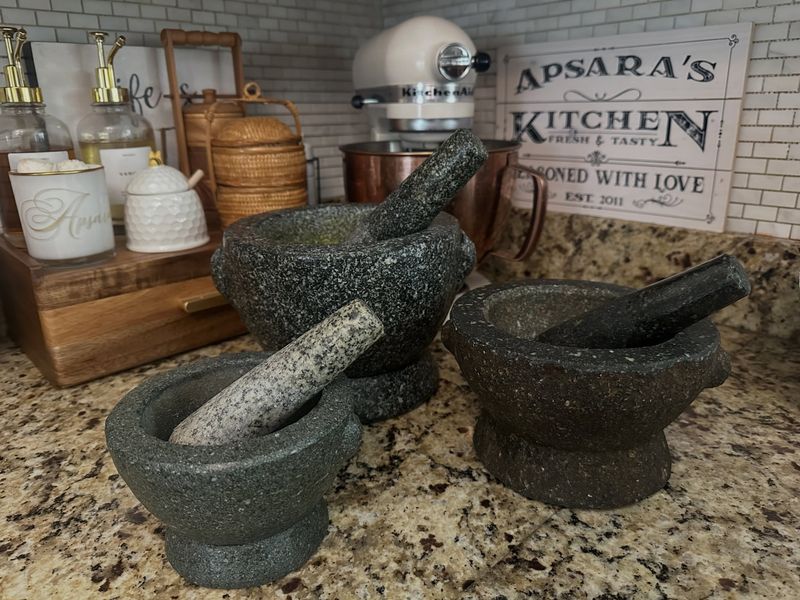
Walk past any street food stall in Bangkok, and you will hear a steady thump-thump. That is a krok, the tall Thai mortar used to make papaya salad.
Clay versions are perfect for lightly bruising veggies, while granite ones grind curry pastes smooth.
Making your own curry paste might sound hard. With a krok, it becomes a fun, sweet-smelling project worth every pound of the pestle.