
A great classic does not have to take weeks to finish. Some of the most memorable stories are short enough to enjoy between Friday night and Sunday afternoon.
These novels and novellas offer mystery, adventure, and big ideas without a huge time commitment. Page counts vary by edition, and reading speeds differ, so choose a story that matches your mood and the time you have.
1. Animal Farm: A Barnyard Rebellion
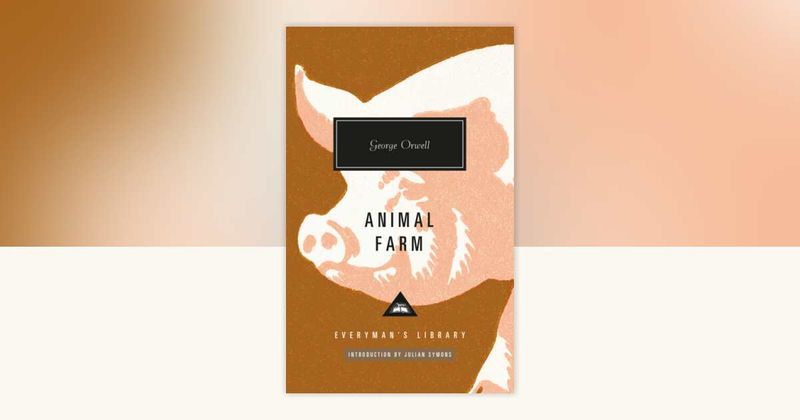
A farm run by animals sounds cheerful until the pigs start making the rules. George Orwell turns a simple rebellion into a sharp story about power, broken promises, and how leaders twist language.
Its short chapters make it easy to finish over a few sittings. Watch how the farm’s rules change, and consider who benefits each time.
Knowing Russian history adds another layer, but you can follow the warning without a history lesson beforehand.
2. The Old Man and the Sea: Courage on Open Water
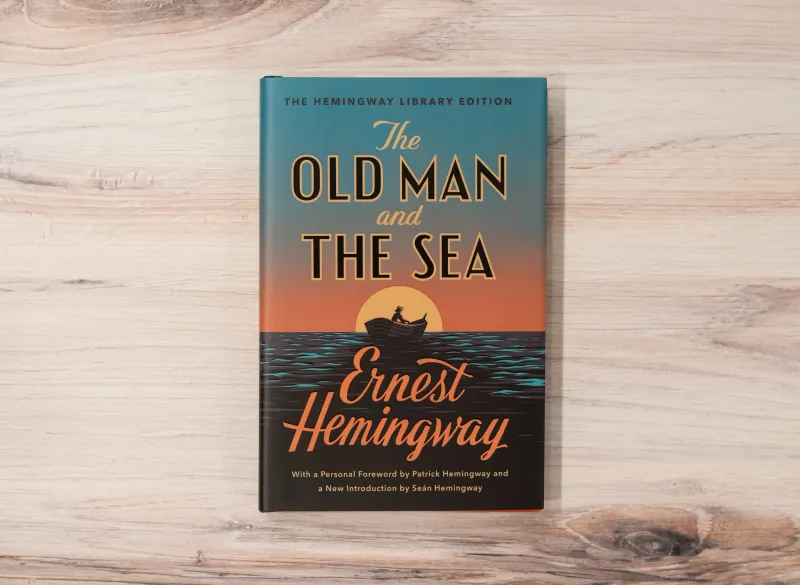
Out on the water, an aging fisherman faces a struggle much bigger than his small boat. Ernest Hemingway follows Santiago as he battles a huge marlin, drawing strength from skill, pride, and stubborn hope.
The plain language helps the pages move quickly, though the quiet moments deserve attention. Set aside an afternoon rather than rushing between chores.
You may finish thinking less about winning and more about what it means to keep going anyway.
3. The Great Gatsby: Glitter With a Dark Edge
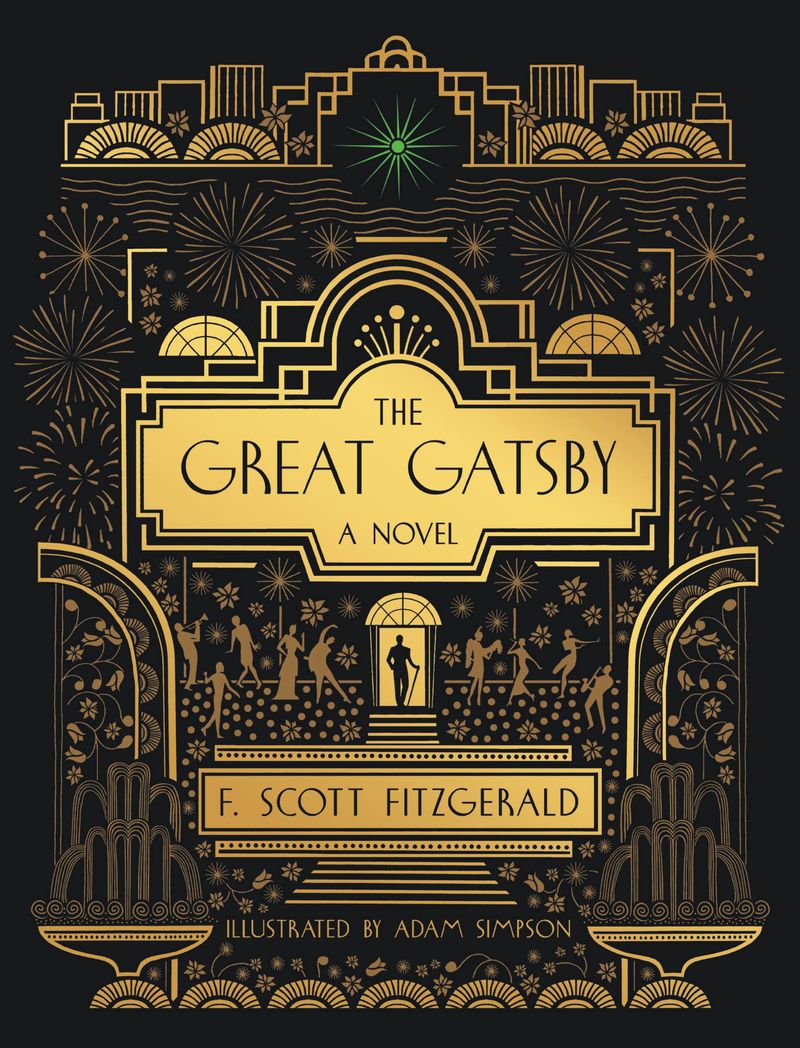
Behind the sparkling parties sits a dream that money cannot quite buy. F.
Scott Fitzgerald introduces Jay Gatsby through his neighbor Nick, who watches wealth, love, and old hopes collide on Long Island.
Plan two relaxed reading sessions so you can enjoy the rich descriptions without losing the plot. Notice the green light and the gap between appearances and truth.
The book is brief, but its view of success can spark a long conversation.
4. The Metamorphosis: One Very Strange Morning
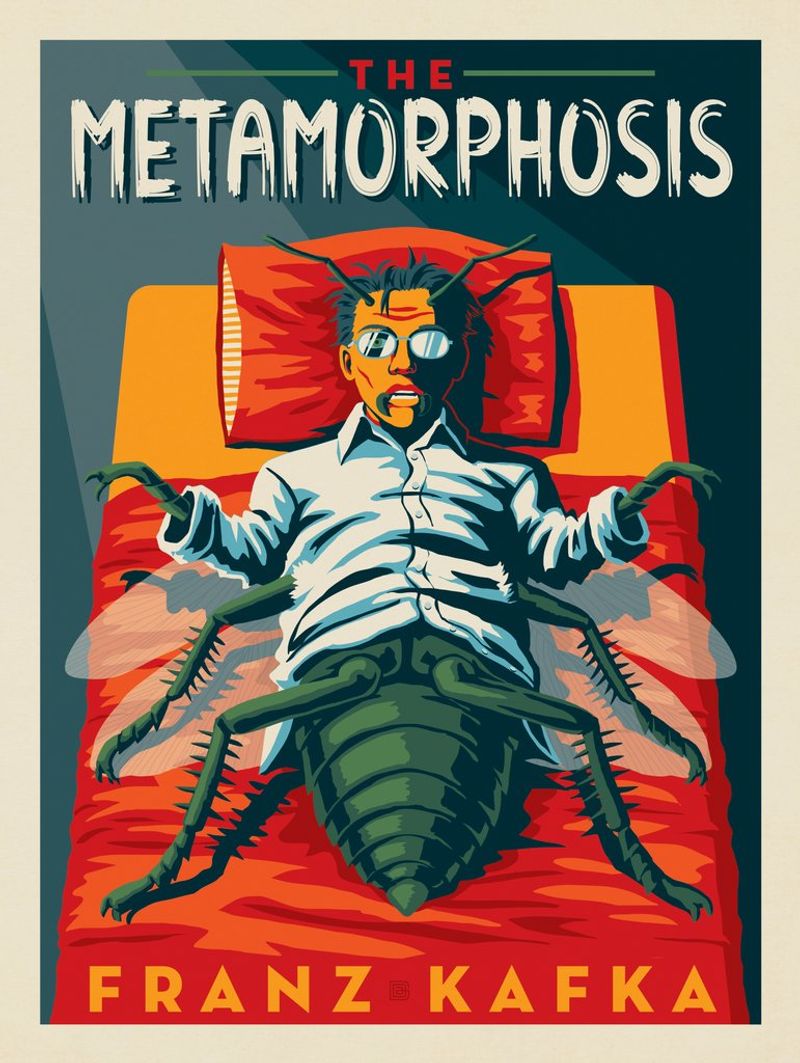
Imagine waking up unable to go to work because your body has become something unrecognizable. Franz Kafka gives Gregor Samsa that nightmare, then focuses on his family’s surprisingly practical reactions.
Many editions are short enough for one sitting, making this a useful choice for a busy weekend. Read beyond the strange setup and watch how care turns into resentment.
There is no single answer to its meaning, so leave room for your own reading afterward.
5. Strange Case of Dr. Jekyll and Mr. Hyde: Trouble Behind the Door
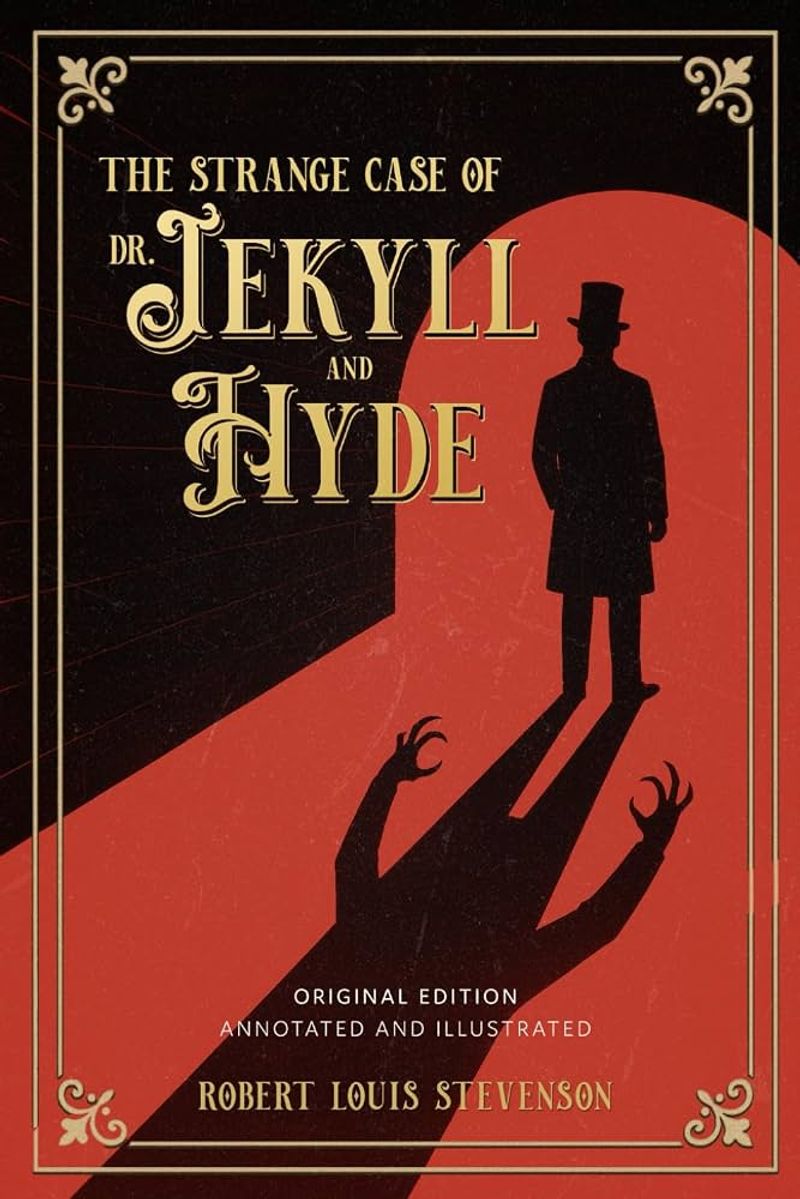
A locked door and a disturbing stranger pull a London lawyer into an unsettling mystery. Robert Louis Stevenson builds suspense around a respected doctor whose connection to Mr. Hyde seems impossible to explain.
Even if you know the famous secret, the original story offers more mystery than many screen versions suggest. Choose an evening when you can read several chapters together.
Its older language may slow you slightly, but the tight plot rewards steady attention.
6. Of Mice and Men: A Dream Shared by Two Friends
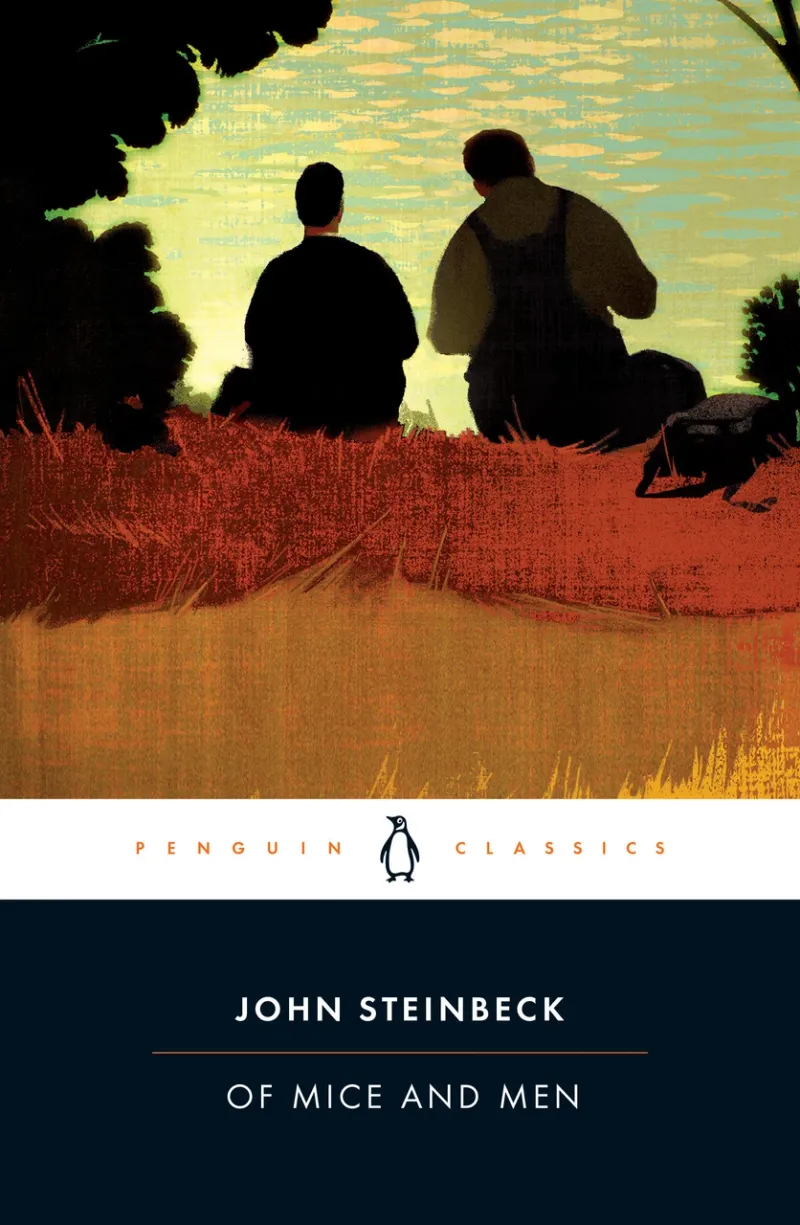
Sometimes a small dream is enough to keep someone moving. John Steinbeck follows George and Lennie, two traveling workers who hope to own land and finally build a safer life.
The story unfolds through clear scenes and lively dialogue, so it reads almost like a play. Allow a quiet stretch for the ending rather than squeezing it into spare minutes.
Expect harsh language, racism, and violence alongside its moving look at friendship, loneliness, and responsibility.
7. The Little Prince: Small Planets, Big Feelings
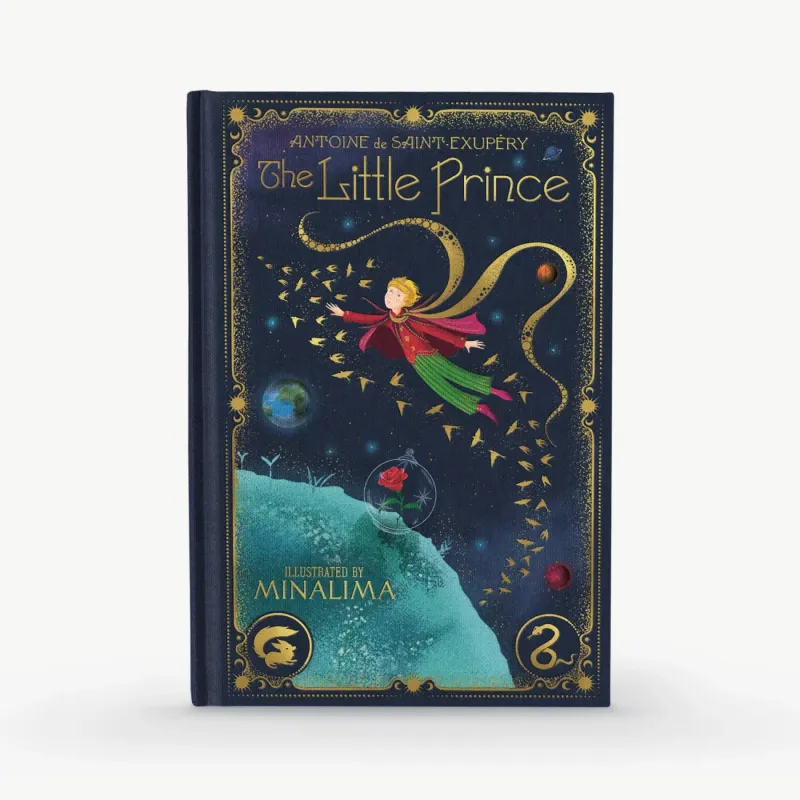
Few travelers ask better questions than a child visiting tiny planets. Antoine de Saint-Exupéry pairs a stranded pilot with a young prince whose stories gently challenge the strange habits of grownups.
Short chapters and simple drawings make this an easy afternoon read, but its thoughts on love and friendship linger. Pause at the fox’s lesson instead of racing ahead.
Reading it as an adult can feel surprisingly different from meeting it during your childhood years.
8. Candide: A Wild Ride Through Bad Luck
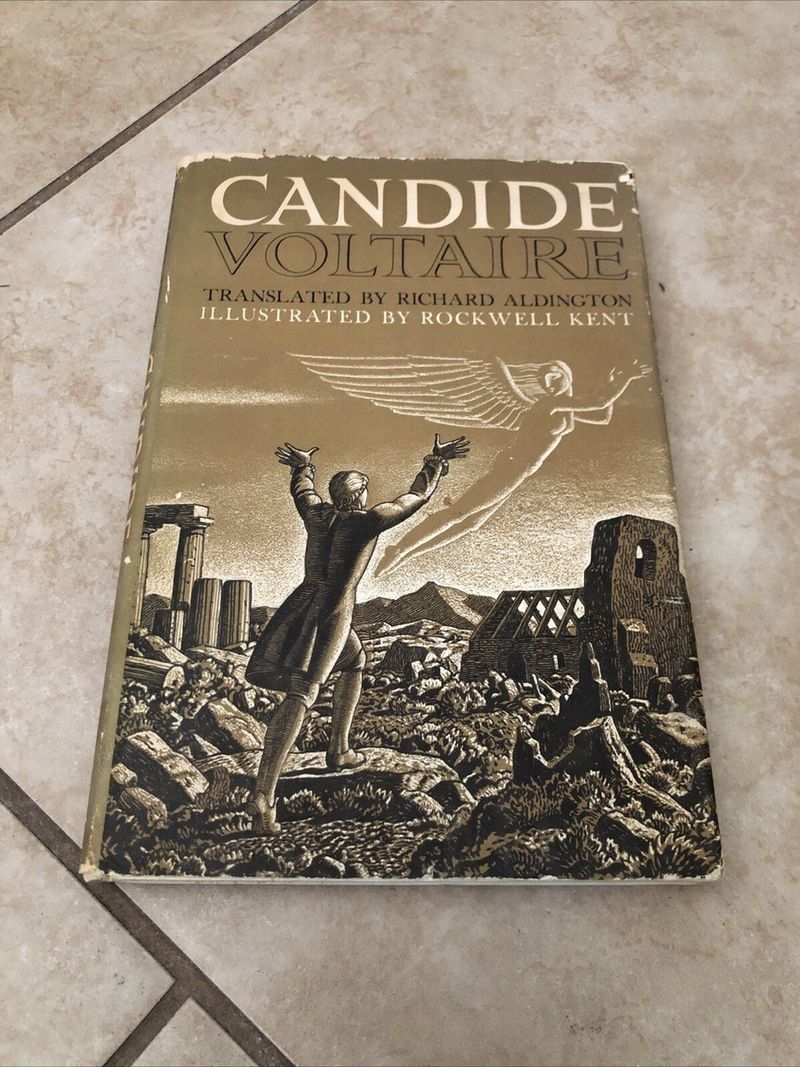
Bad luck follows an innocent young man with almost comic determination. Voltaire sends Candide across countries and disasters while poking holes in the cheerful claim that everything happens for the best.
The pace is fast, but the humor often covers war, cruelty, and suffering. Pick an edition with brief notes if older references leave you puzzled.
Reading in short bursts works well here, giving each strange adventure space before the next unlikely turn arrives suddenly.
9. Ethan Frome: Winter, Silence, and Regret
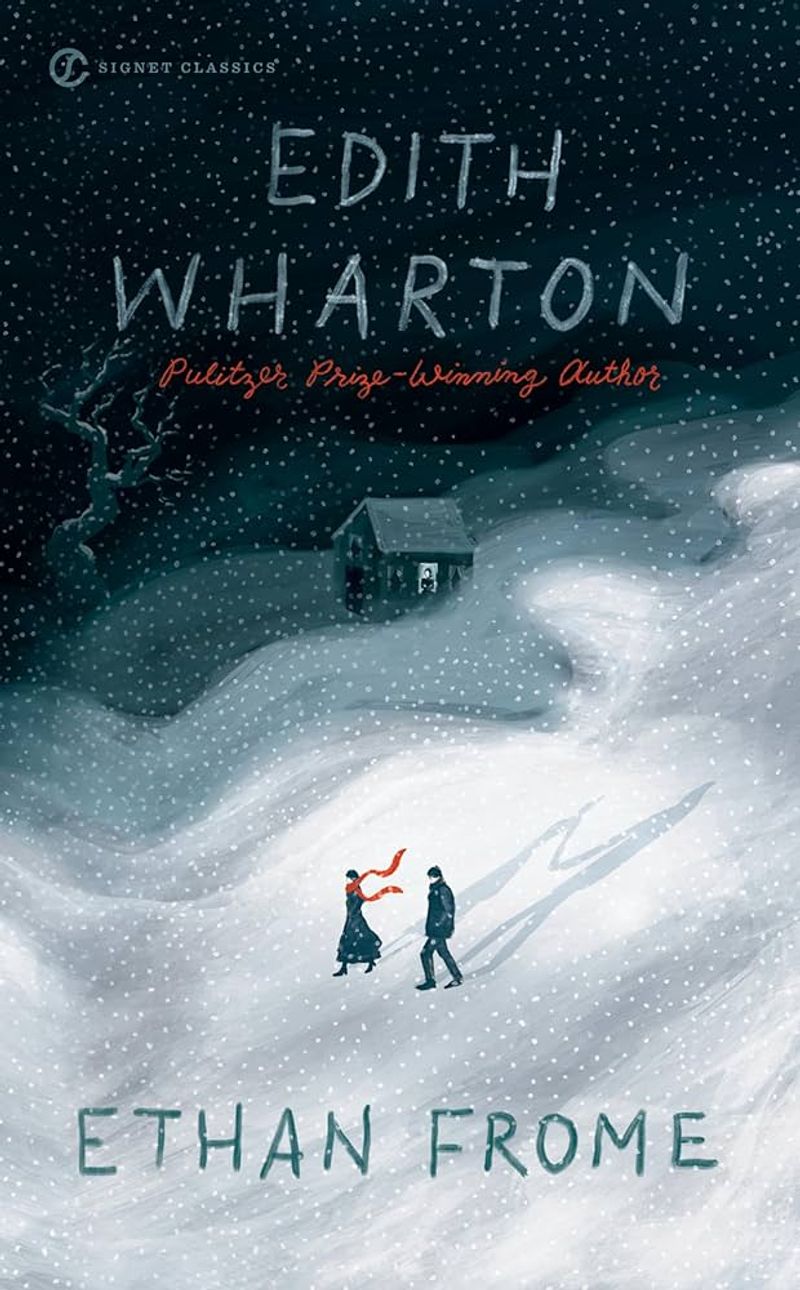
Snow can make a place beautiful, but it can also make escape feel impossible. Edith Wharton sets this tragic story in a cold New England town, where duty and desire trap a struggling farmer.
Save it for a quiet evening if you enjoy tense stories with few characters. The framing narrative creates questions early, so notice what the outsider narrator knows and what he guesses.
Despite its length, this is emotionally heavy rather than comforting.
10. The Catcher in the Rye: A Restless New York Weekend
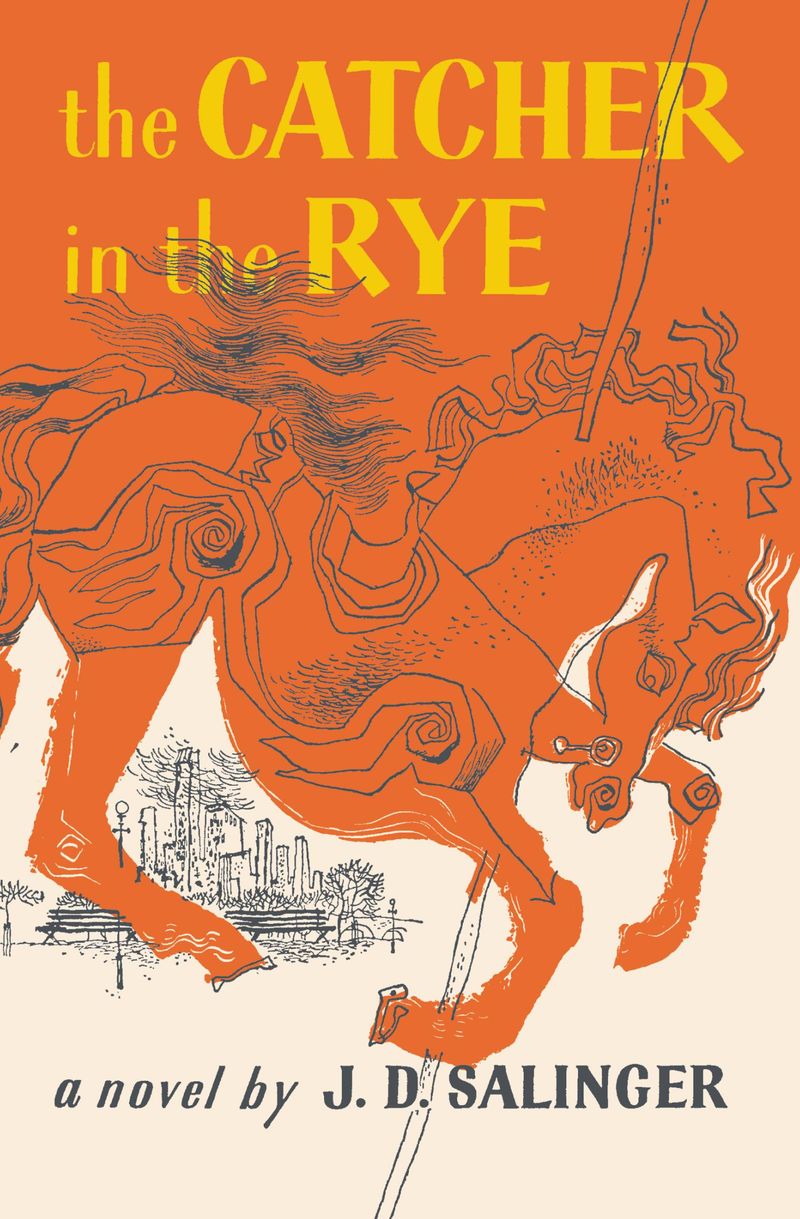
Holden Caulfield has plenty to say, especially about people he thinks are fake. J.
D. Salinger follows his restless wanderings through New York after he leaves school, mixing sharp humor with deep loneliness.
His chatty voice can make the pages fly, though his complaints may test your patience. Try listening for the hurt beneath his judgments.
Splitting the book between Saturday and Sunday gives you time to consider its grief, confusion, and wish for connection.
11. Heart of Darkness: A River Journey With Shadows
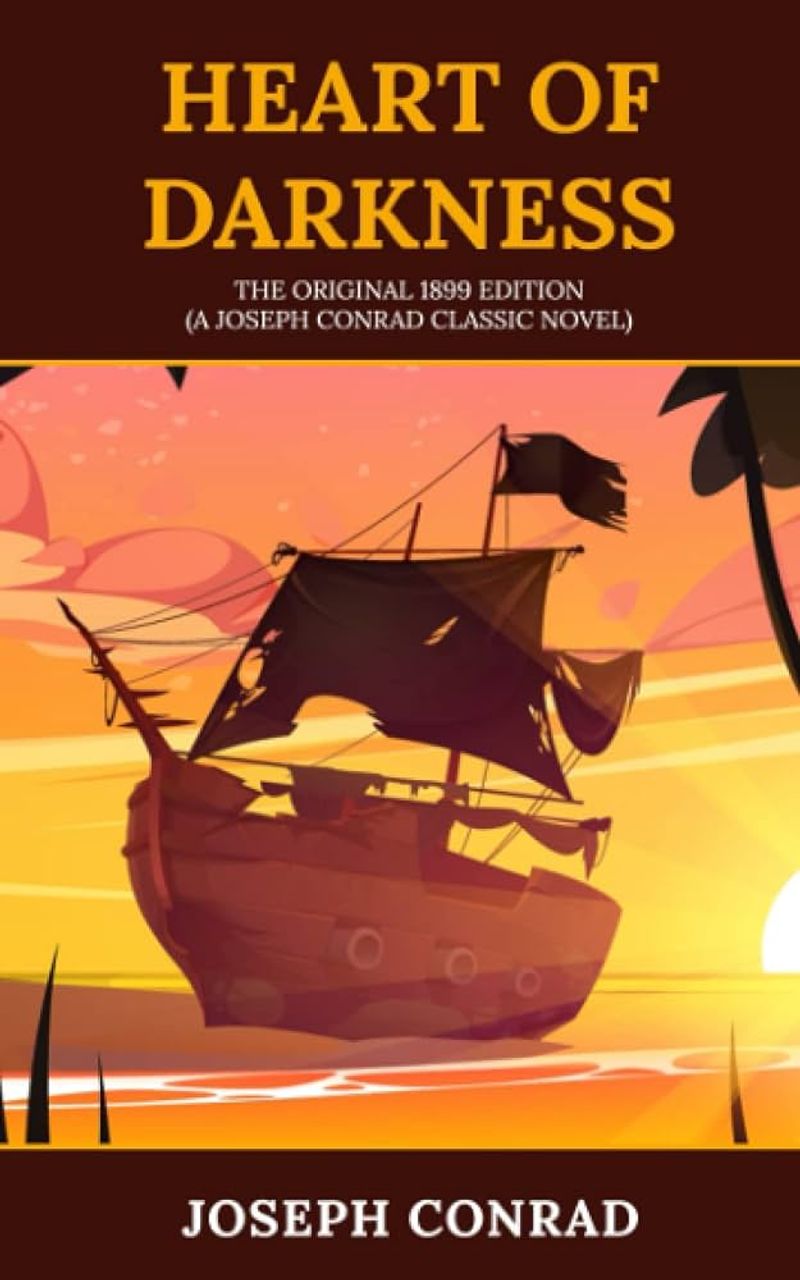
A river journey becomes a troubling look at cruelty and unchecked power. Joseph Conrad follows Marlow into colonial Congo, where his search for the trader Kurtz exposes the violence beneath claims of progress.
Do not mistake its short length for an easy pace. The dense language rewards smaller reading sessions, and a brief historical introduction can help.
Read critically, too: its portrayal of African people has drawn serious criticism, which belongs alongside discussions of empire.
12. Northanger Abbey: Gothic Daydreams Meet Real Life
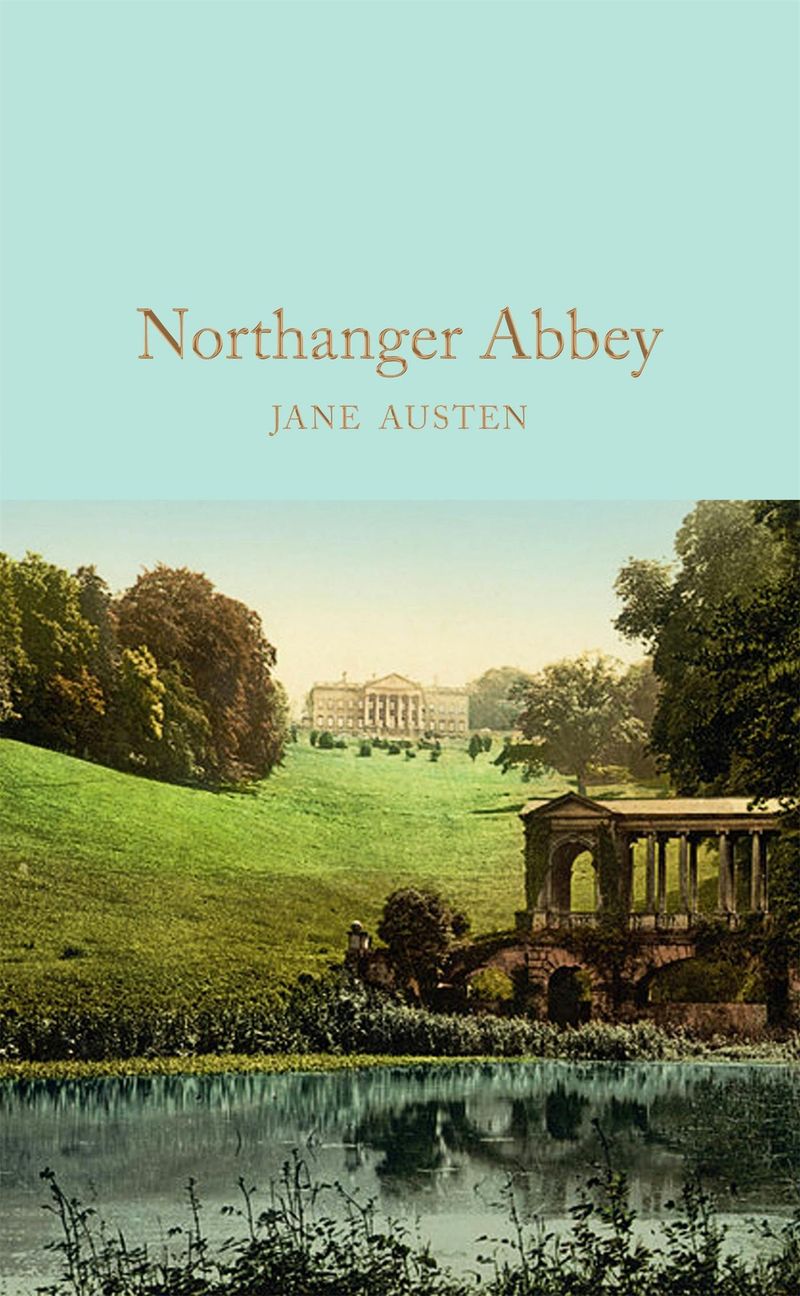
Too many spooky books can give an imaginative reader some very silly ideas. Jane Austen has fun with that problem as Catherine Morland enters fashionable Bath society and later visits an imposing abbey.
Expect teasing humor, awkward conversations, and a heroine still learning how to judge people. This is longer than several choices here, so reserve a few comfortable reading blocks.
Familiarity with Gothic novels helps explain the jokes, but Austen makes Catherine’s mistakes entertaining.
13. Passing: Identity Under Pressure
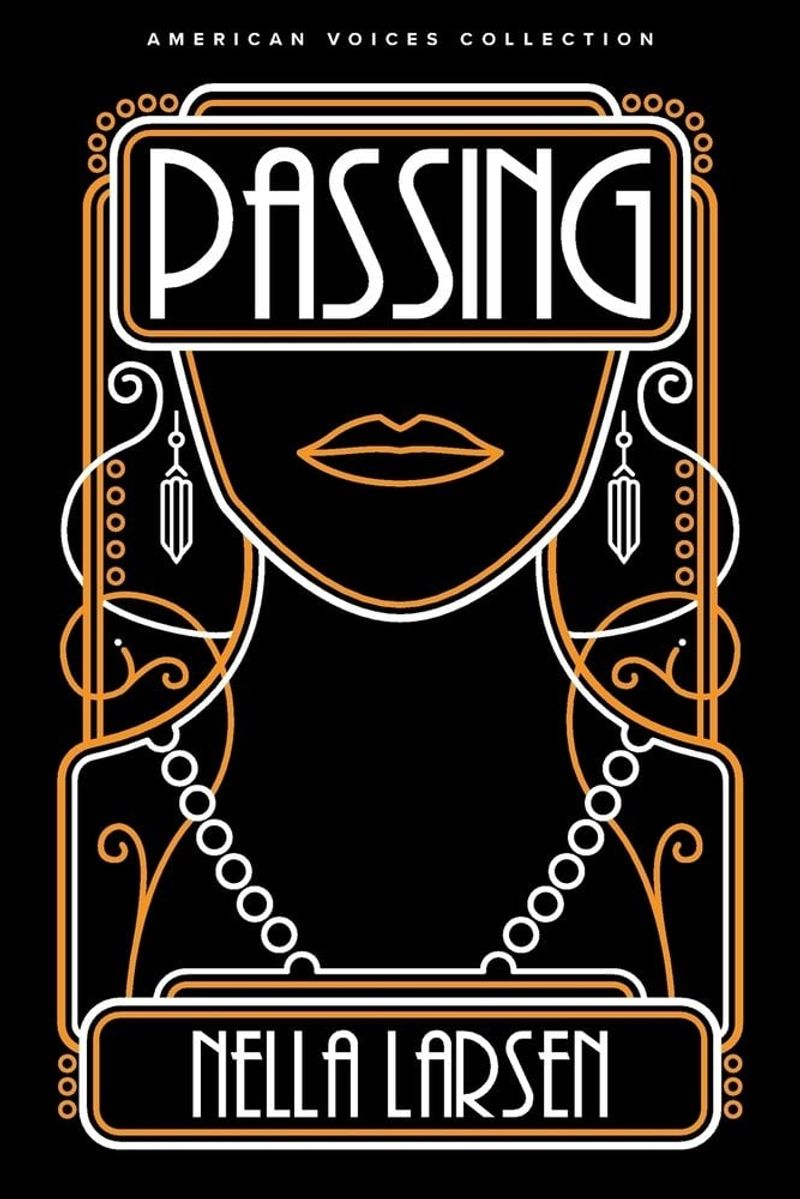
A chance meeting brings an old friendship back with dangerous complications. Nella Larsen centers Irene and Clare, two Black women whose different relationships with racial identity shape their choices in the 1920s.
The novel is compact, but nearly every conversation carries hidden tension. Read closely when Irene explains someone else’s motives, and ask how certain her judgments really are.
A weekend gives you room to finish, reflect, and revisit scenes that may look different afterward.
14. The Death of Ivan Ilyich: An Uncomfortable Wake-Up Call
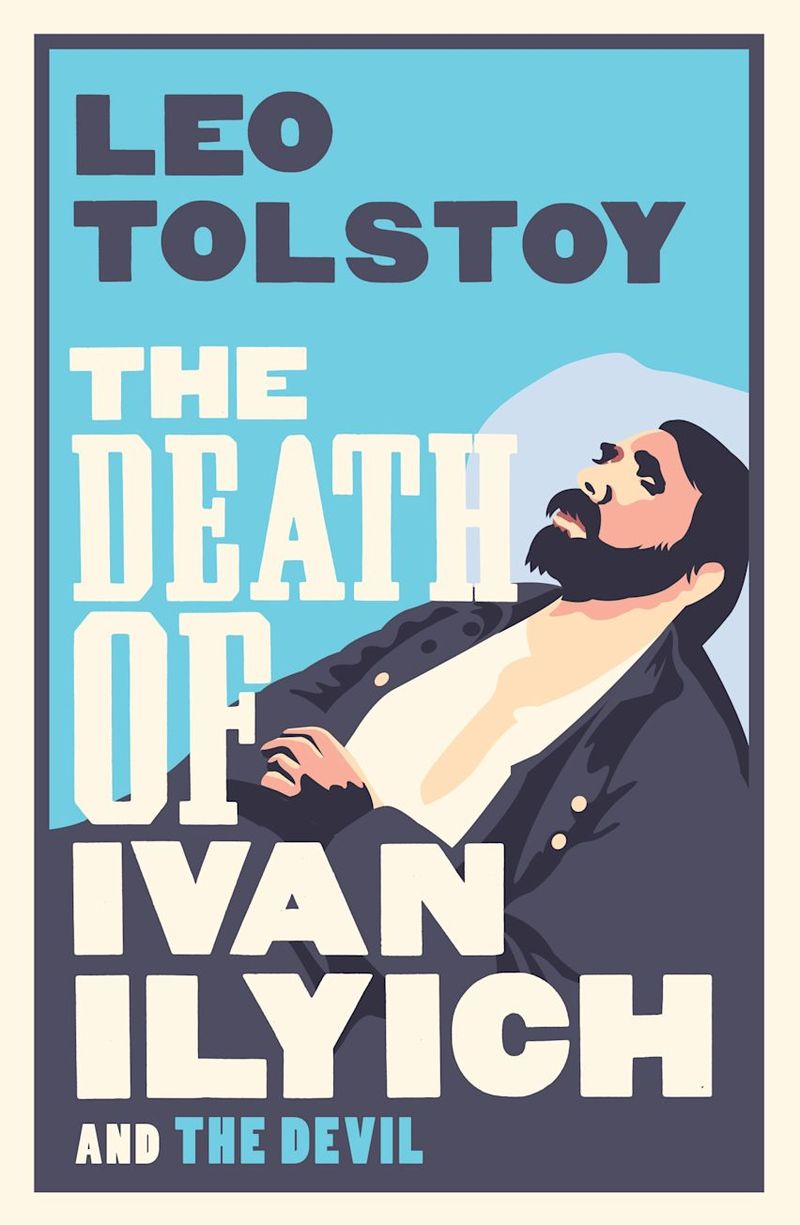
What happens when a successful life suddenly stops looking meaningful? Leo Tolstoy follows a respected judge whose illness forces him to question the comfortable routines and social approval he once valued.
The subject is serious, yet the story stays grounded in ordinary worries about work, family, and being understood. Choose a calm afternoon and leave time afterward for reflection.
Its brief length makes it manageable, while its questions about kindness and honesty reach far beyond.
15. The Picture of Dorian Gray: Beauty at a Price
A portrait holds a secret its handsome subject would rather hide. Oscar Wilde turns a young man’s wish for lasting beauty into a dark story about influence, pleasure, and the cost of avoiding responsibility.
Witty conversations give the book sparkle, while some descriptive passages slow the pace. Start on Friday if your edition is longer, then spread the remaining chapters across two days.
Notice how easily clever words can make selfish choices sound almost reasonable.
16. Fahrenheit 451: When Books Become Dangerous
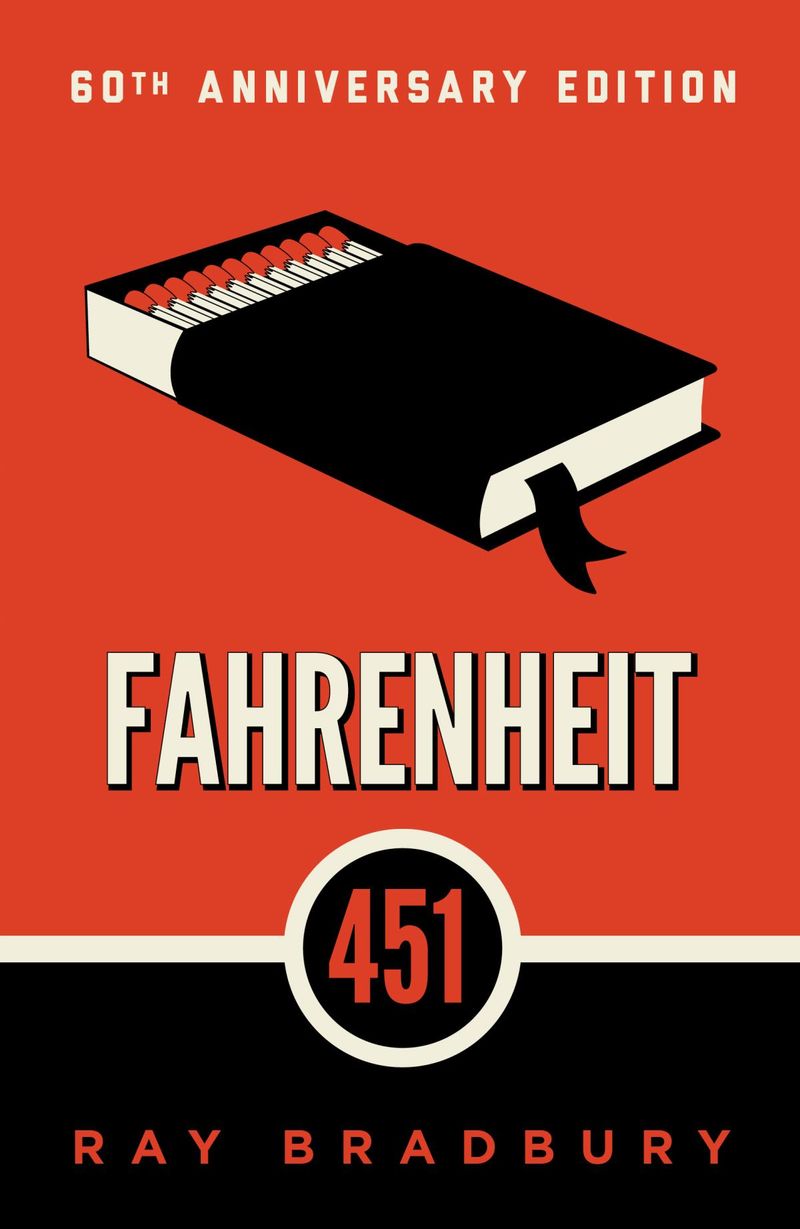
In Guy Montag’s world, firefighters burn books instead of saving homes. Ray Bradbury uses that startling idea to explore censorship, constant entertainment, and what people lose when they stop asking difficult questions.
The action makes this a strong pick when you want momentum rather than a quiet character study. Plan a few focused sessions and keep your phone elsewhere for one of them.
The contrast between reading deeply and seeking distraction feels especially relevant today.
17. Frankenstein: More Than a Monster Story
Forget the movie image of a mindless creature stumbling through a laboratory. Mary Shelley gives the being intelligence, feelings, and a painful need for companionship, while his creator struggles with the consequences of ambition.
Look for the 1818 text if you want the original version, and check your edition’s length before planning. Its nested stories and older language need attention.
Spread the reading across the weekend, asking who deserves sympathy as each narrator takes control.