
Sixty years ago, the world looked very different from how it does today. People held beliefs about health, science, and society that seemed completely reasonable at the time but now make us shake our heads in disbelief.
From doctors recommending cigarettes to parents blaming cold weather for runny noses, the past was full of ideas we now know were flat-out wrong. Looking back at these beliefs reminds us how much our understanding of the world can change over time.
1. Smoking Was Considered Healthy
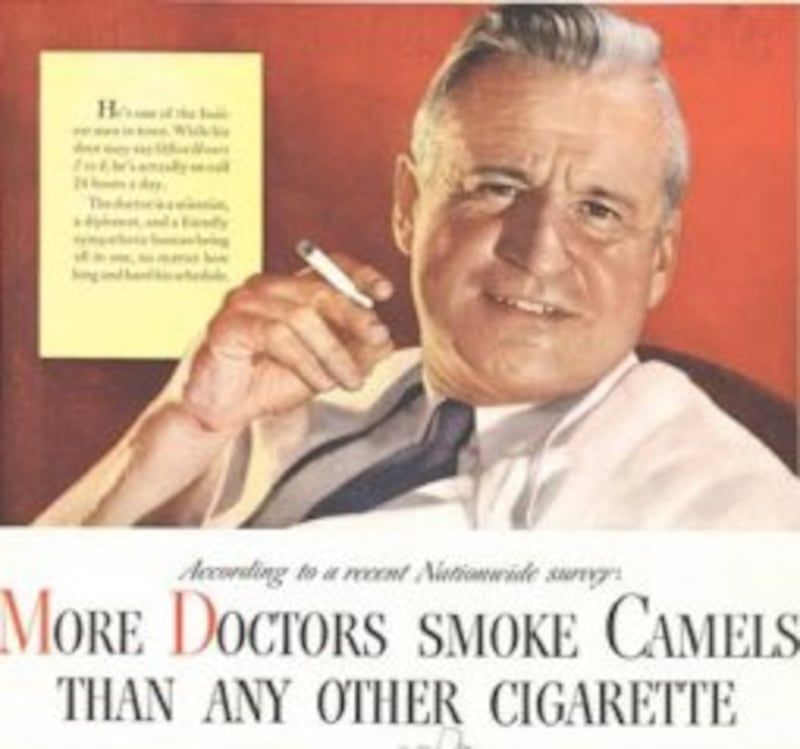
Back in the 1950s and 60s, your family doctor might have actually recommended a cigarette to help you relax. Tobacco companies ran bold ads featuring physicians endorsing specific brands, making smoking feel as normal as taking a vitamin.
Millions of Americans lit up daily without a second thought. It took decades of research before the link between smoking and lung cancer became widely accepted.
Today, of course, we know cigarettes are one of the leading causes of preventable death worldwide.
2. Left-Handedness Was Seen as a Problem

Imagine being told that the hand you naturally write with is simply wrong. That was daily life for left-handed kids in classrooms sixty years ago.
Teachers tied left hands behind backs or rapped knuckles with rulers to force right-handed writing.
The belief was that left-handedness signaled poor discipline or even moral weakness. Science has since shown that handedness is largely determined by genetics and brain wiring.
About 10% of the population is left-handed, and there is absolutely nothing wrong with that.
3. Cold Weather Directly Caused Colds

“Put your coat on or you’ll catch a cold!” Sound familiar? For generations, parents believed that stepping outside in chilly temperatures without proper clothing was basically a guaranteed path to sniffles and a sore throat.
We now know that colds are caused by viruses, not cold air. Rhinoviruses spread through contact with infected people, not through dropping temperatures.
Interestingly, people do spend more time indoors during winter, which actually does help viruses spread more easily among groups.
4. Seatbelts Were Considered Dangerous

Hard to believe, but many drivers in the 1960s thought seatbelts were more dangerous than going without them. A popular fear was that a seatbelt would trap you inside a burning or sinking car, making escape impossible.
Many people simply folded their belts under the seat cushion to avoid using them. The United States did not make seatbelts mandatory in all new cars until 1968, and state laws requiring their use came even later.
Today, seatbelts save roughly 15,000 lives every year in America alone.
5. Fat Was the Enemy, Sugar Was Fine

For decades, dietary fat was public enemy number one. Health campaigns in the 1960s pushed people toward low-fat foods, but food manufacturers quietly loaded those products with sugar to keep them tasting good.
Sugar slipped under the radar, partly because the sugar industry funded research that shifted blame toward fat. We now understand that excessive sugar consumption contributes to obesity, type 2 diabetes, and heart disease.
The fat-versus-sugar debate completely reshaped modern nutrition science and changed how we read food labels.
6. Women Needed Marriage to Be Fulfilled
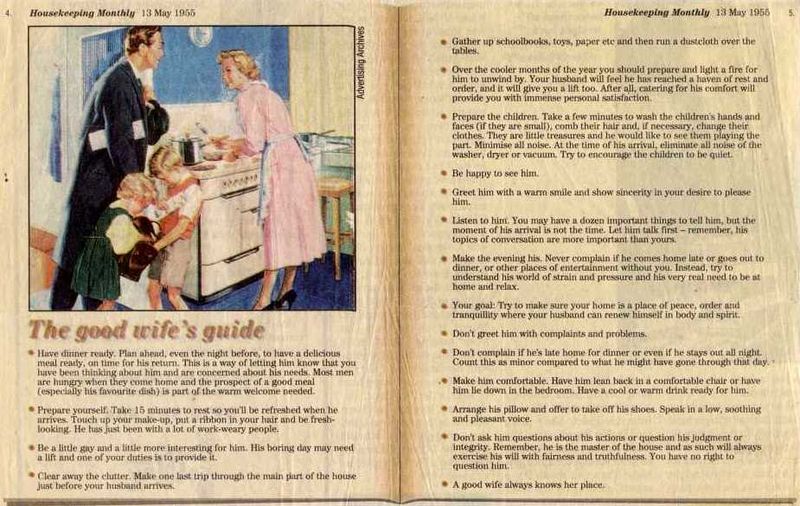
Society in the early 1960s had a very clear script for women: graduate, get married, raise children, and keep a tidy home. Single women were often viewed with pity or suspicion, as if something must be wrong with them.
Career ambitions beyond nursing or teaching were quietly discouraged. The feminist movement of the late 1960s began challenging these rigid expectations in powerful ways.
Today, women lead corporations, run countries, and define fulfillment entirely on their own terms, married or not.
7. Lobotomies Were a Legitimate Mental Health Treatment
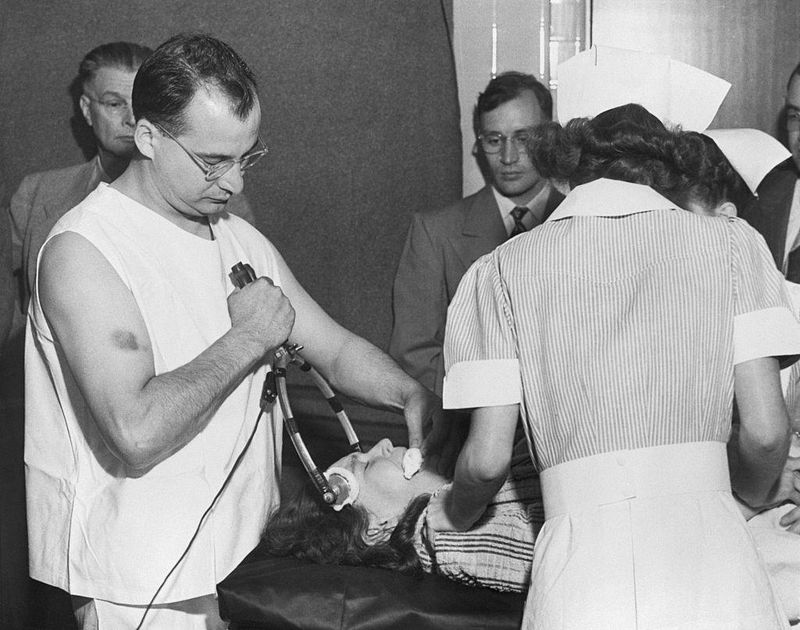
Walter Freeman drove a converted camper called the “lobotomobile” across America, performing lobotomies at state hospitals as a quick fix for mental illness. By inserting a metal pick through the eye socket into the brain, he claimed to cure depression, schizophrenia, and anxiety.
Roughly 50,000 Americans received lobotomies between the 1930s and 1960s. Many were left with severe cognitive damage, personality changes, or paralysis.
Freeman even performed the procedure on a 12-year-old child. Modern psychiatry has completely abandoned this approach in favor of evidence-based treatments.
8. Shark Cartilage Could Cure Cancer

“Sharks don’t get cancer” became one of the most repeated health myths of the 20th century. The belief fueled a booming market for shark cartilage supplements, which were marketed as natural cancer treatments throughout the mid-to-late 1900s.
Scientists have since confirmed that sharks absolutely do get cancer, including cartilage tumors. Multiple clinical trials found zero evidence that shark cartilage supplements help treat human cancers.
Sadly, the myth contributed to the overhunting of sharks, threatening multiple species. Good science eventually caught up with the bold marketing claims.
9. Rock Music Would Corrupt the Youth

When Elvis Presley swiveled his hips on television in 1956, network censors famously refused to film him below the waist. Parents, religious leaders, and politicians genuinely believed rock and roll music was a moral threat capable of turning teenagers into delinquents.
Radio stations banned songs, schools prohibited the music at dances, and civic groups organized record burnings. History tells a different story.
Rock music became one of the most culturally significant art forms of the 20th century, inspiring creativity and self-expression across generations worldwide.
10. Margarine Was Healthier Than Butter

Butter got a bad reputation in the mid-20th century when scientists linked saturated fat to heart disease. Margarine, made from vegetable oils, was aggressively marketed as the heart-healthy, modern alternative that smart families should choose.
The irony? Margarine was loaded with trans fats created during the hydrogenation process, which turned out to be even worse for cardiovascular health than the saturated fat in butter.
By the 1990s, research had completely flipped the script, and trans fats are now banned in many countries.
11. Spanking Was the Gold Standard of Parenting

Physical punishment was not just accepted in the 1960s, it was considered responsible parenting. The phrase “spare the rod, spoil the child” carried real weight in homes, schools, and churches across America and much of the Western world.
Pediatricians routinely recommended corporal punishment as an effective discipline tool. Decades of child psychology research have since shown that physical punishment increases aggression, damages trust, and harms mental health in children.
Over 60 countries have now banned corporal punishment in all settings, including the home.
12. Mental Illness Was a Sign of Weakness or Sin
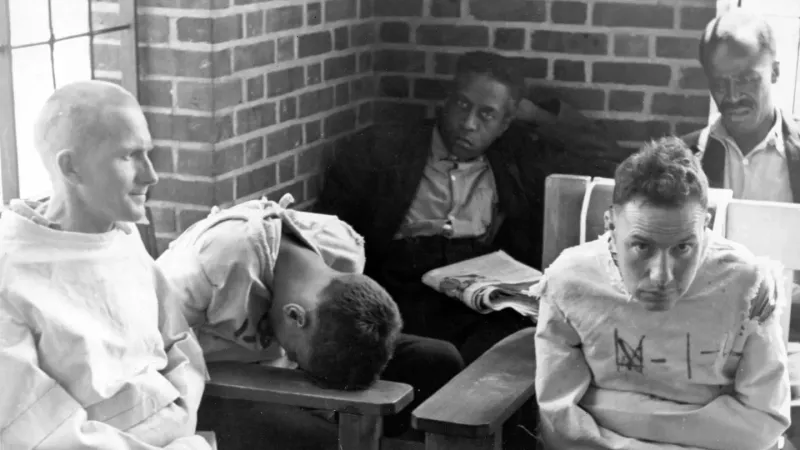
Struggling with anxiety or depression sixty years ago often meant facing shame rather than support. Mental illness was widely misunderstood as a personal failing, a lack of willpower, or even divine punishment for immoral behavior.
Many people with mental health conditions were institutionalized and cut off from their families indefinitely. Talking about emotional struggles was considered embarrassing at best, dangerous at worst.
The modern mental health movement has worked hard to replace stigma with empathy, though the journey toward full acceptance is still very much ongoing.
13. Radium Was a Miracle Health Ingredient
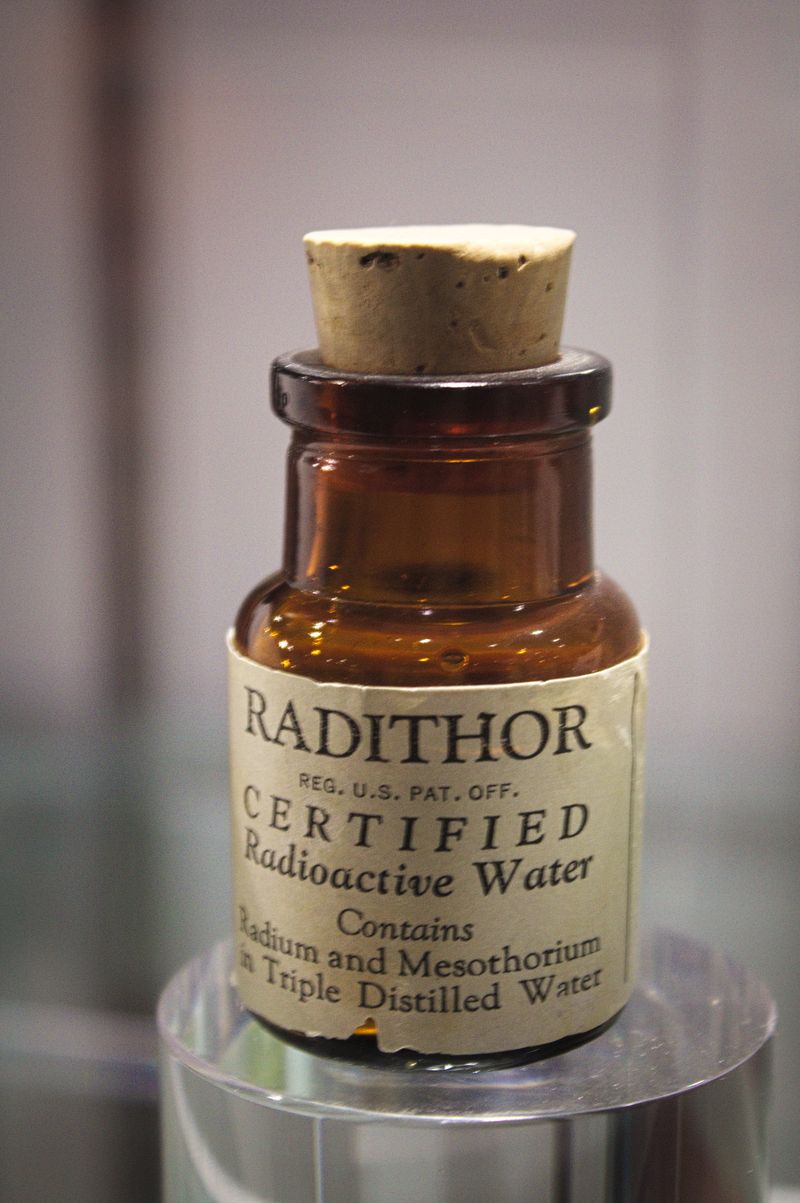
Before the dangers of radiation were fully understood, radium was literally sold as a health product. Radium-infused water, toothpaste, and even chocolate bars were marketed as energizing tonics that could boost vitality and cure chronic ailments.
The tragic story of the Radium Girls, factory workers who painted watch dials with luminous radium paint and were told it was safe, exposed just how deadly this element truly was. By the mid-20th century, radiation safety standards began transforming how industries handled radioactive materials.
14. Television Would Rot Children’s Brains
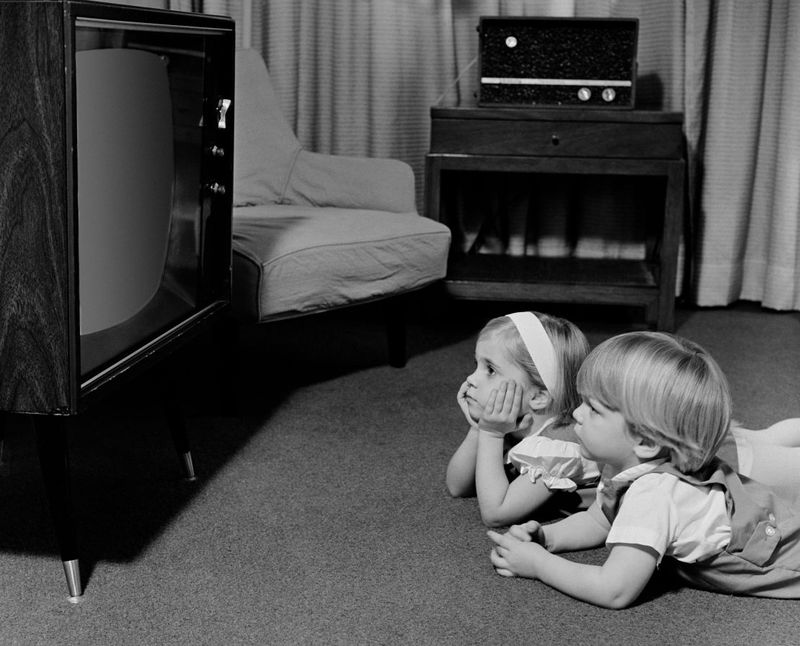
Sound familiar? Every generation seems to have its version of this panic, but television was the original screen-time villain.
Parents, educators, and doctors in the 1960s genuinely feared that watching TV would damage children’s eyesight, reduce intelligence, and create a passive, lazy generation.
Some of those early concerns about passive consumption do have modern echoes in screen-time debates today. However, television also became a powerful educational tool, bringing science, history, and world events into living rooms everywhere.
Shows like Sesame Street proved that the medium could genuinely help children learn.
15. DDT Was Perfectly Safe for Humans

After World War II, DDT was celebrated as a modern miracle. Trucks drove through suburban neighborhoods spraying the pesticide openly while children played outside, and nobody batted an eye.
It was even sprayed directly on people to kill lice.
Rachel Carson’s landmark 1962 book Silent Spring changed everything. She documented how DDT was devastating bird populations and contaminating food chains across entire ecosystems.
The United States banned DDT in 1972, and the book is widely credited with launching the modern environmental movement.
16. Racial Segregation Was a Natural Social Order

Perhaps the most troubling belief on this list, racial segregation was openly defended as natural, necessary, and even beneficial by large portions of American society sixty years ago. Separate schools, water fountains, restaurants, and buses were written into law across the Southern United States.
The Civil Rights Movement of the 1950s and 60s fought bravely against this deeply embedded injustice. The Civil Rights Act of 1964 and the Voting Rights Act of 1965 were hard-won legal milestones.
History has firmly judged segregation as one of America’s gravest moral failures.