
A big kiss can make a movie ending feel happy, but it cannot fix every relationship problem. Some romantic comedy leads put up with lies, ignore clear boundaries, or lose themselves while chasing love.
Looking past the sweet music reveals why time alone might have been the healthier choice. From movie favorites to one TV romantic and a familiar character type, these picks make a case for choosing yourself.
1. Bridget Jones: More Than Someone’s Second Choice
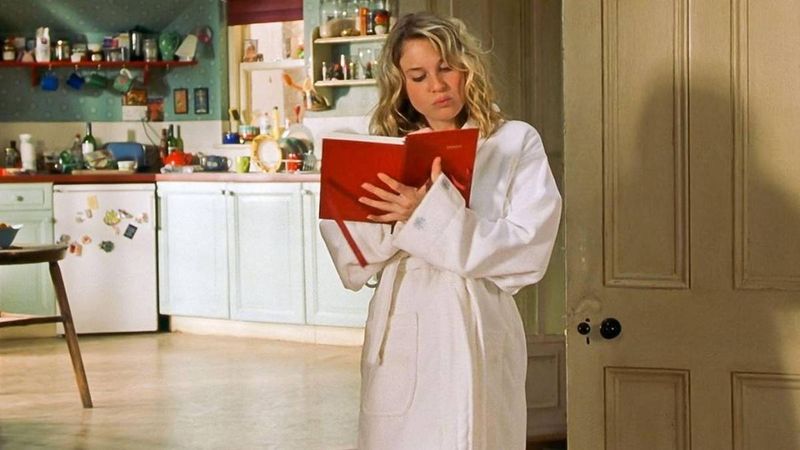
Between awkward dinners and diary entries, Bridget brings plenty of charm to Bridget Jones’s Diary. Yet Daniel lies and cheats, while Mark’s early remarks leave her feeling judged rather than understood.
Mark eventually shows kindness, so the two men are not equally harmful. Still, Bridget deserved space to build confidence without measuring herself against their approval.
Her funniest, warmest qualities already existed before either romance, and being single would not have made them any smaller.
2. Bea: Chemistry Cannot Excuse Cruel Words

A beautiful Australian wedding cannot hide every ugly comment. In Anyone But You, Bea overhears Ben dismissing their connection, and their hurt feelings grow into a noisy cycle of insults and pretend affection.
The movie gives them reasons to reconnect, but attraction alone does not settle their trust problems. A pause from dating could help Bea sort out her own wishes.
Nobody needs to accept putdowns simply because the person delivering them also looks charming.
3. Andie Anderson: A Better Story Than a Bad Romance
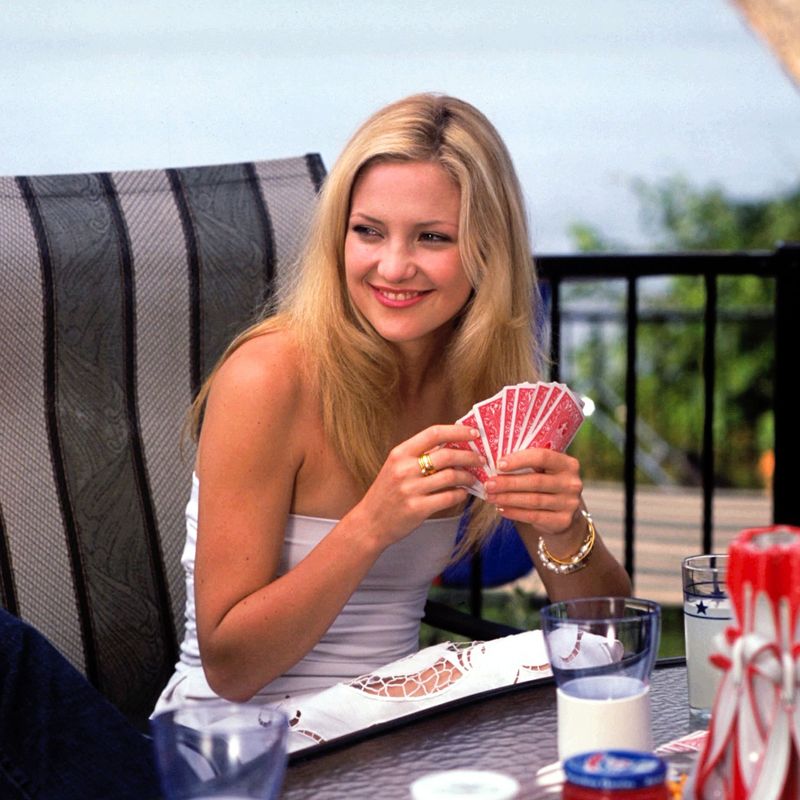
Turning a date into an assignment sounds clever until real feelings enter the room. Andie spends How to Lose a Guy in 10 Days pushing Ben away for a magazine story, without telling him the truth.
His secret bet makes the situation messier, not fairer. Before chasing a happy ending, she could have focused on honest reporting and clearer boundaries.
Love should not require treating another person like material for your next big career move.
4. Juliet: Keep the Drama off the Doorstep

Those famous cue cards look sweet until you remember whose doorstep Mark is standing on. Juliet is married to his best friend in Love Actually, which makes the secret confession awkward rather than harmless.
Her marriage itself is not shown to be unhealthy, so singlehood is not an obvious cure. The stronger lesson is that she deserved freedom from this triangle.
Keeping firm boundaries would protect her choices better than rewarding a surprise romantic gesture.
5. Josie Geller: Confidence Before a Classroom Crush
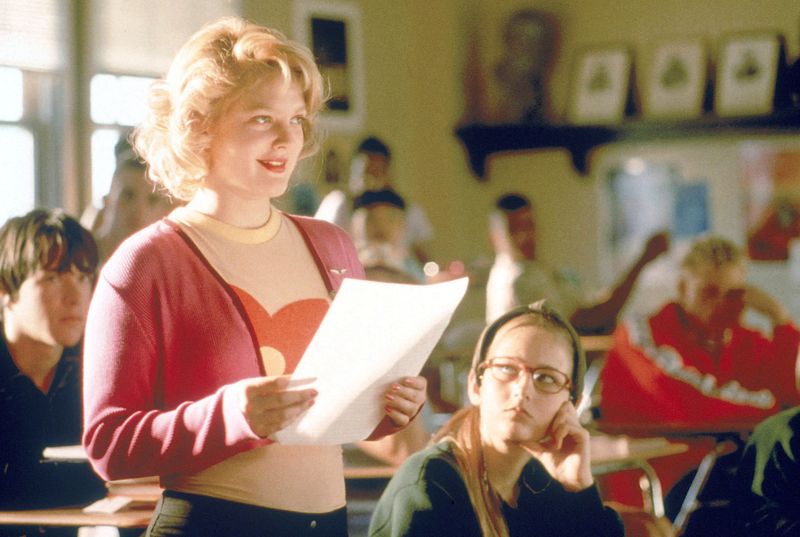
Going back to school gives Josie another shot at belonging, but Never Been Kissed mixes that fresh start with troubling boundaries. Her teacher develops feelings while believing she is a student, although viewers know she is an adult.
That misunderstanding deserves more attention than the grand finale allows. Josie’s strongest victory is finding her voice after years of bullying.
Spending time single could let her enjoy that growth without tying her worth to a kiss.
6. Andrea Sachs: Ambition Deserves Some Respect

Landing a demanding job should not mean losing your support system. In The Devil Wears Prada, Andy faces a harsh boss while Nate mocks parts of the fashion world she is learning to navigate.
His frustration over missed plans is understandable, and her work choices sometimes hurt others. Even so, teasing cannot replace useful conversation.
A stretch alone could help Andy choose her career limits without having to prove that her changing interests still deserve respect.
7. Summer Finn: Believe Her When She Sets a Limit
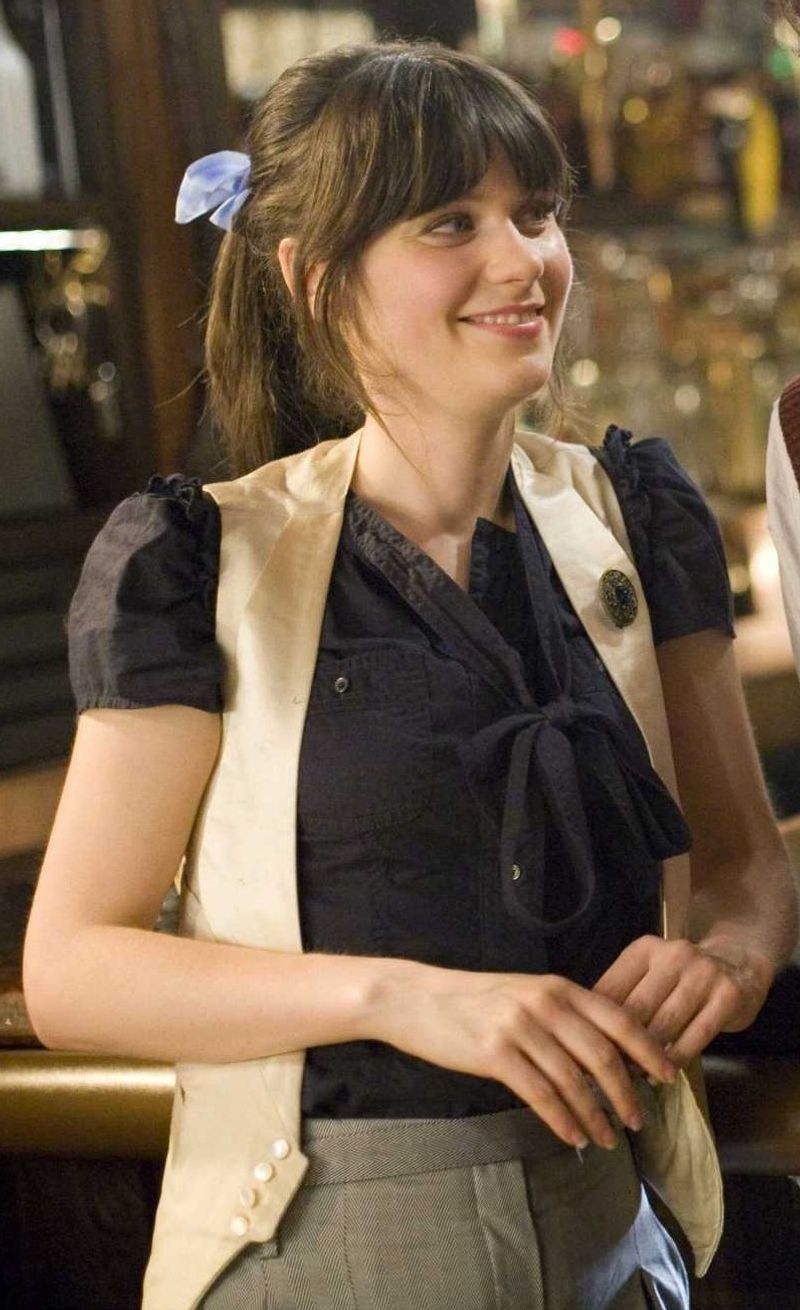
From the start, Summer says she does not want a serious relationship. Much of the pain in 500 Days of Summer comes from Tom hoping her answer will change because his feelings are so strong.
She is not perfect at handling their connection, but she never owes him his imagined future. Her later marriage also shows that preferences can change.
The useful takeaway is simple: respect someone’s stated limits instead of dating their possible potential.
8. Julianne Potter: Losing the Guy Was the Win
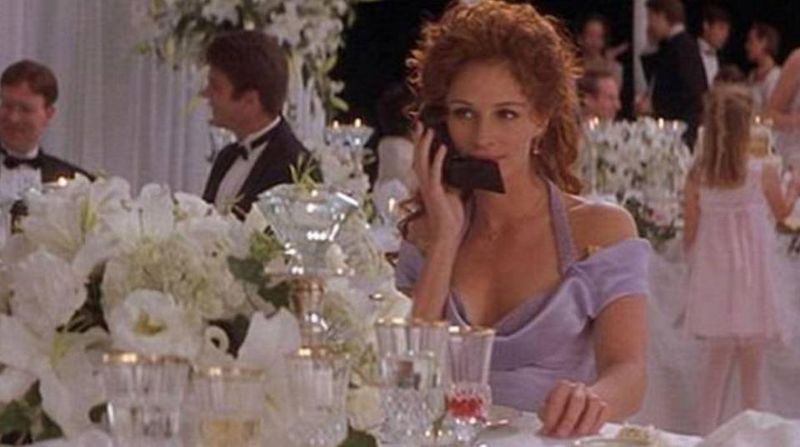
Panic makes a terrible wedding planner. When Julianne realizes Michael is marrying someone else in My Best Friend’s Wedding, she schemes to break them apart instead of honestly facing her jealousy.
The film wisely refuses to reward that behavior with the groom. Her ending offers something better: a chance to accept disappointment and enjoy friendship without winning a romantic contest.
Sometimes growing up means admitting that wanting someone does not give you any special claim.
9. Charlie Carroll: A Reset, Not a Replacement

After leaving his girlfriend and job, Charlie discovers that freedom does not come with instructions. Better Off Single follows his shaky search for direction through awkward dating and a wildly unsettled inner life.
Another partner cannot automatically explain who he wants to become. His situation makes a good case for rebuilding daily habits, friendships, and purpose before chasing romance again.
Being alone can feel uncomfortable, but discomfort is not always a signal to replace someone.
10. Anna Scott: Fame Is Not a Free Pass

Behind the movie star smile, Anna lives under pressure that William barely understands. Notting Hill makes that divide appealing, but her secrecy about her boyfriend and hurtful handling of William create real problems.
Fame explains some of her caution; it does not excuse every choice. Time outside a romance might help her build steadier boundaries between private life and public attention.
William deserves honesty, and Anna deserves relationships she can enter without hiding major facts.
11. Preston Meyers: A Crush Is Not a Connection

Years of daydreaming do not equal years of knowing someone. Preston spends Can’t Hardly Wait treating Amanda as his great romantic chance, even though much of their connection exists mainly in his imagination.
Her breakup becomes his opening, which makes patience especially important. Rather than loading one conversation with enormous expectations, he could learn who she actually is.
A healthier start would leave room for her feelings, including the possibility that she wants nobody yet.
12. Ted Mosby: Put Down the Romantic Blueprint
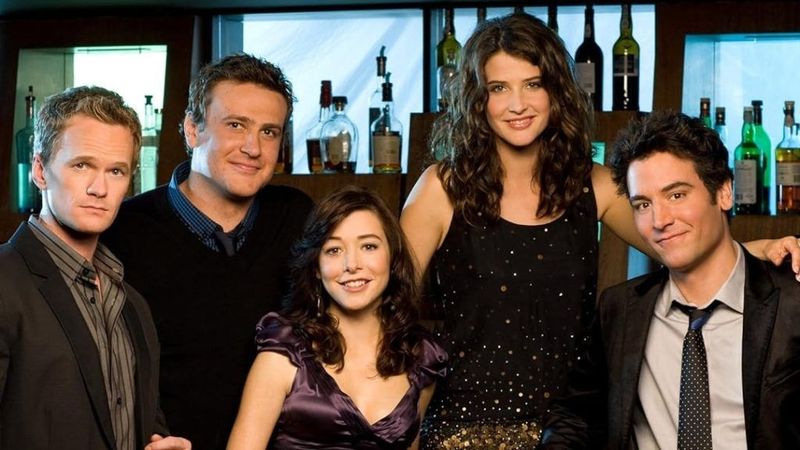
Few people love the idea of destiny as much as Ted. Across How I Met Your Mother, the television pick here, his grand plans sometimes overshadow what the women he dates actually want.
Robin especially becomes tangled in his picture of a perfect future, despite their different goals. Taking a longer break from that search could help him listen better.
Romance works best when a real person matters more than the role you have written.
13. Benjamin Barry: Nobody Should Be a Bet

For Ben, getting the girl begins as a way to win an advertising opportunity. His bet in How to Lose a Guy in 10 Days turns Andie’s feelings into proof that he can sell anything.
Her own deception does not erase his responsibility. Before either person could trust the other, both would need to stop treating dating like a contest.
A single stretch could teach Ben that affection is something to share, not a trophy.
14. Mark: Leave the Cue Cards at Home
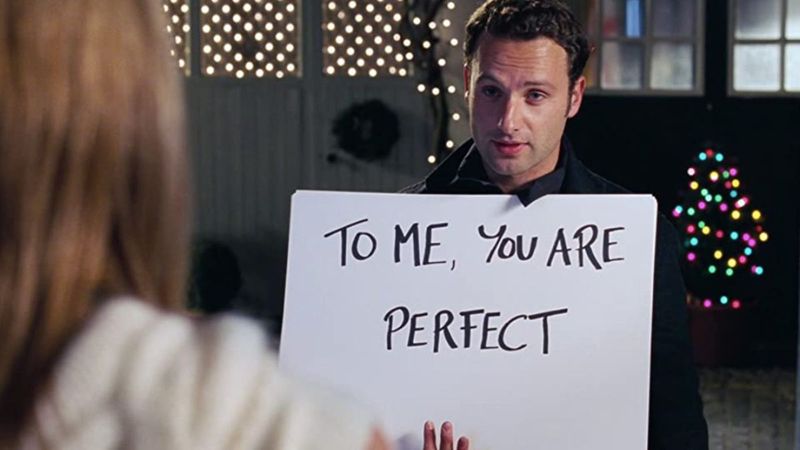
Unreturned love hurts, but it does not make every confession wise. Mark’s Christmas visit in Love Actually asks his best friend’s wife to quietly receive feelings that could complicate her marriage.
His earlier distance also leaves Juliet confused about why he seems unfriendly. Stepping back would be kinder than making her carry his secret.
Staying single is not his failure here; refusing to accept an unavailable person is the problem he most needs to address.
15. The Fixer-Upper Lead: Love Is Not a Repair Job

Some screen romances hand one person a partner and a repair kit. The familiar fixer-upper lead believes enough patience will turn an unreliable or emotionally distant love interest into someone caring.
This entry is a character type, not one named movie role. Its warning still matters: support cannot replace another person’s willingness to change.
Choosing singlehood can break the habit of earning affection through endless effort. You can care about someone without taking responsibility for them.
16. Tom Hansen: Build a Life Beyond the Love Story

Matching music tastes can feel magical, but they are not a promise. Tom turns Summer into his dream partner in 500 Days of Summer, then struggles when her wishes do not match his story.
The film challenges his viewpoint rather than proving she ruined his life. His renewed interest in architecture offers a more useful direction: building something that belongs to him.
Learning to find purpose outside romance could make his next relationship much healthier.