
The modern workplace is going through a major shake-up, and younger workers are leading the charge. Gen Z and Millennials are pushing back against old-school rules that no longer make sense in today’s world.
From rigid schedules to formal dress codes, these generations are rewriting what it means to work smart, stay healthy, and find real purpose in a job. Here is a look at the rules they are happily leaving behind.
1. Strict 9-to-5 Schedules

Clock in at nine, leave at five — sound familiar? That rhythm is quickly losing its grip on younger workers who believe results matter far more than hours logged.
Studies show over a third of Gen Z employees leave before their official clock-out time.
Flexibility is not just a perk for them — it is a baseline expectation. Productivity does not follow a fixed schedule, and many younger workers are proving it by delivering great work on their own terms.
2. Mandatory In-Person Office Work

Remote work went from a rare privilege to a widely accepted norm — and younger workers have no plans to give it up. Around 75% of Gen Z and 77% of Millennials prefer hybrid or fully remote arrangements over traditional office setups.
The idea that physical presence equals productivity feels outdated to them. As long as deadlines are met and communication stays strong, many younger employees see little reason to commute five days a week.
3. Formal Business Dress Codes

Suits, ties, and heels in a world of Zoom calls and open-plan offices? Many younger workers find that idea a little hard to take seriously.
Comfort, they argue, actually boosts focus and creativity throughout the workday.
Business casual and relaxed dress options are quickly replacing stiff formal wear across many industries. Gen Z in particular views clothing as a form of self-expression, and forcing them into a uniform often feels like a trust issue rather than a professional standard.
4. Top-Down Hierarchical Structures
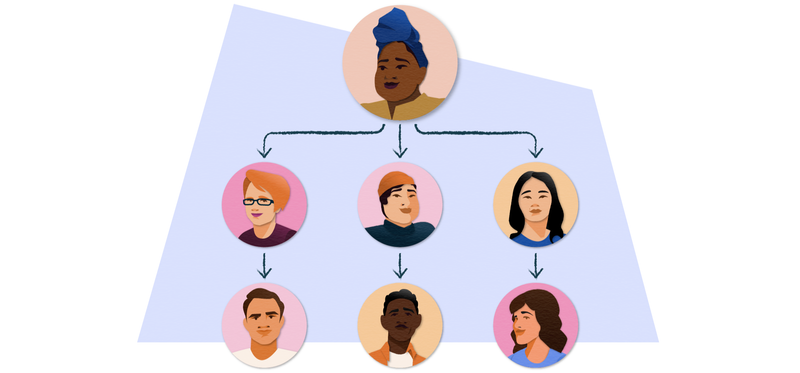
“Stay in your lane” is a phrase younger workers are not particularly fond of. Flat organizational structures and open communication are far more appealing to Gen Z and Millennials who want their voices heard regardless of their job title.
Empathetic, transparent leadership earns far more respect than authority alone. Many younger employees will actively seek out workplaces where ideas flow freely across all levels, rather than trickling down from the top of a rigid chain of command.
5. The Salary Secrecy Rule
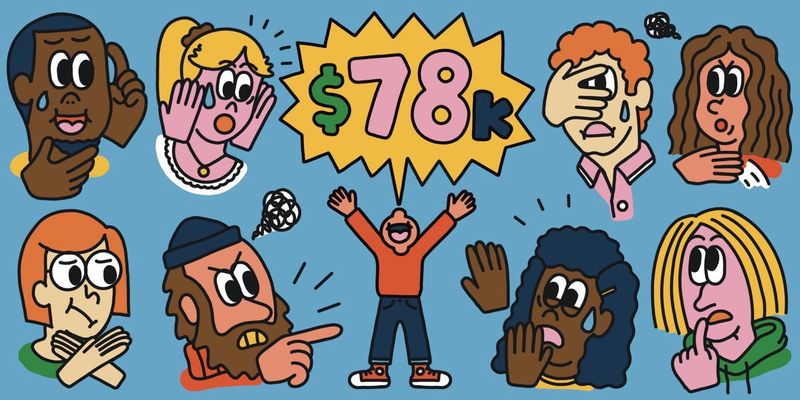
For decades, talking about your paycheck at work was practically a fireable offense. Younger workers have tossed that taboo right out the window, openly sharing salary details to fight wage gaps and hold employers accountable for fair pay.
Pay transparency laws are even catching up to this shift in several states. Gen Z sees open salary conversations not as nosy behavior but as a smart, collective tool for fairness — and they are not apologizing for having them.
6. Ignoring Mental Health Days

Calling in sick used to mean a fever or a stomach bug. Younger workers are expanding that definition to include burnout, anxiety, and emotional exhaustion — and they are completely unapologetic about it.
Mental health days are now treated with the same legitimacy as physical illness by many in Gen Z and Millennial circles. They are advocating loudly for flexible time-off policies that actually reflect the full spectrum of human health, not just what shows up on an X-ray.
7. Always-On Hustle Culture
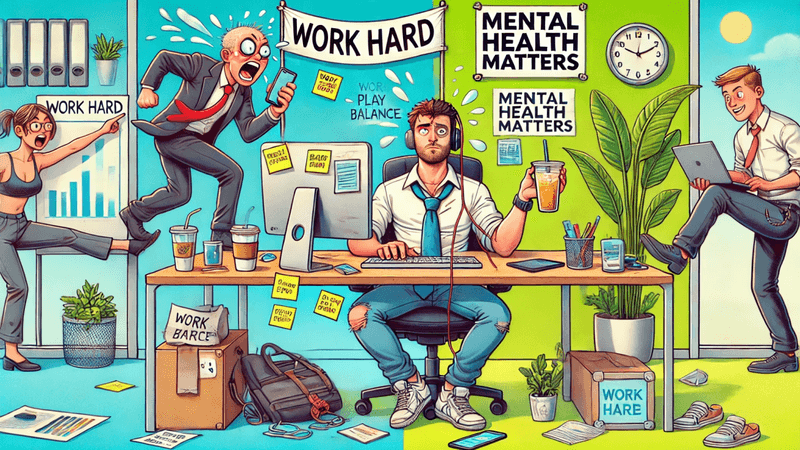
Hustle culture used to be glorified — the more you grinded, the more you were admired. Gen Z is calling that out as a fast track to burnout, and they are not afraid to say so publicly.
Being reachable at 10 p.m. on a Sunday is no longer seen as dedication; it is seen as a boundary problem. Younger workers are firm about clocking out and protecting personal time, treating rest as a professional strategy rather than a sign of laziness.
8. Banning Personal Internet Use

Old-school managers treated a quick personal internet check like a capital offense. Younger workers, however, expect to be treated like responsible adults who can manage their own time without someone monitoring their browser history.
Quick social media breaks or personal messages during the day are seen as normal human behavior — not slacking. Research even suggests short mental breaks can improve focus.
Micromanaging internet use often signals a deeper trust problem that younger employees are quick to notice and walk away from.
9. “We’ve Always Done It This Way” Thinking
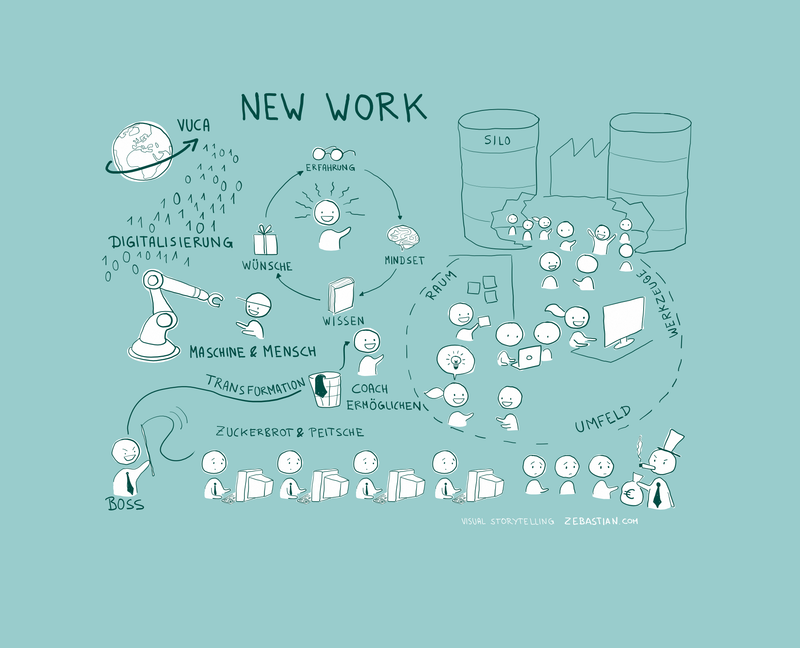
Few phrases frustrate younger workers more than “that is just how we do things here.” Gen Z and Millennials are natural challengers of inefficiency, often the first to ask why a process exists and whether something better could replace it.
Rather than being seen as disrespectful, this questioning mindset is increasingly valued in innovative companies. Younger employees bring fresh perspectives that can save time, cut costs, and modernize operations — if leadership is willing to actually listen instead of defaulting to tradition.
10. Work Without Purpose or Values

A paycheck alone does not cut it for most younger workers today. Millennials and Gen Z want their work to mean something — to align with personal values and contribute to something bigger than a quarterly profit report.
Companies with strong ethical practices and social responsibility commitments consistently attract more younger talent. Many will turn down higher-paying roles at companies whose values do not match their own, a concept that still surprises some older-generation hiring managers who grew up treating work purely as a transaction.
11. Annual Performance Reviews Only

Waiting twelve months to find out how you are doing at work feels almost absurd to younger employees who grew up with instant notifications for everything. Continuous feedback is not just preferred — it is expected.
Gen Z and Millennials thrive with regular check-ins, mentorship, and clear development paths. A once-a-year review feels more like a performance ambush than a growth tool.
Companies that invest in ongoing coaching and real-time communication tend to retain younger talent far more effectively than those stuck in annual review cycles.
12. Overly Formal Communication Styles

“Per my last email” energy is not exactly what Gen Z brings to the table. Younger workers prefer direct, clear, and authentic communication — both from colleagues and especially from leadership.
Stiff corporate language and roundabout messaging feel inefficient and even dishonest to many in this generation. They appreciate transparency and a conversational tone that respects everyone’s time.
Some older professionals see this as informality, but younger workers view it as cutting through unnecessary noise to actually get things done.
13. Mandatory In-Person Meetings
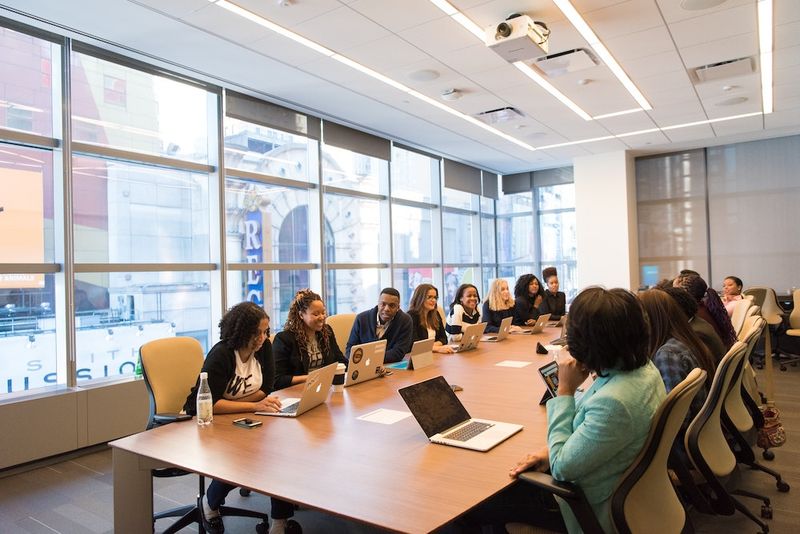
If the meeting could have been an email, younger workers will say so — loudly. Performative meetings that eat up hours without producing real outcomes are one of the top frustrations among Gen Z employees in traditional workplaces.
They prefer asynchronous updates, quick digital check-ins, or focused sprints over long conference room sessions. Respecting their time and attention is not just courteous — it is a genuine productivity strategy.
Companies that streamline their meeting culture often see a noticeable boost in younger employee morale and output.
14. Resisting New Technology and AI Tools

Growing up with smartphones, apps, and algorithms means Gen Z has zero patience for clunky outdated systems or technophobic workplace policies. They are digital natives who expect their tools to be as advanced as they are.
Using AI to speed up tasks, automate repetitive work, or streamline research is just common sense to them. Workplaces that resist modern technology risk alienating their youngest and most tech-savvy employees — people who could otherwise be driving real innovation if given the right digital environment to work in.
15. Blind Company Loyalty Over Personal Growth
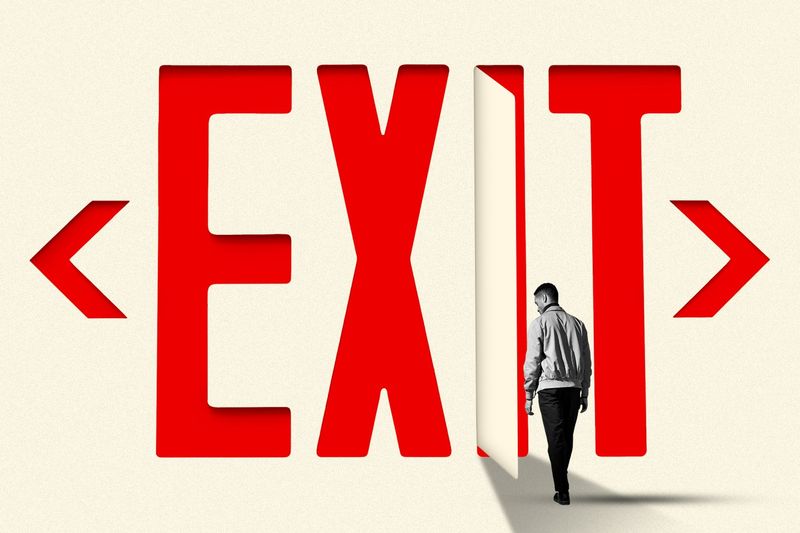
Staying at one company for thirty years used to be the gold standard of a solid career. For younger workers, that idea has been replaced by something far more personal — continuous growth, new skills, and work that actually evolves with them.
Job-hopping is no longer a red flag to most modern employers. Gen Z and Millennials will leave a comfortable role if it stops challenging them or conflicts with their values.
Career loyalty, in their view, is owed to themselves first and their employer second.
16. Stigma Around Speaking Up About Unfair Treatment
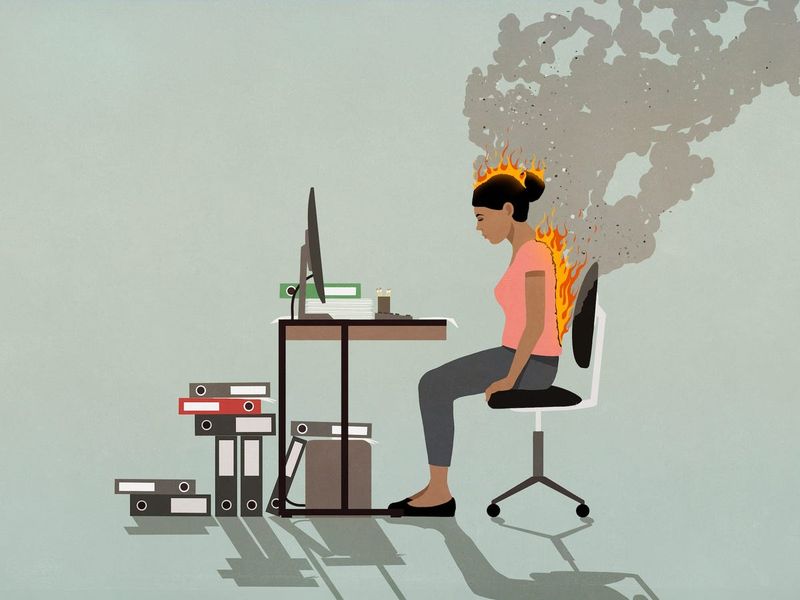
Older generations were often taught to keep their heads down and endure unfair treatment quietly. Younger workers are flipping that script entirely, using social media, HR channels, and even public platforms to call out toxic workplace behavior.
Roughly 22% of Gen Z admit to challenging unethical conduct at work in the past year, compared to just 9% of Baby Boomers. For this generation, silence is not professionalism — it is complicity.
Speaking up is seen as a responsibility, not a career risk.