
A powerful book can change how we see ourselves and the world around us. Women writers have challenged unfair rules, created unforgettable characters, and opened doors for new voices.
From eerie castles to magical classrooms, their stories and ideas still reach readers today. Meet the authors behind books that continue to shape our lives and conversations.
1. Aphra Behn: Challenging Power in Oroonoko
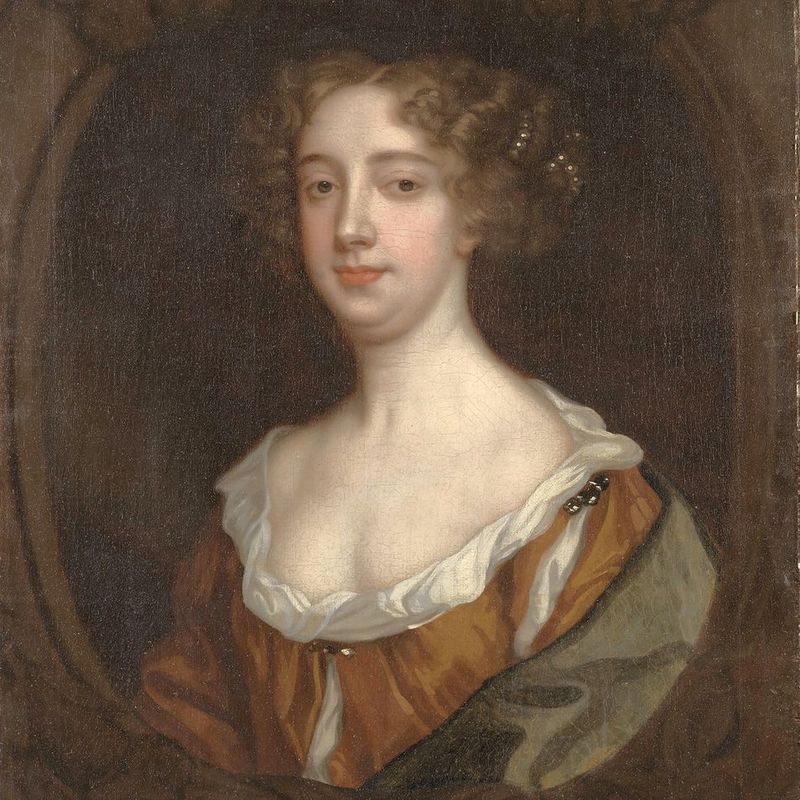
Earning a living through writing was a bold move for a woman in seventeenth century England. Behn became one of the first English women to do it professionally, writing plays, poems, and fiction.
Published in 1688, Oroonoko follows an enslaved African prince and exposes brutal treatment under slavery. Its views on race and power are complicated, making it worth reading critically.
A later stage adaptation helped carry the story to new audiences.
2. Mary Wollstonecraft: Making the Case for Education
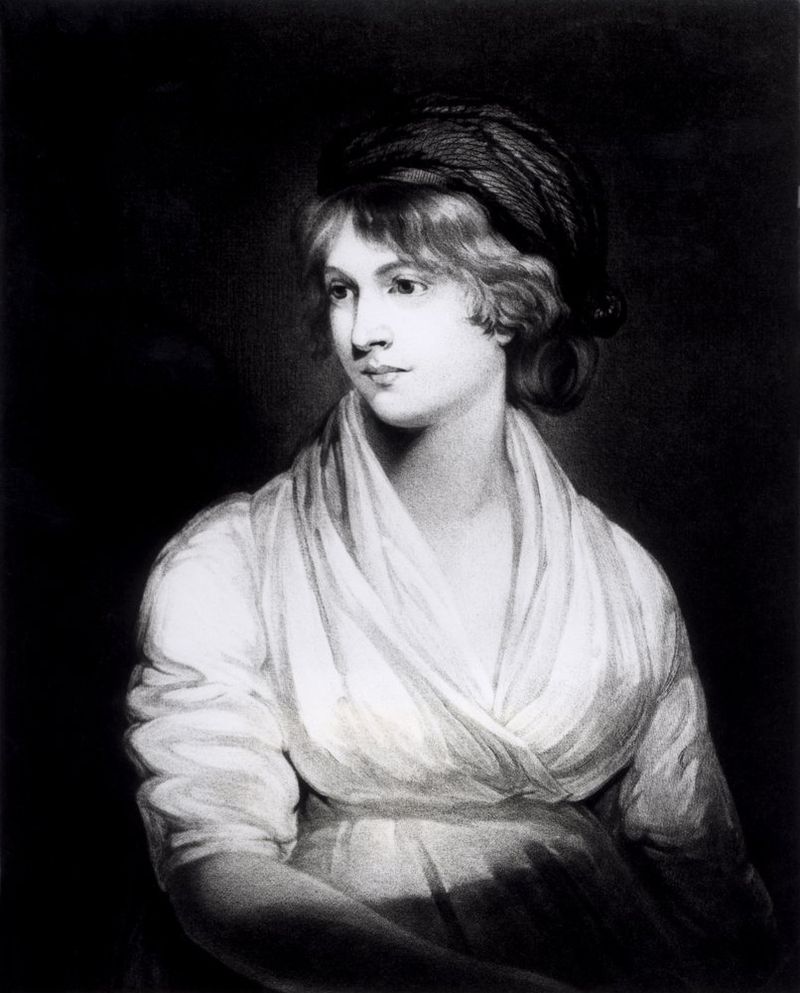
Why teach girls to please others instead of teaching them to think? That challenge sits at the heart of A Vindication of the Rights of Woman, published in 1792.
Wollstonecraft argued that women deserved serious education, not training focused mainly on beauty and manners. Her arguments helped lay the groundwork for feminist thought.
Try connecting her ideas to school opportunities today, and notice how strongly education still shapes freedom, confidence, and independence.
3. Jane Austen: Seeing Beyond First Impressions
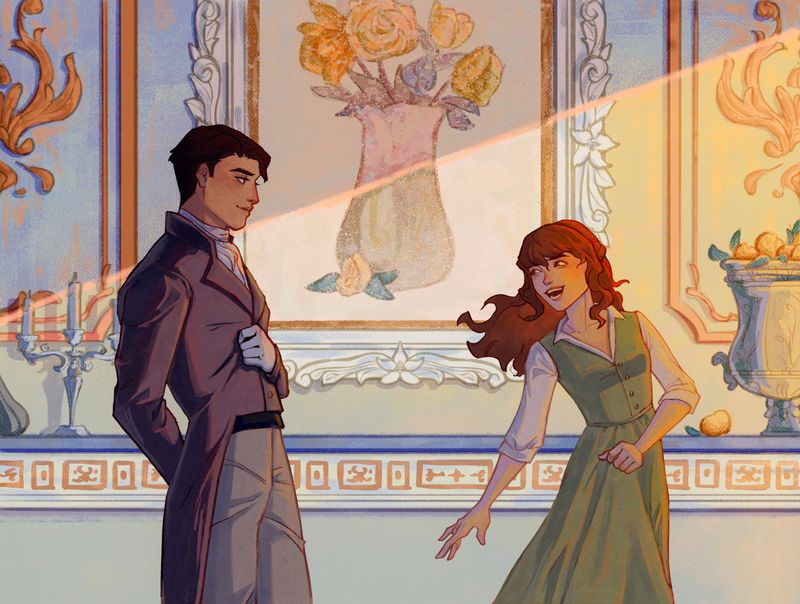
A sharp joke can reveal more than a long lecture. In Pride and Prejudice, published in 1813, Elizabeth Bennet and Mr. Darcy discover how badly first impressions can mislead them.
Austen mixes romance with pointed observations about money, marriage, and social rank. Sense and Sensibility and Emma explore related pressures with different characters.
Watch who has financial choices and who does not. Beneath the elegant conversations, practical concerns often drive the action.
4. Mary Shelley: Asking Who the Real Monster Is
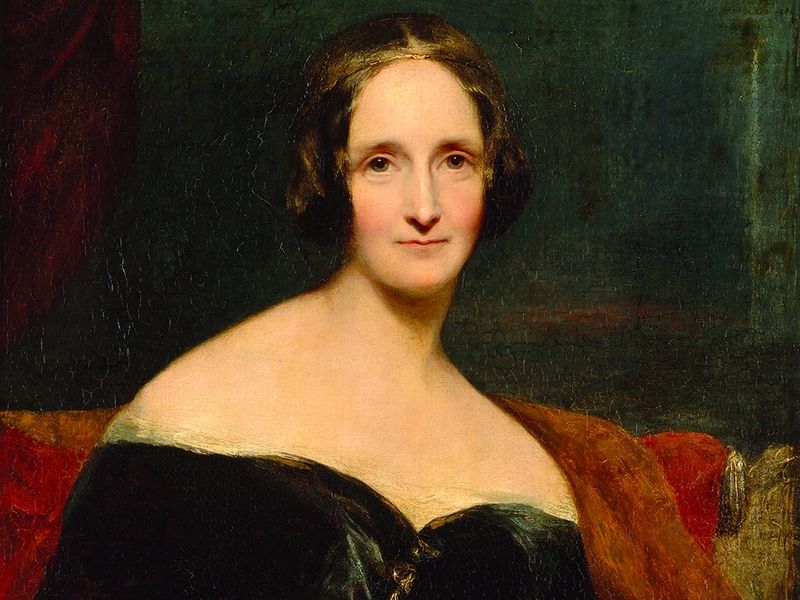
A frightening story grew from a ghost story challenge near Lake Geneva. Published in 1818, Frankenstein helped establish science fiction by asking what happens when human ambition outruns responsibility.
Shelley’s scientist creates life, then abandons the being he made. The creature’s loneliness makes the novel more than a monster tale.
As you read, separate the original story from movie versions and consider whether rejection, rather than appearance, causes its deepest human tragedies.
5. Charlotte Brontë: Giving Jane Eyre a Voice
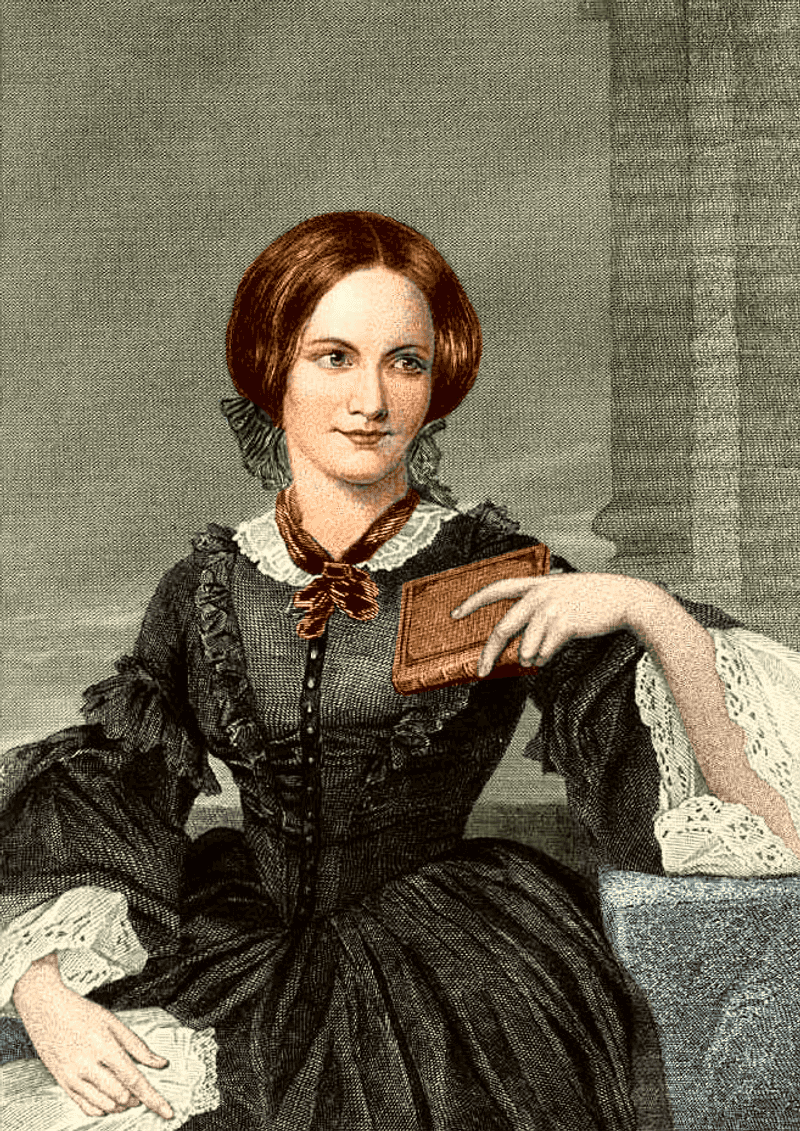
Small, poor, and often overlooked, Jane refuses to accept that she matters less than anyone else. Jane Eyre, published in 1847, gives her a strong voice through a personal, first person account.
Brontë combines romance, mystery, and questions about faith and independence. Jane’s bond with Mr. Rochester tests her values rather than simply rewarding her patience.
Notice the moments when she says no: those decisions reveal why generations of readers admire her.
6. Emily Brontë: Unleashing the Storm of Wuthering Heights
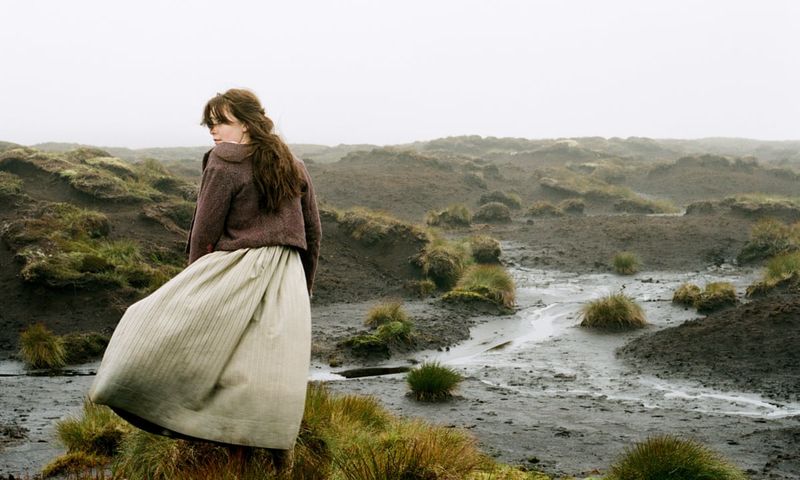
Forget a cozy love story with easy heroes. Wuthering Heights, published in 1847, sends readers into a world of fierce attachment, revenge, and damage passed between generations.
Emily’s only novel follows Catherine Earnshaw, Heathcliff, and the families caught in their bitter struggles. The wild Yorkshire setting adds to its restless mood.
Keep a simple family tree nearby while reading; repeated names and shifting storytellers can make this unforgettable novel tricky to follow.
7. Louisa May Alcott: Finding Big Dreams in Little Women
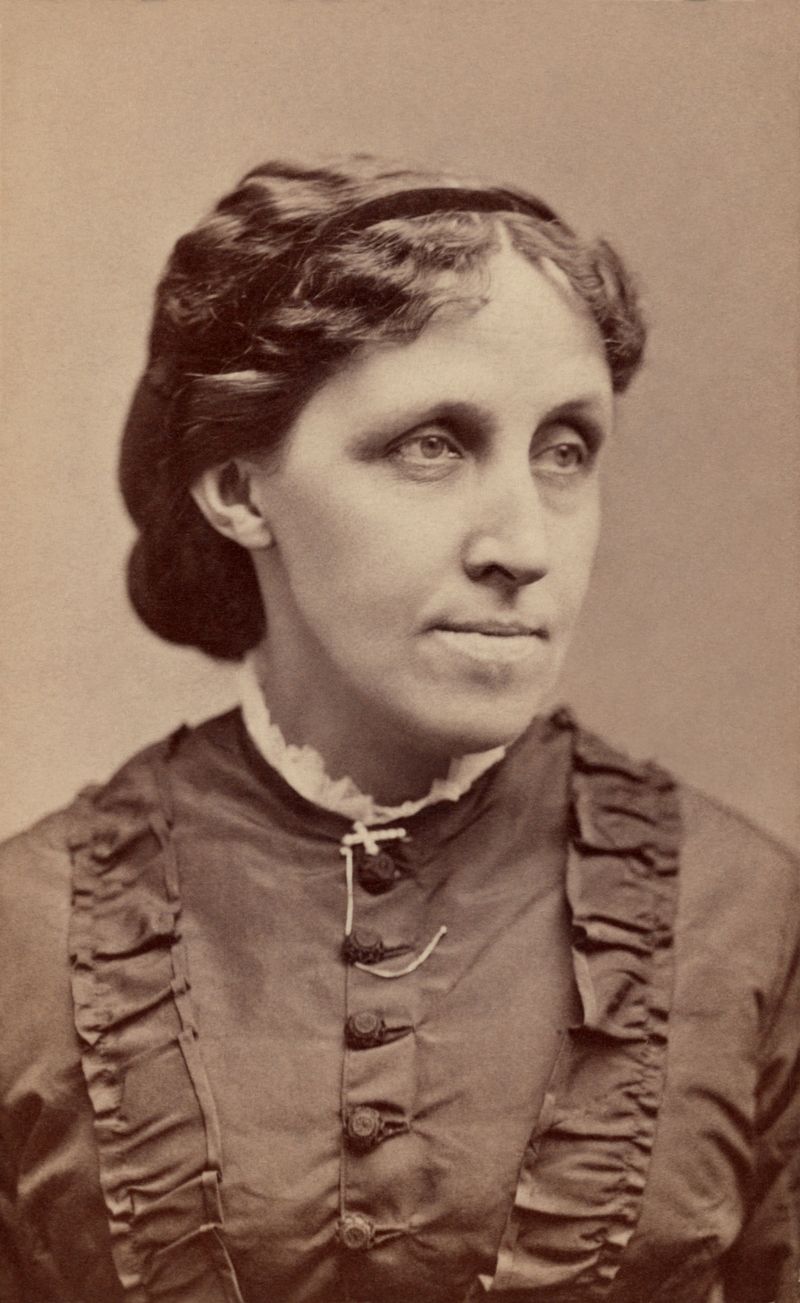
Four sisters, very different dreams, and a household short on money create a story that still feels familiar. Little Women appeared in two parts in 1868 and 1869, drawing on Alcott’s family experiences.
Jo’s writing ambitions stand beside Meg’s, Beth’s, and Amy’s hopes, showing that growing up rarely follows one path. Beyond its comforting scenes, the book explores work, sacrifice, and expectations for girls.
Compare the sisters without assuming one makes better choices.
8. George Eliot: Making Ordinary Lives Matter
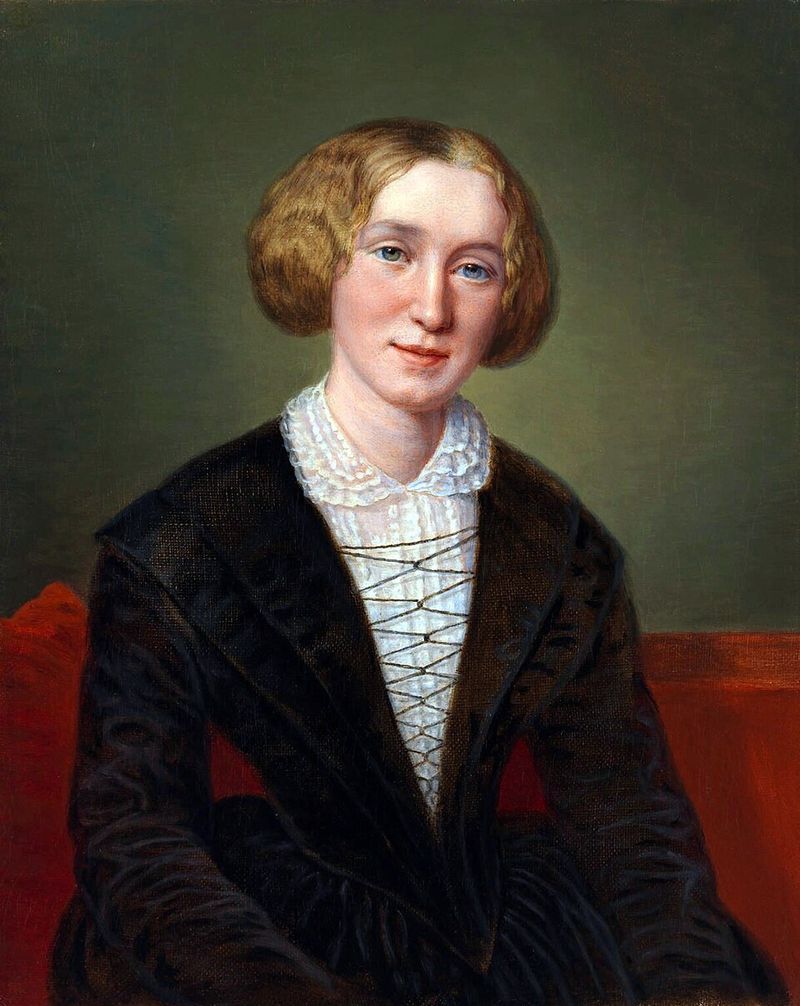
Behind the name George Eliot was Mary Ann Evans, a writer with a remarkable eye for ordinary people. Middlemarch, published in parts from 1871 to 1872, turns a provincial English town into a deeply connected world.
Dorothea Brooke wants a meaningful life, while other characters chase love, status, or useful work. Their choices ripple outward.
Read slowly and track those connections: Eliot shows how small acts and mistaken hopes can shape whole communities.
9. Kate Chopin: Questioning the Life Already Chosen
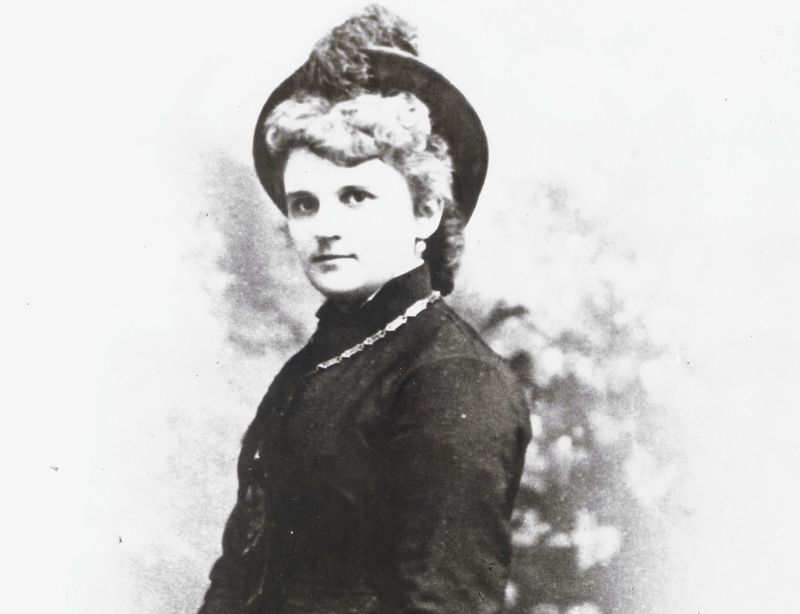
Comfort does not always mean freedom. In The Awakening, published in 1899, Edna Pontellier begins questioning the duties that define her life as a wife and mother in Louisiana.
Chopin’s frank treatment of desire and independence drew harsh criticism, though claims of widespread formal bans are often overstated. Later readers helped establish its place in American literature.
Pay attention to images of swimming and birds, which sharpen the novel’s difficult questions about escape.
10. Agatha Christie: Turning Clues into Clever Surprises
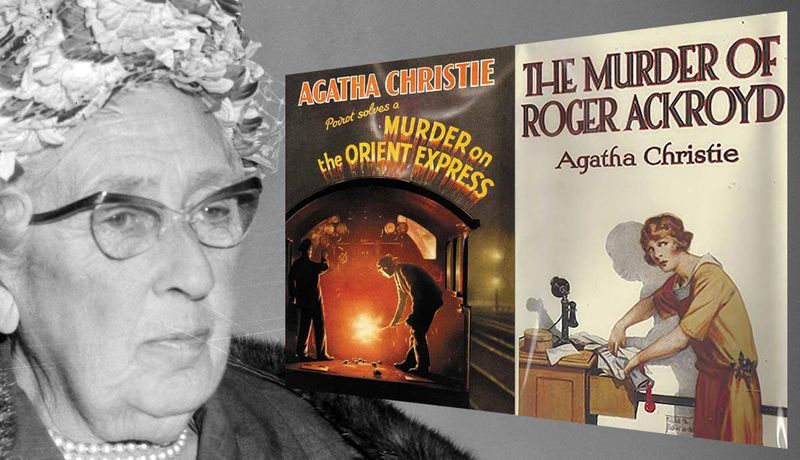
A snowbound train becomes a puzzle box in Murder on the Orient Express, published in 1934. Hercule Poirot must sort through secrets, conflicting accounts, and clues that seem almost too convenient.
Christie’s skill lies in directing attention without showing every trick. The Mysterious Affair at Styles introduced Poirot, while The Murder of Roger Ackroyd stretched readers’ expectations.
For maximum enjoyment, avoid spoilers and jot down your own suspect list before the detective explains everything.
11. Virginia Woolf: Claiming Space for Creative Work
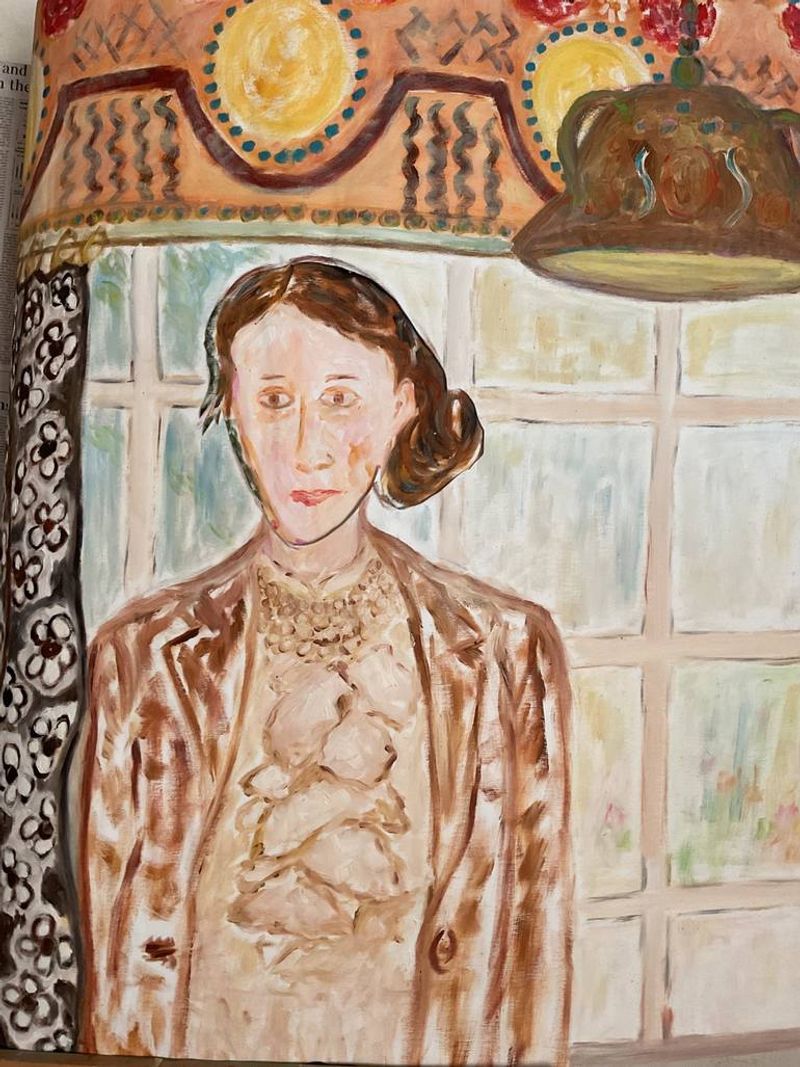
A quiet room and enough money might sound ordinary, but they can decide who gets to write. A Room of One’s Own, published in 1929, explores the barriers that kept women from literary careers.
Woolf blends argument, imagined scenes, and humor rather than offering a dry lecture. Her fictional sister of Shakespeare makes lost talent painfully clear.
Consider your own creative routine: time, privacy, and support often matter as much as inspiration does.
12. Simone de Beauvoir: Examining How Society Shapes Women
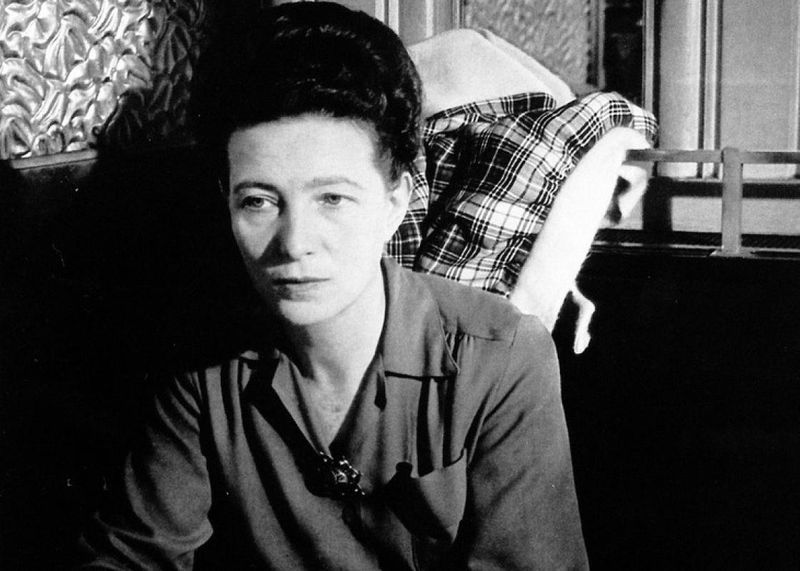
Expectations can feel natural simply because people repeat them for generations. The Second Sex, published in 1949, challenges that habit by examining how women have been defined through their relationship to men.
Beauvoir draws on history, literature, and philosophy to explore limits placed on women’s lives. Her work strongly influenced later feminist movements, though readers also debate its blind spots.
Begin with an accessible introduction or reading guide before tackling the full text.
13. Rachel Carson: Listening to a Silent Spring
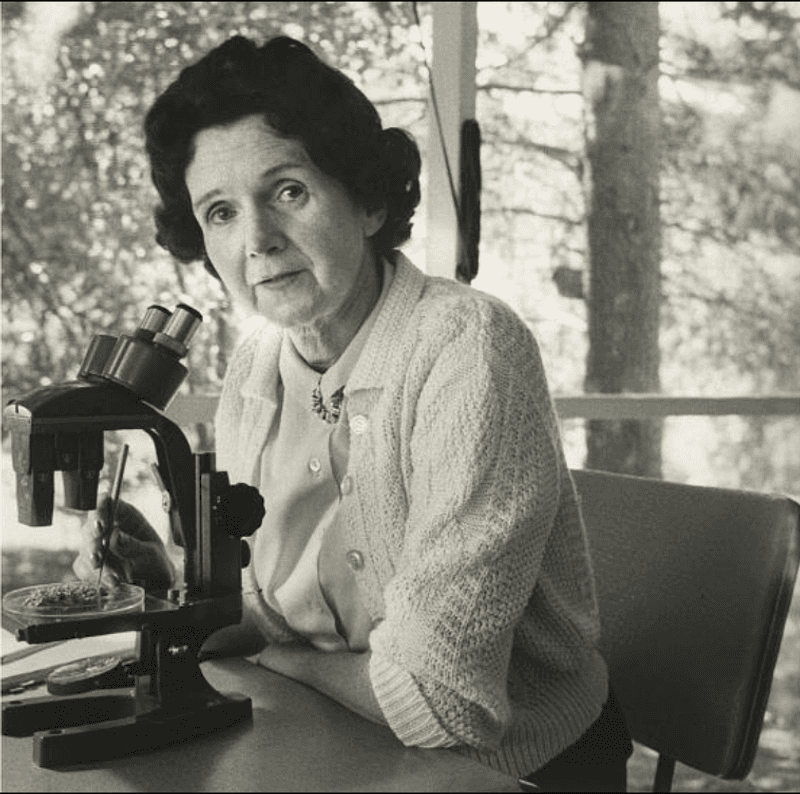
Imagine spring arriving without the usual chorus of birds. That haunting possibility helped Silent Spring, published in 1962, bring pesticide risks into homes far beyond scientific circles.
Carson explained how chemicals could move through ecosystems and harm wildlife. She called for careful evidence and responsible choices, not the rejection of all pest control.
Her clear writing helped energize environmental action. Follow her example by asking how everyday products affect the living world nearby.
14. Maya Angelou: Reclaiming Life Through Language
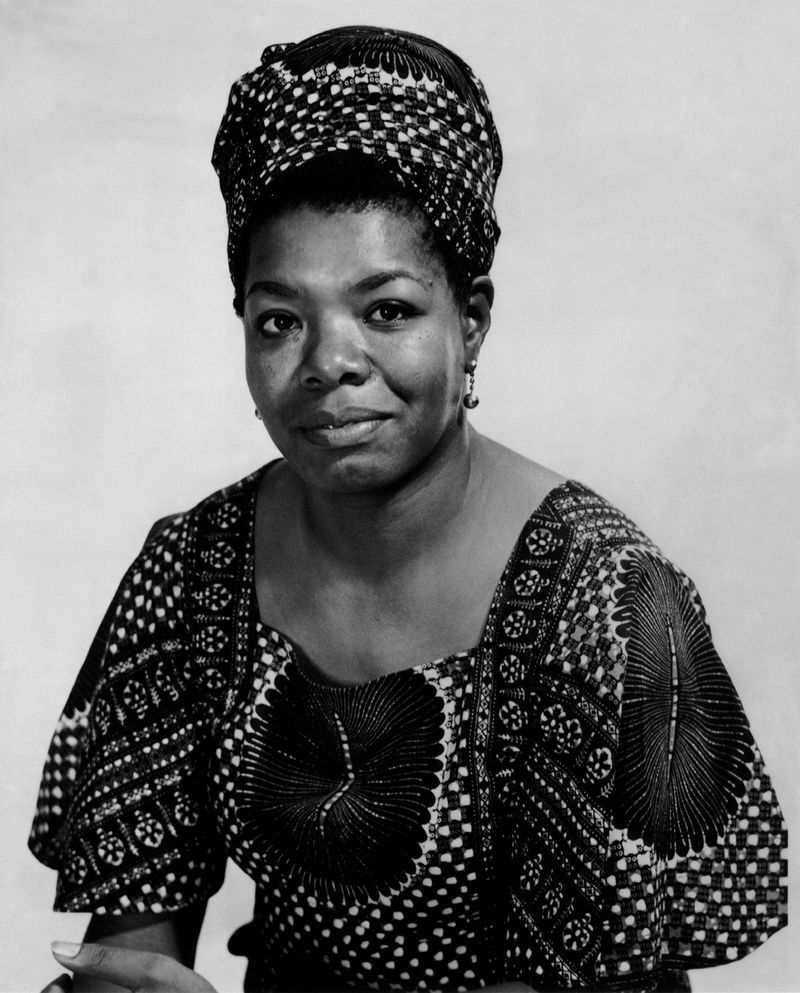
Words became a source of strength for a girl who had lived through racism and abuse. I Know Why the Caged Bird Sings, published in 1969, follows Angelou’s childhood and teenage years.
Her memoir holds painful memories alongside humor, family bonds, and a growing love of language. It helped widen the space for Black women’s personal stories.
Because some passages describe sexual violence, younger readers may benefit from guidance and conversation with trusted adults.
15. Toni Morrison: Facing the Haunting Past in Beloved
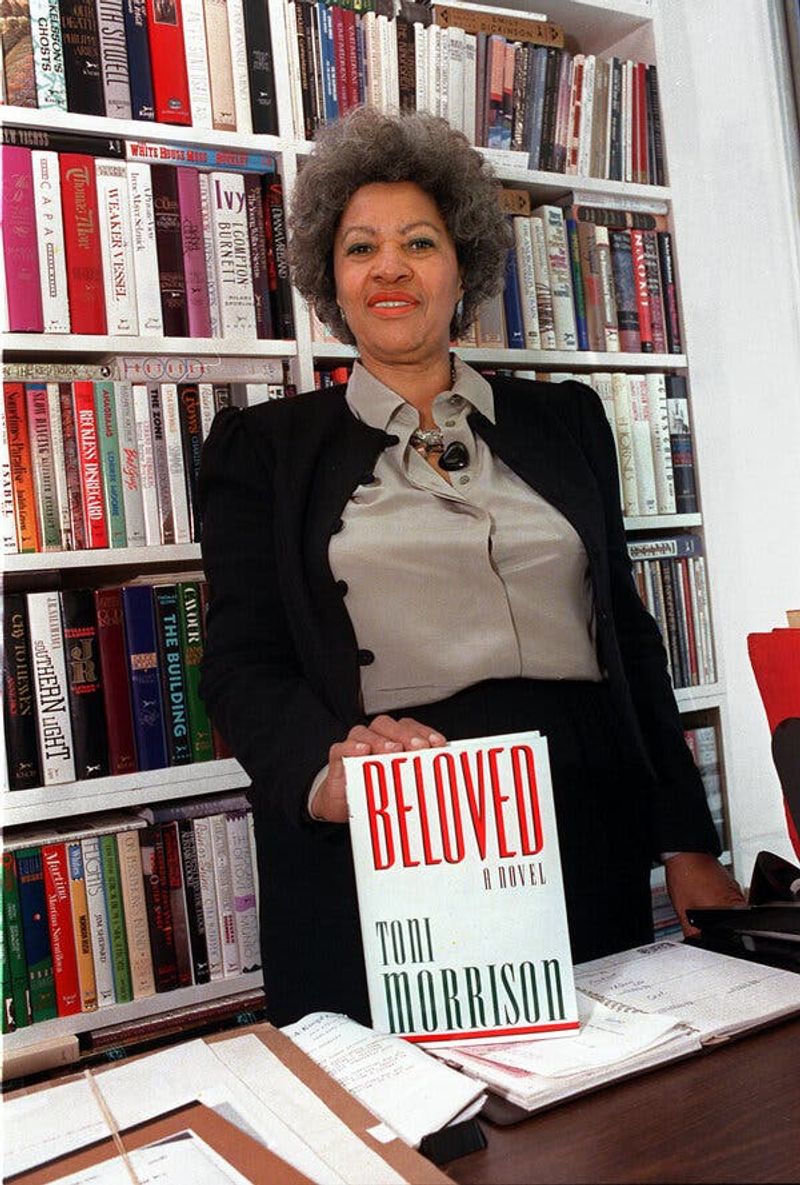
The past refuses to stay buried in Beloved, published in 1987. Sethe, a woman who escaped slavery, lives with memories that take a haunting and deeply unsettling form.
Morrison combines shifting voices with rich language to show how slavery wounds families long after escape. The novel won the Pulitzer Prize and remains central to her legacy.
Its violence and layered timeline demand patient, mature reading; discussing difficult passages can reveal connections that first seem hidden.
16. J.K. Rowling: Opening the Door to Hogwarts
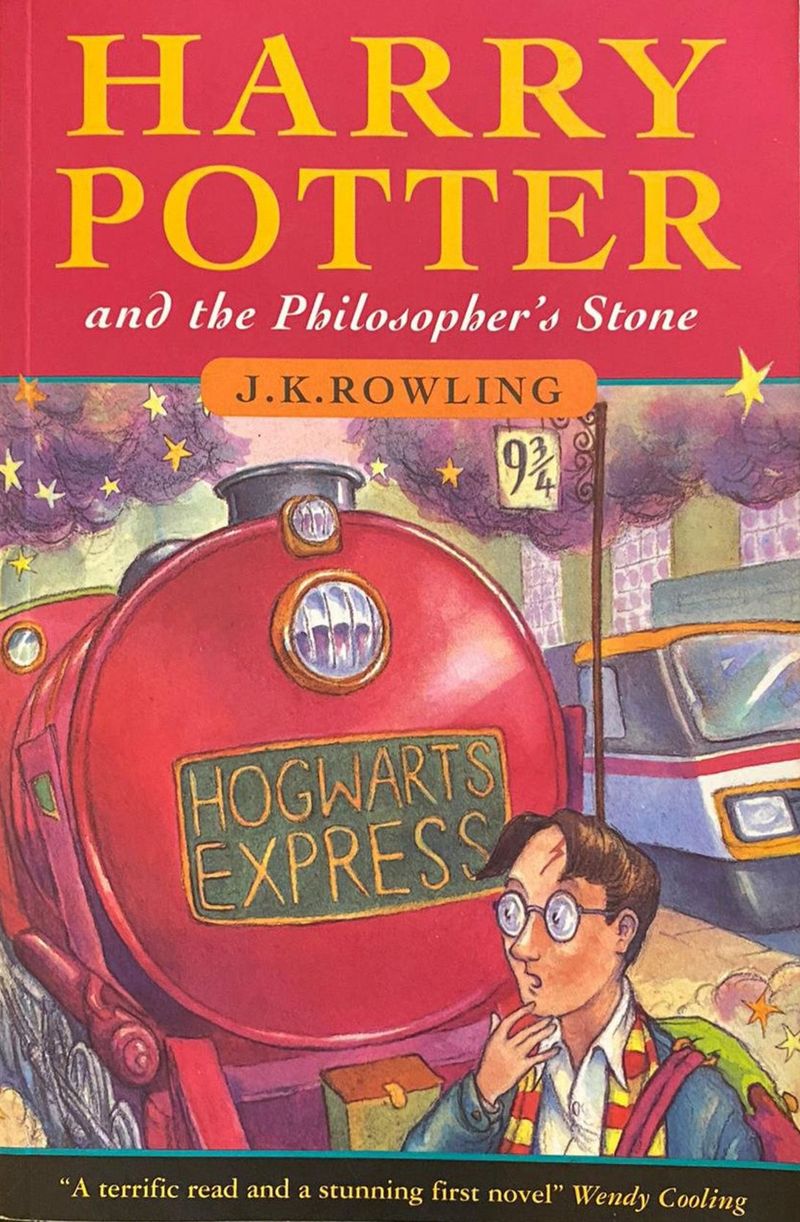
A letter inviting an overlooked boy to a magical school launched a worldwide reading phenomenon. Harry Potter and the Philosopher’s Stone was published in 1997, beginning the series that defined Rowling’s literary career.
Known as Harry Potter and the Sorcerer’s Stone in the United States, it mixes wonder with friendship, courage, and belonging. Later books explore prejudice and abuses of power.
Start with this first adventure to see how small clues grow across the series.