
In Germany, a sausage can tell you a lot about the place it comes from. Some towns favor smoky links fresh off the grill, while others love mild slices piled onto bread.
Local recipes and serving customs have made these foods part of everyday life for generations. From busy street stalls to cozy family tables, there is plenty of flavor to discover.
1. Nürnberger Rostbratwurst: Small Links, Big Flavor
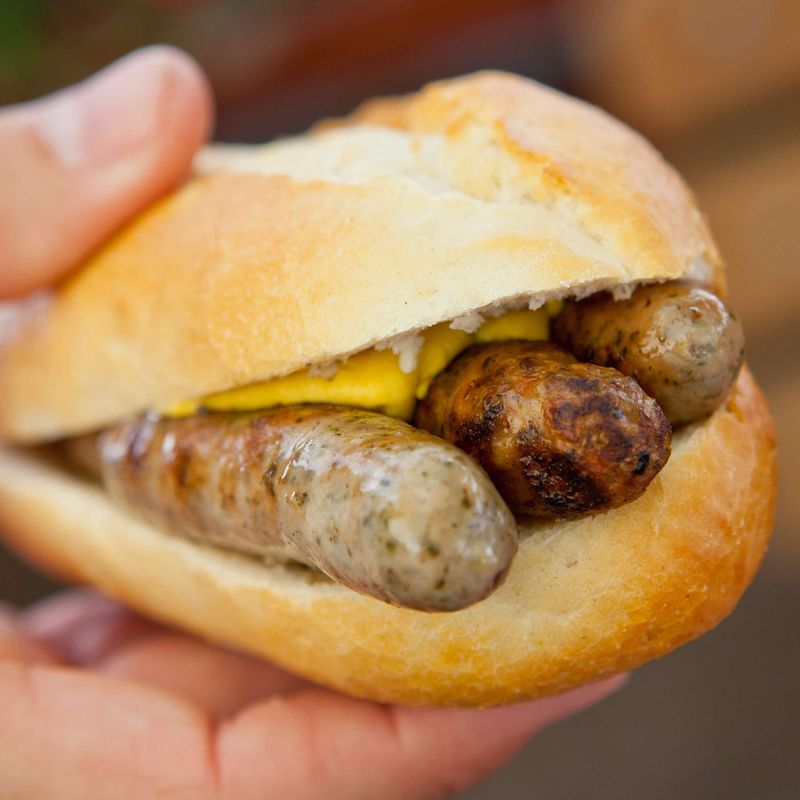
Small enough to fit three in a bun, Nuremberg’s famous pork links pack plenty of flavor. Marjoram gives them their signature herbal taste, while grilling over beechwood adds a smoky edge.
Each sausage is usually just seven to nine centimeters long.
Order Drei im Weggla for the classic bread roll serving, or try a plate with sauerkraut and horseradish. Their protected regional name means genuine Nürnberger Rostbratwurst must be made within Nuremberg’s city limits today.
2. Thüringer Rostbratwurst: A Charcoal Grill Favorite

The smell of charcoal and sizzling pork makes this Thuringian favorite hard to walk past. Long and slender, it gets its lively taste from seasonings such as marjoram, caraway, garlic, and pepper.
Recipes vary, so each butcher may offer a slightly different balance.
Keep the serving simple with mustard and bread, letting the browned casing do the talking. Thüringer Rostbratwurst has protected geographical status, linking its name to the region where it is traditionally produced.
3. Weisswurst: Bavaria’s Gentle Morning Tradition
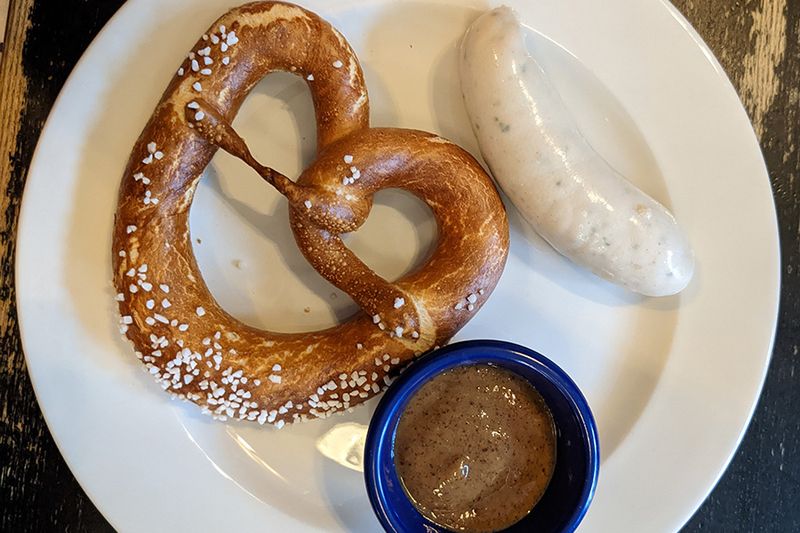
Breakfast gets a distinctly Bavarian twist when pale sausages arrive beside a warm pretzel. Made with veal and pork fat, this Munich specialty tastes mild, with parsley, lemon, and gentle spices adding freshness.
Traditionally, people eat it before noon.
Warm the links in hot water rather than boiling them, which can split the skins. Remove the casing before eating and reach for sweet mustard.
The soft texture makes this a welcoming choice for curious newcomers.
4. Currywurst: Berlin’s Saucy Street Snack
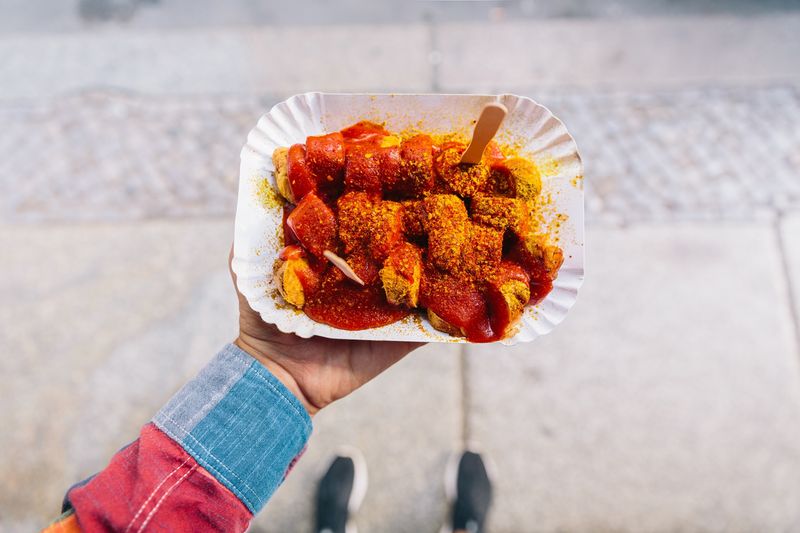
A splash of curry sauce turns an ordinary sausage into one of Germany’s best loved street snacks. Usually sliced after frying or grilling, the pork sausage wears a sweet, tangy tomato sauce with curry powder scattered on top.
Berlin vendor Herta Heuwer is credited with creating the dish in 1949. Grab fries for dipping, or choose a bread roll to mop up the sauce.
Ask about the heat level before ordering if you prefer milder flavors.
5. Knackwurst: The Sausage With a Snap

Listen for the snap when you bite into this short, plump sausage. Its firm casing surrounds finely ground pork and beef, often seasoned generously with garlic.
Smoking adds another layer of flavor without hiding that bold, savory center.
Warm it gently in water or brown it in a pan, following the package directions. Potato salad, sauerkraut, and mustard make useful partners.
For a quick lunch, tuck a hot link into bread and add crunchy pickles.
6. Mettwurst: From Soft Spreads to Firm Slices
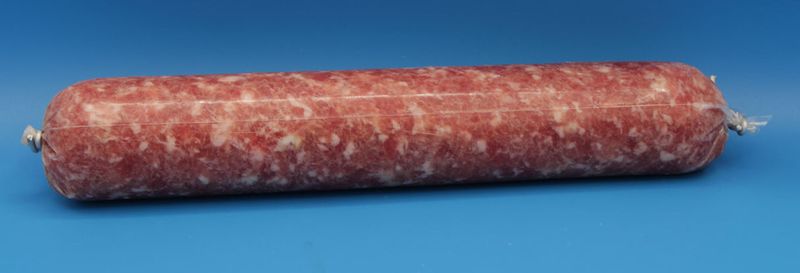
One name covers quite a range of textures here. Some versions spread easily across bread, while others are firm enough to slice like salami.
Cured pork, smoke, and seasonings such as garlic give this sausage its strong character.
Ask the seller whether your variety is ready to eat or needs cooking, since styles differ. Spreadable versions suit rye bread and chopped onion.
Firmer links work well on snack boards, where pickles help balance their richness.
7. Gelbwurst: A Mild Bavarian Deli Staple

Behind the cheerful yellow casing sits a surprisingly pale, delicate sausage. Bavaria’s Gelbwurst has a smooth texture and mild seasoning, often including nutmeg, ginger, or lemon.
Despite its name meaning yellow sausage, the meat itself is usually ivory colored.
Enjoy thin slices cold on a bread roll when you want something less smoky or spicy. Remove any inedible outer casing first.
Fresh cucumber and a little butter make simple additions without covering its gentle flavor.
8. Regensburger Wurst: A Sturdy Local Favorite
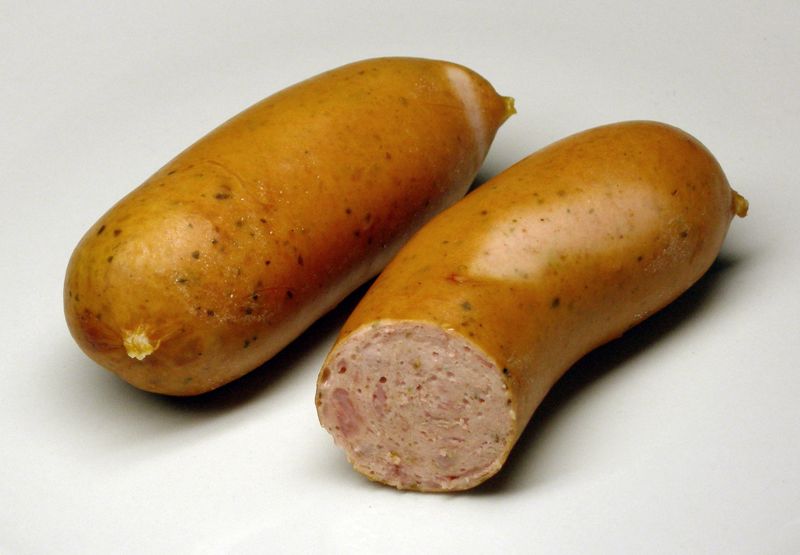
A thick shape and firm bite give this Regensburg specialty a practical, hearty appeal. Fine pork filling mixed with small pork pieces creates a texture that feels more substantial than many smooth sausages.
Smoking supplies its inviting aroma.
Locals often call it Knacker, a nod to its snapping casing. Try it halved inside a roll with sweet mustard, horseradish, and gherkins.
Cold slices also shine in sausage salad, dressed with vinegar, oil, and thin onions.
9. Bockwurst: An Easygoing Beer Hall Classic
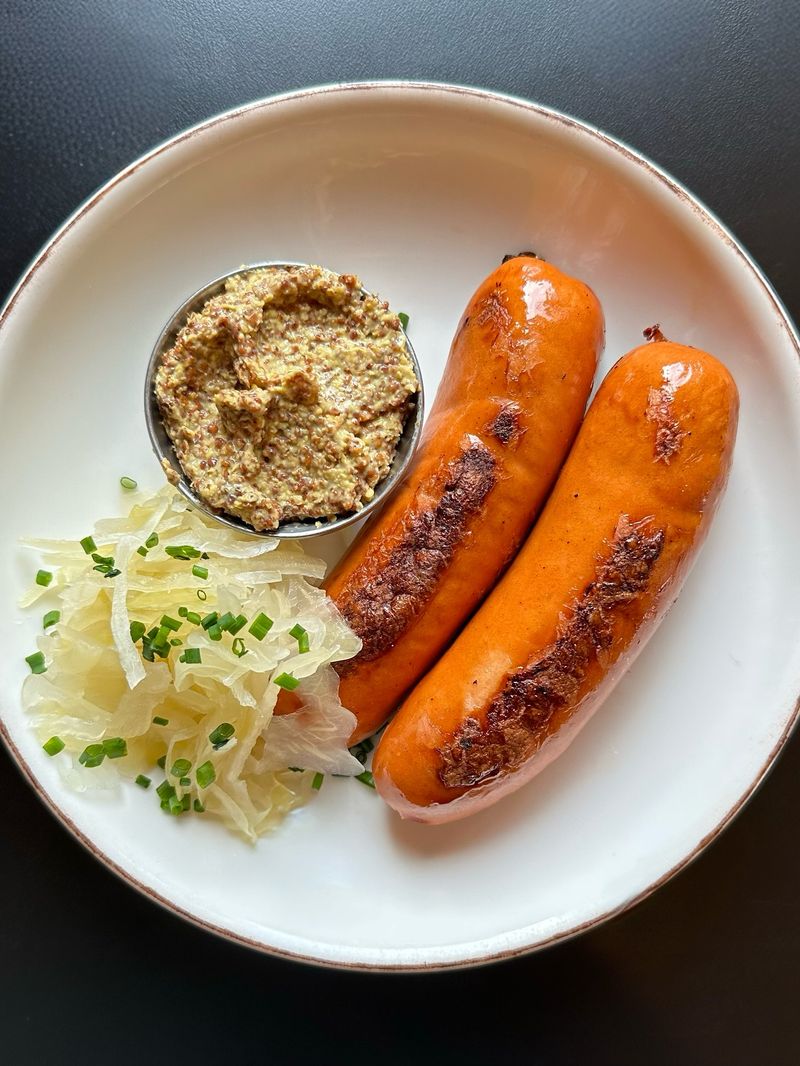
Not every sausage needs fiery spices to earn a place at the table. Finely ground pork, sometimes mixed with veal, gives this cooked link a smooth bite.
White pepper and paprika commonly provide gentle seasoning, with some versions lightly smoked.
Its name reflects a connection with bock beer, though mustard and potato salad are equally welcome partners. Heat it carefully in hot water instead of a rolling boil.
That helps preserve both the casing and moisture.
10. Blutwurst: Rich Flavor With Deep Roots
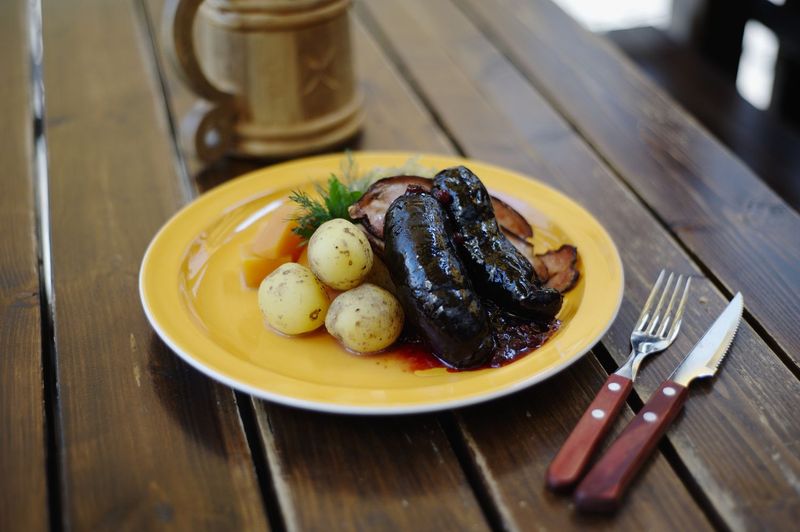
Dark slices reveal a food tradition built around using every part of the animal. Pork blood, fat, and meat form the base, while regional recipes may add grains or bread.
The taste is rich and savory, sometimes with a mineral note.
Start with a small portion if blood sausage is new to you. Warm slices pair nicely with sauerkraut or potatoes.
Applesauce adds welcome sweetness, especially in versions of Himmel und Erde served with fried sausage.
11. Leberwurst: Comfort Spread on Bread
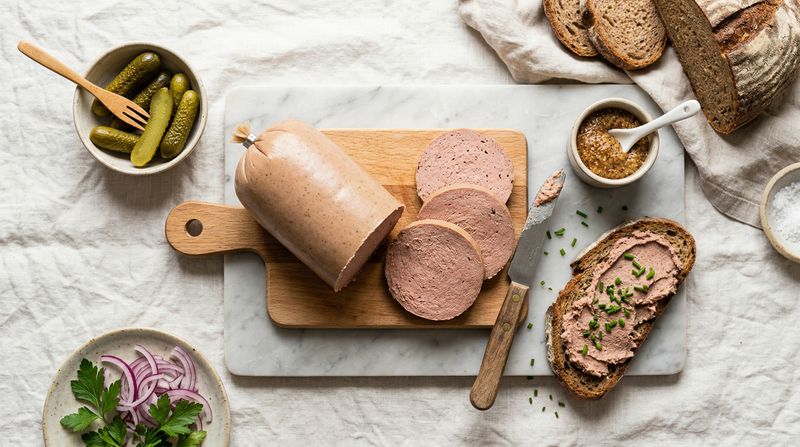
A slice of bread becomes a filling meal with a generous smear of liver sausage. Pork and liver create its savory base, with herbs and spices adding warmth.
You will find both silky versions and coarse ones with visible meat pieces.
Serve it cold for breakfast or Abendbrot, Germany’s simple evening bread meal. Pickled cucumber cuts through the richness beautifully.
If you dislike strong liver flavors, ask a butcher for a mild variety to try first.
12. Bierwurst: A Bold Slice for Snack Time

Despite the name, beer is not usually an ingredient in this Bavarian sausage. Instead, the name points toward a favorite serving partner.
Pork and beef, smoke, garlic, and seasonings such as pepper or mustard seeds create its lively flavor.
Slice it cold for sandwiches or a snack board rather than treating it like a fresh grilling sausage. Rye bread gives it a sturdy base.
Add radishes or pickles when you want a crisp contrast between bites.
13. Ahle Wurst: Northern Hesse’s Patiently Aged Specialty
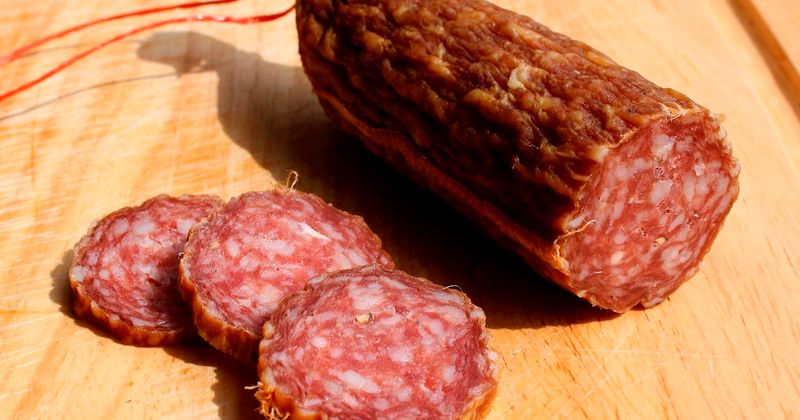
Good things take time, and northern Hesse’s famous cured sausage proves the point. Coarsely chopped pork and fat slowly mature into firm links with a deep, savory taste.
Some are smoked, while others develop their character through air drying.
The name roughly means old sausage, referring to aging rather than leftovers. Cut thin slices and serve with sourdough rye bread, pickles, or farmhouse cheese.
Let the sausage lose its refrigerator chill briefly before serving for fuller flavor.
14. Teewurst: A Smoky Spread With a Tea Connection
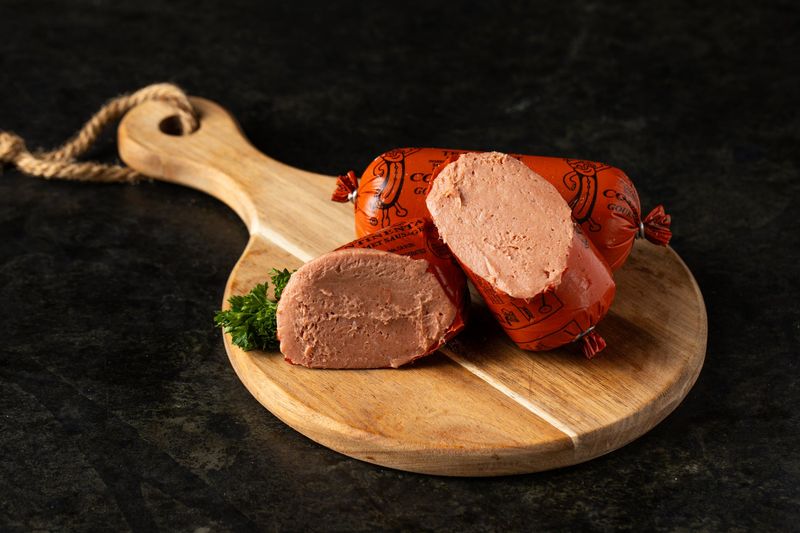
Tea has a place in the name, but not in the recipe. Associated with afternoon tea service, this soft sausage blends finely minced meat and fat with smoke and a light fermented tang.
It spreads easily without needing butter underneath.
Try a thin layer on bread or crackers to appreciate its richness. Because it is a raw cured product, pregnant people and anyone with weakened immunity should seek food safety advice before eating it.
Keep it refrigerated.
15. Wollwurst: Bavaria’s Sausage Without a Skin

No casing? No problem for this unusual Bavarian link.
Made from veal and pork, it has a soft surface that helps explain its woolly name. Its mild flavor makes browning especially useful, adding a tasty contrast to the tender middle.
Some cooks dip it in milk before frying it in butter until golden. Serve with potato salad and mustard for a satisfying plate.
Around Munich, names meaning naked ones also hint at its missing outer skin.
16. Frankfurter Würstchen: The Familiar Smoked Link

If a hot dog feels familiar, this slender German sausage offers a useful starting point. Traditional Frankfurter Würstchen use finely minced pork and gentle smoke, giving them a mild taste and a firm bite.
Their name connects them with Frankfurt.
They are already cooked, so warm them in hot water rather than boiling fiercely. Serve with mustard and bread for a quick snack.
Check the label when shopping, since similar looking sausages may use different meats.