
Growing up, my grandparents had a saying for everything — and most of it was about not wasting a single cent. They lived through tough times and figured out ways to stretch every dollar without feeling like they were missing out.
The habits they passed down seemed old-fashioned at first, but now I realize they were just smart. Here are 16 money-saving lessons from their playbook that hold up just as well today.
1. Cook From Scratch Instead of Eating Out
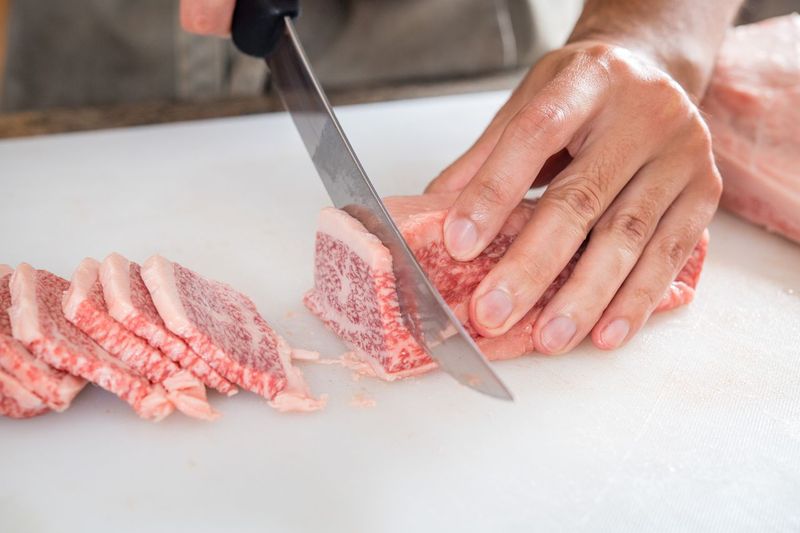
My grandmother never needed a restaurant menu — her kitchen was the restaurant. Cooking meals from scratch is almost always cheaper than ordering takeout or dining out, sometimes saving families hundreds of dollars each month.
A pot of homemade soup costs a fraction of what a bowl at a cafe runs. Learning even a handful of basic recipes can make a serious dent in your weekly food spending, and the food usually tastes better too.
2. Plan Meals Around What You Already Have
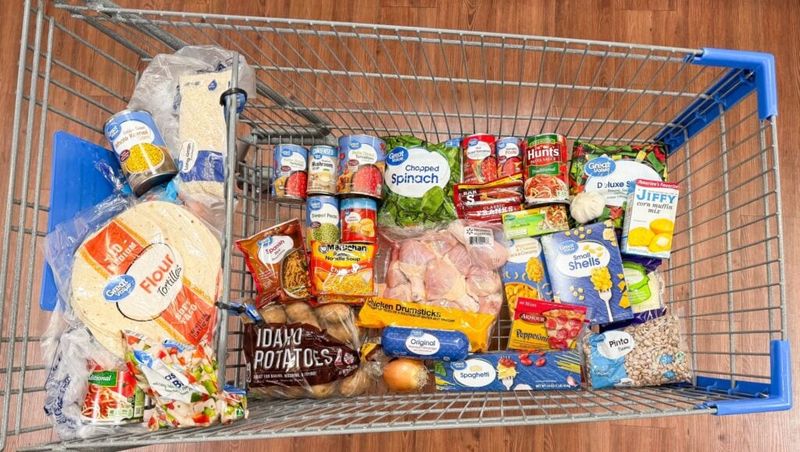
Before my grandpa ever stepped foot in a grocery store, he checked what was already in the pantry. Planning meals around what you already own — plus whatever is on sale that week — cuts waste and keeps grocery bills surprisingly low.
This habit stops the cycle of buying ingredients you never use. A little planning on Sunday afternoon can save you from tossing out spoiled food and scrambling for expensive last-minute dinners all week long.
3. Use Every Part of Your Food

Chicken bones, wilting celery, carrot peels — nothing got tossed in my grandmother’s kitchen without a second thought. She turned scraps into rich soups, stocks, and compost, squeezing every bit of value out of what she bought.
This zero-waste approach is making a big comeback today, and for good reason. When you use the whole ingredient, you get more meals per dollar spent.
Even saving cooking water from boiled pasta or vegetables can add flavor to sauces for free.
4. Grow a Little of Your Own Food
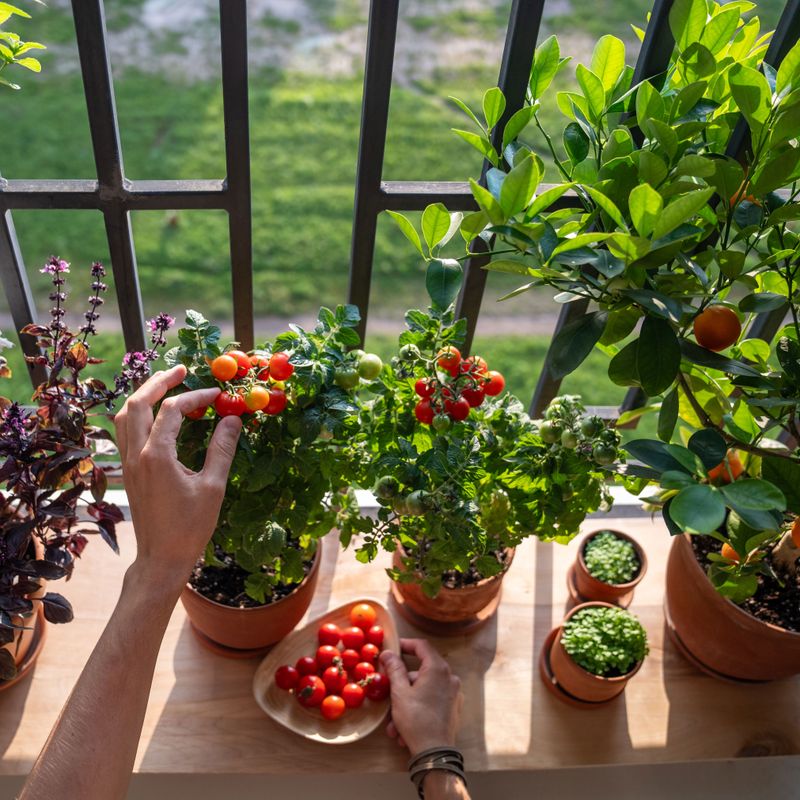
My grandfather kept a small garden in the backyard, and that patch of dirt saved real money every summer. Even growing just herbs like basil, rosemary, or chives on a windowsill can cut down your grocery bill noticeably over a season.
You do not need a big yard or a green thumb to get started. Microgreens, lettuce, and cherry tomatoes grow well in containers on patios or balconies.
The upfront cost of seeds is tiny compared to months of fresh produce.
5. Preserve Food to Make It Last Longer

Canning season at my grandparents’ house was a full-family event, and those jars of tomatoes and jam lasted all winter long. Preserving food through canning, freezing, or dehydrating is one of the smartest ways to lock in savings from bulk buys or a bumper harvest.
Buying strawberries in peak season and freezing them costs far less than buying them in January. Even a basic chest freezer pays for itself quickly when you batch-cook meals or stock up on sale items.
6. Repair Things Before Replacing Them
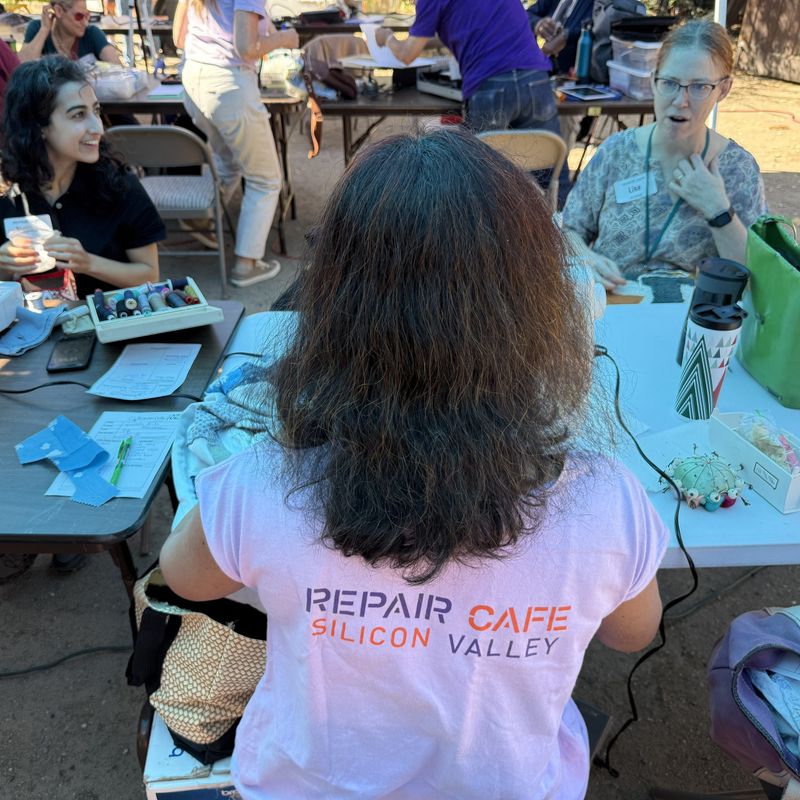
A loose button, a broken zipper, a leaky faucet — my grandparents fixed things rather than throwing them away. That mindset kept money in their pockets and kept perfectly good items out of the trash.
Today, repair cafes, YouTube tutorials, and local cobblers make it easier than ever to fix what you own. A small investment in a basic sewing kit or a tube of adhesive can save you from spending fifty dollars on something brand new that works exactly the same way.
7. Reuse Everyday Items Creatively
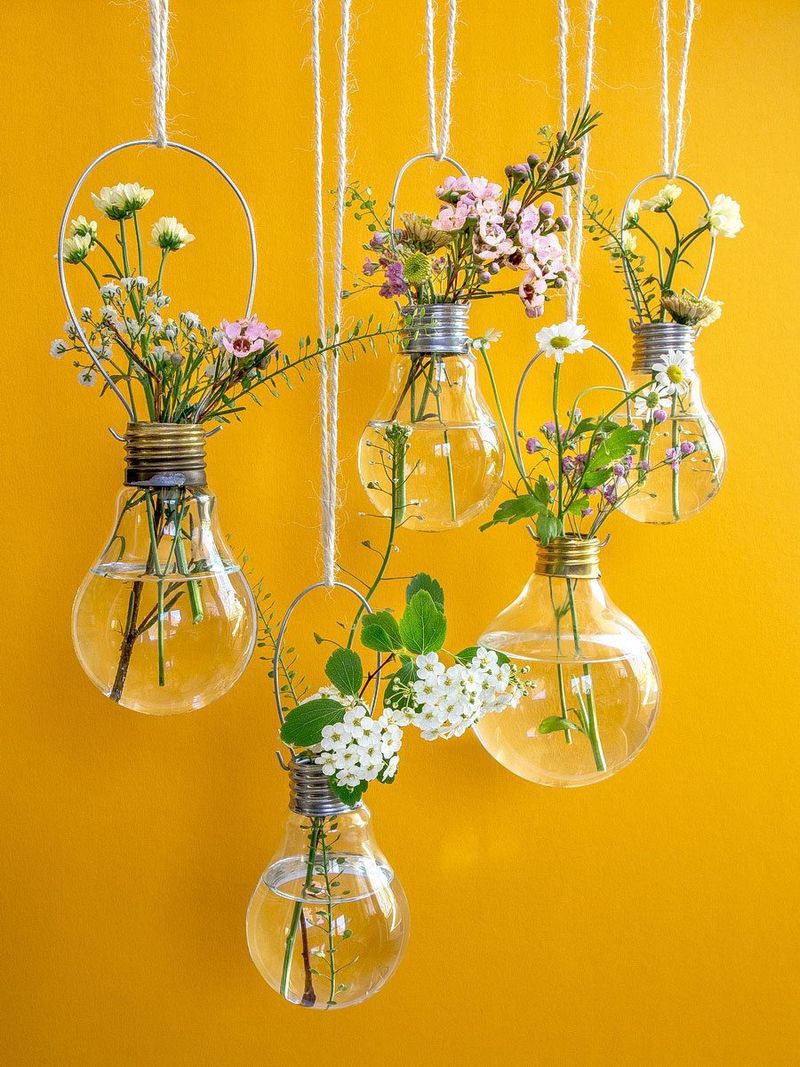
Glass jars became drinking glasses, fabric scraps became quilts, and buttons from worn-out shirts got saved for the next project. Reusing what you already own is one of those habits that feels almost rebellious in a world that pushes you to buy new constantly.
Before tossing something, ask whether it has another life. Old t-shirts become cleaning rags.
Bread bags work as sandwich bags. Cardboard boxes store seasonal items.
These tiny swaps add up to noticeable savings over a full year.
8. Make Your Own Cleaning Products

White vinegar and baking soda were the cleaning crew in my grandparents’ home long before anyone called it a life hack. These two ingredients together tackle grease, odors, and grime on most household surfaces for just cents per use.
Commercial cleaners can cost several dollars per bottle and often contain harsh chemicals. Switching to simple homemade versions saves money and reduces exposure to strong synthetic ingredients.
A quick online search gives you recipes for everything from glass cleaner to laundry detergent.
9. Pay With Cash and Avoid Unnecessary Debt
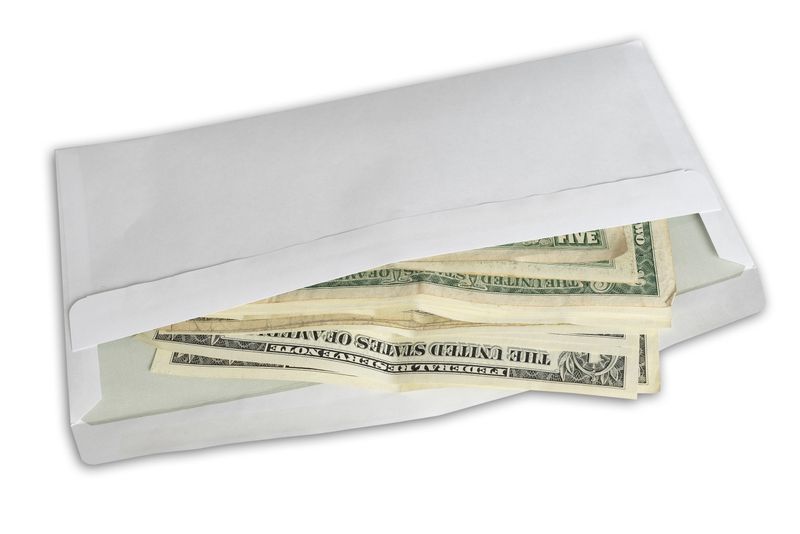
My grandfather paid cash for almost everything, and if he could not afford it in cash, he waited until he could. That one rule kept the family out of the debt trap that catches so many people off guard today.
Credit card interest can quietly double the price of something you bought on impulse. Saving up first — even if it takes a few months — means you own the thing outright from day one.
The patience required is the skill worth building most.
10. Save for a Rainy Day, Every Single Week

“Save something from every paycheck, even if it is just a little.” That advice from my grandmother sounds simple, but building an emergency fund changes everything about how stressful life feels when something unexpected hits.
Car repairs, medical bills, and appliance breakdowns do not send a warning. Having even one thousand dollars set aside means those surprises do not spiral into debt.
Automating a small weekly transfer to a savings account makes this habit nearly effortless to maintain.
11. Shop Smart With Sales, Coupons, and Bulk Buys
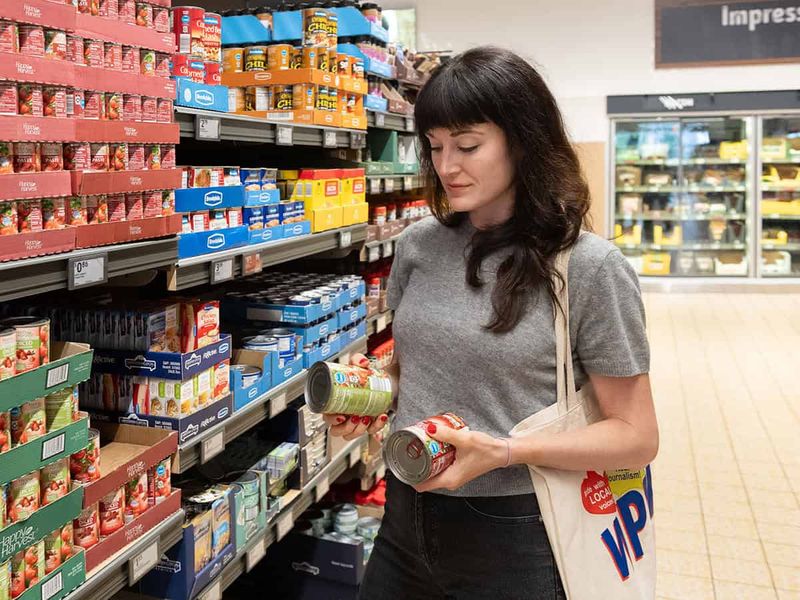
My grandmother clipped coupons with the same dedication some people apply to a second job. Stacking store sales with manufacturer coupons and buying non-perishables in bulk was her system for keeping the grocery bill shockingly low.
Today, digital coupons and cashback apps make this even easier. The key is only bulk-buying things you genuinely use before they expire.
Buying ten cans of soup you actually eat saves money; buying ten jars of something that sits untouched is just clutter.
12. Borrow, Barter, and Share With Your Community
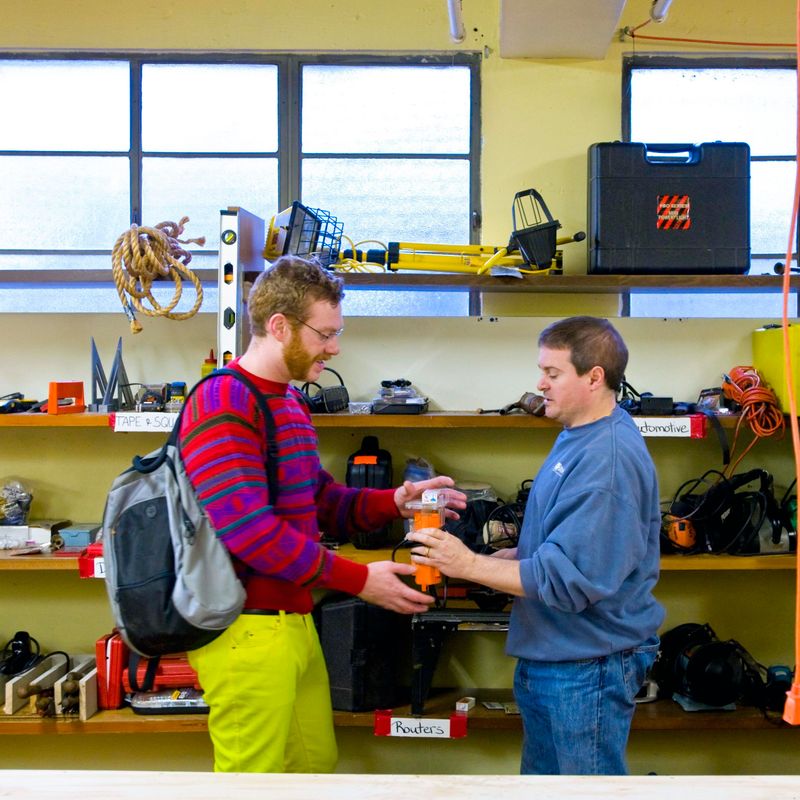
Need a ladder for one afternoon? My grandfather would have knocked on the neighbor’s door before spending money at a hardware store.
Borrowing tools, sharing garden produce, and bartering skills were normal parts of community life for his generation.
This kind of resourcefulness is making a comeback through neighborhood apps, tool libraries, and local buy-nothing groups. Trading a skill you have — like baking or yard work — for one you need costs nothing and builds real connections with the people around you.
13. Use the Public Library for Free Entertainment

Before streaming subscriptions took over, the public library was the entertainment hub of my grandparents’ world. Books, magazines, music, and movies — all available for free with a library card, which is still true in most cities today.
Many libraries now also offer free digital lending through apps like Libby, giving access to thousands of ebooks and audiobooks from your phone. Canceling even one paid subscription and replacing it with a library card visit each week saves real money annually.
14. Line-Dry Your Laundry to Cut Energy Costs
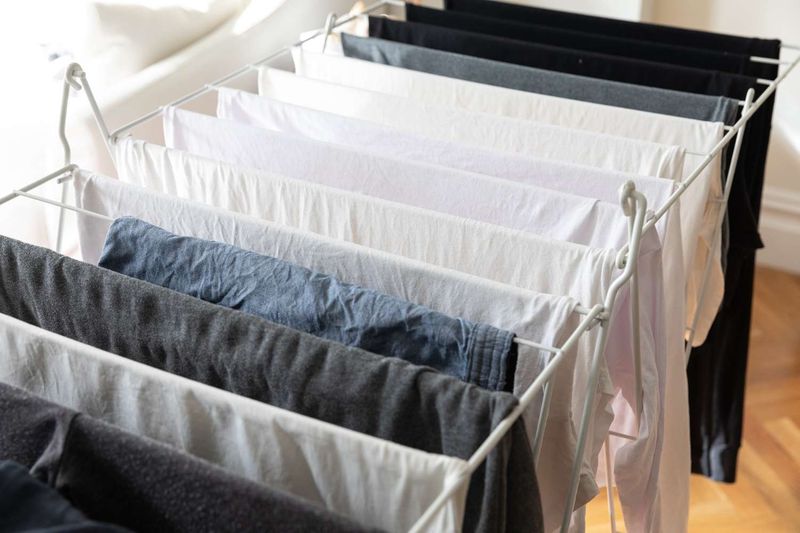
Clothes dryers are one of the biggest energy hogs in a typical home. My grandparents used a clothesline as their default, and the electric bill reflected it.
Line-drying is free, gentle on fabrics, and leaves clothes smelling genuinely fresh.
Even switching to air-drying just two or three loads per week adds up to noticeable savings over a year. An indoor drying rack works well in apartments or during rainy weather.
Sun exposure also naturally whitens and sanitizes light-colored fabrics without any products.
15. Invest in Quality Items That Last

Cheap shoes that fall apart in three months end up costing more than one good pair worn for years. My grandparents understood this equation instinctively and applied it to everything from kitchen knives to winter coats.
The phrase “buy once, cry once” captures the idea well. Spending more upfront on something built to last beats replacing the budget version repeatedly.
Thrift stores and estate sales are great places to find quality items at lower prices — the best of both strategies combined.
16. Find Contentment in What You Already Own

Maybe the most powerful lesson my grandparents ever modeled was not a trick or a technique — it was an attitude. They genuinely enjoyed what they had without constantly eyeing the next upgrade, the newer model, or the trendier version.
Contentment is a skill that saves more money than any coupon ever could. Before buying something new, asking “do I actually need this or am I just bored?” can stop a surprising number of purchases cold.
Satisfaction with enough is quietly radical in a world built on wanting more.