
A snack you enjoy at home might face strict rules somewhere else. Countries limit certain foods to protect people, care for animals, or keep public spaces clean.
Sometimes the rule covers only one ingredient, how a food is made, or where it can be sold. Knowing the difference can help you shop wisely and avoid surprises when you travel.
1. Beluga Caviar: Luxury With Wildlife Limits
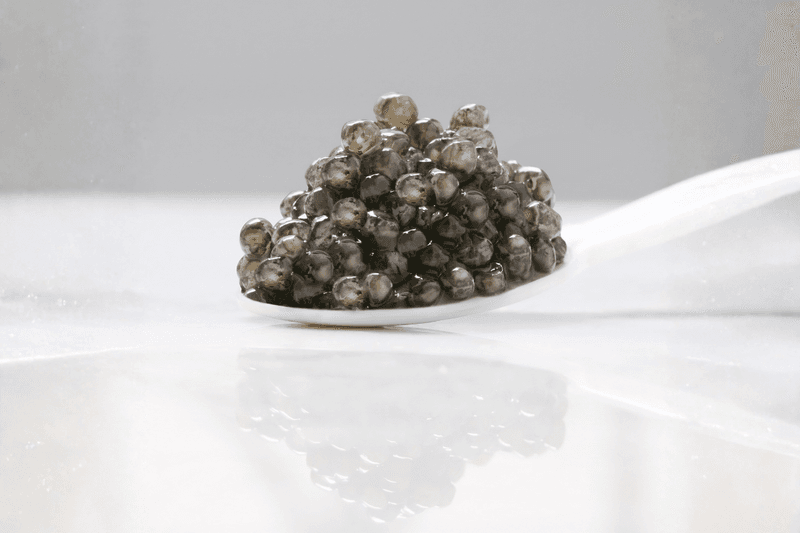
A tiny spoonful of luxury can carry a big wildlife concern. The United States restricted imports of beluga sturgeon caviar in 2005 because these fish faced serious threats from overfishing and illegal trade.
Limited exceptions exist for authorized sources, so calling every beluga product illegal would be misleading. Before buying expensive roe, ask about its species, origin, and permits.
Other farmed sturgeon caviar may offer a legal alternative, but labeling and import rules still matter.
2. Chewing Gum: Singapore Keeps Things Tidy
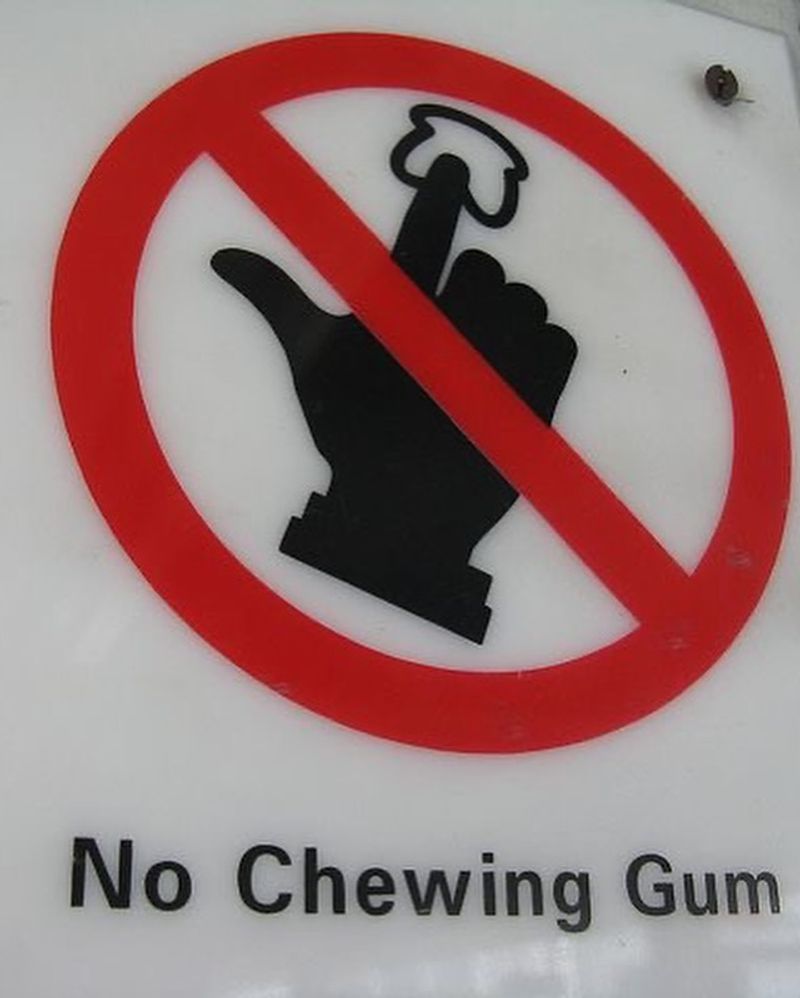
Sticky sidewalks helped turn an everyday habit into a famous rule. Singapore tightly controls the import and sale of chewing gum, with restrictions introduced in 1992 to tackle litter and damage to public property.
Chewing gum itself is not generally illegal. Certain therapeutic products, including approved dental and nicotine gums, have exceptions under specific conditions.
Travelers should check Singapore Customs guidance before packing gum, rather than assuming a small personal supply is automatically allowed through.
3. Foie Gras: A Debate Beyond the Dinner Plate
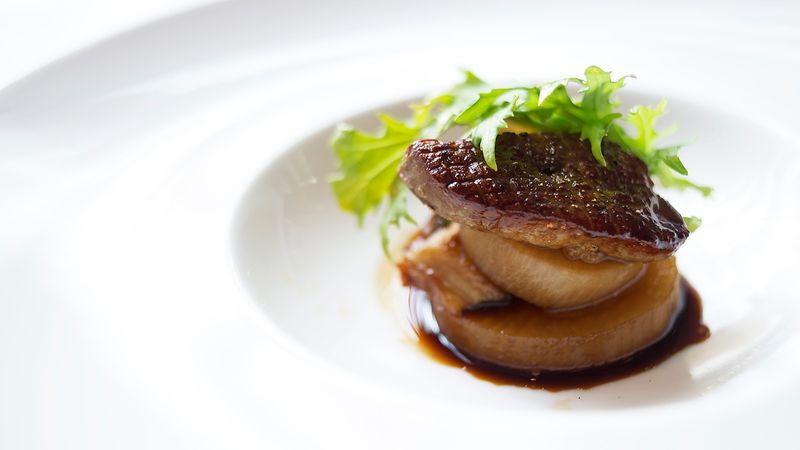
Behind this rich delicacy sits a heated animal welfare debate. Traditional foie gras production often involves force-feeding ducks or geese to enlarge their livers, a practice several countries prohibit.
Production bans do not always mean that selling or eating imported foie gras is forbidden. India, however, banned its import in 2014, while California restricts covered products under state law.
Check the exact local rule before ordering, since production, import, and sales restrictions can differ greatly.
4. Shark Fins: Conservation Comes First
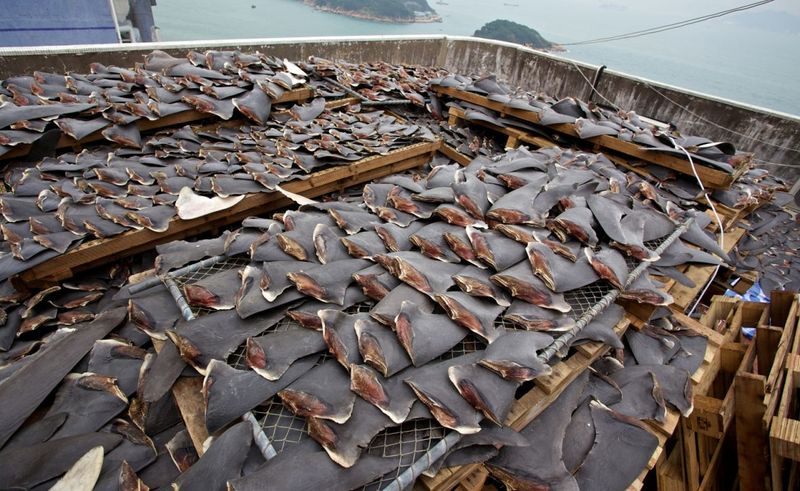
One banquet dish has become a symbol of ocean protection. Demand for shark fins can put pressure on vulnerable species and encourage finning, where fins are removed and sharks are discarded at sea.
The United States broadly prohibits commercial shark fin trade under federal law, with limited exceptions. Canada also restricts imports and exports of detached fins.
Choose a clearly labeled imitation soup instead, and never assume an overseas purchase can legally cross your border.
5. Haggis: Scotland’s Recipe Meets American Rules
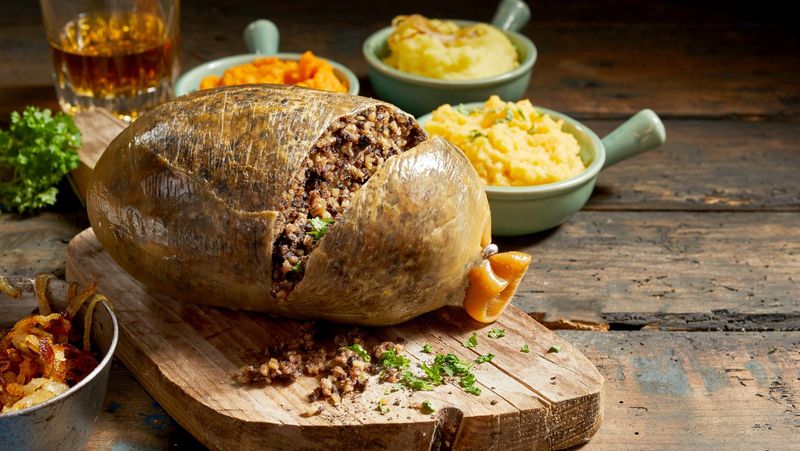
Scotland’s famous supper runs into trouble over one traditional ingredient: sheep lungs. Since 1971, United States food rules have excluded livestock lungs from human food, preventing imports of haggis made with them.
That does not make every version of haggis illegal. American producers can use recipes without lungs, and vegetarian options avoid the issue altogether.
If you want a taste at home, buy a compliant local version rather than bringing traditional haggis back from abroad.
6. Artificial Food Colors: The Label Matters
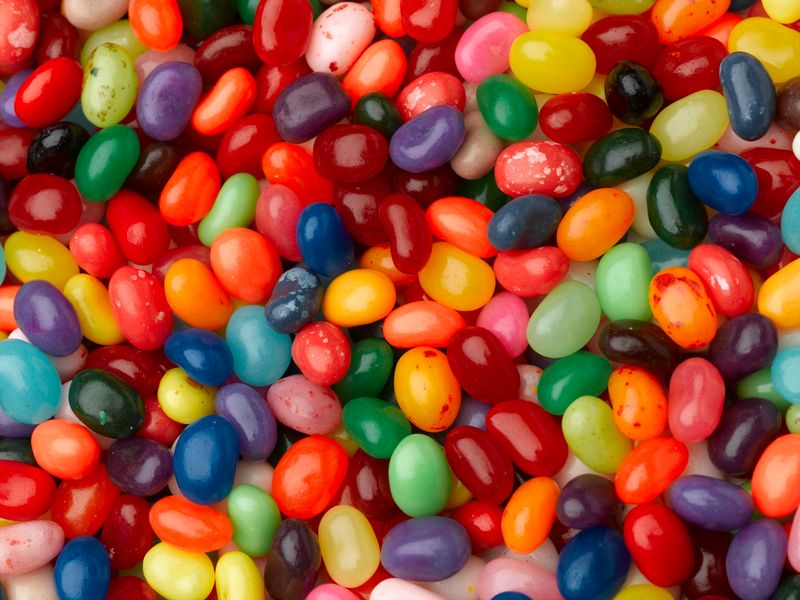
Bright candy colors follow different rules depending on the market. In the European Union, several approved artificial colors require a warning about possible effects on children’s activity and attention.
That is not the same as a blanket ban on colorful sweets. Red 40, called Allura Red AC in Europe, remains allowed in specified uses.
Recipes may change between countries, so read ingredient lists instead of trusting claims that all American candy is banned across Europe.
7. Konjac Jelly Cups: Small Treats, Serious Risks
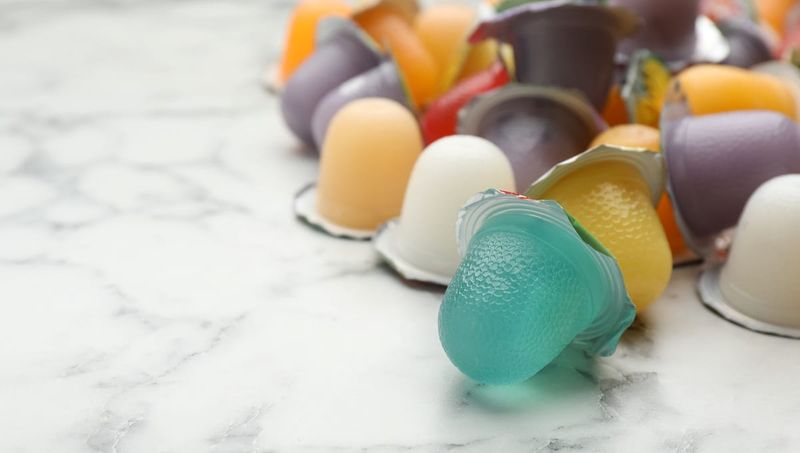
A slippery bite can be harder to swallow than it looks. Mini jelly cups made with konjac can lodge in the throat because their firm texture does not break down easily.
The European Union prohibits konjac in jelly mini-cups, and Australia bans certain small konjac jelly cups. Children and older adults face particular choking risks.
Check product details carefully, and do not confuse these restricted sweets with every jelly dessert or every food containing konjac.
8. Poppy Seeds: A Baking Staple Under Scrutiny
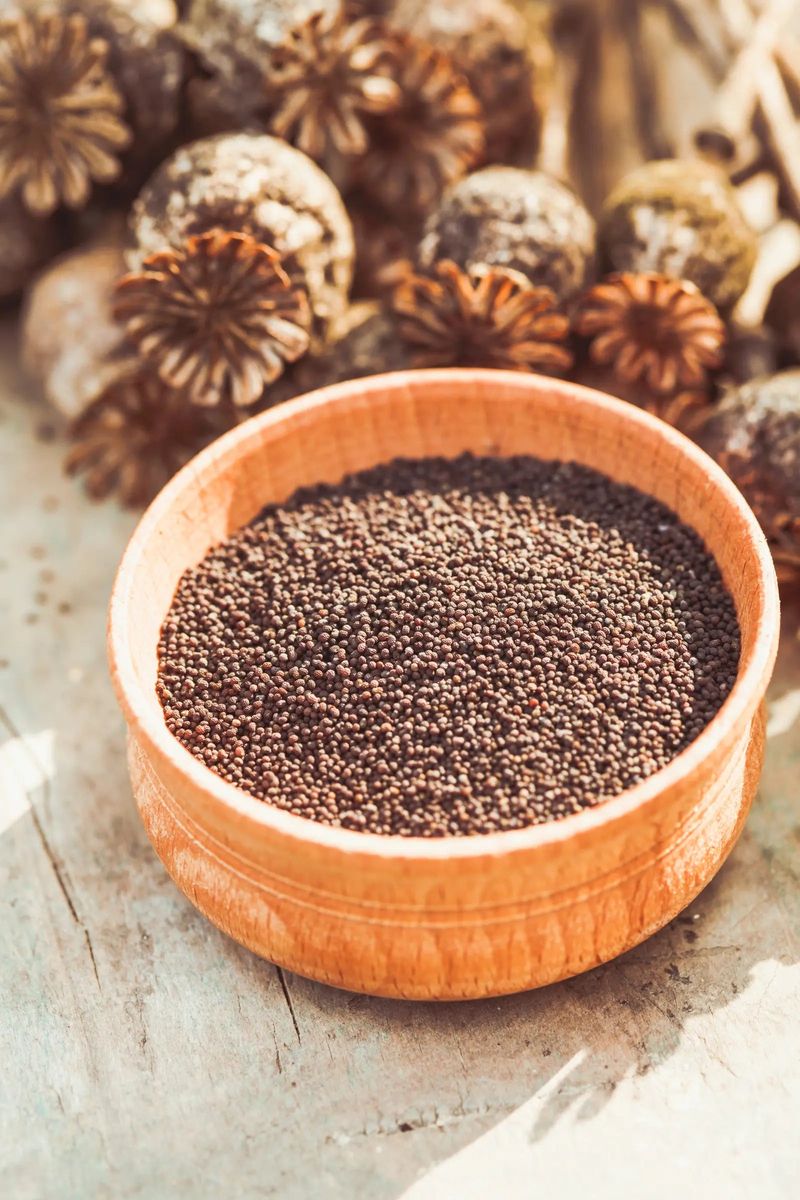
Your favorite seeded roll may need extra paperwork in Singapore. Poppy seeds can carry traces of controlled opium substances, so imports face checks rather than being treated like ordinary baking supplies.
Singapore’s Central Narcotics Bureau advises importers to seek approval and may require testing through the Health Sciences Authority. Requirements can also affect foods containing the seeds.
Before packing pastries or ordering ingredients online, consult official guidance instead of assuming that a familiar supermarket product qualifies.
9. Fugu: Dinner That Demands Expert Care
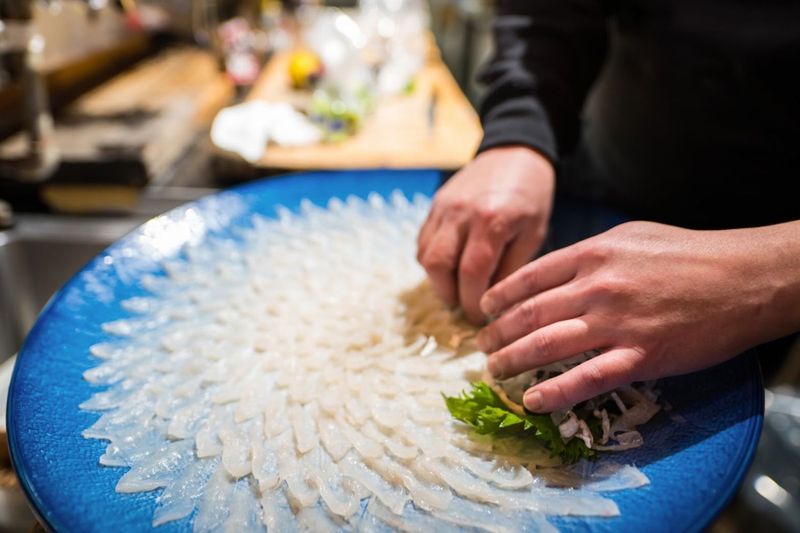
Few restaurant meals require such specialized skill. Some pufferfish contain tetrodotoxin, a powerful poison that can cause paralysis and death, and ordinary cooking does not reliably make contaminated flesh safe.
Japan controls fugu preparation through rules that vary by area, including licensing or certification requirements. European Union rules prohibit fishery products from certain poisonous fish families, including pufferfish.
Never prepare a wild specimen yourself; where service is legal, choose an establishment operating under local requirements.
10. Raw Milk: Farm Fresh Does Not Mean Risk Free
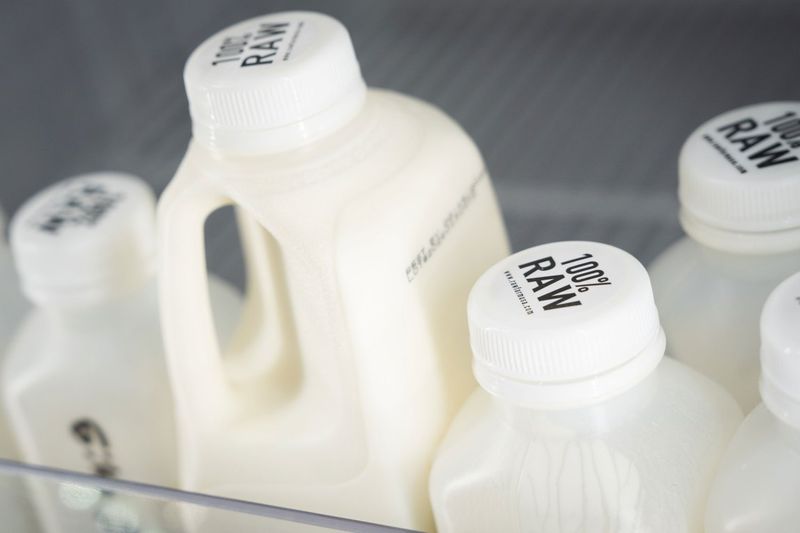
A farm setting cannot guarantee that milk is free of germs. Unpasteurized milk may contain harmful bacteria, including E. coli, Salmonella, and Listeria, even when animals appear healthy.
Canada generally prohibits selling raw drinking milk, while United States rules vary by state and federal law bars interstate sales for human consumption. Cheese follows separate rules, so not all raw dairy is banned.
Pasteurized milk is the safer choice, especially for children, pregnant people, and older adults.
11. Casu Marzu: Sardinia’s Unusual Cheese
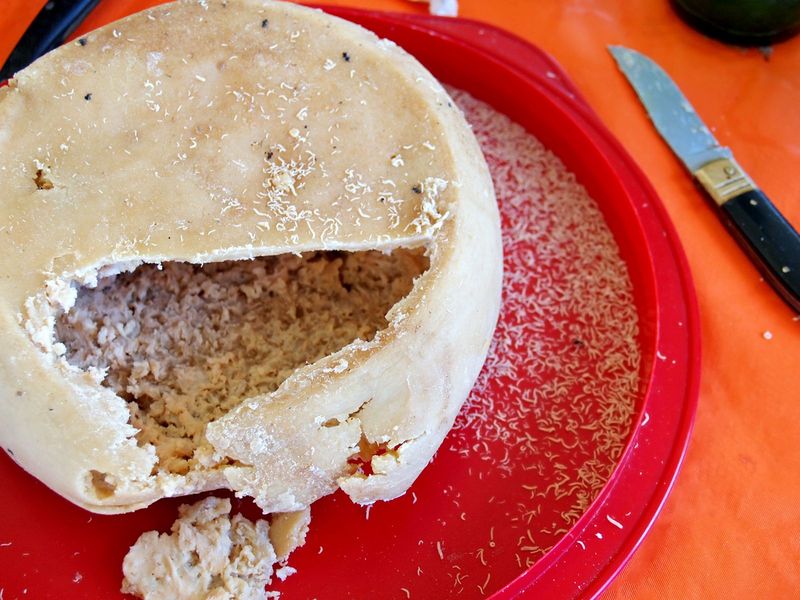
Moving ingredients make this Sardinian specialty hard to forget. Casu marzu is a sheep’s milk cheese associated with live fly larvae, which help break down its texture during fermentation.
Its traditional form does not meet ordinary European food hygiene requirements for legal commercial sale. Cultural fame is not proof that a seller has official approval.
Travelers should avoid treating an informal tasting as a safety guarantee and consider other Sardinian cheeses sold through regulated shops instead.
12. Ackee: Ripeness Makes a Crucial Difference
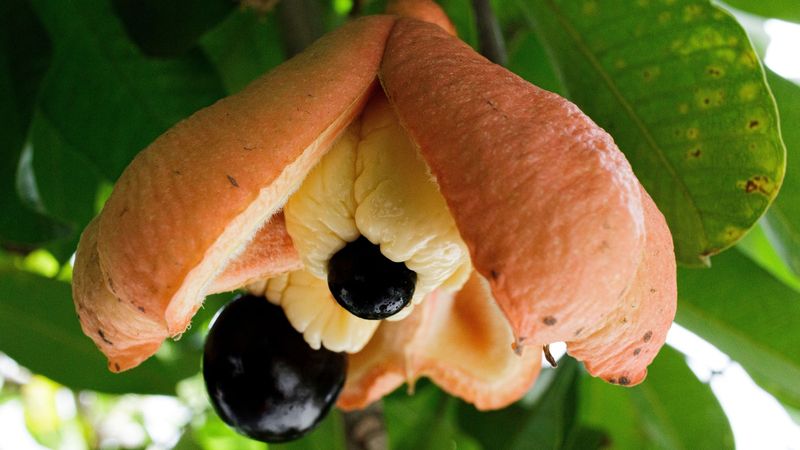
Jamaica’s beloved ackee has a dangerous side when handled incorrectly. Unripe fruit contains high levels of hypoglycin A, a toxin that can cause severe illness, including dangerously low blood sugar.
The United States restricts ackee imports and allows qualifying products from approved sources under food safety controls. Properly processed canned ackee is different from unsafe fresh fruit.
Buy from reputable retailers, follow package directions, and never assume cooking alone will make unripe ackee safe to eat.
13. Kinder Surprise: The Toy Changes Everything
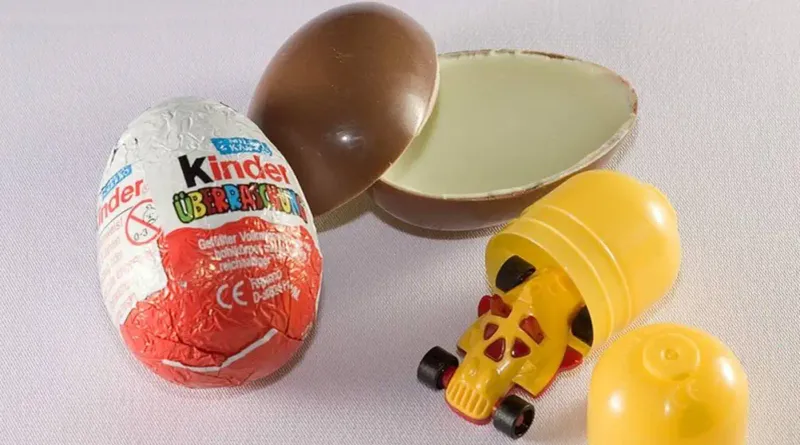
A hidden toy turns this chocolate egg into a customs problem. Traditional Kinder Surprise eggs contain a nonfood object inside the candy, which conflicts with United States rules covering such confectionery.
The underlying federal law dates to 1938, long before the brand existed. Travelers should not pack these eggs for American entry, even as gifts.
Kinder Joy is a different product, with its toy separated from the edible portion, and is legally sold in American stores.
14. Tomato Ketchup: Limits in French School Dining
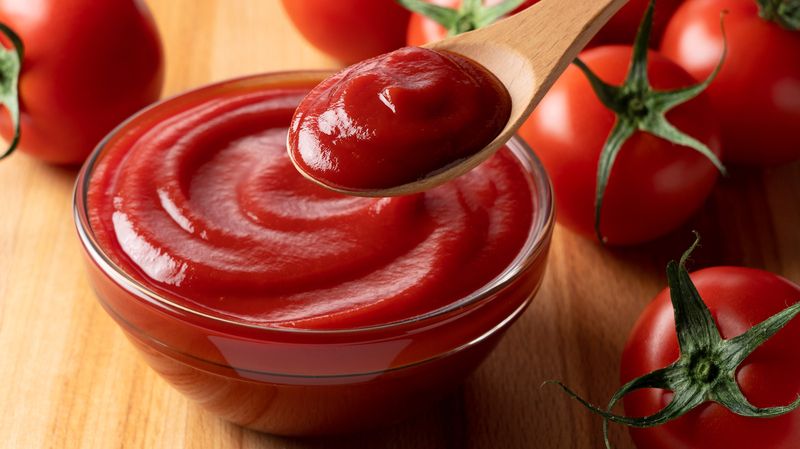
Lunchroom rules can become much bigger stories than the rules themselves. France’s 2011 school meal standards limited access to sauces such as ketchup, tying their service to suitable dishes rather than unrestricted use.
That was not a nationwide ban on ketchup, nor a rule against keeping it at home. The measures formed part of broader nutrition standards for school meals.
Think controlled cafeteria portions, not forbidden bottles disappearing from every French supermarket shelf or restaurant table.
15. Chlorine-Washed Chicken: Processing Makes the Difference
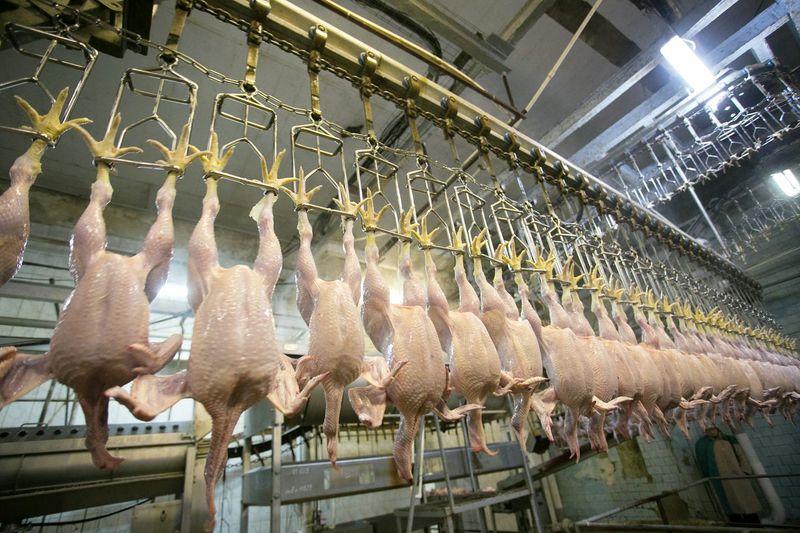
How poultry gets cleaned can determine whether it enters a market. The European Union does not authorize chlorine washes for poultry carcasses, a treatment used in parts of the American chicken industry.
The disagreement concerns approved processing methods and food safety systems, not a claim that every American chicken is poisonous. Poultry meeting European requirements is a separate matter.
When reading headlines, distinguish restrictions on a production method from a blanket ban based on national origin.
16. Dog Meat: Hong Kong’s Clear Prohibition
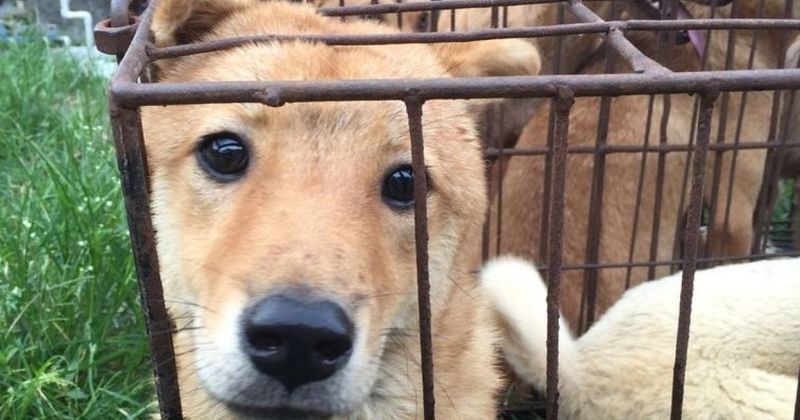
Animals seen as companions can also sit at the center of food laws. Hong Kong prohibits slaughtering dogs and cats for food, along with selling or using their flesh as food.
Elsewhere, rules differ and may change as animal welfare policies develop. Cultural habits should never be mistaken for legal permission across an entire country or region.
If an unfamiliar menu raises concerns, ask what the dish contains and choose another meal when answers remain unclear.